

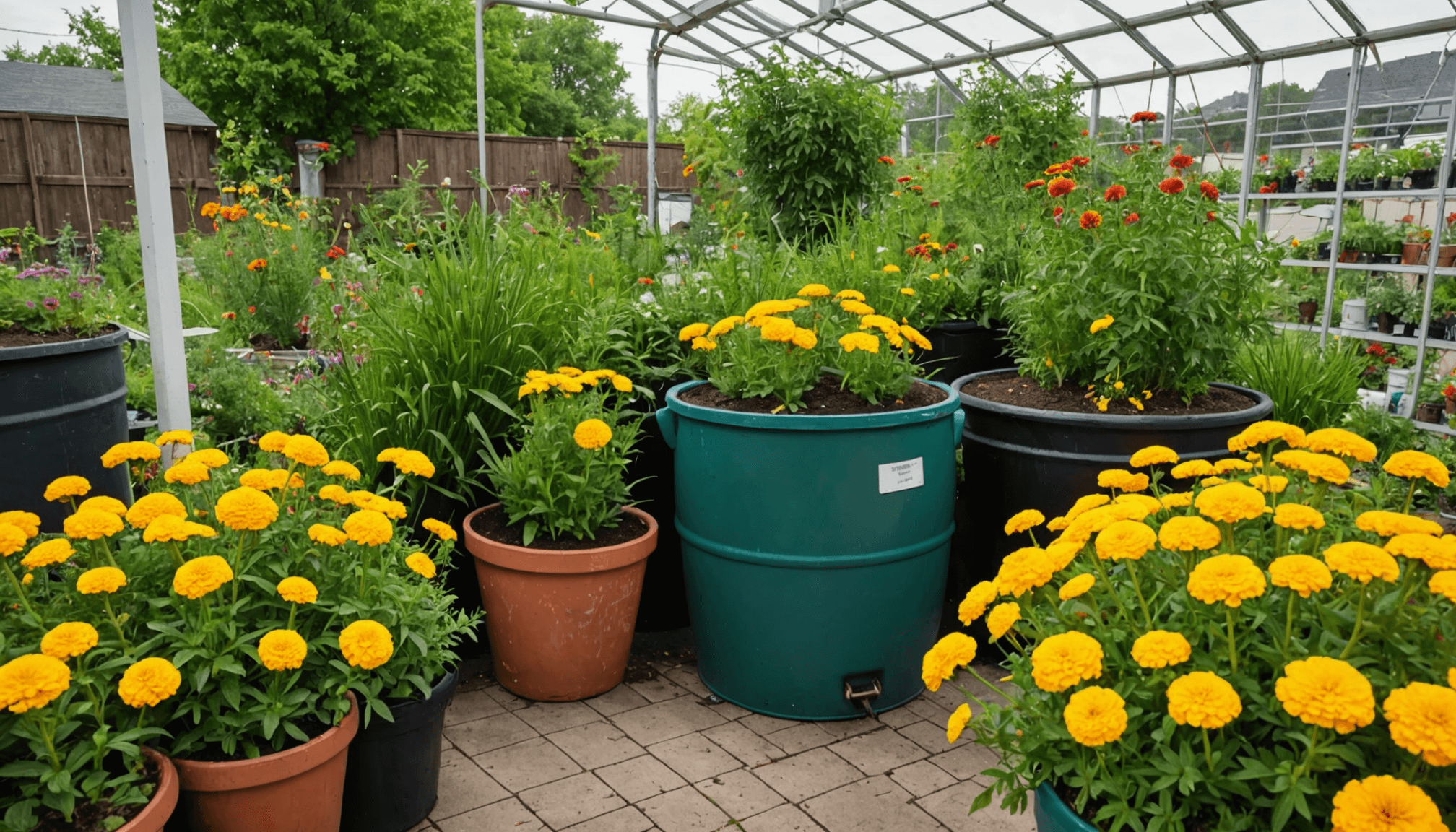
When starting a plant nursery, adhering to the principles of permaculture can make a significant difference in sustainability and productivity. By focusing on creating a closed-loop system, you can minimize waste, maximize resources, and cultivate plants that thrive in their environment.
One fundamental principle of permaculture is to observe and interact with your space. Spend time understanding the microclimates, sunlight patterns, and existing flora and fauna. For instance, if your nursery is in an urban area, look at how nearby trees, buildings, and even urban heat islands affect plant growth. By knowing these details, you can select plants that will flourish in your conditions, minimizing the need for excessive watering or fertilizers.
Implementing sustainable practices also involves utilizing the resources available to you. For example, consider incorporating rainwater harvesting systems in your nursery to collect and store water for irrigation. Setting up a simple rain barrel can significantly reduce your water costs and reliance on municipal sources. Pair this with drip irrigation to ensure your plants receive the right amount of moisture without waste.
Another effective strategy is to practice companion planting, which is not only a core concept in permaculture but also proves beneficial for pest management. For instance, planting marigolds among your vegetable seedlings can deter harmful insects while attracting beneficial pollinators. It creates a more balanced ecosystem within your nursery.
Mulching is another crucial technique to consider. Using organic materials such as straw, wood chips, or grass clippings as mulch helps retain soil moisture, suppresses weeds, and adds nutrients back into the soil as it breaks down. This practice aligns perfectly with the permaculture ethos of working with nature rather than against it.
Moreover, think about the lifecycle of your plants. Choose to propagate plants that are perennial or self-seeding, as they tend to require less maintenance and support the local ecosystem. Native plants are particularly valuable in a nursery, as they’re adapted to the local environment and provide essential habitats for wildlife.
As you plan your nursery, attempt to integrate a variety of plant species to enhance biodiversity. This not only supports pollinators but also helps reduce the spread of pests and diseases. For example, a mix of flowering plants, herbs, and vegetables creates a dynamic ecosystem that is both productive and resilient.
In developing your nursery, it’s also vital to focus on soil health. Regularly test your soil to understand its nutrient levels and pH balance. Using techniques such as crop rotation and cover cropping can improve soil structure and fertility, ensuring your plants grow strong and healthy.
By incorporating these permaculture principles into your plant nursery, you can create a vibrant space that not only supports your gardening ambitions but also contributes positively to the environment. Remember, the ultimate goal is to establish a self-sustaining ecosystem that thrives on its own balance.
Selecting native plants for sustainability
Selecting native plants is a cornerstone of sustainable practices in any plant nursery. Native plants, which are those that naturally occur in a particular region, play a pivotal role in promoting ecological balance by supporting local wildlife, reducing resource inputs, and enhancing soil health. When establishing your nursery, making informed choices about plant selection can lead to a thriving ecosystem.
One of the main advantages of native plants is their adaptation to the local climate and soil conditions. By selecting plants that are already suited for the environment, you can significantly decrease the need for fertilizers, pesticides, and excessive watering. For instance, plants like *Echinacea purpurea* (Purple Coneflower) or *Rudbeckia hirta* (Black-eyed Susan) are excellent for attracting pollinators while being drought-resistant, making them ideal for xeriscaping in dryer regions.
A comparative analysis of native versus non-native plants shows the various benefits of incorporating natives into your nursery. The following table illustrates this comparison:
| Criteria | Native Plants | Non-Native Plants |
|---|---|---|
| Adaptation to Environment | Well-adapted to local conditions | May require additional resources to thrive |
| Water Requirements | Lower water needs | Higher water needs |
| Wildlife Support | Provides habitat and food for local wildlife | May not support local fauna |
| Disease Resistance | Typically more resistant to local pests and diseases | May be susceptible to local pests |
| Soil Health | Enhances soil by supporting local mycorrhizal networks | Can disrupt local soil ecology |
In addition to their hardiness, native plants can create a more biodiverse nursery. They co-evolved with local wildlife, meaning they often provide better habitats and food sources for pollinators, birds, and beneficial insects. This contributes to a healthy, functioning ecosystem where natural pest control mechanisms can help maintain balance without the use of chemical inputs.
The importance of native plants extends beyond ecological benefits. They can also enhance the aesthetic appeal of your nursery. Many natives have unique foliage, flowers, and growth habits, contributing to an attractive landscape that represents local heritage and beauty. Consider grouping plants such as *Asclepias tuberosa* (Butterfly Weed) or *Solidago canadensis* (Canada Goldenrod) to create visually appealing and functional plantings.
When selecting native plants, it’s essential to ensure they are sourced responsibly. Choose seeds and plants from reputable local nurseries that prioritize conservation and ethical propagation practices. Furthermore, consider the specific growing conditions within your nursery, such as soil type, light, and moisture levels, to select species that will thrive.
Utilizing native plants not only adheres to the principles of permaculture but also creates a self-sustaining nursery environment. This integration fosters resilience against changing climate conditions, enhances the local ecosystem, and reduces ongoing maintenance costs, making it a smart choice for anyone looking to practice sustainable gardening. Focus on these local treasures, and your nursery can become a vital resource for both people and wildlife.
Designing your nursery layout
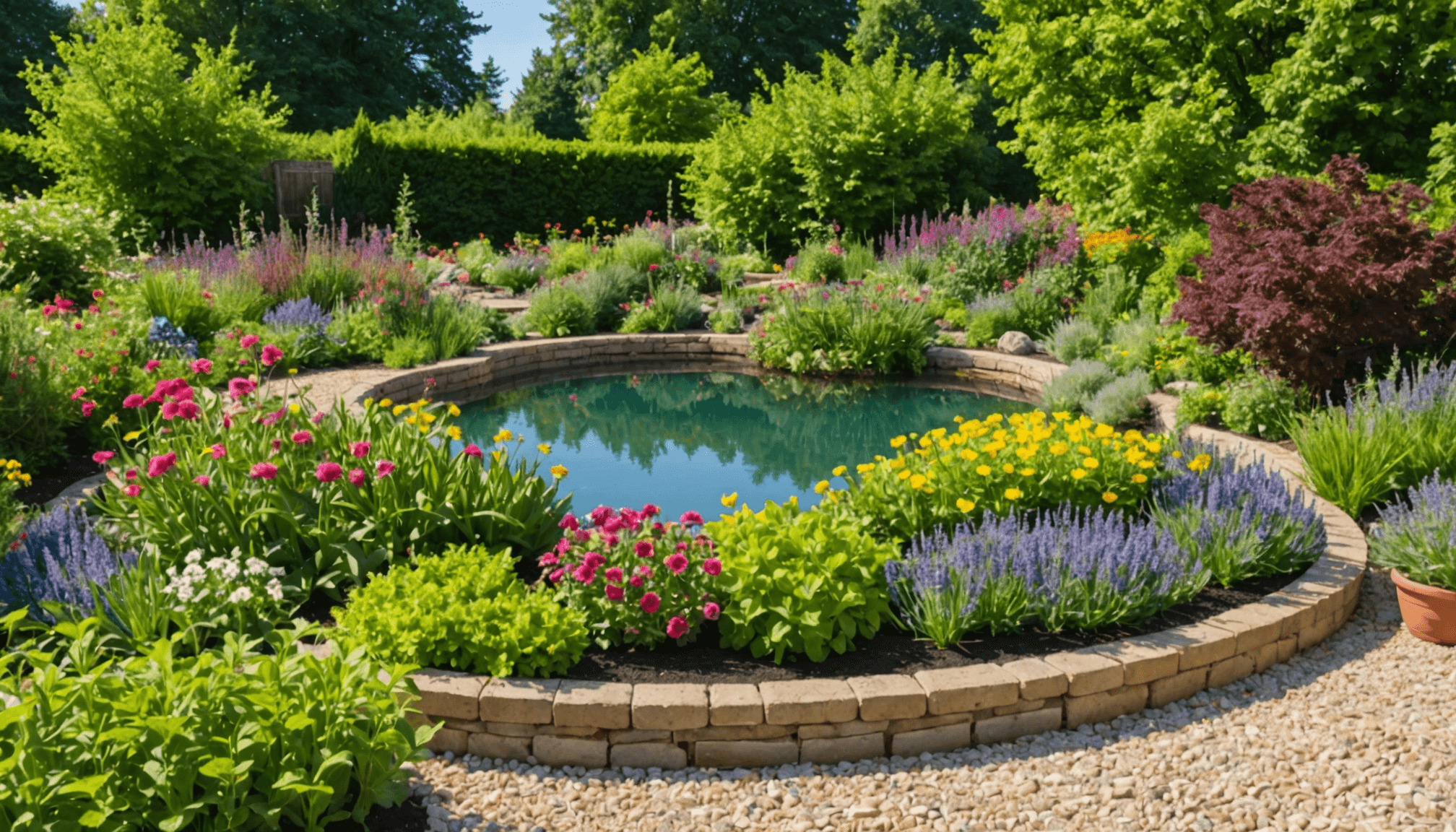
When it comes to designing your nursery layout, it’s essential to approach the process with a clear vision rooted in permaculture principles. A well-thought-out layout enhances productivity, facilitates management, and nurtures biodiversity, all while being aesthetically pleasing. Begin by mapping your area with an eye toward maximizing sun exposure and sheltering plants that may be more vulnerable to harsh weather conditions.
One of the first steps is to create distinct zones that reflect the specific needs and growth patterns of the plants you intend to cultivate. Designating areas for sun-loving plants, shade-tolerant species, and water-loving varieties can streamline gardening tasks and improve plant health. For instance, a sun-soaked section can host vibrant flowering plants while incorporating taller species on the north side to provide shade for lower-growing plants.
Consider implementing raised beds in your design. These not only improve soil drainage but also can be tailored to specific plant needs, such as width and height adjustments for ergonomic gardening. Raised beds can also reduce compaction and increase yields, ultimately promoting healthier plants. For optimal growth, use high-quality soil mixes enriched with compost to create a nutrient-rich environment.
Another layout consideration is the inclusion of paths that allow for easy access while minimizing disturbance to the plants. Design wide, curved paths rather than narrow, straight ones to create a more inviting atmosphere. You can also use permeable materials like gravel or mulch for pathways, which can contribute to water management by allowing rain to seep into the soil rather than run off.
Incorporating functional plant groupings is a critical aspect of permaculture design. Group plants with similar watering and sunlight needs together, which not only simplifies management but maximizes the efficiency of resources. For example, plant herbs like basil beside tomatoes, as they thrive in the same conditions while helping each other grow. This kind of companion planting reduces the need for chemical fertilizers and promotes a healthy ecosystem.
Another important element is to consider vertical gardening as a way to conserve space and enhance plant productivity. Trellises, wall planters, and hanging pots can be used to grow climbing plants and herbs, freeing up ground space for larger plants. This design not only optimizes the available area but also adds an interesting visual dynamic to your nursery.
Don’t overlook the incorporation of water features like small ponds or rain gardens within your nursery layout. These can serve multiple purposes including attracting wildlife, aiding in water management, and creating a hub for beneficial insects. Additionally, think about installing a simple drip irrigation system to ensure efficient water usage tailored to the needs of different plant sections.
Lastly, remember the importance of creating spaces for wildlife. Incorporating areas with native plants, rocks, and logs can support local fauna, promoting biodiversity in your nursery. Creating habitats attracts beneficial insects and pollinators, enhancing the ecological balance needed for a thriving plant nursery.
By thoughtfully designing your nursery layout with these permaculture principles in mind, you can create a sustainable environment that supports your gardening goals. Not only will your plants flourish, but your overall experience as a gardener will be significantly enriched by a harmonious and efficient nursery design.
Soil health and composting techniques
Soil health is a cornerstone of a thriving nursery, particularly within the framework of permaculture. To begin, assessing the existing soil conditions is vital. Testing soil for nutrient levels, pH, and organic matter content can provide invaluable insights that inform your subsequent decisions. This information allows you to tailor your approach, ensuring the soil meets the specific needs of the plants you intend to grow.
One effective method to enhance soil health is through the principles of composting. Composting not only recycles organic waste but also enriches the soil with essential nutrients. Start by collecting kitchen scraps, yard waste, and other organic materials. A balanced compost pile typically consists of brown materials (like dried leaves and cardboard) and green materials (such as fruit peels and grass clippings). Aim for a ratio of approximately three parts brown to one part green to create an efficient composting process.
Once your compost is established, it will require regular turning to aerate the materials and facilitate microbial activity, which is crucial for decomposition. After several months, the transformation into rich, dark compost will create a remarkable resource for your nursery. Incorporating this compost into your soil improves its structure, boosts nutrient availability, and supports a healthy soil microbiome.
In addition to composting, employing cover crops can be a game-changer for soil health. Cover crops, such as clover or vetch, can be seeded during the off-season to protect and enrich the soil. These plants not only prevent erosion but also improve soil structure and enhance nutrient content when tilled back into the soil. Moreover, they can help suppress weeds, further minimizing the need for chemical interventions.
Mulching is yet another technique that complements soil health efforts. Applying a layer of organic mulch, such as straw or wood chips, retains moisture, regulates soil temperature, and allows beneficial microorganisms to thrive. As this mulch breaks down, it adds organic matter to the soil, contributing to a vibrant microbial ecosystem that supports plant growth.
“Healthy soil is the foundation of sustainable agriculture.” – Unknown
In a permaculture system, the relationship between plants and soil is symbiotic. Establishing a diverse array of plants, including perennial species, helps develop deep root systems that contribute to soil stability and nutrient cycling. Over time, these plants can also improve soil tilth and structure, allowing for better water infiltration and retention.
Creating a rich, living soil in your nursery not only enhances the health and productivity of your plants but also aligns perfectly with sustainable practices. By focusing on organic inputs, composting, cover cropping, and mulching, you can build a self-sustaining ecosystem that reduces reliance on synthetic fertilizers and promotes resilience in your plant nursery. This approach not only benefits the plants but also supports the broader environment through improved soil health and biodiversity.
Water management in permaculture
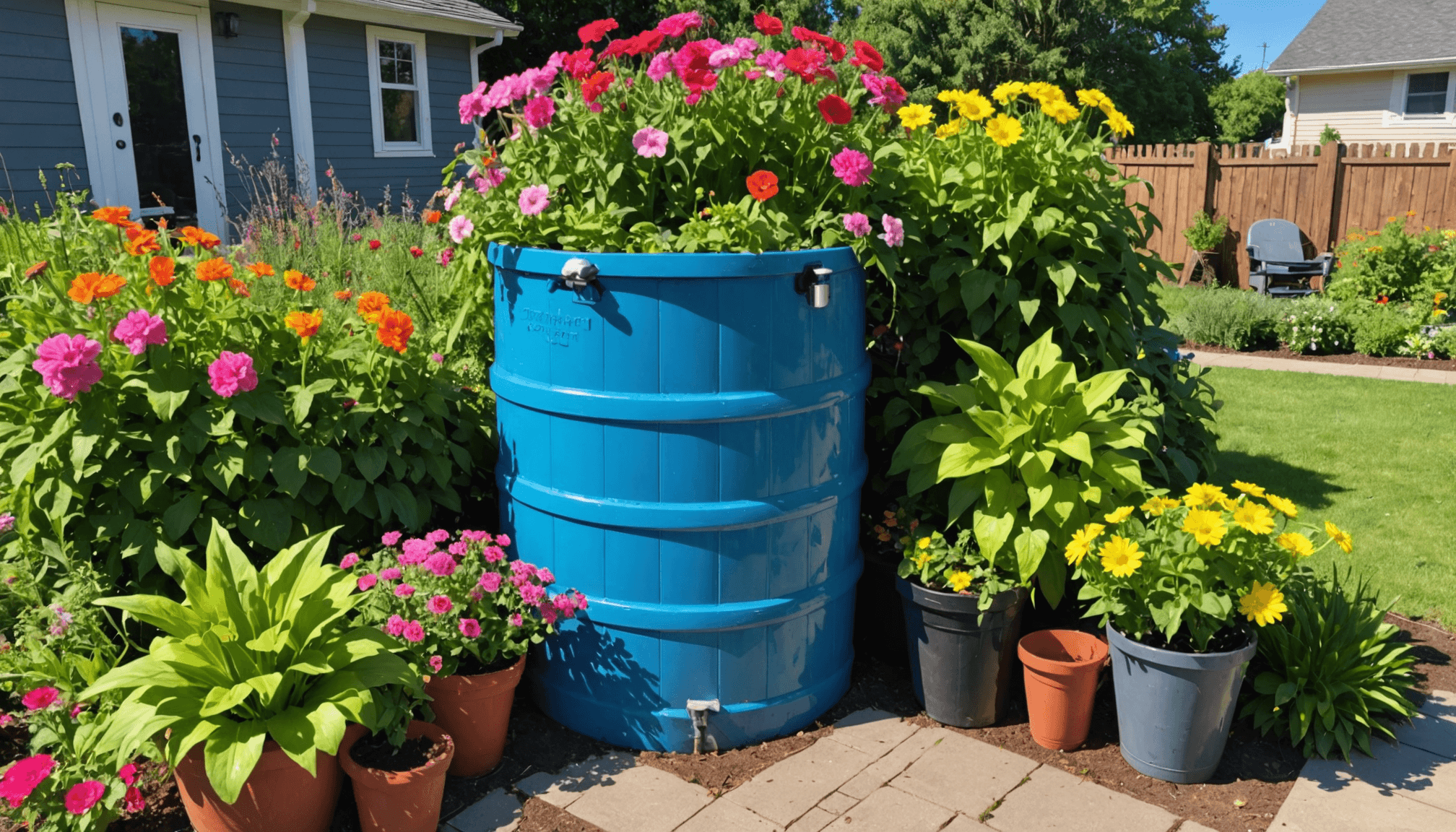
Water management is an essential aspect of permaculture that directly influences the health and productivity of your plant nursery. Efficiently managing water resources not only conserves this vital element but also supports the ecosystem in which your plants thrive. One of the best methods is to harness natural water cycles through techniques like rainwater harvesting. By installing rain barrels or constructing a cistern, you can collect and store rainwater for irrigation, reducing dependency on municipal water sources and lowering costs.
When designing your nursery layout, consider incorporating contour planting or swales. Swales are shallow, sloped ditches that help capture and direct rainwater. By placing these features on the landscape, you can slow runoff, maximize infiltration, and prevent soil erosion. This not only ensures that your plants receive the water they need but also aids in replenishing the groundwater table. Additionally, the strategic positioning of swales can create microclimates that favor certain plants. Think about combining swales with mulch, as organic materials can absorb moisture while nourishing the soil as they decompose.
Drip irrigation systems can provide precision watering that significantly reduces water waste. This strategy allows you to deliver water directly to the plant roots, ensuring that each plant receives the exact amount needed for optimal growth. By integrating this technology into your nursery, you can tailor watering schedules based on the different needs of various plant species, ultimately conserving resources and fostering healthier plants.
Consider also the importance of soil moisture retention. Loamy soils, rich in organic matter, are ideal since they hold moisture better than sandy soils while also allowing for good drainage. Regularly amending your soil with compost can enhance its structure and moisture-retaining capabilities. Employing cover crops during the off-season is beneficial as they not only protect soil from erosion but their roots can improve soil aeration and water infiltration.
Shade plants can be an interesting addition to your water management strategies. By strategically planting trees or taller shrubs, you can create shaded areas that reduce evaporation rates, conserving moisture in the soil below. This natural shading reduces the stress on your nursery’s water supply, allowing for more efficient use of irrigation resources.
Ultimately, the key to effective water management in a permaculture-based nursery lies in closely observing and responding to the patterns of water flow and usage in your environment. Understanding how much rain your location receives, the drainage patterns, and the unique needs of your plants can inform your practices and help create a resilient ecosystem that thrives even in changing conditions.
- What is rainwater harvesting?
- Rainwater harvesting involves collecting and storing rainwater from surfaces like roofs for later use. It is a sustainable practice that reduces the need for municipal water and promotes water conservation in gardening.
- How can I implement drip irrigation in my nursery?
- Drip irrigation systems can be set up by installing tubing with emitters that deliver water directly to plant roots. This method conserves water and reduces evaporation, making it efficient for maintaining soil moisture.
- What are swales, and how can they benefit my garden?
- Swales are shallow trenches designed to capture and manage water runoff. They slow water movement, promote infiltration, and reduce erosion, creating a more sustainable water management system in your nursery.
- How does mulching help with water retention?
- Mulching involves applying a layer of organic material to the soil surface, which can help retain moisture, suppress weeds, and regulate soil temperature. As the mulch decomposes, it also enriches the soil.
- What types of plants are best for conserving water?
- Native and drought-tolerant plants are ideal for conserving water since they are adapted to local conditions. These plants typically require less irrigation and contribute positively to the local ecosystem.
- How can cover crops improve soil health?
- Cover crops, grown during the off-season, protect soil from erosion, enhance soil structure, and increase organic matter. Their roots can also improve water infiltration and nutrient cycling, fostering a healthier growing environment.
- Why is soil moisture important in a nursery?
- Soil moisture is critical for plant health, as it supports nutrient uptake and growth. Maintaining optimal soil moisture levels ensures that plants can thrive and reduces stress, especially during dry periods.
Integrating biodiversity into your nursery
Integrating biodiversity into your nursery is not just about enhancing ecological balance; it’s about creating a thriving habitat where plants, insects, and soil life coexist harmoniously. By embracing a variety of plant species, you can cultivate a rich environment that supports numerous forms of life, ensuring that your nursery becomes an integral part of the local ecosystem.
Start by selecting a mix of plants that serve different functions within the ecosystem. Consider including flowering plants that attract pollinators, such as bees and butterflies, alongside herbs and vegetables that can enhance your garden’s productivity. An excellent example is to plant *Lavandula angustifolia* (English Lavender) not only for its lovely aroma but also to draw in beneficial insects while providing habitat. The presence of diverse plants can create a web of interdependence; for instance, certain herbs can repel pests that might harm your vegetables.
Another strategy for integrating biodiversity involves layering your plants. Different growth heights and structures create a multi-dimensional environment, allowing sunlight to reach lower plants while offering protection to those sensitive to harsh conditions. Tall plants can shade herbs and leafy greens, promoting a microclimate that encourages healthy growth. Consider using plants like sunflowers as a natural stake for climbing beans or sweet peas, creating a symbiotic relationship while adding vertical interest to your nursery.
Utilizing native plants is a powerful way to enhance biodiversity. These plants are adapted to local conditions, often requiring less water and nutrients than non-native varieties. Furthermore, native plants have evolved alongside local fauna, serving as food sources and habitats for birds, insects, and other wildlife. A native planting like *Asclepias Syriaca* (Common Milkweed) attracts Monarch butterflies and supports the entire ecosystem around your nursery. Choose a range of native plants catering to various pollinators and creatures and establish habitats for them within your layout.
Don’t forget the importance of incorporating a mix of perennial and annual plants. Perennials, such as *Rudbeckia hirta* (Black-eyed Susan), not only provide stability and longevity but also contribute to soil health over time by building root systems that prevent erosion. Meanwhile, annuals add seasonal diversity and vibrancy to your nursing endeavors, drawing visitors in with their colors and blooms. They can be readily rotated to avoid pest buildup while keeping the garden dynamic and engaging.
Consider implementing practices that foster interactions between plants and other elements within the nursery. For example, creating small ponds or water features can encourage a variety of wildlife to visit, from birds to beneficial insects. The added water source will enhance biodiversity and attract amphibians that can help control pests naturally.
Remember that biodiversity also encompasses the microorganisms living in your soil. A diverse planting scheme can promote a healthy soil microbiome, which is essential for nutrient cycling and plant health. Regularly amending your soil with compost and organic matter can support these beneficial microorganisms and foster an environment where they can thrive. You could even explore the concept of mycorrhizal fungi, which form symbiotic relationships with plant roots, enhancing water and nutrient uptake.
Finally, consider documenting the diversity within your nursery. Keeping records of the plants, insects, and other wildlife you observe will enable you to recognize patterns and adjust your practices as necessary. Engage with local gardening communities or online forums to share your findings and gather insights on how biodiversity can be further enhanced in urban settings.
By thoughtfully integrating biodiversity into your nursery, not only will you create a vibrant and sustainable environment, but you’ll also contribute to the health of the local ecosystem, making your gardening efforts truly impactful. Encourage coexistence among different species, and watch your nursery flourish in ways you may have never expected!