
Automation has revolutionized nursery operations, allowing small-scale and large-scale operations alike to maximize efficiency and productivity. With the advent of technology, the process of managing plant growth, irrigation, and pest control has become significantly streamlined.
One of the most notable applications of automation in plant nurseries is the use of robotic systems for planting and harvesting. These machines can plant seeds at precise intervals, ensuring optimal spacing for growth. This not only saves time but also reduces labor costs and human error.
In addition to planting and harvesting, automated irrigation systems play a crucial role in modern nurseries. By utilizing sensors and timers, these systems can deliver the right amount of water at the right time, ensuring plants receive consistent moisture without the risk of overwatering. Urban dwellers looking to implement similar systems in their home gardens should consider installing drip irrigation kits that provide efficient watering for container plants.
Furthermore, nursery innovation extends to climate control technologies, such as smart greenhouses equipped with sensors that monitor temperature and humidity levels. By integrating these systems with automated ventilation and shading components, nursery operators can create optimal growing conditions, promoting healthier plants and reducing energy costs.
- Invest in Smart Sensors: Consider adding sensors to your garden or nursery space. These can monitor soil moisture and nutrient levels, sending alerts straight to your smartphone.
- Utilize Mobile Apps: There are numerous apps available that help track plant growth, identify diseases, and suggest care routines, enhancing your gardening experience.
- Explore Automation Kits: For those venturing into urban gardening, automated kits for indoor plants are a great choice. They often include automated watering systems and grow lights that cater to various plant types.
As nursery operations continue to embrace automation, it’s essential for gardening enthusiasts to stay informed about these advancements. By incorporating technology into your homesteading practices, you can enjoy not only a more bountiful harvest but also a less labor-intensive gardening experience.
Advancements in growing technology
Advancements in growing technology have played a critical role in enhancing plant nursery operations, enabling growers to implement innovative practices that boost growth rates, improve plant quality, and reduce resource consumption. One prominent development in this area is the integration of hydroponics and aquaponics systems. These soilless growing techniques utilize nutrient-rich water solutions that facilitate faster growth while minimizing the risk of soil-borne diseases.
In hydroponics, plants are cultivated in a controlled environment where variables such as nutrients, pH levels, and water temperature can be meticulously monitored and adjusted. This precision promotes optimal growth conditions, allowing for a higher density of plants over traditional soil-based methods. Comparatively, aquaponics combines hydroponics with aquaculture, creating a symbiotic relationship between fish and plants, where fish waste provides the nutrients necessary for plant growth, thus reducing the need for chemical fertilizers.
Numerous nursery innovations have emerged from these growing technologies, making them accessible for both commercial growers and hobby gardeners. For instance, vertical farming systems allow for the cultivation of plants in stacked layers, maximizing space utilization and yielding higher outputs in smaller areas. The use of LED grow lights tailored to specific wavelengths also contributes to enhanced photosynthesis, resulting in healthier and more robust plants.
Another significant advancement is the development of climate-controlled growing chambers that can simulate different environmental conditions for various plant species. These chambers can regulate temperature, humidity, and lighting, allowing nursery operators to produce consistent and high-quality plants regardless of external environmental factors.
| Growing Technology | Advantages | Considerations |
|---|---|---|
| Hydroponics |
|
|
| Aquaponics |
|
|
| Vertical Farming |
|
|
With the continued integration of these advancements in growing technology, plant nurseries are not only improving operational efficiency but are also contributing to the broader goals of sustainable agriculture. By harnessing these innovative methods, nurseries can significantly reduce their environmental footprint while meeting the growing demand for plants in an urbanizing world.
Sustainable practices through technology
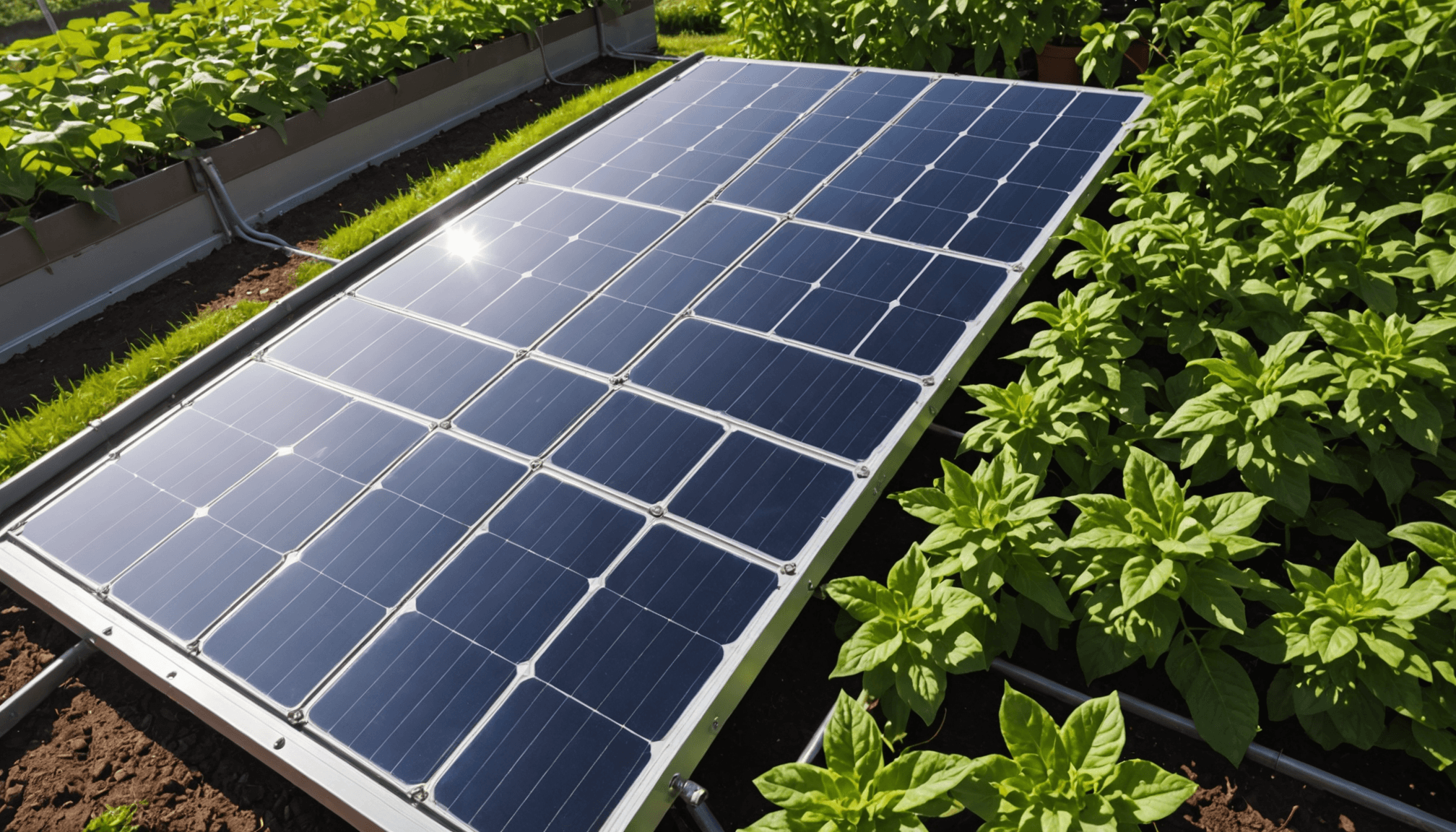
Sustainable practices in modern plant nurseries are increasingly driven by technology, enabling growers to reduce their ecological footprint while improving efficiency. One of the most significant trends is the transition to renewable energy sources within nursery operations. For instance, incorporating solar panels can provide a clean and sustainable power supply for greenhouse operations, lighting, and irrigation systems. This not only lowers energy costs but also minimizes reliance on fossil fuels.
Moreover, water conservation techniques have become vital in sustainable nursery practices. Implementing rainwater harvesting systems allows nurseries to collect and use precipitation for irrigation, which is especially beneficial in urban areas where water scarcity may be a concern. Urban dwellers can replicate this by adding a rain barrel to their home gardens, ensuring they have a reliable, eco-friendly water source for their plants.
Additionally, integrating composting systems promotes sustainability in growing practices. Composting organic waste from the nursery, such as plant trimmings and food scraps, creates nutrient-rich soil amendments that enhance soil health and reduce the need for chemical fertilizers. Families keen on urban homesteading can set up a small compost bin in their kitchen or garden, turning waste into valuable resources for their plants.
- Choose Native Plants: Opting for native plants in your garden not only supports local ecosystems but also minimizes irrigation needs, as these plants are adapted to the local climate.
- Utilize Organic Pest Control: Emphasizing biological pest control and organic pesticides can protect beneficial organisms and reduce harmful agricultural runoff.
- Invest in Efficient Irrigation Systems: Drip irrigation systems allow for targeted watering, minimizing water waste while ensuring that plants receive the moisture they need.
In complement to these practices, introducing technology such as smart irrigation controllers can help monitor moisture levels in the soil, adjusting watering schedules automatically to conserve water further. These systems can be linked to weather data, ensuring that irrigation is only provided when necessary, preventing over- or under-watering.
Urban gardening enthusiasts should consider using biodegradable pots made from materials like bamboo or coconut coir instead of plastic. These alternatives not only reduce plastic waste, but they also enhance soil health as they decompose, enriching the growing medium.
Through the adoption of these sustainable practices driven by technology and innovation, plant nurseries can lead the way in promoting environmentally responsible gardening. By embracing these methods, urban dwellers, families, and gardening enthusiasts can create thriving green spaces that contribute positively to the environment.
Data management and resource optimization
Data management and resource optimization are crucial components in the efficient operation of modern plant nurseries. As nurseries strive for enhanced productivity and sustainability, the integration of advanced data analytics tools has become indispensable. These tools can monitor and analyze various environmental factors such as soil moisture, temperature, humidity, and light levels, providing real-time insights that inform decision-making processes.
One significant advancement in this area is the use of precision agriculture technology, which allows nursery operators to tailor their practices according to specific plant needs. By employing data-driven strategies, nurseries can optimize resource allocation—such as water, fertilizers, and pesticides—ensuring that each plant receives exactly what it requires. This not only maximizes growth and production rates but also minimizes waste and environmental impact.
Furthermore, cloud-based platforms have emerged as game-changers in data management for nurseries. These platforms enable the collection and storage of vast amounts of data, making it accessible from anywhere and anytime. Nursery managers can track inventory levels, monitor plant health, and manage orders through simple dashboards. This ease of access facilitates improved communication among team members and enhances overall operational efficiency.
“The ability to analyze data effectively allows growers to make informed, timely decisions that can significantly affect their bottom line.”
Leveraging these technologies, nurseries can implement predictive analytics to forecast plant growth patterns and identify potential challenges before they escalate. For example, if data indicates that certain plant species are not thriving due to fluctuating environmental conditions, corrective measures can be quickly enacted, such as adjusting irrigation schedules or redeploying resources.
Another aspect of resource optimization is the efficient management of energy consumption. By utilizing data analytics to track energy usage patterns, nursery managers can pinpoint areas for improvement and implement measures to reduce costs. For instance, controlling greenhouse climate through automated systems based on real-time data can lead to significant energy savings while maintaining optimal growing conditions.
It is also vital for nurseries to embrace practices such as integrated pest management systems that utilize data to minimize pesticide use. By monitoring pest populations through traps and sensors, nurseries can apply preventive measures at the right times, reducing chemical applications and promoting healthier growing environments.
- Adopt Mobile Technology: Mobile applications allow nursery managers to access data on-the-go, enabling timely interventions and improving overall workflow.
- Invest in IoT Devices: Internet of Things (IoT) devices can provide constant monitoring of conditions, sending alerts to nursery operators regarding any anomalies.
- Utilize Software Solutions: There are specialized software solutions designed for nurseries that can streamline operations, from managing inventory to analyzing sales data, thereby enhancing productivity.
Incorporating these data management and resource optimization techniques not only drives efficiency but also supports the sustainable practices that are becoming increasingly essential in gardening. As nurseries evolve with technology, the focus on intelligent resource use will continue to shape the future of plant cultivation, paving the way for more responsible and productive operations.
Customer engagement and sales enhancement

In the realm of modern plant nurseries, the importance of customer engagement cannot be overstated. Utilizing technology to connect with customers has transformed how nurseries operate and market their products. An effective approach entails the use of digital platforms, allowing nurseries to showcase their offerings, provide valuable information, and interact with their customer base more fluidly than ever before.
Social media platforms, for instance, have become vital tools for nurseries, enabling them to share not just photos of their plants, but also gardening tips, tutorials, and success stories that resonate with their audience. Engaging customers visually and interactively fosters a sense of community among gardening enthusiasts. Nurseries can host webinars or live Q&A sessions, where customers can ask about plant care or the latest gardening trends, fostering deeper connections and enhancing customer loyalty.
Additionally, implementing customer relationship management (CRM) software allows nursery operators to maintain and analyze customer data effectively. This technology can track purchasing patterns and preferences, enabling personalized marketing efforts. By tailoring offers and product recommendations, nurseries can enhance the shopping experience, making it easier for customers to find what they need and indicate that the business understands their preferences.
Moreover, integrating e-commerce solutions within nursery operations simplifies the buying process for customers. An online store provides convenience, allowing customers to order plants, seeds, and gardening supplies from the comfort of their homes. Incorporating a subscription service, where customers receive curated selections of plants or gardening supplies regularly, can also cultivate ongoing engagement and satisfaction.
Encouraging a feedback loop is another crucial aspect of customer engagement. By actively seeking and responding to customer reviews and suggestions, nurseries can demonstrate their commitment to improvement and customer satisfaction. Digital feedback forms and surveys can provide valuable insights that help refine offerings and services.
As nurseries continue to leverage technology for customer engagement, they must also consider the power of sustainability and ethical practices in their messaging. Today’s consumers are increasingly conscientious about where their products come from. By highlighting sustainable sourcing techniques and environmentally friendly practices, nurseries can attract and retain customers who value eco-consciousness in their gardening choices.
In this evolving landscape, it is important to explore how these technologies not only benefit nurseries but enrich the customers’ gardening experiences. What innovative ways can you think of to engage with gardening enthusiasts or how can you leverage the latest technology to enhance your customer interactions? The answers may hold the key to a thriving nursery business.
- What role does technology play in customer engagement for nurseries?
- Technology facilitates direct communication with customers through social media and online platforms, enabling nurseries to share information, offer gardening tips, and respond to inquiries quickly.
- How can CRM software enhance a nursery’s operations?
- CRM software helps nurseries manage customer data effectively, allowing them to track buying behaviors and preferences. This insight enables personalized marketing and improves customer loyalty.
- What are the benefits of having an online store for a nursery?
- An online store provides convenience, allowing customers to shop from anywhere while expanding the reach of the nursery beyond its physical location. It also provides additional sales channels and opportunities.
- How can customer feedback improve nursery services?
- Collecting customer feedback enables nurseries to understand their clients’ needs and preferences better. This, in turn, helps them refine their services and product offerings to better meet expectations.
- What advantages does a subscription service offer to nursery customers?
- A subscription service delivers curated selections of plants or gardening supplies directly to customers, providing convenience and continual engagement, which can enhance customer loyalty.
- How can nurseries demonstrate their commitment to sustainability?
- By highlighting sustainable sourcing practices and eco-friendly products, nurseries can attract environmentally conscious customers and build trust within the community.
- What innovative strategies can nurseries employ to engage their audience?
- Nurseries can host virtual events, use interactive content like gardening challenges, and create engaging social media campaigns to deepen connections with their audience and encourage community participation.
Future trends in nursery technology
As we look to the future, nursery technology is set to innovate at an unprecedented pace, changing the landscape of plant cultivation and gardening. Advances in areas such as artificial intelligence (AI), machine learning, and augmented reality (AR) promise to elevate nursery operations and consumer engagement like never before.
One exciting trend comes from the use of AI in plant care and management. Nurseries can utilize AI-powered tools to analyze vast datasets, providing insights into plant health and growth patterns. For instance, AI can assess environmental signals—such as temperature fluctuations and moisture levels—resulting in timely interventions to improve plant health. Urban gardeners can take advantage of similar tech by using apps that analyze factors affecting their home plants, notifying them when changes in care are needed.
Another remarkable innovation is the emergence of AR applications that help consumers visualize how particular plants will look in their homes or gardens before purchasing. These applications can overlay virtual images of plants in real-time settings through smartphones. Imagine being able to see how that lush fern or vibrant flower will fit into your living space, all from the comfort of your home!
Moreover, the shift toward smart greenhouses will define the next generation of nursery practices. These greenhouses will employ drones for monitoring plant health and growth, quickly identifying issues like pest infestations or nutrient deficiencies without the need for manual checks. For gardening enthusiasts, incorporating these advancements can simplify plant care and enhance productivity. If space is limited, consider a vertical garden setup equipped with smart irrigation that requires minimal maintenance and maximizes yield.
Incorporating automated growth systems can also optimize the cultivation process. For instance, systems that combine light sensors, temperature regulation, and nutrient delivery can significantly reduce the manual labor required for plant care, freeing up time for busy urban dwellers. This technology not only promises a healthier crop but also responds to the increasing trend of DIY gardening among millennials and families wanting to engage in homesteading.
- Explore New Tech Tools: Look for innovative products such as smart pots equipped with moisture sensors that inform you when your plant needs watering or nutrient adjustments.
- Join Online Gardening Communities: Engage with platforms where tech-savvy gardeners share experiences and tips on incorporating leading-edge nursery technology into home practices.
- Participate in Workshops: Seek out workshops to learn about technologies like hydroponics and aquaponics, which will empower you with the knowledge to make informed decisions about nursery innovations.
Lastly, as we embrace these future technology trends, it’s essential to prioritize sustainability. Innovations such as biodegradable pots designed with tech features to assist in plant growth can profoundly impact the pressure on our environment. By choosing eco-friendly solutions, not only will your gardening thrive, but you’ll also contribute to a greener planet.
The future of nursery technology holds exciting possibilities, shaping how we engage with gardening. Stay informed about these advancements, and explore how you can integrate them into your own gardening practices for a successful and sustainable homesteading journey.