
Choosing to incorporate native plants into your nursery is not merely about aesthetics; it’s a decision that resonates with ecological responsibility. Understanding the myriad benefits these plants offer can enhance your gardening experience and contribute to a healthier environment.
One of the most compelling advantages of native plants is their adaptability to local climates, which often means that they require less water and fertilizer compared to non-native species. This intrinsic resilience translates into lower maintenance and costs over time. By opting for plants that thrive in your region, you are effectively minimizing the need for chemical interventions and reducing your ecological footprint. Research by the United States Department of Agriculture emphasizes that native plants are well-suited to handle local pests and diseases, allowing for a more robust and sustainable garden ecosystem.
Moreover, native plants possess the remarkable ability to foster a thriving habitat for local wildlife. They provide essential food sources and shelter for various species, including birds, butterflies, and beneficial insects. By planting native species, you can actively support pollinators, which are crucial for the health of your garden and the broader environment. A study published by the National Audubon Society highlights that gardens with native plants are three times more effective in attracting birds compared to those filled with non-native species.
Another benefit is the promotion of soil health. Native plants have root systems that develop deeper and wider than many non-native varieties. This promotes better water retention, reduces soil erosion, and fosters a balanced ecosystem in your garden. The deep roots also improve soil aeration, which enhances the overall health of your gardening space.
Lastly, engaging with native plants is an opportunity to connect with the history and culture of your region. Many local nurseries offer indigenous species that tell stories of the local environment and our ancestors’ interactions with it. This not only enriches your gardening practice but also instills a sense of pride in cultivating plants that are native to your area.
As you embark on your journey to select and cultivate native plants, consider the environmental impact of your choices. This mindful approach can make your homesteading endeavors not only fulfilling but also ecologically beneficial.
Selecting the right species
Choosing the right species is critical to ensuring the success of your nursery and the sustainability of your gardening practices. An informed approach to plant selection can greatly enhance the ecological benefits provided by native plants, as well as optimize the potential for growth and aesthetic appeal within your gardening space.
To make effective selections, it is essential to first assess the specific environmental conditions of your locality, including soil type, sunlight exposure, moisture levels, and climatic variations. By understanding these parameters, you can identify native species that are best suited to thrive in your particular environment. Conducting a soil test may reveal the pH level and nutrient content, which will help guide your decisions on which plants are likely to flourish.
A comparative analysis of native plant species can further inform your selection process. The table below presents a few native plants that are commonly recommended for various environmental conditions, along with their characteristics and ideal growing conditions:
| Plant Species | Sunlight Requirements | Soil Type | Moisture Level | Height |
|---|---|---|---|---|
| Echinacea purpurea (Purple Coneflower) | Full sun to partial shade | Sandy or loamy | Moderate | 2-4 feet |
| Asclepias tuberosa (Butterfly Milkweed) | Full sun | Low | 1-3 feet | |
| Aster novae-angliae (New England Aster) | Full sun | Moist, well-drained | Moderate to high | 3-6 feet |
| Geranium maculatum (Wild Geranium) | Partial shade | Rich, well-drained | Moderate | 1-2 feet |
This selection process should also prioritize plant diversity. Implementing a variety of native plants can create a more resilient ecosystem, encouraging beneficial interactions among different organisms. The presence of diverse native species helps in attracting a broader range of pollinators and other wildlife, thus enhancing overall biodiversity within your nursery.
Consideration of the role each species plays in the local ecosystem can further refine your choices. Some plants may serve as key nectar sources for butterflies, while others might provide essential cover and nesting sites for birds. Understanding the ecological functions of different native plants will allow you to craft a garden that not only looks beautiful but actively contributes to sustaining local wildlife populations.
Finally, research and connect with local botanical gardens, cooperatives, and horticultural societies to gain insights into which species are best suited for your area. Engaging with community resources allows for shared knowledge about native plant benefits, boosting both individual and collective efforts to promote environmental health. This proactive approach in plant selection not only enhances the character of your nursery but also contributes significantly to the broader environmental impact by fostering a balanced and sustainable ecosystem.
Cultivating native plants

Successfully cultivating native plants involves an understanding of their unique needs and the conditions necessary for them to thrive. Start by preparing your soil, as native plants will flourish best in soils that resemble their natural habitat. Conduct a soil test to determine its composition and characteristics, ensuring it aligns with the needs of the plants you choose. For many native species, well-draining, nutrient-rich soil is ideal, as it promotes healthy root development and prevents root rot.
When you’re ready to plant, timing is crucial. The best time to plant most native species is during the early spring or fall when temperatures are moderate, and rainfall provides natural irrigation. Planting during these seasons allows native plants to establish robust root systems before facing extreme weather conditions.
Watering is another essential consideration. Although native plants are more drought-resistant than non-natives, they still require regular watering during their establishment phase, especially in the first year. Mulching around your plants can help retain moisture, suppress weeds, and improve soil quality over time. Use organic mulches like wood chips or straw to enhance the ecosystem, breaking down and adding nutrients to the soil.
Maintaining a native plant garden also means being aware of the plant’s interaction with its environment. Regular monitoring for pests and diseases is vital. Luckily, many native plants are naturally resistant, but keeping an eye out for any issues can help you take quick action if needed. You can also attract beneficial insects and pollinators by incorporating a diverse range of plants in your nursery. This biodiversity creates a balance, allowing beneficial species to thrive while keeping potential pests at bay.
Furthermore, consider the seasonality of flowering. Select a variety of native plants that bloom at different times throughout the growing season, ensuring that there is always something in flower to attract pollinators. This practice not only enhances your garden’s aesthetics but also supports local wildlife throughout the year.
In addition to maintaining the health of your plants, be conscientious of how your gardening practices impact the surrounding ecosystem. Native plants contribute to biodiversity by providing habitats for local wildlife, as well as reducing the need for chemical fertilizers and pesticides, thus enhancing overall environmental health. The more you integrate sustainable practices, the greater the ecological footprint of your nursery will be.
To further enhance your understanding, participate in local workshops or online webinars dedicated to native plant cultivation. Engaging with horticultural experts and other enthusiasts can offer valuable insights, tips, and tricks that foster success in your gardening endeavors. As you learn more about the nuances of soil health, plant interactions, and local plant species, you’ll be better equipped to create a thriving garden that benefits both you and your local environment.
Nurturing biodiversity
Nurturing biodiversity within your nursery goes beyond selecting and cultivating native plants; it involves creating an ecosystem where these plants can thrive alongside local wildlife and contribute positively to the environment. The interaction between flora and fauna is essential for fostering a rich biodiversity that supports a healthy ecosystem. By integrating native plants, you provide vital resources to various organisms, which in turn enhances the sustainability of your nursery.
One of the primary ways to promote biodiversity is by incorporating a diverse range of native species. This ensures that different insects, birds, and other wildlife have access to a variety of food sources and habitats. For instance, choosing a mix of flowering plants that bloom at different times of the year will attract various pollinators, creating an ongoing supply of nectar and pollen.
“Diversity begets resilience, allowing ecosystems to adapt and flourish.”
The goal is to create a garden that supports an array of life forms, thus enriching the ecological tapestry of your landscape.
In addition, consider implementing native plants that serve multiple ecological roles. Some species may provide food for pollinators, while others offer shelter or nesting sites for birds and small mammals. By being mindful of the specific functions that each plant serves, you create a supportive environment that nurtures a wide range of biodiversity. For example, grasses and sedges can stabilize soil while also housing insects, while flowering shrubs may attract birds that help control pest populations.
Another crucial aspect of nurturing biodiversity is monitoring the health of your plants and the wildlife that interacts with them. Regularly observing the behaviors of insects, birds, and other organisms in your nursery can provide insights into the effectiveness of your biodiversity efforts. If you notice declines in certain species or a lack of visitors, it may be a signal to adjust your plant selection or introduce new species that could fill ecological gaps.
Furthermore, practices such as organic gardening and the use of sustainable pest control methods can significantly reduce the negative environmental impact associated with conventional gardening. By avoiding harmful pesticides and fertilizers, you foster a healthier ecosystem, allowing beneficial insects to thrive alongside your native plants. This symbiotic relationship not only enhances plant health but also strengthens local wildlife populations.
Participating in local conservation initiatives or community gardening projects can further expand your impact on local biodiversity. Collaborating with like-minded individuals who share a passion for sustainability can lead to greater awareness and implementation of best practices in nurturing ecosystems. Together, you can create habitats that support thriving populations of both native plants and wildlife.
Ultimately, nurturing biodiversity in your nursery is an ongoing journey of learning and adaptation. By prioritizing a diverse plant selection and implementing sustainable practices, you contribute to the resilience of local ecosystems while enjoying the beauty and benefits of your native plants. This commitment to biodiversity ensures that your nursery not only survives but flourishes as a haven for wildlife and a model for ecological stewardship.
Designing your nursery
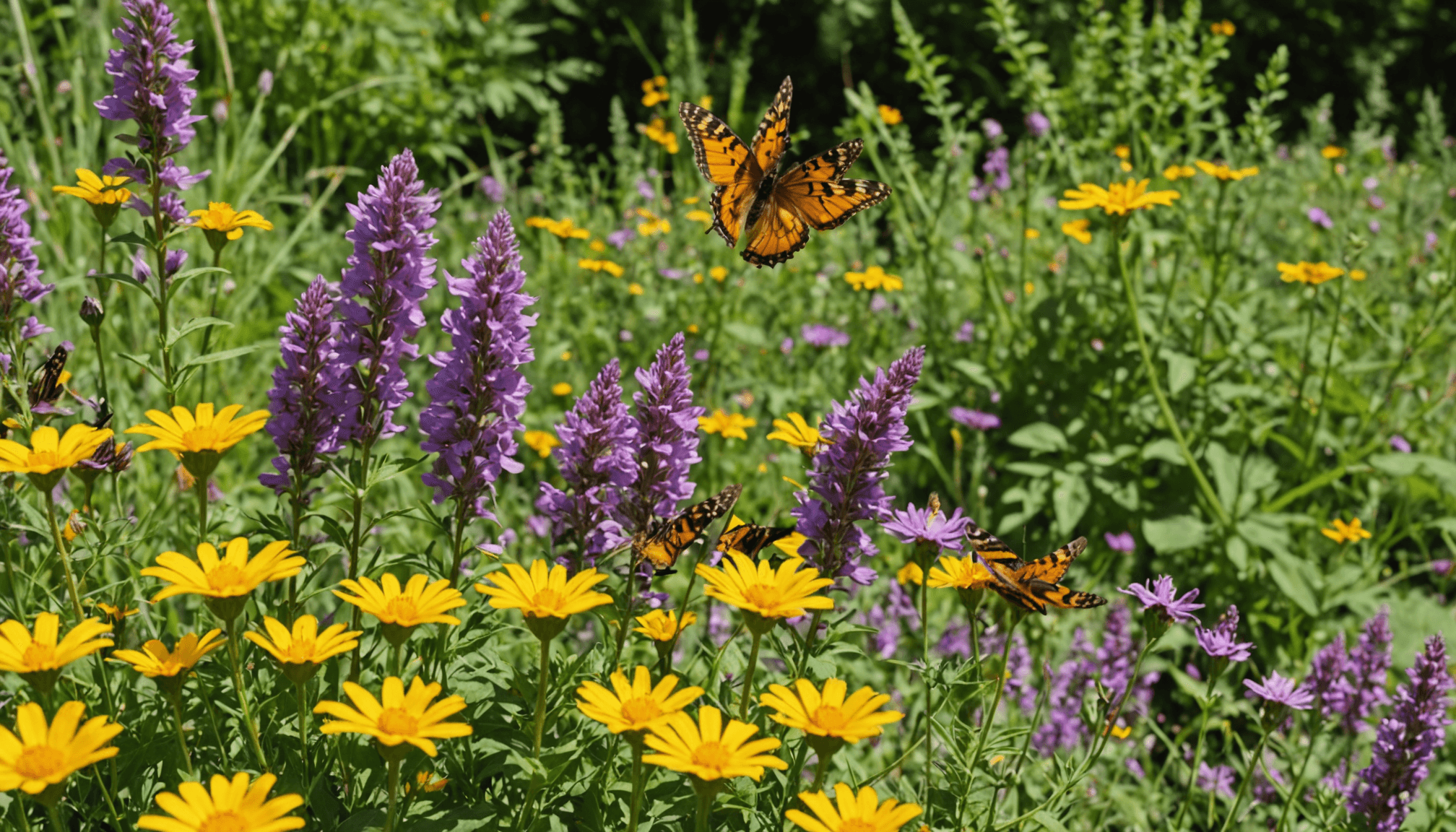
Designing your nursery involves creating an aesthetically pleasing yet functional space that enhances the growth and health of native plants while maximizing their environmental impact. Start by considering the layout—strategically arranging plant beds, pathways, and seating areas not only improves accessibility but also mirrors the natural habitats these plants thrive in. Grouping plants with similar water and sunlight requirements can streamline maintenance and ensure each species flourishes in the best possible conditions.
Incorporating features that mimic the local ecosystem can significantly boost the effectiveness of your nursery. For example, using natural materials for pathways and borders, like stones or wood chips, helps maintain a rustic feel while providing additional benefits, such as promoting moisture retention and reducing weed growth. It’s essential to design water-efficient irrigation systems that align with the natural water patterns of your region. Drip irrigation or rainwater harvesting systems can be exceptional choices, as they reduce water wastage and ensure your native plants receive adequate moisture without overwhelming their natural adaptations.
Utilizing vertical space can also enhance your nursery design. Vertical gardens or trellises can support climbing native plants and create a multi-layered environment that attracts diverse wildlife. This practice not only adds visual intrigue but also maximizes your growing area, making it efficient and functional. Additionally, incorporating habitats such as birdhouses, bee hotels, or bat boxes can further attract and support local wildlife, enriching the overall biodiversity of your nursery.
Think about the seasonal changes and how they will affect your nursery’s appearance. Consider selecting a variety of native plants that showcase different colors and textures throughout the year, ensuring that the space remains visually appealing no matter the season. Design elements like seating areas can provide gardeners with spaces to enjoy their native plant oasis and connect with nature, deepening the appreciation for the local ecosystem.
As you develop your nursery, the impact of your choices extends beyond aesthetics. Regularly evaluating the plant selection and layouts based on environmental conditions and wildlife interactions encourages growth and adaptation of your nursery. Engaging with other community members, sharing insights on design, and even collaborating on projects can help foster a network dedicated to nurturing local ecosystems through thoughtful nursery design.
- What are native plants?
- Native plants are species that have naturally evolved in a specific region. They are adapted to local soil, climate, and wildlife, making them vital for maintaining ecological balance in their habitats.
- Why should I choose native plants for my nursery?
- Opting for native plants supports local biodiversity, requires less water and maintenance, and minimizes the need for chemical fertilizers and pesticides. They also provide essential habitats and food sources for wildlife.
- How do I select the right native plants for my area?
- Start by assessing your local environmental conditions, such as soil type, sunlight exposure, and moisture levels. Research and connect with local horticultural groups or nurseries for recommendations on native species that flourish in your specific region.
- Can I combine native plants with non-native plants?
- While it’s possible to mix native and non-native plants, focusing on native species is generally more beneficial for local ecosystems. Non-natives may compete with or hinder the growth of native plants and the wildlife that depends on them.
- How do I design a space for native plants?
- Plan your nursery layout with the natural ecosystem in mind, incorporating features like natural materials for paths, sustainable irrigation systems, and areas for wildlife habitats. Group plants by their moisture and light needs to optimize growth conditions.
- What maintenance do native plants require?
- Native plants generally require less maintenance than non-natives. Regular care includes monitoring for pests, ensuring adequate watering during establishment, and occasionally trimming for shape and health, depending on the species.
- How can I nurture local wildlife through my nursery?
- Incorporate a diverse range of native plants that provide food and shelter for animals, add birdhouses or bee hotels, and avoid pesticides to create a hospitable habitat for beneficial species. This commitment enriches both your garden and the surrounding ecosystem.
Marketing native plants
Marketing native plants effectively requires a blend of creativity, knowledge, and engagement with your local community. Understandably, consumers are increasingly interested in sustainable gardening practices, making native plants a hot commodity. However, the key to successful marketing lies in how you present these plants and their numerous advantages to potential buyers.
First and foremost, educate your audience about the benefits of native plants. Consider creating informative brochures or hosting workshops that highlight their adaptability, low-maintenance requirements, and positive impact on local ecosystems. Utilize social media platforms to share engaging content, including eye-catching photos of your native plants in various stages of growth, alongside tidbits about their ecological roles in any garden. Discussion around topics such as “How Native Plants Save Water” or “Creating a Pollinator-Friendly Garden” can prompt conversations and interest.
To deepen your engagement, leverage community events like farmers’ markets, garden shows, or local fairs. Setting up a booth where visitors can experience the plants in person not only allows for direct sales but also offers opportunities for face-to-face education. During these events, consider conducting a demonstration on how to plant native species or showcasing beautiful arrangements that emphasize their aesthetic appeal in garden design.
Leveraging partnerships with local conservation organizations or ecological groups can also be a beneficial strategy. Collaborate on projects that focus on restoring local habitats or enhancing urban green spaces. Such initiatives not only bolster your reputation as a responsible business but also align your marketing efforts with community values centered on environmental stewardship.
Furthermore, your online presence should be equally engaging. Create a visually appealing website or blog that features in-depth articles about native plants, crafting care guides, and sharing inspiring success stories from your customers. Offer an online subscription service for newsletters filled with seasonal tips on plant selection and gardening techniques involving native species. Interactive elements like quizzes to help potential customers identify which native plants suit their space can also be a fun way to drive engagement.
Highlight the unique stories of the native plants you sell. Explain their historical significance, cultural relevance, or unique ecological benefits, which will resonate particularly well with millennials and families seeking to cultivate a meaningful connection with their gardening practices. The narrative around these plants can foster a deeper appreciation among consumers, compelling them to choose your nursery as their source for native species.
Lastly, consider the role of packaging and branding in your marketing strategy. Use eco-friendly materials to reinforce your commitment to sustainability. Including clear planting instructions and care tips with your products can not only improve the customer experience but may also lead to repeat customers who feel confident and supported in their native planting endeavors.
By combining education, community engagement, storytelling, and strong branding, you can create a robust marketing strategy for native plants that resonates with your target audience. This thoughtful approach not only enhances your nursery’s visibility but also amplifies the environmental impact of your work, as more individuals choose to incorporate these vital species into their landscapes.