

When it comes to creating a thriving plant nursery, tapping into local resources can be a game changer. One of the biggest advantages is the ability to source plants that are naturally adapted to your area. Native plants thrive better under your specific climatic conditions and require less ongoing care, which can lead to lower operational costs. They’re also more resilient against local pests and diseases, making them an excellent choice for both beginners and seasoned horticulturists.
Additionally, working with native plants enhances biodiversity, which can attract beneficial insects and pollinators, ultimately leading to a healthy ecosystem. When you cultivate a variety of local flora, you not only beautify your surroundings but also contribute to the ecological balance and health of your local environment.
Community support plays a crucial role in the success of your nursery. Engaging with fellow gardeners and local farming communities allows you to exchange ideas, seeds, and even plants. Consider joining local gardening clubs or participating in community events. These connections can provide you with valuable insights on what plants fare best in your area, helping you make informed decisions about your nursery offerings.
Moreover, utilizing local materials in your nursery operations, such as compost from nearby farms or garden centers, reduces shipping costs and supports the economy. Not only does this practice contribute to sustainability, but it also offers your plants the best possible start, which is key for your nursery’s success.
Your nursery could stand out in the marketplace by offering locally sourced plants, appealing to environmentally conscious consumers who prioritize sustainability. Highlighting the story behind your plants and the role of local resources can create a powerful connection with customers, drawing them to your nursery over larger, less personalized options.
- Participate in local farmers’ markets or community events to enhance visibility.
- Utilize social media platforms to share your journey and promote your locally sourced plants.
- Collaborate with local eco-friendly businesses to create bundled products that attract a wider audience.
By leveraging local resources and fostering community relationships, you can create a successful nursery that not only thrives economically but also enriches the local environment and community alike.
Sourcing native plants for diversity
 Sourcing native plants for your nursery involves understanding the unique flora of your region and then selecting varieties that not only flourish in local conditions but also contribute to the ecological health of the area. Native plants generally require less water, fewer pesticides, and less fertilizer compared to non-native species, making them an environmentally friendly choice that aligns with sustainable practices.
One effective strategy for sourcing these plants is collaborating with local botanists, conservation groups, and universities that study native plants. They can provide valuable insights into local ecology and help you identify the most appropriate species for your nursery. Additionally, local extension services often offer resources, workshops, and even plant sales, connecting you with experts and suppliers knowledgeable in native flora.
Native plants also offer numerous benefits for biodiversity and ecosystem services. They support local wildlife, providing food and habitat for native pollinators, birds, and other wildlife. The following table highlights the comparison of native plants against non-native species regarding key factors such as water use, maintenance, and wildlife attraction.
| Type of Plant | Water Use | Maintenance Level | Benefits for Wildlife |
| Native Plants | Low | Low | High – supports pollinators and local fauna |
| Non-Native Plants | High | High | Low – often offers little to no support for local wildlife |
Engaging with local environmental organizations can also provide opportunities for seed swaps or plant donations, enriching your nursery’s stock while fostering community support. This collaboration can also lead to joint projects focused on habitat restoration, further enhancing the nursery’s reputation as a community-centered establishment.
Moreover, promoting the use of native plants in your marketing strategies is essential. Highlighting these species not only appeals to environmentally conscious customers but also educates the broader community on the importance of biodiversity. Through workshops and informational sessions at your nursery, you can inform clients about the benefits of native plants and encourage them to incorporate them into their gardens.
By sourcing native plants and utilizing techniques that prioritize ecological integrity, you can ensure the success of your nursery while contributing positively to the local environment and community.
Collaborating with local suppliers
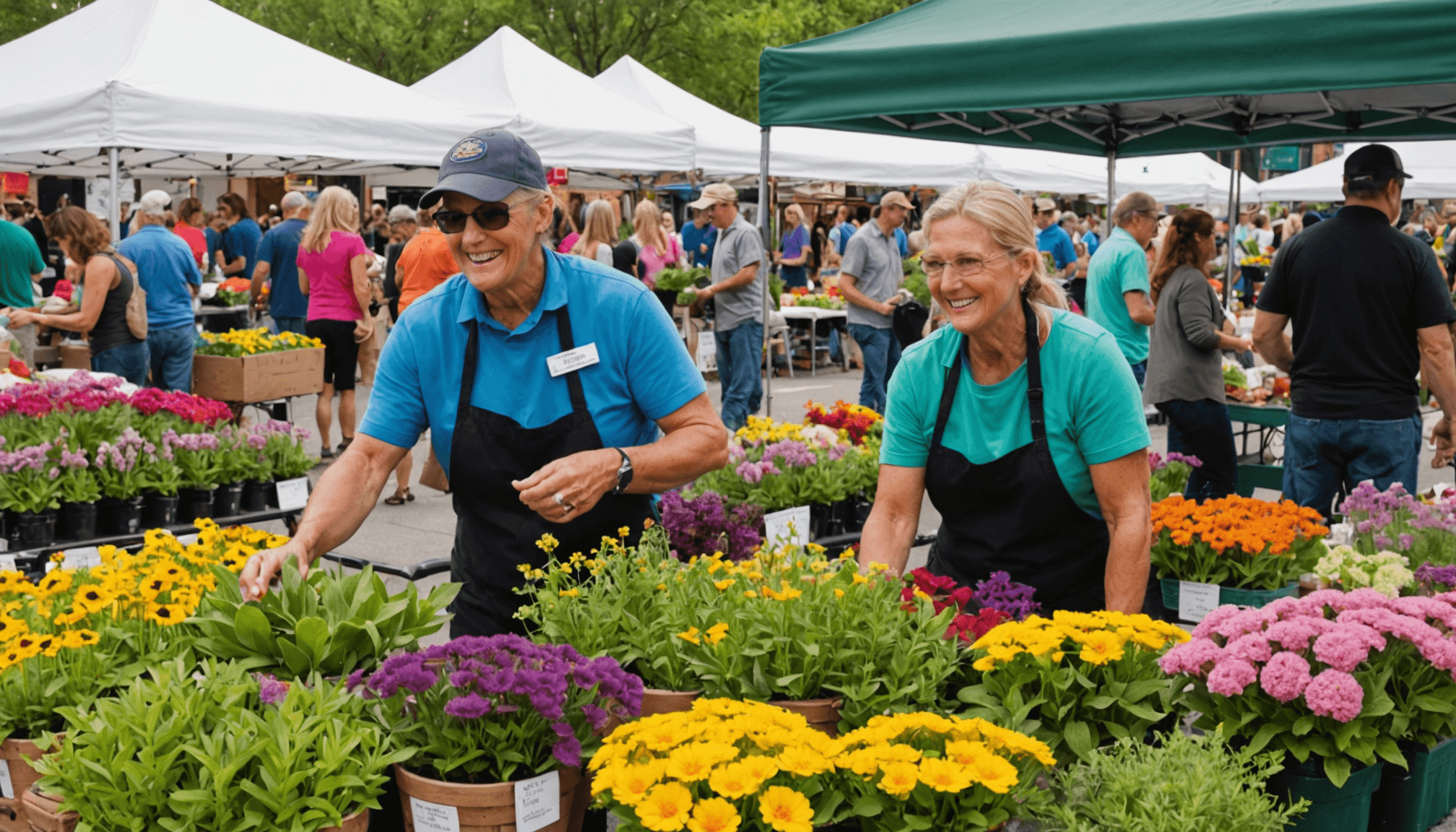
Collaborating with local suppliers is a foundational component of running a successful plant nursery. Establishing solid relationships with nearby farms, garden centers, and wholesalers not only streamlines your supply chain but also invigorates your nursery with a wide variety of plants and materials that are suited to local conditions. This synergy can be the key to nurturing the health of both your business and the environment.
One practical step in this collaboration process is to visit local farmers’ markets or garden shows. Here, you can meet suppliers face-to-face, inspect their offerings, and discuss their growing practices. This personal connection helps foster trust and can often lead to better pricing agreements or exclusive deals. Consider crafting a list of questions to inquire about their sustainability practices, pest management, and the origins of their plant stock. Knowing where your supplies come from and how they are cultivated aids in aligning your brand with sustainable values.
Additionally, think about forming partnerships with local organic farms. Many of these operations may have the surplus of healthy compost, mulch, or even nursery plants they’re interested in selling or trading. This not only reduces shipping costs but enhances your offerings with materials that promote healthy plant growth. You can even propose a regular exchange of products, where you supply them with ornamental plants in return for organic materials, creating a win-win situation.
When selecting local suppliers, support those who are committed to sustainable practices. For instance, some farms specialize in growing native plants and can provide you with valuable insights into which species perform best in your area. By aligning with these eco-conscious suppliers, you reinforce your own nursery’s mission while positively impacting the local environment. These connections can become your competitive advantage, enabling you to offer unique products that larger chain nurseries cannot.
Another effective approach to collaboration is engaging with your community’s gardening clubs and organizations. These groups often have extensive networks of local suppliers and can offer recommendations based on their own experiences. Hosting or participating in community workshops can also facilitate connections with local experts who can share invaluable guidance about plant selection and cultivation techniques tailored to your region.
Don’t underestimate the power of social media in strengthening these relationships. Creating a dedicated online space or forum for local nurseries and suppliers can encourage sharing of best practices and facilitate connections. Platforms like Instagram or Facebook can serve as excellent spaces to showcase collaborative products or highlight community events. When you share your collaborations online, you make it engaging for your audience while promoting both your nursery and the local suppliers you work with.
By fostering these partnerships, your plant nursery not only thrives from a commercial standpoint but also plays a pivotal role in enhancing community support and the local ecological footprint. Together, you can create a strong local economy, ensuring both nursery success and contributing to the overall well-being of your community.
Utilizing community expertise and knowledge
Engaging with local experts and skilled individuals in your community is an essential strategy for a successful plant nursery. Knowledge sharing can lead to a wealth of information regarding local growing conditions, pest management tips, and plant care techniques that are specific to your area. Harnessing the wisdom and expertise present within your community can significantly enhance the quality of your nursery’s offerings.
One impactful approach is to collaborate with local horticulturists and landscape designers. These professionals have hands-on experience and can provide valuable insights into plant preferences that align with current design trends and ecological needs. Invite them to your nursery for consultations or workshops where they can share their expertise with staff and customers alike. By doing so, you cultivate a richer learning environment and establish your nursery as a hub of knowledge.
Local universities and agricultural extension services often conduct research and training programs focused on plant cultivation in particular regions. Forge partnerships with these institutions to access cutting-edge research, obtain plant varieties bred for high performance, and even participate in trials that could give your nursery a competitive edge. This collaboration can elevate your nursery’s reputation and allow you to offer plants that are not only locally adapted but also backed by scientific research.
Another vital resource is networking with local gardening clubs or community organizations interested in sustainable practices. These groups can be a treasure trove of information on plant varieties, cultivation methods, and local challenges. Shared experiences will make you aware of common hurdles, such as specific pest issues or watering strategies, which can help your nursery refine its practices. Engaging with these communities can also enhance your nursery’s image, establishing you as a community supporter who cares about sharing knowledge and resources for mutual benefit.
Participating in local events, such as workshops, plant sales, and garden tours, enables you to connect with knowledgeable enthusiasts and professionals. Your presence at these gatherings not only strengthens community ties but also positions your nursery as a proactive participant in local horticulture. You can also offer to host educational workshops in your own space, focusing on best practices for growing and maintaining plants in your area. Stretching your outreach efforts into the community will ultimately foster support and encourage additional customer loyalty.
Additionally, consider implementing a mentorship program where seasoned growers can guide novices in successful gardening techniques. This peer-to-peer approach fosters community engagement and knowledge-sharing, boosting the nursery’s reputation while simultaneously creating a more informed customer base.
Utilizing community expertise not only benefits your plant nursery directly but builds a stronger bond within the community. As you foster relationships with local experts, you enhance your reputation and encourage a culture of growth and learning—all essential ingredients for nursery success.
“The best way to predict the future is to create it.” – Peter Drucker
Sustainable practices with local materials
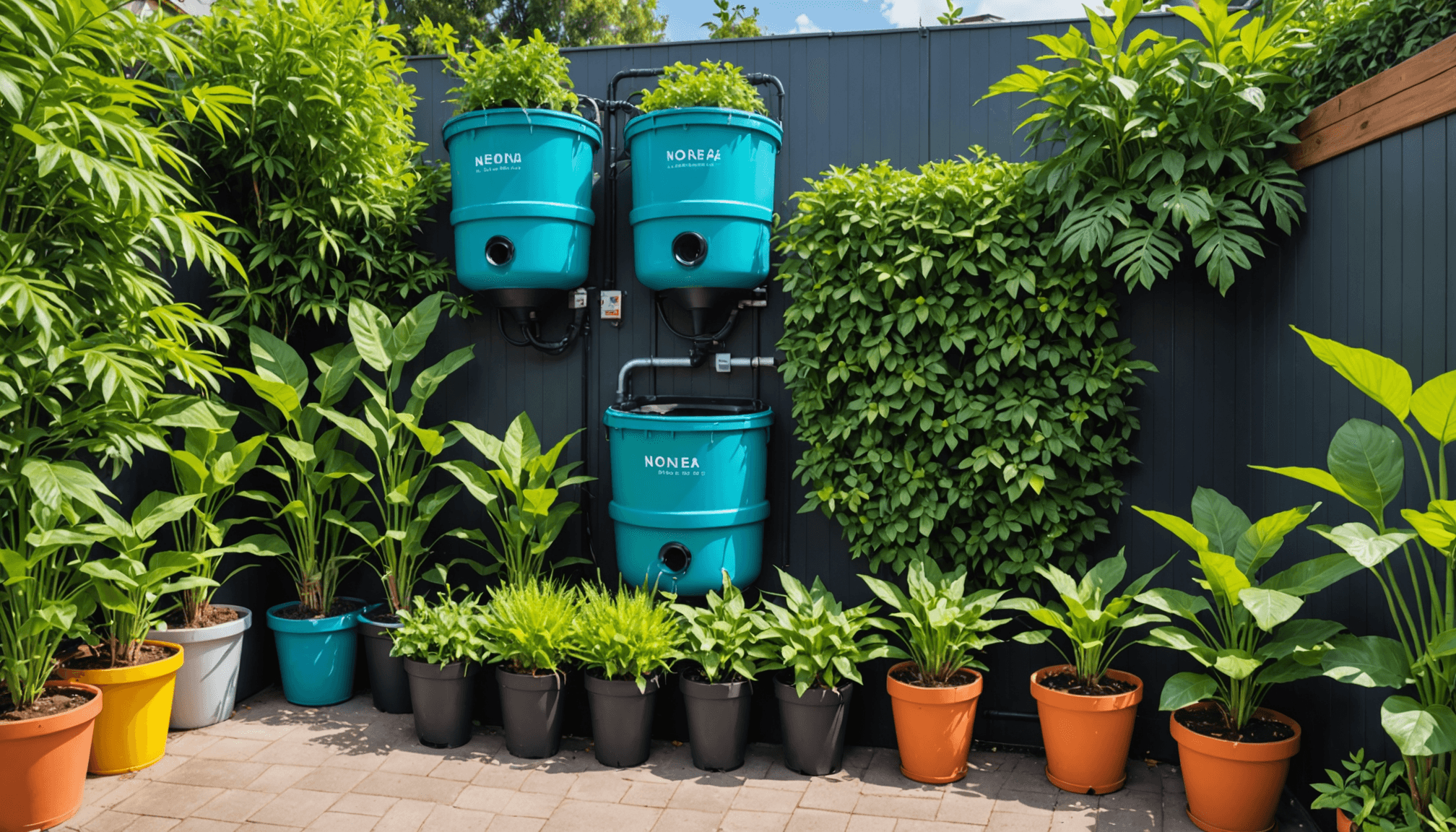 Utilizing local materials is pivotal for establishing sustainable practices within your nursery. By sourcing resources from nearby areas, you minimize your ecological footprint and support the local economy, creating a symbiotic relationship that benefits both your operations and the surrounding community. For example, consider using locally sourced compost and mulch instead of synthetic fertilizers. This organic approach not only enriches your soil but also utilizes materials that are already being produced in your area, thereby reducing the carbon footprint often associated with transportation.
Implementing rainwater harvesting systems is another excellent sustainable practice. By capturing rainwater for irrigation, you conserve resources while promoting efficient water use. This not only lowers your water bills but also showcases your commitment to sustainability, appealing to environmentally conscious customers. Additionally, compost bins made from recycled materials can turn kitchen scraps and garden waste into valuable compost, further enhancing the nutrient content of your soil, while diverting waste from landfills.
Consider the impact of using biodegradable pots for your plants. These containers break down over time, returning nutrients back to the earth rather than contributing to plastic waste. Not only do they enhance your nursery’s sustainability, but they also attract consumers who prioritize eco-friendly products. Pair these practices with educational signage around your nursery to inform visitors about the importance of sustainability in horticulture. This knowledge-sharing can inspire customers to adopt similar practices in their own gardens.
Creating workshops that educate both staff and customers about the benefits of sustainable practices can solidify your nursery’s role as a leader in the community. Demonstrating effective techniques such as companion planting or organic pest control methods fosters a culture of shared responsibility towards the environment. Such initiatives not only improve nursery success but also encourage sustainable gardening practices throughout the community.
By taking these steps, your nursery not only thrives from a business standpoint but also sets a precedent within the community for environmentally friendly practices. Engaging local resources and promoting eco-conscious choices positions your nursery favorably in modern gardening, attracting a loyal customer base dedicated to sustainability.
- What are the benefits of using local materials in my plant nursery?
- Using local materials reduces transportation emissions and costs, supports the local economy, and enhances plant health by providing them with resources adapted to local conditions. This practice contributes to sustainability while improving your nursery’s ecological footprint.
- How can I incorporate rainwater harvesting in my nursery?
- Investing in a rainwater collection system allows you to capture runoff from roofs and other surfaces. This collected water can be used for irrigation, reducing your reliance on municipal water supplies while promoting water conservation.
- What types of local resources should I consider for soil amendments?
- Look for locally produced compost, manure, and mulch to enrich your soil. These materials are sustainable, enhance nutrient profiles, and are well-suited to promote the health of plants in your specific region.
- How can I effectively market my sustainable practices to customers?
- Utilize signage throughout your nursery to explain your sustainable practices and their benefits. Additionally, hosting workshops that educate customers about eco-friendly gardening can attract attention and build loyalty among environmentally conscious consumers.
- Are biodegradable pots effective for plant growth?
- Yes, biodegradable pots allow for better root growth compared to plastic containers, as roots can penetrate through the walls of the pot. They also decompose naturally, returning nutrients to the soil and reducing plastic waste.
- What role does community support play in a nursery’s sustainability efforts?
- Community support fosters collaboration, sharing knowledge and resources that can enhance sustainable practices. Engaging with local organizations and hosting community events can bolster your nursery’s reputation and customer loyalty.
- Can I collect organic waste from my community for composting?
- Yes, collecting organic waste from your community members can significantly boost your composting efforts while encouraging local involvement. Set up a system for residents to contribute kitchen scraps and yard waste, which you can then transform into rich compost for your nursery.
Marketing your locally sourced products
Marketing your locally sourced products effectively is essential for both nursery success and community engagement. By emphasizing the unique qualities of your plants and the story behind them, you can create a strong brand presence that resonates with eco-conscious consumers. Begin with the fundamentals by developing a clear narrative around your plants, stressing their local origins and natural adaptability. Highlighting these attributes fosters a genuine connection and appeals to those who value sustainability.
Utilizing various marketing channels is key to spreading your message. Social media platforms, such as Instagram, Facebook, and Pinterest, are excellent for showcasing the beauty of your plants and the effort you put into sourcing locally. Share vibrant pictures of your nursery, behind-the-scenes videos of your growth process, and testimonials from satisfied customers. Engaging storytelling, combined with visually appealing content, can attract a following and drive foot traffic to your nursery.
Participate in local events like farmers’ markets, gardening fairs, or community festivals to gain visibility and showcase your expertise. Have a booth where visitors can interact directly with your products and learn about the benefits of local sourcing. Offering samples of native plants or free workshops on sustainable gardening practices can draw in crowds and create lasting impressions.
Another effective way to reach potential customers is through collaborations with local businesses. Partnering with cafes, restaurants, or boutiques can lead to cross-promotion that benefits all parties involved. For example, consider providing locally sourced herbs for a nearby restaurant or setting up a display of your plants in a local coffee shop. This kind of collaboration not only expands your reach but reinforces your connection to the community.
Incorporate an email newsletter to maintain ongoing communication with your customer base. Share updates about new arrivals, seasonal tips, or upcoming events, emphasizing your commitment to using local resources and sustainable practices. This keeps customers engaged and informed while encouraging them to visit your nursery regularly.
Additionally, creating an educational blog on your nursery’s website can provide valuable content for visitors. Write about the benefits of local plants, sustainable gardening practices, and tips for maintaining a healthy garden. By establishing your nursery as a go-to resource for gardening information, you foster trust and loyalty among your customers, ultimately driving sales.
Don’t forget to leverage customer reviews and testimonials. Encourage satisfied customers to leave positive feedback on your website or social media pages. Word-of-mouth marketing is powerful, especially in today’s consumer landscape where authenticity counts. Highlight these reviews in your marketing materials to build credibility and attract new clients.
Lastly, consider offering loyalty programs or discounts for repeat customers to further encourage community support. This not only builds a loyal customer base but also promotes the idea of nurturing long-term relationships rather than one-time transactions.
By combining these strategies, you can effectively market your locally sourced products while fostering community support. This engagement reinforces your nursery’s role as a key player in the local economy and ecology, paving the way for success as you grow both your business and a community of environmentally conscious consumers.