

Greenhouse propagation offers an array of compelling advantages that can significantly elevate your gardening game, especially for urban dwellers and families eager to maximize their outdoor space. One of the primary benefits is the control it provides over environmental conditions. In a greenhouse, you can manipulate temperature, humidity, and light levels, ensuring that your plants receive the ideal conditions for robust growth. This isn’t just for professionals; even home gardeners can reap the rewards by extending their growing season and protecting seedlings from unexpected weather changes.
Additionally, greenhouse propagation allows for better plant care. With a controlled environment, plants face fewer stressors from pests and diseases. This translates to healthier plants that require less chemical intervention, making it an environmentally friendly choice. For instance, starting your seedlings in a greenhouse can help them become more resilient, since they aren’t exposed to harsh outdoor elements right at the onset.
Another fantastic advantage is the potential for increased yield. By using effective nursery techniques within a greenhouse, you can often produce plants that grow faster and more uniformly. This is particularly advantageous for those interested in growing specific herbs or vegetables, as you can easily manage spacing and light exposure to cultivate high-quality crops.
Consider trying out different types of propagation methods within your greenhouse. You might experiment with both hydroponic and soil-based systems. This experimentation can yield surprising results and enable you to discover which methods resonate best with your personal gardening goals.
Don’t overlook the networking potential either. Greenhouse propagation can connect you with a community of fellow enthusiasts. Joining local gardening clubs or online forums focused on greenhouse techniques provides access to valuable insights and shared experiences, enhancing your own homesteading journey.
Embracing greenhouse propagation can transform how you approach plant care and vegetable production. Whether you’re aiming for efficiency, environmental stewardship, or simply a more bountiful garden, the benefits are undeniable. As you explore these avenues, keep in mind that patience and a willingness to learn are key ingredients in your gardening success.
Types of greenhouse systems
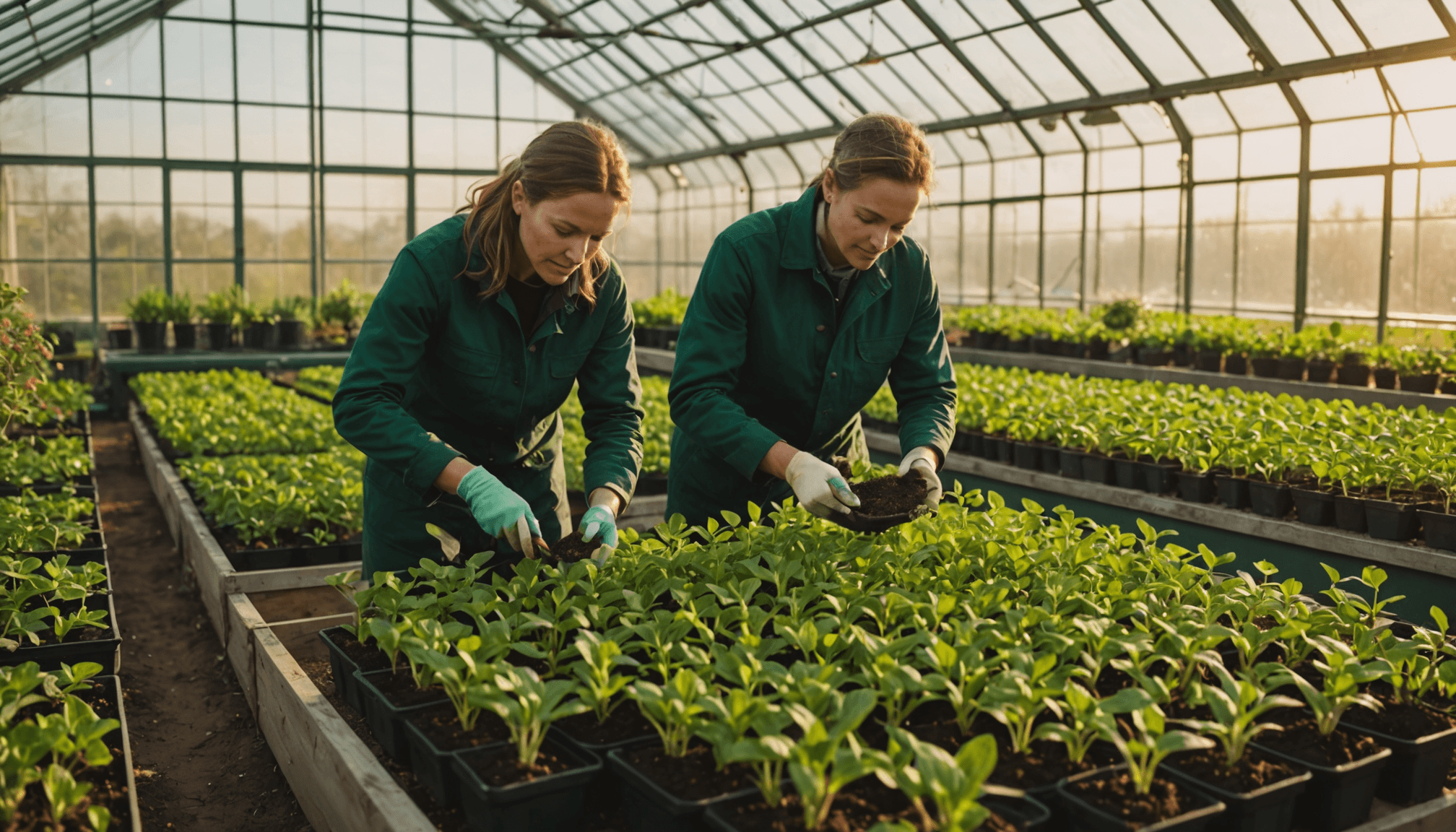 Various types of greenhouse systems cater to different propagation methods and specific plant needs. Understanding these systems can significantly impact the efficiency and success of greenhouse propagation, making it essential for nursery operators and enthusiastic gardeners alike to choose the right setup for their cultivation goals.
One of the most common greenhouse systems is the glass greenhouse, usually characterized by its structural frame made of aluminum or wood and large glass panels. This type allows for maximum sunlight penetration, creating an ideal environment for many types of plants. However, it often requires more maintenance due to the fragility of glass, and it can be more expensive to install.
Another popular option is the polycarbonate greenhouse, featuring panels made from durable, insulated plastic. These greenhouses provide excellent thermal properties, meaning they retain heat better than glass, thereby reducing energy costs. They also come with greater durability and less risk of breakage, making them a favorite among growers who may have harsh weather conditions to contend with.
Hoop houses, or high tunnels, are a more affordable and flexible option. Constructed with bent metal or PVC piping covered with plastic sheeting, they are easier to set up and dismantle than traditional greenhouses. While they may not provide the same level of insulation or light control as glass or polycarbonate, they are highly effective for season extension and improving plant health.
For more technical and controlled environments, climate-controlled greenhouses are equipped with sophisticated heating, cooling, and ventilation systems. These facilities can manipulate light levels, humidity, and temperature through automated systems, making them suitable for high-value crops that require precise conditions throughout their growth cycles.
Here’s a comparative overview of these greenhouse systems:
| Greenhouse Type | Advantages | Disadvantages |
|---|---|---|
| Glass Greenhouse | Maximum sunlight, aesthetic appeal | Higher cost, more maintenance |
| Polycarbonate Greenhouse | Excellent insulation, durability | Limited light transmission compared to glass |
| Hoop House | Affordable, easy to construct and dismantle | Less control over conditions, shorter lifespan |
| Climate-Controlled Greenhouse | Precise environmental control, suitable for high-value crops | High initial investment, complex systems to manage |
Selecting the right greenhouse system is crucial for successful propagation and ensuring optimal plant care. Each type brings its unique set of benefits and challenges, directly influencing nursery techniques and the overall productivity of the greenhouse environment. By understanding these distinctions, growers can better align their choices with their propagation goals, ultimately enhancing their growing practices and maximizing the benefits of greenhouse propagation.
Factors influencing plant growth
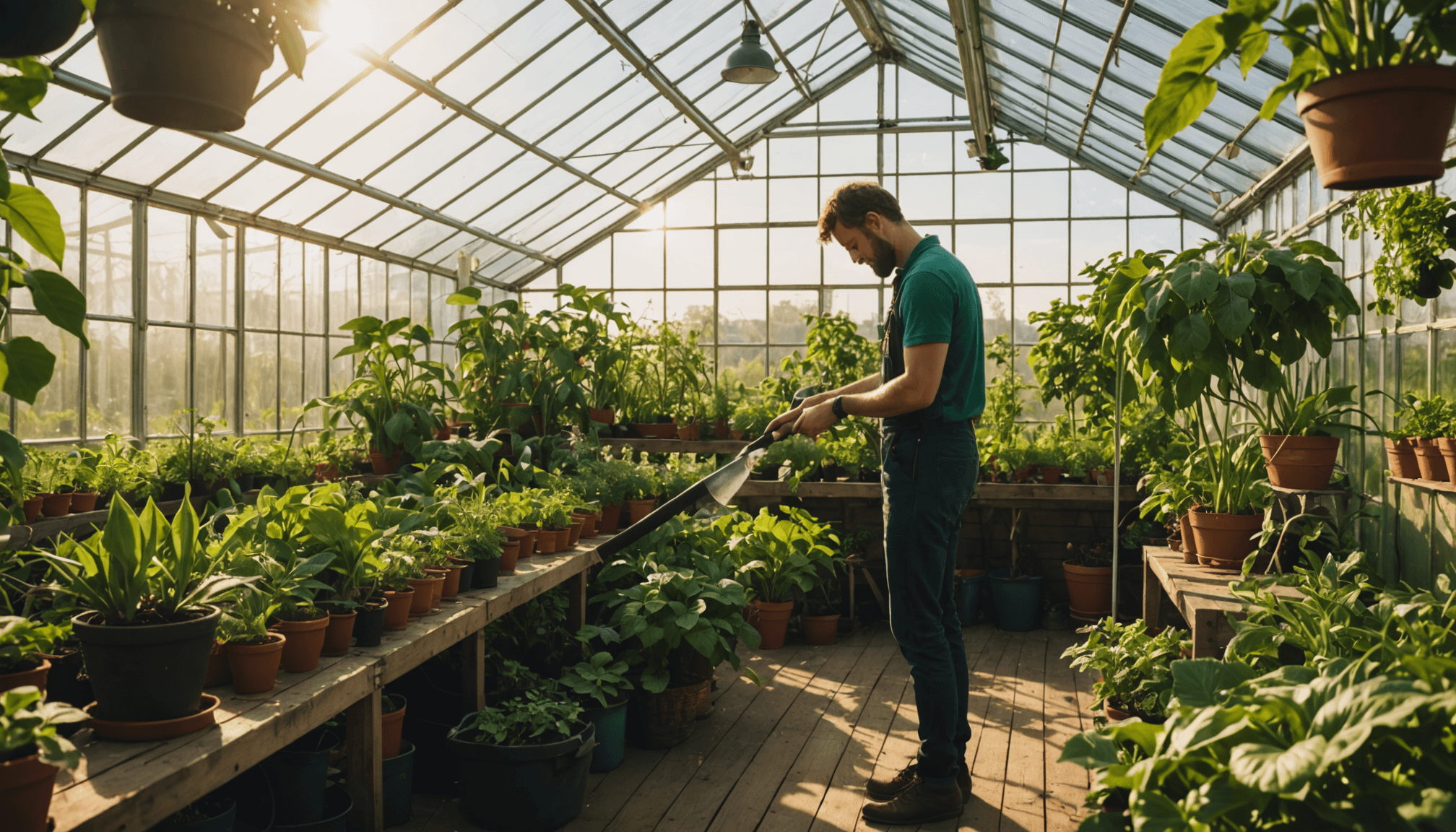
When cultivating plants in a greenhouse setting, numerous factors play a critical role in determining their growth and overall health. Understanding these elements can empower urban dwellers, families, and garden enthusiasts to enhance their greenhouse propagation efforts and optimize nursery techniques effectively.
One of the most significant factors is light exposure. Plants rely on sunlight to perform photosynthesis, and the right amount of light is essential for vigorous growth. For instance, leafy greens like spinach prefer partial shade, while fruiting plants such as tomatoes thrive in full sun. As such, consider positioning your greenhouse strategically to maximize natural light or incorporate supplemental lighting systems during shorter days. Using light meters can help you monitor levels and adjust as needed, ensuring that your plants flourish.
Temperature control is another vital factor influencing plant growth. Greenhouses are designed to regulate temperature, but fluctuations can still occur. Using shading cloths during the hot summer months can prevent scorching, while heating systems or thermal mass (like water barrels) can retain warmth during chilly nights. For example, lining your greenhouse with thermal mass can create a stable environment for sensitive seedlings, reducing temperature stress and promoting healthy plant care practices.
Humidity is equally crucial to growth dynamics. High humidity can encourage fungal diseases, while low humidity can lead to dehydration. A humidity gauge can help you maintain the optimal levels for your plants. Consider incorporating misting systems or humidity trays filled with water to increase moisture, especially for tropical plants or during dry seasons. In contrast, ensure good ventilation to prevent excessive humidity that can harm plant health. Fans or strategically placed vents can help circulate air and reduce the risk of disease.
Soil composition and nutrition are also foundational to effective greenhouse propagation. Using a well-draining, nutrient-rich potting mix can promote healthy root development. Regularly testing your soil’s pH and nutrient levels allows you to adjust and provide plants with the right balance of nitrogen, phosphorus, potassium, and micronutrients. Organic compost or fertilizers can enhance soil fertility and improve plant resilience, reducing the need for chemical interventions. For the best results, consider implementing a feeding schedule, starting with a diluted fertilizer to support young plants.
Beyond these environmental factors, the choice of plant varieties can significantly influence your greenhouse’s success. Opt for cultivars that are well-suited for greenhouse propagation and resilient to common pests and diseases. For instance, choosing disease-resistant tomato varieties can lead to a more bountiful harvest, reducing reliance on chemical solutions. Engaging with local gardening groups or online communities can provide insight into the best varieties for your specific region and growing conditions.
Lastly, consider the impact of pests and diseases on your greenhouse environment. Regular monitoring for any signs of trouble allows for early intervention, whether through natural remedies like neem oil or introducing beneficial insects like ladybugs. Maintaining cleanliness in your greenhouse—not just for aesthetic reasons but as part of sound plant care practices—can help minimize risks. Always ensure tools and pots are sanitized before use to keep your plants safe.
By paying attention to these influential factors, you can create a thriving greenhouse environment that maximizes the benefits of greenhouse propagation and enhances your overall gardening experience. Through careful monitoring and adjustments, you can cultivate a flourishing garden that provides bountiful yields and joyful connections to nature.
Cost-effectiveness of greenhouse nurseries
Cost-effectiveness is a critical consideration for anyone involved in greenhouse nurseries, whether professional growers or hobbyists. One of the standout advantages of greenhouse propagation is its ability to significantly reduce costs associated with plant production. The controlled environment of a greenhouse allows for a longer growing season, leading to multiple harvests within a year. This extended production period means that growers can maximize their outputs without the limitations imposed by outdoor seasonal changes.
Implementing effective nursery techniques can also lead to cost savings in plant care. For instance, starting plants from seeds in a greenhouse is generally less expensive than purchasing established plants from a retail outlet. Seedlings can be nurtured until they are robust and ready for planting, thereby reducing losses from transplant shock and enabling a more precise control over the growth conditions they experience.
In addition, using a greenhouse can lower resource costs such as water and fertilizers. With the right systems in place, growers can efficiently manage irrigation through drip systems or automated watering solutions that minimize waste. This not only conserves water but also ensures that plants receive the optimal amount of moisture, thereby enhancing growth and reducing the need for chemical applications.
Moreover, compared to outdoor propagation, the likelihood of disease and pest prevalence is considerably diminished within a greenhouse. Fewer pest problems can lead to a significant reduction in expenditures on pesticides and other treatments, providing an additional layer of financial benefit. The health of plants grown in a greenhouse tends to be more stable, further lessening the financial burden associated with crop loss.
A well-planned greenhouse also opens the door to diversifying plant offerings, allowing growers to experiment with higher-value crops or unique plant varieties that can command premium prices. By efficiently managing resources and choosing the right crops to grow, nursery operators can significantly enhance their profit margins.
“The economic viability of a greenhouse operation is not just about initial investment; it’s about maximizing returns through smart cultivation and resource management.”
In evaluating the cost-effectiveness of greenhouse nurseries, the initial investment should be weighed against the long-term savings and increased revenue potential. While the setup costs can be substantial, the sustainability and profitability of the operation can create a sound financial foundation for growers committed to optimizing their plant care practices. Understanding the dynamics of greenhouse propagation thus empowers nursery owners to make informed decisions that ultimately favor their bottom lines.
Environmental control in propagation
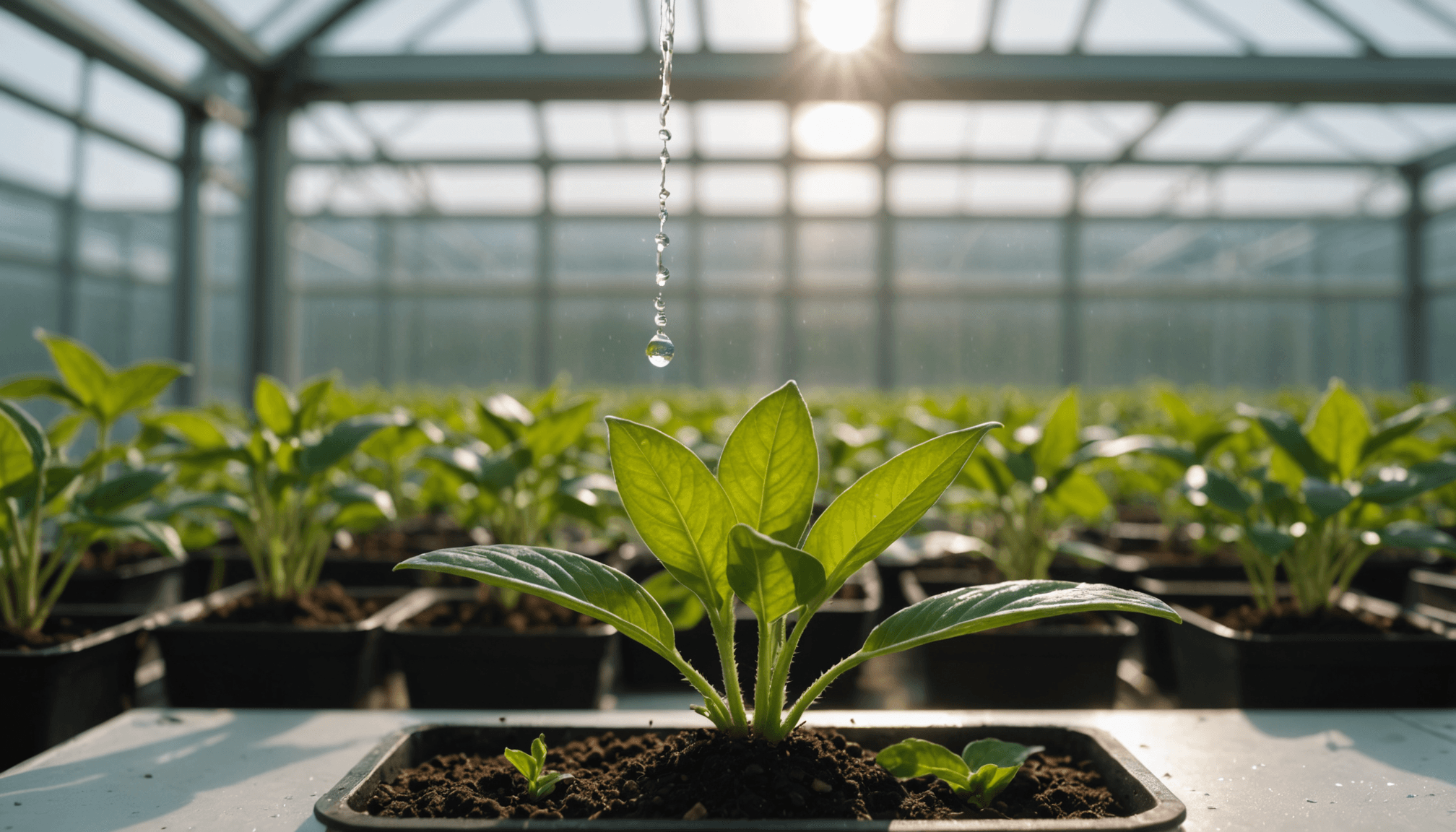
Maintaining optimal environmental control in a greenhouse is essential for successful propagation and ultimately influences the health and growth of plants. Various factors within a greenhouse need to be monitored and adjusted to create the ideal atmosphere for plant development. For precision and effectiveness, it is crucial to understand how elements such as temperature, humidity, light, and ventilation interact and how they can be manipulated to enhance plant care.
Temperature is perhaps one of the most critical factors. Each plant species has its preferred temperature range, and maintaining the ideal conditions can be achieved through heating systems, thermal curtains, and efficient insulation. During colder months, retaining warmth is vital, while in summer, proper cooling methods—such as fans or evaporative coolers—become essential. By closely monitoring temperature changes, you can prevent stress and disease, particularly in tender seedlings that are still establishing their root systems.
Humidity levels within the greenhouse also hold great importance. Plants transpire moisture through their leaves; thus, controlling humidity prevents excess moisture buildup, which can lead to fungal infections. Using hygrometers to gauge humidity can help you keep levels within the ideal range for your plants. Appropriate ventilation—whether through automated systems or manual openings—ensures that fresh air is circulated and excess humidity is expelled, fostering a healthier growth environment.
Light control is another pivotal aspect of greenhouse propagation. Understanding the sun’s path and how it affects the light intensity and duration can significantly influence plant health. Using shading materials or skylights can moderate light levels, catering to the needs of light-loving plants versus those that prefer indirect sunlight. Employing grow lights can also bridge gaps during short-day seasons, ensuring plants receive adequate light for photosynthesis year-round.
Moreover, integrating technology into greenhouse management has transformed environmental control. Advanced systems utilizing sensors can monitor conditions continuously and automate adjustments, providing a level of precision that manual management often cannot achieve. For example, an automated system can trigger ventilation or heating whenever conditions deviate from desired targets, ensuring a stable environment that promotes vigorous plant growth.
Understanding and implementing these elements of environmental control can lead to healthier plants, reduced pest problems, and ultimately, more successful greenhouse propagation. By delving deeper into these techniques, gardeners and nursery operators can foster a profound appreciation for the science of plant growth and the delicate balance needed to thrive within a controlled ecosystem. The quest for knowledge in these areas can inspire further exploration and enhancements in one’s growing practices, reinforcing the joy and satisfaction of nurturing plants to fruition.
- How do I control temperature in my greenhouse?
- You can control temperature using heating systems during colder months and ventilation or shade cloths during warmer months. Automated thermostats can also help maintain consistent conditions by triggering heating or cooling as needed.
- What is the ideal humidity level for greenhouse plants?
- Most plants thrive in relative humidity levels between 40% to 70%. Using hygrometers to measure humidity and incorporating proper ventilation can help achieve these levels while preventing disease.
- How much light do plants in a greenhouse need?
- The amount of light depends on the specific plant species, but most require at least 6 to 8 hours of light per day. Supplemental grow lights can be helpful during winter months or in shaded areas.
- What are the benefits of using automated systems in a greenhouse?
- Automated systems can monitor environmental conditions and make adjustments in real time. They improve efficiency by ensuring optimal conditions without constant manual intervention, which is especially useful for busy growers.
- How can I manage pests in my greenhouse?
- Regular monitoring and maintaining cleanliness are key to pest management. You can use organic pesticides, introduce beneficial insects, or utilize traps and barriers to keep pests at bay.
- Can I grow any plant in a greenhouse?
- While many plants can flourish in a greenhouse, it’s important to choose varieties suited for your specific environment. Researching plant needs and selecting appropriate cultivars is essential for success.
- What are the key factors in ensuring successful plant propagation?
- Key factors include maintaining optimal temperature, humidity, and light levels, as well as ensuring good ventilation and using quality soil. Understanding each plant’s specific requirements will also enhance propagation success.
Future trends in greenhouse propagation
As we look towards the future of greenhouse propagation, several exciting trends are set to reshape how urban dwellers, families, and garden enthusiasts cultivate their plants and enhance their nursery techniques. One of the most promising developments is the increasing integration of technology into greenhouse management systems. Smart greenhouses equipped with sensors can continuously monitor environmental conditions and automatically adjust light, temperature, and humidity levels. This precision not only fosters optimal growth but also reduces the resource waste associated with over-watering or heating.
Another trend gaining traction is the rise of sustainable and eco-friendly practices. Many growers are now focusing on utilizing organic materials and techniques to reduce chemical usage in plant care. This includes composting, using natural predators to combat pests, and implementing organic fertilization methods. By emphasizing sustainability, future greenhouse operators can produce healthy plants while minimizing their environmental footprint, appealing to a growing audience of eco-conscious consumers. For instance, integrating a permaculture design in your greenhouse layout can harness natural ecosystems’ efficiency, allowing for a self-sustaining growth environment.
The incorporation of vertical farming methods is also becoming more prominent. This approach maximizes space, particularly in urban settings where every square foot counts. By utilizing vertical planters, hydroponic systems, or wall-mounted grow boxes, you can increase your yield significantly without requiring more ground space. This technique is ideal for busy millennials and families who wish to grow fresh produce in limited urban settings.
Sustainability extends beyond just plant care; energy efficiency is a major concern for future greenhouse designs. Innovations in materials, such as energy-efficient glass or advanced shading systems, help keep greenhouse temperatures stable, reducing energy costs. The installation of solar panels to power greenhouse operations is becoming more popular, promoting renewable energy use and decreasing reliance on traditional power sources.
Community-supported agriculture (CSA) models are also on the rise, where local consumers can subscribe to receive fresh produce directly from greenhouse operators. This model not only fosters a sense of community but also encourages greenhouse growers to maintain food transparency and quality. It’s a win-win, as families gain access to fresh produce while supporting local businesses. Consider forming partnerships with local schools or community organizations to promote awareness about the benefits of greenhouse-grown foods.
Moreover, the trend towards plant-based diets continues to encourage the growth of niche crops, such as rare herbs or medicinal plants. Growers are increasingly experimenting with propagation techniques for these specialized plants, which can be both rewarding and profitable. For example, cultivating exotic herbs like lemongrass or medicinal plants like echinacea can cater to the needs of health-conscious consumers looking for natural remedies.
Lastly, ongoing research and education in greenhouse propagation will play a crucial role in shaping the future of this practice. Engaging in gardening workshops, attending webinars, or joining online classes can equip growers with the latest knowledge and skills. By staying informed about the newest developments in greenhouse techniques and plant care, you’ll be better prepared to adapt to and thrive in a rapidly changing gardening landscape.