
Creating a sustainable garden is a rewarding venture that allows you to grow your own food while being kind to the environment. To begin, it’s essential to understand the characteristics of a sustainable garden, which include biodiversity, self-sufficiency, and minimal waste.
Start by choosing native plants that are well-adapted to your local climate and soil conditions. Native plants require less water and are resistant to local pests, reducing the need for chemical fertilizers and pesticides. For urban dwellers, even a small garden can yield surprising amounts of produce. Examples of easy-to-grow native plants include coneflower and black-eyed Susan, which can support local pollinator populations.
Incorporating a variety of plants is crucial for promoting biodiversity. A well-rounded garden includes vegetables, herbs, and flowers that attract beneficial insects. Consider the following combinations:
- Tomatoes and Basil: Together they repel pests and enhance each other’s flavors.
- Marigolds: These flowers deter unwanted insects and attract pollinators.
- Radishes: Plant them alongside larger crops because they grow quickly and help with space management.
Implementing organic gardening practices is another important aspect of sustainability. This includes using organic fertilizers, such as compost or well-rotted manure, and adopting crop rotation to maintain soil health. You can create your own compost by collecting kitchen scraps like vegetable peels and coffee grounds, along with yard waste such as leaves and grass clippings. It’s a practical way to recycle and enrich your soil without relying on synthetic products.
Another valuable tip is to use permaculture techniques. By mimicking natural ecosystems, you can create a self-sustaining garden. Techniques such as raised beds, guild planting, and mulching can help optimize space and resources. Raised beds allow for better drainage and soil warmth, while guild planting focuses on planting compatible species together for mutual benefit.
Lastly, include areas for wildlife habitats, such as small brush piles or bee hotels, to encourage a balanced environment. Remember, a sustainable garden isn’t just about growing food—it’s about creating a living ecosystem that can thrive with minimal intervention. Embrace the journey, learn from your experiences, and watch your garden flourish!
Selecting the right plants
When it comes to selecting the right plants for your homestead, careful consideration of your climate, soil conditions, and personal preferences is essential. Start by analyzing your USDA Plant Hardiness Zone, which helps determine what plants will thrive in your area. Planting species that are well-suited to your local environment increases the likelihood of success and reduces the need for additional inputs like water, fertilizers, and pesticides.
To further refine your choices, consider the following classifications of plants:
| Plant Type | Characteristics | Benefits |
|---|---|---|
| Annuals | Complete their life cycle within a single growing season. | Offer quick harvests; great for continuous fresh produce. |
| Perennials | Live for multiple years and return each season. | Establish deep root systems; reduce soil erosion and overall maintenance. |
| Companion Plants | Grow well together and provide mutual benefits. | Improved pest resistance, nutrient uptake, and growth. |
| Nitrogen Fixing Plants | Convert atmospheric nitrogen into a form usable by plants. | Healthier soil; enhances growth for neighboring plants. |
Another consideration is the type and variety of vegetables you choose to grow. Some popular options for small backyards include:
- Lettuce and leafy greens: Fast-growing and can be harvested continuously.
- Herbs: Such as rosemary, thyme, and mint that enhance flavor and can be grown in small pots.
- Root vegetables: Like carrots and beets, which can grow well in deeper containers or raised beds.
In addition, selecting fruiting plants that grow on vertical supports can maximize space. Consider options like:
- Tomatoes: Varieties such as indeterminate types can be trellised.
- Cucumbers: Climbing varieties thrive on trellises, saving space while producing abundant fruit.
- Beans: Both pole and bush types are excellent for vertical gardening.
When incorporating flowers into your homestead, think about their dual role. Not only can they beautify your space, but they also attract beneficial insects such as pollinators and predatory insects that control pests. Good flower choices include sunflowers, zinnias, and cosmos, which can thrive in many conditions while supporting the ecosystem of your garden.
Lastly, remember to consider the growth habit of your chosen plants. Grouping together plants with similar water and light requirements helps ensure that each plant receives the care it needs without over or under-watering. Rotating plant placements in the following years will not only enhance soil fertility but also disrupt pest cycles and diseases.
Designing your backyard layout
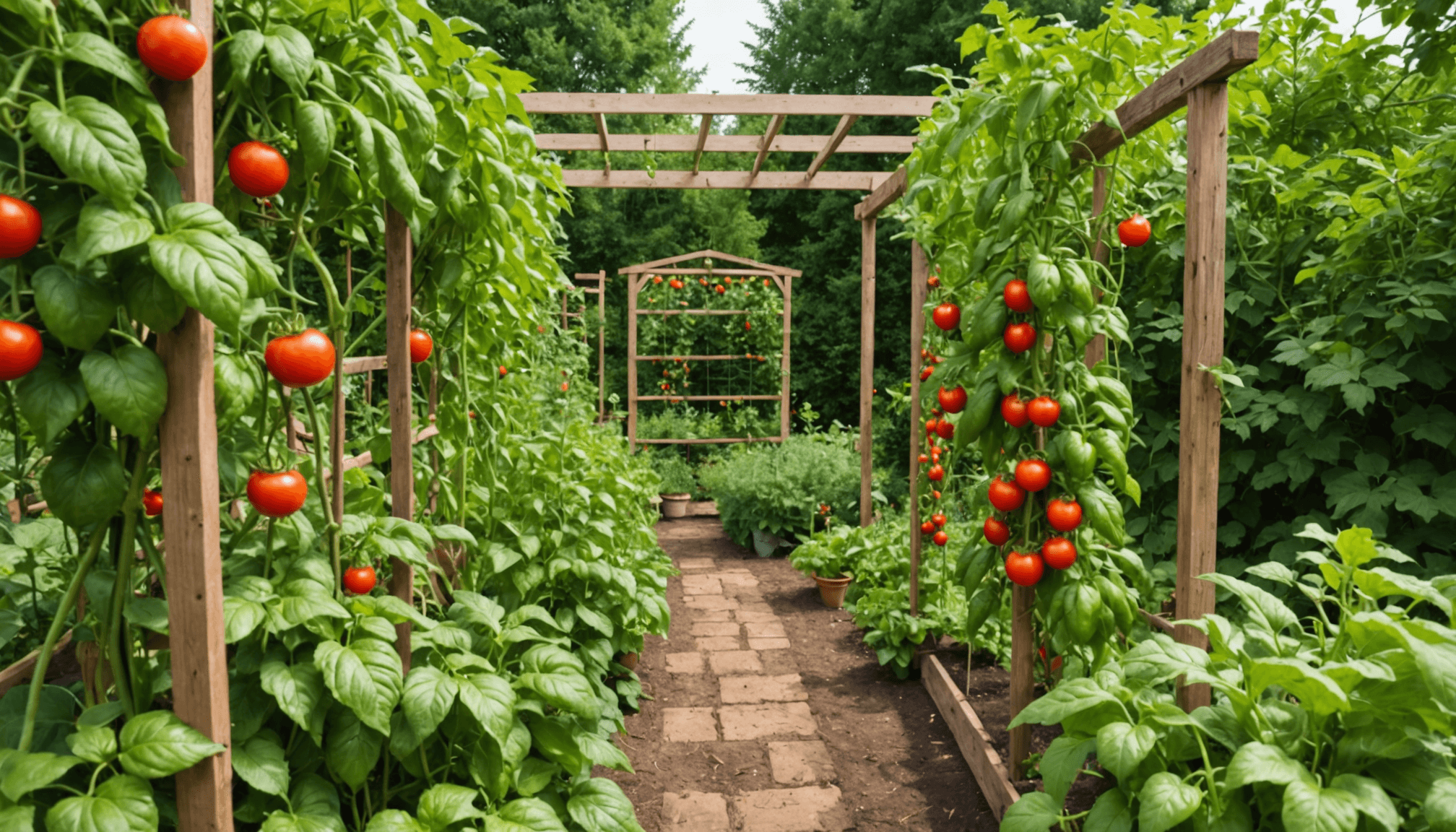
Designing your backyard layout is a critical step in successfully creating a homestead that not only looks appealing but also functions effectively. Start by visualizing your space and considering how you can optimize it for both aesthetics and utility.
One of the first elements to consider is the orientation of your garden. Understanding sunlight exposure is essential. Track the movement of the sun across your yard throughout the day, as plants have varying sunlight needs. For instance, fruiting plants like tomatoes and peppers thrive in full sun, while leafy greens appreciate a bit of shade. Plan your layout to group plants with similar light requirements together, ensuring optimal growth for all.
Next, think about using zones to effectively manage your garden space. You can establish areas dedicated to different functions:
- Vegetable Zone: Reserve a section for your vegetable garden, ideally close to a water source for easy irrigation.
- Herb Bed: Designate a small, accessible area for culinary herbs that you frequently use. Consider placing this near your kitchen for convenience.
- Flower Bed: Create a visually pleasing flower bed that can attract pollinators and beautify the space.
- Composting Area: Allocate a discreet but accessible section for your compost; this keeps it out of sight while still being functional.
Another crucial aspect of your backyard layout is the use of pathways. Creating defined paths not only enhances accessibility but also helps manage foot traffic, preventing soil compaction around your plants. Use materials like gravel, wood chips, or even stone; these are all excellent choices that can blend well with your garden aesthetic. The width of walkways should be ample enough to allow easy access for maintenance.
When planting, consider vertical gardening techniques to maximize your space. Use trellises for climbing vegetables such as beans and cucumbers, allowing them to grow upwards rather than outwards. This creates more ground space for other crops and adds visual interest to your garden.
Additionally, incorporating raised beds is a smart option for small yards. These not only improve drainage and soil quality but can also be designed to match your landscape aesthetics. Make sure to align them according to your sunlight study—north-south rows allow for even sun exposure across all plants.
As you think about your layout, be mindful of water management as it can significantly impact plant health. Implementing a sloped layout can help direct rainwater runoff towards your growing areas, while strategically placed rain barrels can assist in catching and storing runoff for later use.
Lastly, don’t overlook the visual elements of your design. Incorporate ornamental plants and decorative features like seating areas or garden art to make your homestead enjoyable. A small bench or a few garden chairs can create a space for you to relax and appreciate your work.
A thoughtfully designed backyard layout not only enhances the functionality of your homestead but also makes it a more enjoyable and sustainable place to live. With careful planning, consideration of plant needs, and incorporation of various garden features, you’ll create an environment that supports both productivity and enjoyment.
Implementing composting techniques
Implementing composting techniques is a fundamental practice for sustaining a healthy garden ecosystem. Composting not only reduces waste but also enriches the soil with essential nutrients, fostering plant growth and contributing to an eco-friendly lifestyle. To get started, you’ll need a composting system that works best for your backyard, considering factors like space, material availability, and your gardening goals.
The first step is to select a suitable composting method. There are several options available, including traditional compost heaps, bin systems, and vermicomposting (using worms to break down materials). If you have limited space, a bin system is compact and efficient. Many gardeners opt for a three-bin system—one for active composting, one for curing, and one for finished compost. This allows for a continuous rotation of materials, ensuring you always have ready-to-use compost.
Next, understanding what materials to include in your compost pile is crucial. Compost can be divided into two categories: greens and browns. Greens are nitrogen-rich materials, such as:
- Kitchen scraps (vegetable peels, fruit scraps, coffee grounds)
- Grass clippings
- Fresh leaves
Browns are carbon-rich materials and include:
- Dried leaves
- Straw or hay
- Pine needles
- Wood chips or sawdust
A good rule of thumb is to maintain a balance of approximately three parts browns to one part greens. This ratio helps achieve the right conditions for decomposition, allowing microorganisms to thrive while avoiding unpleasant odors.
Equally important is ensuring proper aeration and moisture in your compost pile. Aeration can be improved by regularly turning the compost, which introduces oxygen and accelerates decomposition. If your compost appears too dry, add water until it reaches a damp sponge-like consistency; conversely, if it’s too soggy, mix in more browns to absorb excess moisture.
Composting is not just about what you add; it’s also about what to avoid. Never include meat, dairy, or oily foods, as these can attract pests and produce foul odors. Additionally, avoid diseased plants, weeds that can propagate, and any materials treated with chemicals that might leach into the soil.
“Composting is the best thing you can do to help clean up the environment, and it can be done almost anywhere.” — Unknown
Once your compost is ready, which can take anywhere from a few weeks to several months, it will look dark, crumbly, and have an earthy smell. You can use it to enrich garden beds, improve soil structure, and provide a slow-release source of nutrients for your plants. When applying compost, incorporate it into the top few inches of soil or use it as a top dressing for established plants.
Consider setting up a compost area that’s convenient yet discreet in your backyard. Ensuring it’s easily accessible encourages regular use and maintenance, fostering a habit of recycling organic materials. Adding a simple sign or marker can remind the family to contribute kitchen scraps and yard waste, making composting a household effort.
By integrating composting into your gardening routine, you contribute to a sustainable lifestyle, enhance soil health, and reduce waste. It’s a practical and rewarding way to nurture your homestead all year round, providing your plants with the nutrients they need to thrive while benefiting the environment at large.
Irrigation and water management
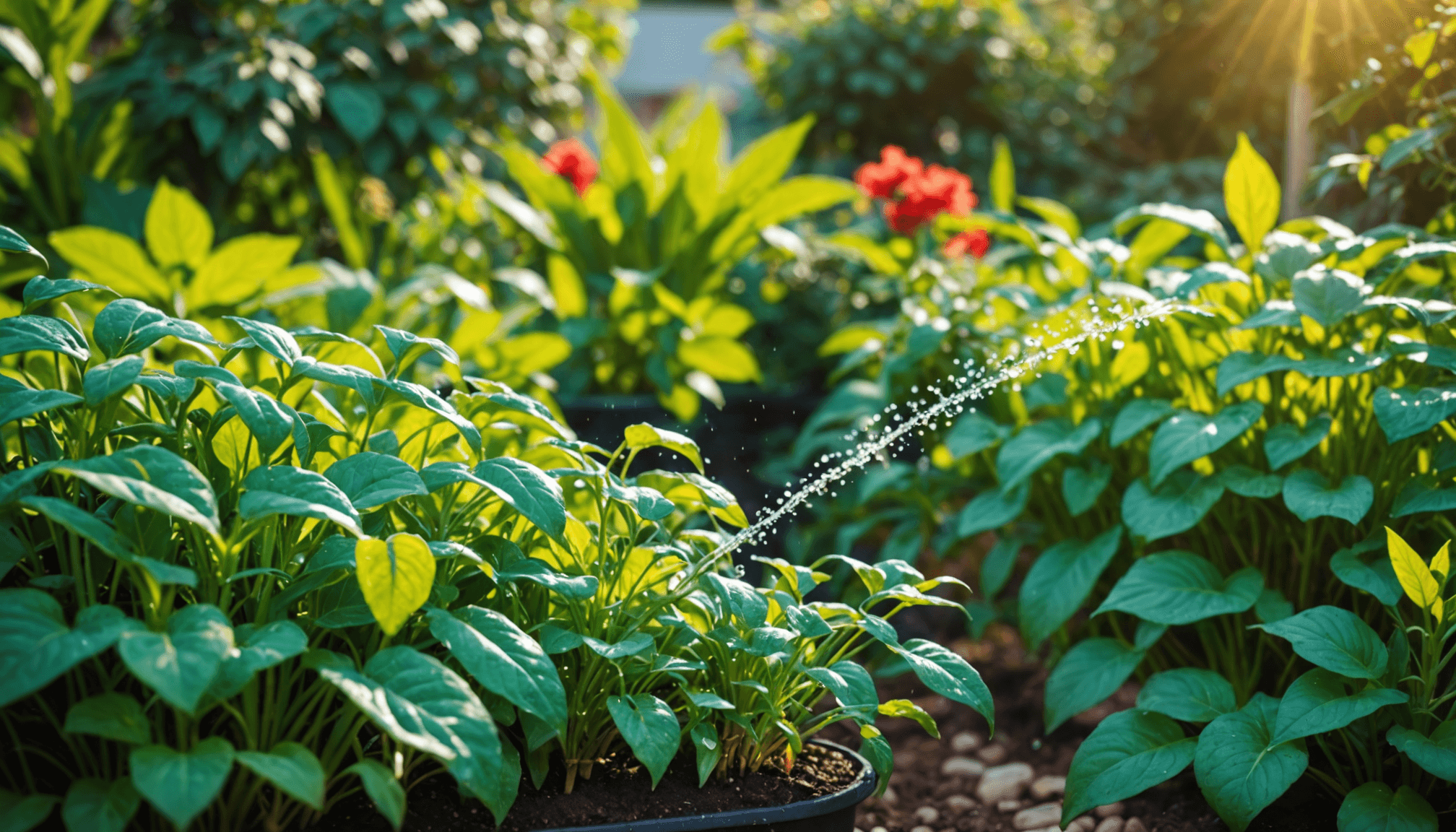
Effective irrigation and water management are essential components of a successful homestead, especially in a limited space where each drop counts. Understanding your garden’s unique needs and planning accordingly can make a significant difference in the health of your plants and the efficiency of your water use. Start by assessing the existing water sources available to you, such as municipal supplies and rainwater collection systems, and determine how best to utilize them.
One highly efficient method for irrigation is the drip irrigation system. This technique delivers water directly to the roots of your plants, minimizing evaporation and runoff. Installing a simple drip line can be a DIY project, as it allows for zone management tailored to the needs of different plants. By adjusting the flow rates at various points along the line, you can deliver the exact amount of water needed, which is particularly beneficial for crops with diverse water requirements.
In addition to drip irrigation, consider incorporating soaker hoses and mulching. Soaker hoses provide a gentle watering method that can be spread out among plants, while mulch helps retain moisture in the soil. Organic materials such as straw, wood chips, or shredded leaves work well for mulching and contribute nutrients back into the soil as they break down. An added benefit of mulch is its ability to suppress weeds, reducing competition for water and nutrients.
Implementing a rainwater harvesting system can further enhance your water management strategy. Installing rain barrels under gutters allows you to capture runoff during rainstorms, providing a sustainable water source for the dry spells. Make sure to include a filtration system to keep the water clean for your plants. This practice not only conserves water but also reduces your water bill, contributing to your overall sustainability goals.
Monitoring moisture levels in your garden is key to efficient irrigation. Invest in a soil moisture meter that will help you assess the moisture in the soil before watering. Understanding when to water and when to let the soil dry out leads to healthier plants and conserves water. Adjusting your watering schedule to align with weather patterns will also pay dividends; for instance, reduce watering frequency during rainy periods or consider watering plants in the early morning or late evening to minimize evaporation losses.
Lastly, keep in mind the importance of plant placement in relation to water needs. Grouping plants with similar watering requirements can simplify your irrigation planning and ensure that each plant receives the right amount of moisture without waste. For example, drought-tolerant plants should be positioned away from those that require more consistent moisture.
- What is the best irrigation system for a small garden?
- A drip irrigation system is often the most efficient for small gardens, as it delivers water directly to the roots, reducing waste and evaporation while ensuring that plants receive adequate moisture.
- How can I conserve water in my garden?
- Incorporating mulching and rainwater harvesting are effective ways to conserve water. Mulch helps retain soil moisture, and collecting rainwater can provide an additional, sustainable water source for your plants.
- How often should I water my garden?
- Watering frequency depends on several factors, including plant type, weather conditions, and soil moisture. It’s best to check soil moisture levels using a moisture meter, watering only when necessary to prevent over-saturation.
- Can I use gray water for irrigation?
- Yes, gray water from sinks, showers, and washing machines can be reused for irrigation, but be sure to use non-toxic, biodegradable soaps and detergents. Local regulations may vary, so check guidelines in your area before implementing a gray water system.
- What is mulching, and why is it important?
- Mulching involves placing a layer of material, such as straw or wood chips, on top of the soil. It helps retain moisture, suppress weeds, and improve soil health as the organic material breaks down.
- How can I use a rain barrel in my garden?
- Place a rain barrel under a downspout to collect runoff from your roof. This stored water can then be used for irrigation, reducing your dependence on municipal water supplies and conserving resources.
- What are the signs of overwatering my plants?
- Signs of overwatering include yellowing leaves, wilting despite wet soil, and the development of mold or fungus in the soil. Adjust your watering habits to allow the soil to dry between watering sessions to prevent these issues.
Maintaining your homestead year-round
Maintaining your homestead year-round is essential for ensuring a successful and thriving garden. A proactive approach to care will help you stay ahead of seasonal changes, allowing you to enjoy fresh produce, beautiful blooms, and a healthy ecosystem in your backyard. To effectively manage your homestead, consider the following strategies tailored to the needs of each season.
In the spring, it’s crucial to focus on preparation and planting. Start by conducting a thorough assessment of your garden bed after the winter months. Clear away any debris and assess the soil condition. If you find that the soil is compacted or low in nutrients, consider adding compost or organic matter to restore vitality. Spring is the perfect time to sow seeds for cool-weather crops such as peas, radishes, and lettuce. Using row covers can help protect young plants from unexpected late frosts.
As the summer heats up, your attention should shift to irrigation and pest management. Check your irrigation systems and ensure that they are functioning properly, making adjustments as needed. Implementing deep watering techniques encourages roots to grow deeper in search of moisture, making your plants more resilient during dry spells. Additionally, keep an eye out for pests; if you notice any signs of trouble, consider introducing beneficial insects or utilizing organic pest control methods such as neem oil or insecticidal soap.
In the fall, it’s time to prepare for the cooler months ahead. Harvest your remaining crops and consider planting a cover crop like clover or vetch, which can improve soil fertility over the winter. Clean up your garden beds by removing spent plants and debris, which could harbor pests and diseases. A layer of mulch can also help protect soil from erosion and maintain temperature stability. As the temperatures drop, consider using a cold frame or row covers to extend the growing season for late-harvest crops like kale and spinach.
Winter offers a unique opportunity to focus on planning and learning. Use this time to evaluate your gardening successes and failures from the past year. Review your seed catalogs and start planning your crop rotations for the upcoming seasons. Consider starting herbs or cold-tolerant plants indoors, which allows you to get a jump on the growing season. If you live in a region with heavy snow, ensure all equipment is properly stored and protected from the elements.
Throughout the year, regular maintenance is key. Create a schedule for tasks that need to be done seasonally, such as:
- Pruning: Regular pruning keeps plants healthy, encourages new growth, and helps control pest populations.
- Weeding: Don’t let weeds take over your garden. Set aside time each week to tackle any newcomers and prevent them from going to seed.
- Soil Testing: A soil test can provide critical information about nutrient levels and pH, allowing you to make informed amendments and treatments.
Creating a care calendar can help you stay organized and ensure you don’t miss vital maintenance tasks. Incorporate reminders for planting dates, watering schedules, and assessments to stay on track. Engaging with other local homesteaders or gardening groups online can provide additional insights and accountability, enriching your gardening experience.
Remember to enjoy the process of maintaining your homestead. Routines may sometimes seem labor-intensive, but cultivating a connection with your garden and the cycles of nature brings immense joy and satisfaction. Celebrate the milestones throughout the year, from sprouting seedlings to bountiful harvests, and embrace the learning opportunities that arise from your homesteading journey.