
When nurturing a thriving nursery, the key to healthy plants lies in effective watering techniques. Establishing a consistent watering routine is essential for the growth and vitality of your plants. Consider using a drip irrigation system that delivers water directly to the roots, reducing waste and ensuring that each plant gets the moisture it needs.
Additionally, remember that the time of day you water can significantly impact plant health. Watering early in the morning allows plants to absorb moisture before the heat of the day causes evaporation. Alternatively, you can also choose to water in the late evening as temperatures cool. Just be cautious of any lingering moisture overnight that could lead to fungal issues.
Understanding the specific water requirements of different plants in your nursery is crucial. Some plants may thrive with frequent, light watering, while others prefer deep, infrequent watering. Instead of relying solely on a schedule, take the time to observe the individual needs of your plants, as their growth stage and environmental conditions can change their water requirements.
Don’t shy away from investing in quality watering equipment. A moisture meter can be a game-changer, helping you gauge the soil’s hydration level accurately. By monitoring soil moisture, you can avoid overwatering, which can lead to root rot and other complications. Consider incorporating rainwater harvesting systems as well; this not only conserves water but also provides your plants with naturally softer water.
It’s essential to adapt your watering approach based on weather conditions. During particularly hot or dry spells, increase your watering frequency, while in cooler or rainy seasons, you may need to cut back. Also, pay attention to your plants after watering; if they appear wilted or have yellowing leaves, this could signal that you need to adjust your watering techniques.
Lastly, be aware of common watering mistakes such as using a garden hose with high water pressure that can erode soil or disrupt delicate roots. Instead, consider using watering cans or soaker hoses for gentle irrigation. If you’re growing a variety of plants, grouping plants with similar water needs can simplify your nursery management and help ensure that each plant receives the proper care it deserves.
Importance of Proper Watering Techniques
Proper watering techniques are paramount not only in maintaining healthy plants but also in optimizing nursery management as a whole. Effective watering directly influences plant health and growth, which can significantly affect the overall productivity of the nursery. When plants receive the right amount of water, they are better able to absorb essential nutrients from the soil, resulting in robust growth and increased resilience against pests and diseases.
To illustrate the impact of proper watering on plant health, consider the table below, which compares the growth rates and resilience of two groups of plants under different watering regimes:
| Watering Regime | Average Growth Rate (inches/month) | Resilience Score (1-10) |
|---|---|---|
| Consistent Deep Watering | 4.5 | 9 |
| Inconsistent Light Watering | 2.0 | 5 |
The results clearly indicate that plants subjected to consistent deep watering not only grow faster but also exhibit higher resilience to stress factors. This emphasizes the importance of adhering to a watering schedule that promotes deep root growth, which can be achieved through techniques like soaking the soil thoroughly instead of just a light sprinkling that merely wets the surface.
Another key aspect of effective watering is water quality. The composition of the water used can affect plants differently. For instance, municipal water supplies often contain chemicals such as chlorine, which can harm sensitive plant varieties. Using filtered or rainwater for irrigation can mitigate these negative effects and enhance overall plant care. The importance of water quality can be seen in the following comparative analysis:
| Water Source | pH Level | Effect on Plant Growth |
|---|---|---|
| Municipal Water | 7.5 | Potentially stunted growth |
| Rainwater | 6.5 | Promotes healthy growth |
Both data sets reinforce the notion that sound water management is vital for effective nursery operations. By focusing on watering techniques that consider water depth and quality, nursery managers can foster an environment conducive to thriving plant growth. This holistic approach not only enhances plant performance but also streamlines nursery management, leading to a more sustainable and productive operation.
Understanding Plant Water Needs

Understanding the distinct water needs of various plants in your nursery is critical for nurturing them to their fullest potential. Each plant species has its unique preferences and tolerances, which can range from species that thrive in saturated soil to those that prefer drier conditions. Pay close attention to the signs your plants give you. For instance, succulents like Aloe Vera prefer their soil to dry out completely between watering, while ferns may need consistently moist soil.
To effectively cater to different water requirements, start by categorizing your plants into groups based on their watering needs. This method makes it easier to manage your nursery in a practical way while ensuring that each plant receives the care it deserves:
- Group A: High water needs (e.g., tropical plants): These plants thrive in consistently moist conditions. They might require watering every 2-3 days, especially during hot weather.
- Group B: Moderate water needs (e.g., most leafy plants): Water these plants once a week, allowing the top inch of soil to dry out before the next watering.
- Group C: Low water needs (e.g., succulents): Water these plants only when the soil is completely dry, which can often be every 2-3 weeks.
Utilizing smart watering techniques can also drastically improve plant health. Consider implementing a targeted watering system tailored to your plant groups. Drip irrigation or soaker hoses can be particularly effective, delivering water slow and steady at the root zone, minimizing evaporation and ensuring efficient water use.
Don’t forget to adjust your strategies with the changing seasons. During the growing season, your plants will require more water, while in the dormant season, they will need less. Always check the top inch of soil for dryness—if it’s dry to the touch, it’s time to rehydrate.
Additionally, environmental factors such as humidity and wind can impact water needs. In dry, windy conditions, plants may lose moisture faster, so an increase in watering frequency may be necessary. Also, keep in mind that container plants typically need more frequent watering than garden bed plants, as pots can dry out quickly.
For optimal nursery management and to keep your plants in top shape, integrating natural methods like mulch or organic compost can improve soil moisture retention. Mulching helps maintain consistent soil moisture levels, reduces evaporation, and can protect roots during heat waves. Organic compost not only enhances soil structure but also supports beneficial microbial activity that can further aid in moisture retention.
Tracking the growth and responses of your plants to different watering techniques can provide invaluable feedback. Keep notes of how each species reacts to your watering regimen and adjust as necessary, maintaining a balance between rigorous care and careful observation. With this understanding in place, you will not only enhance plant care but also create a thriving nursery environment.
Choosing the Right Watering Equipment
Choosing the right watering equipment is essential for effective plant care in a nursery. The tools you select can make a significant difference in ensuring that plants receive the proper amount of water without wastage. A variety of watering options are available, each suited for different types of plants and growing conditions. For most nurseries, a combination of equipment can be beneficial.
Start with a reliable garden hose fitted with an adjustable nozzle. This allows for flexibility in water flow and pressure, making it easy to cater to different plants’ needs. For larger nurseries, consider investing in a sprinkler system that can cover extensive areas efficiently. Modern sprinkler systems can be programmed to water at specific times, reducing the risk of overwatering while also saving time.
For focused watering, particularly for smaller or potted plants, watering cans are a valuable tool. They provide controlled watering, ensuring moisture reaches the root zone without oversaturating the soil. This is particularly important for delicate seedlings or sensitive species that are more susceptible to root rot. Additionally, using a watering wand can extend your reach, allowing you to water plants in hard-to-reach places without disturbing their surroundings.
Drip irrigation systems are considered one of the most efficient options for watering in a nursery. These systems deliver water directly to the plant roots, minimizing evaporation and runoff. They are particularly effective for plants with high water demands, as they can maintain consistent moisture levels in the soil. By adjusting the drip emitters, you can customize the water output based on the water needs of various plant groups, enhancing your nursery management efforts.
“The key to successful irrigation is understanding the specific water needs of your plants and providing it with precision.”
Soaker hoses are another excellent choice, particularly for row plantings or larger beds. They allow water to seep out slowly along their length, thoroughly wetting the soil while minimizing evaporation. Incorporating timers with these systems can automate watering schedules, ensuring that plants are watered at optimal times without requiring constant monitoring.
When selecting watering equipment, consider not just the type but also the durability and reliability of the products. Investing in high-quality hoses, connectors, and fittings will reduce the likelihood of leaks and malfunctions, ensuring that your watering methods remain efficient over time. Additionally, it’s important to clean and maintain equipment regularly to prevent clogs and ensure optimal performance.
Adapting your watering equipment choices to the changing seasons can enhance efficiency. During periods of heavy rain, adjust your equipment to minimize unnecessary watering, whereas during dry spells, ensure that your systems are adequately set up to meet the increased water demand. By carefully evaluating your watering equipment and making informed choices, you will create a more sustainable and productive nursery environment.
Timing Your Watering Schedule
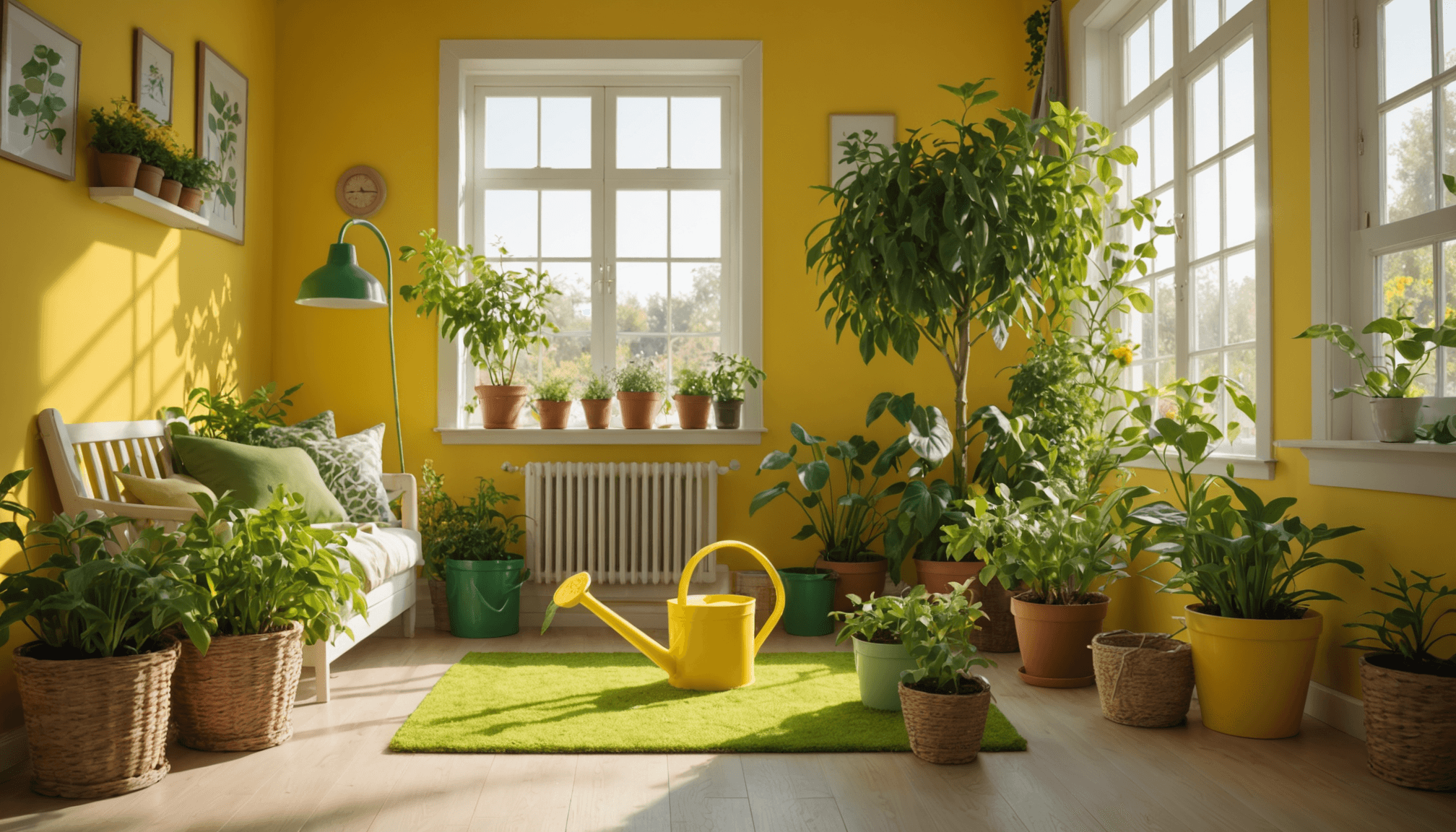
Timing your watering schedule can greatly influence the effectiveness of your plant care practices. One of the most critical factors is observing moisture levels in relation to environmental conditions. Typically, it’s advisable to water early in the morning, as this allows the plants to absorb moisture before the sun heats up and increases evaporation. During the cool morning hours, water can penetrate deep into the soil, encouraging deep root growth and avoiding the risk of overheating if watered at midday. Midday watering can lead to water loss through evaporation and may even scorch delicate leaves due to sudden temperature changes.
However, watering in the evening can also be beneficial, particularly if done hours before dusk, allowing excess moisture on the leaves to evaporate before nightfall. This is crucial to prevent fungal diseases that thrive in humid, damp conditions during the night. Be especially vigilant in regions with high humidity or heavy dew, as prolonged moisture on foliage can lead to problems such as powdery mildew or leaf rot.
Seasonal changes also impact the timing of watering. As temperatures rise during summer, your plants may require more frequent watering. Conversely, during cooler periods or rainy seasons, it’s wise to reduce watering frequency, basing your routines on the conditions of the soil instead of just the calendar. Regularly checking the soil moisture level, especially in the top few inches, can determine when plants need hydration. Invest in soil moisture meters or simply use your finger to check the soil’s dampness. If it feels dry to the touch, it’s time to water.
Another aspect to consider is the growth stage of your plants. Young seedlings typically need more constant moisture compared to established plants, as they have not yet developed deep root systems. As plants mature, their watering needs may change, requiring adjustments to your schedule. Monitoring how different plants respond to your watering practices can help in fine-tuning your approach, leading to a thriving nursery environment.
Don’t overlook the benefits of mulching in conjunction with your watering schedule. A good layer of mulch can help retain soil moisture, thereby extending the time between watering and allowing your schedule to be more flexible. It suppresses weeds and regulates soil temperature, further enhancing plant health and growth potential. When combining these techniques, the results can manifest in not only more vibrant plants but also a far more efficient nursery management practice.
- What is the best time of day to water my nursery plants?
- Morning is generally the best time to water your plants, as it allows them to absorb moisture before the heat of the day. Evening watering is also acceptable but should be timed to prevent excess moisture on leaves overnight.
- How often should I water my plants in the nursery?
- The frequency of watering depends on various factors, including the type of plant, soil conditions, and the season. Always check the top inch of soil; if it’s dry, it’s time for watering.
- Can I use tap water for my nursery plants?
- Tap water can be used, but it often contains chemicals like chlorine that may harm sensitive plants. Rainwater or filtered water is preferable for potentially better growth outcomes.
- Should I adjust watering frequency during different seasons?
- Yes, plants typically require more water during the summer growing season and less during cooler months. Always monitor conditions and adjust accordingly.
- How do I know if I’m overwatering my plants?
- Signs of overwatering include yellow leaves, wilting despite moist soil, and root rot. If these symptoms appear, reduce watering frequency and increase drainage options.
- Is it beneficial to use mulch when watering plants?
- Yes, mulch helps retain soil moisture and reduces evaporation, allowing for longer periods between watering. It also helps regulate soil temperature and suppress weeds.
- Can I automate my watering schedule?
- Absolutely! Utilizing timers with your watering systems, like drip irrigation or sprinklers, can automate your schedule, ensuring consistent moisture without daily monitoring.
Monitoring Soil Moisture Levels
Maintaining the right soil moisture levels is essential for effective plant care and can significantly impact the health and growth of your nursery plants. One of the simplest yet most effective ways to monitor soil moisture is by using your fingers. Digging about an inch into the soil can provide a quick check; if it feels dry, it’s time to water. However, for more accuracy, consider investing in a moisture meter, which can give precise readings and save you from the guesswork.
Another technique to consider is the feel and appearance of your plants. Leaves that appear droopy or discolored may be signaling a need for water. Conversely, overly lush growth could indicate excess moisture, leading to potential root issues. Understanding these signs helps you fine-tune your watering techniques to create an optimal environment for plant thrive.
Soil composition plays a crucial role in moisture retention. Soils rich in organic matter, like loamy soils, hold moisture better than sandy soils. If your nursery consists of different soil types, you may need to adjust your watering techniques accordingly. Group plants by their soil needs and regularly check moisture levels based on their specific conditions. This method not only simplifies nursery management but enhances the overall health of your plants.
Furthermore, weather conditions fluctuate frequently. After a heavy rain, for example, you may find that your plants do not require immediate watering—even if your established schedule suggests otherwise. On the other hand, during a heatwave, your plants may need extra hydration. Monitoring local weather reports and adapting your watering schedule accordingly can lead to more efficient water usage and healthier plants.
Utilizing mulch is another strategic way to maintain soil moisture levels. A layer of mulch can prevent evaporation, reduce grass competition, and even regulate soil temperature. This simple addition can extend the time between watering sessions and offer your plants added protection against temperature extremes. Be sure to monitor moisture levels in mulched areas more closely, as the mulch can sometimes hide how wet the soil beneath actually is.
Lastly, consider the timing of your watering. Early morning or late evening is ideal, as watering during these times allows the soil to absorb humidity effectively without the immediate risk of evaporation that can occur during the day. Adjust your watering intervals based on both plant responses and your monitoring efforts for optimal plant care.
Common Watering Mistakes to Avoid
Overwatering is a common pitfall that many nursery caretakers encounter. While it’s essential to keep plants hydrated, too much water can lead to just as many problems as too little. Signs of overwatering often manifest as yellowing leaves, wilting despite soaked soil, and, ultimately, root rot. To prevent these issues, it’s critical to ensure proper drainage in your pots and soil. Make sure to use containers with drainage holes and mix in perlite or sand to improve soil aeration.
Another frequent mistake is watering without considering the time of day. Watering during the hottest part of the day can lead to rapid evaporation, wasting precious resources and leaving plants thirsty. Aim to water early in the morning or late in the afternoon. This not only maximizes water absorption but also keeps leaf surfaces dry during cooler temperatures, reducing the risk of fungal diseases.
Additionally, neglecting to adjust your watering schedule according to seasonal changes is a misstep many make. During scorching summer months, your plants may require more frequent hydration compared to milder periods in spring or fall. Take time to observe weather changes and adapt your watering techniques accordingly. Use soil moisture meters or even your finger to check the moisture levels in the soil actively, avoiding the “set it and forget it” mentality.
A common misconception related to watering is the need for uniformity across different plant types. Each species comes with its own watering preferences. Mixing plants with varied watering needs in the same area could lead to either water stress or water logging. Instead, group plants with similar hydration needs together for more efficient nursery management.
- Watering too early or too late: Always aim for early morning or late afternoon to prevent evaporation.
- Inconsistent schedules: Adjust based on seasons and changing weather conditions.
- Uniform watering for diverse species: Tailor your watering based on individual plant needs.
- Poor drainage: Ensure pots have holes and use soil mixes that support drainage.
By avoiding these common watering mistakes, you will enhance your plant care routine, leading to improved health and growth within your nursery. Remember that every drop counts, and how you manage it can have lasting effects on your plants’ vigor.