
As the gardening industry continues to evolve, plant nurseries are adapting to a variety of trends that reflect changing consumer preferences and environmental awareness. One significant shift is the increasing demand for native plants. Homeowners and urban dwellers alike are recognizing the importance of biodiversity and the role that native species play in local ecosystems. By stocking a diverse array of indigenous plants, nurseries not only cater to this demand but also contribute to the ecological health of their regions.
Another trend is the rise of sustainable gardening practices. Consumers are now more informed and concerned about the environmental impact of their gardening choices. This has led to a surge in interest for organic plants and potting soils that do not harm the environment. Nurseries can respond to this trend by offering a selection of organic options and educating customers on the importance of sustainable gardening, which can be marketed as both a healthy choice and a means of supporting the planet. Consider creating informative signage or hosting workshops that demonstrate how to cultivate a sustainable garden.
Additionally, the explosion of online gardening communities has transformed how plants are marketed and sold. Via social media channels and gardening blogs, consumers are seeking out unique plant varieties and gardening tips. Nurseries can leverage this trend by enhancing their online presence; creating engaging content that showcases their offerings and includes gardening advice can attract more customers. Pictures of thriving plants in aesthetically pleasing garden layouts, before-and-after transformations of spaces, and videos of care tips can generate interest and encourage purchases.
Don’t overlook the impact of local and artisanal trends. Many consumers are now gravitating towards products that are locally sourced and handcrafted. Partnerships with local artisans to produce handmade pots or garden decor can enhance the shopping experience and appeal to consumers who value unique, local goods. Nurseries can also embrace the resurgence of small-batch gardening supplies, such as curated seed collections, which create a sense of community and belonging among urban homesteaders.
Finally, the convenience of e-commerce cannot be ignored. As more people seek an online shopping experience, plant nurseries face both opportunities and challenges in digitizing their services. Embracing this shift by developing user-friendly websites that showcase plant availability, care tips, and an online ordering system will help nurseries stay competitive. Furthermore, consider offering local delivery options or curbside pickup to enhance customer satisfaction and meet the demand for convenience.
While the nursery challenges of adapting to these trends can be daunting, staying connected to consumer preferences and embracing innovation can significantly benefit plant nurseries and the homeowners they serve.
Environmental Sustainability Concerns
The pressure for environmental sustainability within the plant nursery sector has never been more intense, as consumers increasingly demand eco-friendly practices. Nurseries face business issues that stem from balancing ecological responsibilities with economic viability. Many are now required to rethink their operations, from sourcing materials to the cultivation methods employed. The use of synthetic fertilizers and pesticides is under scrutiny, leading to a shift towards organic alternatives that not only appeal to environmentally conscious consumers but also pose fewer risks to pollinators and other wildlife.
Some nurseries are successfully implementing integrated pest management (IPM) strategies. This approach minimizes chemical usage by combining biological control methods with cultural practices. For example, introducing beneficial insects or utilizing companion planting techniques can help maintain plant health without resorting to harmful chemicals. The adoption of such sustainable methods can alleviate some of the nursery challenges that arise when transitioning to greener practices.
Water conservation has become another critical focus for nurseries. The implementation of drip irrigation systems paired with water-efficient practices minimizes waste and enhances plant growth. Moreover, rainwater collection systems have gained traction, allowing nurseries to source water naturally. Table 1 below outlines various sustainable practices that nurseries are employing to adapt to environmental concerns:
| Sustainable Practice | Description | Benefits |
|---|---|---|
| Organic Soil Amendments | Utilizing compost and natural fertilizers. | Improves soil health and reduces chemical runoff. |
| IPM Techniques | Combining biological controls with preventative measures. | Reduces dependency on pesticides and promotes biodiversity. |
| Water Conservation | Efficient irrigation systems and rainwater harvesting. | Minimizes water usage and enhances plant survival rates. |
| Native Plant Promotion | Focusing on plants that are indigenous to the area. | Supports local ecosystems and decreases maintenance needs. |
| Waste Reduction | Implementing recycling programs for pots and packaging. | Decreases landfill contributions and promotes circular practices. |
Additionally, packaging has come under the spotlight as companies seek to reduce plastic waste. Eco-friendly packaging options, such as biodegradable pots and recycled materials, not only align with sustainability goals but can also serve as a unique selling point in a competitive market. A shift toward sustainable practices is not merely an ideological stance; it is increasingly becoming a business imperative for nurseries aiming to thrive in the evolving gardening industry.
Furthermore, as consumer awareness regarding climate change grows, nurseries are challenged with educating customers on sustainable plant care. This requires nurseries to not only provide products but also to serve as knowledge centers. Workshops and informational resources on sustainable gardening practices can enhance customer engagement while promoting more environmentally friendly gardening methods. This not only positions nurseries as trusted authorities in plant care but also fosters a community centered around sustainability.
In summary, environmental sustainability has moved to the forefront of the nursery sector, reshaping business practices and consumer expectations. Embracing sustainable practices is essential for nurseries to navigate the challenges of today’s market while meeting the demands of an increasingly eco-conscious consumer base.
Supply Chain Disruptions

In recent times, the ripple effects of global events have spotlighted the vulnerabilities within supply chains, particularly in the gardening industry. From seedlings to gardening tools, delays and shortages have become frequent nursery challenges that both businesses and consumers must navigate carefully. Urban dwellers and gardening enthusiasts may face challenges finding the right plants, soil, or tools when they need them, making strategic planning and flexibility essential for any homesteader.
To mitigate these issues, consider these practical strategies:
- Plan Ahead: Take inventory of what you need for the upcoming growing season and order supplies early. This includes seeds, fertilizers, and any specialized tools you might require. By placing orders well in advance, you increase your chances of securing what you need before stock runs low.
- Explore Local Sources: Building relationships with local nurseries can be a lifesaver during supply shortages. Not only do they often carry plants suited to your local climate, but they may also have unique varieties that aren’t available through larger suppliers. Visiting farmers’ markets or local garden clubs can help you discover these hidden gems.
- Diversify Your Inventory: As a consumer, branching out from the usual shopping habits can yield surprising benefits. Consider alternative retailers, online marketplaces, or even local community swaps where gardeners trade plants and supplies—this creates a robust gardening network right in your area.
- Grow from Seeds: Instead of relying solely on ready-made plants from nurseries, consider starting some of your garden from seeds. This not only saves money but also allows for a wider variety of plants that you may not find at your local nursery. Plus, it’s incredibly rewarding to watch your plants grow from seed to harvest!
Another avenue to consider is the potential for cooperative buying groups. Joining together with fellow gardening enthusiasts can provide mutual benefits. This way, you can pool resources to purchase in bulk, which often results in discounts and greater availability. A cooperative approach not only strengthens community ties but also shields against the unpredictability of the supply chain.
Furthermore, educating yourself about seasonal planting times and regional climate can enhance your gardening experience. Knowing when to plant can help you avoid the rush and keep your gardening schedule flexible. Sites like USDA Plant Hardiness Zone Map offer valuable insights into what you can grow successfully in your area at any given time.
Finally, consider incorporating technology into your gardening routine. Garden planning apps can help manage your growing schedules and remind you of when to water, fertilize, and harvest. Such tools provide additional organization, especially in unpredictable times, ensuring you maximize your gardening potential without stress.
By applying these strategies, you can effectively navigate current supply chain disruptions facing the gardening industry. The key is to remain adaptable, resourceful, and engaged with your local gardening community, ultimately leading to a thriving and sustainable homesteading endeavor.
Pest and Disease Management
Effective pest and disease management is crucial in the plant nursery business, where maintaining the health of plants is paramount to success. Nurseries face a myriad of challenges in this area, particularly as climate change alters pest behaviors and increases the prevalence of plant diseases. The increasing demand for organic products has added complexity to these issues, as nurseries must find ways to protect their crops without relying heavily on synthetic pesticides.
One effective approach many nurseries are incorporating is integrated pest management (IPM). This strategy combines biological control, cultural practices, and environmental monitoring to manage pests with minimal chemical inputs. For example, nurseries may introduce beneficial insects, such as ladybugs or lacewings, which naturally prey on common pests like aphids and mites. Additionally, using companion planting techniques—where certain plants are grown together to deter pests—can create a healthier ecosystem within the nursery.
“The future of pest and disease management in nurseries lies in our ability to harmonize ecological balance with effective plant care.”
Nurseries are also diversifying plant varieties to build resilience against specific pests and diseases. By choosing plants with natural resistance or selecting species that thrive in their local environment, nurseries can minimize susceptibility to outbreaks. This method not only enhances pest management but also aligns with the growing consumer preference for biodiversity and resilience in gardening practices.
Regular monitoring and early detection are essential components of effective pest management. Employing technologies such as pest traps, sticky cards, and even predictive modeling can help nurseries identify potential outbreaks before they escalate. This proactive approach enables timely interventions, whether that involves manual removal of pests or the application of organic treatments such as neem oil, which is favored by environmentally conscious customers.
Contamination from neighboring farms can be another source of pest issues. Nurseries are increasingly investing in biosecurity measures to protect their plants. This includes establishing buffer zones, implementing strict sanitation protocols, and educating staff about the importance of preventing cross-contamination. Such measures are vital in maintaining the overall health of the nursery and ensuring that pests do not spread unchecked.
Additionally, consumer education plays a significant role in pest management. Nurseries can foster greater customer engagement by providing information on pest and disease management practices. By hosting workshops or creating informative content, nurseries can not only position themselves as experts in the field but also empower customers to implement effective strategies in their own gardens. This collaborative approach fosters a community focused on sustainable and healthy gardening practices.
In navigating the complexities of pest and disease management, nurseries must also be mindful of economic factors. The costs associated with organic treatments and sustainable practices may be higher initially, presenting a business issue for some nurseries trying to compete on price alone. However, by communicating the value of healthy plants and sustainable practices to consumers, nurseries can justify these costs and reinforce their commitment to quality and environmental stewardship.
Through innovative strategies, effective communication, and a commitment to sustainable practices, nurseries can successfully tackle the pest and disease challenges they face, ensuring vibrant, healthy plants that satisfy the growing demand for environmental responsibility in the gardening industry.
Labor Shortages and Training
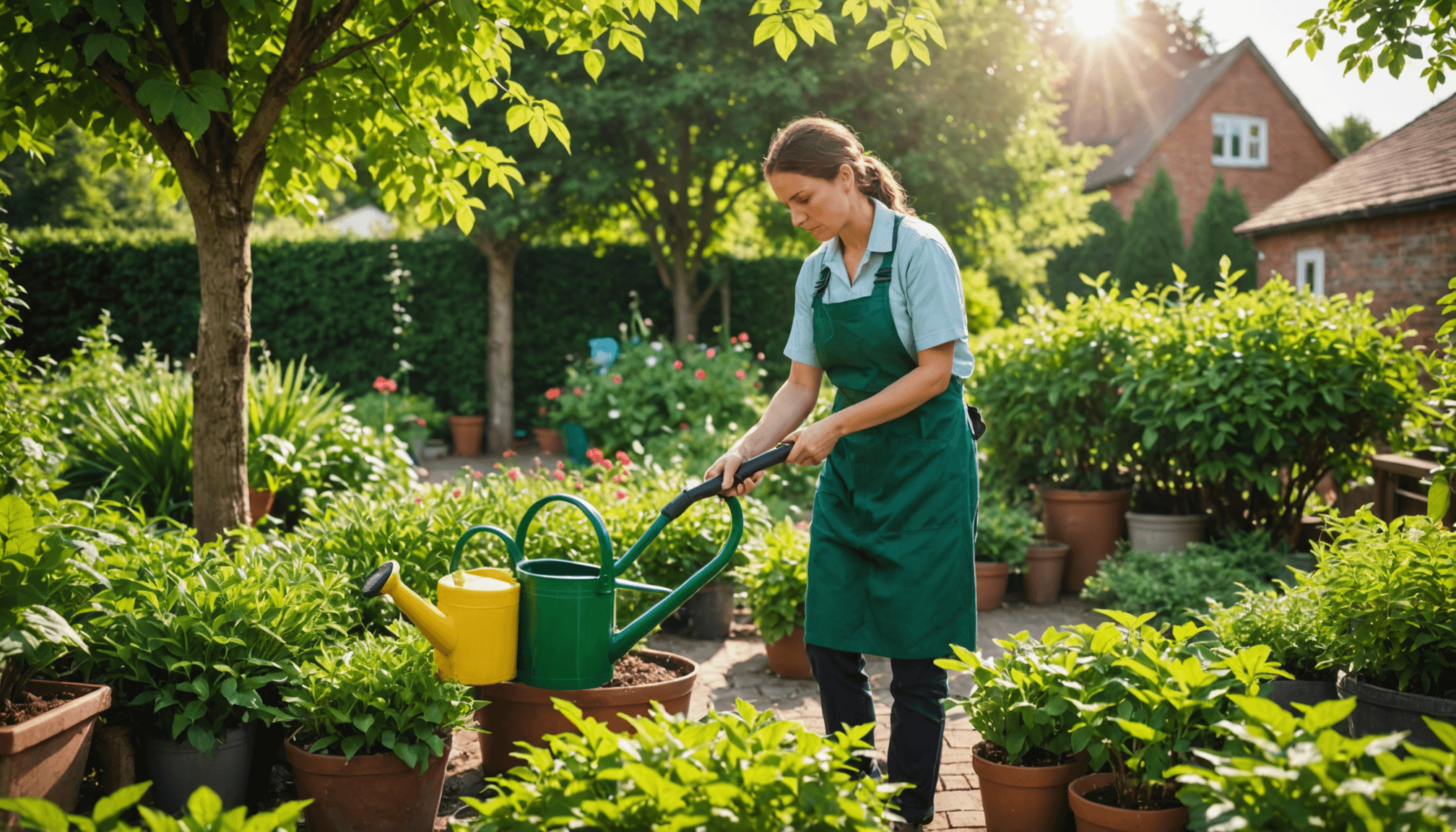 Labor shortages have emerged as a pressing issue within the plant nursery sector, posing significant business challenges that can impact plant health, customer service, and overall operational effectiveness. With the rise in demand for gardening and landscaping services, nurseries are struggling to find and retain qualified workers, which can lead to delays, reduced productivity, and even the inability to meet customer needs.
The physical nature of nursery work often requires substantial labor, from planting and nurturing seedlings to maintaining inventory and assisting customers. These tasks can be taxing, and as the workforce shrinks, fewer hands are available to carry out the essential functions that keep nurseries running smoothly. Younger generations may be less inclined to consider nursery work as a viable career path, leading to a disconnect between available job opportunities and potential workers.
To address these labor shortages, nurseries must prioritize training and development programs that not only attract new employees but also inspire a sense of loyalty among staff. By investing in training, nurseries can aim to cultivate a knowledgeable workforce capable of providing valuable services. Workshops covering plant care, pest management, and customer interaction can empower employees and ensure they feel confident in their roles.
Offering competitive wages and flexible schedules is another vital consideration. Many potential workers seek employment that accommodates their various life responsibilities. By creating a workplace environment that emphasizes these factors, nurseries can enhance their appeal to prospective employees. Initiatives like offering part-time positions, weekend shifts, or even seasonal employment might attract a broader pool of candidates who may not have otherwise considered nursery work.
Besides training and competitive compensation, establishing a positive work culture can also promote staff retention. Nurseries can strive to create an environment that values open communication, teamwork, and respect. Celebrating successes, providing team-building activities, and recognizing employee achievements can foster a sense of belonging that translates into a more dedicated and enthusiastic workforce.
Additionally, leveraging technology can help alleviate some labor constraints within the nursery. Implementing software for inventory management, scheduling, and customer engagement can streamline operations and allow existing staff to focus on high-value tasks. For instance, users of mobile apps for garden planning may require fewer interactions for advice or inventory sourcing, freeing up time for staff to engage in more personalized services or educational efforts.
Furthermore, maximizing partnerships with local educational institutions can create pathways for young individuals to explore the gardening industry. By establishing internship programs or apprenticeships, nurseries can introduce students to careers in horticulture, potentially leading to a new and passionate workforce. Collaborating with schools or community organizations can also raise awareness about the importance of horticultural careers, drawing in those interested in environmental stewardship and sustainable practices.
By redefining how to attract and engage the labor force, nurseries can begin to mitigate the impacts of shortages, creating not just a more skilled workforce, but also a collective enthusiasm for promoting healthy, vibrant gardens. The challenges posed by labor shortages should inspire a reevaluation of hiring practices, workplace culture, and community involvement within the gardening industry.
- What are the main causes of labor shortages in plant nurseries?
- Key causes include the physically demanding nature of the work, limited appeal to younger generations, and competition with other industries for skilled labor. Additionally, the pandemic has shifted workforce dynamics, leading many to reevaluate job options.
- How can nurseries effectively train their staff?
- Nurseries can implement comprehensive training programs that encompass practical skills, customer service, and product knowledge. Regular workshops and hands-on experiences can help develop confident employees who are knowledgeable and capable of providing excellent service.
- What benefits can competitive wages bring to a nursery?
- Offering competitive wages can attract a wider pool of applicants, reduce turnover, and increase employee satisfaction. Improved financial incentives also encourage staff to take pride in their work and contribute to greater productivity.
- How can technology help with labor challenges in nurseries?
- Technology can streamline operations by automating tasks such as inventory management, scheduling, and customer interactions. This allows existing staff to focus on essential hands-on work while improving efficiency across the nursery’s operations.
- What role do educational partnerships play in addressing labor shortages?
- Partnerships with educational institutions can create internship and apprenticeship programs, providing students with practical experience in horticulture. This not only helps nurseries fill labor gaps but also fosters interest in horticultural careers among younger generations.
- How can nurseries promote a positive workplace culture?
- Creating a positive workplace culture involves encouraging open communication, recognizing employee contributions, and fostering teamwork. Initiatives like team-building activities, celebrations of success, and opportunities for career development can enhance employee morale.
- What innovative strategies can nurseries adopt to improve retention rates?
- To improve retention, nurseries can offer flexible work arrangements, engage staff in decision-making, and provide avenues for professional growth. Establishing a supportive environment where employees feel valued can foster loyalty and reduce turnover.
Market Competition and Consumer Preferences
As the gardening industry flourishes, a new wave of consumer preferences is reshaping the landscape for plant nurseries. Savvy urban dwellers and families are not only drawn to beautiful plants but are also driven by values that reflect sustainability, wellness, and community engagement. This presents both an opportunity and a challenge for nurseries aiming to meet heightened expectations.
To navigate this evolving market, nurseries must pay close attention to shifting consumer habits. Today’s buyers often seek out locally-produced plants, emphasizing the importance of provenance and reducing their carbon footprint. Engaging with local gardeners through fairs or events can bolster this sense of community while enhancing the nursery’s reputation as a trusted source for home gardening needs.
Furthermore, customers have become increasingly inquisitive about where their plants come from and the methods used in cultivation. This interest creates a business issue for nurseries as they balance transparency with productivity. To connect with consumers, consider holding open days where customers can tour the nursery, see sustainable practices in action, and learn about the plants they purchase. Engaging storytelling about your growth methods or origins of native plants can resonate deeply with environmentally conscious consumers.
Leveraging social media is another essential strategy. Beyond simply posting pictures of plants, nurseries can create content that educates and engages consumers. Video tutorials on planting and care tips, success stories from local customers, or behind-the-scenes looks at daily operations can foster greater loyalty and trust. This interaction is particularly important for millennials, who value authenticity and connection with brands on platforms they frequently use.
- Customer Feedback: Regularly asking for feedback through surveys or social media polls can provide invaluable insights into consumer preferences, allowing nurseries to adjust their offerings accordingly.
- Membership Programs: Creating a membership or loyalty program can incentivize repeat business. Offer exclusive discounts, early access to new plants, and special events for members to foster ongoing relationships.
- Diverse Product Selection: Stay ahead of trends by incorporating items like herbs, edibles, or plant care equipment that aligns with the interests of health-conscious consumers.
- Workshops and Classes: Host gardening workshops that teach skills like canning or organic pest management. These experiences can create community ownership around sustainable practices while driving nursery visits.
Moreover, utilizing data analytics can optimize inventory based on customer buying patterns. Understanding which plants sell best at different times of year can improve stock levels and reduce waste. Dynamic pricing strategies during peak seasons could also maximize profits while ensuring customer satisfaction.
As market competition intensifies, it’s important for nurseries to find innovative ways to stand out. Collaborations with local chefs or community organizations can not only enhance brand visibility but also attract a diverse clientele excited about the intersection of gardening and culinary arts. By creating partnerships that align with shared values, nurseries can foster community ties that enhance customer loyalty.
Ultimately, the nursery challenges encountered in a competitive market hinge on embracing change and consumer preferences. Adapting to what today’s gardeners value can position nurseries for success and create thriving ecosystems for both plants and gardening enthusiasts. By focusing on customer engagement, sustainability, and innovative practices, nurseries are not just selling plants; they are nurturing a new generation of engaged and responsible gardeners.