
Vertical gardening is an innovative method of growing plants in a space-efficient manner that works especially well for urban dwellers and those with limited outdoor space. By utilizing vertical space, you can create a lush garden that not only maximizes your yield but also enhances the aesthetics of your living area.
One of the primary aspects of vertical gardening is the use of various structures and supports to elevate your plants. These can range from commercial vertical garden kits to DIY solutions like repurposed pallets, trellises, or even hanging planters. The key is to ensure that your chosen structure provides adequate support for the vegetables you choose to grow.
For those new to vertical gardening, it’s essential to start by considering the amount of sunlight your garden area receives. Locate a spot that gets at least 6-8 hours of direct sun each day to support healthy growth. If your space lacks sufficient sunlight, consider using grow lights to supplement natural light, particularly for plants like tomatoes and peppers that thrive on bright conditions.
Next, think about the moisture levels and drainage within your vertical garden setup. Proper drainage is critical to prevent root rot, so ensure that your containers or planters have adequate holes, or consider using a system that facilitates water runoff. For soil, an organic, well-draining potting mix enriched with compost can provide the nutrients your plants need while retaining moisture.
Choosing what to grow is a delightful challenge as vertical gardening allows for a diverse range of plants. Not only can you cultivate traditional vegetables, but you can also incorporate herbs and ornamental plants. Climbing plants like cucumbers, peas, and beans naturally lend themselves to vertical structures and can help save space in a small garden.
Using vertical space can transform standard gardening practices, allowing you to experiment with more than just plants. Adding decorative elements, such as colorful pots or garden art, can elevate the sanctuary of your garden space. As you navigate this growing trend, keep in mind that vertical gardening is not just about aesthetics; it’s a practical solution to maximizing your gardening potential.
For more inspiration and techniques in vertical gardening, consider browsing resources like the Gardener’s Supply Company or books such as “Vertical Gardening: Grow Up, Not Out, for More Vegetables and Flowers in Much Less Space” by Derek Fell.
Choosing the right vegetables
When selecting vegetables for your vertical garden, it’s essential to choose those that not only thrive in vertical conditions but also complement one another in terms of growth habits and space requirements. Some plants, particularly those with vining or climbing tendencies, are naturally suited for vertical arrangements. Below is a comparison table highlighting some ideal choices for a vertical garden setup, along with their growth habits and optimal conditions:
| Vegetable | Growth Habit | Light Requirements | Optimal Growing Conditions |
|---|---|---|---|
| Cucumbers | Vining | Full Sun | Moist, well-drained soil |
| Peas | Climbing | Full Sun to Partial Shade | Cool weather, well-drained soil |
| Tomatoes | Indeterminate (vining) | Full Sun | Warm temperatures, rich soil |
| Beans | Climbing | Full Sun | Well-draining soil, moderate moisture |
| Strawberries | Trailing | Full Sun | Rich, well-draining soil |
| Herbs (e.g., basil, cilantro) | Bushy | Full Sun | Well-drained soil, regular moisture |
When incorporating such plants, consider a staggered planting technique to optimize sunlight exposure and airflow, ensuring that taller crops like tomatoes do not overshadow shorter ones. Vining vegetables such as cucumbers and beans can be trained to grow up trellises or mesh netting, freeing up ground space and helping prevent disease by improving air circulation.
Besides growth habits, it’s also vital to consider the seasonal aspects of your chosen vegetables. For example, some crops like lettuce and peas prefer cooler temperatures, while others such as tomatoes and peppers thrive in warmer conditions. Planning your planting schedule accordingly can dramatically improve your yield. Succession planting can also help; if you harvest crops like lettuce early, you can follow with a warm-season crop like beans in the same vertical setup.
This thoughtful selection and arrangement of plants can lead to a vibrant and productive vertical garden that provides not only a bountiful harvest but also enhances the visual appeal of your space. The integration of vertical gardening techniques with strategic plant choices fosters an environment where both plants and gardeners can flourish.
Designing your vertical garden setup
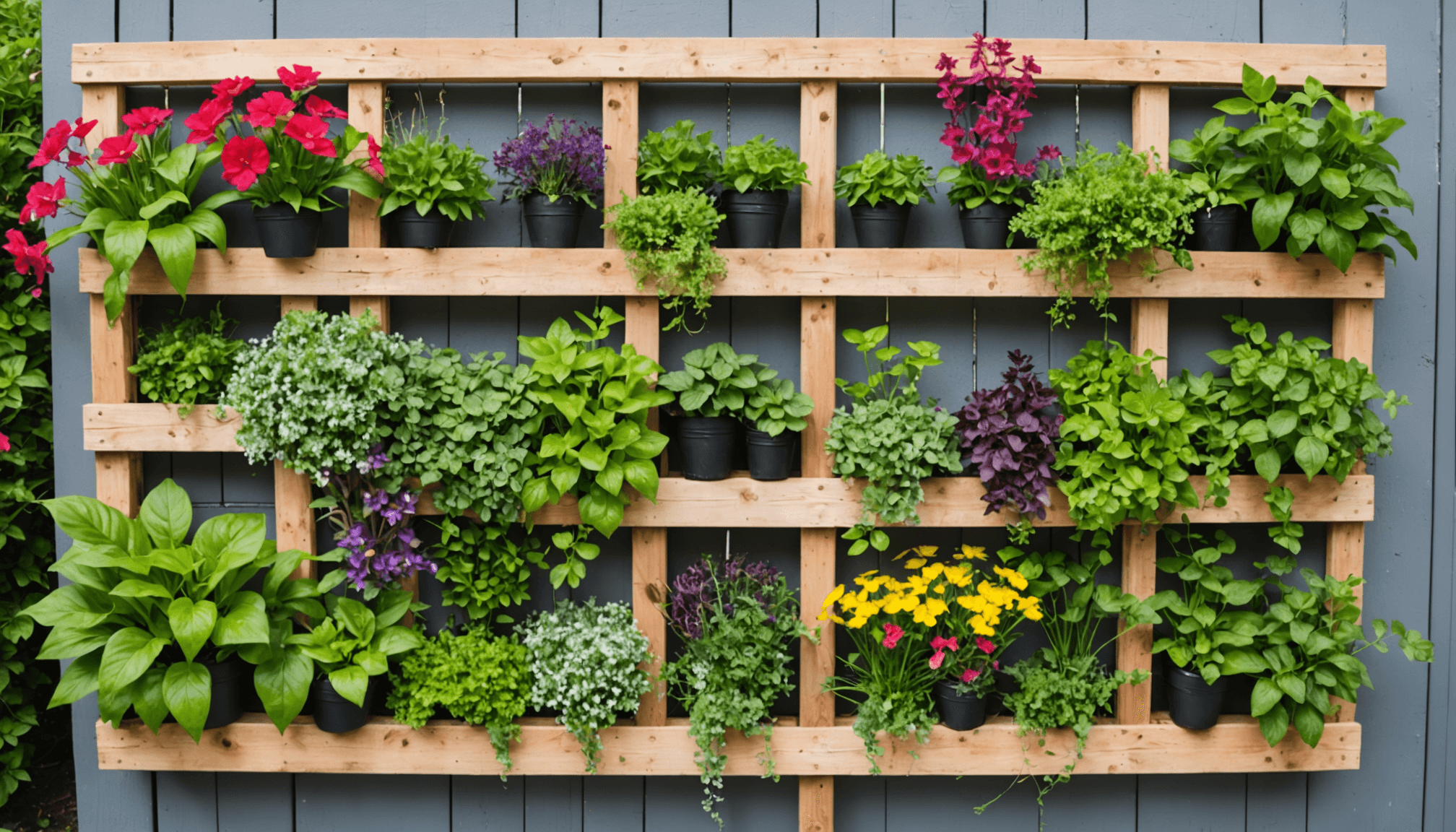
When it comes to designing your vertical garden setup, the first thing to consider is the structure. You want something that is sturdy and flexible enough to accommodate various plant sizes and types, ensuring that they have ample support as they grow. One popular option is the use of vertical planters, which can be found at local garden centers or online. These planters often come in modular designs, allowing you to easily add or remove sections as your gardening needs change.
If you’re feeling creative, you can opt for DIY solutions. Repurpose items like wooden pallets, plastic crates, or even old bookshelves. Simply stack them and fill each compartment with a suitable potting mix. Just remember to secure your structures well to prevent them from toppling over, especially in windy conditions. For extra stability, attach your vertical garden to a wall or fence using brackets.
As you design your garden, think about the layering of plants. Consider placing larger plants at the bottom, where they can catch more nutrients and moisture, while positioning smaller plants and herbs on top. This not only maximizes your planting area but also ensures that every plant receives adequate sunshine, which is critical for photosynthesis.
Don’t shy away from using different materials in your vertical garden. Incorporating items such as wire mesh can help support climbing plants while also allowing for easier harvesting. Additionally, using a mix of materials can add visual interest and texture to your setup. Consider placing terracotta pots, hanging baskets, and recycled containers side by side for a charming, eclectic look.
Consider the watering system as well. Vertical gardens may require more frequent watering than traditional gardens due to increased drainage. Installing a drip irrigation system can save you time and ensure that every plant receives consistent moisture. Alternatively, you can use self-watering containers that maintain moisture levels for you. This is especially helpful during hot summer months when plants can easily dry out.
- Location: Ensure your vertical garden is placed in a location that maximizes sun exposure and accessibility for regular maintenance.
- Weight Distribution: Heavier planters should be positioned at the bottom of your vertical setup to avoid toppling.
- Watering Considerations: Incorporate a drip system or use self-watering planters to keep your garden hydrated.
- Design Flexibility: Use modular design elements to easily adapt your garden as your plant choices grow and change.
Lastly, don’t overlook the aesthetic component! Choosing vibrant containers or decorative trellises can make your vertical garden a stunning centerpiece in your home or patio. You can even add a few ornamental plants, such as trailing flowers, to enhance that lush, green look. Enjoy the process of designing your vertical garden and allow your creativity to flourish alongside your plants!
Essential gardening techniques
Maintaining a vertical garden involves a combination of regular monitoring, care, and adjustments to ensure that your plants thrive in their unique environments. One fundamental aspect of upkeep is understanding the watering needs of your vertical setup. Depending on the type of plants you have, the watering frequency may vary. Generally, vertical gardens require more frequent watering than traditional gardens due to their design, which can lead to quicker drying of the soil. It’s essential to regularly check the moisture levels in your containers. On hot days, you might find that your plants need water daily. Using a drip irrigation system or self-watering containers can significantly ease this task by providing a consistent water supply.
Nutrient management is another vital aspect of maintaining your vertical garden. Since container gardening can deplete nutrients more rapidly than garden beds, incorporating a fertilization routine is necessary. Use a balanced, slow-release fertilizer to ensure your plants receive the essential nutrients they need throughout their growing season. Additionally, periodic applications of liquid fertilizer can boost nutrient levels between cycles. Organic options such as compost tea or fish emulsion work well to provide nutrients without overwhelming your plants.
Regular pruning and harvesting are also essential to promote healthy growth and productivity in your vertical garden. As your plants grow, it’s important to remove any dead or yellowing leaves to prevent disease and encourage new growth. For vining vegetables, trimming excess growth can keep them manageable and ensure they don’t overshadow smaller plants. Regularly harvesting mature crops not only gives you fresh vegetables but also stimulates further production and prevents overcrowding.
Paying attention to pests and diseases is crucial for maintaining a healthy garden. Vertical gardens can be more susceptible to diseases due to their close proximity and high humidity levels. Inspect your plants frequently for signs of pests like aphids, spider mites, or whiteflies. Using organic pest control methods, such as neem oil or insecticidal soap, can help manage these issues effectively. Ensuring good air circulation within your vertical garden setup can reduce humidity and minimize the risk of fungal diseases.
“Garden maintenance is not just about aesthetics; it’s about fostering an environment where plants can thrive and lend their beauty and bounty to your life.”
Seasonal changes also play a role in garden maintenance. As climates shift, certain plants may require extra protection or support. For instance, in colder months, consider insulating your vertical garden or bringing sensitive plants indoors. In hot weather, shading solutions or reflective materials can help keep temperatures moderate and plants from wilting in the heat.
Be adaptable and responsive to the evolving needs of your vertical garden. Regular observation and adjustment will not only improve plant health but will also enhance your gardening experience. Embrace the journey as you cultivate your vertical oasis, knowing that every step contributes to the flourishing of both your plants and your gardening skills.
Maintaining your vertical garden
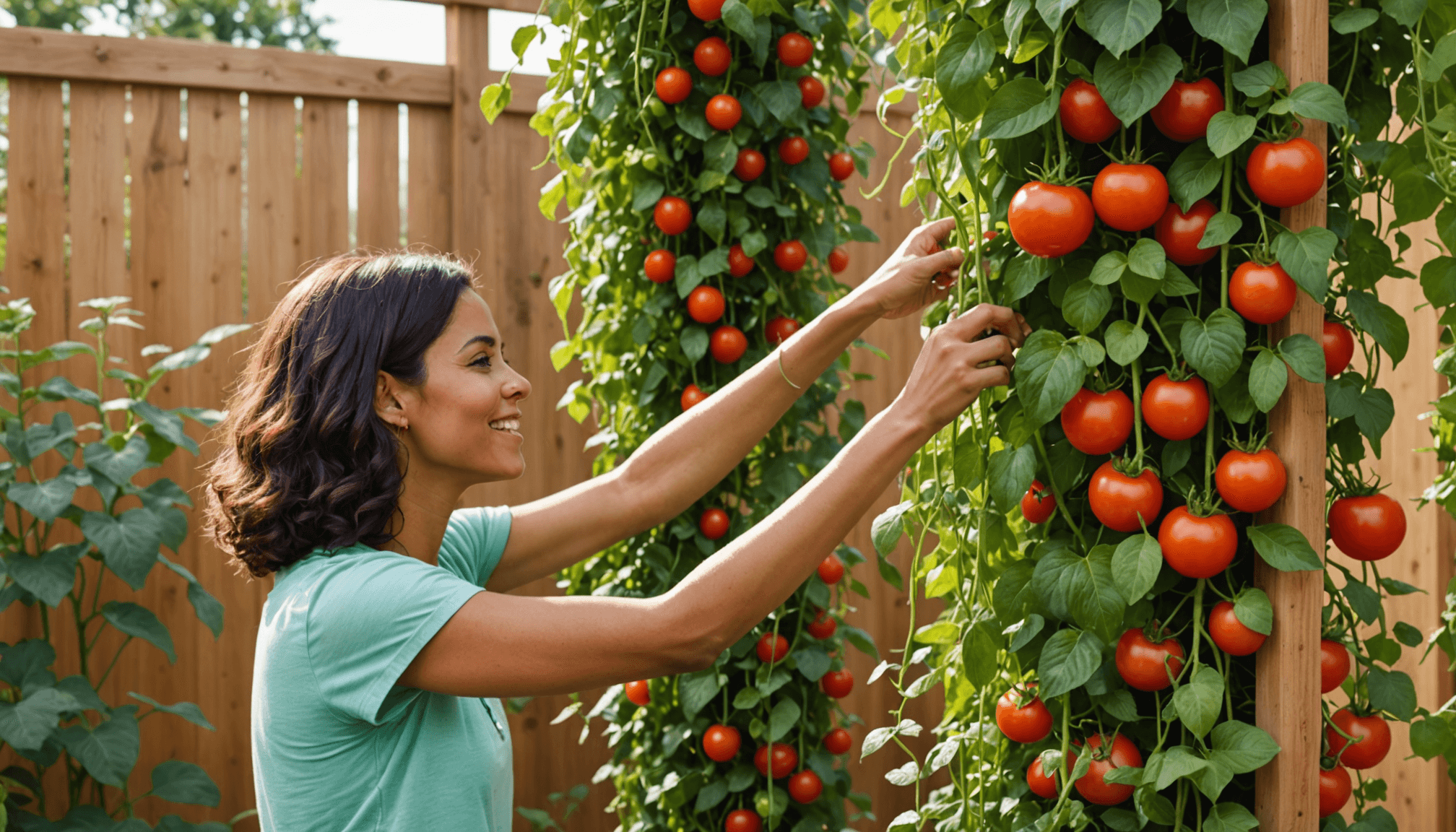
Maintaining a vertical garden requires a dedicated approach to care that fosters healthy plant growth while optimizing the limited space you have. Regular assessments of your plants’ health are essential; observe for signs of nutrient deficiencies, pests, or diseases, and take action promptly. A good practice is to rotate or rearrange your plants occasionally, ensuring that all receive ample sunlight and airflow, which can help prevent many common issues associated with overcrowded conditions.
Watering must be done with intention, acknowledging that vertical gardens can dry out faster than traditional ones. Establish a watering routine based on weather conditions and the moisture retention properties of your soil. Installing a drip irrigation system is a wise investment that can streamline your maintenance efforts and provide consistent hydration to your plants while reducing water waste.
Fertilization is key to providing your vertical garden with the nutrients it requires. Consider exploring organic fertilizer options that are gentle yet effective. Keeping your soil healthy and revitalized not only promotes immediate plant growth but also enhances long-term soil structure and fertility.
Pruning is another vital aspect that cannot be overlooked. Regularly trimming back overgrown plants allows for better light penetration and encourages new growth, giving your garden a fuller, more vibrant appearance. Harvesting mature vegetables and herbs promptly will not only reward you with fresh produce but will also encourage your plants to continue producing, setting the stage for a continuous garden bounty.
Ventilation plays a critical role in discouraging diseases. Ensure that your vertical garden design allows for air movement, which might mean adjusting plant arrangements or incorporating elements that facilitate airflow. Furthermore, keeping your gardening tools clean and sterilized can prevent the spread of pathogens and keep your vertical garden thriving.
As you delve into maintaining your vertical garden, stay curious and exploratory. Each season brings with it new challenges and opportunities for learning, whether it’s adapting to changing weather conditions, experimenting with new plant varieties, or discovering innovative maintenance techniques. Engage with the gardening community to exchange knowledge and experiences that can enhance your understanding and enjoyment of this unique gardening style.
- How often should I water my vertical garden?
- Watering frequency depends on the plants and weather conditions, but most vertical gardens require daily watering, especially in hot weather. Regularly check soil moisture to ensure your plants stay hydrated.
- What types of vegetables are best for vertical gardening?
- Best choices include vining vegetables like cucumbers, beans, and tomatoes, as well as herbs like basil and trailing plants like strawberries. These plants thrive in vertical arrangements and maximize space.
- How can I manage pests in my vertical garden?
- Regularly inspect your plants for pests and use organic methods like neem oil or insecticidal soap to control infestations. Maintaining good air circulation also helps reduce pest presence.
- What type of soil should I use in my vertical garden?
- A well-draining, organic potting mix enriched with compost is ideal for vertical gardening. This type of soil retains moisture while providing essential nutrients for healthy plant growth.
- Can I grow flowers in a vertical garden as well?
- Absolutely! You can grow a variety of flowers alongside vegetables and herbs in a vertical garden. Consider planting trailing or climbing flowers to add color and beauty.
- How can I ensure my vertical garden supports healthy growth?
- Monitor water levels, provide balanced fertilization, and regularly prune your plants to enhance light access. Also, ensure good airflow to mitigate diseases and promote healthy growth conditions.
- Is it necessary to use a specific structure for a vertical garden?
- While it’s not necessary to use a commercial structure, having something sturdy and supportive is crucial. You can create DIY solutions with materials like pallets or trellises to suit your needs.
Benefits of space-saving gardens
Opting for a space-saving garden setup offers numerous advantages, particularly for urban dwellers and those facing land constraints. One of the biggest benefits is the ability to maximize the potential of small areas—for instance, creating a vertical vegetable garden can turn a narrow balcony or even a wall into a vibrant patch of green where you can cultivate your favorite crops.
Space-saving gardens not only enhance productivity but also contribute positively to the environment. By growing your own vegetables, you reduce the carbon footprint associated with transporting produce from farm to table. Moreover, this practice minimizes reliance on store-bought, packaged foods, which often contribute to waste and pollution. Growing food in an environmentally friendly manner supports sustainability and promotes awareness of where our food comes from.
Another key benefit is financial savings. Developing your own vertical garden setup can drastically reduce grocery bills, especially if you focus on high-yield crops such as tomatoes, peppers, and leafy greens that can be harvested multiple times in a growing season. Imagine plucking fresh basil for your pizza or grabbing a handful of cherry tomatoes for your salad right from your backyard; it’s not only cost-effective but also incredibly satisfying.
In terms of aesthetics, a well-designed vertical garden can transform any uninspiring space into a lush, picturesque area that raises the overall charm of your home. Incorporating multi-tiered systems filled with greenery can serve as decorative elements that draw the eye and create inviting atmospheres for entertaining guests or relaxing with family. Choose vibrant pots or containers to add pops of color, and consider incorporating ornamental plants alongside your vegetables to enhance visual appeal.
Furthermore, these gardens provide an excellent educational opportunity for families and communities. Engaging children in gardening activities—such as planting seeds, watering, and caring for plants—instills a sense of responsibility and connection to nature. It also opens up conversations about nutrition and the importance of sustainable practices. Schools can implement vertical gardens in their outdoor spaces, creating hands-on learning experiences that highlight biology, ecology, and even culinary arts.
Finally, space-saving gardens often have lower maintenance requirements than traditional gardens, particularly when designed thoughtfully. By choosing self-watering systems or selecting the right soil that retains moisture effectively, gardening becomes less labor-intensive and more enjoyable. This ensures that busy families or individuals can still enjoy the benefits of gardening without feeling overwhelmed.
- Maximize your limited space: Even the smallest areas can yield significant produce with vertical gardening techniques.
- Environmental impact: Reduce your carbon footprint and support sustainable food practices by growing your own crops.
- Cost-effective: Cut down on grocery bills and enhance your meals with fresh produce right from your garden.
- Aesthetic appeal: Transform dull areas into beautiful green spaces that invite relaxation and enjoyment.
- Educational opportunities: Involve children and schools in gardening projects that teach responsibility and sustainability.
- Lower maintenance: Utilize smart gardening solutions to simplify care and upkeep of your vertical garden.
By embracing the benefits of space-saving gardens and incorporating them into your lifestyle, you lay the groundwork for a profoundly rewarding experience that enriches your home, supports your community, and encourages a healthier way of living.