
Keeping a homesteading journal is a transformative practice for anyone looking to grow their self-sufficiency and become more organized in their homesteading journey. Not only does it serve as a record of your efforts, but it also acts as a motivational tool that can guide you towards achieving your goals. Here are some benefits to consider:
- Reflective Learning: Writing down your daily activities, successes, and failures allows for deeper reflection. Over time, you can identify patterns in your gardening or animal husbandry practices that either enhance or hinder your success. This reflection helps you learn what works best on your homestead.
- Tracking Progress: Documenting your journey provides a visual representation of your growth, from the first seed planted to the bountiful harvests you anticipate. It can be extremely satisfying to look back and see how far you’ve come!
- Improved Organization: A journal can help you organize your thoughts and ideas. Whether you’re planning planting schedules, noting the best watering times, or keeping track of seasonal changes, having everything in one place improves your efficiency on the homestead.
- Goal Setting: Regularly updating your journal encourages you to set realistic goals and action plans. Break your objectives down into smaller, achievable steps—such as prepping soil or selecting seed varieties—making the overall journey less daunting and more manageable.
- Resource Inventory: Track your seeds, tools, and other supplies. It’s also helpful for taking notes on which varieties performed the best, as well as when to purchase or replenish certain items. Having this information at your fingertips facilitates smarter purchasing decisions.
- Creative Expression: Your journal can also be a canvas for creativity. Include drawings, photographs, or clippings that inspire you. Expressing yourself creatively can provide a deeper connection to the land and the process of homesteading.
- Community Connection: Sharing your insights and experiences through your journal can also foster a sense of community, whether online or with local homesteaders. Exchanging tips and strategies can bring new ideas into your practices.
A homesteading journal is an invaluable resource that can assist you in honing your skills and expanding your knowledge. Remember to keep it handy during your daily activities, and don’t shy away from experimenting with different formats to find what works best for you!
Essential tools for organization and planning
To effectively manage your homesteading venture, utilizing essential tools for organization and planning can significantly streamline your process and enhance productivity. Having the right tools at your disposal can help you keep track of various tasks, document your progress, and maintain an organized approach to your daily activities. Here are some key tools that can be beneficial:
- Notebook or Binder: A dedicated notebook or a three-ring binder can serve as the foundation of your homesteading journal. This allows you to keep all your notes, plans, and records in one central location. You can categorize sections within the binder for easy access—such as gardening, livestock care, and seasonal planning.
- Digital Tools: Digital note-taking apps and software can be excellent alternatives to traditional journals. Programs like Evernote, Notion, or Trello permit easy organization, tagging, and searching through your notes. These tools often allow you to integrate images, reminders, and even collaborate with others, enhancing your planning efficiency.
- Calendars: Using a physical or digital calendar helps in scheduling planting dates, harvesting times, and seasonal tasks. By marking your milestones and deadlines, you can visualize your entire homesteading year and allocate your time effectively.
- To-Do Lists: Keep a daily or weekly to-do list to stay on track with your homesteading goals. This can be a simple list in your journal or a digital task manager like Todoist. Prioritizing tasks ensures that essential chores are completed on time.
- Spreadsheets: For those who enjoy analyzing data, spreadsheets can be an invaluable tool for tracking expenses, yield, and other metrics related to your homestead. Platforms like Microsoft Excel or Google Sheets can help you create visual charts and graphs to better understand your growth trends.
- Labels and Tags: Use labels and tags for physical items such as seeds, tools, and supplies to easily identify them. This organizational method can prevent confusion and save time during the hectic planting or harvesting periods.
- Gardening Apps: There are numerous gardening applications available that provide reminders, tips, and even pest identification. Utilizing these apps can enhance your agricultural knowledge and keep you informed about the best practices for your specific crops.
By blending these essential tools into your homesteading routine, you can maximize both organization and planning efforts. Whether you opt for traditional paper methods or innovative digital solutions, the key is to find what suits your personal style and helps you stay on track.
| Tool | Benefits | Format |
|---|---|---|
| Notebook/Binder | Centralized record-keeping; easy categorization | Physical |
| Digital Tools | Searchable notes; collaborative features | Digital |
| Calendars | Visualize schedules; reminders for important dates | Physical/Digital |
| To-Do Lists | Organized task management; prioritization | Physical/Digital |
| Spreadsheets | Data analysis; visual representation of trends | Digital |
| Labels/Tags | Quick identification of physical items; efficiency | Physical |
| Gardening Apps | Access to tips and pest identification; reminders | Digital |
The thoughtful integration of these tools into your homesteading journal will not only enhance your organizational capabilities but also empower you to make well-informed decisions and improvements along your journey.
Setting realistic goals for your homestead
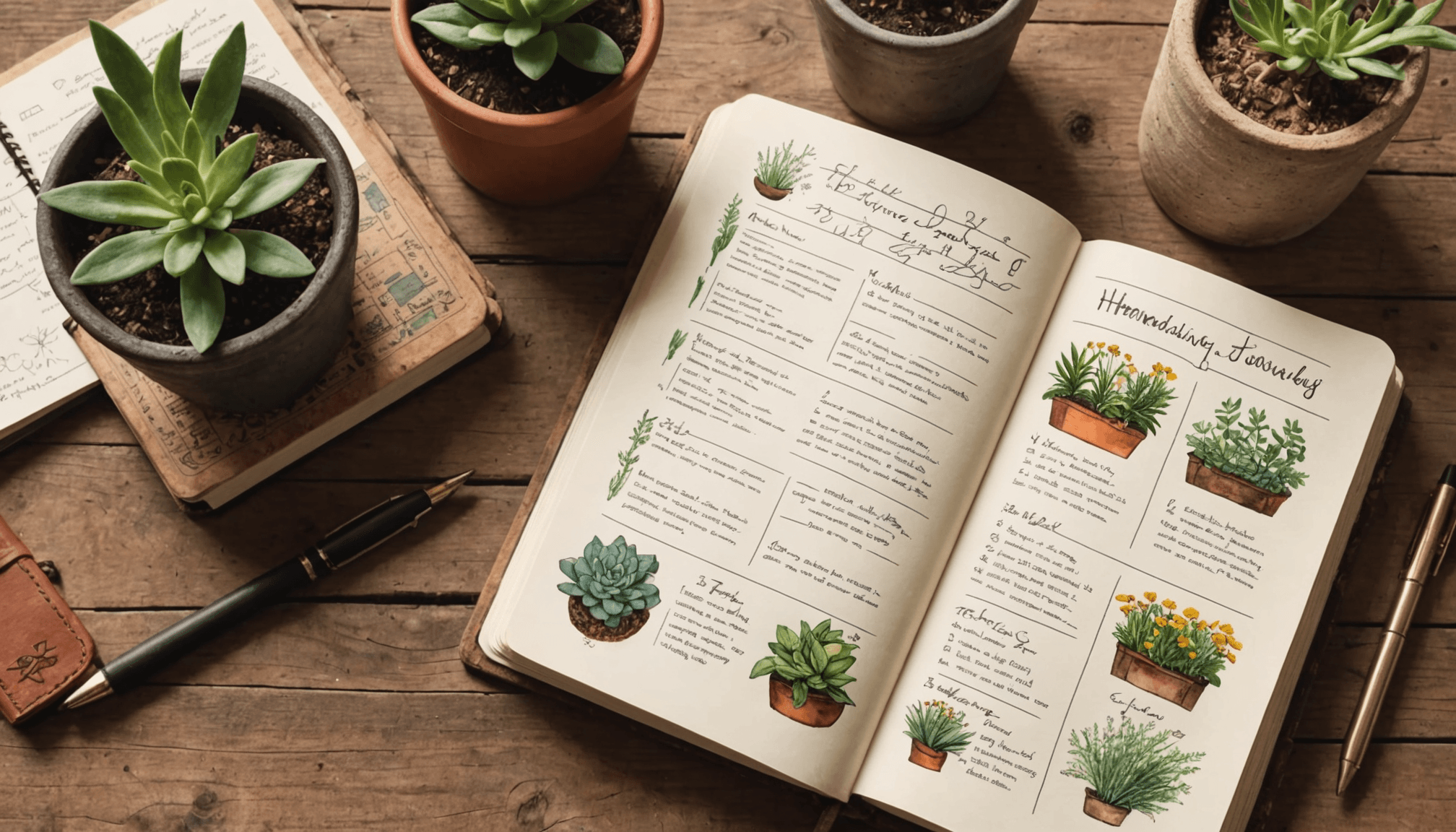
Setting realistic goals is crucial for navigating the challenges and joys of homesteading. As you embark on this fulfilling journey, it’s essential to understand the distinctions between aspirations and feasible milestones. Taking the time to establish specific, attainable objectives can streamline your efforts and lead to greater satisfaction in your homestead activities.
Begin by evaluating your resources, including time, finances, and physical labor. Consider whether you have the capacity to maintain a vegetable garden while also raising chickens or whether it would be more beneficial to focus on one or two main projects for the season. This thoughtful analysis will prevent feelings of overwhelm and help keep your enthusiasm intact.
- SMART Goals: Utilize the SMART goal framework which stands for Specific, Measurable, Achievable, Relevant, and Time-bound. For example, instead of stating, “I want to plant a large garden,” you could say, “I will plant a 10×10 foot vegetable garden by April 15th, containing at least five different types of vegetables.” This clarity encourages accountability.
- Prioritize Tasks: Make a list of goals based on urgency and importance. Whether it’s starting seedlings indoors, preparing your soil, or building a chicken coop, organizing your tasks in order of priority helps ensure that you allocate your energy effectively during busy seasons.
- Break It Down: Large goals can be daunting. Break them down into smaller, actionable steps. For instance, if your goal is to set up a beehive, your smaller steps might include researching beekeeping basics, sourcing equipment, and taking a class on bee care.
- Time Management: Assess your schedule realistically. If you work full-time or have family commitments, factor in how much time you can devote to your homestead. Set mini-goals for each week that align with your available hours. You might decide on an hour every Saturday morning dedicated to garden maintenance.
- Flexibility is Key: Life can throw curveballs, and conditions on the homestead can change. Allow yourself the flexibility to adjust your goals as necessary. If an unseasonably cold snap threatens your seedlings, it’s okay to postpone planting rather than risk disappointment. Adapt your timeline instead.
- Celebrate Small Wins: Every task completed is progress towards your overarching goals. When you successfully harvest your first crop or complete a project, take a moment to celebrate these milestones. Acknowledging these victories fosters motivation and a positive mindset moving forward.
As you lay the groundwork for your homesteading objectives, remember that they should inspire you and promote growth without overwhelming you. Embrace the journey, knowing that every effort is a step toward creating the homestead of your dreams. Each achievable goal brings you closer to a fulfilling connection with your land and a sustainable lifestyle.
Creating a customizable journal layout
Creating a customizable journal layout is a key component in ensuring that your homesteading journal serves you effectively. A well-organized layout can help streamline your entries, making it easier to refer back to important notes, track your progress, and maintain motivation throughout your journey. Here are some ways to design a flexible and personalized journal layout that caters to your specific needs.
Start by establishing the various sections you believe will be most beneficial for your homesteading activities. These could include gardening logs, livestock care, weather patterns, resource inventories, and meal planning. By creating designated sections, you make it easier to locate information when you need it. If you’re using a binder, consider dividers to separate these sections clearly. For a notebook or digital format, you might want to dedicate a few pages to each category, possibly with headings and subheadings for clarity.
In addition to sections, incorporating a consistent layout for each entry can help maintain organization. This might involve setting up templates for daily or weekly logs, where you can note the date, tasks completed, observations, and any challenges faced. One idea is to use bullet points for quick entries, which can make your reflections feel less daunting and more manageable. Alternatively, you could design graph-style logs for tracking specific variables like weather, plant growth, or livestock feed usage over time.
Consider using a color-coding system to make important information visually accessible. For instance, you might choose green for gardening tasks, brown for livestock notes, and blue for personal reflections or inspiration. This not only adds an aesthetic element to your journal but allows for quick scanning of information, helping you find what you need at a glance.
Utilizing forms or charts can also enhance the customization of your journal layout. You can create checklists for essential tasks like seasonal planting schedules, maintenance duties, or even a wish list of future projects. These visual tools help keep your goals in focus and allow you to mark off completed tasks, creating a sense of accomplishment.
Include pages for reflections and personal thoughts, which can be valuable for emotional processing throughout your homesteading journey. These might address what has worked well, what hasn’t, and any noteworthy experiences or epiphanies. This aspect not only enhances the learning process but also serves as a source of inspiration when revisiting past entries.
Finally, don’t forget the potential for creativity in your journal layout. Allow space for sketches, photographs, or clippings that resonate with your homesteading journey. These elements can make your journal uniquely yours and visually inspiring.
“The best way to predict your future is to create it.” — Peter Drucker
By personalizing your journal layout, you can create a tool that not only serves as an organizational aid but also enriches your homesteading experience. Tweaking your layout periodically ensures it remains aligned with your evolving needs and goals, making your journal a dynamic reflection of your homesteading adventure.
Tracking progress and making adjustments
 Tracking your progress is an essential part of the homesteading journey, allowing you to assess what strategies work best and what areas may need adjustment. Consistently documenting your activities provides a roadmap to revisit past decisions and the rationale behind them. This retrospective approach enables you to learn from experiences, whether they brought you fruitful harvests or unexpected challenges. The key to effectively tracking progress lies in specificity. Use your journal to detail not only what you did but also how and when you did it. This data can serve as a benchmark for future decisions.
Incorporating charts or graphs can visualize patterns over time, making it easier to comprehend seasonal trends or productivity variations. For instance, observe how different weather conditions affect your planting success or the growth rate of particular crops. A visual representation can clarify which methods yield the best results and help you fine-tune your approach as you become more experienced in what works for your unique environment.
Adjusting your plans based on your observations is a vital aspect of staying flexible in your homesteading endeavors. Recognize that errors are part of the learning process. Did a particular crop fail this year? Use your journal to analyze potential causes—was it incorrect timing, inadequate watering, or pest issues? These reflections will guide your decisions in the future. Don’t hesitate to rethink your strategies, such as changing seed types, experimenting with different planting schedules, or modifying your garden layout. Documenting these changes allows for evolution in your practices.
Regularly review your recordings to ensure that you’re keeping pace with your growth. Monthly or seasonal check-ins can encourage reflection on what you’ve accomplished and provide insights into what lies ahead. Celebrate your successes, no matter how small, and allow them to fuel your motivation. Conversely, use challenges as learning opportunities, drawing inspiration from the notion that persistence in the face of setbacks is a hallmark of a successful homesteader.
Moreover, if you encounter new information or techniques through research or community discussions, note these in your journal as potential adjustments to your plan. This ongoing cycle of tracking, analyzing, and adjusting promotes a continuous learning mindset.
- Why is tracking progress important in homesteading?
- Tracking progress allows you to analyze what works and what doesn’t, fostering informed decision-making and improvements over time. It enables you to learn from both successes and failures, making your efforts more effective.
- How often should I update my homesteading journal?
- Updating your journal should be a regular practice; daily or weekly entries work well. Consistency ensures you capture details while they are fresh in your mind, which enhances the accuracy of your reflections.
- What types of information should I track in my journal?
- Focus on specific tasks completed, weather conditions, plant growth, crop yields, and any challenges faced. Including observations and lessons learned will also enrich your journal.
- Can I track progress digitally?
- Absolutely! Digital tools like spreadsheets or note-taking apps can be excellent for recording and visualizing data. They also allow for easy edits and organization of your notes.
- What should I do if I notice a problem in my homesteading practices?
- Document the issue in your journal and analyze what may have caused it. Consider potential adjustments to your approach, and remember that troubleshooting is part of the learning curve in homesteading.
- How can I visualize my progress effectively?
- Incorporate graphs, charts, or color-coded systems in your journal to visualize trends over time, such as yield metrics or labor hours. Visual tools make it easier to spot patterns and adjust practices accordingly.
- Should I include personal reflections in my journal?
- Yes, personal reflections are vital! They provide context to your experiences and can help you process challenges and celebrate achievements, fostering a deeper connection to your homesteading journey.
Inspiration and resources for continued learning
Continuing your education and exploration in homesteading is an exciting aspect of the journey that fuels your passion and broadens your skillset. There are countless resources available for homesteaders of all backgrounds, from beginners to seasoned pros. Here are some valuable sources of inspiration and learning that you can incorporate into your lifestyle:
- Books: A treasure trove of information lies in homesteading literature. Seek out classic titles like “The Backyard Homestead” or “The Art of Fermentation” that cover a wide range of topics, from gardening to food preservation. Many authors share personal anecdotes and practical tips that resonate, making the reading experience not only educational but also motivational.
- Podcasts: Tune into homesteading podcasts that feature interviews with experienced homesteaders and experts. Shows like “The Homesteady Podcast” or “The Self-Sufficient Homesteader” offer insights on practical skills, new techniques, and inspiring stories that can ignite your enthusiasm for sustainable living.
- YouTube Channels: Visual learners may find YouTube to be the perfect platform for picking up hands-on techniques. Channels such as “Roots and Refuge Farm” and “The Financial Homestead” guide viewers through projects like seed starting, canning, and animal care, providing a dynamic way to learn through observation.
- Online Courses: Dive deeper into specific skills through online platforms like Udemy or Skillshare, which offer courses on everything from organic gardening to permaculture. Consider investing in a course that aligns with your current goals to gain structured knowledge and support from seasoned instructors.
- Workshops and Local Classes: Many local gardening centers and community colleges host workshops on topics like beekeeping, herbal medicine, or sustainable farming. Participating in hands-on classes not only improves your skill set but also introduces you to local homesteading communities, fostering connections with like-minded individuals.
- Social Media Groups and Forums: Join online communities dedicated to homesteading, such as Facebook groups or Reddit forums. These platforms allow you to engage with others, share experiences, and seek advice. You may discover new ideas, techniques, and even the occasional recipe through discussions with fellow enthusiasts.
- Trade Skills: If you have a friend or neighbor skilled in an area you’re eager to learn, propose a skill swap. For example, offer to help them with gardening in exchange for a lesson in food preservation. This experiential learning not only adds to your knowledge base but also strengthens community ties.
- Nature and Observation: Sometimes, nature itself serves as the best teacher. Spend time observing wildlife, plants, and seasonal changes in your area. Keeping your eyes and ears open to the ecosystem can inspire new ideas for your homestead, revealing patterns and relationships that inform your practices.
Embrace every opportunity to learn, adapt, and grow as a homesteader. Whether it’s through traditional means like books and courses, or informal interactions within your community, each piece of knowledge contributes to your self-sufficient lifestyle. Remember, the journey of homesteading is about progress, exploration, and most importantly, joy in the process—so let your curiosity lead the way!