
When it comes to gardening in small spaces, maximizing your area is key. Start by evaluating your available space and considering vertical gardening techniques. By utilizing shelves, trellises, or hanging planters, you can create a thriving green space without requiring much ground area. Vertical gardening not only saves room but adds visual interest to your environment.
Container gardening is another excellent strategy for small spaces. Consider using pots, window boxes, or even repurposed items like old shoes or tin cans for planting herbs or flowers. Choose containers with adequate drainage and ensure they are the right size for the plants you intend to grow. This not only allows you to control soil quality but also makes it easier to rearrange as needed to optimize sunlight and accessibility.
Furthermore, selecting the right plants is crucial for success. Opt for compact varieties or dwarf plants that are specifically designed for container growth. For instance, cherry tomatoes, radishes, and salad greens are all fantastic options for small gardens. These plants grow quickly and can be harvested continually, providing a rewarding experience for both kids and adults.
Don’t forget to include resources for child-friendly gardening tasks. Children love digging, planting, and watering, so giving them age-appropriate roles in the process can greatly enhance their experience. Assign them tasks like choosing which herbs they want to grow or decorating the pots. This not only makes gardening fun, but it also teaches important life skills.
Lastly, remember that gardening is a cyclical process where patience is essential. Encourage your kids to observe the growth of plants over time, and discuss what changes they see as the seasons change. This not only engages them with the garden but also fosters a deeper understanding of nature and its rhythms.
Fun family gardening activities
Engaging the entire family in gardening activities can turn a simple hobby into cherished memories and lasting lessons. There are numerous enjoyable tasks that can be done together, each providing an opportunity for fun and learning. One of the simplest ways to get started is by organizing a planting day. Gather various seeds or young plants and create a mini garden plot or arrange several pots. Allow each family member to choose their favorite plant to grow; this instills a sense of ownership and excitement about the gardening journey.
To blend creativity with gardening, consider organizing a themed garden project. For instance, you could create a pizza garden by planting tomatoes, basil, and peppers, or a butterfly garden by incorporating flowers that attract pollinators. This not only makes the experience more stimulating but also teaches kids about the ecosystem and the role plants play within it.
In addition to planting, family garden arts and crafts can spur creativity. Encourage kids to decorate plant markers using paints, stickers, or natural materials like rocks. This activity can double as an educational moment where you explain the importance of plant labeling. Alternatively, making bird feeders from pinecones or recycled materials can attract local wildlife, giving the kids the chance to observe nature and learn about different species.
Incorporating games into gardening can also make it more enjoyable. Organize a scavenger hunt where family members must find specific items in the garden, such as a particular flower, a vegetable, or even a bug! This interactive activity can help improve observation skills while promoting teamwork. Additionally, you can set challenges, such as who can collect the most produce in a set time, encouraging a spirit of friendly competition.
| Activity | Benefits | Materials Needed |
|---|---|---|
| Planting Day | Encourages choice and responsibility | Seeds or young plants, pots or soil |
| Themed Garden Project | Increases engagement and knowledge of ecosystems | Seeds or plants relevant to theme, garden tools |
| Garden Arts and Crafts | Boosts creativity and personal investment | Paints, stickers, natural materials, markers |
| Scavenger Hunt | Enhances observation and teamwork | List of items to find, maybe small bags for collection |
Above all, make sure to take breaks during activities to enjoy snacks or refreshments in your garden space. Create a cozy spot with blankets or small chairs where you can relax and talk about what you’ve worked on. This combines leisure with gardening, ensuring that the experience remains enjoyable and stress-free. Through these fun activities, gardening transforms from a chore into a treasured family tradition, instilling a love for nature and an appreciation for healthy living in children.
Educational benefits of gardening
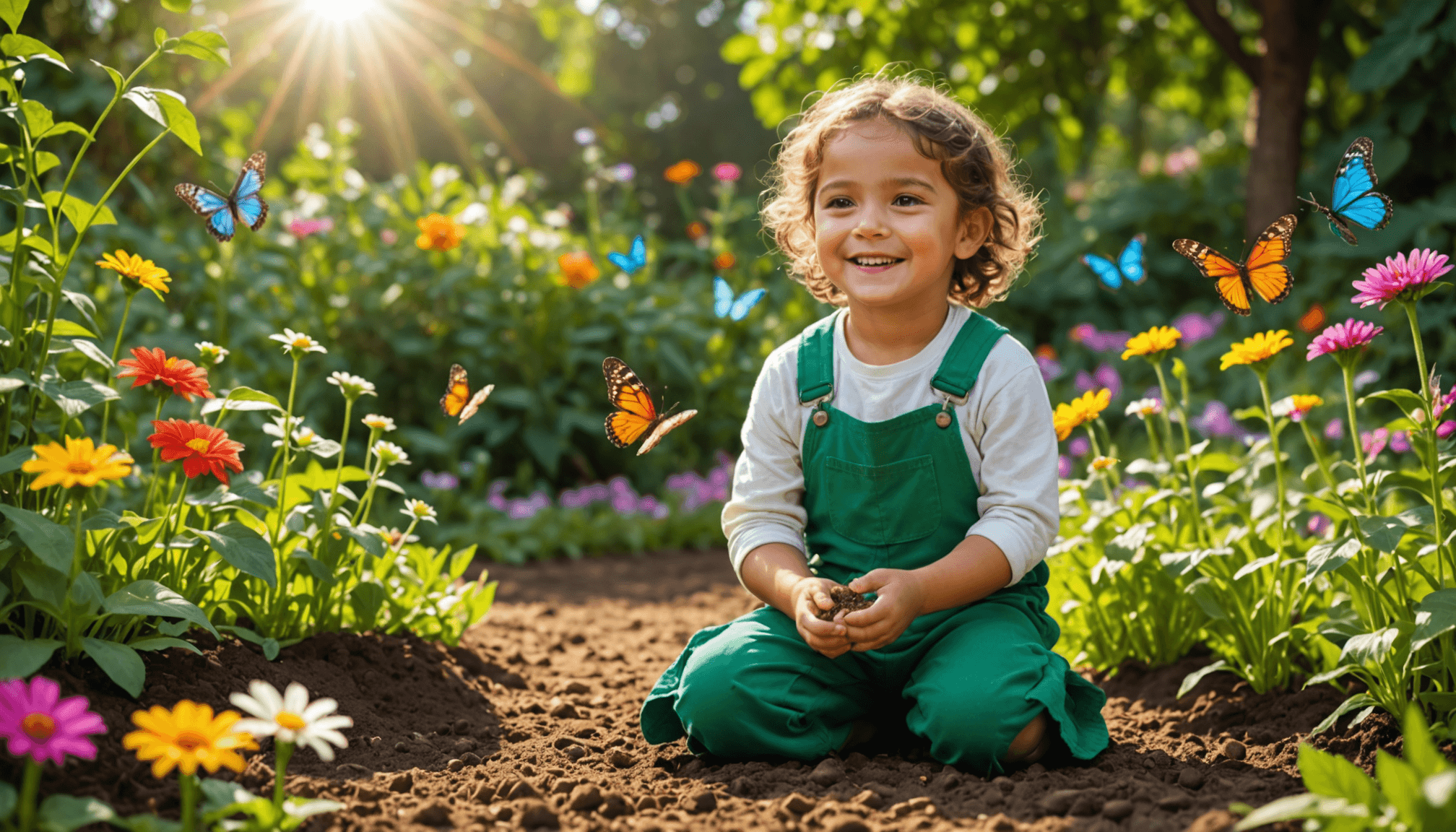
Gardening with kids provides a multitude of educational benefits that extend far beyond merely planting seeds in the ground. Engaging children in gardening activities can significantly enhance their understanding of biological processes, environmental science, and even mathematics, offering a rich, hands-on learning experience.
One of the most profound lessons gardening teaches is the concept of responsibility. Children learn that plants require consistent care, which includes watering, weeding, and watching for pests. This nurturing responsibility fosters a sense of ownership and accountability in kids, as they witness the direct results of their efforts. Research indicates that responsibility is a key component in developing positive self-esteem and emotional resilience in children (American Academy of Pediatrics).
Gardening also introduces fundamental scientific concepts to kids. As they plant seeds, they’ll learn about growth cycles, photosynthesis, and the importance of soil health. You can use activities like seed germination experiments, where children can observe how a seed transforms into a plant. Discussing the role of sunlight, water, and nutrients can stimulate curiosity and encourage questioning, which are foundational skills in any scientific endeavor.
Incorporating lessons on nature and ecosystems is another treasure trove of knowledge found in gardening. As children plant flowers that attract bees or create habitats for beneficial insects, they gain firsthand experience on the interconnectedness of all living things. This can lead to discussions about biodiversity, conservation, and sustainability. You might even consider adding a section in your garden for native plants, providing a living lesson about local ecology and the importance of preserving native species.
Moreover, gardening can enhance mathematical skills through measurement and planning. When laying out a garden, children can measure distances to determine how much space each plant needs to grow. They can count seeds, calculate harvest yields, or even track the growth of their plants over time, integrating math with a real-world application. Making a simple chart to keep track of watering schedules or plant growth encourages organizational skills and data analysis.
Language and literacy development can also flourish in the garden. Encourage children to keep a garden journal where they can write about their observations, feelings, and the adventures they have while gardening. Drawing pictures of their plants or writing stories about their gardening experiences can integrate creative expression with learning. Reading books related to gardening or nature is another way to expand their vocabulary and comprehension skills.
Lastly, gardening nourishes children’s social skills by providing opportunities for teamwork. Working together in the garden fosters communication and collaboration, whether they are sharing tools or strategizing about what to plant next. Consider setting up group projects where kids can take turns leading activities. This can build leadership skills while also teaching them to appreciate the value of collaboration and patience.
The educational benefits of gardening are vast and can be tailored to suit the interests and age of children. The garden becomes a classroom—a place to explore, experiment, and grow not just plants, but a love for learning that will last a lifetime.
Choosing the right plants for children
When selecting the right plants for children, it’s essential to consider not only the aesthetics but also the engagement factor and safety of the plants. Kids are generally more excited about plants that offer immediate gratification, such as fast-growing species or those that yield edible produce. This engagement can be enhanced by choosing plants with interesting colors, shapes, or aromas that evoke curiosity and sensory experiences.
Start with plants that are resilient and easy to care for. Herbs are an excellent choice, as they grow quickly and can be harvested frequently. For example, basil, mint, and chives are not only aromatic but also provide a hands-on experience in cooking and flavoring meals. Children can take pride in using their home-grown herbs in family dishes, which reinforces a sense of achievement.
Next, consider incorporating vegetables that are colorful and visually appealing. Radishes, for instance, can grow quickly within a few weeks and come in various colors, making them exciting for kids. Carrots, especially when planted in multicolored varieties, can be an engaging vegetable that also provides a delightful crunch when harvested. Squash and beans are also great options, as they can be fun to plant and watch grow in trellises, allowing children to observe climbing plants in action.
Flowering plants can also captivate children’s attention. Sunflowers offer a fantastic opportunity for children to witness rapid growth and large blooms. Their cheerful appearance can brighten any garden space, and they can even be saved for seeds after blooming, turning into a fun activity about plant reproduction. Other child-friendly flowers include marigolds, which are easy to grow, or nasturtiums, which have edible flowers and peppery flavors, sparking interest in both gardening and culinary exploration.
“Gardening with children can instill a sense of wonder and curiosity about the world around them, making every seed a lesson and every bloom a story.”
In addition to aesthetic and edible plants, consider safety. Ensure that the chosen species are non-toxic and child-friendly. While many plants are beautiful and intriguing, some can pose risks to children if ingested. Researching plant properties together can be an educational activity, promoting discussions on which plants are safe or harmful and fostering a sense of caution and respect for nature.
Lastly, allow for some freedom in the selection process. Providing children with options encourages a sense of ownership over their gardening activities, making them more likely to engage consistently. You might set up a mini plant market at home where they can choose from various seeds or seedlings. Whether they gravitate towards an unusual vegetable or a vibrant flower, supporting their choices can enhance their excitement and investment in the gardening process.
Creating a garden schedule with kids
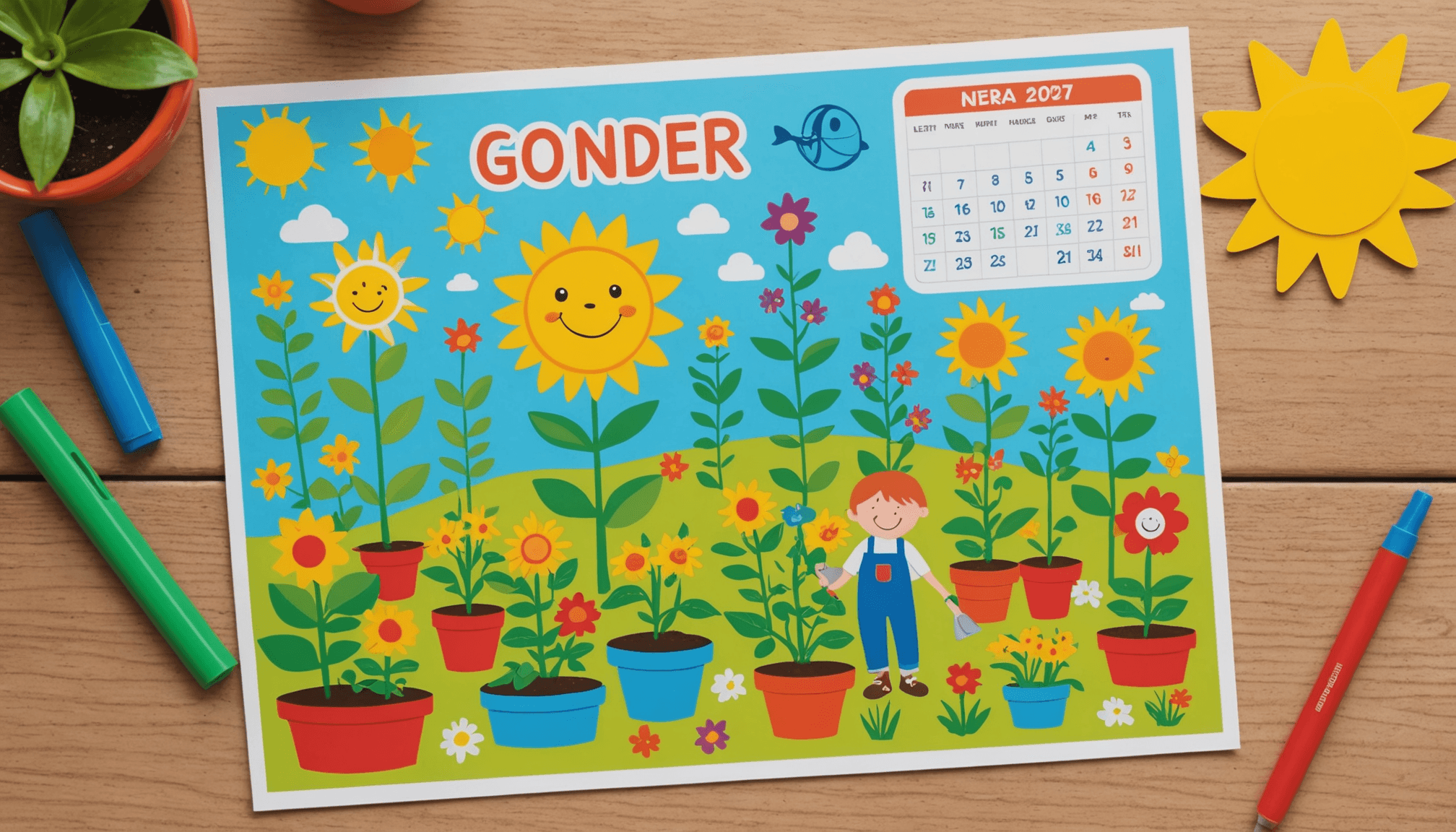
Creating a garden schedule with kids is an essential step in developing a successful gardening experience that promotes involvement, responsibility, and enjoyment. When planning your schedule, consider the unique needs that come with caring for plants, which can vary based on the seasons and plant types. Children will benefit from understanding that gardening is not just a one-time activity but a continuous commitment requiring regular attention and care.
Begin by discussing the various tasks involved in maintaining a garden, such as planting, watering, weeding, and harvesting. A visual calendar can be a handy tool to outline these duties, allowing kids to see at a glance what needs to be done and when. You might assign specific days for watering or weeding, spreading the responsibilities throughout the week while ensuring that children can manage their tasks without feeling overwhelmed. This provides a structure that instills good habits and a sense of routine.
Incorporate fun into the schedule by allowing children to choose their favorite day for planting or harvesting. Make these days a mini celebration—perhaps with a special snack or a themed garden party—to create positive associations with their gardening responsibilities. Such activities reinforce their sense of agency and commitment, making them more likely to want to participate actively.
As you formulate the schedule, it’s crucial to include checkpoints where the family can gather to discuss the garden’s progress. These meetings can serve as reflections on what plants are thriving, what challenges have arisen, and how they might adapt going forward. Kids will gain valuable insights into problem-solving and critical thinking as they engage in these discussions, learning how to be flexible and innovative in their approach to gardening.
Emphasizing the importance of observation is another aspect to highlight in your garden schedule. Encourage children to note down changes in the plants or wildlife noticed in the garden. Keeping a journal of growth patterns, insects spotted, or weather changes can create an educational angle, fostering an inquisitive mindset and enhancing their observational skills. This practice not only nurtures creativity but also connects them deeply with their gardening experience.
Flexibility within the schedule should also be considered, allowing room for spontaneous activities or bonding time in the garden when inspiration strikes. Emphasizing that while routine is important, the joy of gardening also lies in the surprises that nature brings can promote an appreciation for the process rather than just the end result. As seasons change and plants grow, revisiting and adjusting the garden schedule can teach kids about adaptation and resilience, preparing them for future gardening adventures.
- What is the best way to involve kids in creating a garden schedule?
- Involve kids in the planning by discussing the various gardening tasks and the importance of regular care. Collaborate on a visual calendar to outline responsibilities for watering, weeding, and harvesting, allowing them to choose days that work for their schedules.
- How often should kids water the plants?
- The frequency of watering depends on the plant type, weather, and soil moisture. Generally, it’s good to check the soil every couple of days; if it feels dry an inch below the surface, it’s time to water.
- Can we schedule gardening activities during holidays or summer vacation?
- Absolutely! Holidays and summer breaks provide excellent opportunities for extended gardening projects. You can plan special activities, such as planting a new garden or harvesting and cooking the produce grown during the season.
- How can we make garden care tasks fun for children?
- Turn tasks into games, like racing to water plants or creating fun themes for planting days. Incorporate rewards or celebrations after completing tasks to foster a positive experience.
- What if my kids forget their gardening responsibilities?
- Use gentle reminders and encourage discussions about the importance of their roles. Establishing a routine and maintaining a visual scheduling system can help keep everyone on track.
- Should the garden schedule include observation time?
- Yes, observation is crucial! Set aside time for children to explore the garden and note changes they observe. Keeping a garden journal can help track growth and encourages ongoing interest.
- How do we adapt the schedule through different seasons?
- Review the garden’s needs as seasons change. Discuss which plants thrive in each season and adjust tasks accordingly to include seasonal planting and care practices, teaching kids about seasonal cycles in gardening.
Tips for maintaining a small garden together
Maintaining a small garden together can be a fulfilling and educational experience, especially when children are involved. To make the gardening journey enjoyable and successful, it’s essential to establish practical routines that accommodate the family’s schedule while making the tasks fun and engaging.
Start by prioritizing consistency in care. Assign each family member specific jobs that rotate weekly, ensuring that everyone contributes to the overall maintenance of the garden. For example, one week, a child might be responsible for watering the plants, while another handles weeding. Consistent roles help develop a sense of accountability among children and can foster pride in their contributions to the garden’s success.
Consider implementing a reward system to motivate kids. You could create a chart where they earn stickers for completing their gardening tasks, with a goal of collecting a certain number to receive a small prize or enjoy a special treat. This approach not only makes the chores enjoyable but also instills a sense of achievement and responsibility in children. They will begin to see their efforts yield tangible results, encouraging them to stay engaged in the process.
Incorporate educational elements during maintenance activities. When weeding, discuss the importance of allowing plants to have ample space and nutrients to thrive. As children water the plants, talk about water cycles and how plants absorb moisture. This way, mundane tasks become learning opportunities, connecting the chores to broader scientific concepts and fostering curiosity about the natural world.
- Weekly Gardening Routines: Consistency is key. Rotate tasks among family members to develop shared responsibility.
- Reward Systems: Use a sticker chart to motivate kids with small rewards for completing their gardening duties.
- Educational Conversations: Transform tasks like weeding and watering into teaching moments by discussing plant needs.
Another effective strategy is to schedule regular family garden meetings to review the plants’ progress and decide on future actions. During these gatherings, discuss what’s working and what’s not, and brainstorm solutions together. This encourages problem-solving skills and critical thinking among kids, as they analyze the garden’s growth and health over time. You may even link these discussions to basic biology lessons, creating a nurturing environment for science exploration.
Make it a habit to document the garden’s journey, allowing kids to engage with it creatively. Encourage them to take photos, create a garden journal, or draw graphically what they observe. Documenting growth not only reinforces their commitment but also helps develop their observation and expression skills. Celebrate milestones in the garden, such as the first bloom or harvest, by hosting mini family events where everyone can share their thoughts and experiences.
Lastly, don’t forget to nurture the relationship you have with nature. Give yourselves permission to enjoy the garden without the pressure of tasks. Spend time simply enjoying the space, noticing the colors, sounds, and smells the garden offers. Create special gardening days where the family can relax, have a picnic, or engage in unstructured play. These moments will deepen their appreciation for nature and the time spent together in the garden, making the entire experience rewarding.
By focusing on engaging and educational maintenance activities, families can transform gardening from a chore into a rewarding adventure that strengthens bonds, teaches valuable skills, and cultivates a lasting love of gardening.