
Attending plant nursery trade shows is a game-changer for anyone involved in homesteading, whether you’re an urban dweller, a family seeking sustainable living solutions, a millennial looking to make a green impact, or a garden enthusiast obsessed with plant varieties. These events are vital for fostering business growth and enhancing your knowledge about the latest trends in the industry.
First and foremost, trade shows provide an unparalleled platform to connect with other professionals and enthusiasts. It’s where the industry networking happens. Making connections is essential; you can meet growers, suppliers, and fellow gardeners who share your passion. Building relationships can lead to partnerships, collaborations, and even friendships that last beyond the event. Don’t hesitate to introduce yourself and exchange contact information – this could be the start of a fruitful relationship!
Furthermore, trade shows are a treasure trove of information. They often feature specialized educational workshops and seminars that cater to various interests and levels of expertise. Attendees can learn about best practices, innovative growing techniques, pest control, and more. Be sure to attend these sessions; not only do they deepen your understanding, but they also equip you with practical advice that you can implement in your own gardening endeavors.
The displays at trade shows also showcase the newest products and innovations on the market. From eco-friendly fertilizers to cutting-edge irrigation systems, seeing these products firsthand can inspire you to integrate advanced solutions into your homesteading practices. Make a list of items that catch your eye, and don’t hesitate to ask vendors for demonstrations or samples.
Lastly, keeping a finger on the pulse of market trends and consumer insights gleaned from trade shows can give you a significant edge. Understanding what’s trending can help you adapt your practices and offerings to meet consumer demand, setting you apart in a competitive market. Attend presentations on industry statistics and emerging consumer preferences, and take notes to refer back to as you develop your own homesteading plans.
The significance of plant nursery trade shows extends beyond mere attendance. They are gateways to growth, collaboration, and innovation in the world of homesteading. Take advantage of the opportunities they present, and you may find your garden—and your connections—thriving like never before.
Networking opportunities for industry professionals
Networking at plant nursery trade shows can significantly amplify business growth and enhance professional relationships within the horticulture community. These events attract a diverse mix of individuals, from small-scale gardeners to major industry stakeholders, all eager to exchange insights and foster collaborations. Engaging effectively with fellow attendees can create lasting connections that yield various opportunities.
One of the primary benefits of networking at these trade shows is the ability to share knowledge, experiences, and best practices. By striking up conversations with others in the industry, participants can gain access to a wealth of information that may not be readily available through traditional channels. This exchange can include insights into effective marketing strategies, pest management solutions, and innovative growing techniques. Furthermore, attendees often discover solutions to common challenges faced in gardening and horticulture, which can lead to improved practices in their own operations.
Moreover, networking creates opportunities for partnerships that may lead to collaborative projects. For instance, a small nursery owner may connect with a supplier who can provide new and unique plant varieties, enabling them to differentiate their offerings from competitors. These partnerships can also extend to sharing resources, jointly participating in community events, or even launching co-branded products, all of which contribute to business growth and enhance the value proposition offered to customers.
To maximize the benefits of industry networking at trade shows, consider the following strategies:
| Strategy | Description | Expected Outcome |
|---|---|---|
| Prepare an Elevator Pitch | Craft a concise introduction detailing who you are, what you do, and what you’re looking to achieve. | Facilitates quicker and more meaningful connections with potential collaborators. |
| Attend Networking Events | Participate in organized networking sessions or informal meetups within the trade show. | Increases opportunities to meet industry leaders and fellow attendees. |
| Follow Up | Exchange business cards and follow up with new contacts via email or social media after the event. | Helps solidify the connections made and opens channels for future communication. |
Additionally, social media can be a powerful tool for enhancing networking experiences. Many trade shows utilize platforms such as Twitter and Instagram to promote events and facilitate interactions among attendees. Engaging with the event hashtag or participating in pre-show discussions can help establish rapport with new contacts even before setting foot at the venue.
Ultimately, the value of networking at plant nursery trade shows goes beyond the immediate interactions. Participants build a support network that can provide ongoing assistance, knowledge sharing, and business leads long after the event concludes. Embracing these opportunities is key to staying competitive in the ever-evolving landscape of horticulture and maximizing the potential for business growth. As each connection has the possibility to flourish, the impact of these networks can lead to profound and beneficial changes in one’s gardening journey and industry trajectory.
Educational workshops and seminars

Attending educational workshops and seminars at plant nursery trade shows is one of the most rewarding aspects of these events. These sessions are curated to equip attendees with vital knowledge, ranging from foundational gardening techniques to advanced horticultural practices. It’s not just about learning; it’s about transforming that knowledge into actionable steps for your homesteading journey.
For example, many workshops cover topics such as organic pest management and sustainable landscaping. Imagine attending a session on how to effectively control aphids using natural remedies instead of harsh chemicals. You leave not only with the ability to protect your plants but also with a commitment to preserving the ecological balance of your garden. If you’re a millennial aiming for a greener lifestyle, these practical tips align perfectly with your values—making gardening not just enjoyable but also environmentally responsible.
Another useful focus is crop rotation and companion planting, strategies that enhance soil health and maximize yield. By attending a workshop on companion planting, for instance, you can discover how marigolds deter nematodes, benefiting your tomatoes and peppers without the need for synthetic pesticides. Engaging in such seminars provides you with specific techniques you can implement right away, giving you an instant edge in your gardening efforts.
Moreover, many workshops invite industry experts who bring a level of authenticity and reputation to the table. Listening to a seasoned grower explain how they transformed their small urban garden into a thriving micro-farm can serve as inspiration. The chance to ask questions and engage directly with these experts could spark innovative ideas for your own garden setup. Don’t hesitate to seek out their advice; they may have tried-and-true methods that could save you time and effort!
To maximize your experience, consider these tips when attending workshops and seminars:
- Bring a Notepad or Device: Take notes during sessions to record key points and ideas you can reference later.
- Ask Questions: Engage with speakers by asking questions that pertain to your specific challenges or interests.
- Network: Make connections with fellow attendees during breaks—discussing what you’ve learned can reinforce that knowledge and open doors to collaborative ideas.
- Follow-Up Resources: Inquire if speakers have websites, blogs, or resource lists where you can continue your learning after the event.
Keep in mind that trade shows also often provide digital access to the materials presented during workshops. Don’t hesitate to request copies of slides or literature that can be invaluable post-event resources.
In essence, participating in educational workshops and seminars amidst the vibrant atmosphere of trade shows is essential for anyone passionate about homesteading. Not only can you expand your skillset and knowledge base, but you also create lasting friendships with others who share your dedication to green living and sustainable gardening practices. So, gear up with curiosity and an open mind, and make the most of these educational opportunities!
Showcasing new products and innovations
The displays at trade shows are a hallmark of innovation within the horticulture sector, presenting attendees with an array of groundbreaking products and services that are setting the standards for the industry. As you navigate these exhibitions, you’ll encounter everything from the latest plant varieties to revolutionary growing systems, all designed to enhance efficiency, sustainability, and aesthetic appeal in your gardening endeavors.
Getting an up-close look at new products is invaluable for understanding their unique selling propositions and how they can meet your specific gardening needs. For instance, revolutionary soil amendments might improve plant health and yield, or state-of-the-art irrigation systems could optimize water usage in drought-prone areas. Many exhibitors offer hands-on demonstrations, allowing you to see how these products function in real-time. Take advantage of these opportunities to ask questions and gather insights that can inform your purchasing decisions.
Innovation also extends beyond products; it encompasses techniques and methods that can reform traditional practices. Workshops at trade shows often highlight these new approaches, providing insights into processes like vertical gardening, hydroponics, and automated plant care systems. Engaging with these innovative concepts can inspire new projects and methodologies at home, paving the way for all types of gardeners to reimagine their gardens.
In addition, emerging trends in aesthetic plant choices can redefine the look and feel of your landscapes. Attending the show allows you to witness the premiere of the latest decorative plants that cater to diverse consumer tastes—from minimalistic designs to lush, tropical backdrops. Being among the first to learn about these trends equips you with market insights that can inform product selections for customer-facing businesses or personal gardens alike.
Incorporating these innovations into your practice isn’t just about enhancement; it’s about staying relevant in a competitive industry. As consumer preferences shift, being an early adopter of popular trends can bolster your market positioning. Ultimately, showcasing these flashy innovations can lead to significant business growth opportunities—think gaining new clients or strengthening your brand image through exciting offerings.
“Innovation distinguishes between a leader and a follower.” – Steve Jobs
Trade shows represent a confluence of knowledge, creativity, and forward-thinking solutions. By immersing yourself in this environment, you’re not just witnessing a showcase of products; you’re partaking in a larger narrative of progress and transformation within the gardening community. The insights and inspirations you gather here can lead to significant advancements in your gardening practices and contribute positively to the broader tapestry of the horticultural industry.
Market trends and consumer insights
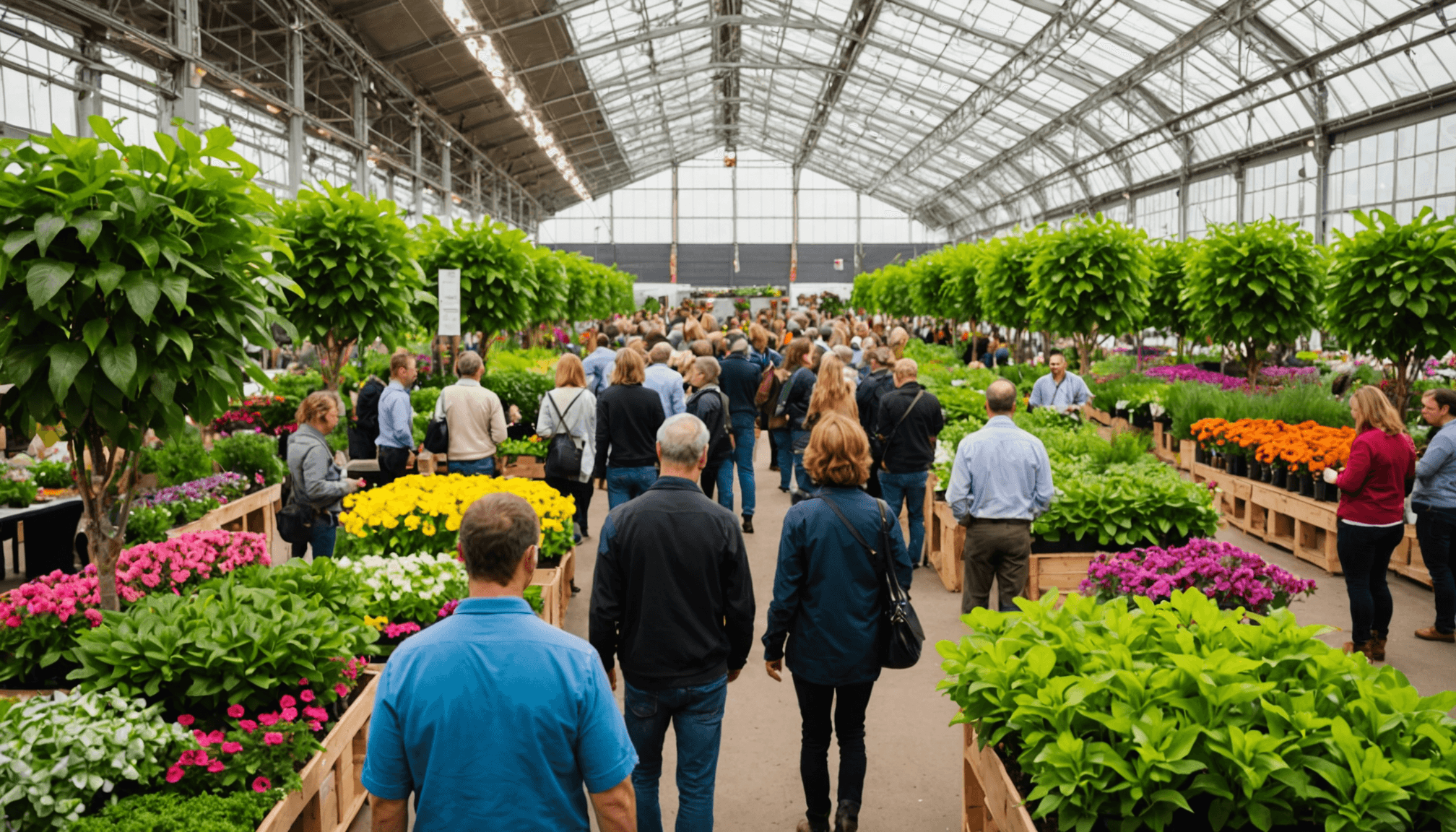 Market trends and consumer insights are crucial elements that shape the landscape of the horticultural industry. At plant nursery trade shows, the atmosphere buzzes with the exchange of data and ideas, allowing participants to gauge the pulse of current market dynamics. With the rapid evolution of consumer preferences, being perceptive about these trends can enhance your ability to stay relevant and competitive.
For instance, through presentations and discussions, you’ll discover what plants and products are gaining popularity among consumers. This information isn’t simply trivia; it can directly influence your purchasing decisions, helping you align your inventory and offerings with what buyers desire. Whether it’s the rise in interest in native plants or the increasing demand for sustainable gardening products, these insights can help you to tailor your approach and meet market demands effectively.
Moreover, trade shows frequently spotlight innovative practices and techniques that respond to these trends. Understanding the association between consumer behavior and product innovation can inspire you to adopt new practices in your own gardening, rethinking which plants to cultivate or which gardening accessories to use. Consider the increasing trend toward biophilia—the desire for nature in our living spaces. Attending trade shows allows you to explore how this concept can shape your offerings, paving the way for growth opportunities you may not have previously considered.
It’s also essential to note how market trends can reflect broader societal changes. For instance, with a growing focus on climate sustainability, many consumers are gravitating toward organic and eco-friendly choices. By keeping abreast of such insights, you can position your homestead or business to meet this new eco-conscious mindset, potentially improving customer loyalty and attracting a more diverse clientele.
Ultimately, attending trade shows not only enriches your understanding of market trends but also empowers you to actively respond to shifts in consumer behavior. This engagement creates an environment ripe for exploration, so dive deep into discussions, surveys, and trend analyses during these events. The knowledge gained can drive your decisions and strategies forward, leading you to new ventures and discoveries in your gardening journey.
- Why should I attend plant nursery trade shows?
- Plant nursery trade shows offer a unique opportunity to connect with industry professionals, discover new products, and gain valuable insights into market trends that can significantly benefit your gardening practices.
- What types of products can I expect to see at trade shows?
- Attendees can explore a wide range of products including innovative growing systems, eco-friendly gardening supplies, new plant varieties, and the latest in sustainable agriculture technology.
- How do trade shows help me learn about market trends?
- Trade shows feature presentations and panels discussing current market data and consumer preferences, giving attendees a first-hand look at what is trending in the horticultural industry.
- Can I network with other professionals at these events?
- Absolutely! Trade shows are designed for networking, allowing you to meet growers, suppliers, and fellow enthusiasts, fostering valuable professional relationships.
- Are there any educational opportunities at trade shows?
- Yes, trade shows typically offer workshops and seminars led by experts that cover various topics, providing attendees with practical knowledge and skills applicable to their gardening endeavors.
- How do I stay informed after attending a trade show?
- Many trade shows provide digital access to materials, presentations, and resources after the event. Additionally, networking with contacts can keep you updated on industry developments.
- What should I do if I find a product or idea that interests me?
- Take notes and exchange contact information with exhibitors or other attendees. Following up post-event can help you explore partnerships or gather more information about products that caught your interest.
Gaining competitive advantages through participation
Participating in plant nursery trade shows offers valuable competitive advantages that can significantly elevate your gardening endeavors and business prospects. By immersing yourself in these environments, you position yourself to reap benefits that go beyond mere participation; you gain entry into the heart of innovation and collaboration.
One of the primary advantages of attending trade shows is that they expose you to new and emerging trends that can help define your strategy for success. For instance, being among the first to learn about innovative growing techniques, sustainable products, or consumer preferences allows you to adapt quickly. Imagine discovering at a trade show that vertical gardening is on the rise. You could implement this technique in your own space, maximizing your yield even in limited urban settings.
Additionally, engaging with suppliers and manufacturers at trade shows opens doors to exclusive deals and partnerships. Establishing connections with exhibitors can lead to promotional pricing on bulk purchases or the opportunity to trial new products before they hit the market. This access not only helps reduce your costs but can also give you that sought-after edge in competitive retail environments.
Here are a few tips to ensure you capitalize on the advantages available at trade shows:
- Forge Relationships: Take the time to connect with exhibitors and other participants. A simple chat can lead to valuable alliances. Don’t be shy about expressing your business interests—you never know what collaborative opportunities may arise.
- Stay Informed: Attend specific sessions dedicated to industry trends and forecasts. These insights aren’t just interesting; they are critical to making informed decisions about products you might want to carry or methods you could implement.
- Leverage Social Media: Use social media platforms during the event to engage with exhibitors and fellow attendees. Sharing your insights and tagging manufacturers can increase your visibility and encourage reciprocal promotions.
- Follow Up: After the event, reach out to contacts you’ve made. A quick email or social media message can reinforce connections and even lead to further opportunities down the line.
Moreover, trade shows often feature competitions or opportunities for attendees to present their own products or methods. Participating in these showcases can lead to increased exposure and validity in the industry. For instance, if your homegrown vegetables or unique gardening techniques stand out in a competition, you might find yourself with new customers or even a feature in industry publications.
Incorporating the knowledge and contacts gained from trade shows into your business or personal gardening ventures enhances your ability to adapt to the fluid dynamics of the market. Remember, it’s not simply about what you know but who you know—and trade shows are ripe with possibilities.