
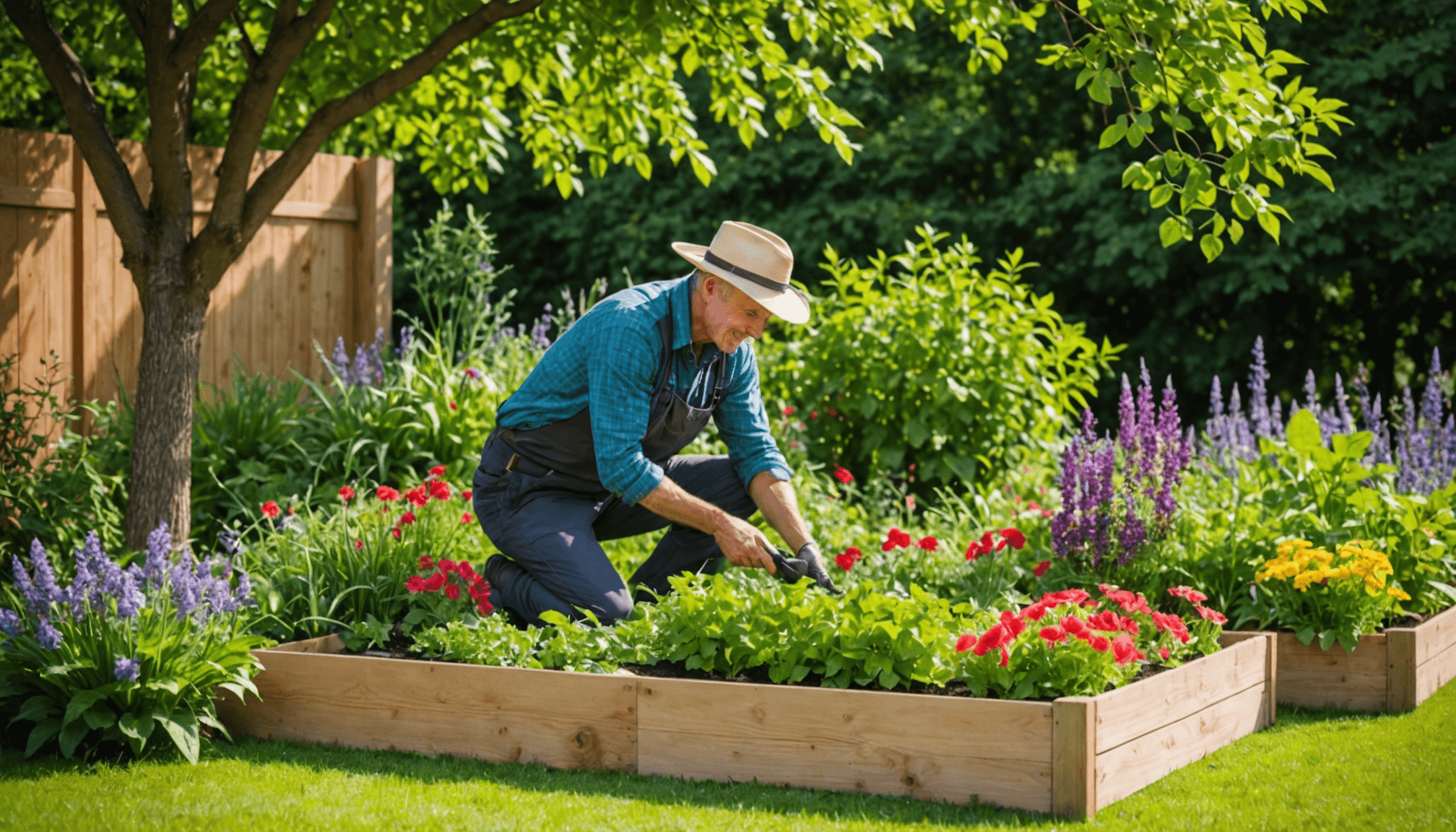
Raised garden beds offer numerous advantages that cater to both novice and experienced gardeners alike. One of the most significant benefits is the ability to control soil quality. By filling your raised beds with a customized soil mix, you can ensure optimal drainage and nutrient levels, which is essential for healthy plant growth. This is especially beneficial in urban areas where soil contamination can be a concern.
Another advantage is improved accessibility. Raised beds elevate your plants, making it easier to tend to them without excessive bending or kneeling. This is ideal for families with young children or older adults who might struggle with traditional gardening methods. For example, building beds that are around 30 inches high can make it comfortable for anyone to garden without straining their back.
Raised garden beds also offer better pest and weed control. The defined structure of these beds helps to deter pests and keeps weeds at bay, saving you time and effort in maintenance. Adding a layer of mulch to your raised beds can further enhance this by suppressing weed growth and retaining moisture in the soil.
Additionally, they provide a more organized and visually appealing gardening space. Urban dwellers often benefit from the neat appearance of raised beds, which can transform even the smallest outdoor area into a charming garden. You can create various shapes and styles to complement your home’s aesthetic, such as square, rectangular, or even circular designs.
Finally, raised beds can enhance soil warmth, which is particularly beneficial in cooler climates or spring seasons. The soil in raised beds tends to warm up faster than ground soil, giving you a head start on your gardening season. This can allow for early planting of heat-loving crops like tomatoes or peppers, maximizing your yield throughout the growing season.
Raised garden beds offer a multitude of benefits that make them an excellent choice for any gardening enthusiast. Whether you’re looking to improve soil quality, enhance accessibility, control pests, or simply beautify your space, raised beds provide practical solutions tailored to fit your gardening needs.
Choosing the Right Location
Finding the ideal location for your raised garden beds is critical for their success. Proper placement not only affects the growth of your plants but also impacts ease of maintenance and accessibility. Start by observing the sunlight in your space. Most vegetables and flowers thrive in full sun, requiring at least six to eight hours of direct light daily. You might want to avoid shady areas near trees or tall buildings that could block sunlight during certain parts of the day.
Next, consider your water source. Accessibility to water is crucial, especially during hot summer months when plants may require frequent watering. Position your raised beds near a garden hose or a rainwater collection system to make watering more efficient. Additionally, check the drainage of the spot you choose. Poor drainage can lead to water pooling in the beds, which could harm plant roots. A slight slope can improve drainage, but ensure that the spot won’t become waterlogged after heavy rains.
Moreover, think about the proximity of your raised beds to your home or patio. Having your garden easily accessible encourages regular tending and harvesting. It’s practical to construct your beds in locations where you’ll walk by often, making maintenance less of a chore and allowing you to enjoy the aesthetics of your garden more frequently.
For tight spaces, vertical gardening techniques can be employed. Mounting beds against walls or fences can maximize your available area. Utilizing wall planters, trellises, or even hanging baskets can further expand your growing space. Be mindful of whether the wall or fence has materials that could leach harmful substances into the soil or plants.
Temperature is another factor to weigh, especially in cooler climates. South-facing locations will retain warmth better throughout the day, while north-facing spots may remain cooler, potentially delaying plant growth. To give your raised beds some extra warmth, consider lining the bottom with black plastic or stones that absorb heat.
| Location Factors | Optimal Conditions | Pitfalls to Avoid |
|---|---|---|
| Sunlight | At least 6-8 hours of direct sunlight | Shady areas from trees or buildings |
| Water Access | Close to hose or rainwater collection systems | Far from water sources, leading to difficulty in maintenance |
| Drainage | Slight incline to prevent water pooling | Low spots that trap water |
| Accessibility | Near home for regular tending | Difficult-to-reach locations |
| Temperature | Southern exposure for warmth | North-facing colder spots |
Choosing the right location for your raised garden beds can significantly enhance your gardening experience and ensure thriving plants. Consider all aspects carefully to create a space that is both productive and enjoyable.
Materials for DIY Raised Beds
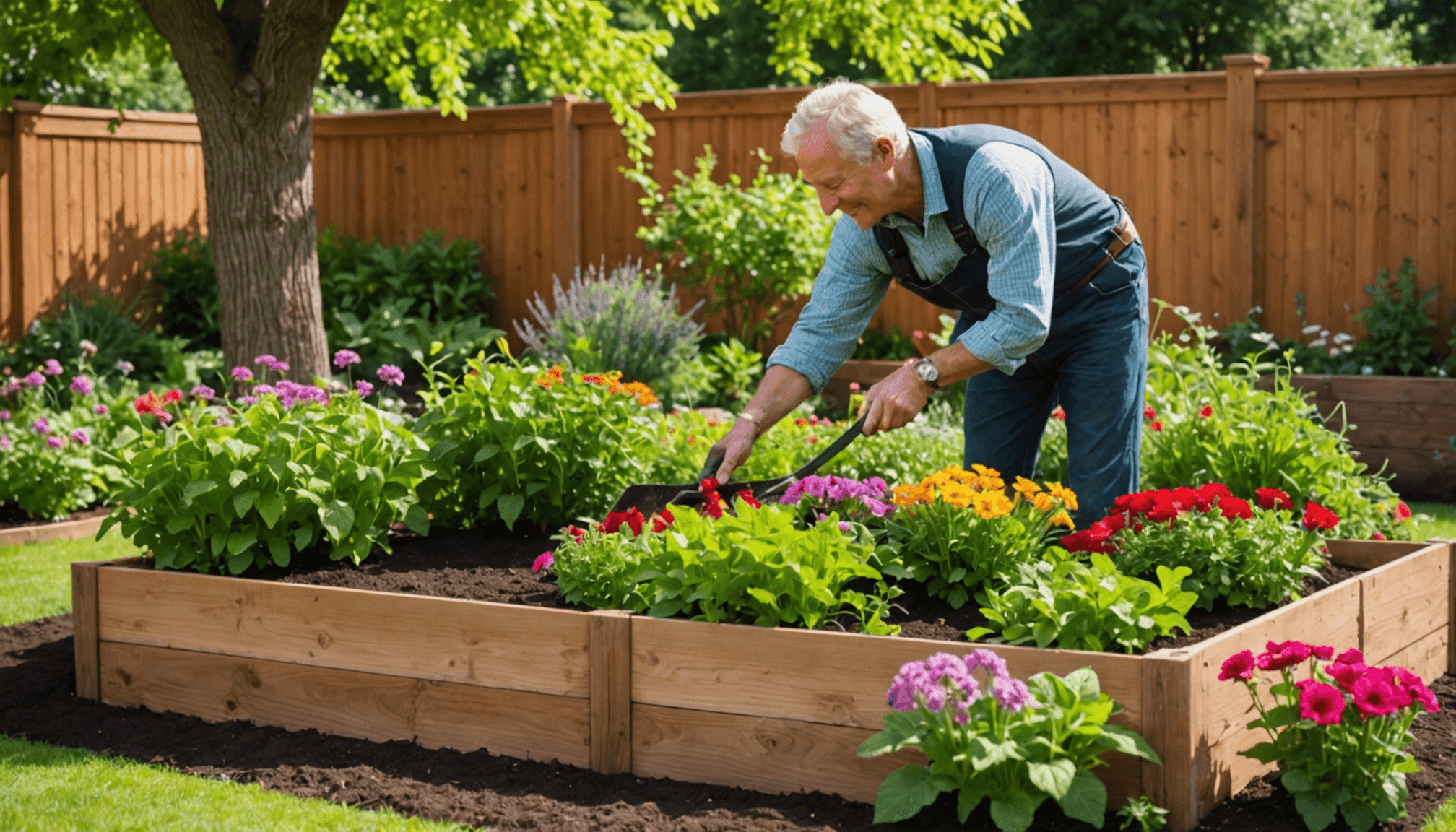
When embarking on your DIY raised garden bed project, selecting the right materials is essential for creating a sustainable, sturdy, and attractive structure. There are several options to consider, each with its own benefits and considerations.
- Wood: This is the most popular choice for raised garden beds and can be obtained from a variety of sources, including reclaimed lumber, untreated cedar, or redwood. Untreated wood is a safe option since it won’t leach harmful chemicals into the soil. Cedar, in particular, is naturally resistant to rot and pests, giving it a longer lifespan. Just keep in mind that pressure-treated wood, which is often cheaper, contains chemicals that can be harmful to plants and soil health, so it’s best to avoid it.
- Metal: Galvanized steel or aluminum is a durable choice that can add a modern aesthetic to your garden. Metal beds can withstand the elements for many years and won’t warp or decay like wood. However, they can heat up quickly in direct sunlight, which may affect soil temperature. To mitigate this, consider lining the inside with cardboard or landscape fabric to insulate the soil from extreme temperatures.
- Composite Materials: These are made from recycled plastics and wood fibers, providing a sustainable option that mimics the appearance of wood without the drawbacks. They’re resistant to rot and insect damage, and they often come in various colors and styles. However, make sure the composite material is free from harmful additives that could leach into the soil.
- Bricks or Stones: For a more permanent structure, consider building your raised beds with bricks or stones. This material can add character to your garden and is very durable. Keep in mind, however, that they require more effort to construct, as you will need to lay them out carefully and possibly use mortar for stabilization.
- Fabric Raised Beds: An option that’s gaining popularity is the fabric raised bed. These lightweight, portable beds allow for easy setup in tight spaces and are made from breathable, durable material that promotes healthy root growth and drainage. They’re particularly suited for urban gardeners who may want to move or rearrange their beds seasonally.
In addition to the main materials, you’ll need some essentials for assembly:
- Fasteners: Use screws instead of nails for better stability. Stainless steel or galvanized screws are ideal as they withstand the outdoor elements without rusting.
- Landscape Fabric: Lay this at the bottom of your raised bed to prevent weeds and pests while allowing water to drain readily.
- Soil Mix: Invest in high-quality soil made up of a blend of topsoil, compost, and other organic matter. This mix will boost your plants’ growth and health.
Before you make your final decision on materials, it’s wise to check local regulations if you live in an urban area. Some neighborhoods have rules about what materials can be used for garden beds, so ensure you comply to avoid any issues.
Ultimately, the choice of materials can greatly influence your gardening experience and the success of your plants. Take time to evaluate your options based on durability, safety, aesthetic preferences, and, most importantly, the needs of your plants to create the perfect raised bed for your gardening adventures.
Design Ideas for Tight Spaces
Utilizing innovative and creative design ideas can transform tight spaces into thriving gardens. When space is limited, think vertically. Vertical gardening allows you to maximize your growing area by incorporating structures like trellises, shelves, or modular planters. This approach not only increases your planting surface but also adds visual interest to your garden. Tall, narrow planters can be placed against walls or fences, allowing you to grow vines such as peas or climbing flowers like sweet peas, which can cascade beautifully over the edges.
Make use of tiered planting systems. These systems can be built or purchased and are designed to stack planters on top of each other, providing multiple levels of growing space without taking up additional square footage. This is particularly effective for herbs and small vegetables, making it easy to reach everything while optimizing the use of height.
Consider container gardening if your garden space is extremely constrained. Arranging a variety of pots and containers can create a garden that’s both functional and aesthetically pleasing. Choose a mix of sizes and styles to add dimension. Ensure these containers drain well and are made of materials that won’t leach chemicals into the soil. Utilizing colorful pots can also brighten up an otherwise dull space.
Integrating your garden with existing structures can further enhance the landscape. For example, placing raised beds against walls or patios can create a seamless transition between your garden and living areas. Using corner spaces effectively with L-shaped or U-shaped raised beds allows for efficient usage of every inch. You can also go for hanging gardens; attach eye-catching planters to walls or fence panels for herbs and smaller flowers.
“Gardening adds years to your life and life to your years.” – Unknown
Incorporating multi-purpose furniture can also serve dual functions in your garden. For instance, a bench can provide seating while concealing storage for garden tools or supplies. Ensuring that your designs are not only practical but also visually appealing can revitalize your space and make it more enjoyable to spend time in.
Color-coordinated flowers and plants can enhance your garden’s aesthetics. Choose a palette that complements your home’s exterior. Grouping plants with similar heights in coteries can create a lush look without overwhelming the limited space. Planning for year-round interest by selecting plants that bloom during different seasons ensures your garden remains vibrant and engaging at all times.
Lastly, always think about accessibility when designing your garden in tight spaces. Ensure that pathways are wide enough to allow easy access to all plants and that heavy pots or planters are placed where they can be easily moved for maintenance. Consider using a rolling cart to transport tools and harvested goods, helping to maintain the flow of your gardening routine.
Planting Techniques and Tips
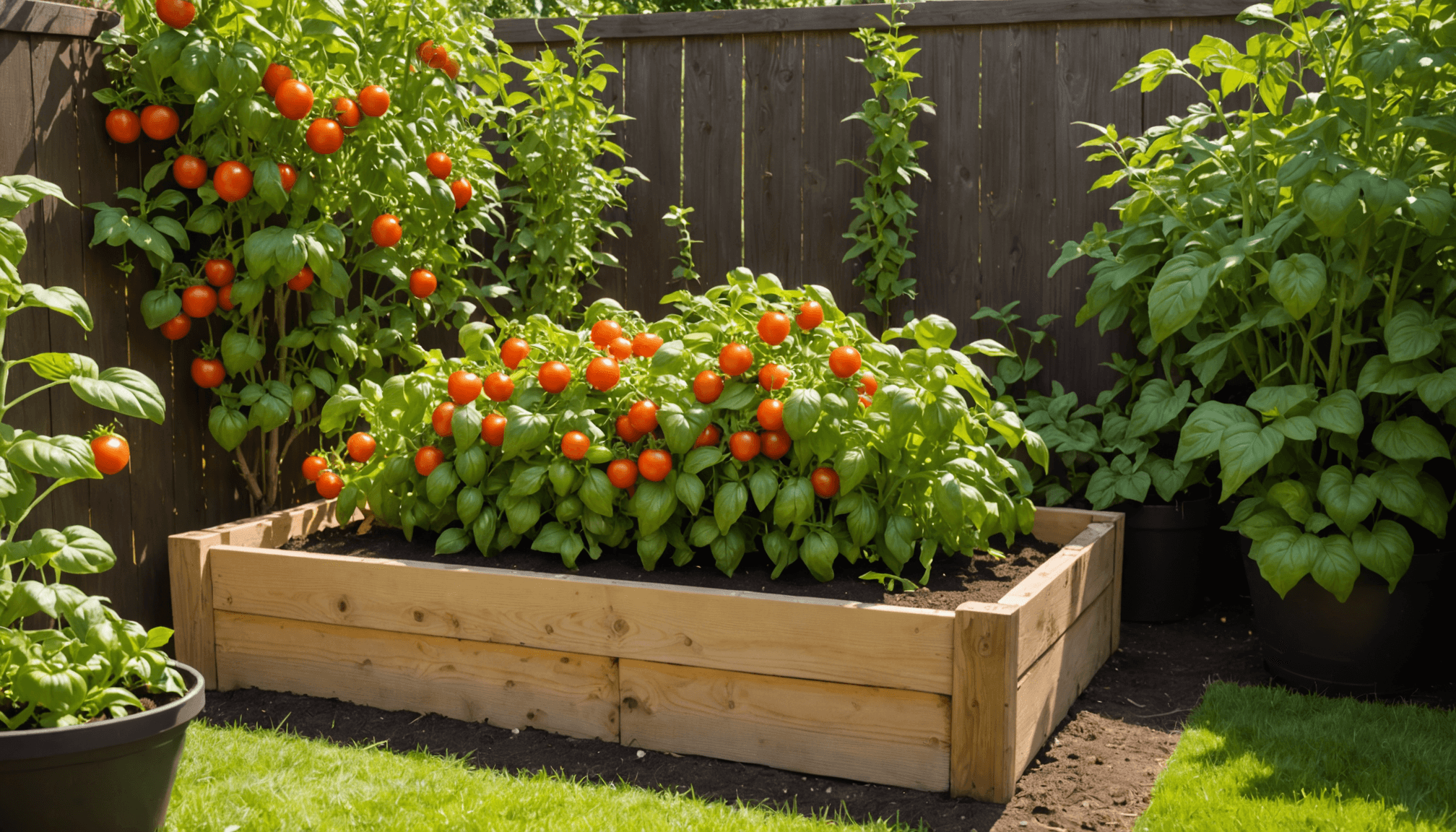
When it comes to planting in raised garden beds, employing effective techniques can significantly enhance the health and yields of your plants. One foundational principle is understanding companion planting, which involves grouping plants together that benefit each other. For instance, pairing tomatoes with basil can boost flavor and repel pests, making for a harmonious bed. Additionally, consider utilizing crop rotation. This practice prevents soil depletion and minimizes disease risk by alternating crops to ensure that different nutrients are replenished throughout the growing seasons.
Planting in rows or blocks can optimize space and make maintenance easier. In narrower beds, block planting is particularly effective as it maximizes yield while allowing air circulation and sunlight to reach the plants. Opt for a layout that considers the mature size of your plants to avoid overcrowding, which can lead to stunted growth and increased susceptibility to pests and diseases.
Utilizing succession planting is another strategy worth exploring. This technique involves planting new crops at intervals throughout the growing season, ensuring continuous harvests. Start with fast-growing crops like radishes and lettuce, then follow up with slower-growing varieties like carrots or beets. This sequential planting can make the most of your growing space and keep your garden productive over a longer period.
Consider the blooming time and growth requirements of each plant. Align shorter plants with taller varieties to create a layered approach that optimizes sunlight exposure. For instance, low-growing herbs like cilantro or parsley can be flanked by taller sunflowers or pole beans, allowing all plants to thrive without overshadowing one another.
Furthermore, take care when deciding on planting depths and spacing. Raise plants that need better drainage, such as root vegetables, slightly higher within the bed. Additionally, always refer to seed packets or plant tags for specific spacing requirements; overcrowded plants can lead to competition for nutrients and water. Mulching around your plants can help suppress weeds and maintain soil moisture levels, providing an ideal environment for root development.
- What are the best plants for raised garden beds?
- Consider planting vegetables like lettuce, tomatoes, and peppers, along with herbs such as basil and cilantro. These varieties not only thrive in raised beds but also complement each other for better growth.
- How often should I water my raised garden beds?
- Generally, raised beds require watering about once a week, depending on weather conditions. Ensure the soil remains moist but not waterlogged, as this can lead to root rot.
- Can I use regular soil for my raised garden beds?
- It’s best to use a quality soil mix specifically designed for raised beds, often comprised of topsoil, compost, and other organic materials. This mix ensures proper drainage and nutrient availability for healthy plant growth.
- How deep should my raised garden bed be?
- A depth of 12 to 18 inches is usually adequate for most vegetables and flowers. Deeper beds allow for better root development, especially for plants with extensive root systems.
- What should I do if my plants are wilting?
- Wilting can be a sign of insufficient water or root problems. First, check soil moisture levels and adjust watering accordingly. If the soil is too dry, give it a thorough soaking; if it’s waterlogged, consider aerating or adjusting the drainage.
- How can I protect my raised garden beds from pests?
- Implement barriers such as row covers or mesh to keep pests away. Additionally, good companion planting strategies can deter specific pests while promoting beneficial insects.
- What is the best time to plant in my raised garden beds?
- The best planting times depend on your climate and the crops you choose. Generally, early spring is suitable for cool-season crops, while summer is ideal for warm-season varieties.
Maintenance and Care for Your Garden
Maintaining your raised garden beds is crucial for ensuring that your plants thrive and produce a bountiful harvest. Regular care not only enhances the well-being of your plants but also helps keep pests and diseases at bay, making the gardening experience more enjoyable for everyone involved.
Watering is one of the most important aspects of garden maintenance. Raised beds can dry out more quickly than traditional in-ground gardens due to increased soil temperature. To ensure adequate moisture, it’s best to check the soil regularly; a simple finger test can work wonders. Stick your finger about an inch deep into the soil; if it feels dry, it’s time to water. Aim for consistent moisture, but avoid waterlogging, which can lead to root rot. During hot summer months, consider using drip irrigation or soaker hoses to deliver water directly to the roots and minimize evaporation.
Weed control is another critical maintenance task. Weeds compete with your plants for nutrients and water, so it’s essential to keep them under control. Hand-pulling is effective for smaller weeds, while applying a layer of mulch (such as straw or wood chips) can prevent weeds from sprouting, retain moisture, and regulate soil temperature. Mulching not only simplifies weed management but can also add organic matter to the soil as it breaks down, enriching your growing medium.
Pest management should be a proactive part of your maintenance routine. Regularly inspect your plants for signs of pests or diseases, such as discolored leaves or unusual spots. Introduce beneficial insects like ladybugs and lacewings that prey on harmful pests, or use natural repellents such as neem oil or insecticidal soap when necessary. Another tip is to create physical barriers with floating row covers or screens to keep pests out while allowing light and moisture in.
Feeding your plants is essential for keeping them healthy and productive. A balanced organic fertilizer can boost nutrient levels and support sturdy growth. Apply a slow-release fertilizer at the beginning of the growing season, and consider supplementing with compost every few weeks to maintain nutrient availability. Always follow the instructions on your fertilizer label to prevent over-fertilization, which can harm your plants.
Moreover, pay attention to crop rotation. This practice helps preserve soil health by minimizing nutrient depletion and reducing the risk of disease. Rotate your crops each year to avoid planting the same family of plants in the same bed consecutively. For example, follow heavy feeders like tomatoes with legumes like peas or beans, which can naturally replenish nitrogen levels in the soil.
After the growing season, it’s wise to clean up your garden beds. Remove any dead plants, debris, and weeds to reduce the chances of pests and diseases overwintering in your beds. Adding a layer of compost or mulch in the fall can help insulate the soil and provide nutrients for the next planting season while keeping the structure of your raised bed intact.
Finally, consider the seasonal weather changes. In colder climates, protecting your raised beds during winter can extend your growing season. Covering your beds with frost cloths or constructing cold frames can shield your plants from harsh weather conditions while still allowing sunlight to reach them. In warmer regions, consider shade cloths to prevent overheating during the intense summer sun.
By implementing these maintenance practices, you’ll foster a vibrant garden that flourishes with health and productivity. Such diligence encourages an environment where both plants and gardeners thrive, leading to plentiful, enjoyable harvests.