
In the world of horticulture, accessibility plays a crucial role in ensuring that everyone, regardless of age or ability, can engage with plants and nature. Accessibility in horticulture is not just about meeting regulations; it’s about creating an inviting space where all community members can participate and enjoy the benefits of gardening. Understanding the diverse needs of your audience is the first step in cultivating a truly inclusive environment.
Many urban dwellers, families, and garden enthusiasts often overlook how a nursery layout can significantly impact a person’s ability to engage with the space. When planning your nursery, consider the following key aspects:
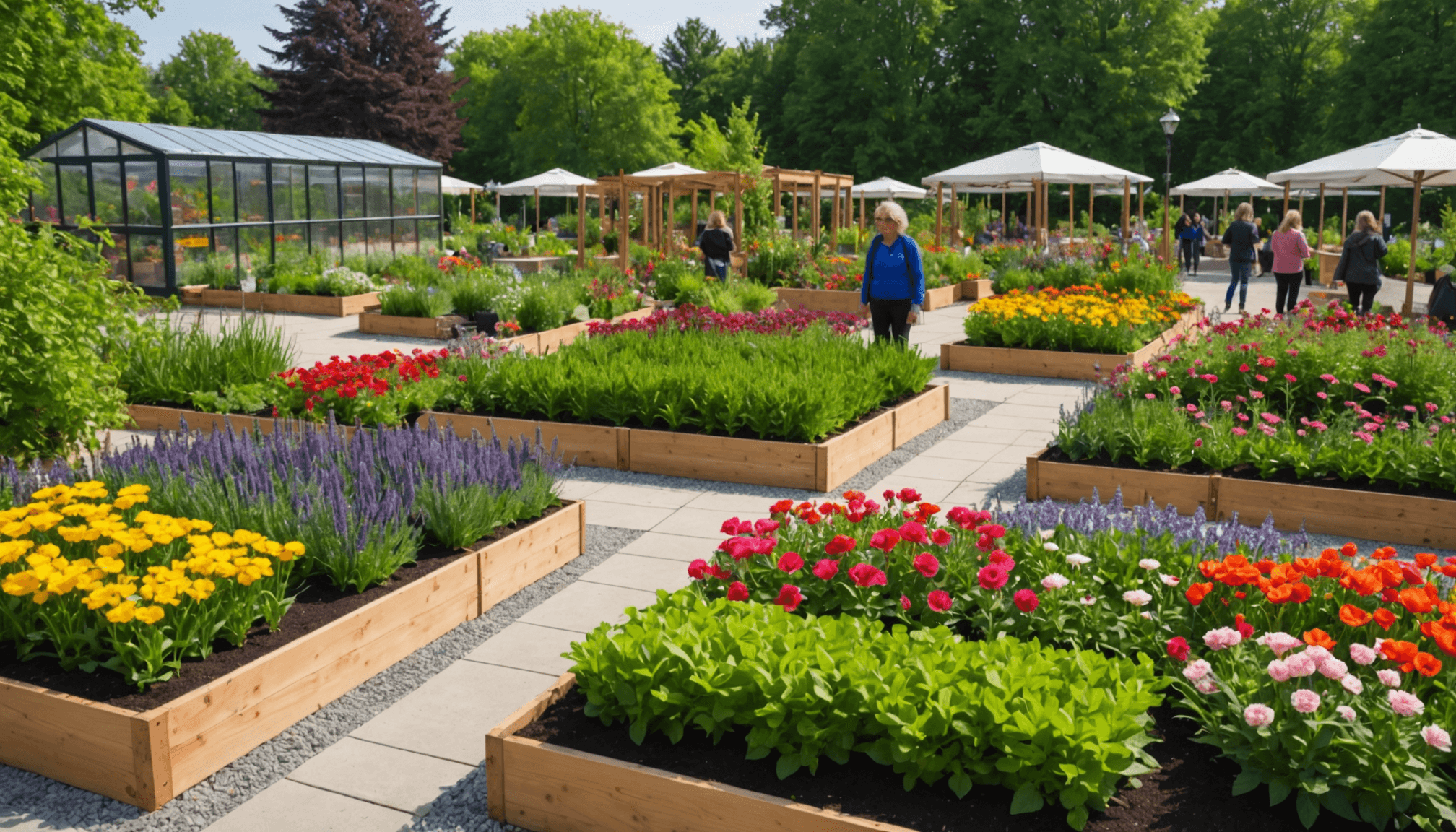
- Pathways: Ensure that pathways are wide, stable, and even, allowing easy navigation for anyone using a wheelchair, cane, or stroller. A good rule of thumb is to maintain a minimum width of 36 inches and avoid steep slopes.
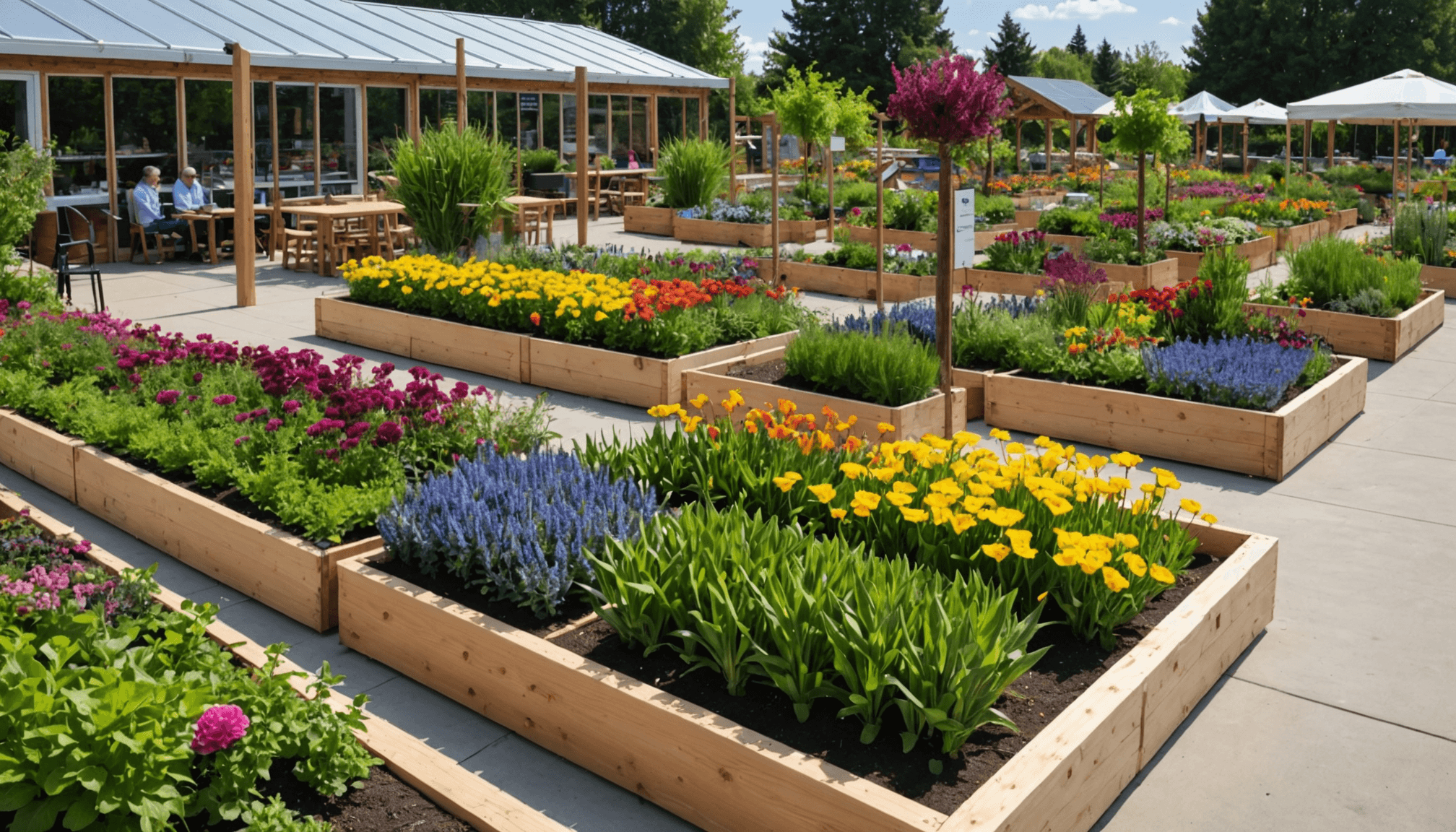
- Plant Height: Select a variety of plant heights to cater to different abilities. For instance, raised garden beds can benefit those who may struggle with bending down, while vertical gardens can maximize space and make gardening accessible at eye level.
- Signage: Use clear, easy-to-read signage with large fonts and high-contrast colors to help visitors navigate the nursery. Picture cues or symbols can also be helpful for those with language barriers or learning disabilities.
- Community Gardening Spaces: Create dedicated areas for community gardening where everyone can come together. These spaces foster a sense of belonging and collaboration, encouraging diverse groups to share their gardening experiences.
By keeping these principles in mind, you can transform your plant nursery into an accessible haven for all. Not only does it enhance the gardening experience for individuals with different needs, but it also enriches your community by promoting inclusion and social interaction in a shared love of plants.
As you continue your journey in fostering accessibility in horticulture, stay informed on best practices, innovations, and community feedback. Engaging with your audience will ensure that your nursery remains a thriving and welcoming space for everyone, reflecting the rich tapestry of your community.
Key design principles for an accessible nursery
When designing an accessible nursery, incorporating key principles of universal design is essential to create an inclusive environment that caters to a variety of needs. These principles focus on ensuring that all features of the nursery are usable to the greatest extent possible by everyone, without the need for adaptation or specialized design. To effectively implement these principles, consider the following aspects:
- Flexibility in Use: Design features that accommodate a wide range of individual preferences and abilities. For example, incorporating adjustable-height planting tables allows individuals in wheelchairs and those standing to participate comfortably.
- Simple and Intuitive Use: The nursery layout should be straightforward, allowing visitors to navigate easily without confusion. This can involve clear pathways, logical organization of plant displays, and grouping plants by type or care requirements.
- Safe and Secure Design: Ensure that all areas within the nursery are safe for all users. This includes selecting non-slip surfaces for paths, keeping plants and tools organized to prevent hazards, and ensuring that any seating areas are stable and accessible.
- Equitable Use: Create features that provide the same means of use for all individuals, including installing low counter spaces where individuals can easily reach information and assistance without barriers.
- Visual and Auditory Accessibility: Incorporate features such as audio descriptions for plants and displays, and ensure that visual elements are easily distinguishable for people with visual impairments. Items like tactile plant labels and QR codes linking to audio guides can enhance the overall experience.
To illustrate the impact of these principles in practice, the table below compares traditional nursery designs with those incorporating accessibility features:
| Feature | Traditional Nursery Layout | Accessible Nursery Design |
|---|---|---|
| Pathways | Narrow, uneven paths | Wide, smooth pathways (min. 36 inches) |
| Plant Display | Single height, crowded displays | Diverse heights, accessible arrangements |
| Signage | Small print, low-contrast | Large print, high-contrast, pictorial signs |
| Seating Areas | Fixed, high seating | Adjustable, varied seating options |
| Community Areas | Scattered, unmarked spaces | Designated community gardening spaces with accessible features |
Implementing these principles not only enhances accessibility, but also promotes social interaction, deepens community bonds, and encourages participation across diverse groups. This approach transforms the experience into one that is not only functional but also enjoyable and enriching for all visitors. As you refine the nursery layout, ensure that feedback from community members is actively sought and considered, fostering a collaborative effort to create a welcoming atmosphere for everyone.
Plant selection for diverse needs
When selecting plants for your nursery, it’s essential to consider the diverse needs of visitors. This involves not only choosing plants based on their aesthetic appeal but also ensuring they cater to various physical and sensory abilities. A multi-faceted approach can enhance the gardening experience for everyone involved.
Start by thinking about the variety of plant types that might be preferred by different individuals. Consider incorporating:
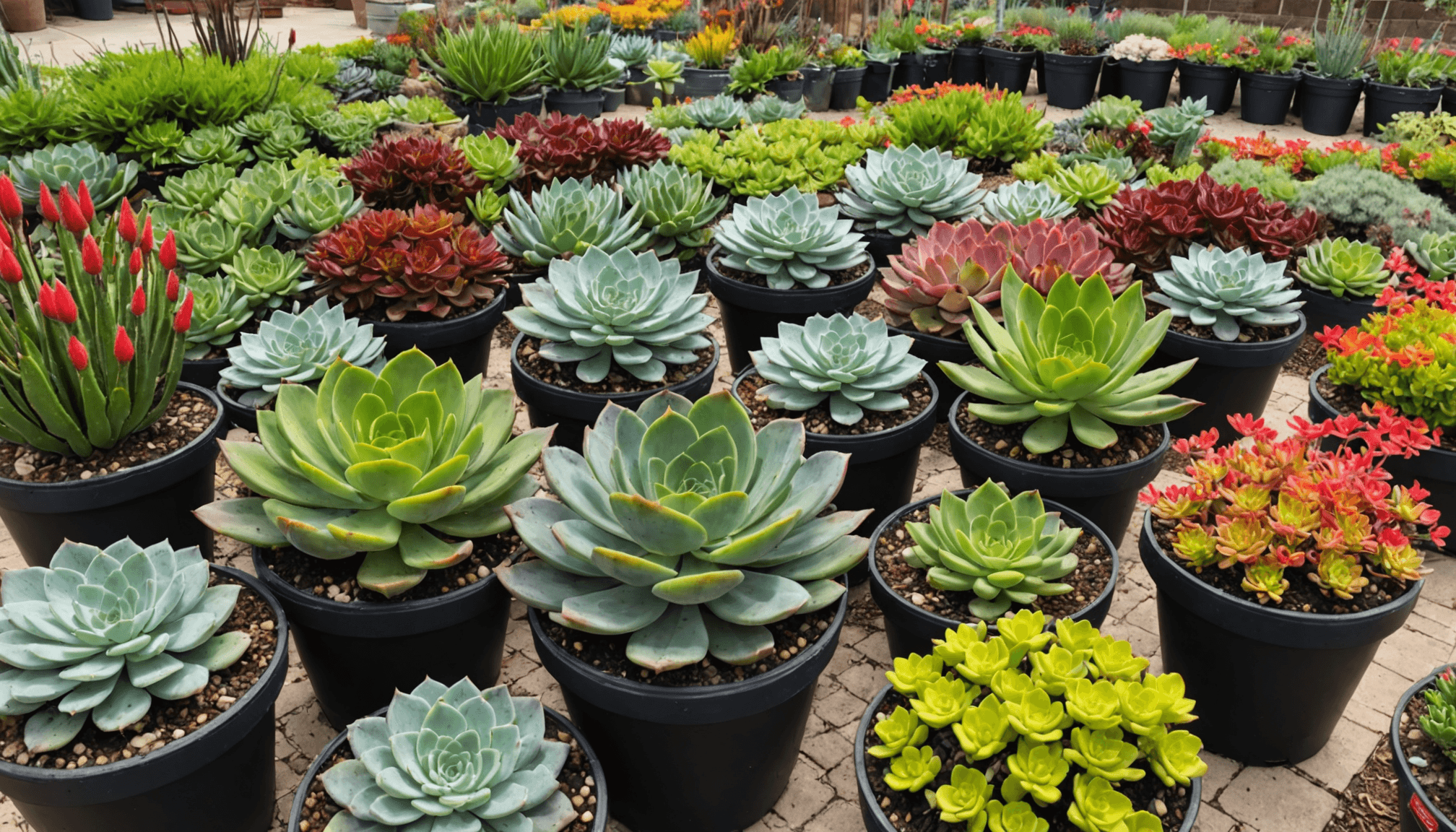
- Low-maintenance plants: Promote easy care with species like succulents, ornamental grasses, and native perennials that can thrive with minimal intervention. This is ideal for beginners or those with limited time or physical ability.
- Herb gardens: These offer not just aesthetic pleasure but also sensory experiences. Fragrant herbs like lavender, rosemary, and mint can provide delightful smells, while others like chives and basil contribute vibrant flavors to culinary creations.
- Textured plants: Select plants with varied textures to engage touch. Fuzzy-leaved plants like lamb’s ear or deeply ridged succulents can enhance the sensory experience, making interactions with plants more enriching.
- Adaptive garden kits: For visitors with limited movement, consider offering pre-assembled garden kits featuring easy-to-handle tools and raised planters. This provides an effortless way for individuals to engage with gardening activities without the stress of mobility challenges.
In addition to plant selection, implementing colorful displays can enhance visual accessibility. Color plays a crucial role in a nursery layout; consider the following:
- High-contrast colors: Use vibrant colors that stand out against one another. For example, pairing bright flowers with green foliage can help highlight key areas and make navigation easier.
- Color-coded sections: Create visually distinct zones within the nursery by using color-coded plant tags or signage. This can help individuals with cognitive disabilities navigate without confusion.
Furthermore, cultivate a sense of community by integrating community gardening initiatives. Invite local gardeners to showcase their favorite plants or gardening practices. This not only enhances the selection of plants available but also fosters a collaborative environment. Workshops on plant care, sensory gardening, and even cooking with herbs can create enriching experiences for all age groups.
As you refine your plant selection, gather input from your local community. Hosting regular meetings or surveys can ensure that the nursery grows in ways that meet everyone’s needs, promoting a truly inclusive gardening experience for all. By embracing diversity in plant selection and actively involving your audience, you’ll cultivate a nursery that welcomes everyone, reinforcing the spirit of accessibility.
Creating inclusive walking paths and spaces
Creating inclusive walking paths and spaces is vital for enhancing the accessibility of a plant nursery. When designing these areas, it is essential to focus on features that invite participation from individuals with varying abilities and mobility challenges. A thoughtfully planned nursery layout that emphasizes clear, wide pathways with appropriate surfaces can make a significant difference in the experience of all visitors.
One crucial aspect to consider is the surface material of walking paths. Opt for non-slip surfaces that can safely accommodate users in wheelchairs, those with mobility aids, and families with strollers. Gravel, rubber flooring, and compacted soil can be effective choices that provide stable footing while allowing easy navigation.
“The accessibility of a space can transform it from a challenge into an inviting community hub.”
Additionally, pathways should minimize sharp turns and include gentle curves wherever possible to create a more welcoming and enjoyable experience. Straight paths are often easier for visitors to navigate, but incorporating subtle twists can encourage exploration and discovery within the nursery. Furthermore, ensure that paths are free from obstructions such as plant displays or equipment, which may block accessibility for those with mobility limitations.
Alongside the design of walking paths, include shaded resting areas at regular intervals to provide comfort for all visitors. These designated spaces encourage users to take a break without feeling rushed and offer an opportunity for social interaction. Consider installing seating that accommodates the diverse range of physical needs, such as benches with armrests and back support, as well as adjustable seating options to ensure comfort for everyone.
Incorporating sensory elements into the design of walking paths adds another layer of inclusivity. Integrating aromatic plants or textured surfaces can create an engaging experience that appeals to individuals with sensory needs. Braille labels and tactile signage placed along the pathways can assist those who are visually impaired, enhancing wayfinding and creating a more inclusive environment.
Creating inclusive walking paths and spaces is more than just facilitating navigation; it’s about cultivating an atmosphere of community and belonging. As you implement these design strategies, involve your community in the planning process to ensure that the changes reflect their needs and preferences. Incorporating their input can deepen the sense of ownership of the space and promote active participation among all visitors, reinforcing the values of accessibility in horticulture.
Implementing assistive technologies
Incorporating assistive technologies into your nursery layout can transform the experience for visitors, making it more interactive and engaging for everyone. These technologies can facilitate better access to information, streamline navigation, and enhance the overall experience for individuals with varying abilities.
One important aspect is the integration of mobile apps and digital resources. By creating or utilizing existing apps that provide audio descriptions of plants, watering instructions, and gardening tips, you enable users with visual impairments to better understand the offerings in the nursery. Such digital aids can also enhance the experiences of individuals who are learning to navigate the space independently, allowing them to gather valuable information through their smartphones without needing additional assistance.
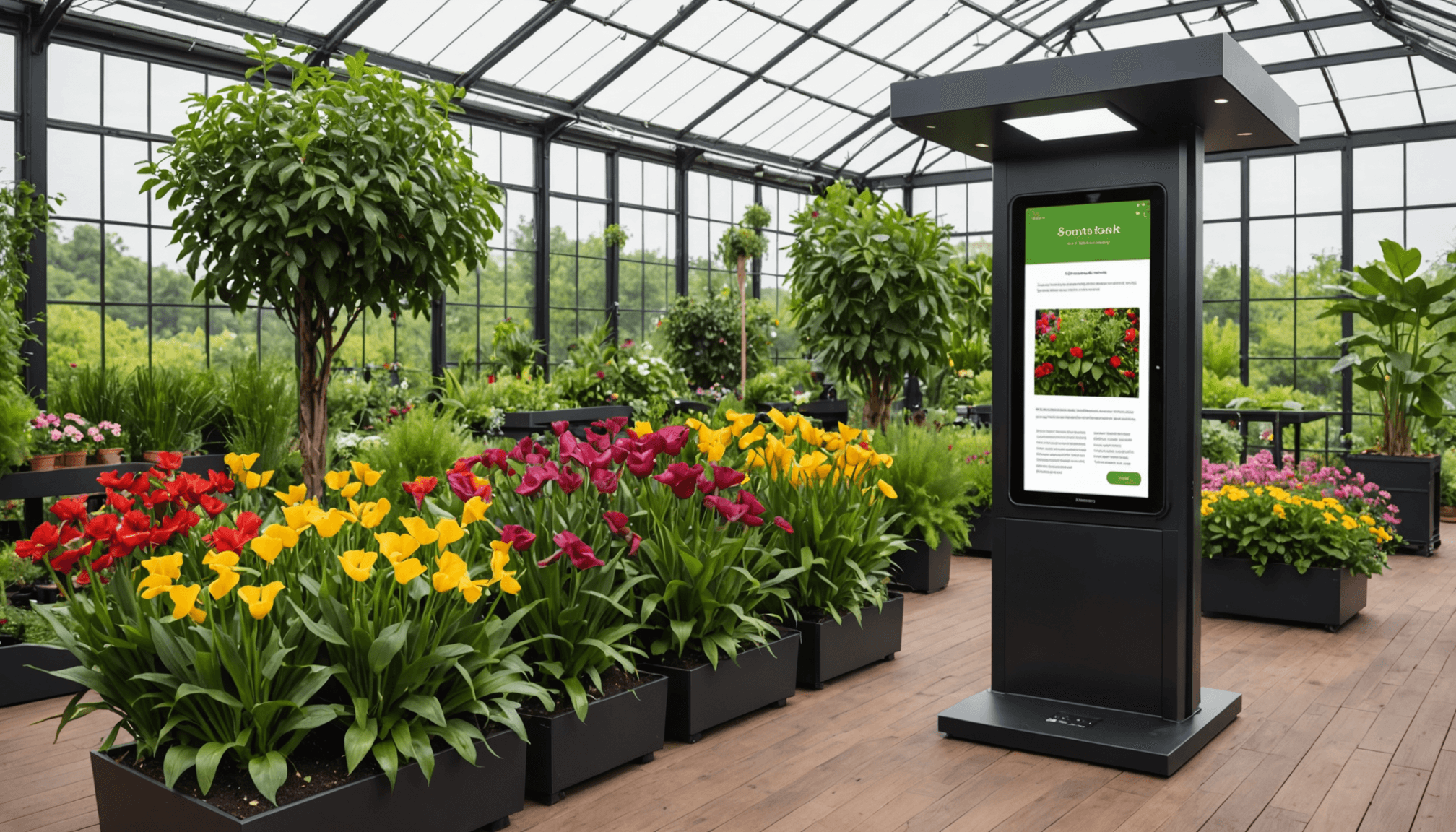
Furthermore, consider implementing interactive kiosks at strategic locations throughout the nursery. These kiosks can feature touchscreens with text-to-speech capabilities and Braille options, helping to connect visitors with plant care resources and nursery events. The user-friendly interface can provide essential information on plant selection, ongoing workshops, and community gardening initiatives. The goal is to empower every visitor with the tools they need to explore and enjoy the space.
Moreover, utilizing sensor-based technology can further enhance accessibility. For instance, automatic doors equipped with sensors allow individuals using mobility devices to enter and exit the nursery effortlessly. Additionally, incorporating voice-activated systems can ensure that visitors receive assistance without the need for physical interaction, catering to those who may require more personal space or have limited mobility.
Another innovative solution involves augmented reality (AR). By using AR applications, visitors can see additional information about plants through their smartphones or tablets, such as care instructions, companion planting tips, and even the historical significance of certain species. This technology not only enhances the educational aspect of the nursery but also allows for an interactive experience that can engage a wider audience.
As you consider these assistive technologies, involve your community in the selection and implementation process. Conducting surveys or focus groups can help identify which technologies would best serve the needs of your visitors. By embracing innovation and welcoming input from your community, your nursery will become a vibrant hub of inclusivity and accessibility, encouraging everyone to share their love of horticulture.
- What are assistive technologies in gardening?
- Assistive technologies in gardening refer to tools and innovations that help individuals with disabilities or mobility challenges participate more easily in gardening activities. These can include apps, automated systems, augmented reality features, and user-friendly interfaces that provide accessible information and resources.
- How can I implement assistive technologies in my nursery?
- To implement assistive technologies in your nursery, assess the needs of your community and explore tools such as mobile applications, interactive kiosks, and sensor-based solutions. Involve visitors in the planning and selection process to ensure the technologies meet their preferences and requirements.
- Are there any financial resources to help with assistive technology implementation?
- Yes, there are various grants and funding opportunities available for organizations looking to improve accessibility through assistive technologies. Look into local government support, nonprofit organizations focused on disability rights, and educational grants that prioritize community inclusivity.
- What types of apps can enhance accessibility in gardening?
- Apps that provide audio plant descriptions, location guides, and personalized gardening tips can enhance accessibility. Additionally, community forums or social media platforms where users share experiences and advice can foster a sense of belonging and connection.
- How do I ensure that assistive technologies are user-friendly?
- To ensure that assistive technologies are user-friendly, incorporate feedback from the community throughout the development process. Conduct training sessions or demonstrations to familiarize users with the technology, and consider simplifying interfaces to accommodate various levels of tech-savvy individuals.
- Can assistive technologies benefit all visitors, not just those with disabilities?
- Absolutely! Assistive technologies can enhance the experience for all visitors by providing valuable information, improving navigation, and engaging diverse learning styles. These tools create a more enriching environment that encourages participation and exploration among everyone.
- How can community gardening initiatives integrate assistive technologies?
- Community gardening initiatives can integrate assistive technologies by using apps to organize events, provide gardening tips, and track volunteer efforts. Additionally, incorporating interactive features, such as workshops on using accessible tools, can empower all members of the community to participate actively.
Training staff for an inclusive experience
Providing adequate training for staff is essential in creating an inclusive experience in your nursery. Staff members are often the first point of contact for visitors, and their awareness and sensitivity to accessibility can make or break the visitor experience. Investing in comprehensive training ensures that everyone feels welcome, understood, and valued.
Start by implementing a structured training program that focuses on the principles of accessibility. This can include workshops on how to assist individuals with different needs, from offering physical support to understanding what adaptive tools are available in the nursery. One key area of focus should be the importance of communication: staff should be trained to engage effectively with all visitors, providing clear instructions and being open to questions. Additionally, they should learn to recognize and accommodate the varied requirements of customers with disabilities, such as providing extra time or assistance without the visitor having to ask.
Encourage your team to gain a deeper appreciation for community gardening by promoting a culture of empathy and awareness. Consider organizing events where staff can engage with community members who have disabilities or different abilities, allowing them to hear personal stories and gain insights into the challenges these individuals face while gardening. This firsthand experience can be invaluable in shaping a more compassionate approach to customer service.
Moreover, make awareness of assistive technologies a focal point of training. Equip staff with knowledge about the available tools and resources that enhance accessibility within the nursery layout. They should be able to demonstrate or explain how to use mobile apps, interactive kiosks, or assistive devices that may be available on-site. Knowledgeable staff can empower visitors, making them feel supported and informed in navigating the nursery.
Regularly updating training sessions is also crucial. As new assistive technologies or best practices emerge, staff should be updated so they can continue providing a high level of service. If your nursery establishes partnerships with local organizations focused on disability awareness, collaborating on training opportunities can enhance this ongoing education process, ensuring your team remains current on accessibility initiatives.
Additionally, foster a feedback culture where staff can share their experiences and suggest improvements to the accessibility training program. The staff’s perspectives on the challenges they face can provide vital information to refine training and enhance overall accessibility in the nursery. By involving your team in this continuous improvement process, you cultivate a nurturing environment that prioritizes inclusion.
Consider recognizing the efforts of staff members who excel in creating inclusive experiences. This could be through awards or public acknowledgment, fostering motivation while showcasing the value of accessible practices in your nursery. Ultimately, trained staff who are passionate about promoting accessibility can transform the visitor experience from merely functional to truly enjoyable, breaking down barriers for all garden enthusiasts.