
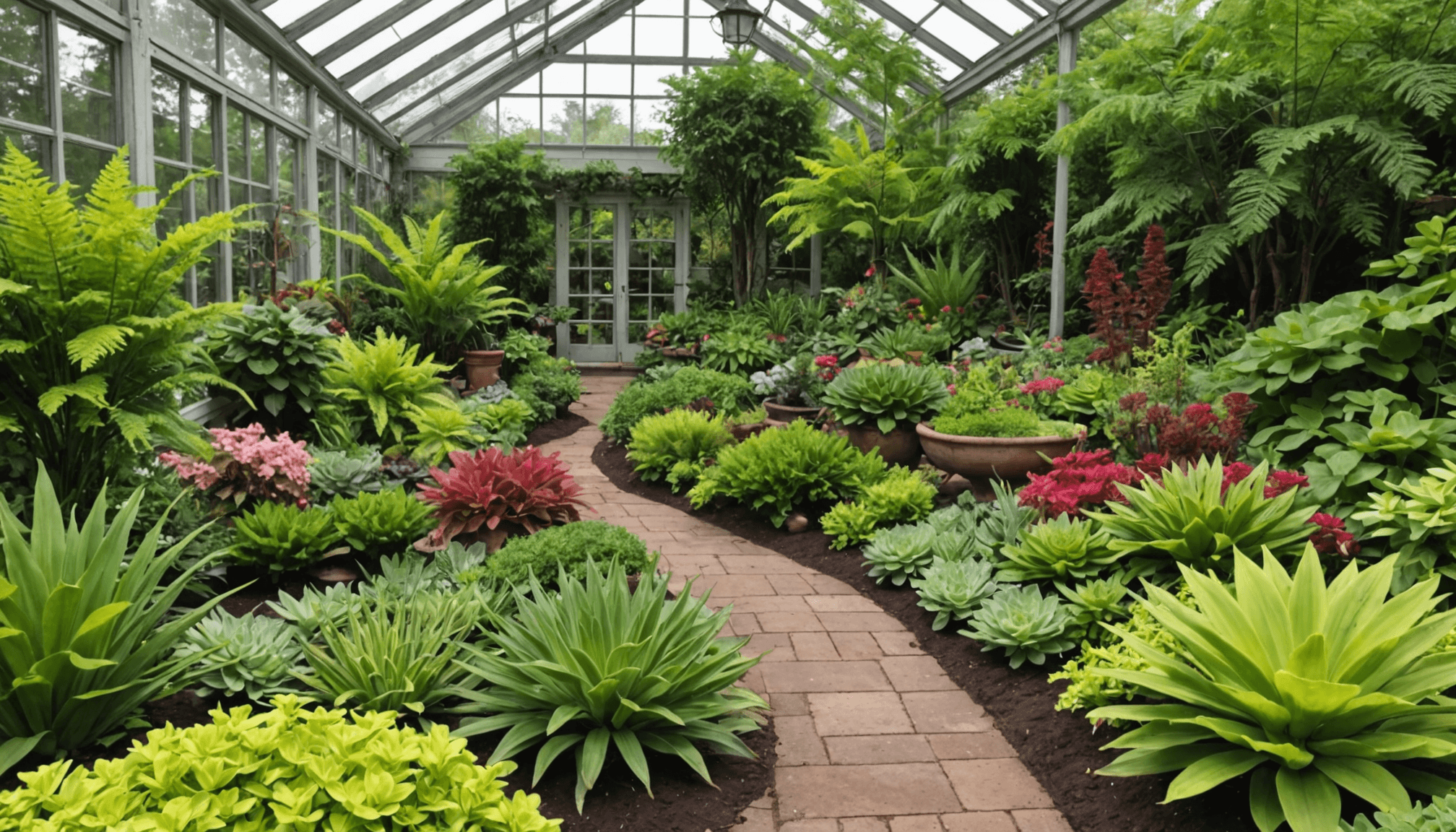
When diving into the world of plant selection, it’s crucial to understand the various factors that affect plant hardiness. Different plants have unique requirements and tolerances, which can significantly influence their survival in various climates. Not only do you need to consider hardiness zones, but also other elements that contribute to the overall health and vitality of your plants.
One of the primary factors is temperature. Each plant species thrives within a specific temperature range. Cold hardiness refers to a plant’s ability to survive adverse winter conditions, while heat tolerance determines how well a plant can withstand scorching summer months. Familiarizing yourself with the specific temperature ranges for different plants can help ensure you choose varieties that will flourish in your local climate.
Another important aspect is moisture availability. Some plants require well-drained soil, while others thrive in consistently moist conditions. It’s essential to assess your garden’s water retention capabilities and choose plants that match those conditions. For instance, if your nursery is situated in an area prone to heavy rainfall, consider selecting plants like ferns or certain types of hostas that can tolerate more moisture.
- Sunlight exposure also plays a critical role. Observe how much sunlight your chosen area receives throughout the day. Some plants, such as succulents, require full sunlight, whereas others, like ferns, flourish in shaded environments.
- Wind exposure can impact plant hardiness as well. High winds can cause physical damage to plants, especially fragile ones. If your nursery is open to strong winds, consider creating windbreaks with hedges or fences to protect your more delicate species.
Soil composition is another vital factor affecting hardiness. Different plants prefer different soil types—some thrive in sandy soils, while others require clay or loamy mixtures. Conducting a soil test can help you understand its pH and nutrient content, allowing for a more tailored plant selection process. For example, if your soil is acidic, you might lean towards selecting acid-loving plants like azaleas or blueberries, which will perform best in those conditions.
Finally, understanding local pests and diseases can also guide your selection process. Some plants are more susceptible to certain pests, while others have natural resistance. By choosing plants known for their resilience to local challenges, you can reduce maintenance efforts and improve your garden’s success rate.
When considering your plant selection, think holistically about the environmental conditions in your nursery. Each of these factors plays a role in ensuring your plants thrive, making it essential to do thorough research on their specific needs. Remember, successful gardening isn’t just about planting; it’s about understanding the interplay of nature and making informed choices that enhance your chances of cultivating a vibrant garden.
Understanding Hardiness Zones
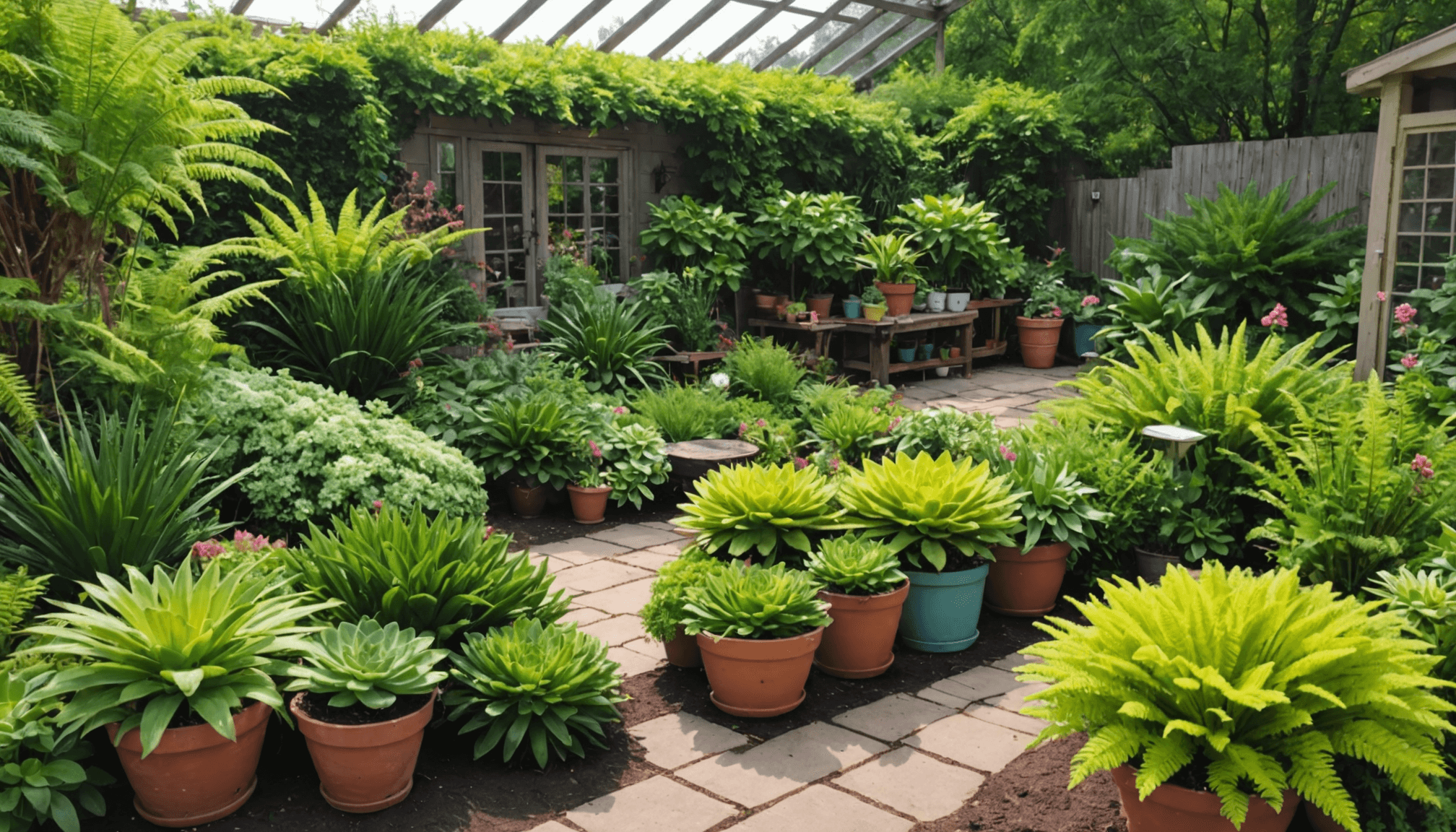 Understanding hardiness zones is fundamental for gardeners and nursery operators looking to select the right plants for their specific climates. Hardiness zones are designated areas classified based on the average minimum winter temperatures. The United States Department of Agriculture (USDA) created a hardiness zone map that divides the country into 13 zones, ranging from Zone 1 (coldest) to Zone 13 (warmest). Each zone represents a specific temperature range, helping gardeners decide which plants are most likely to thrive in their location.
For effective plant selection, it’s essential to consider not only the hardiness zone but also other intrinsic factors such as the microclimates created by the surrounding environment. Microclimates can be influenced by factors like elevation, proximity to bodies of water, and even urban heat effects in developed areas. For instance, a location on a south-facing slope might experience warmer temperatures than a north-facing slope, even if they fall within the same hardiness zone. Harnessing this knowledge allows for a more precise selection, particularly when introducing species that might thrive in slightly warmer or cooler settings within the same USDA classification.
To aid in understanding how various plants correlate with hardiness zones, the following table provides a comparison of selected plants categorized by their respective zones along with key characteristics:
| Plant Name | Hardiness Zone | Sun Requirements | Soil Preference | Water Needs |
|---|---|---|---|---|
| Black-eyed Susan | 3-9 | Full Sun | Average to Poor | Low to Moderate |
| Japanese Maple | 5-8 | Partial Shade to Full Sun | Loamy, well-drained | Moderate |
| Astilbe | 3-9 | Partial Shade | Moist, rich soil | High |
| Lavender | 5-9 | Full Sun | Sandy, well-drained | Low |
| Pansy | 6-10 | Partial Sun | Moist, fertile | Moderate |
When selecting plants, it is vital to align them with the hardiness zones while considering their specific sunlight, soil, and water needs. For example, if your nursery falls within zone 7, likely candidates would include varieties like Black-eyed Susan and Japanese Maple; however, attentiveness to seasonal temperature fluctuations and unusual weather patterns can also play a part in ensuring that these plants reach their fullest potential.
Incorporating native plants into your nursery based on their hardiness zone can further enhance the resilience and lower maintenance needs, as these species are typically better adapted to local conditions and pests. Adopting a regional gardening approach, where you customize your plant selection based on the specific characteristics of your hardiness zone along with local climate nuances, will not only support plant health but also contribute to the sustainability of the local ecosystem.
Choosing Plants for Your Climate
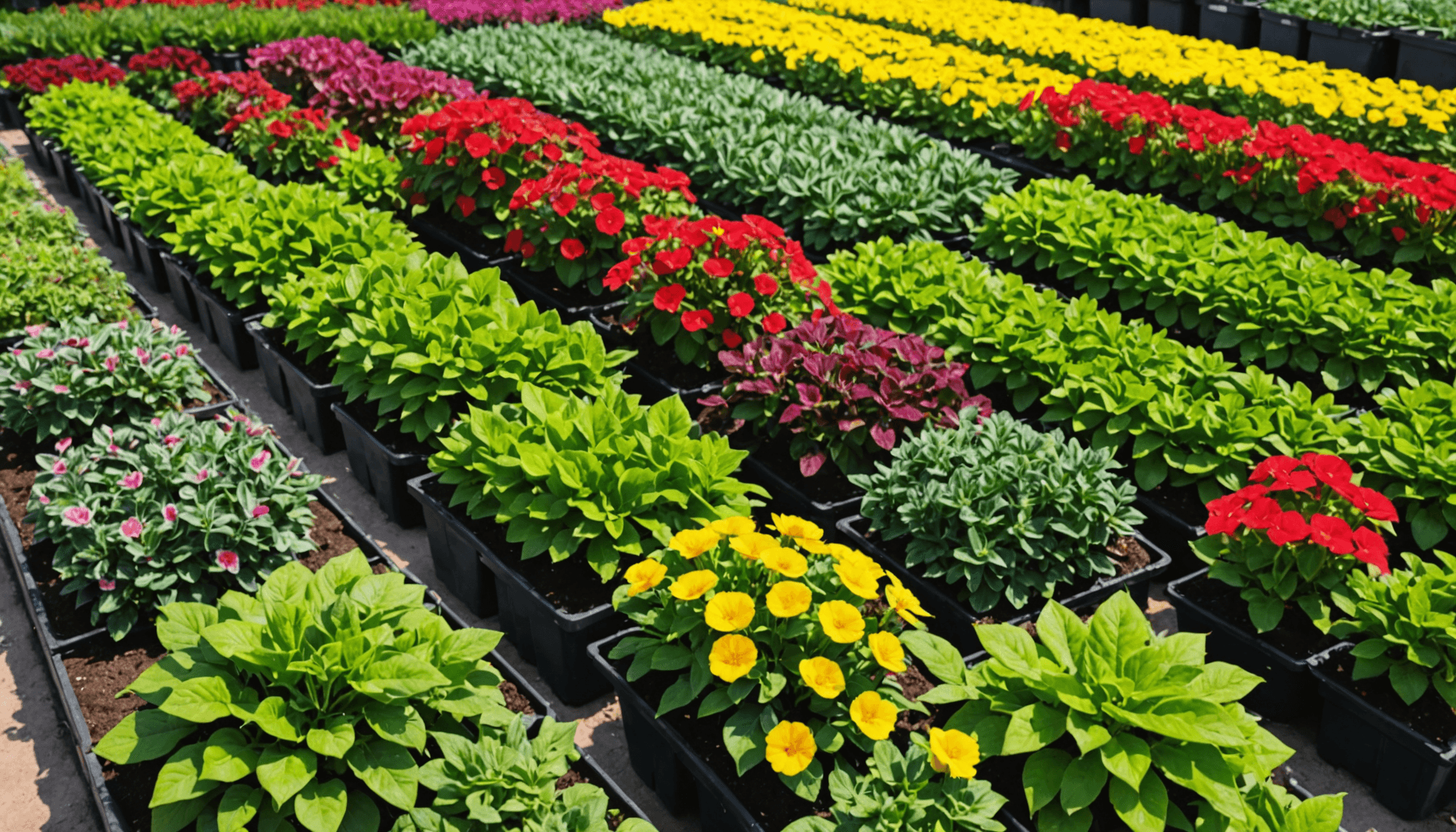
When choosing plants for your particular climate, it’s essential to remember that not all plants are created equal. Even within the same hardiness zone, plants can exhibit vastly different preferences and tolerances, making it imperative to do a little homework. Understanding the intricacies of your environment can greatly elevate your plant selection process.
Start by assessing the temperature range for your zone and gather specifics on how different plants adapt to temperature shifts. While a hardiness zone might suggest that a particular plant could thrive, it’s not the only factor. For instance, plants that are hardy to zone 6 may still struggle with sudden temperature drops if they’re not acclimated. Therefore, look for microclimate opportunities in your garden—areas that may experience slightly different conditions than the overarching zone classification. A south-facing wall or a sheltered spot can provide warmth in cooler months, allowing for the introduction of plants that might otherwise be unsuitable.
Another essential step is to analyze soil condition. Ensure you know your soil type—be it sandy, clay, or loamy—and its pH level. For many plants, such as blueberries that thrive best in acidic soils, you may need to amend your soil for optimal health. If you’re facing poor drainage or compact soil, it’s crucial to incorporate organic matter like compost to improve soil structure and nutrient availability. One handy tip is to conduct a soil test for a clearer understanding of what you’re working with; numerous online services can guide you through this process.
Watering needs are equally crucial to consider in your plant selection. Some plants like succulents can thrive in arid conditions, while others, such as certain ferns, prefer consistently moist environments. Grouping plants with similar watering preferences together can save you time and ensure optimal growth conditions. Irrigation systems or rainwater collection can be sustainable solutions to ensure consistent moisture levels in your nursery.
- Sunlight: Assess the sunlight exposure in your chosen planting areas. You might have sunny spots, partial shade, and shaded areas in your garden. Matching plants to their light requirements is key. For example, ornamental grasses love full sun, while shade-loving plants, like hostas, can be a hit in darker corners.
- Wind Protection: If your nursery is exposed to robust winds, consider planting windbreaks to protect more delicate plants. Strategically placed evergreens or hedges can act as natural barriers, improving the growing conditions for more vulnerable species.
- Seasonal Variability: Be mindful of seasonal changes. For instance, if you live in an area with unpredictable weather patterns, you might want to consider plants that can handle some fluctuation in temperatures. Compiling data from previous years can help predict these changes and guide your selection.
Lastly, consider the benefits of incorporating native plants into your nursery. Native species are generally more resilient to local pests and diseases, requiring less care and offering better support for local wildlife. Choosing these plants can enhance biodiversity and establish a natural balance, making your garden both productive and ecologically friendly.
When embarking on your plant selection journey, focus on the harmony between plant needs and environmental conditions. Through thoughtful consideration, you will not only cultivate a thriving garden but also create a sustainable homesteading practice that enhances your outdoor living space.
Evaluating Soil and Microclimates
Evaluating the distinct characteristics of your soil and recognizing the various microclimates within your nursery can significantly refine your approach to plant selection. Soil types vary drastically, affecting drainage, moisture retention, and nutrient availability, all of which are crucial for plant health. Conducting a thorough soil test will provide you with essential information, such as pH levels and nutrient content, enabling you to select plants that not only survive but thrive in your specific conditions. For example, if your soil is sandy and drains quickly, you might favor drought-tolerant plants like lavender, which prefer drier environments, while clay-heavy soils might be more suitable for moisture-loving varieties like astilbe.
Microclimates, on the other hand, are localized environments that differ from the general climate of your hardiness zone. These can be impacted by factors such as topography, body of water proximity, and even human-made features like buildings or fences. For instance, areas close to a large body of water may experience moderated temperatures, while spots sheltered from strong winds often provide a warmer microclimate conducive to growing more sensitive species. Observing these variations will allow you to take full advantage of the unique growing conditions available in your area.
It’s also vital to consider how light exposure changes throughout the day in various parts of your nursery. Ensure that your plant selection aligns with the sunlight needs of each species, as some thrive under direct sunlight while others prosper in partial shade. Utilizing shaded spots optimally can enhance the health of shade-loving plants such as hostas and ferns, creating a more diverse and vibrant nursery environment.
- Water Movement and Retention: Look at how water flows through your garden. Areas that tend to pool water may become ideal spots for wetland plants, while slopes that drain quickly should host drought-resistant varieties. Grouping plants with similar moisture requirements can promote healthier growth and ease maintenance.
- Seasonal Changes: Be aware of seasonal factors that influence your garden’s microclimates. Temperature fluctuations may vary significantly between day and night, as well as among different seasons. Keep a record of temperature extremes and rainfall to guide your selection of plants that have proven resilient in these specific conditions.
- Natural Elements: Address potential hazards, such as pests or diseases native to your region. Certain plants are naturally resistant to local threats, enhancing your nursery’s overall resilience. Also, consider incorporating native species, which are better adapted to the local climate and generally require less maintenance.
“Understanding the nuances between soil types and microclimates allows for smarter plant selection, leading to a healthier garden.” – Gardening Expert
Nurturing a thriving nursery hinges not only on understanding hardiness zones but also on evaluating your soil’s characteristics and the microclimates at play. Each aspect can dramatically influence the plant’s success, emphasizing the importance of a well-rounded approach in plant selection. By integrating these environmental considerations, you can enhance the diversity and health of your nursery, fostering a vibrant ecosystem suited to your locale.
Implementing a Plant Selection Strategy
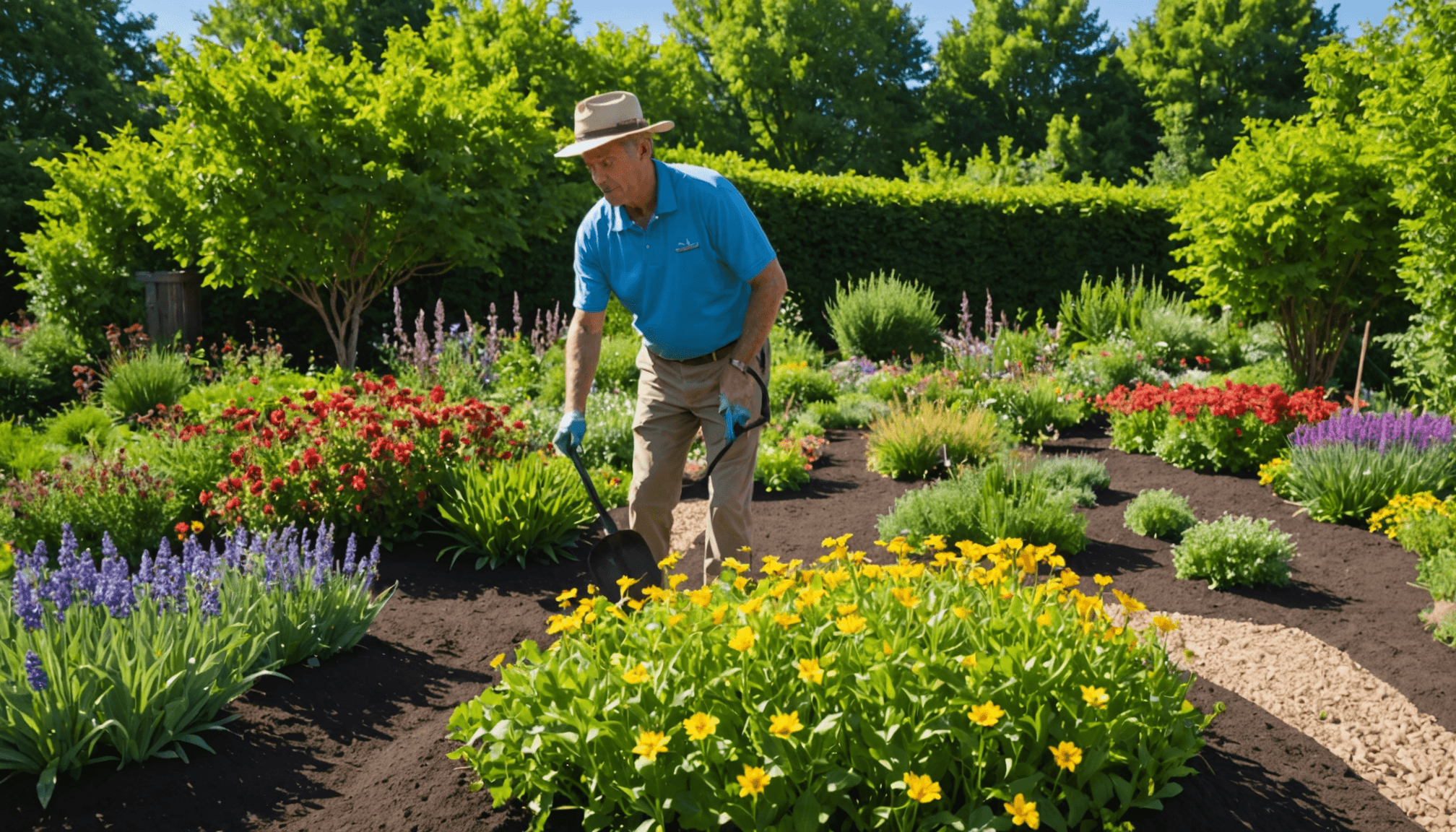
Creating a successful plant selection strategy requires comprehensive planning and a deep understanding of the various conditions impacting your nursery. Begin by compiling a list of the plants that have proven successful in your area, taking note of their specific growing requirements in terms of sunlight, moisture, and soil conditions. This step provides a solid foundation for the diversity you will introduce into your nursery. Consider utilizing resources such as local extension services or gardening clubs—these entities are invaluable in sharing knowledge about what thrives in your particular hardiness zone.
Next, think critically about the timing of your plant selection. Early spring tends to be the best time to establish new plants since it allows them to take full advantage of the growing season ahead. Transplanting during this window gives your selections adequate time to acclimate before facing the more extreme conditions summer or winter may impose. Staggering your planting can also help you monitor which plants adapt best in real-time, offering further insights into how to refine your choices in subsequent seasons.
As you develop your strategy, prioritize biodiversity. Incorporating a range of species can enhance resilience against pests and diseases while providing habitat for beneficial insects. This approach not only ensures a healthier nursery environment but also promotes a sustainable ecosystem overall. Take into account the seasonal shifts and evolving weather patterns; these factors certainly impact the success of various plants in your region. By keeping detailed records while you experiment with different combinations, you will gradually refine your strategy into a well-oiled plant selection process.
Moreover, don’t shy away from documenting your experiences—what works well and what doesn’t. Over time, this will build a personalized library of knowledge about which plants flourish during specific conditions. It can also serve as a guide for future endeavors in regional gardening, allowing you to tailor your approach based on cumulative insights rather than guesswork. Ultimately, creating a well-thought-out plant selection strategy will pave the way for a more resilient, thriving nursery.
- What are hardiness zones?
- Hardiness zones are geographical areas defined by the average lowest temperatures they experience in winter, which helps gardeners select plants that will survive in their local climate. The USDA has mapped these zones from 1 to 13, guiding plant selection based on temperature tolerances.
- How can I determine my hardiness zone?
- You can determine your hardiness zone by checking the USDA Plant Hardiness Zone Map, which is available online. Simply input your zip code to find your zone, or consult local gardening centers for personalized advice.
- Why are native plants preferred for nurseries?
- Native plants are often better suited to local climates, requiring less water and maintenance. They also have natural resistance to local pests and diseases, making them a resilient choice for sustainable gardening.
- What is the importance of understanding microclimates?
- Microclimates are localized climate variations that can significantly affect plant growth. Understanding microclimates allows you to position plants more effectively, optimizing light exposure and moisture levels based on the unique conditions of each area in your nursery.
- How can I assess soil quality for my plants?
- To assess soil quality, conduct a soil test that checks for pH level, nutrient content, and drainage capacity. This information will guide you in selecting plants that thrive in your specific soil conditions.
- What factors should I consider for plant placement in my nursery?
- Consider factors like sunlight exposure, moisture levels, wind protection, and the potential for seasonal temperature fluctuations when placing your plants. Grouping similar plant types together can promote better growth and reduce maintenance efforts.
- How can I create a successful plant selection strategy?
- Create a strategy by researching plant requirements, observing local conditions, and experimenting with different species over time. Document your successes and failures to refine your approach and adapt to changing environmental factors.
Maintaining Hardy Plants in Your Nursery
Maintaining hardy plants in your nursery goes beyond merely planting and watering; it involves ongoing care that nurtures their growth and resilience. First, it’s essential to establish a consistent watering schedule that accounts for the specific needs of each plant. For instance, as a general rule, most plants prefer deep watering less frequently rather than shallow watering more often. This encourages deeper root growth, which is vital for survival during dry spells. Consider using a moisture meter or your fingers to check the soil’s moisture level before watering to prevent over- or under-watering.
Mulching is another critical practice to promote moisture retention and suppress weed growth. Applying a layer of organic mulch—like wood chips or straw—around your plants can help regulate soil temperature, keep moisture trapped during hot days, and gradually improve soil quality as it decomposes. For example, using shredded leaves in the fall can turn into great mulch come springtime, enhancing the overall nutrient content of your soil.
Regular monitoring for pests and diseases is also crucial to maintain healthy plants. Conduct weekly checks to catch any early signs of trouble. If you notice aphids on your leafy greens or powdery mildew on your flowers, prompt action can mitigate extensive damage. Utilize natural deterrents such as neem oil or a simple soap spray—both are effective at controlling many common pests without harming beneficial insects. Moreover, fostering an environment that attracts predatory insects such as ladybugs can keep pest populations in check.
Be mindful of pruning as well. Regularly trimming dead or diseased branches can improve air circulation and light penetration, promoting healthier growth. Focus on removing any crossed branches, which can rub together and create wounds, making plants more susceptible to pathogens. Many fruit producers regularly prune their trees to improve airflow and stimulate the growth of new, fruitful branches. Following their lead can yield significant benefits in your nursery.
- Fertilization: A balanced fertilization schedule tailored to the specific needs of your plants will provide essential nutrients for robust growth. Opt for slow-release fertilizers to minimize leaching and maximize nutrient availability.
- Seasonal Adjustments: Adapt your care routine to the seasons; hardy plants may require different levels of care during the growing season than they do in the winter months. For instance, during winter, protect sensitive plants with burlap wraps or frost cloths, and reduce watering as they enter dormancy.
- Record Keeping: Maintain a garden journal to track what you plant and when, along with notes on how each plant responds to care. This can provide invaluable insights for future plant selection and maintenance strategies.
Incorporating these practices into your routine will ensure your nursery thrives and is filled with healthy, hardy plants. As you engage in regional gardening, remember that each plant has unique requirements and will benefit from your attentive care. This ongoing relationship will foster a vibrant ecosystem perfect for creating your homesteading paradise.