
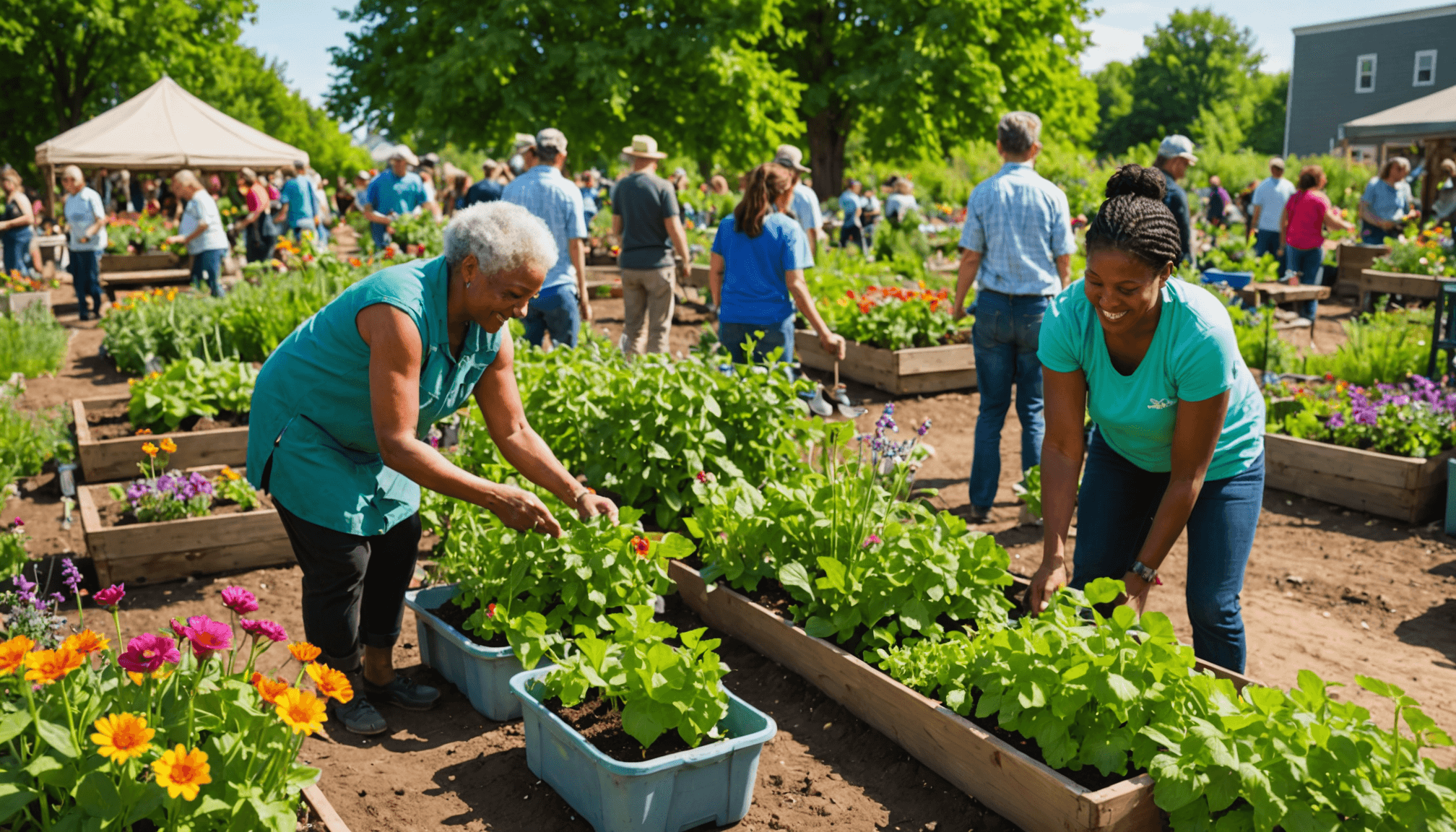
Urban homesteading is a rewarding journey that requires not only determination but also access to the right resources and community support. For urban dwellers looking to cultivate their own food, develop skills, and build a sustainable lifestyle, connecting with local initiatives can make all the difference.
Start by exploring the power of your neighborhood by utilizing community gardening initiatives. Many cities have groups that facilitate shared garden spaces, where you can grow vegetables, herbs, and fruits alongside neighbors. Joining a community garden not only allows you to contribute to a sustainable environment but also fosters a sense of belonging. Websites like Community Garden provide a comprehensive directory where you can locate gardens near you.
Consider participating in educational workshops and classes offered by local farms or gardening clubs. These hands-on experiences often cover topics ranging from organic gardening practices to permaculture design. For instance, organizations such as the Harvard Extension School’s Community Garden Workshops offer sessions that are perfect for beginners eager to get their hands dirty while learning sustainable practices.
In the digital age, online resources have become invaluable. Websites like Urban Homestead or Hobby Farms provide tutorials, recipes, and forums where you can ask questions and share experiences with fellow urban homesteaders. Social media platforms also host groups and pages where you can connect with like-minded individuals who are passionate about urban farming and homesteading.
To deepen your understanding of sustainability, look for local farming and sustainability organizations that offer workshops, volunteer opportunities, and resources. Groups like the Local Harvest network not only connect you with farmers’ markets and community-supported agriculture (CSA) but also educate you about the importance of local ecosystems.
Equipping yourself with the right tools and supplies is essential for any successful homesteader. Start with the basics—a good set of gardening tools will make tasks easier. Look for items such as trowels, pruners, and watering cans at local garden centers or online retailers like Gardener’s Supply Company. Be sure to invest in organic soil amendments and seeds that are suitable for your climate and space. Companies like Seed Needs offer a variety of heirloom seeds perfect for urban gardens.
As you embark on your urban homesteading journey, remember that building a supportive and knowledgeable community is key. Whether it’s through online forums, local workshops, or community gardens, finding resources and connections will enhance your experience and encourage you to thrive in your urban paradise.
Urban Homesteading Basics
Urban homesteading is grounded in a few fundamental principles that can help guide beginners and seasoned gardeners alike. One of the core aspects is the utilization of limited space effectively to maximize yield. Many urban homesteaders adopt vertical gardening techniques, which involve growing plants upwards rather than outwards. Using trellises or wall-mounted planters not only conserves space but also creates an visually appealing environment that can enhance the aesthetics of any urban dwelling.
Understanding the microclimates within your urban setting is vital for successfully growing food. Each area may receive varying amounts of sunlight, water drainage, and wind exposure. Taking the time to observe these factors can help you choose the right plants and their ideal locations. For instance, south-facing walls typically receive the most sunlight, making them an excellent choice for crops that require full sun, such as tomatoes and peppers.
Soil health is another pillar of urban homesteading. Building healthy soil is essential for growing robust plants. Many urban homesteaders engage in composting as a way to enrich their garden beds. Composting not only reduces waste but also allows you to produce nutrient-rich soil amendments. Below is a simple comparison of different composting methods suitable for urban environments:
| Composting Method | Description | Ideal for |
|---|---|---|
| Traditional Pile | A heap of compostable materials that requires space and time to decompose. | Those with ample yard space. |
| Bin Composting | Using a compost bin to contain materials; easier to manage and quicker to turn. | Small backyard or urban settings. |
| Vermicomposting | Using worms to break down organic matter, producing nutrient-rich worm castings. | Apartments or small spaces. |
| bokashi | A fermentation process that can compost meat and dairy, minimizing odors. | Anyone looking for a quick and odorless solution. |
In addition to soil and space management, understanding which plants thrive in your environment can greatly impact your success. Urban homesteaders often opt for companion planting, a method that pairs plants that mutually benefit each other. For example, growing basil alongside tomatoes can improve growth and flavor while also deterring pests. Herbs, leafy greens, and root vegetables generally flourish in urban settings, as they have shorter growing seasons and can adapt to smaller spaces.
Water management is equally critical for urban gardens. In a city environment, access to water may be limited, and rainfall can be unpredictable. Using rain barrels to collect and store rainwater is an eco-friendly solution that promotes water conservation while providing plants with natural hydration. Drip irrigation systems can also be installed to ensure efficient water use, delivering moisture directly to the plant roots where it is needed most.
Lastly, community engagement can greatly enhance your urban homesteading experience. Joining local gardening clubs or online forums fosters exchange of knowledge, resources, and even plants. Establishing relationships with local nurseries can also provide insight into which varieties perform best in your region. By incorporating social elements into your homesteading journey, you not only gain valuable support but also contribute to the overall resilience of urban food systems.
Community Gardening Initiatives
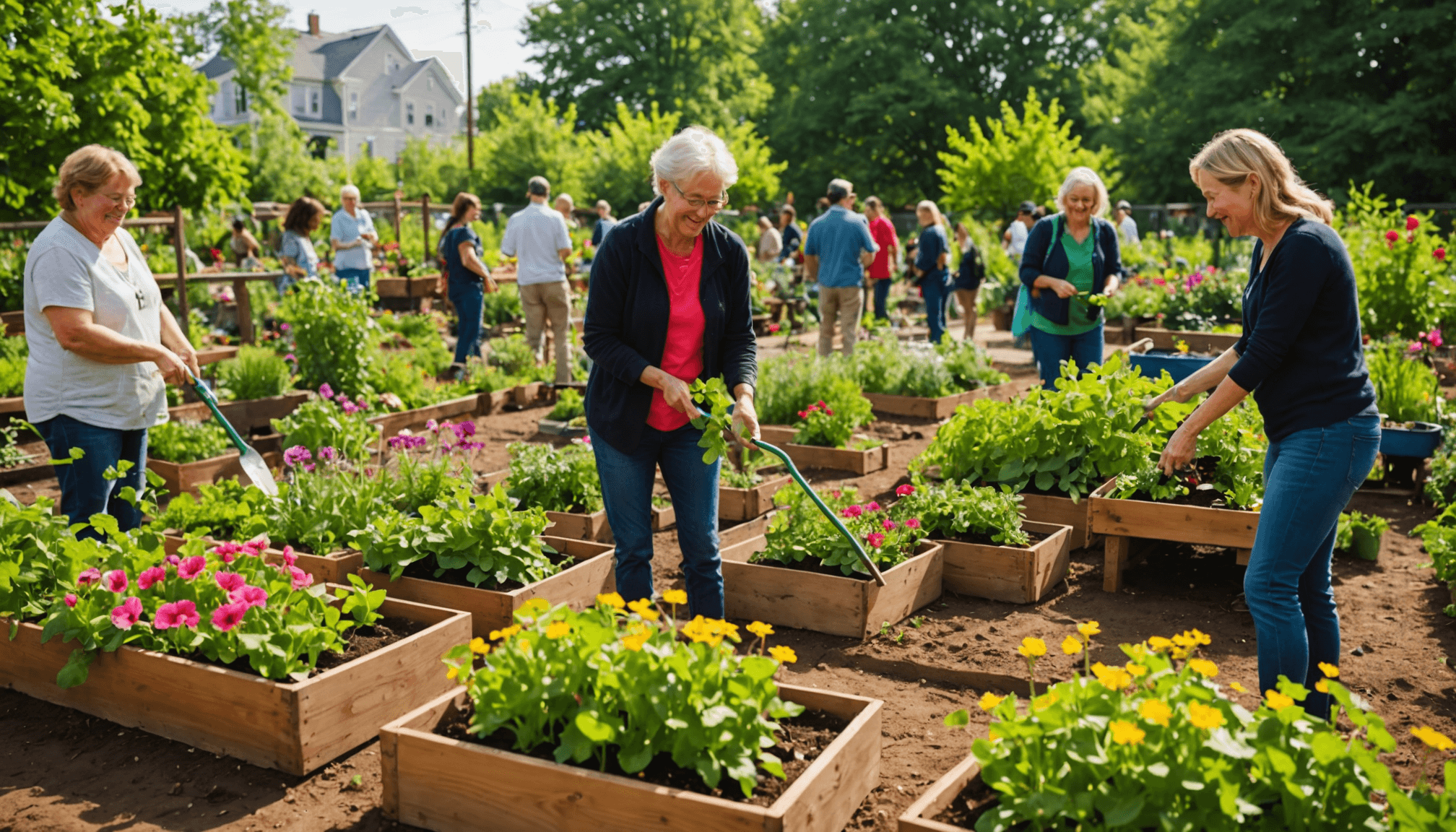
Community gardening initiatives offer urban dwellers a unique opportunity to cultivate fresh produce while building relationships within their neighborhoods. These shared gardens are more than just patches of green; they serve as vibrant hubs for connection, collaboration, and collective learning. Getting involved in a community garden often begins with finding a local initiative that aligns with your values and goals.
Once you’ve identified a community garden in your area, consider attending a volunteer day or an introductory meeting. Many gardens operate on a membership or cooperative basis, where everyone plays an active role in maintaining the garden. This collaborative spirit not only helps lighten the workload but also enhances the sense of community.
Moreover, participating in a community garden can unlock a wealth of knowledge. Seasoned gardeners and novices alike share gardening tips, pest control strategies, and seasonal planting advice. Engage with fellow gardeners to exchange seeds, seedlings, and produce; this practice not only helps expand your own garden but also strengthens community ties. Here are some practical tips to maximize your community gardening experience:
- Attend Garden Meetings: Regular meetings can keep you informed about garden rules, upcoming events, and seasonal planting schedules.
- Volunteer for Shared Tasks: Help out with communal projects like building beds, composting, or organizing events to foster camaraderie among members.
- Share Your Experiences: Whether you’re a gardening expert or a beginner, sharing successes and challenges can motivate others and create a supportive environment.
- Create a Gardening Calendar: Coordinate planting and harvesting schedules to ensure that everyone is on the same page, which can also help prevent overcrowding of plants.
- Plan Fun Events: Organize potlucks or workshops within the garden to celebrate the harvest and share skills.
Be mindful of the rules and regulations governing your community garden. Each garden may have its own guidelines regarding what can be planted, maintenance expectations, and usage of shared resources. Respecting these can help maintain harmony and a thriving environment for everyone involved.
In addition to growing food, community gardens often serve broader purposes such as promoting sustainability and increasing biodiversity. Engage with initiatives that focus on organic practices to help maintain healthy ecosystems in urban settings. These practices often include crop rotation, companion planting, and integrated pest management, which all contribute to a richer soil and healthier harvest.
Utilizing local agricultural extension services or research institutions can further enhance your experience. Many of these organizations can provide educational resources, soil testing services, and access to expert advice tailored to your specific region. Leveraging these resources can help you make informed decisions regarding what crops to plant and how to address potential challenges.
Stepping outside of the garden can lead to incredible opportunities for growth. Host open days or workshops that welcome the broader community to learn about gardening and sustainability. These events can inspire others to join your gardening efforts, expand the garden’s resources, and strengthen community connections, making urban homesteading a truly enriching experience.
Educational Workshops and Classes
Educational workshops and classes are a crucial component for anyone interested in urban homesteading, providing opportunities for hands-on learning and skill development. Local farms, gardening clubs, and cooperative extensions often organize a variety of workshops designed to cater to different skill levels and specific interests, from beginner gardening techniques to advanced permaculture practices. Participating in these sessions not only enhances your gardening knowledge but also connects you with other community members who share your passion for sustainable living.
In many urban areas, organizations such as cooperative extension services provide a wealth of resources, including free or low-cost workshops that focus on organic gardening, soil health, composting, and seasonal planting. These classes are typically taught by knowledgeable instructors who can tailor their lessons to local conditions, ensuring that participants leave with practical skills applicable to their own gardens. For instance, a workshop on urban permaculture might include strategies for designing self-sustaining systems that utilize available resources effectively, highlighting everything from rainwater harvesting to creating habitat for beneficial insects.
Many workshops also emphasize the importance of community involvement in urban homesteading. For example, classes might encourage participants to collaborate on projects such as seed-saving initiatives or community composting programs, which foster a sense of shared responsibility for the local environment. Additionally, ongoing classes hosted by local organizations or universities can create spaces for discussion and knowledge exchange, enabling participants to share their experiences, ask questions, and problem-solve together.
“Education is the key to unlocking the world, a passport to freedom.” – Oprah Winfrey
Online education platforms have also expanded access to valuable resources for urban homesteaders, offering classes on various topics like organic gardening techniques, canning and preserving, and sustainable cooking practices. Websites such as Udemy, Coursera, or even dedicated homesteading sites provide flexible, on-demand learning options that fit your busy schedule. Online classes often bring together diverse participants from different regions, creating a rich exchange of ideas and practices that can inspire your own urban homesteading journey.
For hands-on learners, community farms often open their doors for immersive workshops where participants can work in the fields, tending to plants, and practice their skills in real-life settings. These experiences can include everything from planting and harvesting crops to processing food and making products like jam or herbal remedies. Engaging in these workshops not only builds confidence but also reinforces the knowledge gained in the classroom, establishing a direct connection between theory and practice.
Networking is another valuable aspect of participating in educational workshops and classes. Meeting fellow urban homesteaders can lead to future collaborations or partnerships, potentially resulting in shared resources such as tools, seeds, or labor. Building relationships within these workshops often cultivates a sense of community that goes beyond individual gardening efforts, creating a bigger impact on local food systems.
As you pursue educational opportunities, be sure to seek out classes that align with your specific goals, whether you want to grow food for your family, cultivate a community garden, or simply learn more about sustainable practices. The skills and connections gained from these experiences will empower you on your urban homesteading journey, equipping you not only with knowledge but also with a strong support network of like-minded individuals eager to foster change in their urban environments.
Online Resources and Networks
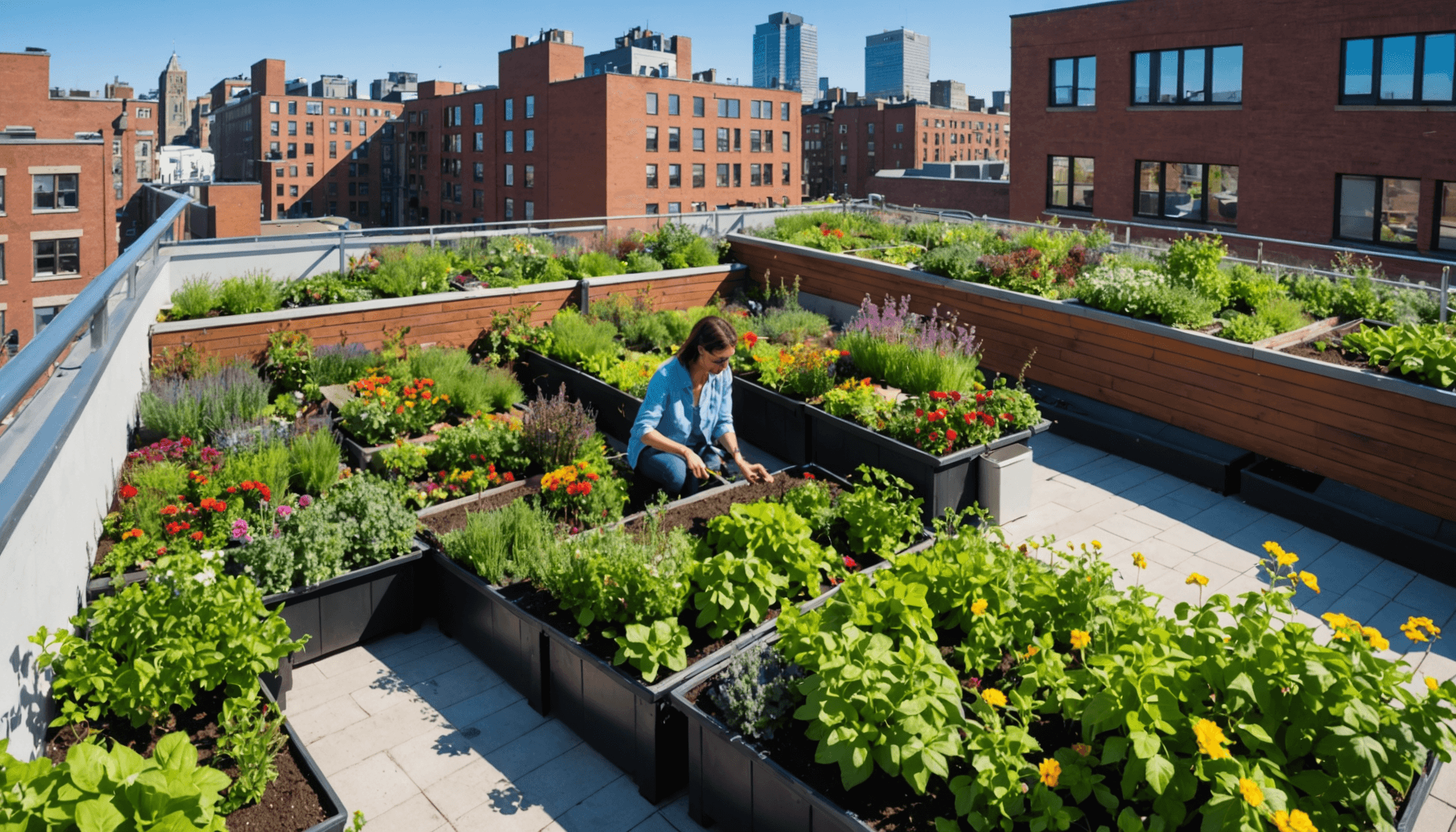
In today’s digital landscape, the wealth of information available online can significantly empower urban homesteaders. A plethora of websites, blogs, and forums exist specifically for those seeking to transform their living spaces into sustainable havens. Exploring platforms like blogs dedicated to urban agriculture, you can find a treasure trove of articles, videos, and tutorials covering an array of topics, from gardening techniques to DIY home projects that support sustainable living.
Online forums and social media groups offer spaces for individuals to engage, share experiences, and seek advice. These digital communities can range from specialized groups focused on urban farming to broader networks of sustainability enthusiasts. Joining these forums enables you to ask questions, share your gardening successes and failures, and learn from others’ experiences. This dynamic exchange can often spark inspiration and provide solutions to common challenges faced in urban settings.
Additionally, many organizations and community groups maintain active online presences, providing not only resources but also opportunities for virtual events, workshops, and discussions to engage with sustainability topics. Websites like the Permaculture Institute offer vast resources, including free courses on design principles or ecological management that can greatly enhance your understanding and application of sustainable practices in your urban homestead.
Furthermore, online videos can serve as an incredibly effective teaching tool. Platforms such as YouTube host countless channels dedicated to urban gardening, with creators documenting their journey, offering tutorials, and sharing tips for overcoming common urban gardening hurdles. These visual resources can be particularly helpful for visual learners looking to implement new techniques or troubleshoot issues in real-time.
As one integrates these online resources into their routine, consider setting specific learning goals or areas of focus to make the most of this vast digital knowledge base. Whether you want to improve plant care techniques, understand soil health better, or learn how to can your own produce, targeting your educational efforts ensures a more structured learning experience. And remember, the online world is vast—always be open to sharing your own knowledge and experiences, contributing to the rich tapestry of community-supported learning that defines urban homesteading.
- What are some essential online resources for urban homesteaders?
- Some excellent online resources include websites like Urban Homestead and Hobby Farms, where you can find tutorials, forums, and articles on various urban homesteading topics. Additionally, social media groups can connect you with like-minded individuals to exchange tips and experiences.
- How can I find online workshops related to gardening?
- Search for local agriculture extensions, community farms, or online platforms that offer courses tailored to urban gardening. Websites like Coursera and Udemy frequently have specialized courses, while many non-profits host virtual workshops on specific topics.
- What should I consider before joining an online gardening forum?
- Look for forums that align with your interests, whether it’s general gardening, urban homesteading, or specific crops. Ensure the community is active, supportive, and offers a range of expertise to help answer questions and share experiences.
- How do I ensure the credibility of online gardening information?
- Check the background of the content creator or organization providing the information. Look for expertise, experience in urban homesteading, and user testimonials to gauge credibility. Cross-referencing the information with trusted gardening resources can also help verify its accuracy.
- Are there specific social media platforms better for urban homesteading?
- Platforms like Facebook, Instagram, and Pinterest offer vibrant communities and rich visual content that can inspire your homesteading journey. Look for dedicated pages and groups focusing on urban gardening practices for a variety of tips and insights.
- What are some common challenges faced by urban homesteaders online?
- Urban homesteaders often encounter challenges such as limited space, soil quality, and access to water. Engaging in online discussions or forums can provide valuable insights and solutions shared by others who have navigated similar obstacles.
- Can I participate in virtual gardening groups?
- Absolutely! Many groups and organizations offer virtual meetups, workshops, and Q&A sessions. Check social media or specific gardening websites to find opportunities to participate in discussions, collaborate on projects, or learn from experts remotely.
Local Farming and Sustainability Organizations
Connecting with local farming and sustainability organizations can greatly enrich your urban homesteading experience and provide numerous resources for your journey. These organizations often serve as hubs of knowledge, offering everything from hands-on workshops to networking opportunities that can significantly enhance your skills and community ties.
Start by identifying organizations within your area. Many cities have local chapters of national organizations such as Agraria or Sustainable Business Network, which focus on promoting sustainable farming practices, supporting local farmers, and educating the community about food systems. Engaging with these groups can connect you with experienced farmers who are eager to share their wisdom.
Join events and volunteer opportunities that these organizations frequently host. Not only do they provide hands-on experience, but they also allow you to meet other like-minded individuals who are just as passionate about urban agriculture. Volunteering at local farms or community gardens helps build relationships and fosters camaraderie, nurturing a sense of shared purpose within the community. Here are some ways to get involved:
- Participate in Workshops: Look for workshops focused on sustainable practices, such as organic gardening, composting, or permaculture design. These sessions can build your skills while highlighting local environmental concerns.
- Attend Community Events: Join seasonal festivals, farmers’ markets, or open house events to celebrate local agriculture and learn more about the produce grown in your area.
- Volunteer Days: Many organizations host regular volunteer days, offering you a chance to work alongside others while improving local green spaces.
- Networking Opportunities: Engage with local food systems by attending networking events where you can meet farmers, policy makers, and other advocates for sustainable practices.
Consider becoming a member of organizations that advocate for sustainability. Many offer exclusive benefits such as access to members-only events, newsletters with educational resources, and discounts on gardening supplies. Membership usually fosters a sense of community and collaboration, making it easier to get support when you face challenges in your homesteading efforts.
Additionally, don’t underestimate the power of social media to connect with local organizations. Many have vibrant online presences, using platforms to share information about upcoming events, gardening tips, and advocacy efforts. Follow local farms, food justice initiatives, and environmental groups to stay updated on their activities and ways you can get involved.
Finally, leverage resources provided by these organizations. This can include publications, research, and tools that they may offer to assist urban homesteaders. For example, you can often find soil testing facilities, plant databases, and even workshops on creating effective urban gardening plans tailored to your specific space and climate conditions.
By immersing yourself in local farming and sustainability networks, you not only cultivate your gardening skills but also contribute to the broader movement towards sustainable urban living. These connections can enhance your urban homesteading journey, ensuring you thrive in your craft while building a resilient community around you.
Tools and Supplies for Homesteaders
Having the right tools and supplies is essential to making your urban homesteading experience not only productive but enjoyable. Whether you are just starting or looking to enhance your operations, investing in the right equipment can significantly impact your efficiency and success. Here’s a comprehensive guide to the must-have tools and supplies that every urban homesteader should consider.
Start with the basics. A well-equipped garden toolkit will serve you well as you navigate planting, maintaining, and harvesting your crops. Here’s a list of essential tools every urban homesteader should have:
- Trowel: A small but mighty hand tool is perfect for digging, planting, and loosening soil. Choose a sturdy stainless steel option for durability.
- Pruners: Invest in a good pair of pruning shears for snipping herbs, deadheading flowers, and shaping plants. These will be essential for keeping your greenery in check.
- Watering Can: A lightweight, ergonomic watering can with a detachable spout allows for precise watering, especially in smaller urban garden setups.
- Garden Fork: This tool is excellent for turning over soil and mixing in compost or amendments, helping to create a nutrient-rich growing environment.
- Hand Rake: For tidying up soil and removing weeds, a hand rake helps to keep your garden looking pristine.
Now that you have the foundational tools, consider upgrading your garden setup with more specialized equipment:
- Soil Tester: Understanding your soil’s pH and nutrient levels is crucial for successful gardening. A simple soil tester can help inform your amendments and plant choices.
- Greenhouse or Cloche: If space permits, a mini greenhouse or cloche can enhance your growing season, protecting plants from harsh weather and pests.
- Compost Bin: A well-designed compost bin is essential for turning kitchen scraps and yard waste into nutrient-rich compost, which can enrich your soil and reduce waste.
- Seed Starter Trays: For those eager to get a head start on their gardening, seed trays enable efficient germination of seedlings indoors before transferring them outdoors.
When it comes to supplies, choosing organic options can set you on a path toward healthier plants and produce. Look for:
- Organic Soil Amendments: Products like compost, worm castings, and bone meal can significantly improve soil fertility.
- Heirloom Seeds: Companies like Seed Needs specialize in heirloom and organic seeds, enabling you to cultivate diverse and traditional varieties.
- Natural Pest Control Solutions: Explore options like neem oil or insecticidal soap to manage pests without harmful chemicals, fostering a healthier garden ecosystem.
Don’t forget the importance of planning and organizing your garden supplies. Keeping a journal or a digital log of your planting schedules, notes on crop rotations, and task lists can greatly aid your gardening efforts. Tools like Garden Journal provide platforms for tracking your progress and learning from each growing season.
For urban dwellers especially, where space can be limited, consider vertical gardening solutions. Products such as wall planters, pocket planters, or even DIY pallet gardens enable you to make the most of your available space while showcasing beautiful greenery. The use of containers also allows for mobility and flexibility, enabling you to create garden arrangements that can be rearranged as needed.
Incorporating a sense of aesthetics into your gardening efforts can enhance your living space, too. Decorative planters or colorful garden stakes can enliven your area while serving practical purposes. And as your garden flourishes, consider sharing your bounty. Tools like garden sharing apps can help connect you with neighbors interested in acquiring homegrown produce, fostering community ties and reducing food waste.
With the right tools and supplies, your urban homesteading journey can be both productive and satisfying. As you grow and learn, investing in quality equipment will empower you to achieve your gardening goals and enjoy the process along the way.