

When delving into the vibrant world of plant nurseries, understanding customer preferences is crucial for both new and seasoned gardeners alike. As urban dwellers and families find joy in nurturing greenery, insight into what influences their choices can elevate any homesteading venture.
One significant aspect of customer preferences lies in the shift towards sustainability. Many consumers are now leaning towards purchasing plants that contribute to biodiversity and environmental sustainability. For example, opting for native plants not only supports local ecosystems but also reduces maintenance efforts. When browsing at your local nursery, inquire about which plants are native to your region; this choice often reflects a conscientious mindset that can enhance your garden’s health.
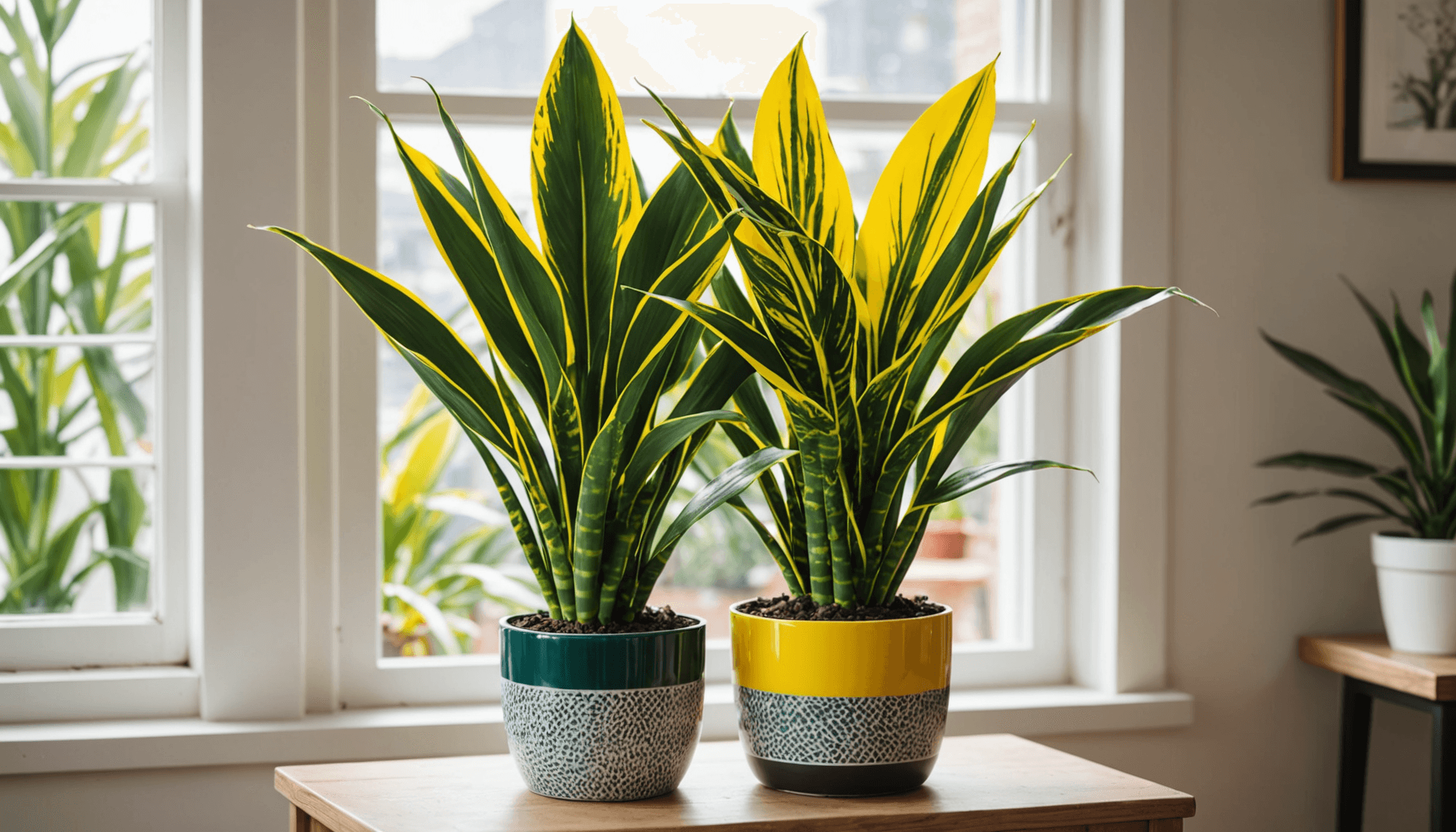
Furthermore, the growing trend of indoor gardening has transformed consumer preferences. With millennials and urban dwellers seeking greenery amidst concrete jungles, air-purifying houseplants have surged in popularity. Varieties such as snake plants and peace lilies are top choices for those looking to improve indoor air quality while adding a touch of nature to their homes. If you’re considering expanding your indoor oasis, make sure to check if the nursery offers guidance on plant care, as this knowledge can be invaluable for budding enthusiasts.
To further align with current gardening trends, think about the social aspects of gardening. Many customers now seek communities and shared experiences within their plant journeys. Nurseries hosting workshops or social events can reportedly enhance customer loyalty. Thus, it can be an efficient idea to participate in these gatherings, not only for acquiring plants but also for building relationships with fellow gardeners. Engaging with your local gardening community can provide insights, tips, and inspiration that transform gardening into a shared joy.
Ultimately, a keen understanding of customer preferences helps nurseries curate their offerings effectively. By focusing on sustainable choices, embracing the indoor gardening trend, and fostering community involvement, both consumers and plant nurseries can flourish together.
Current trends in plant purchasing
 As the gardening industry evolves, staying attuned to current trends in plant purchasing becomes essential for nurseries looking to maximize their appeal. A comprehensive market analysis reveals several key patterns influencing consumer behavior.
One prominent trend is the increased emphasis on online shopping for plants. The convenience of browsing a wide array of options from home has shifted purchasing habits significantly. Many customers now prefer to compare various species, prices, and care instructions online before deciding, making a user-friendly website a crucial asset for nurseries. Furthermore, social media platforms have emerged as powerful marketing tools; visually appealing content showcasing vibrant plants inspires buyers and drives engagement.
In response to these shifts, nurseries are adapting their sales approaches. Offering virtual consultations and live-streamed plant care workshops has become a favored tactic. This approach provides personalized customer experiences, as potential buyers can interact directly with nursery experts. According to a recent survey, approximately 45% of customers are more inclined to purchase from businesses that provide video demonstrations or online support.
Additionally, subscription services are gaining traction in the plant nursery market. These services cater to consumers who desire a regular influx of new plants or seasonal varieties, making their gardening experience more dynamic and exciting. The typical subscription model includes curated selections based on the customer’s preferences and regional growing conditions, fostering a sense of discovery and joy in gardening.
Moreover, consumers are increasingly drawn to unique and exotic plants that stand out from traditional offerings. This desire encourages nurseries to stock a diverse range of plants, including rare varieties and stunning hybrids that cater to the whims of adventurous gardeners.
The following table summarizes current trends in plant purchasing, emphasizing customer preferences that nurseries should consider:
| Trend | Description | Customer Benefits |
|---|---|---|
| Online Shopping | Increased desire for easy access to various plant options via e-commerce. | Convenience and ability to compare options seamlessly. |
| Virtual Consultations | Nurseries offering personal guidance through online platforms. | Direct interaction with experts to enhance purchase decisions. |
| Subscription Services | Regular delivery of curated plant selections tailored to individual tastes. | Continuous engagement with gardening and the thrill of new discoveries. |
| Unique and Exotic Varieties | Rising interest in uncommon plants that enhance aesthetic appeal. | Opportunity to cultivate rare plants, fostering a distinctive garden. |
Overall, the trends indicate a shift towards a more interactive and customer-focused approach in the plant purchasing process. Understanding these developments allows nurseries to cater effectively to evolving customer preferences and nurture long-term relationships with their clientele. Embracing these trends not only enhances the shopping experience but also cultivates a stronger community of plant enthusiasts.
Factors influencing customer choices

When exploring the factors that influence customer choices in plant nurseries, it’s essential to recognize the myriad of elements that contribute to these decisions. From personal values to practical considerations, understanding what drives customers can significantly enhance their gardening experiences.
One of the foremost factors is the growing emphasis on sustainability. Today’s consumers are increasingly aware of their environmental impact, leading many to seek out plants that promote ecological health. For example, choosing organic plants or those that attract pollinators reflects an alignment with eco-conscious living. Urban dwellers may opt for edible plants such as herbs and vegetables, integrating food production into their gardening practices while also caring for the environment. Consumers should inquire about the origin of the plants and prefer nurseries that prioritize sustainable growing practices. This not only supports a healthier planet but also resonates with their values, making the choice feel more rewarding.
Another significant factor is plant care knowledge. Many customers are more likely to make a purchase from a nursery that offers clear information on plant care, maintenance, and environmental needs. As a homesteading expert, I recommend looking for nurseries that provide instructional materials or workshops. Learning how to properly care for plants can empower gardeners, increasing their confidence and satisfaction with their choices. Whether it’s understanding watering schedules or pest control, having access to resources can make the difference between a thriving garden and one that struggles.
Additionally, the aesthetic appeal of plants often plays a crucial role in purchasing decisions. Consumers tend to gravitate towards varieties that not only fulfill their practical needs but also enhance the overall beauty of their spaces. This is particularly true for millennials, who often seek plants that fit their home decor and style. When visiting a nursery, take time to visualize how different plants will fit into your space. Consider combinations of colors, textures, and heights to create a cohesive and healthful garden environment.
The power of customer reviews cannot be overstated when it comes to influencing choices. Consumers frequently turn to online ratings and testimonials before making purchases. Encouraging feedback can help nurseries identify which plants resonate with their clientele while also guiding potential buyers towards successful purchases. Thus, if you have a favorite variety, don’t hesitate to share your experiences online; contributing to customer feedback can reinforce your community’s knowledge base and assist fellow gardening enthusiasts.
Cost is also a pivotal factor. While some consumers may search for bargain prices, others are willing to invest in higher-quality plants that they believe will thrive. This distinction highlights the importance of quality—the assurance of a plant’s health and growth potential can sway purchasing decisions significantly. When selecting a nursery, consider asking about their sourcing practices, as reputable nurseries will be transparent about their cultivation methods and any guarantees they offer on plant health.
Another aspect involves the experience offered by the nursery. Shoppers are increasingly drawn to nurseries that create an engaging atmosphere, complete with knowledgeable staff. In-person interactions can enrich the shopping experience, making customers feel valued and informed. For urban families, visiting a nursery that hosts family-friendly events or hands-on gardening activities can be an excellent way to foster a love for gardening while making lasting memories. Look for nurseries that prioritize community involvement as part of their business model, as this can deepen your connection to your local gardening scene.
By focusing on these various factors—sustainability, knowledge, aesthetics, feedback, cost, and experience—both consumers and nurseries can cultivate choices that enrich their gardening endeavors. With a bit of exploration and understanding, anyone from novices to seasoned gardeners can transform their plant shopping experience into a fulfilling journey of discovery.
Demographic analysis of nursery customers
Demographic factors play a crucial role in shaping the preferences and purchasing behaviors of nursery customers. Understanding the variations across different groups offers nurseries insights into how to tailor their offerings effectively. Age, income, location, and lifestyle all contribute to customer decisions about which plants to purchase and the gardening practices they choose to undertake.
For instance, younger generations, particularly millennials and Gen Z, have become avid supporters of indoor gardening. These demographics often prioritize aesthetics and are more likely to opt for trendy houseplants that fit modern design sensibilities. Brands targeting this group frequently stock varieties like succulents, fiddle leaf figs, and snake plants, which not only serve as decor but also align with a growing interest in health and wellness. Engaging marketing strategies that showcase these plants in stylish settings can resonate well with younger customers, driving interest and sales.
Conversely, older generations may lean towards practical plants that offer functionality, such as herbs, vegetables, or easy-to-care-for perennials. With many retirees seeking to enhance their gardens for relaxation and enjoyment, nurseries should consider offering educational workshops focused on growing edible plants or landscaping techniques that appeal to this demographic. By providing targeted content and products, nurseries can effectively connect with these customers and enrich their gardening experiences.
Income levels also heavily influence customer preferences, as budget constraints can dictate the types of plants being purchased. Higher-income consumers may exhibit a willingness to invest in rare or exotic varieties, whereas those with tighter budgets might prioritize hardier, budget-friendly options. Thus, nurseries that display a diverse range of price points will likely attract a broader audience, ensuring that everyone has the opportunity to find something that aligns with their gardening goals.
Location is another important factor. Urban gardeners often search for plants that flourish in smaller spaces, such as balcony gardens or indoor environments, while suburban or rural customers may be more inclined to purchase larger landscape plants. Understanding the local market and the specific needs of customers within that geographic area helps nurseries enhance their sales strategies. For example, employing a market analysis to understand local gardening trends or preferences can guide nurseries in selecting inventory that will meet the demands of their clientele.
Lifestyle choices are increasingly influencing demographics as well. Consumers prioritizing sustainability and organic gardening are more likely to choose nurseries that offer environmentally friendly products. Nurseries can capitalize on this trend by highlighting their eco-conscious practices, sourcing organic plants, and offering resources that educate customers on sustainable gardening techniques.
“The key to success in plant nurseries lies in understanding the diverse preferences of customers and creating personalized experiences that resonate with them.”
Ultimately, by recognizing and analyzing the diverse demographics of their customer base, nurseries can better understand how to meet customer preferences and enhance their offerings. This tailored approach fosters stronger connections with various segments, enriching the overall customer experience and driving greater satisfaction in their gardening pursuits. As consumers continue to evolve in their gardening journeys, nurseries that adapt to these demographic dynamics will be well-positioned for success in the competitive marketplace.
Types of plants and their appeal
 The variety of plants available in nurseries can greatly influence customer satisfaction and purchasing decisions. When consumers visit a nursery, they not only seek plants that cater to their gardening needs but also those that resonate with their values and lifestyles. This dynamic interplay between the type of plants offered and the preferences of customers creates a unique landscape of choices.
Various factors shape the appeal of specific plants. Edible plants are increasingly sought after, as more consumers explore home gardening as a means to achieve sustainability and healthier living. Vegetables, herbs, and fruits not only provide nourishment but also create a fulfilling gardening experience. Customers are often inspired by the idea of growing their own food, enhancing their connection to nature, and reaping the benefits of their labor directly in their kitchens. Nurseries can support this trend by providing resources or workshops focusing on companion planting and organic methods, offering both guidance and inspiration.
On the other hand, ornamental plants continue to hold a significant place in the hearts of many gardeners. The desire to beautify spaces often drives customers to seek out colorful flowers, unique foliage, and fragrant blooms. This interest presents nurseries with an opportunity to highlight aesthetic appeal in their marketing strategies. Consumers are drawn to visually engaging displays, and incorporating trending varieties like native plants, perennials, and interesting textures can captivate eager buyers. A well-curated range showcasing seasonal favorites often garners greater interest, leading to increased foot traffic and engagement.
Understanding customer preferences also involves recognizing the importance of plant care details. Enthusiasts are more likely to invest in plants if they believe they can provide proper care, especially for exotic or unique varieties that require specific conditions. Nurseries that offer detailed care instructions, workshops, or one-on-one consultations enable customers to make informed decisions, ensuring their selection thrives in their given environment. This emphasis on education not only increases customer confidence but also deepens their connection with the nursery itself, fostering loyalty and trust.
Moreover, the trend of indoor gardening further shapes preferences. With limited outdoor space, urban shoppers often gravitate towards compact houseplants that purify the air and add personality to interiors. This shift highlights the increasing importance of offering diverse options that cater to varied lifestyles. An inclusive selection from succulents to large statement plants can meet the diverse needs of the indoor gardener while capturing their imagination and spurring creativity.
Another appealing aspect for customers is the potential for community involvement within plant nurseries. Many customers appreciate participating in workshops, garden tours, or volunteer opportunities. These experiences not only create a sense of belonging but also enhance their engagement with the gardening world. Providing such collaborative opportunities can enhance the nursery’s reputation, drawing in customers who value a community-oriented approach.
By focusing on the interplay of plant types and customer preferences, nurseries can better align their product offerings with the desires of their clientele. A keen awareness of current gardening trends, coupled with a commitment to education and community building, ultimately leads to a more enriching experience for all involved.
- What types of plants are most popular among nursery customers?
- Popular choices include edible plants like herbs and vegetables, decorative houseplants, and native plants that promote sustainability. Trends vary based on consumer preferences and regional climates.
- How can I choose the right plants for my home?
- Consider your space, sunlight availability, and maintenance preferences. Inquire at your local nursery for recommendations based on your lifestyle and environment.
- Why are sustainable plants important to consumers?
- Sustainable plants often support local ecosystems, use fewer resources, and promote biodiversity. Consumers increasingly prefer eco-friendly options that align with their values.
- How can a nursery enhance customer engagement?
- By offering workshops, community events, and personalized consultations, nurseries can create a welcoming atmosphere that encourages customer loyalty and interest in gardening.
- What role does plant care information play in purchasing decisions?
- Providing clear, informative materials on plant care can boost customer confidence and increase the likelihood of successful purchases, enhancing customer satisfaction and retention.
- How has indoor gardening influenced customer preferences?
- The rise in indoor gardening has led consumers to seek compact, easy-care plants that fit well in smaller living spaces, like apartments and urban homes.
- How can nurseries adapt to changing consumer trends?
- By conducting market analysis, understanding customer preferences, and diversifying their plant offerings, nurseries can stay relevant and appealing to their customer base.
Customer feedback and its impact
The value of customer feedback in the plant nursery industry cannot be overstated, as it acts as a vital compass guiding nurseries toward enhanced offerings that align with customer preferences. By actively soliciting and analyzing feedback, nurseries can pinpoint the strengths and weaknesses of their products and services, leading to a more tailored and satisfying customer experience.
One effective method for gathering feedback is through surveys at the point of sale or via follow-up emails after a purchase. Ask customers about their shopping experiences, satisfaction with their plant selections, and any improvements they’d like to see. For instance, a short survey with questions about the clarity of plant care instructions or the diversity of plant options can yield invaluable insights. Offering a small incentive for completing the survey—like a discount on their next purchase—can significantly boost participation and engagement.
Online platforms also serve as a powerful vehicle for feedback. Social media can provide real-time reactions and comments about your nursery and its products. Monitoring these channels helps nurseries stay ahead of trends and customer expectations. For example, if a customer posts about loving a specific plant variety, it can signal to the nursery to stock more of that type or similar species that cater to growing preferences. Engaging with customers on social media, replying to reviews, and showcasing customer photos can foster a sense of community and loyalty.
Additionally, consider implementing a system for customers to leave reviews directly on your website or through platforms like Google and Yelp. A recent market analysis indicated that over 70% of consumers trust online reviews as much as personal recommendations. Positive feedback highlights your nursery’s strengths, while constructive criticism provides an opportunity for growth. For instance, if multiple customers note difficulties in caring for a certain type of plant, it is an essential cue to either enhance the care instructions provided or reevaluate the stock of that plant entirely.
Encouraging customers to share their gardening successes and struggles can also yield powerful insights. For instance, running a monthly contest where customers submit photos of their thriving plants or gardens fosters engagement while simultaneously allowing nurseries to see which plants are thriving under customer care. Highlighting these submissions on your website or social media creates a showcase of real-world examples, illustrating what works well and inspiring others to emulate those success stories.
Beyond just feedback, interpreting this information is essential. Regularly reviewing feedback and identifying patterns can help nurseries to align their marketing strategies and plant offerings with current gardening trends. For example, if feedback indicates a desire for more organic options, the nursery can market its commitment to sustainable growing practices. Likewise, if customers inquire about indoor plants that purify air, expanding selections in that category could cater to growing demand.
On a more proactive front, offering workshops or informational sessions where customers can provide live feedback about their experiences and desires can create a direct line of communication. Hosting events dedicated to plant care or sustainable gardening can simultaneously enhance customer knowledge and deepen the relationship between the nursery and the gardening community.
Understanding customer feedback is not merely an exercise in gathering data; it is about cultivating a culture of continuous improvement and connection. By prioritizing this feedback loop and using insights to shape future offerings, nurseries can not only meet but exceed the expectations of their customers, turning casual buyers into loyal advocates. In the vibrant world of gardening, this engagement fosters a community where plant lovers thrive together.
Strategies for improving customer satisfaction
Improving customer satisfaction in plant nurseries is about creating a holistic experience that resonates with gardening enthusiasts on every level. Today’s consumers are not just looking for a good selection of plants; they desire connection, knowledge, and a sense of community. Here are several strategies that can enhance their experience both online and offline.
First and foremost, consider cultivating a strong online presence. An engaging and user-friendly website is critical. Customers should be able to easily find plants categorized by their care levels, aesthetic appeal, or even trending gardening styles. Including high-quality images and detailed descriptions, along with straightforward care instructions, can guide customers in their purchasing decisions. Incorporating a blog that explores gardening trends can also spark interest—sharing tips, DIY projects, or seasonal planting advice can keep your audience engaged and make your nursery a go-to resource in their gardening endeavors.
Another impactful approach involves hosting workshops and events. These can range from hands-on planting classes to themed gardening days focusing on specific plant types, such as indoor plants or succulents. Activities that encourage social interaction can transform a simple plant purchase into a memorable experience. For instance, families can bond over a workshop creating terrariums, while urban dwellers might appreciate sessions on maximizing small spaces for gardening. Such interactions not only enhance customer loyalty but also cultivate a community of passionate gardeners.
Customer feedback plays an essential role in shaping these experiences. Regularly soliciting input through surveys or interactive polls can provide valuable insights into what customers are looking for and how they perceive your nursery. Ask questions about their experiences, the variety of plants they desire, or the kind of events they would like to see. For example, if a significant number of customers express interest in organic plants, consider incorporating more sustainable options into your offerings. Use feedback to adapt to your clientele’s ever-evolving needs, ensuring that your nursery remains relevant and appealing.
Moreover, embracing the power of social media can enhance customer engagement significantly. Showcasing customer successes by sharing photos of their plants creates a sense of community and pride. Encourage followers to tag your nursery in their gardening posts; this not only promotes your brand but also connects individuals who share similar interests. Consider running themed challenges or contests that encourage participation—like a “Plant of the Month” photo contest where the winner receives a discount. These initiatives foster interaction and build a vibrant online community.
Lastly, consider the importance of customer service. Friendly, knowledgeable staff members who are passionate about gardening can make a significant difference in the shopping experience. Ensure that your team is well-trained to answer questions and guide customers through their decisions, reinforcing a positive atmosphere. Personalizing the service—such as remembering return customers’ names and plant preferences—can enhance the connection and encourage repeat visits.
In summary, focusing on these strategies can profoundly improve customer satisfaction in your nursery. By creating a community-driven atmosphere, embracing feedback, enhancing online resources, and promoting vibrant customer interactions, nurseries can adapt to shifting customer preferences and cultivate lasting relationships with gardening enthusiasts. The journey of plant nurturing is not just about the plants themselves; it’s about the experiences and connections formed along the way.