
Understanding the market is a crucial step for anyone embarking on a nursery startup venture. Conducting a thorough market analysis helps you identify potential customers, assess the competition, and understand industry trends, all of which are essential for creating a robust business plan.
Begin by defining your target audience. Who are the people most likely to purchase plants from your nursery? Consider the following demographics:
- Urban dwellers with limited gardening space.
- Families seeking to create a green environment for their children.
- Millennials, who increasingly value sustainability and home-grown produce.
- Garden enthusiasts eager to explore unique and specialty plants.
Next, assess your competition by visiting other plant nurseries in your region. Pay attention to their product offerings, pricing strategies, and customer engagement tactics. Note what they do well and where they fall short, as this insight can help you carve a niche for your own business.
It’s equally important to keep an eye on industry trends. The surge in interest for houseplants, particularly during the pandemic, has shifted consumer preferences significantly. According to the National Gardening Association, over 18 million households began gardening in 2020, showcasing a growing market. Engaging with online communities related to gardening can also provide valuable insights into what consumers are currently seeking.
Another essential aspect of market analysis is understanding the different segments within the plant nursery business. Are you looking to specialize in native plants, edibles, decorative houseplants, or perhaps a mix? Evaluate which segments are currently thriving and which may be underserved.
Don’t forget to consider online sales! The digital marketplace continues to expand, enabling nurseries to reach customers beyond their local area. Ensure you analyze the competitive landscape of online plant sales and how you can differentiate your offerings to attract buyers.
Lastly, gathering consumer feedback is invaluable. Creating surveys or engaging with local gardening clubs can help you identify customer preferences and purchasing behavior, guiding you in refining your offerings before launching your nursery.
All these factors—understanding your target audience, assessing competition, keeping track of industry trends, recognizing market segments, and soliciting consumer feedback—work hand in hand to help you formulate an effective business plan. This knowledge not only sets the foundation for your entrepreneurship journey but also empowers you to make informed decisions that will drive your nursery’s success.
Defining your business goals
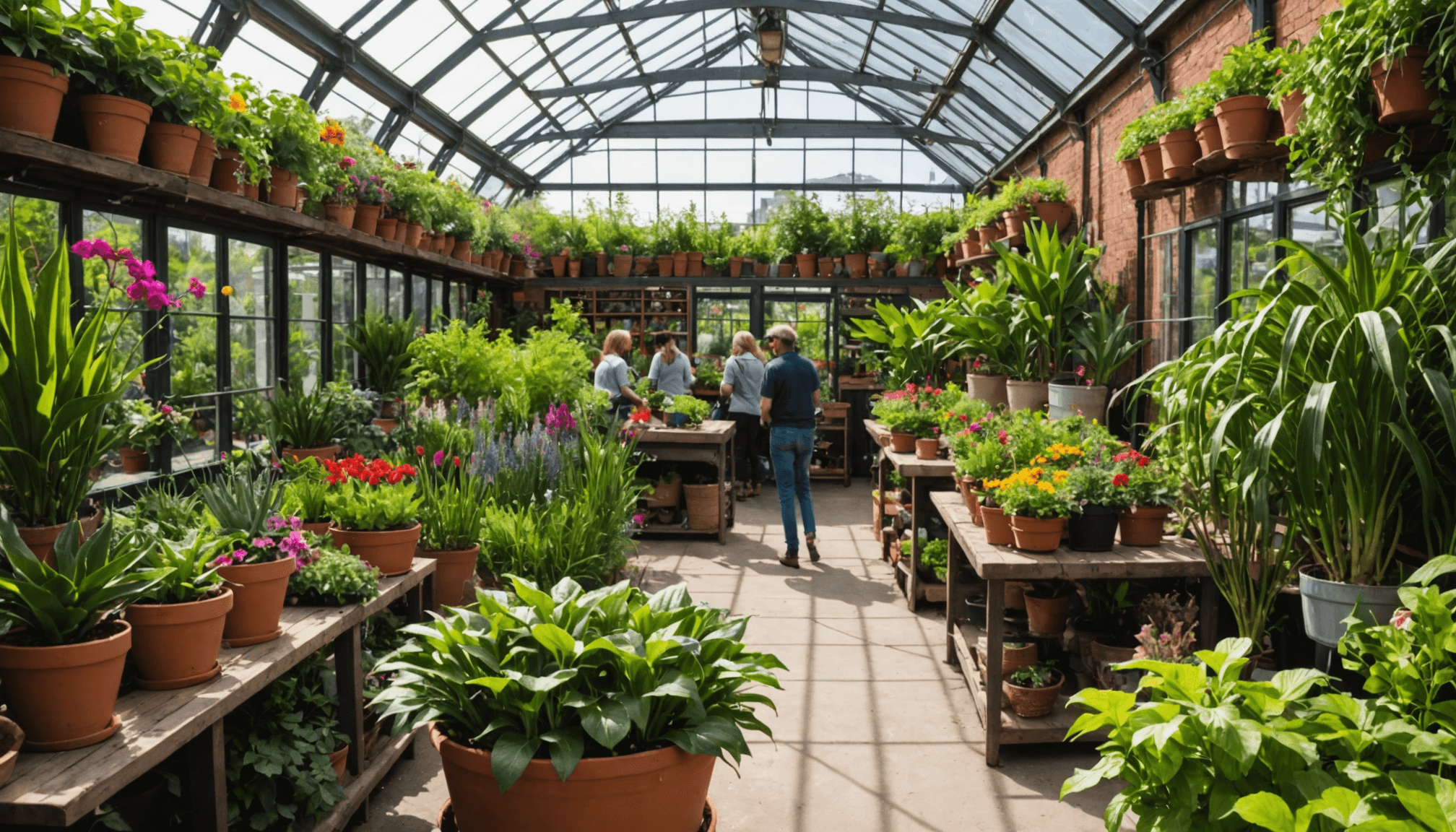 Defining your business goals is a critical aspect of transforming your vision into reality. Clear objectives help guide your decisions and keep you focused on your vision as you navigate the complexities of running a plant nursery. Setting specific, measurable, achievable, relevant, and time-bound (SMART) goals is a productive framework for this process.
Start by determining both your short-term and long-term goals. Short-term goals can include immediate objectives that you want to achieve within one year of launching your nursery. They may involve establishing a loyal customer base, achieving specific sales milestones, or creating a recognizable brand within your community. Long-term goals, on the other hand, might focus on expanding your product offerings, reaching new markets, or even establishing partnerships with local businesses or garden clubs.
Here are some examples of potential business goals in various categories:
| Goal Category | Short-Term Goals | Long-Term Goals |
|---|---|---|
| Sales | Achieve $50,000 in sales within the first year | Reach $250,000 in annual sales within five years |
| Customer Base | Develop a mailing list of 500 local customers in the first year | Establish a loyal customer base of 2,000 regular clients within five years |
| Brand Recognition | Participate in two local farmers’ markets in the first year | Expand brand presence to three neighboring counties within five years |
| Product Offering | Introduce five new plant varieties by year-end | Develop a specialty line of native plants and organic products within three years |
| Online Sales | Launch an e-commerce website within the first year | Increase online sales to account for 30% of total revenue by year three |
The cultivation of a mission statement is vital in this process. This statement encapsulates the essence of your nursery’s purpose and informs your business decisions. It should reflect your core values and the unique aspects of your nursery startup. Consider questions such as: What do you want to achieve? How will you contribute to your community and the environment? A well-defined mission can inspire both your team and your customers.
Regularly revisiting and reassessing your goals is essential to stay aligned with changing market conditions and consumer preferences. This adaptability can significantly influence your nursery’s long-term success. Regular evaluations can also reveal new opportunities for growth and innovation, helping you identify areas where you need to pivot your strategies.
Lastly, ensure that you communicate these goals effectively within your team. Clarity in vision will encourage collaboration and drive among your staff, leading to greater productivity and commitment to the overall objectives of your nursery. Engaging employees in the goal-setting process can provide them with a sense of ownership and motivation to contribute to the success of your business plan. Prioritizing a culture of transparency and inclusivity will facilitate the joint effort necessary to make your plant nursery thrive.
Budgeting and financial planning

Careful attention to budgeting and financial planning is essential for any nursery startup. Understanding your financial landscape not only ensures that you can establish a viable operation but also safeguards against unexpected costs that can derail your plans. Begin by breaking down your expenses into initial startup costs and ongoing operational costs.
Startup costs often include:
- Land acquisition or leasing expenses, if applicable.
- Infrastructure setup, like greenhouses, irrigation systems, and storage.
- Initial inventory of plants, tools, and equipment.
- Marketing materials and website development.
- Licensing and permits required by local regulations.
Understanding your ongoing operational costs is equally crucial. This can encompass:
- Labor costs, including salaries for staff and potential seasonal workers.
- Utilities for water, electricity, and gas.
- Maintenance for facilities and equipment.
- Ongoing marketing and advertising expenses.
- Insurance to protect your business from unforeseen liabilities.
Once you have a comprehensive list of expected costs, evaluate your funding options. Many budding entrepreneurs consider the following avenues:
- Personal savings: This is often the first source of funding for many small businesses.
- Loans: Traditional bank loans or credit unions can offer the necessary capital, but ensure that you have a solid repayment plan.
- Grants and subsidies: Research local, state, and federal programs that support agricultural businesses, often tailored for environmentally sustainable endeavors.
- Investors: Pitch your business plan to potential investors who are interested in supporting local agriculture or sustainable businesses.
Creating a detailed financial projection will help clarify your path to profitability. Start by estimating your expected revenue based on market analysis. Consider factors such as:
- Potential sales volume based on your target demographic.
- Pricing strategies, including discounts or promotions to attract initial customers.
- Seasonal fluctuations in demand, which are common in the nursery business; plan for peak seasons in spring and fall when garden enthusiasts are most active.
Once you’ve estimated revenues, construct a cash flow statement. This document gives you a clear picture of when cash comes in and goes out, highlighting potential shortfalls that need to be addressed. It’s wise to keep a financial cushion, ensuring you have reserves to cover at least three to six months of operating expenses.
After establishing a budget and financial strategy, consider utilizing tools and software to help track your expenses and revenues effectively. Financial management software can simplify bookkeeping, provide insights through financial reports, and keep you informed about your business’s financial health.
Lastly, always be prepared for the unexpected. A healthy financial plan includes flexibility and adaptability. Market conditions can change suddenly, and having a buffer will allow you to pivot as needed without jeopardizing your entire operation.
Tracking your financial progress regularly against your projections enables you to identify trends and make informed decisions. This ongoing relationship with your financials is essential for sustaining your business and ensuring long-term success in your entrepreneurship journey.
Choosing the right location
Choosing the right location for your plant nursery is a pivotal step that can significantly impact the success of your business. A well-chosen site enhances visibility, accessibility, and can help foster a loyal customer base. When evaluating potential locations, several key factors should be considered to ensure you establish a thriving nursery.
Start with demographics. Understanding the population dynamics of the area is essential. Look for regions with a high concentration of gardening enthusiasts, families, and new homeowners. Ideal neighborhoods are often characterized by a community that values outdoor living and aesthetic appeal, where residents are likely to invest in their gardens. Checking census data can provide insights into age distribution, income levels, and spending habits, which all contribute to identifying an optimal target market.
Next, consider visibility and accessibility. A location that is easy to find and has high foot traffic can be advantageous. Being situated near complementary businesses, such as home improvement stores or garden supply shops, can further enhance customer flow. Analyze the proximity to residential areas; a nursery within a short driving or walking distance can attract repeat customers who may stop by when they have a gardening impulse or project in mind.
Another critical aspect is zoning regulations. Before committing to a location, research local zoning laws to ensure that operating a plant nursery is permissible. Engage with local authorities to clarify what is allowed and if there are any restrictions that might impact your business model, such as limits on signage or hours of operation. Understanding these regulations will help preempt future challenges and streamline the setup process.
Space is also a vital consideration. Assess whether the site offers ample room for growth, including the capacity for expanding inventory or facilities down the line. A layout that allows for a well-organized display of plants, along with the necessary infrastructure for storage and operational needs, is crucial. If you opt for a location with limited space, ensure it has the potential for vertical gardening, creative plant displays, or even outdoor areas where customers can browse comfortably.
Budget constraints are an inevitable factor. Evaluate the costs associated with purchasing or leasing the property. Consider not only the rent or mortgage but also potential maintenance costs, property taxes, and any renovations that may be necessary to make the location suitable for a nursery. Finding a balance between an ideal location and financial viability is essential for sustaining your nursery startup.
Evaluate competition within the chosen area as well. Conduct a competitive analysis to identify other nurseries nearby. Some degree of competition can be healthy, indicating a demand for gardening supplies; however, being too close to established nurseries could dilute your customer base. Aim to find a location that allows you to differentiate your offerings, whether that be unique plants, specialized services, or a compelling customer experience that draws people in.
Additionally, consider the impact of climate on your location choice. Different plants thrive in varying environmental conditions. Ensure that the site can support the types of plants you wish to sell and that you can create conditions conducive to their growth, whether through greenhouses, shaded areas, or optimal irrigation systems.
“Location, location, location” is not just a real estate mantra; it’s the foundational principle for any successful business venture, including plant nurseries.
Engaging the community can also play a role in your chosen site. Being part of a neighborhood that actively supports local businesses can lend credibility and draw customers to your nursery. Participate in community events, partner with local organizations, and utilize social media to create a locally focused brand presence.
Careful consideration of these factors will ultimately lead you to a location that complements your business plan and enhances the growth potential of your nursery. Choosing wisely can provide a significant advantage in this competitive yet rewarding sector of entrepreneurship.
Marketing strategies for success
 Marketing is the lifeblood of your nursery startup, enabling you to connect with potential customers and build lasting relationships. Crafting effective marketing strategies involves understanding your unique selling propositions and communicating them effectively to your target market. A multi-faceted approach can maximize your reach and create a vibrant presence within your community.
One key strategy is building a strong brand identity. Your brand should reflect your values, products, and the experience you provide. Design a logo, select a color scheme representative of your nursery’s ethos, and create a consistent atmosphere in your marketing materials. By maintaining consistency across social media platforms, websites, and physical signage, you enhance recognition and reliability in the eyes of consumers.
Utilizing social media platforms is invaluable. Consider creating accounts on Facebook, Instagram, and Pinterest, where visuals can draw in potential customers. Showcase your plants, share gardening tips, and post behind-the-scenes content. Engaging with your audience through informative posts and captivating images can foster a community of followers who are more likely to become repeat customers. Encourage customers to share their own experiences and photos of their plants purchased from your nursery, creating a sense of community and authenticity around your brand.
Local events provide additional avenues for exposure. Attending farmers’ markets, garden fairs, and community festivals enables you to showcase your plants and connect with people face-to-face. Hosting workshops on topics such as potting techniques or seasonal planting can position your nursery as a go-to resource for gardening enthusiasts, while also driving sales and attracting new customers.
Leverage the power of partnerships by collaborating with local garden clubs, landscape designers, or even schools. Such partnerships can facilitate cross-promotional opportunities, broaden your reach, and integrate your nursery into the community fabric. For instance, offering exclusive discounts to members of local gardening clubs can incentivize bulk purchases and foster loyalty among avid gardeners.
Moreover, establishing an engaging online presence through an e-commerce website or an online store allows you to tap into the growing trend of online shopping. Ensure that your website is user-friendly, showcasing your products with clear descriptions and high-quality images. Incorporating an online store can expand your customer base beyond your local community while capitalizing on the growing demand for plants and gardening supplies.
Email marketing can be an effective tool for nurturing relationships and keeping your nursery top-of-mind for customers. Develop a subscription list where customers can sign up for updates, promotions, and tips. Regular newsletters can keep your audience informed about new arrivals, seasonal plant care information, or special events at your nursery. This not only strengthens customer loyalty but also drives repeat business.
Lastly, don’t underestimate the power of local advertising. Explore options such as newspaper ads, flyers, or targeted online ads within your community. Local publications often have gardening sections where your nursery can fit naturally, helping you reach an audience who are already inclined towards gardening and home improvement.
Innovative and strategic marketing can significantly enhance your nursery’s visibility and profitability. By utilizing these ideas, you can create a robust marketing plan that attracts customers both online and offline, while also contributing to the growth of your business plan. Thoughtfully executed, these strategies can transform your small nursery into a beloved local institution, captivating plant lovers and encouraging a sense of community around gardening.
- What are the best marketing strategies for plant nurseries?
- The most effective marketing strategies for plant nurseries include building a strong brand identity, utilizing social media to showcase plants, and participating in local events. Additionally, email marketing and creating an engaging website can foster customer relationships and increase sales.
- How can I promote my nursery startup in the community?
- Promote your nursery by attending local farmers’ markets, gardening fairs, and community festivals. Partnering with garden clubs or local schools for workshops or discounts can also strengthen your ties to the community and draw in customers.
- Should I have an online store for my nursery?
- Yes, having an online store can expand your customer base beyond the local community and accommodate the increasing trend of online shopping for plants and gardening supplies. A user-friendly e-commerce website can attract a wider audience and boost sales.
- How can I use social media to market my nursery?
- Social media platforms like Facebook and Instagram are perfect for showcasing beautiful plant images, sharing gardening tips, and engaging with customers. Regular posts and interactions build a community around your brand and attract new customers.
- What should I include in my nursery’s brand identity?
- Your nursery’s brand identity should include a captivating logo, a cohesive color scheme, and consistent messaging across all marketing materials. This ensures that your brand remains recognizable and reliable to customers.
- Is email marketing effective for nurseries?
- Yes, email marketing is a highly effective way to nurture customer relationships and keep your nursery at the forefront of their minds. Regular newsletters with updates, promotions, and gardening tips can drive repeat business.
- How can I measure my marketing success?
- Tracking website traffic, social media engagement, and sales metrics can help measure the success of your marketing efforts. Tools like Google Analytics and social media insights can provide data on customer interactions and campaign effectiveness.
Operational procedures and staffing
Operational efficiency is pivotal to the success of your nursery startup. Streamlining procedures and ensuring you have the right staff in place will not only enhance productivity but also improve the customer experience significantly. Effective operational procedures encompass everything from inventory management to customer service protocols.
Begin with inventory management. Maintaining accurate records of your stock is crucial to avoid overordering or running out of popular plants. Consider implementing a point-of-sale system that integrates inventory tracking, allowing you to monitor sales and automatically update your stock levels. This technology helps you identify which plants are top performers and which ones might need a marketing push. Regularly update your inventory to include seasonal plants, new varieties, or exclusive offerings that attract customers looking for something unique.
When it comes to staffing, hiring knowledgeable, passionate employees is key. Look for individuals with a background in horticulture or a strong interest in gardening. They will not only be more effective in their roles but can also provide valuable customer service by advising clients on plant care and selection. Training your staff is equally important; ensure they are familiar with your products, can navigate your inventory systems, and understand the importance of creating a welcoming shopping environment.
Create clear operational procedures that define each role within your nursery. This should include responsibilities around sales, customer service, plant care, and maintenance tasks. Documentation can help instill consistency among staff. For example, develop checklists for daily opening and closing procedures, ensuring plants are watered, displays are tidy, and customers are greeted promptly.
Consider implementing a schedule for regular staff meetings and training sessions that cover seasonal plant care tips, customer engagement strategies, and sales techniques. This not only keeps your team informed but also fosters a sense of community and ownership among your employees.
Customer engagement is paramount, so develop protocols for high-quality customer service. This includes training your staff to greet each customer, actively engage them in conversation, and provide personalized assistance tailored to their gardening needs. Implement a customer loyalty program that rewards repeat buyers, encouraging them to return and make future purchases while feeling appreciated.
Another critical aspect of operational procedures is establishing an efficient plant care regimen. Regularly scheduled tasks, such as watering, pruning, and pest management, are essential for maintaining the health of your plants. Consider appointing a dedicated staff member to oversee this process to ensure consistency and quality. Creating a schedule that includes these critical tasks can help mitigate plant loss, improving your bottom line.
Don’t overlook the importance of customer feedback as part of your operational procedures. Encourage your customers to share their experiences via surveys and online reviews. This feedback can provide insights into areas of improvement and inform changes in your product offerings or operational processes.
Building an environment that encourages communication and collaboration among your employees will enhance morale and lead to better service for your customers. Host team-building events and cultivate a supportive culture that values input from your staff. This inclusive approach empowers employees to contribute ideas that can optimize operations and enhance customer satisfaction.
Lastly, always be open to refining your procedures. As your nursery grows, you’ll inevitably encounter new challenges and opportunities. Regularly reviewing your processes and seeking employee feedback can help you adapt to change and continue serving your customers effectively. Implementing these operational strategies thoughtfully will ensure that your nursery not only survives but thrives in a competitive market, aligning seamlessly with your business plan.