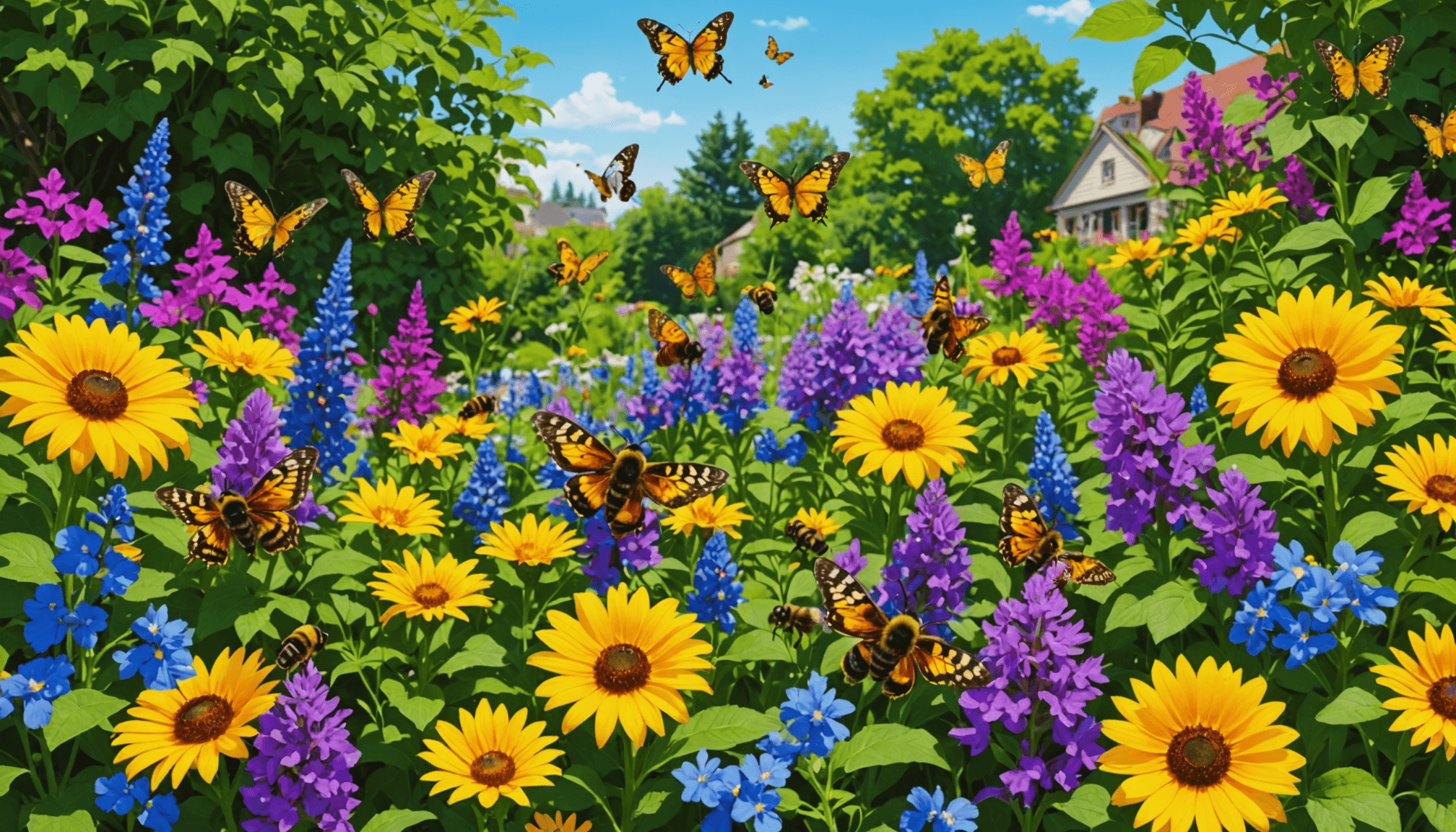
Pollinators play a crucial role in our ecosystems, and understanding their importance can greatly enhance your plant nursery’s appeal. These vital creatures, including bees, butterflies, birds, and bats, are responsible for the reproduction of many flowering plants, which in turn support the food chain and maintain healthy ecosystems. Without them, our gardens and food sources would suffer substantially.
To effectively attract pollinators to your plant nursery, it’s important to recognize their varying needs. For instance, different species of pollinators prefer specific types of flowers for nectar and pollen. Bees, for example, are attracted to brightly colored flowers that are typically blue, purple, or yellow, while butterflies are drawn to sweet-scented blooms. Additionally, certain pollinators are active at different times of the day—hummingbirds tend to visit in the early morning or late afternoon, so having blooms available during these times can significantly increase their visits.
When planning your plant selection, think about integrating a diverse array of plants that bloom at different times of the year. This continuous availability of food helps support various pollinator populations throughout the seasons. Consider the following tips:
- Native plants: Incorporate local native plants, as these are often more attractive to regional pollinators and require less maintenance.
- Color variety: Select flowers in different colors and sizes to appeal to various species.
- Flower sizes: Include both shallow and deep-flowered species to cater to different pollinators.
- Continuous bloom: Ensure you have plants blooming from early spring to late fall to provide a food source throughout the growing season.
As you refine your selection of plants, consider the broader environmental impact of your gardening practices. Avoid using harmful pesticides and chemicals that can deter or harm pollinators. Instead, explore organic alternatives that protect these essential creatures while promoting a healthy nursery.
Creating an inviting environment is just as important as selecting the right plants. By fostering a refuge that encourages pollinator visitation, you play a key role in sustaining their populations. Educating your customers about these practices can further bolster their commitment to supporting pollinators, ultimately enhancing the health of their gardens and the environment.
Choosing Pollinator-Friendly Plants
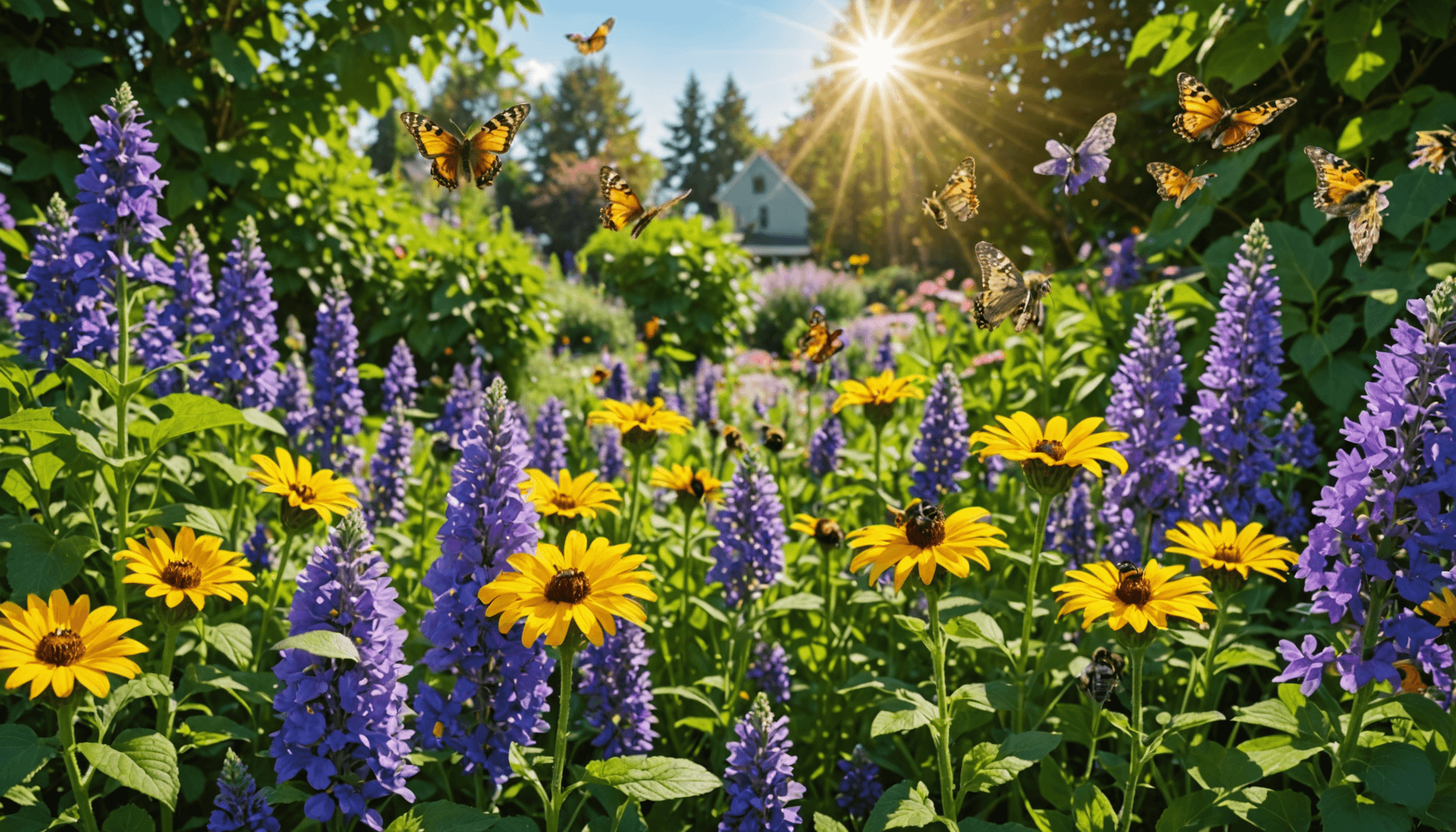 Selecting plants that are specifically suited for pollinators is essential to creating an environment that thrives with these beneficial creatures. An effective strategy is to choose a mix of flowering plants that fulfill the varying dietary preferences of different pollinators. For example, bees favor flowers from the Asteraceae and Lamiaceae families, rich in nectar and pollen, while butterflies tend to be attracted to those in the Apiaceae and Scrophulariaceae families, which offer sugar-rich nectar.
To better understand which plants work best for attracting specific species, consider the following table that categorizes common pollinators alongside their preferred plant types:
| Pollinator | Preferred Plant Types | Flower Attributes |
|---|---|---|
| Bees | Asters, Sunflowers, Lavender | Brightly colored, strong fragrance |
| Butterflies | Milkweed, Coneflower, Zinnias | Open, flat shapes for easy landing |
| Hummingbirds | Bee Balm, Trumpet Vine, Salvia | Red or orange tubular flowers |
| Beetles | Wildflowers, Decaying Logs | Varied, often found in dense clusters |
When selecting plants for your nursery, it is beneficial to integrate various types that bloom at staggered times throughout the seasons. This plant diversity not only extends the pollinator visitation period but also fosters a resilient ecosystem. For instance, early-blooming plants like crocuses or snowdrops provide essential food for pollinators emerging from hibernation, while late-blooming species like asters or goldenrods continue to serve pollinators into the fall.
In your garden design, also consider including a mix of flower shapes and sizes. Shallow blossoms are ideal for bees with shorter tongues, while deeper flowers are better suited for longer-tongued pollinators like certain butterflies and hummingbirds. This thoughtful approach not only accentuates the beauty of your nursery but also guarantees that it serves as a comprehensive feeding ground for various pollinator species.
Additionally, be mindful of the environmental impact linked with your choice of plant material. Avoid monocultures, which can lead to habitat deserts for pollinators. Instead, strive for ecological diversity, and seek out organic seed sources when possible. Native plants are particularly valuable, as they are adapted to local conditions and tend to attract native pollinators more effectively than non-natives.
By adopting these practices, your nursery becomes a vibrant habitat, promoting the health of pollinator populations while providing your customers with the knowledge they need to enhance their own gardening practices. This ultimately cultivates a healthier ecosystem, reinforcing the foundational role these organisms play in our environment.
Creating Habitat and Shelter
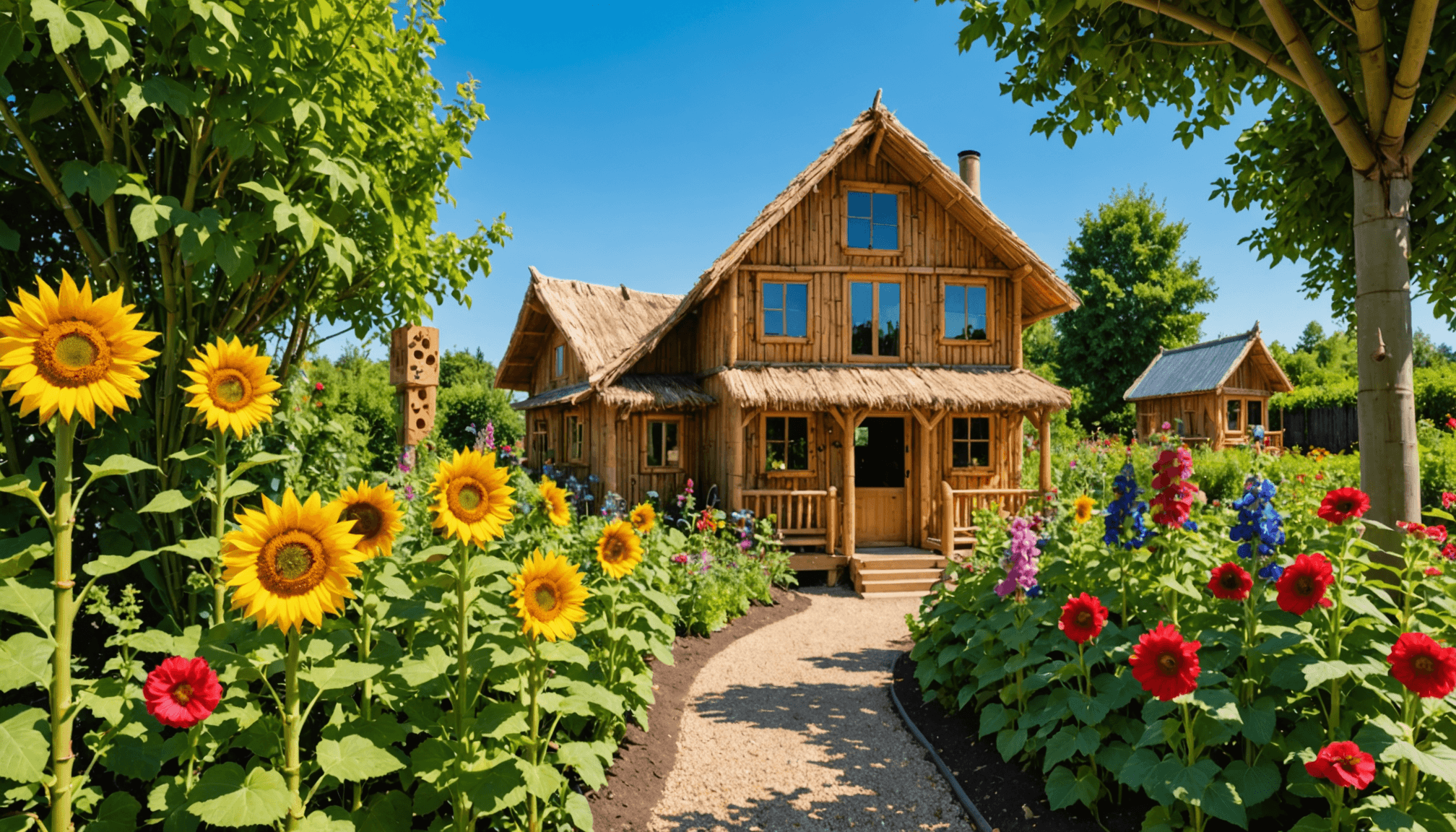
To create an inviting habitat for pollinators, consider integrating various elements that will provide shelter, nesting sites, and protection from harsh weather conditions. Understanding that different pollinator species have unique preferences for habitat can significantly enhance the likelihood of attracting them to your plant nursery.
Begin by establishing natural shelter in the form of native plants, shrubs, and trees that can act as windbreaks and shade providers. These plants not only offer a safe haven for pollinators but also contribute to a visually appealing nursery. Remember to:
- Include a variety of heights: Use tall flowering plants like sunflowers or hollyhocks paired with shorter plants such as groundcover species. This vertical diversity mimics natural habitats, making your nursery more attractive to pollinators.
- Create brush piles or leave debris: Logs, dead branches, and leaves can serve as nesting sites for many solitary bees and other beneficial insects. It’s a simple but effective way to provide habitat without additional maintenance.
- Consider adding a pollinator hotel: These structures can offer various nesting spaces for different pollinator species. Use materials like bamboo, hollow plant stems, or drilled wooden blocks to create cavities for bees.
Water is another essential component for a thriving pollinator habitat. Providing clean, shallow water sources can be incredibly beneficial. Use birdbaths or small basins filled with pebbles, ensuring there are landing spots for pollinators. Regularly refresh the water to keep it clean and prevent mosquito breeding. Embedding these water sources not only supports pollinators but invites birds and other wildlife, adding life and vibrancy to your nursery.
To enhance the environmental impact of your nursery, consider implementing sustainable practices that prioritize biodiversity and ecological health. Avoid using chemical pesticides or fertilizers that can harm pollinators. Instead, explore organic gardening practices that nourish the soil and plants through natural amendments like compost or well-rotted manure. By nurturing a healthy ecosystem, not only do you create a robust habitat for pollinators, but you also encourage your customers to adopt similar gardening practices in their own spaces.
Incorporate educational signage throughout your nursery to highlight the importance of providing diverse habitats and the role they play in supporting local wildlife. This will engage your customers and inspire them to become advocates for pollinators, extending their newfound knowledge back to their home gardens. Ultimately, by creating a supportive environment for pollinators, you’ll be fostering healthier plant growth, improved yield, and increased customer satisfaction.
Providing Water Sources
Providing accessible water sources is essential for attracting and supporting pollinators in your nursery. Pollinators, such as bees and butterflies, require water for hydration and to help regulate their body temperature, especially during hot weather. By creating water features that are safe and inviting, you can significantly enhance the overall environment of your nursery while benefiting these crucial creatures.
Start by incorporating shallow water sources that are easily accessible. Birdbaths, small dishes, or shallow trays filled with pebbles or stones can provide the perfect landing spot for pollinators, while also preventing them from drowning. Fill these containers with fresh water regularly; changing the water at least once a week ensures it remains clean and appealing. It’s also important to set up these water features in sunny, sheltered areas where pollinators feel safe, away from wind and heavy foot traffic.
You could also consider adding a small, decorative pond or a rain garden if space allows. These features not only serve as a water source but can also support a greater diversity of wildlife, attracting birds and beneficial insects that enrich the ecosystem of your nursery. When designing your water features, be mindful of the local climate and choose materials that will withstand weather elements, ensuring longevity and minimal maintenance.
Including native aquatic plants around your water sources can enhance the visual appeal and create additional habitats. Plants like water lilies or cattails can offer shade and shelter, contributing to a thriving ecosystem that supports pollinators year-round. Not only will this diversify your nursery environment, but it will also provide your customers with inspiration for their own gardens.
Moreover, embrace eco-friendly practices by ensuring that your water sources do not host harmful chemicals or pollutants. Avoid using chemical treatments when maintaining your water features, as these can deter pollinators and other beneficial wildlife. Instead, adopt natural methods to keep the water clean and algae-free, such as introducing clean, native fauna that promote a balanced ecosystem.
In addition to traditional water sources, consider implementing a drip irrigation system that allows excess moisture to accumulate in specific areas without flooding. This method can create small, moist zones that draw pollinators while also promoting the health of your plants.
By paying attention to the water needs of pollinators, your nursery becomes not only a beautiful showcase of plants but also a vital resource for the wildlife in your area. As you create inviting water sources, you are playing a significant role in promoting the health and sustainability of pollinator populations, which in turn enhances the environmental impact of your gardening practices and encourages your customers to do the same.
“Water is the source of life, and providing it for pollinators helps foster balance and sustainability in our ecosystems.”
Implementing Sustainable Practices
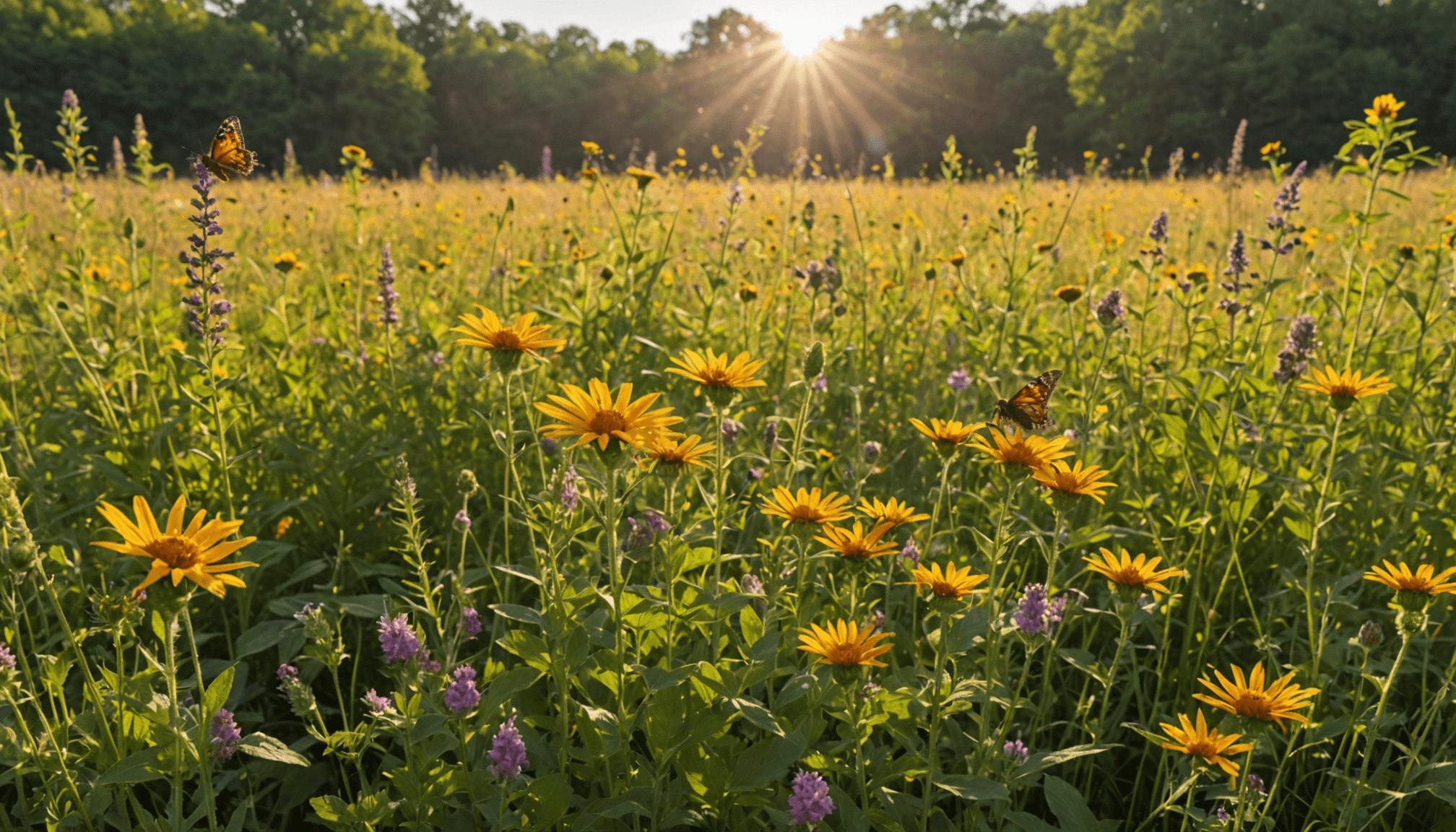
Implementing sustainable practices is crucial for fostering a thriving environment for pollinators in your plant nursery. To bolster biodiversity, consider employing methods that not only attract these essential creatures but also enhance the health of your ecosystem. One of the primary ways to achieve this is through organic farming techniques that improve soil health and promote vibrant plant growth. By avoiding synthetic fertilizers and pesticides, you enable pollinators to flourish without the threat of harmful chemicals that can deter or kill them.
Incorporating composting and natural soil amendments enriches the soil with nutrients that plants need while fostering a healthier growing environment. Healthy plants are more resilient against pests and diseases, which means you can rely less on chemical interventions. Engage in crop rotation and companion planting to disrupt pest cycles naturally and promote beneficial plant relationships. These practices contribute to a balanced ecological system, forming a robust support network for pollinators.
Creating a distinct area dedicated to pollinator-friendly zones can also make a significant impact. Designate sections of your nursery for wildflower meadows, native flower beds, or shrubbery that provides food and habitat for various pollinators. This diversity not only enhances the visual appeal of your nursery but also creates a welcoming refuge where pollinators can thrive. The more varied the offerings, the higher the chances of attracting different species and strengthening local populations.
In addition, fostering relationships with local gardening communities is vital to extending the benefits of sustainable practices beyond your nursery. Collaborating on educational workshops can empower customers to adopt similar gardening philosophies at home. Share insights on the importance of providing habitats, using native plants, and engaging in organic practices that support local pollinators. Equip your customers with practical knowledge that encourages sustainable gardening practices, thus creating a ripple effect in promoting healthy ecosystems throughout your community.
By prioritizing sustainability in your nursery, you are not only providing leadership in the environmental movement but are also inspiring your customers to rethink their gardening practices. The impact of such endeavors is profound—each small action compounds into a larger change, contributing to the revival of pollinator populations and aiding in the recovery of our beleaguered ecosystems. In doing so, you cultivate a marketplace that values biodiversity and its interaction with humans, ultimately enriching the lives of everyone involved.
- What are the best practices for avoiding pesticides in my nursery?
- Start by implementing integrated pest management (IPM), which focuses on prevention through natural predators and organic treatments. Regularly monitor plants for pests and diseases to catch problems early, using physical controls like traps or introducing beneficial insects when necessary.
- How can I promote biodiversity in my nursery?
- Select a wide variety of native plants, incorporate different flower shapes and sizes, and create habitats with diverse structures to attract various pollinators. The more diverse your plant offerings, the better for supporting a varied ecosystem.
- What are the benefits of using native plants for pollinators?
- Native plants are adapted to local conditions and typically require less water and maintenance. They also provide the specific nectar and pollen sources that local pollinators prefer, which enhances their survival and reproduction.
- How often should I water my plants to support pollinators?
- Water needs can depend on climate and plant type, but consistently monitor your plants, especially during dry spells, to ensure they receive adequate moisture without overwatering. Shallow water sources for pollinators should be refreshed regularly, ideally on a weekly basis.
- Can I use compost in my nursery, and how does it help?
- Yes, compost enriches the soil with essential nutrients and improves moisture retention, boosting plant health. Healthier plants are less susceptible to pests and diseases, indirectly supporting pollinator populations.
- What should I include in a pollinator hotel?
- A pollinator hotel can contain various materials such as bamboo tubes, hollow plant stems, and blocks of wood with drilled holes to provide nesting spaces for different bee species. Ensure it’s placed in a sheltered location for safety and accessibility.
- How can I educate my customers about supporting pollinators?
- Create informative signage throughout your nursery, host workshops, and distribute printed materials on practices that promote pollinator health. Sharing your passion for pollinators will inspire customers to implement these ideas in their own gardens.
Educating Your Customers
One of the most effective ways to encourage your customers to foster pollinator-friendly environments is through education. Design engaging workshops and informative sessions that delve into the critical role pollinators play in gardening and agriculture. Sharing knowledge about how these creatures contribute to plant reproduction not only heightens awareness but also enhances their appreciation for the natural world.
Start by creating visual aids that illustrate the benefits of pollinators. Use charts, infographics, and live demonstrations to explain how attracting various species, such as bees, butterflies, and hummingbirds, can significantly boost plant health and yield in their home gardens. Consider highlighting case studies or success stories from other urban and suburban gardeners who have implemented similar techniques, showcasing the tangible results of pollinator-friendly practices.
Encourage interaction by offering hands-on activities, such as building simple pollinator hotels or planting native pollinator-attracting flowers in groups. By incorporating tangible actions, customers will retain the information better and feel empowered to make a difference in their own gardening practices.
Additionally, provide printed resources, like brochures and booklets that detail how to create welcoming habitats for pollinators. Include checklists for selecting plants, designing gardens, and incorporating sustainable practices. It’s also beneficial to share online resources, such as websites or social media channels that focus on pollinator conservation, creating an ongoing relationship between your nursery and your customers’ gardening endeavors.
Consider developing a loyalty program or incentive for customers who actively participate in pollinator-friendly initiatives. This could range from discounts on native plants to special events exclusive to members. The more invested they feel, the more likely they are to implement their newfound knowledge and behaviors.
In your signage and communication, emphasize the importance of taking action to foster pollinator populations, and how collective efforts can drive positive environmental impact. Use call-to-action phrases encouraging your customers to share their gardening projects on social media, creating a community of like-minded individuals passionate about supporting pollinators.
Educating your customers is not just about imparting knowledge; it’s about inspiring a movement towards more sustainable gardening practices that protect our pollinators and enrich our environments. Ultimately, the seeds of awareness that you plant today will grow into fruitful endeavors that support both your nursery and the ecosystems we cherish.