
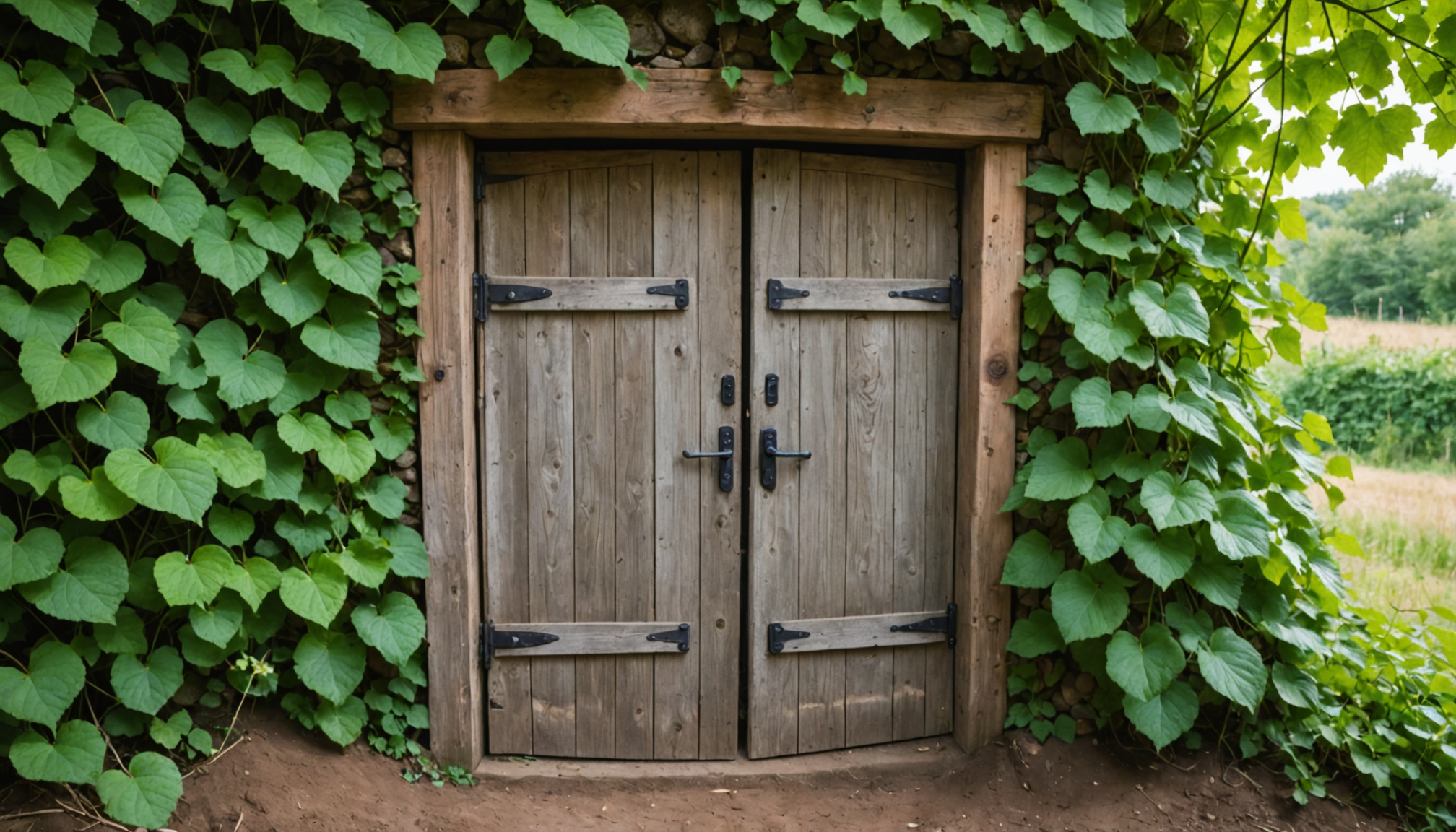
Constructing a root cellar can be a rewarding project that significantly enhances your self-sufficiency while providing a reliable method for food storage. This underground sanctuary allows you to preserve a variety of vegetables and other perishables for extended periods, even in challenging climates. The beauty of a root cellar lies in its simplicity: it utilizes the earth’s natural insulation properties to maintain consistent temperatures and humidity levels.
A root cellar can be fashioned from several types of structures, from homemade wooden shacks to pre-made kits available on the market. The key is to ensure that the design encourages proper ventilation and drainage while providing adequate protection from pests and extreme temperatures. Before diving in, it’s essential to consider what types of produce you’ll store. Common items stored include potatoes, carrots, beets, onions, and garlic. Knowing your needs will direct your planning and ensure you build a space that caters to your specific storage requirements.
Before beginning construction, take some time to research different designs and their respective benefits. The classic earth-bermed cellar is efficient and low-cost, while a more modern approach could include economically available building supplies that help maintain the environment within. Whichever route you choose, understanding the importance of insulation, ventilation, and humidity control will help in creating the optimal conditions for your root cellar.
Additionally, consider adding esthetic features and easy access points, like a proper door and lighting, to make your root cellar not only functional but user-friendly. A well-planned root cellar not only extends the life of your vegetables but will also bring a sense of satisfaction knowing you’re investing in your own self-sufficiency journey.
Ultimately, whether you’re in the suburbs or rural land, building a root cellar is an accessible and practical way to enhance your homesteading experience. Embrace the challenge, and soon you’ll have a space that brings joy and reliable nourishment to your household!
Choosing the right location
When choosing the right location for your root cellar, several critical factors should be considered to ensure optimal performance and functionality. A well-located root cellar can significantly enhance both food storage capability and your overall self-sufficiency efforts.
First, assess the natural landscape of your property. The ideal location is one that is slightly sloped, as this helps with drainage and minimizes the risk of water pooling around your cellar. A slope will also allow you to take advantage of gravity to construct your root cellar, making excavation easier. Additionally, areas with good drainage will prevent excess moisture from affecting the quality of your stored food.
Soil type is another vital consideration. Sandy or loamy soil generally provides good drainage, helping maintain the right moisture levels inside the cellar, whereas clay soil can retain moisture and may lead to water problems. Test the soil in potential locations to see if it is well-draining, which will contribute to maintaining the ideal humidity for your stored foods.
Proximity to your home is essential for ease of access. A location that is too far away could make it cumbersome to retrieve food, especially during inclement weather. Aim for a location that is within a reasonable distance from your kitchen or main living area, ideally with a path or walkway that keeps access clear.
Consider the sun exposure in your chosen spot. While root cellars thrive in cooler conditions, direct sunlight can warm the space and lead to spoilage of stored produce. Areas with partial shade or north-facing slopes are usually preferable, as they help keep internal temperatures low.
Lastly, think about local wildlife and pests. A location that is hidden from frequent animal activity will minimize the risk of pests invading your root cellar. Using natural barriers like thick brush or positioning the cellar away from animal trails can help protect your food supply.
Below is a comparison of specific site characteristics that can impact your root cellar and their effects:
| Site Characteristic | Ideal Condition | Implication for Root Cellar |
|---|---|---|
| Drainage | Well-draining soil | Prevents water accumulation; maintains appropriate humidity. |
| Sun Exposure | Partial shade or north-facing | Keeps temperatures down and extends food storage life. |
| Proximity to Home | Close to main living area | Enhances accessibility and encourages regular use. |
| Wildlife Activity | Low animal traffic | Reduces the risk of pests compromising food storage. |
| Soil Type | Sandy or loamy soil | Facilitates good drainage and prevents moisture-related issues. |
By carefully analyzing these factors, you can select a location that not only supports the structural integrity of your root cellar but also optimizes its performance for long-term food storage. A well-located root cellar will ensure that your investments in both food preservation and self-sufficiency yield the best possible results.
Designing your root cellar
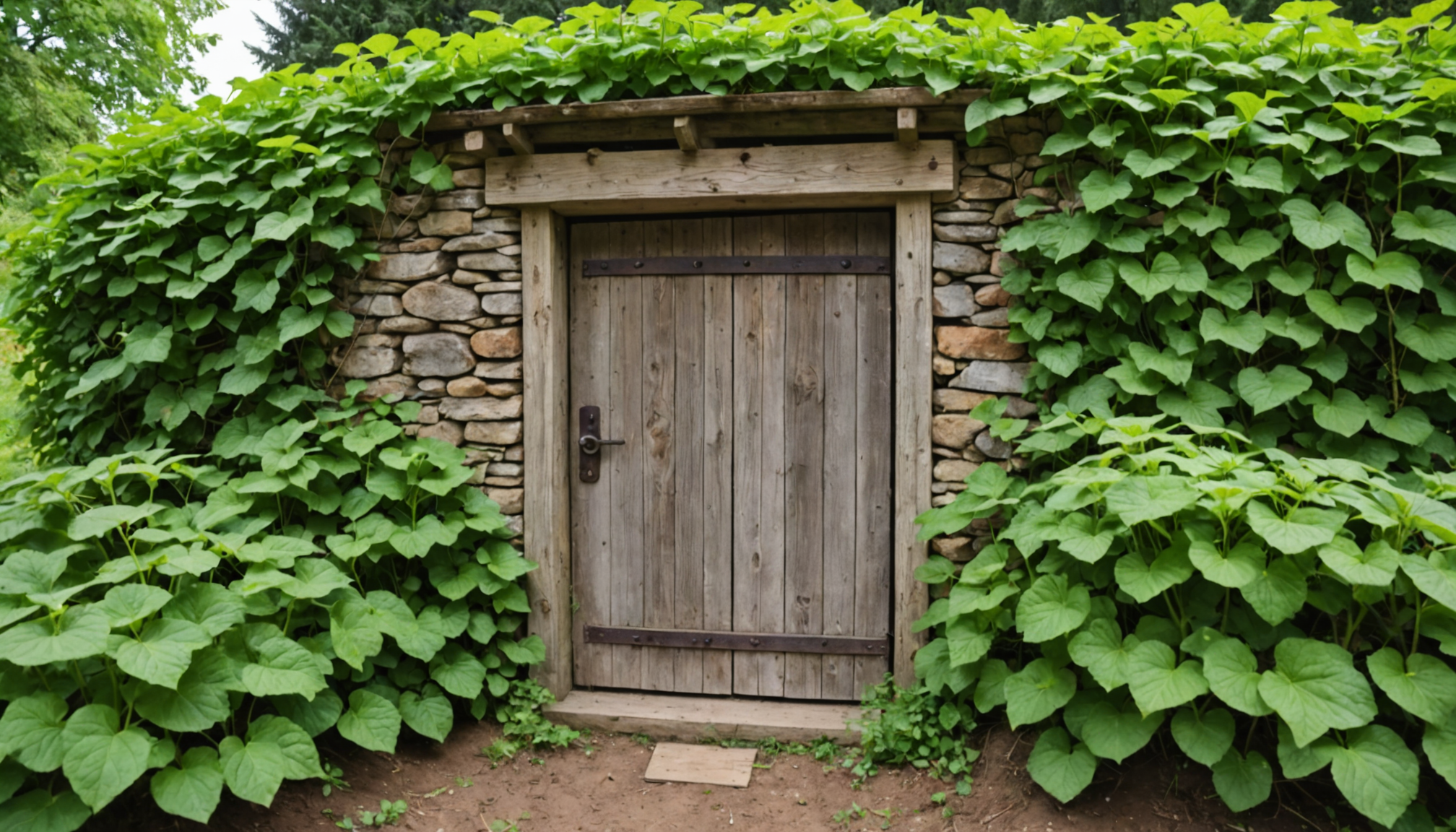
Designing your root cellar requires a careful balance between functionality, efficiency, and creativity. The goal is to create a space that does more than just house your food—it should preserve its freshness and quality throughout the storage period. Start by considering the dimensions of your root cellar based on the volume of produce you plan to store. A good rule of thumb is to allocate about 10 square feet per person for vegetables and other perishable goods, ensuring you have ample room for everything from potatoes to squash.
When it comes to the shape of your cellar, a circular or rectangular design can work well, but make sure to avoid sharp corners that may interfere with airflow. The structure should promote good ventilation to allow moist air to escape while controlling humidity levels inside. Adding vents at both the top and bottom of your cellar can encourage a natural flow of air, preventing the buildup of gases that can rot your food. Moreover, consider installing a small fan with a humidity controller to maintain optimum conditions, which can be particularly beneficial during warm seasons.
For the walls, you have several options ranging from earth-bermed to insulated panels. Earth-berming offers excellent insulation against temperature fluctuations and keeps your cellar cool naturally, while insulated panels can provide added protection against pests and the external elements. Regardless of the choice, ensure that the walls are thick enough to provide the necessary insulation, generally at least 12 inches for earthen walls or 2 to 4 inches for insulated panels.
Don’t forget about the flooring! Opt for a surface that allows for good drainage. Crushed stone or gravel can be excellent choices, providing a solid base while preventing water from pooling. If you’re choosing a concrete or earthen floor, make sure to slope it slightly away from the entrance to facilitate drainage.
A proper entryway is crucial for easy access and pest prevention. Consider a well-sealed door that can be locked to discourage unwanted critters. Adding a simple ramp or steps ensures easy access and minimizes the risk of damage to crops when moving them in and out. Including storage shelves in your design will help keep everything organized. Use wooden pallets or crates; these allow airflow around your produce and make it easy to stack items high.
Incorporating lighting into your root cellar is also a thoughtful design choice. While it’s essential to avoid excess light exposure to prevent sprouting, you may want small, low-wattage LED lights for visibility, especially when the cellar is used regularly. Consider installing motion-sensor lights to conserve energy and maintain a dark environment for your stored goods.
Ultimately, personalization is key. Add character with a chalkboard for keeping track of your inventory, or design a designated tasting corner for enjoying the fruits of your labor right in your root cellar! Each feature you choose should reflect the type of storage you anticipate using and the unique practices of your homesteading lifestyle. With a well-designed root cellar, you’ll reap the benefits of prolonged food storage and enhanced self-sufficiency for years to come.
Essential construction materials
The choice of construction materials plays a fundamental role in the longevity and efficiency of your root cellar. Selecting the right materials not only impacts the structural integrity but also influences the ability to maintain optimal conditions for food storage.
Start with the foundational elements. If you’re digging into the earth, you’ll want to choose durable materials that can withstand moisture and temperature fluctuations. Concrete blocks or poured concrete provide a solid foundation, offering excellent resistance against moisture. They also create a secure barrier against pests, which is critical for preserving your produce. When using concrete, ensure proper sealing to prevent water infiltration, which can lead to mold and decay.
For walls, earth-berming is an effective approach where you use the surrounding soil to insulate your root cellar naturally. When opting for this method, use a thick layer of earth (at least 12 inches) to effectively keep temperatures stable. Additionally, it’s advisable to treat the interior wall surfaces with a non-toxic waterproofing agent to guard against moisture buildup.
When considering insulation, materials such as foam board or rigid insulation panels can be advantageous for above-ground designs. These materials help maintain a cooler environment while not succumbing to moisture issues as much as traditional insulation might. Always check the material’s specifications to ensure it’s suitable for underground use where exposure to humidity is a factor.
The roof of your root cellar should also be constructed with care, utilizing materials that provide excellent insulation and durability. A wooden or metal frame covered with insulation or earth-burden is effective in protecting against temperature variations. Use treated plywood for any wooden components to prevent rot and degradation. Additionally, ensure the roof design allows for proper drainage to avoid water pooling, which could damage your root cellar’s structure.
For flooring, choose something durable yet porous to facilitate drainage. Crushed stone or gravel is ideal, as it allows for moisture to percolate away from stored goods. If concrete is your chosen material, ensure it is sloped slightly to allow water to drain effectively, preventing any stagnant water issues.
Given the importance of ventilation, consider installing a combination of vents made from durable materials like PVC or galvanized steel. This will ensure that your root cellar has a balanced airflow, crucial for maintaining the humidity levels required for successful food storage.
Finally, invest in quality access materials, such as a well-built door that seals tightly. This prevents temperature fluctuations and keeps pests at bay. Consider an insulated door for added protection against the elements, enhancing the overall efficiency of your root cellar.
By selecting the right construction materials and focusing on durability and insulation, you’ll ensure that your root cellar remains a reliable resource for food storage, underscoring your commitment to self-sufficiency.
“The earth is our best ally in storing food, using its inherent properties protects our harvest.”
Maintaining optimal conditions
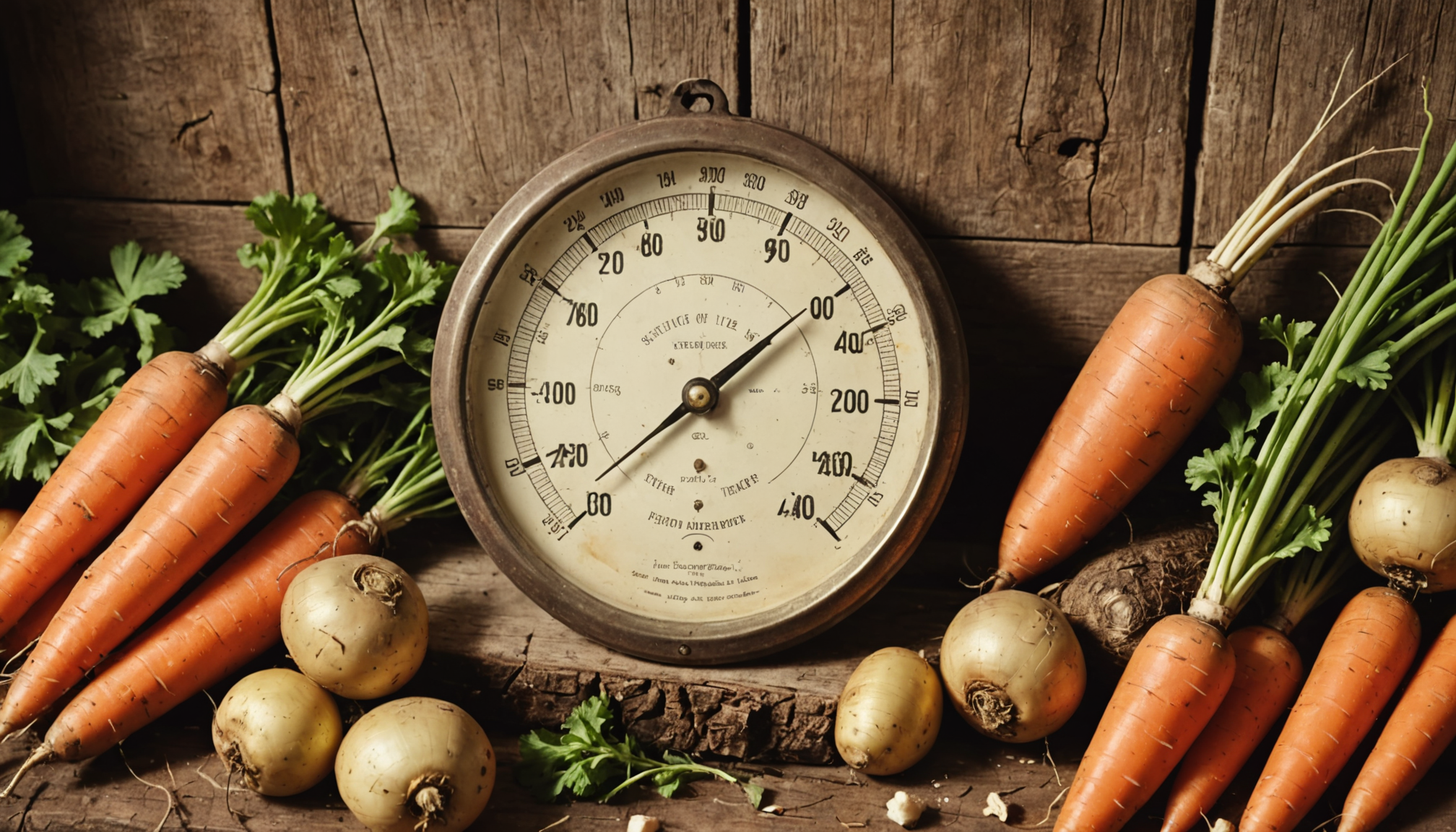
Maintaining the optimal conditions inside your root cellar is crucial for ensuring the longevity and quality of your stored produce. The ideal environment combines consistent temperature, humidity control, and ventilation, all working together harmoniously to prevent spoilage and waste. Aim for temperatures between 32°F and 40°F (0°C to 4°C), which are optimal for most root vegetables. A thermometer placed inside can help you monitor the climate, allowing for necessary adjustments if temperatures begin to rise or fall too drastically.
Humidity levels are also vital; they should typically be around 85% to 95%. High humidity prevents crops from drying out but can lead to mold and rot if not properly managed. To achieve this balance, consider adding moisture-retaining materials such as damp sand, sawdust, or even a shallow tray of water covered with burlap to naturally increase humidity. Regularly check your stored vegetables for signs of excess moisture or pests, and remove any decaying items immediately to prevent spoiling the rest of your harvest.
Ventilation plays an important role in maintaining air quality within your root cellar. A common issue is the buildup of ethylene gas, which can accelerate the ripening and rotting of stored goods. Installing air vents positioned both high and low can create a gentle airflow that carries away gases and maintains humidity levels without exposing produce to temperature fluctuations. If your cellar is above ground, consider using a solar-powered exhaust fan to enhance airflow when temperatures rise outside.
Taking the time to keep your root cellar clean is equally important for preserving the quality of stored food. Implement a regular cleaning schedule to keep the space free of debris and pests, as a tidy environment helps reduce the risk of infestations and preserves air quality. Additionally, ensure that any shelving or crates used for storage are also cleaned regularly, as they can harbor moisture and provide breeding grounds for pests.
Remember that each harvest season brings unique challenges; consistently observing the conditions and adapting the environment accordingly is key to maximizing the benefits of your root cellar. Regular monitoring and maintenance not only enhance the quality of your stored food but also empower you on your journey toward self-sufficiency by ensuring that your efforts yield the best possible results.
- How do I know if my root cellar is at the right temperature?
- Using a thermometer specifically designed for cold storage is the best way to monitor temperature. Aim for consistent temperatures between 32°F and 40°F (0°C to 4°C) for optimal produce storage.
- What is the ideal humidity level for my root cellar?
- The ideal humidity should be between 85% and 95%. To reach this level, you can use damp materials like sand or sawdust while checking frequently for moisture buildup to avoid mold.
- How can I improve ventilation in my root cellar?
- Adding air vents at both high and low points in your root cellar promotes airflow and prevents gas buildup. Solar-powered exhaust fans are also helpful in maintaining air circulation during warm weather.
- What materials should I use for building shelves in my root cellar?
- Use wooden pallets or crates that allow for good airflow around produce. Ensure they are clean and dry to avoid harboring moisture that can lead to spoilage.
- How often should I check my stored produce?
- Regular checks at least once a week are advisable to ensure that no items are spoiling and that humidity and temperature levels remain consistent.
- Can I store all my fruits and vegetables together in the root cellar?
- While many root vegetables can be stored together, some fruits emit ethylene gas, which can cause nearby produce to ripen too quickly. It’s best to separate sensitive items to avoid spoilage.
- What signs should I look for to know if my root cellar conditions are off?
- Watch for mold growth, overly dried produce, or significant temperature fluctuations. Regular inspection will help catch these issues before they impact your entire harvest.
Utilizing your root cellar for food storage
Utilizing your root cellar for food storage requires an understanding of what produces will best thrive in this environment while maximizing space effectively. Begin by categorizing your produce, as different fruits and vegetables have varying requirements for storage, which can significantly impact their shelf life and quality. For example, root vegetables like potatoes, onions, and carrots flourish in dark, cool conditions, making them ideal candidates for root cellar storage.
When it comes to carrots, keep them in perforated plastic bags or wrapped in damp newspaper to retain moisture without encouraging rot. Potatoes should be stored in a burlap sack to allow plenty of airflow, while onions can be placed in mesh bags to prevent mold. A simple yet effective method for keeping potatoes and onions apart is designating separate shelves or crates within your root cellar, helping to extend their viable storage duration.
Fruits, such as apples and pears, can also benefit from root cellar conditions, but you must be aware of their ethylene gas emissions, which can accelerate ripening in nearby produce. To avoid spoilage, store them on a different shelf or in a separate area. The best practice is to check these fruits weekly for any signs of bruising or decay, removing affected items immediately to prevent them from impacting others.
In addition to storing produce, your root cellar can function as a versatile space for other food preservation methods. Consider using the environment to control the temperature of canned goods, such as pickles, jams, and sauces, which thrive in a cool atmosphere. Just ensure that the caps are sealed tightly, and check them regularly for any signs of spoilage or rust.
Consider also integrating a dry storage area for grains, beans, and seasonal items like squash. Store these in airtight containers or glass jars to keep them fresh and protected from pests. Rotating your stock will help maintain freshness—taking note of the ‘first in, first out’ principle can optimize your space and ensure older items are used first.
Plan your space thoughtfully; utilize shelves to maximize vertical space and keep frequently accessed items near the door while ensuring less frequently used items are stored deeper inside. This arrangement minimizes disruption to the cellar’s environment and reduces the chances of raising temperature levels when opening the door.
Consider using a chalkboard or inventory sheet to track what you have stored and their respective expiration dates. This simple practice not only helps you keep visibility on your inventory but also encourages a routine check-up to ensure everything remains in optimal condition. With careful management and observation, your root cellar will become an efficient hub for food storage, enhancing your self-sufficiency and sustaining your homesteading efforts.