
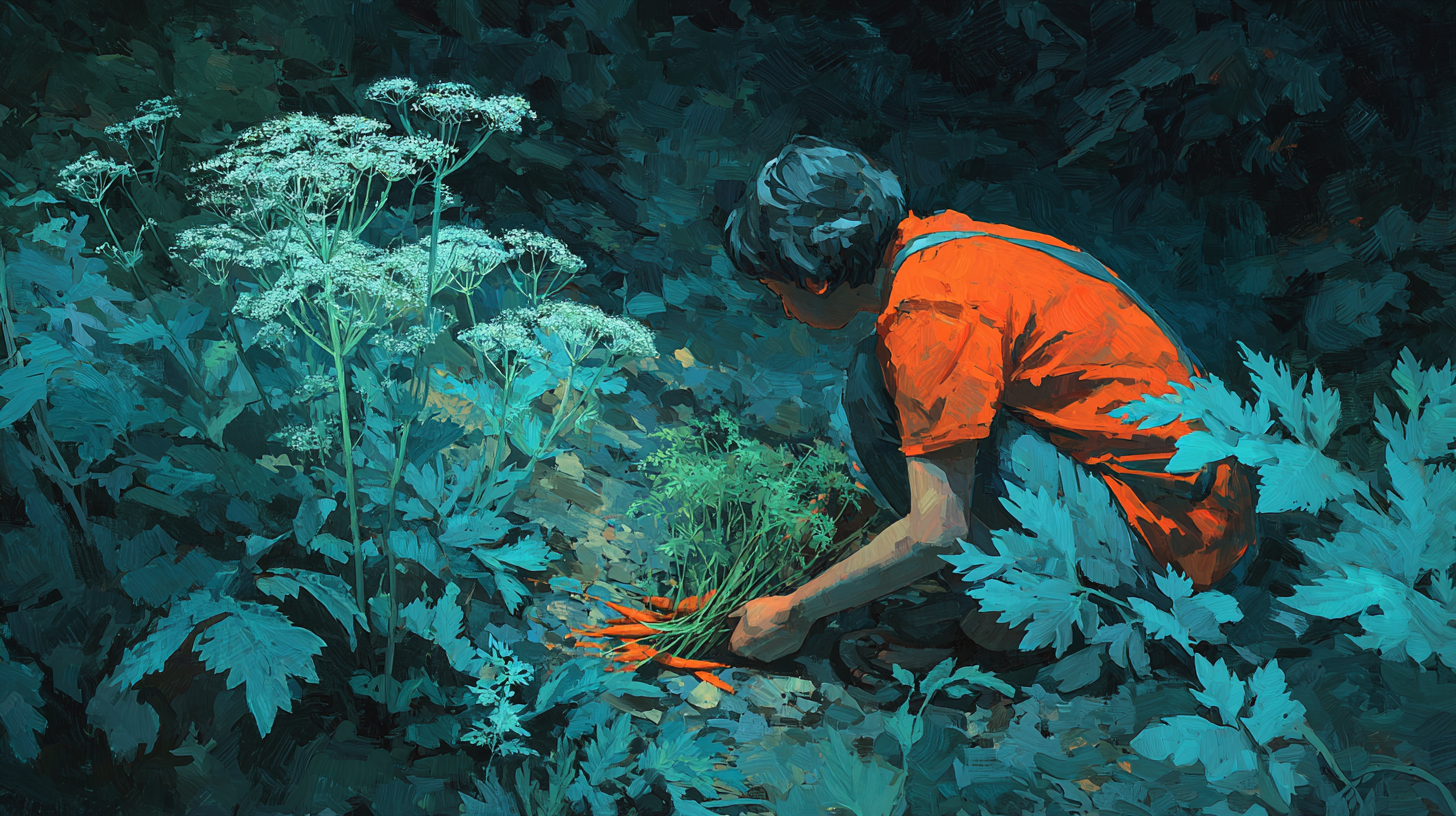
Wild foods offer a remarkable range of nutrients that often surpass those found in cultivated varieties. When you dive into foraging, you unlock a treasure chest of nutritional benefits that can enhance your family’s diet and contribute to self-sufficiency.
Many wild plants are rich in vitamins, minerals, and antioxidants. For example, dandelion greens are loaded with vitamins A, C, and K, and provide a wealth of minerals like calcium and iron. Another example is nettles, which are a powerhouse of nutrients and can be used similarly to spinach or kale in various dishes.
In addition to vitamins and minerals, wild foods typically have higher levels of phytochemicals compared to their agricultural counterparts. These compounds can promote good health and support the body in fighting off diseases. Incorporating a variety of foraged foods into your diet not only enriches your meals but also ensures a broad spectrum of nutrients.
When foraging, here are some important tips to consider to maximize nutritional value:
- Diversify your finds: Aim to include different types of plants, fruits, and mushrooms in your diet. This diversity can cover more nutritional bases.
- Harvest at the right time: Many wild foods reach their peak nutritional value at specific times of the year. For example, berries are often most nutritious late in their growing season.
- Know your sources: Make sure the areas you forage from are free of pollutants, chemicals, and pesticides. Choose clean, natural environments for the best quality of wild foods.
In addition to greens, consider foraging for plants like wild garlic (which adds both flavor and health benefits), or berries that can be preserved for winter months. By turning foraging into a regular part of your routine, you can significantly enhance the nutritional content of your meals and embrace an even more self-sufficient lifestyle.
The environmental benefits of foraging
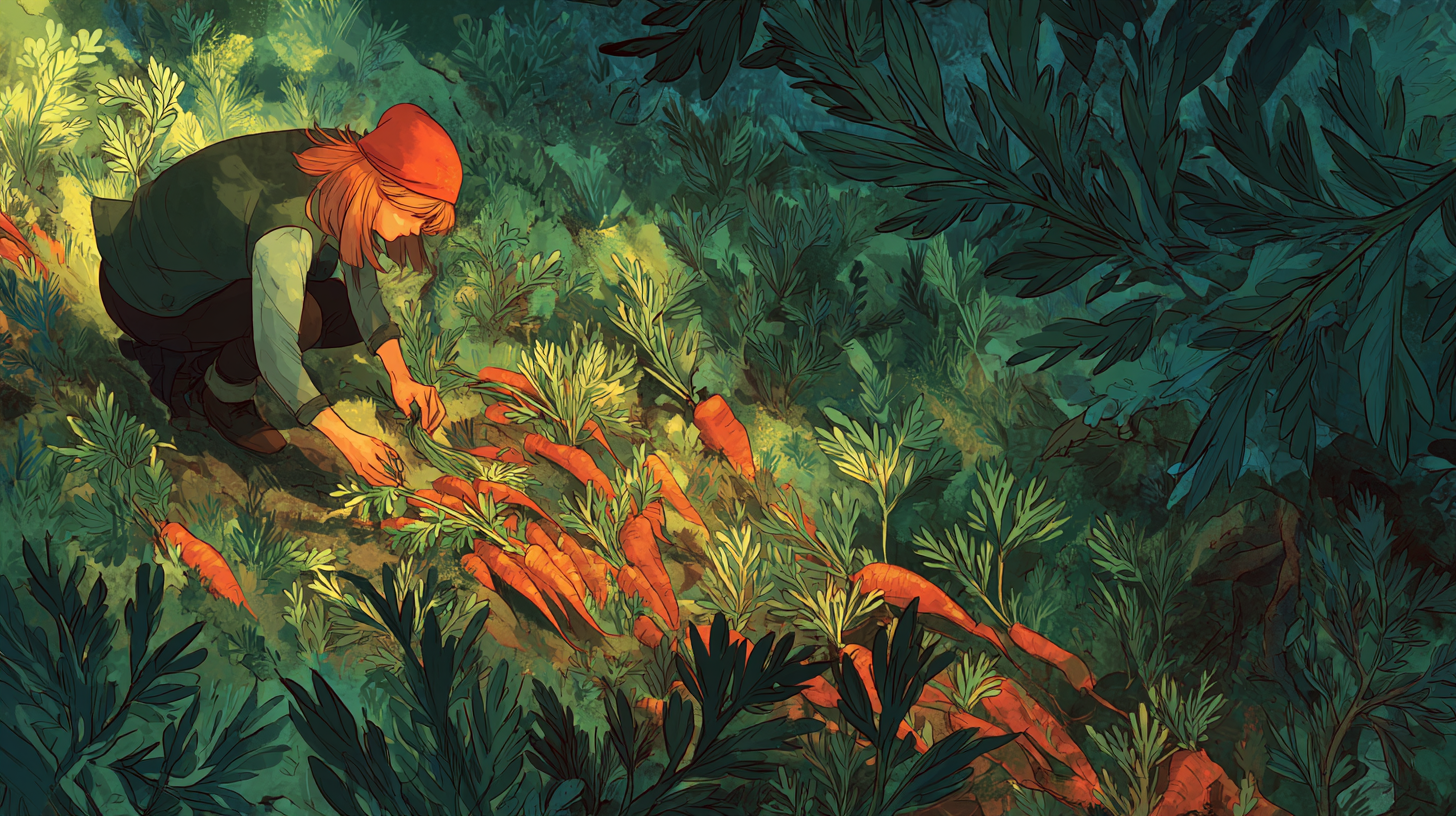 Foraging for wild foods not only nourishes the body but also promotes a healthier environment. By choosing to gather wild plants and mushrooms instead of relying solely on store-bought produce, foragers engage in practices that contribute to the sustainability of ecosystems. The ecological benefits of foraging are multi-faceted, positively impacting biodiversity, soil health, and local wildlife habitats.
One significant advantage is the enhancement of local biodiversity. Cultivated crops often dominate agricultural landscapes, leading to a reduction in the variety of plant species. Foraging wild foods encourages the preservation of native plants and maintains diverse ecosystems. This diversity is crucial for a resilient environment, enabling natural systems to withstand pests, diseases, and climate variability. When foragers collect native plants, they contribute to the ongoing health and vitality of these ecosystems, allowing them to flourish.
Moreover, foraging reduces the carbon footprint associated with food transportation. Store-bought produce typically travels long distances before reaching consumers, contributing to greenhouse gas emissions. In contrast, foraged foods are gathered within local environments, minimizing transportation needs and the associated environmental toll. This practice aligns with the ethos of self-sufficiency, where individuals rely on local resources rather than imported foods, fostering a sustainable food system.
Soil health is another critical factor influenced by foraging. Many wild plants play a vital role in preventing soil erosion and promoting soil fertility. Deep-rooted plants, such as wild carrots or dandelions, help to aerate the soil, allowing for better water penetration and nutrient absorption. By foraging and encouraging the growth of these plants, individuals can support healthier soil ecosystems, ultimately leading to a richer habitat for wildlife and cultivated crops alike.
In addition to these environmental benefits, foraging provides food sources that support local wildlife. The presence of native plants creates habitats and food availability for various animal species, including pollinators such as bees, butterflies, and birds. When foragers opt for wild edibles, they often harvest with care, ensuring that sufficient plants remain for wildlife sustenance and maintaining the balance of these ecosystems.
To illustrate some of the environmental impacts of foraging versus conventional farming, the table below summarizes key aspects:
| Aspect | Foraging for Wild Foods | Conventional Farming |
|---|---|---|
| Biodiversity | Enhances local biodiversity; promotes native species | Often reduces biodiversity; promotes monocultures |
| Carbon Footprint | Minimal transportation; local sourcing | High transportation emissions; global supply chains |
| Soil Health | Contributes to soil fertility and erosion prevention | Can lead to soil degradation and reliance on fertilizers |
| Wildlife Support | Provides habitats and food for local wildlife | Often disrupts natural habitats; can harm local fauna |
By understanding the broad environmental benefits associated with foraging, individuals can make more informed choices that not only benefit their health but also contribute to a sustainable and thriving ecosystem. This mindful approach supports the delicate interplay between people, nature, and the food we consume, aligning with the principles of self-sufficiency and ecological harmony.
Safety tips for foraging
Foraging can be a rewarding and fulfilling activity, but it’s essential to prioritize safety during your adventures in the wild. Whether you’re a seasoned forager or just starting, proper precautions can help you avoid potential risks and ensure a positive foraging experience.
Here are some key safety tips to keep in mind:
- Be absolutely certain of your identification: Mistaking a toxic plant for an edible one is a common risk for foragers. Always use multiple reliable resources, such as field guides or reputable apps, to confirm the identity of plants. Consider joining local foraging groups or taking guided foraging classes to learn from experts.
- Start with well-known edibles: Focus on gathering wild foods that are commonly recognized as safe. Foods like dandelion greens, wild garlic, and blackberries are good starting points for beginners due to their abundance and distinctive characteristics.
- Understand your local environment: Familiarize yourself with the flora and fauna of your region. Knowing which plants grow where, their seasons, and local regulations is crucial for safe foraging. Always seek permission if foraging on private land.
- Avoid polluted areas: Steer clear of foraging near busy roads, industrial sites, or areas that may be contaminated with pesticides or other chemicals. This helps ensure that the wild foods you collect are safe for consumption.
- Check for allergies: If you’re trying a new wild food for the first time, it’s wise to carry out a small taste test. Start with a tiny amount and wait 24 hours to ensure you don’t have an allergic reaction before incorporating it more into your meals.
- Watch the weather: Pay attention to the forecast before heading out. Wet, muddy conditions can make navigating trails tricky, while extreme temperatures may lead you to overexert yourself. Dress appropriately for the weather and pack plenty of water and snacks.
- Take a buddy: Foraging is often more enjoyable and safer with a partner. Not only can you share knowledge and help with identification, but you can also keep an eye out for potential hazards like ticks or other wildlife.
By following these safety precautions, foraging can become an enriching part of your self-sufficiency lifestyle. Not only will you be able to enjoy the deliciousness of wild foods, but you’ll also build confidence in your foraging skills and knowledge.
Remember that safety extends beyond personal well-being. Always practice ethical foraging by only taking what you need and leaving enough for wildlife and for future growth. Be mindful of the ecosystem, and try to maintain a sustainable harvest that supports nature while you enjoy your foraged finds.
Popular wild foods to gather
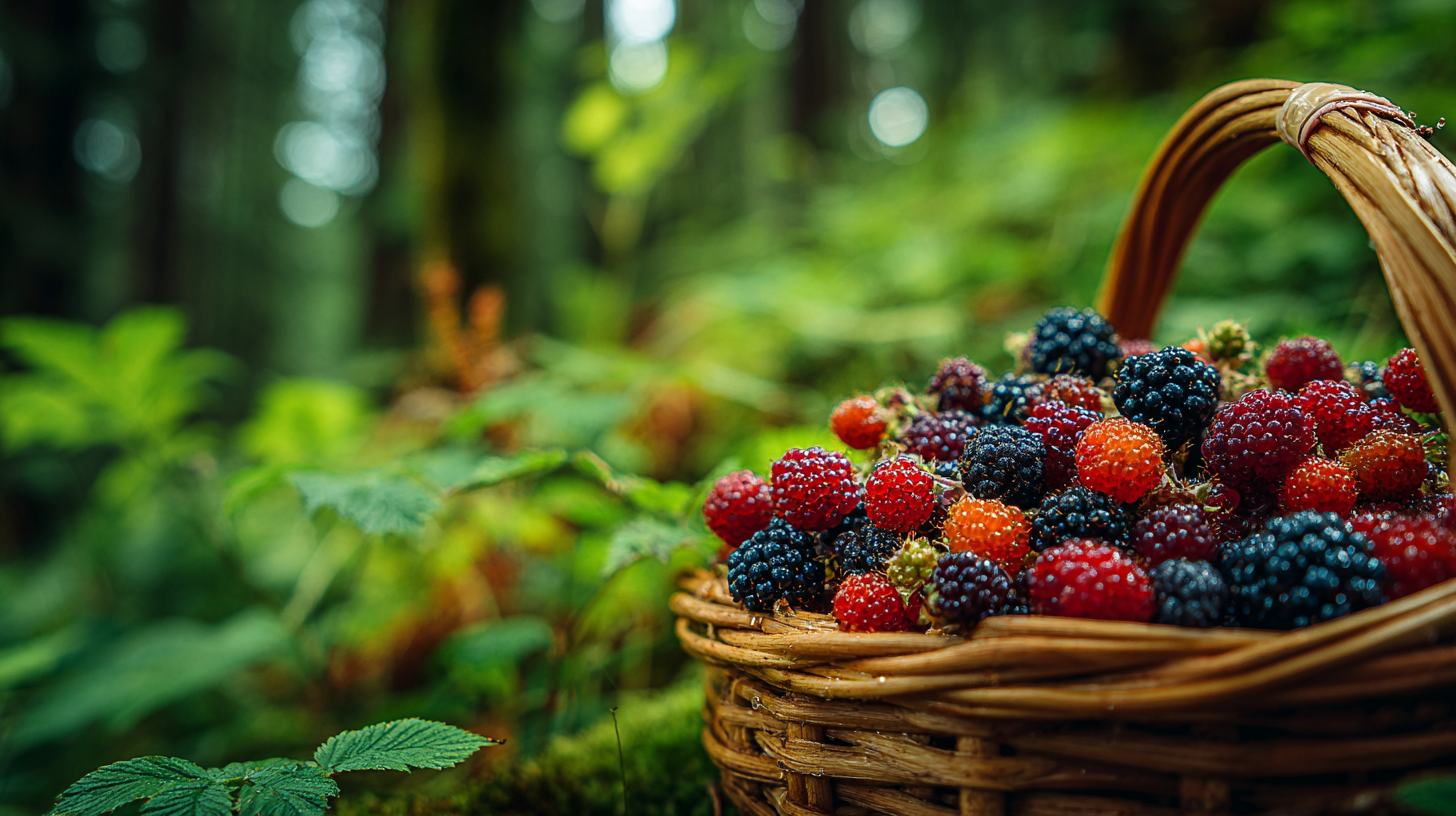
Many experienced foragers have identified a plethora of wild foods that are not only delicious but also easy to gather. One of the most popular and widely sought-after edibles is the abundant wild berry. Whether it’s blackberries, raspberries, or blueberries, these fruits are not only sweet and nutritious but also versatile for incorporation into various dishes, from jams to baked goods. The joy of finding these gems in nature adds a layer of adventure to the foraging experience, making each gathering feel like a treasure hunt.
Another favorite among foragers is the various types of wild greens. Plants like lamb’s quarters and purslane can be gathered in abundance. Lamb’s quarters, often described as a nutrient-dense leafy green, have a flavor reminiscent of spinach, making them great for salads or cooked meals. Purslane, with its succulent leaves, adds a unique tartness and is rich in omega-3 fatty acids and antioxidants. For those looking to enhance their culinary repertoire, experimenting with wild greens opens up a world of flavors and textures that cultivated greens simply cannot match.
Mushrooms are also a thrilling aspect of wild foraging, though they require skillful identification. Edible varieties, such as chanterelles and morels, are prized for their unique flavors and culinary uses. Many foragers embark on mushroom-hunting expeditions specifically to find these gourmet delights. Foraging for mushrooms not only encourages self-sufficiency but also fosters a deeper connection with nature as foragers learn to navigate the woods in search of these fungi.
Various nuts and seeds, like acorns and wild hazelnuts, can also be gathered, providing essential fats and proteins. Acorns, for instance, must be properly leached to remove tannins before they can be consumed, but they offer a rich source of nutrition and can be ground into flour or used in various dishes.
Herbs such as wild garlic and stinging nettle are also highly sought-after for their culinary and health benefits. Wild garlic is often used to enhance dishes with its pungent flavor, while nettles, when cooked, lose their sting and offer a nutritious addition to soups, stews, and smoothies. They are also known for their anti-inflammatory properties, making them an excellent choice for health-conscious foragers.
“As foraging becomes a part of your self-sufficient lifestyle, each wild food gathered tells a story—of the land, the seasons, and your personal journey with nature.”
Aside from taste and nutrition, many find that foraging introduces them to the wonders of their local ecosystem, altering how they view their surroundings. As foragers learn about the plants and mushrooms that thrive in their area, they also develop a heightened awareness of seasonal changes, weather patterns, and wildlife interactions. This deeper understanding enhances the joy of gathering wild foods, transforming it from a simple activity into a lifelong passion marked by exploration and discovery.
Choosing to make a meal from foraged ingredients not only celebrates local flavors but also fosters a sense of sustainability and connection to the earth. By incorporating these wild foods into your diet, you embrace a lifestyle that values the natural world’s gifts while honing the skills necessary for self-sufficiency.
Foraging techniques and tools
When embarking on foraging adventures, having the right techniques and tools at your disposal can enhance the experience significantly. Understanding how to approach different environments, adapting your methods, and employing various tools can expand both your harvest and your knowledge of wild foods. First and foremost, familiarity with the landscape can help you locate fruitful foraging grounds. Pay attention to the diverse habitats in your area, as different ecosystems support different types of plants and fungi. For instance, wetland foraging can yield a bounty of cattails and wild rice, while forested areas may hide an abundance of mushrooms and wild berries.
Starting with the appropriate tools is equally important. A sturdy basket or a cloth bag is ideal for collecting gathered foods, allowing you to transport your finds without bruising them. A small hand trowel or forage knife can aid in digging up roots or harvesting delicate plants without causing damage to their parent species. Depending on the types of wild foods you intend to gather, consider carrying gloves for mushroom hunting, a first aid kit for unexpected scrapes, and a guidebook for plant identification. With these tools, your confidence will grow, allowing you to better tap into your local environment’s offerings.
When foraging for wild foods, certain techniques can maximize your success. For instance, learn the specifics of how to harvest different plants properly; some may need to be cut at the base while others might be plucked from their stems. Patience is key—observe the surroundings, noting which areas yield plenty of edibles, and don’t be afraid to revisit them. Frugality in your foraging practices ties directly into self-sufficiency; only take what you need and always leave sufficient plant material behind to foster regrowth and support local wildlife.
In harvesting mushrooms, developing an eye for detail becomes crucial; varying species often camouflage well with their surroundings. Techniques like checking under leaf litter and near decaying wood can yield rewarding finds. Learn to navigate your local foraging landscape during different seasons, as the same locations can present a whole new array of wild foods depending on the time of year.
Reading the landscape and understanding growth cycles increases your harvesting efficacy significantly. Many foragers also implement observation techniques, noting the animals and insects attracted to certain plants, which can signal edibility and nutrient-rich sources. The interconnectivity of the ecosystem plays an important role in foraging success; by becoming attuned to these relationships, your experience deepens, evolving the task from mere collection to a holistic understanding of nature’s gifts.
- What should I wear when foraging?
- It’s best to wear sturdy shoes or boots that can handle uneven terrain. Additionally, wear long sleeves and pants to protect against scratches and insect bites.
- How do I know if a wild food is safe to eat?
- Always positively identify wild foods using multiple reliable sources before consuming them. Using field guides or mobile applications is a great way to ensure proper identification.
- What tools do I need for foraging?
- A basket or cloth bag for gathering, a small trowel or knife for cutting, gloves for mushroom hunting, and an identification guide are essential tools for successful foraging.
- Can I forage year-round?
- Yes, foraging is possible year-round, but the types of edible plants will vary by season. Being aware of seasonal wildlife patterns will help you plan your foraging trips more effectively.
- How can I ethically forage?
- Practice sustainable foraging by only taking what you need and ensuring that enough of the plant remains for regrowth. Avoid overharvesting and be mindful of local wildlife needs.
- What common mistakes do beginners make when foraging?
- Common mistakes include misidentifying edible plants, foraging in polluted areas, and overharvesting. Beginners should take the time to learn and observe before gathering extensively.
- Is foraging legal in urban areas?
- Foraging laws vary by location, so it’s essential to research local regulations regarding public land, parks, and private property before gathering wild foods.
Incorporating wild foods into your diet
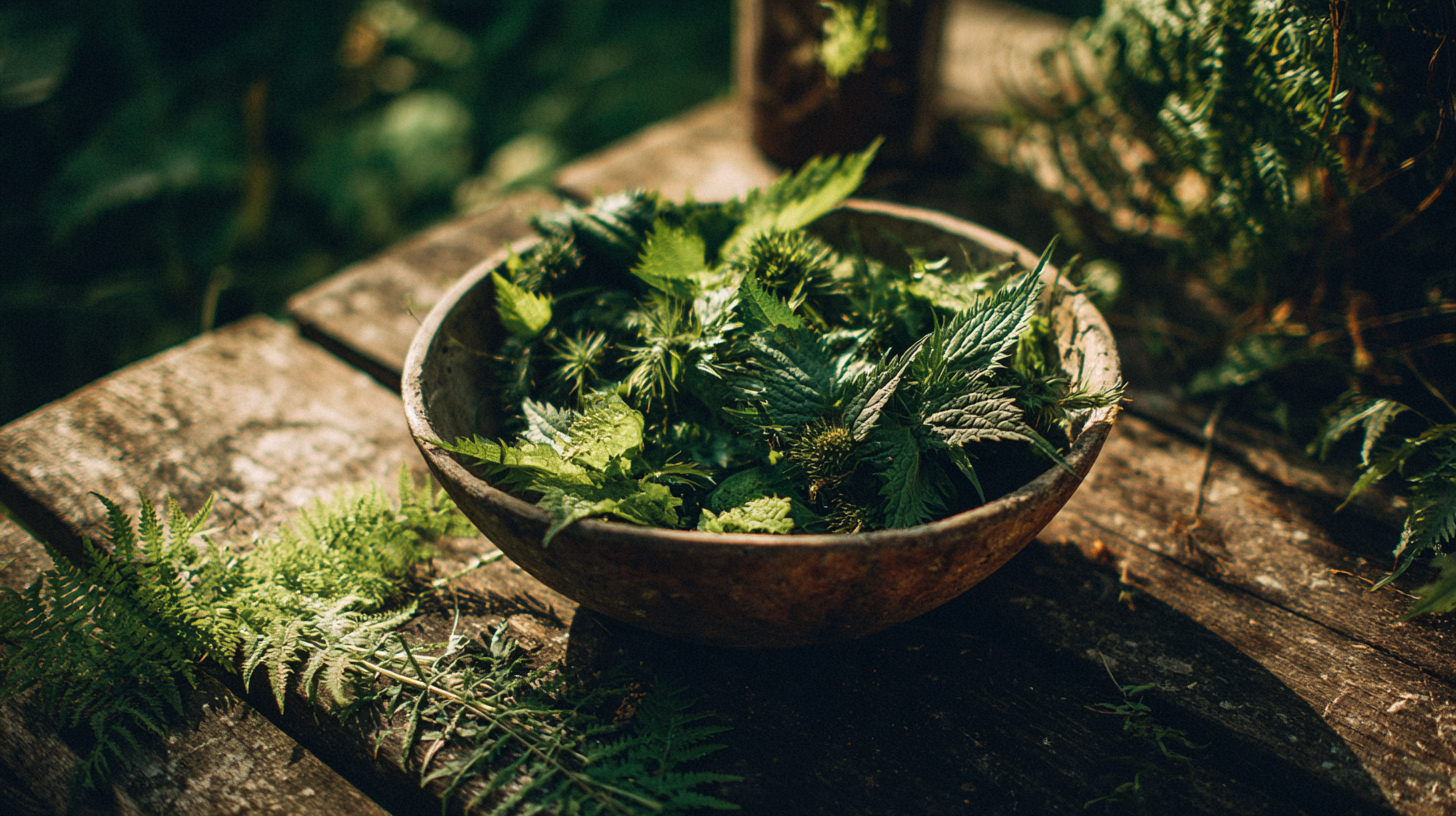
Incorporating wild foods into your diet can be a delightful and rewarding endeavor. These foraged edibles not only offer unique flavors but also connect you to the natural world, enhancing your meals with an element of adventure. When you bring wild foods into your kitchen, you’re not just adding ingredients; you’re embracing a lifestyle that celebrates self-sufficiency and sustainability.
One of the simplest ways to include wild foods in your meals is by using them as substitutes in familiar recipes. For example, instead of using cultivated spinach, try incorporating lamb’s quarters or nettles into your salads or stir-fries. Their flavors often complement traditional dishes and provide nutritional benefits that surpass those of their store-bought counterparts. You might even discover that these wild greens offer a more vibrant taste, adding a new twist to your family’s favorite meals.
For those who enjoy baking, consider experimenting with foraged fruits like blackberries or blueberries. These berries can easily replace conventional fruits in muffins, pies, or jams. The rich flavors of the wild varieties can transform basic baked goods into gourmet treats that spark joy at your family gatherings. Furthermore, learning to make preserves from foraged fruits can provide a satisfying skill set that connects you to seasonal rhythms and helps you store away nature’s bounty for the months ahead.
When preparing wild foods, it’s essential to remember the importance of proper cooking techniques. For instance, stinging nettles lose their sting when cooked and can be blended into soups, added to pasta dishes, or turned into pesto. Meanwhile, mushrooms can be sautéed to bring out their earthy flavors, making them perfect additions to risottos or as toppings on pizzas. Experimentation in the kitchen can lead to exciting new flavors, and engaging children in these culinary adventures can deepen their understanding of nature and nutrition.
If you’re increasingly fascinated by wild foods, consider hosting a foraging potluck with friends and family. This gathering can showcase various dishes prepared with foraged ingredients, allowing each participant to share their unique creations while fostering community around the joys of foraging. This experience can be educational, sparking discussions about the nutritional value, ecological benefits, and ethical considerations of wild food harvesting.
To further inspire your culinary journey, keep a foraging journal. Document each foraging trip, noting what you found, where you found it, and ideas for its use in your meals. This practice not only serves as a personal record but will help reinforce your knowledge of local wild edibles and their seasonal availability. Over time, you’ll build a wealth of information that can guide you towards year-round foraging opportunities.
As you incorporate wild foods into your diet, remember that safety should always be a priority. Ensure you have positively identified each wild food using reliable resources before consumption and continue expanding your knowledge about local plants’ culinary potentials. By doing so, you embrace the essence of self-sufficiency within your homesteading journey, ultimately nourished by the abundant offerings of nature.