
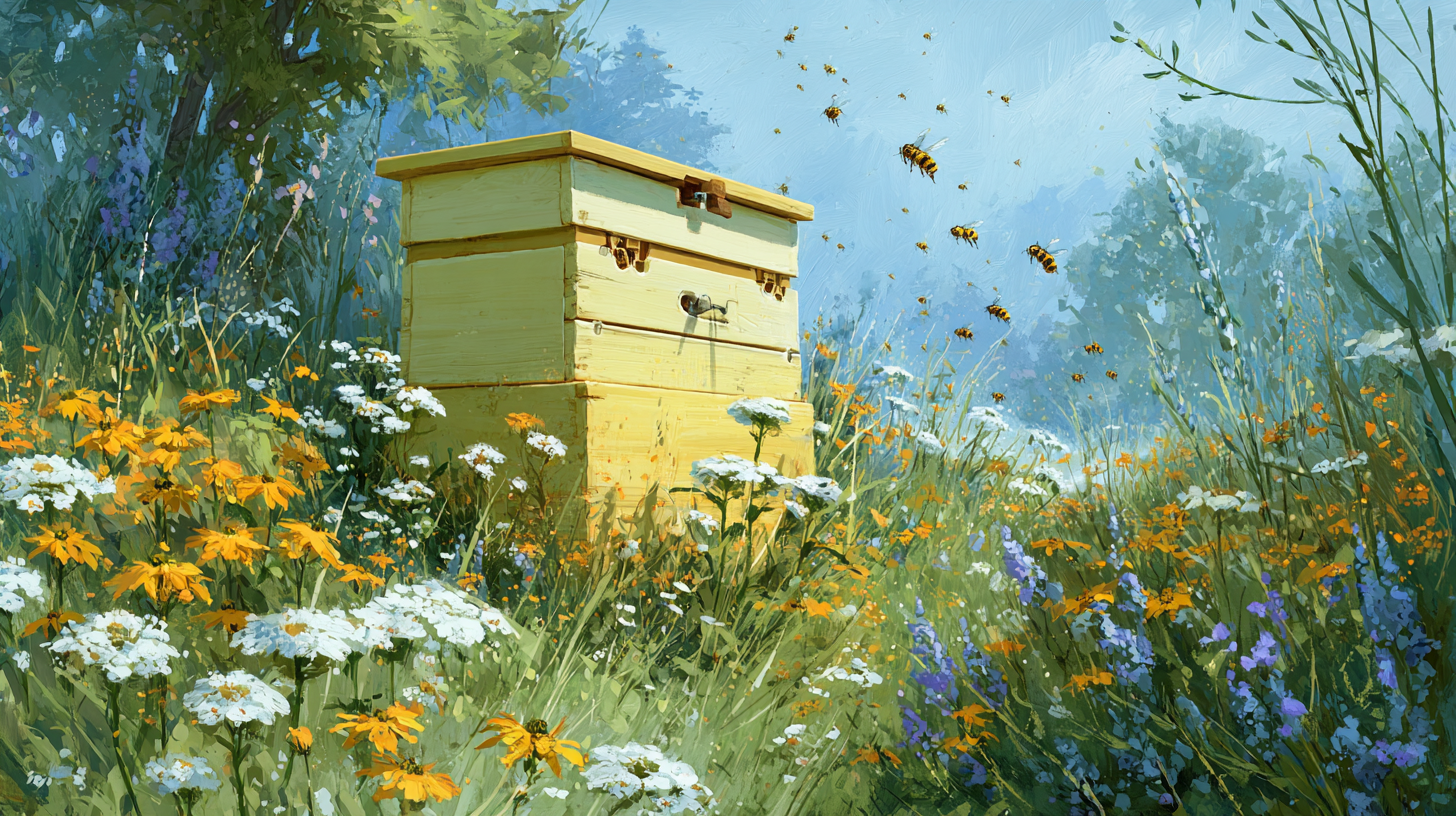
When it comes to raising bees, understanding the different species of bees is key to a successful beekeeping experience. The most commonly kept species is the Western honeybee, or Apis mellifera, known for its productivity and docile nature. These bees thrive in various climates, making them suitable for many regions. However, it’s essential to recognize that not all bees are created equal.
For beginners, it may be beneficial to start with the Italian honeybee. Their gentle temperament and effective foraging ability make them ideal for self-sufficiency enthusiasts. They are typically more resilient to colder temperatures and produce large quantities of honey. Keep in mind that they do require regular attention and management to maintain a healthy hive.
Another excellent option for those interested in biodiversity is the Carniolan bee, known for its exceptional ability to gather nectar and pollen even in cooler weather. They are less aggressive compared to some other species and tend to show a remarkable knack for survival during harsh winters. However, be prepared for their swarming tendencies, which can be managed with proper hive management techniques.
If you’re looking for a hardy bee that can withstand tough environments, consider the Russian honeybee. This species is particularly adept at resisting pests and diseases, often making it a favorite among organic farmers. They demonstrate a high level of foraging efficiency, enhancing pollination and honey production. However, they may require more vigilance regarding their temperament as they can be less docile compared to others.
- Western Honeybee (Apis mellifera) – Productive and docile, ideal for beginners.
- Italian Honeybee – Gentle and efficient foragers; good for self-sufficient setups.
- Carniolan Bee – Thrives in cooler climates; known for good winter survival.
- Russian Honeybee – Resilient against pests; excellent for pollination but more high-maintenance.
When selecting a bee species, it’s crucial to consider your local climate, your level of experience, and your goals in beekeeping. Research local bee clubs and communities, as they can provide valuable insights and may even offer mentorship to help you navigate the initial stages of your journey. Most importantly, prioritize the health and sustainability of your hives, as this not only supports the bees but enhances your overall beekeeping success.
Essential Beekeeping Equipment
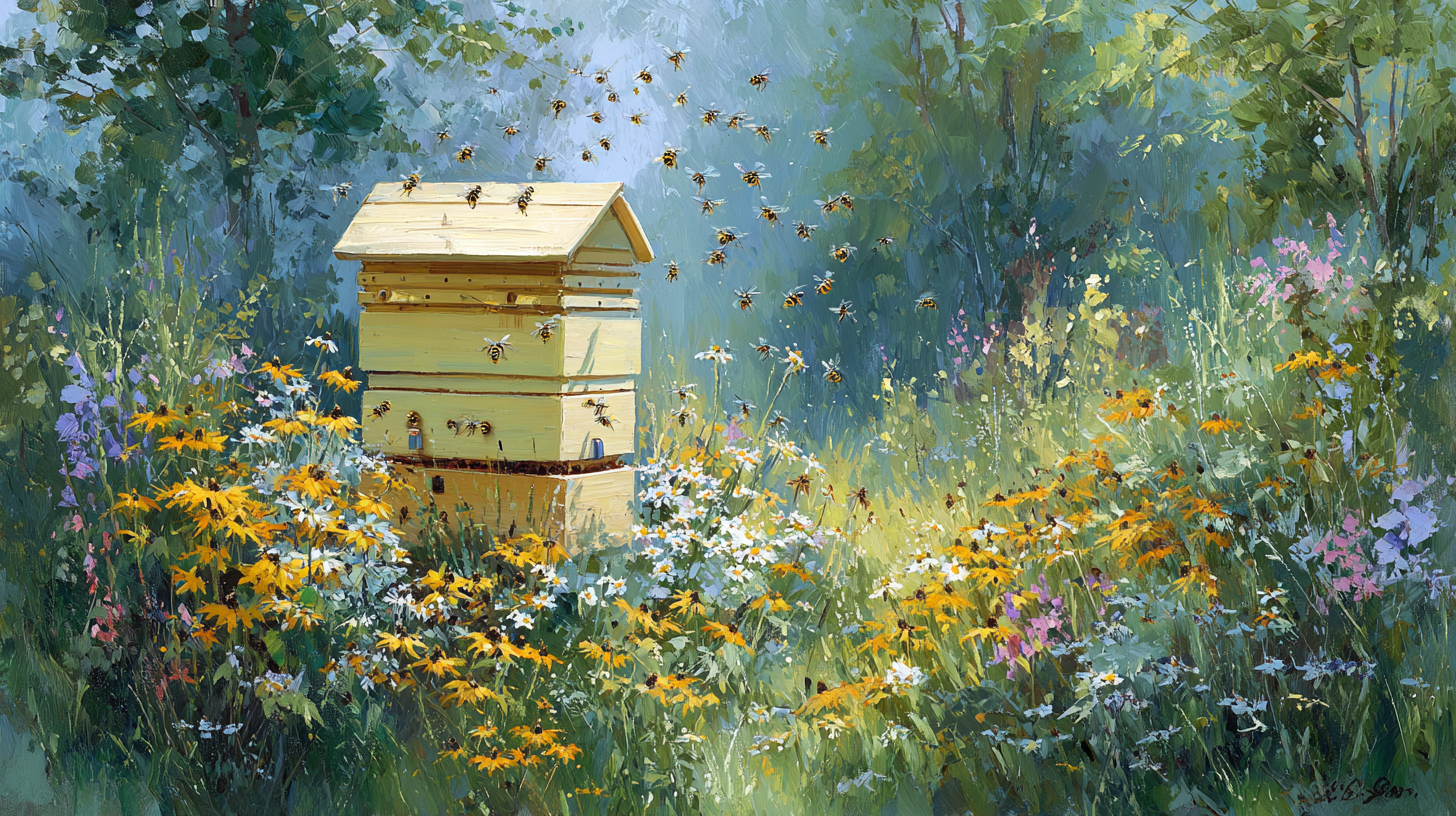
When delving into beekeeping, having the right equipment is essential to ensure both the well-being of the bees and the efficiency of honey production. Various tools and devices will aid in hive management, honey extraction, and overall maintenance. Below is a detailed overview of essential beekeeping equipment.
| Equipment | Description | Purpose |
|---|---|---|
| Beehive | A structure that provides housing for the bees. Common types include Langstroth, Top-Bar, and Warre hives. | To shelter bees and facilitate honey production. |
| Hive Tools | Metal tools designed for prying apart hive boxes and scraping off excess wax or propolis. | To facilitate inspections and maintenance. |
| Protective Gear | Includes veils, gloves, and bee suits designed to protect the beekeeper from stings. | To ensure safety during hive inspections and handling. |
| Smoker | A device that produces smoke to calm bees during hive inspections. | To reduce bee aggression and allow safe management. |
| Honey Extractor | A tool used to extract honey from honeycombs by centrifugal force. | To efficiently collect honey while preserving comb structure. |
| Feeder | A device that provides supplemental food for bees, usually in syrup or granulated form. | To assist bees in times of scarcity or to build up stores for winter. |
| Bee Brush | A soft-bristled brush used to gently move bees without harming them. | To facilitate hive inspections while minimizing stress on the bees. |
Prioritizing quality while acquiring this equipment is crucial. Low-quality tools may not only impede your beekeeping efforts but also may endanger the health of your bees. Investing in durable and reliable equipment helps ensure a smooth operation in your apiary.
Additionally, consider joining local beekeeping associations or groups. They often provide access to shared resources, workshops, and equipment exchanges that can reduce start-up costs and foster a supportive network for raising bees effectively. Being part of a community also enhances your knowledge through shared experiences and lessons learned.
Ultimately, the right equipment plays a vital role in achieving self-sufficiency in beekeeping, allowing you to manage your hives efficiently and maximize both honey production and pollination efforts.
Setting Up Your Apiary
Setting up your apiary is one of the most critical steps in the journey of raising bees. The right location not only ensures the health of your bees but also maximizes honey production and pollination benefits for your garden. Here are several key considerations to help you create the perfect hive environment.
First, choose a location that provides ample sunlight while also offering some protection from harsh winds and extreme weather. Ideally, placing your apiary in a spot where the hives receive morning sunlight is beneficial, as it helps the bees warm up early and encourages their activity throughout the day. Conversely, situate them where they will have some shade during the hottest parts of the afternoon to prevent overheating.
Next, consider the proximity to water. Bees require a water source to dilute honey and help regulate hive temperature. A small pond, birdbath, or even a container filled with pebbles and water can serve this purpose. Always ensure the water is clean and easily accessible, as this will keep your bees healthy and productive.
Another aspect is the convenience of access. Make sure your apiary is easily reachable for regular inspections and maintenance. This means planning enough space between hives to maneuver comfortably, as well as a path that allows for entry without disturbing the bees too much. Establish a designated area for equipment storage, ensuring your tools are organized and accessible when you need them.
Be mindful of local regulations regarding beekeeping. Before setting up your apiary, check with local authorities about zoning laws and any permit requirements. It’s essential to adhere to guidelines, especially in urban settings, as some areas may have restrictions on hive placement or the number of hives allowed.
When it comes to hive arrangement, you might want to use a staggered layout for your beehives, which provides ample airflow and reduces the likelihood of disease spread between colonies. Consider orienting the hives’ entrances toward the southeast to capture the morning sun and keep the bees active during early hours.
To further enhance the attractiveness of your apiary, plant pollinator-friendly flowers nearby. This not only helps provide a food source for your bees but also creates a beautiful and vibrant atmosphere. Focus on a variety of flowering plants that bloom at different times throughout the season to give your bees a reliable forage source.
- Location: Select a sunny yet sheltered spot.
- Water source: Ensure a clean and accessible water supply nearby.
- Access: Make it easy to reach hives for inspections and maintenance.
- Local regulations: Check for zoning laws and permits required.
- Hive arrangement: Use a staggered layout for airflow.
- Pollinator-friendly plants: Incorporate a variety of flowers to support bees.
Setting up your apiary with these considerations in mind will create a thriving environment for your bees. As you focus on raising bees, maintaining a thoughtful approach that prioritizes their needs will yield rewarding results in both honey production and enhanced self-sufficiency in your homesteading endeavors.
Best Practices for Honey Production
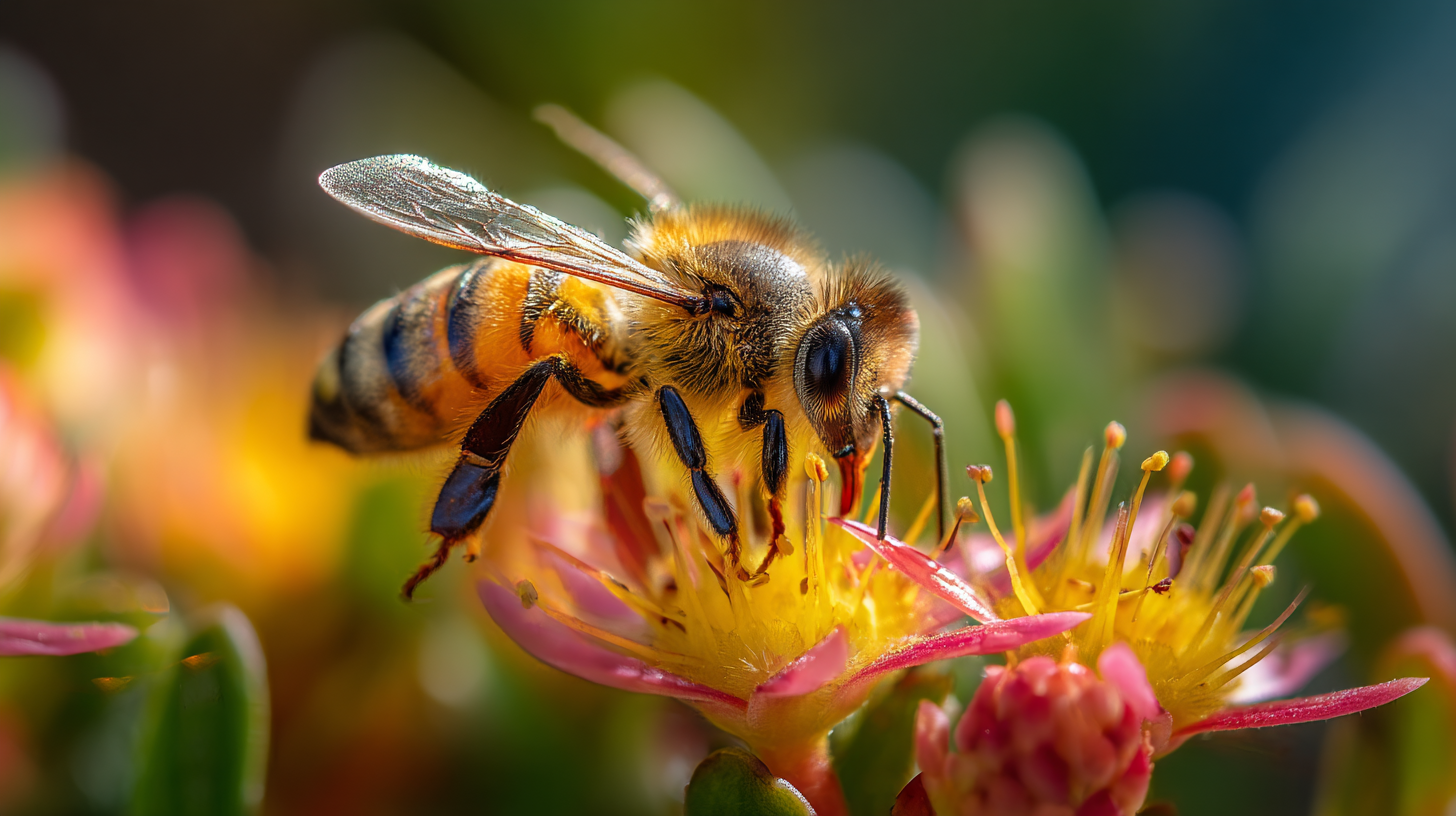
To maximize honey production in your apiary, it is essential to implement best practices that not only enhance yield but also promote the health and vitality of your bee colonies. One of the first steps is to ensure that your bees have access to a diverse range of flowering plants throughout the growing season. This variety provides a more balanced diet, allowing the bees to produce high-quality honey while supporting their overall health.
Regular hive inspections are fundamental in maintaining thriving colonies. Inspect your hives every 7-14 days during the active season to monitor for signs of disease, pests, and overall colony strength. During these inspections, observe the behavior of your bees. A calm and productive hive indicates good health, whereas excessive aggression or a lack of foraging may signal underlying issues, such as disease or inadequate resources.
Managing the brood nest effectively is another crucial aspect of honey production. Ensure that there is enough room for the queen to lay eggs and that the workers can rear new bees. A crowded hive can lead to swarming, which not only reduces your bee population but also disrupts honey production. Adding supers—additional hive boxes for honey storage—at the right time can help alleviate congestion and promote continued foraging and honey accumulation.
“To keep bees is to have a close relationship with nature. Their health and productivity depend on the care and respect we provide.” – Unknown
Feeding your bees adequately, especially during periods of resource scarcity, is vital. Use sugar syrup or pollen substitutes to supplement their diet when flowers are not blooming. However, be mindful not to overfeed, as this could attract unwanted pests. Proper feeding will help your colonies grow strong and ensure they can produce enough honey and pollinate effectively.
Implementing integrated pest management (IPM) is also essential for maintaining hive health. Monitor for common pests such as Varroa mites and wax moths, and consider using preventative measures that minimize chemical treatments. Techniques such as drone brood removal, cultural controls, and natural predators can reduce pest populations without harming the bees or the environment.
Practicing good hygiene within your apiary can drastically improve honey production outcomes. Cleanliness helps to reduce disease incidence, which can otherwise compromise the health of your colonies. Regularly empty and clean out dead bees and debris from the hives, and consider rotating your frames and foundation to prevent the build-up of pathogens.
Additionally, maintaining genetic diversity within your bee populations can enhance resilience against pests and diseases. Consider requeening with bees that exhibit desirable traits such as gentleness and high productivity. This can revive struggling hives and contribute to the overall robustness of your apiary.
Lastly, beekeeping is not just about honey production; it is equally about understanding and respecting the natural needs of your bees. Engage in continuous learning and stay updated on best practices and innovations within the beekeeping community. This not only enriches your knowledge but fosters a sense of community that contributes to your success in raising bees for sustainable honey and pollination efforts.
Managing Bee Health and Pests
Managing the health and wellbeing of your bee colonies is crucial for the success of your beekeeping endeavors. Healthy bees are more productive, resilient, and capable of thriving in their environment. One of the primary concerns in beekeeping is the prevention and control of pests and diseases that can threaten hive integrity. It’s imperative to monitor your colonies closely, regularly inspecting for signs of distress such as abnormal behavior, dwindling numbers, or signs of disease. Establishing a diligent routine of hive inspections will allow you to catch potential issues early, thus minimizing their impact on your bees and your honey production.
One of the most notorious threats bees face is the Varroa mite, a parasitic pest that can devastate bee populations. Implementing an integrated pest management approach can be highly effective in combating such invaders. This strategy includes monitoring for mites through regular checks, using sticky boards, or even employing powdered sugar treatments to dislodge them from bees. Additionally, consider using brood breaks and drone removal to control mite populations naturally, allowing the bees to maintain a strong hive dynamic.
Another pivotal aspect of maintaining bee health involves understanding and managing diseases. Conditions such as American foulbrood and nosema can severely impact a colony if left unchecked. Bee hygiene plays an essential role in disease prevention. Implement regular cleaning protocols for your hives and ensure that any infested or diseased colonies are treated promptly or, in serious cases, removed to protect your other hives.
Nutritional health cannot be overlooked either; bees require a diverse diet that fuels their growth and productivity. During times when natural foraging resources are scarce, supplemental feeding can help. Offering sugar syrup during droughts or feeding protein patties during early spring can bolster the bees’ strength and vitality. Aim to mimic the natural seasonal cycles in your management practices, providing for them as their needs arise.
Moreover, the dynamics within the hive can affect overall health. Monitor the queen regularly to ensure she is healthy and laying eggs effectively. A strong queen leads to a thriving colony. If queen performance is lacking, requeening may be necessary to enhance productivity and maintain strong populations.
Finally, the environment surrounding your apiary can also play a vital role in the health of your bees. Ensure that your hives are situated away from areas that may expose them to pesticides or pollutants. Encouraging biodiversity in the local flora not only benefits your bees but improves the ecosystem on the whole. Engage with local beekeeping associations to learn how to best sustain your colonies against environmental pressures. By fostering a holistic approach to bee health management, you cultivate a resilient apiary well-suited for both honey production and pollination, thereby promoting your journey in raising bees.
- How often should I inspect my bee hives?
- You should inspect your hives every 7-14 days during the active season. This helps you monitor the bees’ health, behavior, and to catch any potential issues early.
- What signs should I look for to determine if my bees are healthy?
- Healthy bees will exhibit calm and consistent foraging behavior. Observe the brood pattern, presence of eggs, and a strong adult bee population as indicators of hive health.
- How can I prevent Varroa mites in my hive?
- Implement an integrated pest management strategy, including regular monitoring for mites, using drone brood removal, and maintaining strong, healthy colonies to naturally fight off infestations.
- What can I feed my bees when natural forage is scarce?
- In periods of scarce resources, you can feed your bees a sugar syrup solution or protein patties to supplement their diet and support hive strength.
- How can I tell if my queen is performing well?
- Look for consistent brood production in a solid pattern and healthy young bees. A failing queen might show reduced egg-laying or a lack of brood.
- What role does hygiene play in beekeeping?
- Hygiene is crucial for preventing disease outbreaks in the hive. Regularly clean your hives and manage dead bees and debris to promote a healthy environment.
- Is it necessary to remove a weak colony from my apiary?
- If a colony is severely weakened by disease or pests, it may be necessary to remove it to protect the surrounding healthy hives and prevent the spread of issues.
Harvesting and Storing Honey
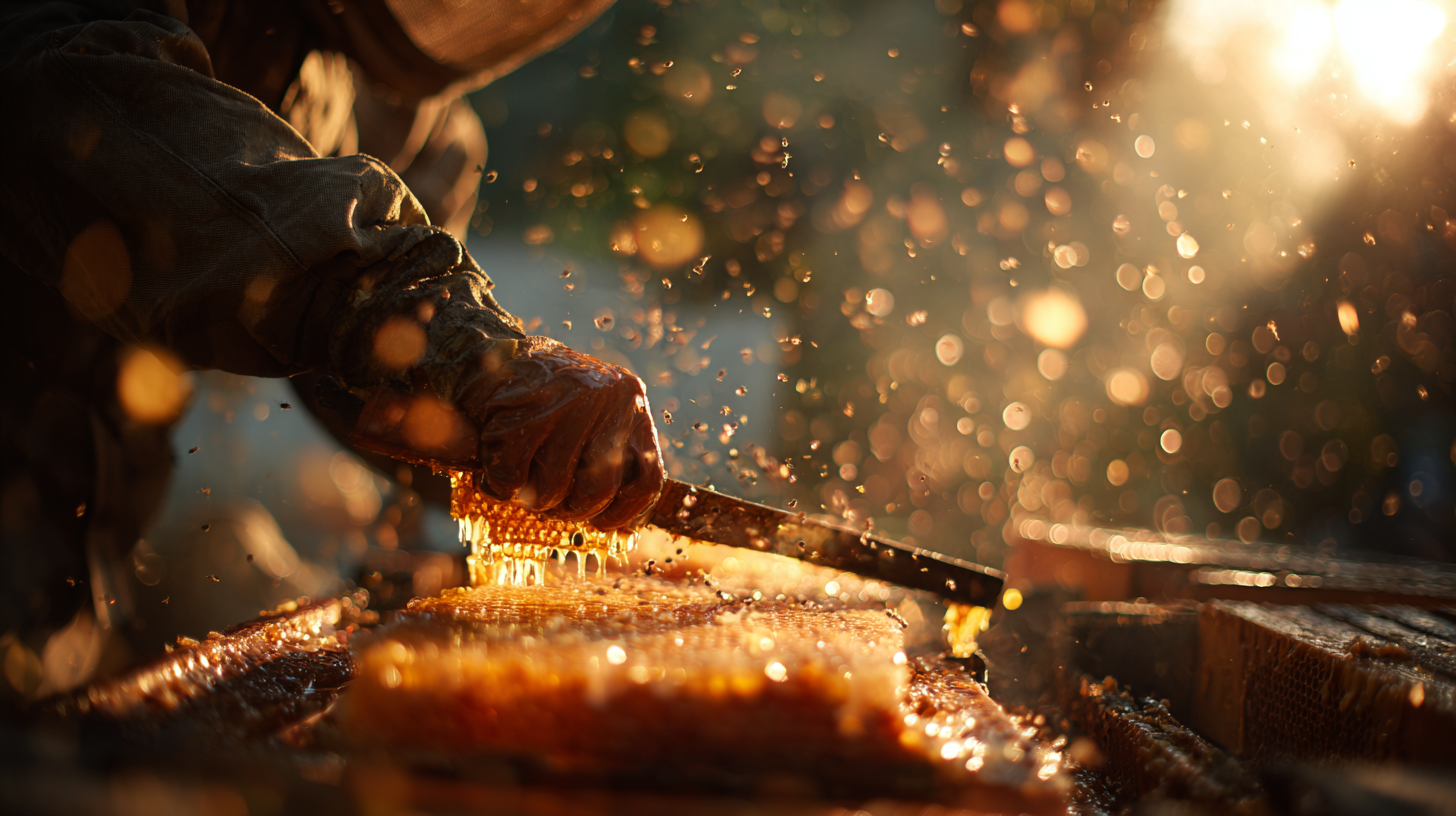
Harvesting honey is one of the most rewarding aspects of beekeeping, marking the culmination of months of work by your bee colonies. Timing is crucial; it’s best to harvest honey when the bees have capped the honeycomb cells, indicating that the moisture content is adequate for long-term storage. Typically, this occurs in late summer when the honey flow has slowed down, and the bees are preparing for winter.
Before starting the harvesting process, gather the necessary equipment: a honey extractor, uncapping knife, and buckets for transferring honey. Ensure you wear your protective gear to safeguard against bee stings during the harvest. It’s also wise to work during cooler parts of the day when the bees are less active, making the process smoother and more manageable.
Begin by removing the honey supers—the boxes where the bees store surplus honey. Use your hive tool to pry the supers apart gently. To minimize the disturbance to the bees, consider using a bee escape board a day prior to harvesting, allowing the bees to leave the honeycomb while preventing them from returning. This helps clear out the bees from the supers, making the harvesting process considerably easier.
Once the supers are removed, it’s time to uncap the honeycomb. Use a heated uncapping knife to melt the wax seals in a swift motion, ensuring minimal disruption to the comb structure. This step is vital for efficient honey extraction, as the honey needs to flow freely without obstruction.
After uncapping, place the frames in a honey extractor, which uses centrifugal force to spin the honey out of the comb. If you don’t have an extractor, consider using a bucket and strainer method, but keep in mind that it could be less efficient. Gently extract the honey until the frames are adequately emptied, then set them aside to allow for the remaining honey to drip out into the bucket.
Once extracted, it’s essential to filter the honey to remove any residual wax pieces and debris. Use a fine mesh strainer or cheesecloth to ensure you’re left with clean, pure honey. Pour the filtered honey into clean, sterilized jars or containers for storage. Always label your jars with the date and any special notes, such as the floral source; this can be especially fun if you are experimenting with different floral varieties throughout the season.
Storing honey correctly is crucial to maintaining its quality. Store the jars in a cool, dark place away from direct sunlight. Honey can crystallize over time; this is a natural process and does not mean the honey has gone bad. If your honey crystallizes, gently warm the jar in warm water to re-liquefy it without applying direct heat, as high temperatures can degrade its beneficial properties.
Be mindful of your apiary’s health after harvesting. Ensure that your bees have sufficient stores left for winter to keep them nourished. If you’re taking a significant amount of honey, you might provide supplemental feeding in the form of sugar syrup to help them rebuild their reserves quickly.
Reflect on your harvesting methods and outcomes. Keeping a journal of your harvesting data, observations, and the quantity of honey produced helps enhance your future practices. Understanding what works well and areas for improvement enhances both your enjoyment and success in raising bees for honey and improving self-sufficiency in your homesteading ventures.