
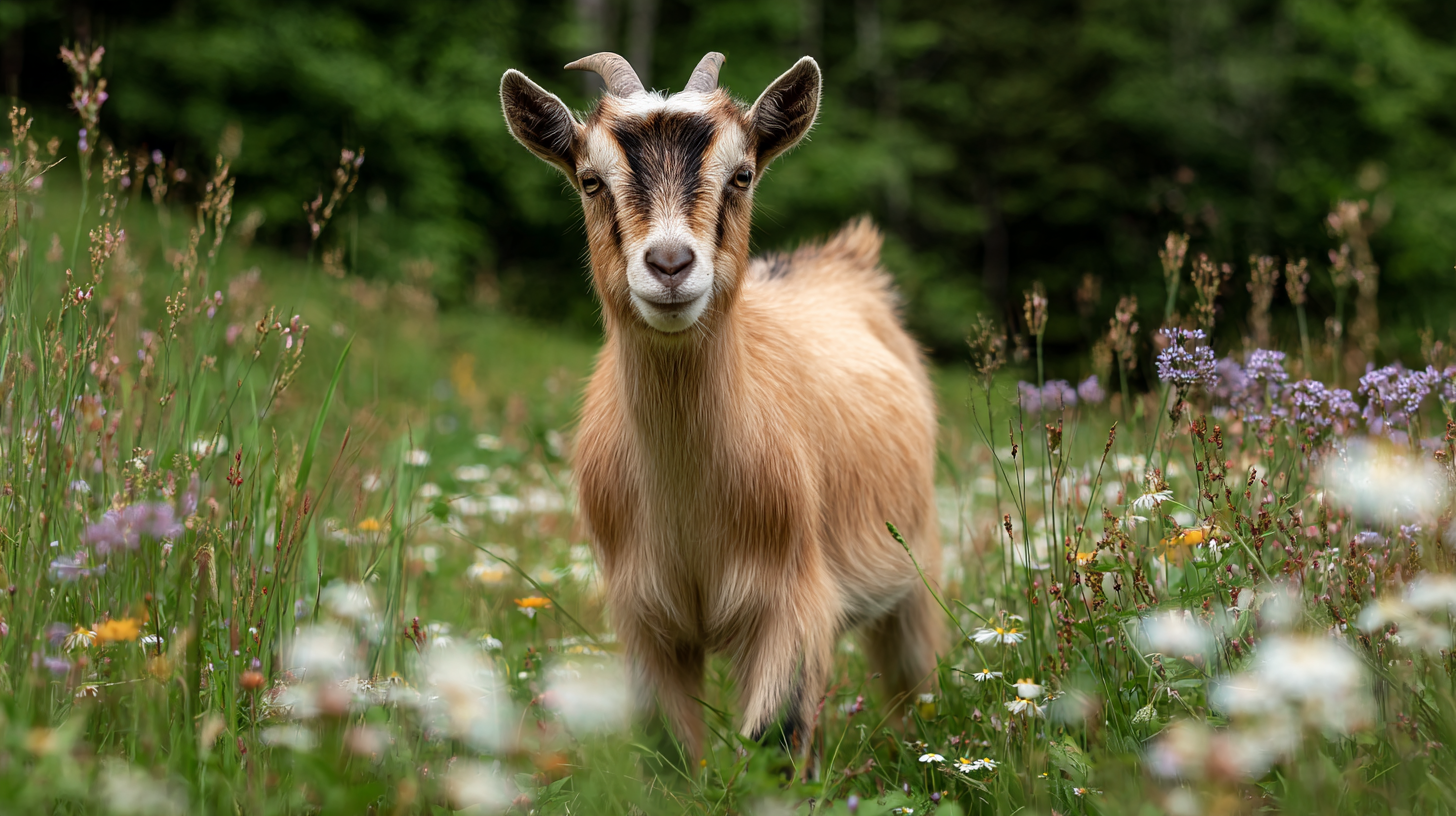
When it comes to raising goats, understanding the various breeds is essential for ensuring that you select the right goats for your needs—whether for milk production, companionship, or both. Different breeds have distinct characteristics, which can significantly impact your homesteading journey. Here’s a closer look at some popular goat breeds and what they can offer.
The Nigerian Dwarf is an excellent choice if you’re looking for a dual-purpose animal. These friendly goats are small in stature but pack a punch when it comes to milk production. Their milk is creamy and high in butterfat, making it great for cheesemaking. Plus, they adapt well to smaller spaces, ideal for urban or suburban homesteaders.
If you’re focused on self-sufficiency through milk production, consider the Saanen breed. Recognized for their impressive milk yield, Saanens are large, white goats that are highly productive and have a docile temperament, making them great for families and beginner goat raisers. They require ample resources, so ensure you have enough grazing space and a balanced diet for them.
Another breed to consider is the LaMancha. Known for their unique ear structure, LaManchas are hardy and adapt well to various climates. Their milk has a unique flavor and they can be very gentle, making them suitable companions as well as milk producers. They thrive when socialized and handled from a young age, ensuring a strong bond with their human caretakers.
For those interested more in companionship than in high milk production, the Pygmy goat makes an excellent addition to any homestead. Although not prolific milk producers, their sociable nature and playful demeanor make them delightful pets. They are small, making them easy to manage, and require less feed than larger breeds, which can be a great advantage for new or urban homesteaders.
Choosing the right breed is only part of the equation. Here are some points to keep in mind when selecting goats:
- Assess your space: Some breeds require more room than others, so ensure your habitat can accommodate their needs.
- Consider your purpose: Are you raising goats primarily for milk, companionship, or both? Match the breed to your goals.
- Check for local restrictions: Some areas may have regulations regarding livestock. Research your local laws before purchasing.
- Explore breed temperament: Certain breeds may be more docile and easier to handle, particularly important for families with children.
Understanding these breeds and their characteristics will guide you toward making informed decisions, paving the way for a successful adventure in goat-raising. Dive deep into research, visit farms if possible, and engage with local homesteading communities to gather insights and advice that will enrich your experience.
Selecting the Right Goats
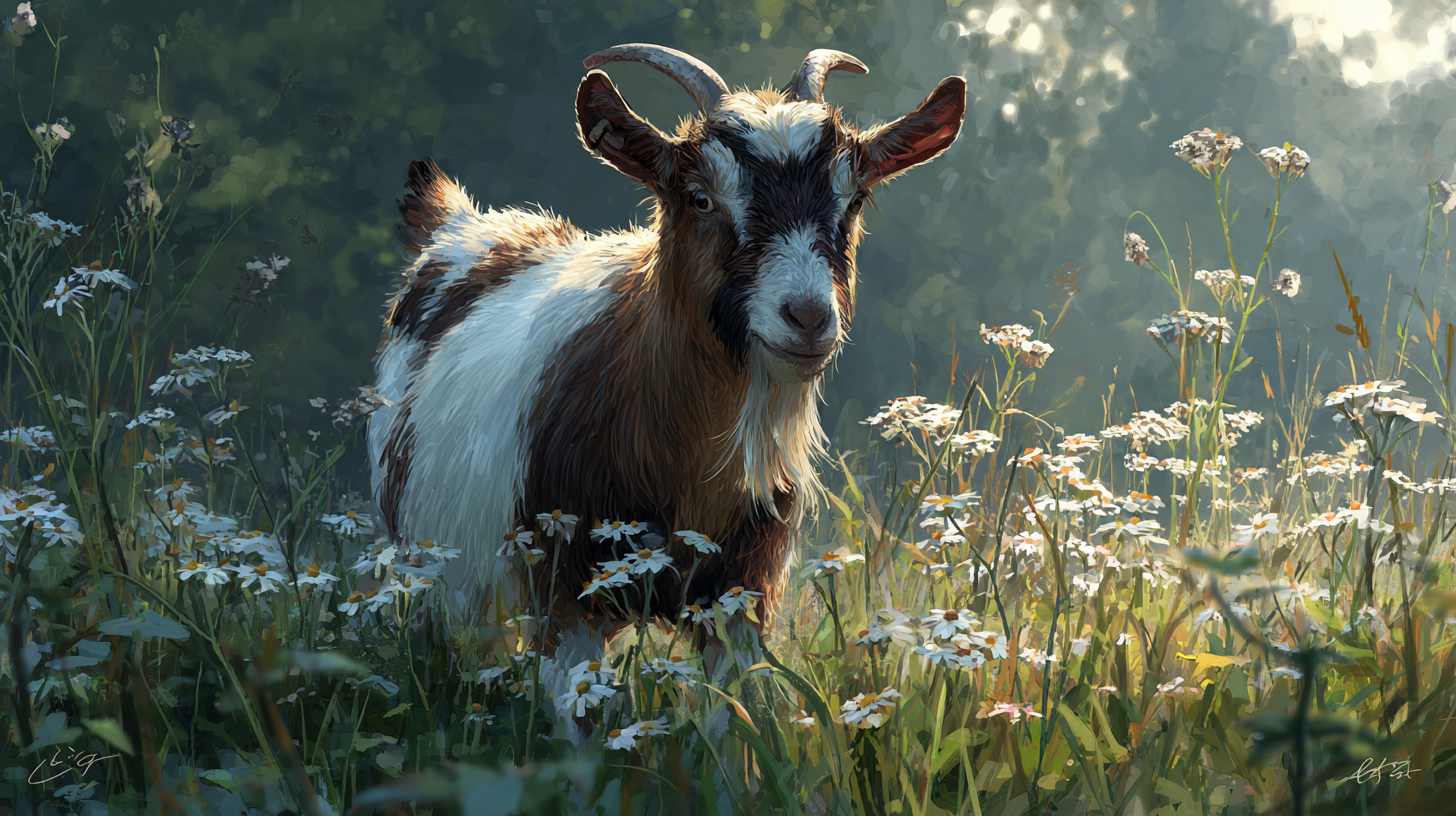
When selecting goats for your homestead, it is essential to consider a variety of factors that will directly influence your experience and the overall success of raising goats. The selection process begins with evaluating your priorities, such as milk production versus companionship, space availability, and breed characteristics. Each goat breed has its own set of traits, and understanding these can help you align your choices with your goals.
Start by assessing your intended purpose for raising goats. If milk production is your primary goal, breeds with high dairy yields, like the Saanen or Nubian, should be at the top of your list. However, if companionship and friendly interactions are your focus, consider smaller and more social breeds such as Pygmy or Nigerian Dwarfs. The dual-purpose goats can also be an excellent option if you’re looking for a balance between milk and companionship.
Space is another critical consideration. Goats need adequate room for grazing and exercising. Larger breeds or those raised for milk typically require more space than smaller breeds. A good rule of thumb is to provide at least 200 square feet per goat to ensure they have enough room to roam and be comfortable. Here is a comparative table summarizing the space requirements and general characteristics of some common breeds:
| Breed | Purpose | Average Size | Space Requirement |
|---|---|---|---|
| Saanen | Milk Production | Large | 200 sq ft |
| Nigerian Dwarf | Milk & Companionship | Small | 75 sq ft |
| LaMancha | Milk Production | Medium | 150 sq ft |
| Pygmy | Companionship | Small | 75 sq ft |
It is also important to consider the age and health of the goats you are purchasing. Young goats (kids) require extra care and socialization, so if you’re inexperienced, older, well-bred stock may present fewer challenges. Always check the health status and vaccination records of the goats and explore reputable breeders who prioritize healthy livestock. Ensuring that your goats come from a good background can help prevent future health issues and contribute to a successful raising experience.
Finally, local regulations can impact your choices significantly. Many communities have specific zoning laws regarding livestock that may limit the types and number of goats you can keep. Before making your purchase, familiarize yourself with any restrictions in your area. It’s also beneficial to connect with local goat-raising enthusiasts who can offer insights and guidance on the best practices suited to your environment.
Selecting the right goats involves careful consideration of your goals, available space, breed characteristics, health, and local regulations. These decisions will significantly influence your journey into goat raising, ensuring you create a nurturing and productive environment for both milk production and companionship.
Setting Up Your Goat Habitat
Creating a suitable habitat for your goats is crucial for their health, happiness, and overall productivity. An appropriate environment will not only provide shelter and safety but also allow them to thrive as you embark on your journey of raising goats for milk and companionship. Here are some essential considerations when setting up your goat habitat.
First and foremost, you will need to establish a secure enclosure. Goats are known escape artists, and having a sturdy fence is essential. A fence height of at least 4 to 5 feet is recommended, and sturdy materials such as woven wire or stock panels will help keep your livestock contained. Ensure that the bottom of the fence is buried or secured to prevent digging, which goats are notorious for attempting.
Next, consider the shelter. Goats need protection from extreme weather conditions—both hot and cold. A three-sided shed or barn can provide adequate shelter, allowing for ventilation while keeping out harsh winds and rain. The size of the shelter should accommodate the number of goats you have, with at least 20 square feet of space per adult goat. Ensure the floors are dry and can be easily cleaned to maintain good hygiene.
Your goat habitat should also have ample access to pasture or a grazing area. Goats are natural browsers, meaning they prefer to eat shrubs, bushes, and trees rather than just grass. A diverse range of forage can help keep them happy and healthy. Plan for at least 200 to 300 square feet of pasture per goat, and rotational grazing can help prevent overgrazing.
In addition to pasture, be sure to provide clean, fresh water at all times. Goats can consume a significant amount of water daily, especially when lactating, so having a consistent water source is vital. Consider using a trough or automatic waterer to ensure they always have access.
Following are some tips to enhance your goats’ habitat:
- Enrichment Activities: Goats are intelligent creatures that require stimulation. Incorporate climbing structures, such as logs and rocks, or provide toys to prevent boredom.
- Sun and Shade: Ensure part of the enclosure offers shade to protect them from the sun while also providing sunny areas for them to bask.
- Cleanliness: Regularly clean the shelter and remove waste to prevent health issues. Goats are sensitive to their environment and thrive in clean conditions.
- Companionship: Goats are social animals. Always keep at least two goats together, as they need companionship for mental well-being.
Assessing your habitat regularly will help you determine if any adjustments are necessary as your goats grow or if you add more livestock. Monitoring their environment will foster a healthier and happier herd, ultimately supporting your self-sufficiency goals as you raise goats. With a secure and enriching habitat, your goats will be well-equipped to provide you with milk and companionship while thriving in their homestead.
Milking Techniques and Management
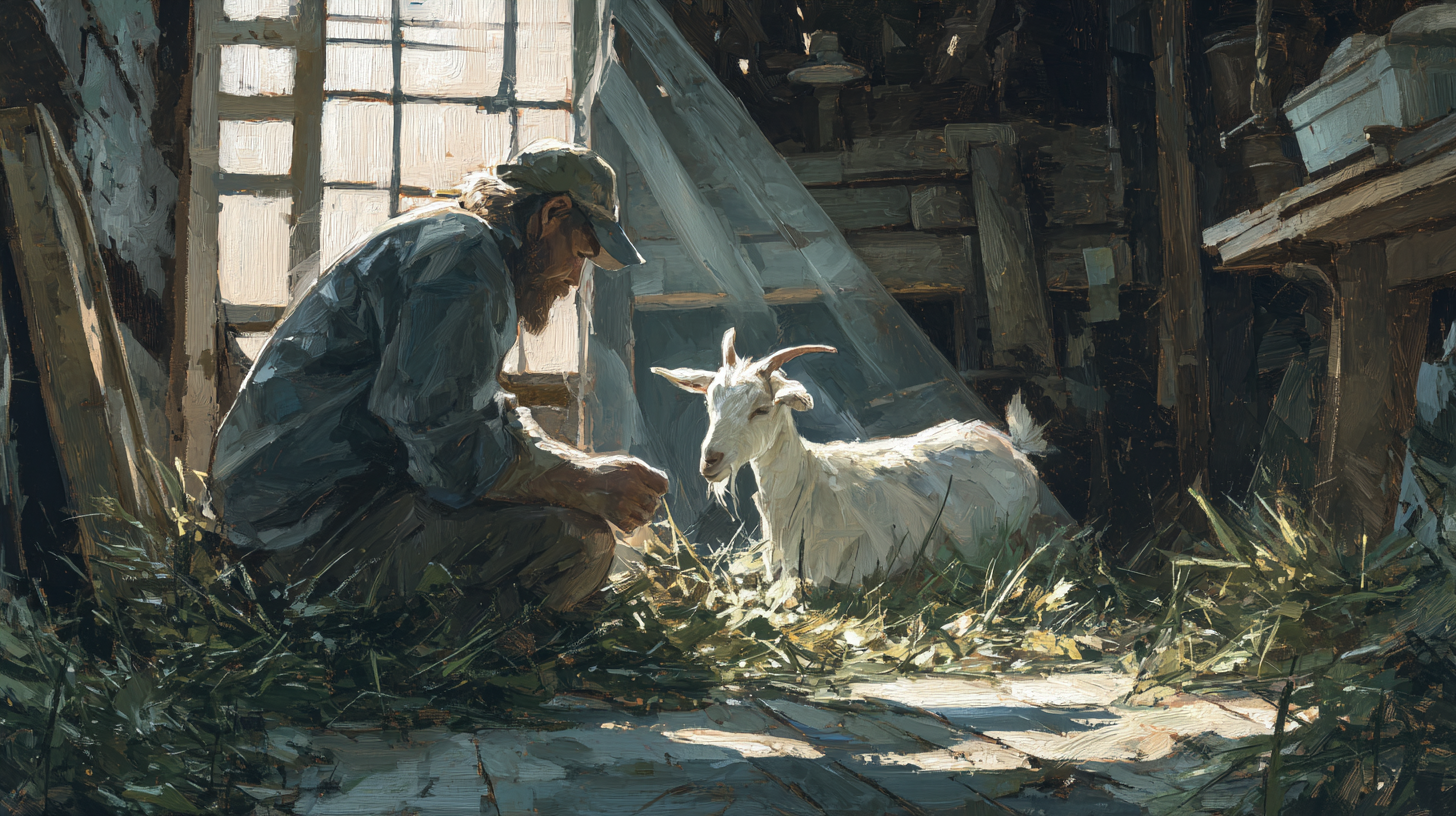
Mastering the art of milking goats is essential for those who seek to enjoy the benefits of fresh milk as part of their self-sufficiency lifestyle. The process not only requires proper techniques but also involves managing the goats’ overall health and well-being to ensure high-quality milk production.
The first step in effective milking is to establish a routine. Goats are creatures of habit, and milking at the same time each day helps them feel comfortable and secure. Most dairy goats are milked twice a day, ideally in the morning and evening. This schedule maintains consistent milk production and contributes to the goats’ routine, which is crucial for their mental health.
Before milking, preparation is key. Ensure that the milking area is clean and free of distractions. A dedicated, quiet space will help reduce stress for both you and the goats. Gather necessary supplies: a clean bucket for milk, udder sanitizing wipes, and perhaps some treats to reward the goats after milking. Always start by washing your hands and the goat’s udders with warm water and a mild soap or udder sanitizer to prevent contamination.
When you approach the goat, speak softly to help put her at ease. Position yourself comfortably, either sitting on a stool or kneeling next to the goat. Begin by gently massaging the udder to stimulate milk flow. Using a firm grip, squeeze downwards, alternating your hands in a rhythmic motion. Avoid pulling or jerking, as this can cause pain. Each goat will have its own milking technique that works best, so take time to learn what is most effective for her.
It’s essential to monitor the milk’s quality throughout the process. Look out for any signs of mastitis, such as swelling or discoloration, which can affect the health of the goat and the quality of the milk. If you notice any abnormalities, consult a veterinarian for guidance. Regular health checks and proper nutrition are also vital for the goat’s well-being and optimal milk production.
“A smooth milking process nurtures the bond between you and your goat, enhancing trust and comfort.”
After milking, properly store the milk immediately in sanitized containers and refrigerate it to maintain freshness. Clean all equipment used during milking, ensuring hygienic practices to avoid contamination in future milking sessions.
Recognizing that milking time can be a bonding experience is an added bonus. Take the opportunity to talk to your goats, give them affection, and reinforce positive associations with the milking process. This interaction will make future sessions smoother and more enjoyable for both you and your goats.
Integrating these milking techniques and management strategies into your routine will not only enhance your experience in raising goats but will also significantly contribute to your self-sufficiency on the homestead. As you grow more skilled in milk management, you will find it rewarding to nurture your goats while reaping the benefits of their rich, nutritious milk.
Health Care and Maintenance
Maintaining the health of your goats is a fundamental aspect of raising goats for both milk production and companionship. A proactive approach to their care will not only ensure their well-being but also maximize their productivity and longevity. First, regular check-ups are key. Establish a health management routine that includes vaccinations, deworming, and hoof trimming. Consult with a veterinarian who specializes in livestock to create an appropriate health schedule tailored to your goats’ specific needs.
Nutritional health is paramount. Goats require a balanced diet consisting of high-quality hay, grains, pasture, and minerals. It’s essential to provide access to fresh water at all times, as hydration influences both milk production and general health. Monitor their body condition score to ensure they are neither underweight nor overweight, as both conditions can lead to health issues. Remember that pregnant or lactating goats have increased nutritional needs, so adjust their feed accordingly to support their energy demands during these critical periods.
Environmental factors also play a significant role in goat health. Ensure your goats have a clean, dry shelter and a safe, enriched environment. Regularly clean the bedding in their barn or shed. Providing a stimulating environment that includes climbing structures and safe forage areas can prevent boredom and promote mental health. Recognize the social nature of goats and always keep them in pairs or groups to support their need for companionship; isolation can lead to stress and behavioral issues.
Be observant of any changes in behavior or health, such as reduced milk production, lethargy, or unusual vocalizations. Early detection of issues can make management more manageable and keep your goats healthy. Learning to recognize the signs of common goat ailments, such as mastitis, coccidiosis, or digestive issues, is invaluable. With time, you will hone your ability to care for your goats effectively, linking daily practices to their well-being.
Creating a journal or log can help you track your goats’ health, feeding regimen, and any vet visits. This ongoing record will serve as a handy reference to spot trends, enabling you to adopt best practices as you delve deeper into the rewarding journey of raising goats.
- What vaccinations do goats need?
- Goats typically need vaccinations for Clostridium perfringens types C and D, tetanus, and rabies. Talk to your veterinarian for an appropriate vaccination schedule tailored to your herd.
- How often should I deworm my goats?
- Deworming frequency depends on the individual goat and their living environment. Generally, adult goats may need deworming 2-4 times a year, but regular fecal checks will help determine the actual need.
- What should I feed my goats?
- A balanced diet for goats includes high-quality hay, grains, minerals, and fresh pasture. They thrive on a varied diet that mimics their natural browsing behavior and meets their nutritional needs.
- How can I tell if a goat is sick?
- Signs of illness in goats can include lethargy, loss of appetite, abnormal behavior, and changes in their droppings. If you observe these symptoms, it’s essential to consult a veterinarian promptly.
- How do I manage hoof health in goats?
- Regular hoof trimming is crucial every 6-8 weeks to prevent overgrowth and related hooves issues. Ensure your goats have a hard surface to walk on to help naturally wear down their hooves.
- Can goats and other livestock be housed together?
- While goats can coexist with other livestock, it’s important to consider compatibility. Ensure that the other animals have adequate space and resources, and monitor for any signs of stress or aggression.
- What are common signs of stress in goats?
- Common signs of stress include vocalizations, pacing, a decrease in milk production, and changes in eating habits. Address environmental factors and ensure companionship to reduce stress levels.
Building a Bond with Your Goats
Building a strong bond with your goats is essential for creating a harmonious and productive relationship that enhances both their well-being and your experience as a goat keeper. Goats are inherently social creatures that thrive on companionship and interaction, making it crucial to invest time and effort in establishing trust and familiarity. Here are some practical tips to help you nurture this bond.
Firstly, start by spending quality time with your goats daily. Sit in their pasture and simply observe them, allowing them to approach you at their own pace. Use calm, soothing tones when you speak to them, which can help them feel more comfortable in your presence. Remember, goats are very intuitive and can pick up on your emotions; a relaxed demeanor will encourage them to trust you.
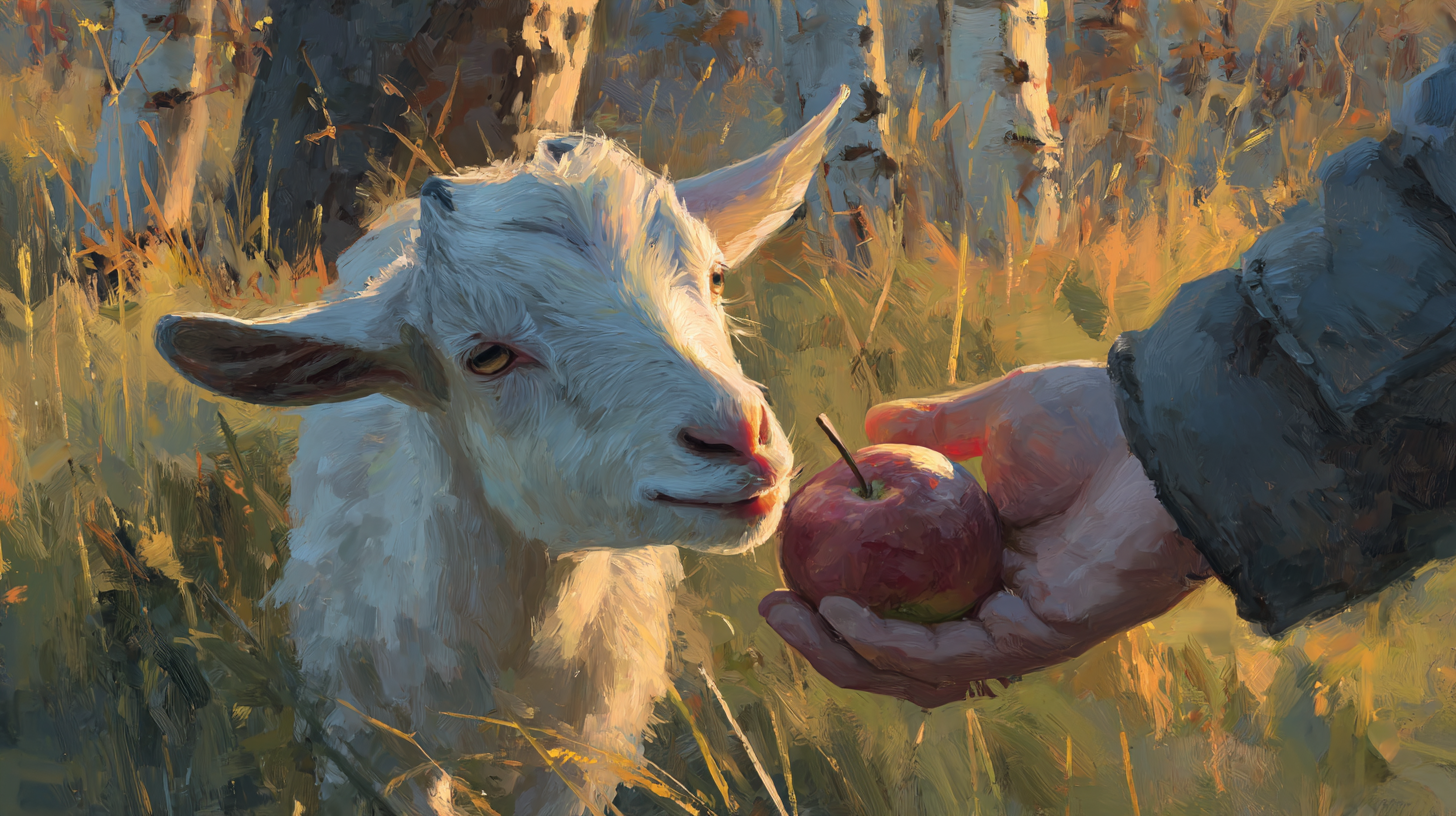
Regular handling of your goats from a young age is essential. If you are raising goats primarily for milk, it is advisable to start socialization early. Gently petting them, brushing their coats, and using treats as rewards can create positive associations with human interaction. Try offering them small pieces of their favorite snacks, such as apples or carrots, to encourage them to come closer and develop a relationship built on trust.
To further strengthen your bond, incorporate training techniques into your interactions. Most goats respond well to clicker training, which can be a fun way to engage with them while teaching basic commands or helping them feel more comfortable with handling during milking. Snapping a clicker followed by a treat can reinforce desired behavior, making it easier to manage them in various situations.
Additionally, ensure that you are meticulous about their health and comfort. Regular veterinary check-ups, proper nutrition, and a clean living environment all play a role in their overall happiness. A goat that feels healthy and safe will be more likely to trust you. Keep an eye out for any signs of discomfort or illness, as addressing issues early will prevent stress and foster a deeper connection.
Group dynamics also matter when it comes to companionship, as goats thrive in social settings. When raising goats, always keep at least two together; a single goat can become lonely and stressed. Observe their interactions with each other as well, as a harmonious group will contribute to a serene atmosphere, making it easier for you to form individual bonds.
Consider creating enrichment opportunities within their environment as well. Goats are curious animals and enjoy exploring. Providing obstacles to climb over, toys to play with, and foraging opportunities will keep them stimulated, fostering positive behavior and an environment where they can feel safe to express their personalities.
- Establish a Routine: Goats appreciate routine, so try to maintain consistent feeding and interaction times to build trust.
- Understand Their Behavior: Learning to read goat body language can improve your interactions. For example, a calm goat will be relaxed and curious, while an agitated goat may stamp its feet or try to escape.
- Respect Their Space: Allow your goats to approach you on their terms, ensuring they feel in control of their interactions.
Ultimately, investing time and energy in building a bond with your goats will enrich your experience, making the journey of raising goats not only productive but also profoundly rewarding. By fostering trust and companionship, you’ll create a fulfilling partnership that benefits both you and your goats, enhancing your overall self-sufficiency on your homesteading adventure.