Essential items for your chicken first aid kit
Part of the Chickens guide
Essential items for chicken health management
When it comes to chicken care, having the right tools and supplies readily available is crucial for ensuring the health and well-being of your feathered friends. Whether you’re a seasoned homesteader or just starting on your urban farming journey, being prepared for potential health issues can save you time, money, and heartache.
One of the most important aspects of health management is monitoring your chickens regularly. Look for signs of illness, such as changes in behavior, appetite, or egg production. Early detection is key to effective treatment.
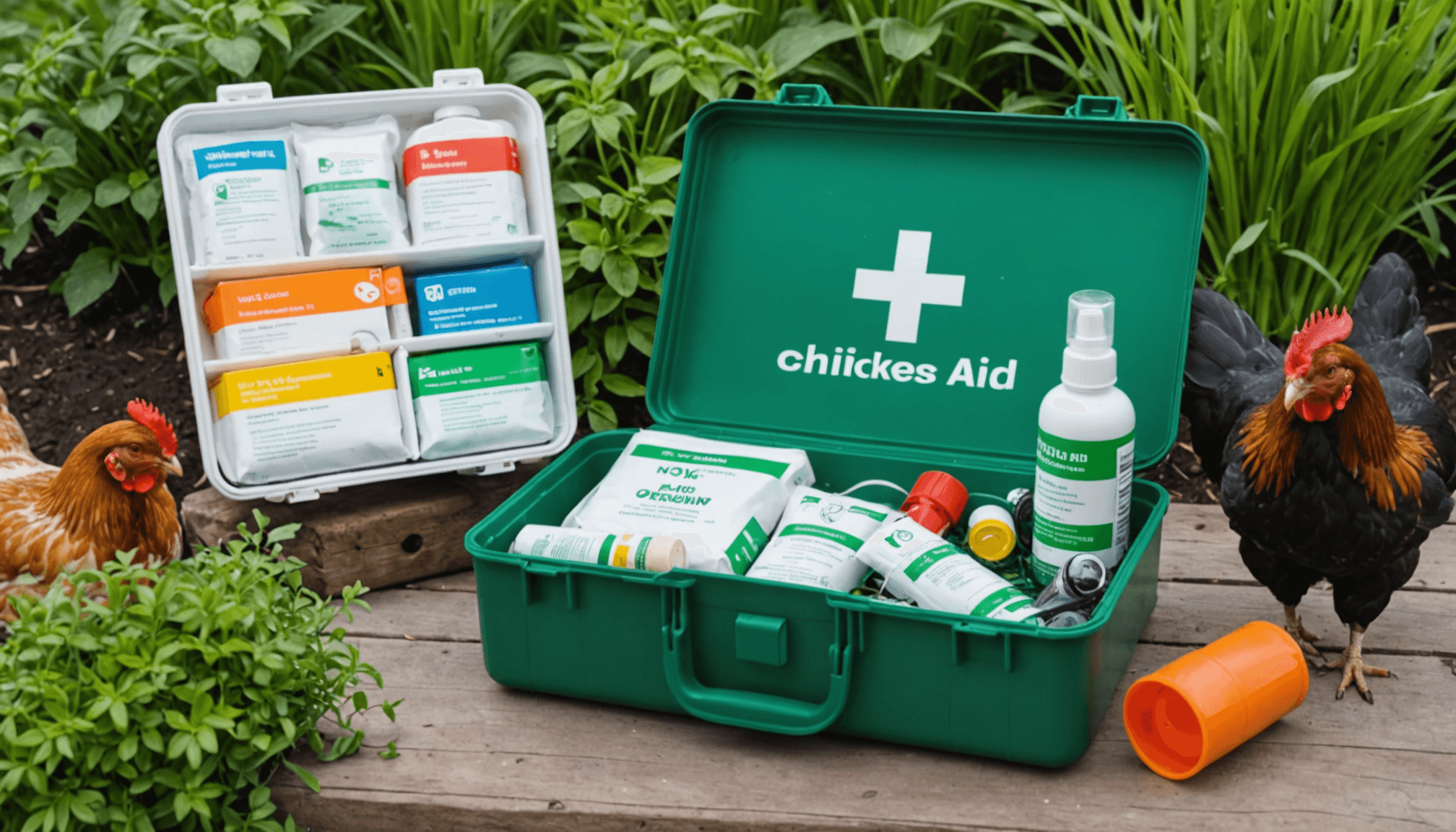
Include the following essential items in your kit to keep your flock healthy:
- Thermometer: A digital thermometer helps you quickly check for fever, which can indicate illness.
- Electrolytes: Providing your chickens with electrolyte solutions can help them recover from stress, dehydration, or illness.
- Probiotics: Supporting gut health with probiotics can boost your chickens’ immune systems and improve overall health.
- First aid ointment: An antiseptic solution will be useful for preventing infections from minor cuts or injuries.
- Veterinary manual: A good reference guide can provide valuable information on common diseases and their treatments.
- Injectable vitamins: These can be a quick boost for chickens that show signs of weakness or stress, particularly during extreme weather conditions.
Additionally, it’s wise to familiarize yourself with common chicken ailments. Conditions like coccidiosis, respiratory issues, and bumblefoot are prevalent and can have serious consequences if not addressed swiftly. Research these ailments and consider keeping medications on hand for quick treatment.
Remember to stay updated on new treatments and products available on the market. Joining local homesteading groups or online communities can provide resources, recommendations, and advice from fellow chicken owners who have faced similar challenges. The more informed you are, the better equipped you will be to handle any situation that may arise in your backyard flock!
Recommended supplies for your kit
Having a well-stocked first aid kit is essential for addressing various health concerns that may arise in your chickens. By ensuring you have the right supplies on hand, you can respond promptly to injuries or illnesses, thereby minimizing suffering and promoting quicker recovery. Below is a list of recommended supplies that every chicken keeper should consider including in their first aid kit.
| Item | Purpose | Recommended Quantity |
| Digital Thermometer | To check for fever and monitor temperature. | 1 |
| Electrolyte Solution | To aid recovery from stress or dehydration. | 2-3 packets |
| Probiotics | To boost gut health and immunity. | 1 bottle |
| First Aid Ointment | To prevent infections from cuts. | 1 tube |
| Veterinary Manual | For guidance on diseases and treatments. | 1 |
| Injectable Vitamins | To support chickens showing signs of weakness. | 1-2 vials |
| Bandages and Gauze | For dressing wounds and injuries. | 1 pack each |
| Scissors | For cutting bandages and gauze. | 1 pair |
| Heating Pad | To provide warmth to sick or stressed chickens. | 1 |
| Syringe | For administering medications or fluids. | 2-3 |
In addition to these core items, it’s also advisable to keep specific medications based on your flock’s health history and prevalent diseases in your area. This includes antibiotics for bacterial infections, anti-parasitic treatments for worms or mites, and any emergency medications recommended by your veterinarian. It is crucial to maintain a thorough understanding of the dosage and administration routes for these medications, as improper use can exacerbate health issues.
To further enhance your preparation for any health emergencies, consider regularly reviewing and restocking your supplies. Over time, certain items may expire or become ineffective, so routinely checking the kit can ensure that you are ready to act when necessary. Additionally, take the time to organize your kit effectively, allowing for quick and easy access to supplies during emergencies, which can make a significant difference when time is critical in chicken care.
Medications and treatments
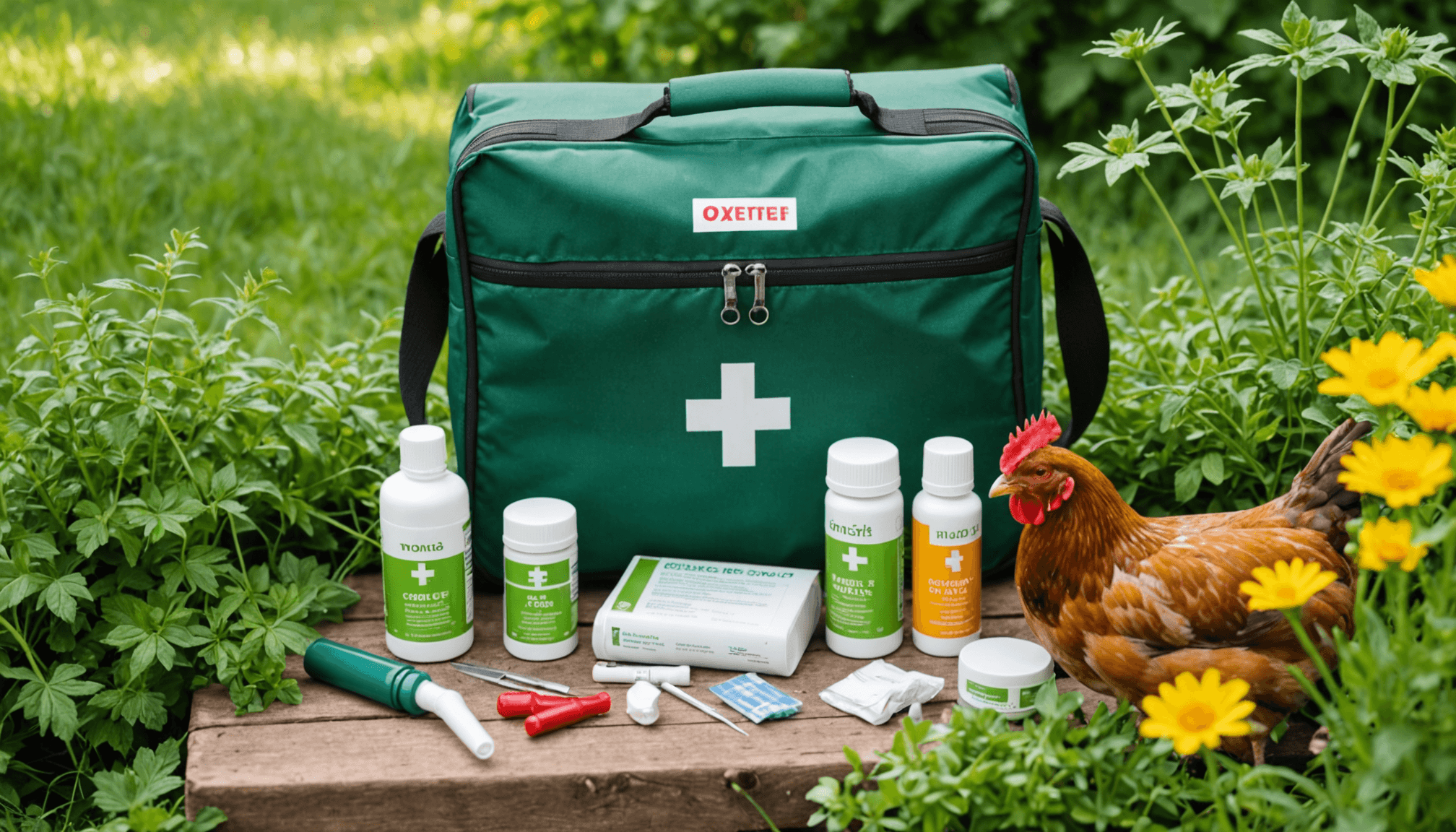
Having a solid understanding of the medications and treatments available for your chickens is vital for effective chicken care. Stocking your first aid kit with a selection of medications can make all the difference in responding to health crises promptly. Here are some essential medications and treatments you should consider including:
- Antibiotics: Keep a broad-spectrum antibiotic like Oxytetracycline or Tylosin on hand for bacterial infections. Always consult your veterinarian regarding the appropriate use, dosage, and possible side effects.
- Anti-parasitic Treatments: Medications like Ivermectin can be crucial for treating external parasites like mites and lice, and dewormers can help in managing internal parasites. Consult your local vet for recommendations based on your area’s disease prevalence.
- Meloxicam: This anti-inflammatory medication is particularly helpful for chickens experiencing pain due to injuries or surgical procedures. It aids in easing pain while promoting recovery.
- Electrolyte Solutions: As mentioned before, replenishing lost fluids and minerals with electrolytes is essential, especially during heat waves or after illnesses. There are many commercial brands available; just ensure they are specifically formulated for poultry.
- Probiotic Paste: Providing a probiotic paste can hasten recovery after antibiotic treatment or stress. This helps restore gut flora and enhances digestion and overall health in your chickens.
- Vitamins and Minerals: Keep a quality poultry multivitamin on hand to support overall health and aid recovery in times of stress. Vitamins A, D3, and E, along with minerals like calcium, should be included in your regimen.
It’s not only essential to have these medications but also to know how to administer them correctly. Many antibiotics can lead to antibiotic resistance if used improperly, making it imperative to follow guidelines provided by your vet. Additionally, be aware of withdrawal times for any medications that may affect egg production, ensuring that eggs are safe for consumption.
Furthermore, tracking your flock’s health history is a proactive measure. If a particular ailment becomes prevalent, you can adjust your first aid kit to include specific treatments tailored to your flock’s needs. Keeping a record of past illnesses and treatments is beneficial for spotting trends in health issues and allows you to consult your vet more effectively.
Always remember to store your medications in a cool, dry place, away from direct sunlight, and be sure to check expiration dates regularly. This not only preserves the efficacy of the treatments but ensures that you are prepared for any health emergencies that may arise in your homesteading adventure. Empowering yourself with knowledge about the medications you stock can lead to healthier chickens and a happier homestead!
Wound care essentials
When it comes to addressing wounds in your flock, having the right supplies and knowledge at your disposal is paramount. Chickens are naturally curious creatures, and this can sometimes lead to injuries from pecking, fights, or accidents in their environment. A comprehensive approach to wound care can not only minimize pain but also prevent infections, ensuring your chickens’ quick recovery.
Essential components for wound care include:
- Clean Water: The first step in treating a wound is to ensure cleanliness. Rinse any wounds gently with clean, warm water to remove debris and dirt.
- Antiseptic Solution: An antiseptic, such as iodine solution or a poultry-safe antiseptic spray, is critical for disinfecting wounds to prevent infections. Apply it liberally but be cautious not to overuse, as some solutions may cause irritation.
- Bandages and Gauze: These are necessary for covering wounds. Non-stick gauze pads are ideal, as they won’t adhere to the wound, allowing for easier removal. Use adhesive or vet wrap to keep the gauze in place, ensuring it is secure but not too tight.
- Veterinary Adhesive: For small cuts and injuries, a veterinary adhesive can be used as an alternative to bandaging. This helps seal the wound and keeps it protected without the complications that can arise with traditional bandages.
- Scissors: Keep a pair of blunt-tipped scissors handy for trimming fur or feathers around wounds, as well as cutting bandages to the appropriate size.
- Heating Pad or Warm Blankets: For severely injured chickens, maintaining their body temperature is crucial during recovery. A heating pad or warm blankets can provide comfort and stability while they recuperate.
- Calm Environment: Stress can impede healing. A quiet, calm environment is essential for chickens recovering from wounds. Isolate injured birds from the flock to reduce stress and allow for undisturbed healing.
It’s essential to monitor the affected chicken closely after treatment. Look for signs of healing, such as reduced swelling and the formation of new skin. Keep an eye out for any signs of infection, like excessive redness, swelling, or discharge, and consult your veterinarian if these occur. In some cases, re-evaluating the wound may be necessary to ensure proper healing.
“The goal of chicken care is not just to treat wounds, but to foster an environment that promotes overall health and resilience within the flock.”
When dealing with more serious wounds, such as deep lacerations or those that do not improve with basic care, professional veterinary assistance is recommended. Knowing when to seek help is just as critical as knowing how to treat minor injuries, as timely intervention can significantly enhance recovery potential.
As you build your first aid kit, remember that a well-rounded approach to wound care can become a crucial part of your overall chicken health management strategy. Routine checks and maintenance can help ensure your chickens remain healthy and can thrive in their homesteading environment.
Preventative health measures
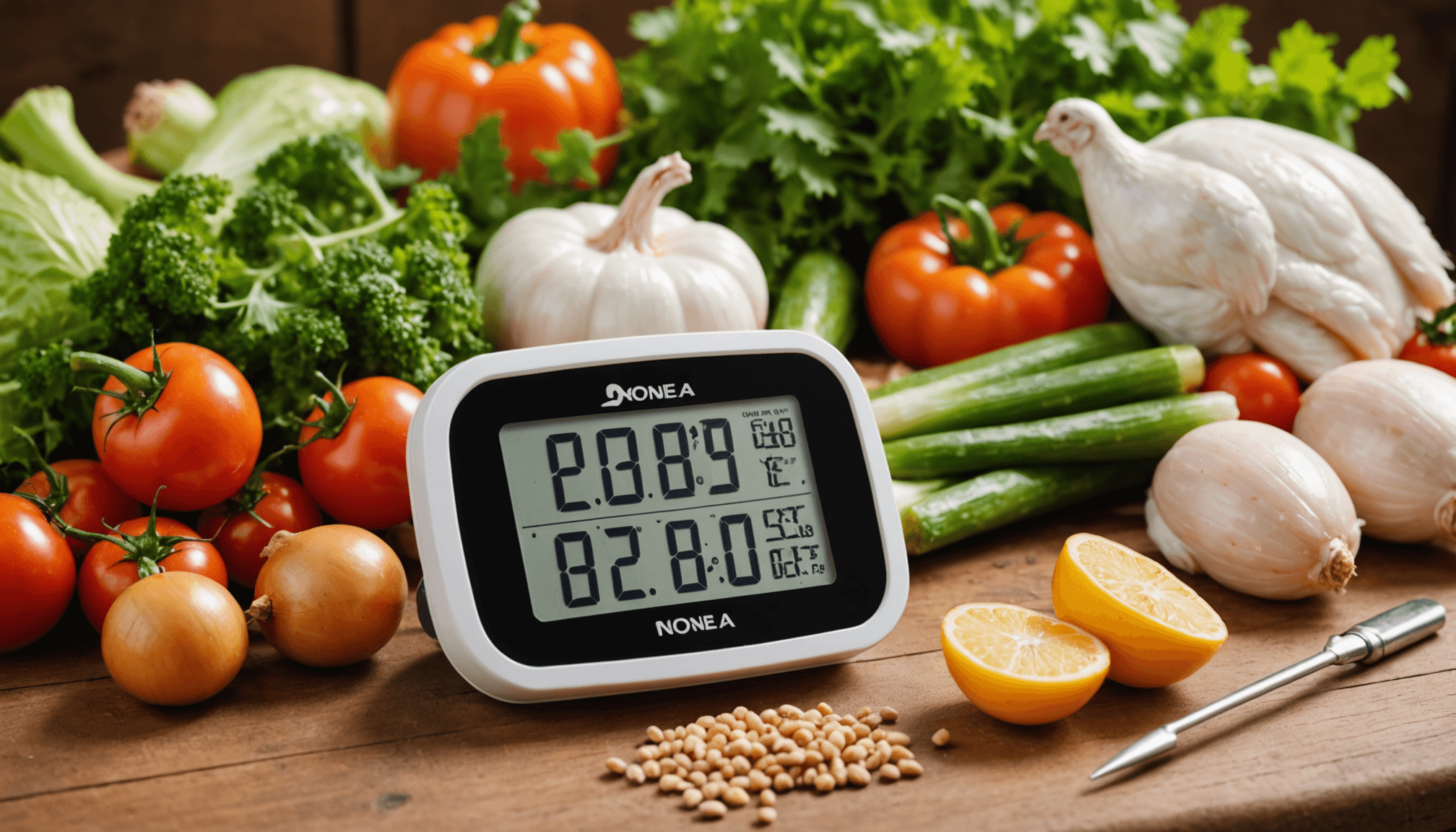
Preventive health measures are pivotal in maintaining the well-being of your flock. Regular health checks should be a part of your routine, allowing you to spot potential issues before they escalate. Monitoring your chickens for signs of distress, changes in behavior, and shifts in egg production can alert you to health problems that require immediate attention.
Nutrition plays a fundamental role in preventing disease among chickens. Providing a balanced diet rich in vitamins and minerals is essential for strong immune systems. A high-quality, complete poultry feed should be supplemented with fresh vegetables, grains, and occasional protein sources, like mealworms, to ensure that your chickens receive all nutrients necessary for optimal health.
Vaccination is another effective strategy for disease prevention. Depending on your region and the specific risks your flock may face, vaccines against diseases such as Marek’s disease, Newcastle disease, or infectious bronchitis are highly recommended. Consulting with a veterinarian can help tailor a vaccination schedule that best suits your flock’s needs.
Maintaining a clean living environment significantly contributes to the overall health of your chickens. Regular cleaning of coops and nesting boxes, along with proper waste management, can help limit the spread of pathogens that can lead to illnesses. Rotating pastures, if possible, allows for natural behaviors while minimizing parasite exposure.
Ensuring that your chickens have consistent access to clean water is equally crucial, as dehydration can lead to various health complications. Routine maintenance of the water sources prevents bacteria growth and keeps your birds hydrated and healthy.
Lastly, social structure within your flock can impact their overall health. Introducing new birds should be done carefully, as stress from changes can lead to health issues. Implement a quarantine period for new arrivals to prevent the introduction of diseases into your existing flock.
- What is included in a chicken first aid kit?
- A chicken first aid kit typically includes items such as a thermometer, antiseptic solutions, bandages, probiotics, and medications for various ailments. Regularly updating your kit with essential supplies can ensure you’re prepared for emergencies.
- How can I tell if my chicken is sick?
- Signs of illness in chickens can include lethargy, lack of appetite, abnormal droppings, and changes in egg production. Observing behavioral changes is vital for early detection of potential health issues.
- What vaccinations do my chickens need?
- The vaccinations required can vary based on your region, but common vaccines include those for Marek’s disease, Newcastle disease, and infectious bronchitis. Consulting with a veterinarian can help you determine the right vaccination schedule for your flock.
- How often should I clean my chicken coop?
- You should clean your chicken coop at least once a week to prevent the buildup of waste and pathogens. More frequent cleaning may be needed during hot weather or if your birds are showing signs of illness.
- What should I feed my chickens for better health?
- Chickens should be fed a balanced diet of high-quality poultry feed supplemented with fresh vegetables, grains, and occasional protein sources. Proper nutrition supports their immune systems and overall health.
- How can I prevent parasites in my flock?
- Preventing parasites involves maintaining a clean environment, rotating pastures, and regularly checking your birds for signs of infestations. Using anti-parasitic treatments as recommended by a veterinarian can also be beneficial.
- Is it necessary to isolate sick chickens?
- Yes, isolating sick chickens can help prevent the spread of illness to the rest of your flock. This practice allows for proper care without compromising the health of other birds.
Storage and maintenance tips
To ensure that your first aid supplies remain effective and ready for action, proper storage and maintenance are vital. Start by designating a specific area for your chicken first aid kit, ideally in a cool, dry location away from direct sunlight. Excessive heat or moisture can compromise the integrity of medications and other supplies, rendering them ineffective when you need them the most.
Utilize clear, labeled containers to organize your supplies. This not only makes it easier to find what you need in a hurry but also allows you to keep an eye on expiration dates. Consider adding a checklist inside your kit that lists the items you should have on hand, along with their expiration dates, so you can quickly identify when items need to be replaced.
For medications, ensure they are stored in their original packaging with the labels intact, as this provides crucial information about dosage and any specific storage instructions. Regularly review your supplies, ideally every few months, to ensure nothing has expired and to restock any items that might have been used. This proactive approach is essential in avoiding situations where a critical item isn’t available during an emergency.
Don’t forget to keep your tools, such as scissors and thermometers, clean and sanitized after use. A simple rinse with warm, soapy water followed by thorough drying is usually sufficient. This helps prevent cross-contamination and ensures that all supplies remain safe for future use. Use alcohol wipes or a disinfectant spray on non-porous items to maintain cleanliness.
In your ongoing commitment to chicken care, it’s beneficial to stay informed about new products and best practices in the homesteading community. Joining local exchange groups or online forums can offer insights into emerging supplies that could enhance your first aid kit. You can also find opportunities to share tips with fellow chicken keepers, possibly learning about other preventative measures or treatments they have found to be effective.
Lastly, keep an emergency contact list visible within your storage area. This should include your veterinarian’s contact information and any specialized poultry health services nearby. In times of crisis, having immediate access to professional help can significantly impact the outcome for your chickens.