

Self-sufficiency is not merely a survival strategy; it embodies a lifestyle choice that empowers individuals and supports local economies. Embracing self-sufficiency allows families to cultivate their own food, harness renewable energy, and create a balanced ecosystem within their homes and communities. As you embark on your homesteading journey, consider how you can enhance your skills and resources to contribute to a sustainable future.
One of the essential aspects of self-sufficiency is understanding the basics of food production. Start small, perhaps with a home garden. Here are some practical tips to get you started:
- Choose the Right Location: Select a sunny spot in your yard that receives at least 6-8 hours of direct sunlight daily.
- Start with Easy-to-Grow Crops: Begin with herbs such as basil and parsley, or vegetables like radishes, lettuce, and tomatoes that are less labor-intensive.
- Utilize Companion Planting: This method maximizes space and can deter pests. For instance, planting marigolds alongside vegetables can help keep certain insects away.
Community support is also fundamental in your journey toward self-sufficiency. Joining local gardening clubs or homesteading groups will provide valuable networking opportunities, insights, and resources. These connections can lead to sharing seeds, tools, and knowledge about sustainable practices. Participation in farmers’ markets not only helps you sell excess produce but also strengthens your ties to the community.
Moreover, consider the importance of preserving your harvest. Canning, fermenting, and freezing are excellent ways to extend the life of your food and reduce waste. Here are some preservation techniques to explore:
- Canning: Learn the safe methods for water bath canning and pressure canning to store fruits, vegetables, and even meat.
- Fermenting: Explore making sauerkraut, kimchi, or pickles, which not only preserve food but also enhance its nutritional value.
- Freezing: For quick preservation, wash and chop vegetables or fruits before freezing them in airtight bags.
Lastly, remember that self-sufficiency isn’t limited to food. Explore options for creating alternative energy sources, such as solar panels or small wind turbines. Even in urban settings, installing rain barrels for water collection or compost systems can contribute significantly to your self-sufficient goals.
Ultimately, understanding and embracing self-sufficiency is a rewarding journey that fosters independence and resilience while benefitting local economies. Start today, and watch as your efforts ripple through your community.
The Role of Local Resources
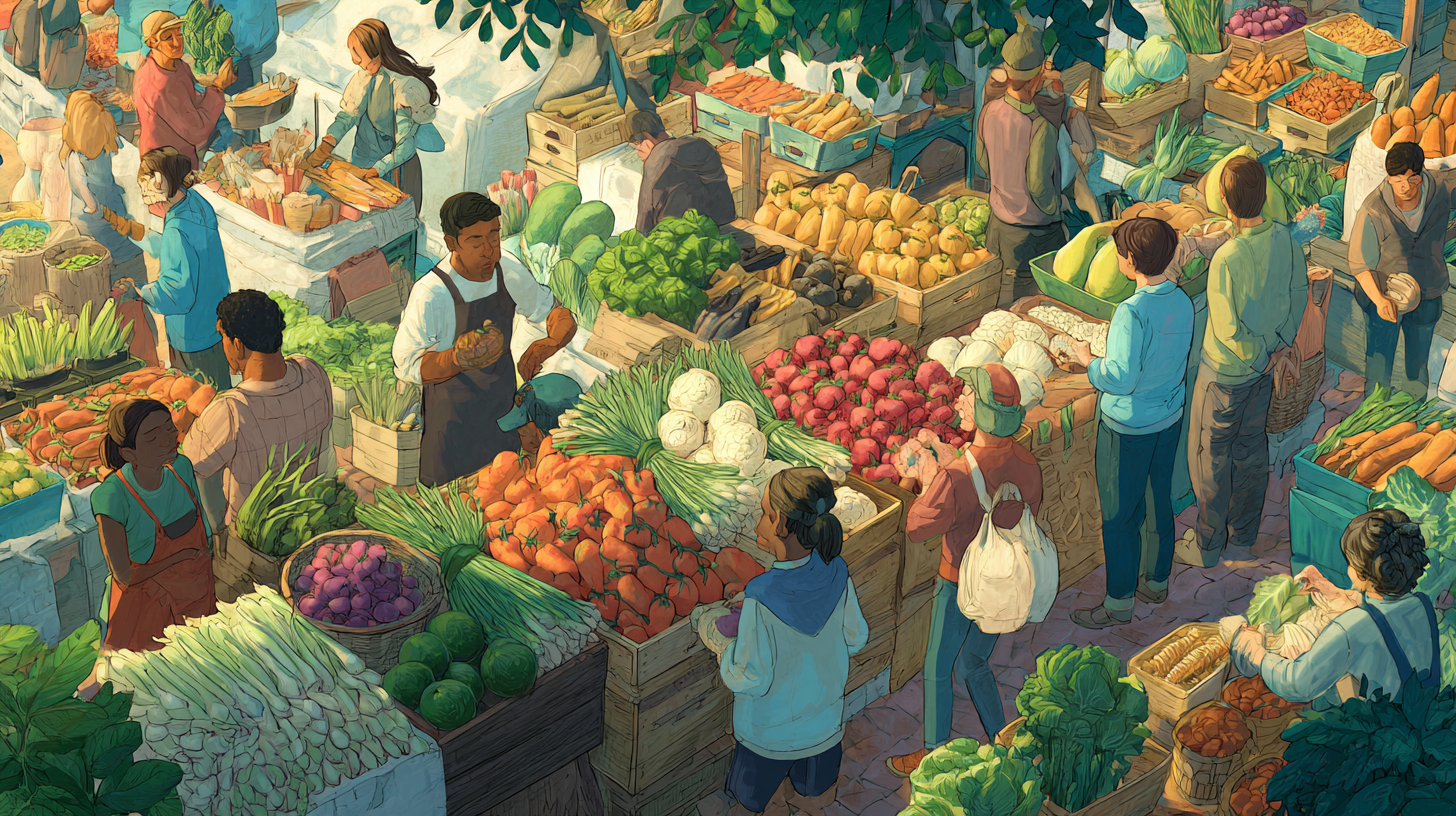 The use of local resources is a crucial pillar in achieving self-sufficiency, as it not only enhances the sustainability of individual households but also bolsters local economies. By tapping into what is readily available in a community, residents can reduce reliance on external supply chains and foster a sense of independence. This local-centric approach aids in minimizing costs associated with transportation and large-scale distribution, as well as promoting the use of region-specific goods that are more attuned to the local climate and ecosystem.
Local resources encompass a diverse range of elements, including natural resources, agricultural products, and skilled labor. For instance, communities that grow crops suitable to their geographical conditions can cultivate a more resilient food system. By focusing on perennials and native plants that thrive in the local environment, families can create a sustainable food source that requires fewer inputs and less maintenance.
To better understand the impact of utilizing local resources, a comparison can be made between products sourced locally versus those imported from outside the community. The table below provides an overview of key differences:
| Aspect | Local Resources | Imported Resources |
|---|---|---|
| Environmental Impact | Lower carbon footprint due to reduced transportation. | Higher carbon emissions from long-distance transport. |
| Freshness | Food can be consumed closer to harvest; higher nutrient retention. | Food often arrives after long transit times, possibly affecting freshness. |
| Economic Benefit | Supports local farmers and businesses, keeping money within the community. | Profits often go to foreign or distant entities, draining local resources. |
| Community Engagement | Encourages local networking and community support through shared initiatives. | Generally less opportunity for engagement with distant suppliers. |
Moreover, local resources also extend to community knowledge and traditions. Skills such as artisan craftsmanship, local cooking methods, and agricultural practices can be passed down through generations, becoming a shared asset for the community. This knowledge transfer not only preserves cultural heritage but also strengthens the social fabric, reinforcing the concept of community support.
Participating in local cooperative initiatives can maximize the benefits of these resources. For instance, community-supported agriculture (CSA) programs connect consumers directly with local farms, allowing residents to purchase shares in seasonal produce. This not only guarantees fresh food but also helps farmers plan their crops effectively and manage sales volumes.
In addition to agricultural resources, various sectors demonstrate the versatility of utilizing local materials. Construction using locally sourced timber or stone can support local businesses while ensuring building practices are suited to the regional climate. Similarly, utilizing local artisans to craft furniture or provide services enhances the self-sufficiency of housing projects and supports community craftsmanship.
The role of local resources in promoting self-sufficiency is profound, leading to a more interconnected community where economies thrive through mutual support and collaboration. As individuals begin to recognize and leverage the potential of their surroundings, the ripple effect can lead to thriving local economies that are resilient in the face of global fluctuations.
Economic Benefits of Local Production
Local production yields tangible economic benefits that extend beyond individual households and into the wider community, fostering a vibrant ecosystem of mutual support and resilience. By prioritizing locally sourced goods and services, self-sufficiency can significantly enhance local economies, allowing communities to thrive. Here are some of the key benefits associated with this trend:
- Boosting Local Employment: When businesses source materials locally, they create jobs within the community. Local farms, artisans, and service providers see increased demand for their products, which means more local jobs and enhanced economic stability.
- Lowering Costs: Utilizing local resources often reduces transportation and distribution costs, making goods more affordable. This savings can be passed on to consumers while simultaneously increasing the profitability of local businesses.
- Encouraging Innovation: A focus on local production inspires innovative solutions tailored to the specific needs of the community. Entrepreneurs can experiment with unique products and services that resonate with local culture and preferences.
Understanding how to harness these benefits is essential for anyone looking to implement self-sufficiency successfully. Consider these strategies to maximize local production:
- Create a Local Network: Connect with local farmers, producers, and suppliers. Establishing relationships can open doors to bulk purchasing agreements, shared resources, and cooperative ventures.
- Participate in Local Markets: Farmers’ markets and craft fairs not only provide a platform to sell goods but also promote community engagement. Regularly visiting and supporting these markets can help you learn about local production practices and find inspiration for your own homesteading.
- Invest in Local Skills Workshops: Take advantage of workshops focused on traditional crafts or self-sufficiency skills, such as woodworking, knitting, or food preservation. These classes often feature local instructors and help cultivate a community based on shared knowledge.
Moreover, the economic benefits of local production extend to sustainability. Local production often means shorter supply chains, resulting in fewer carbon emissions and less waste. Consumers can be mindful of their purchasing decisions by opting for products that have been produced nearby, thereby supporting both local economies and environmental sustainability.
As you delve deeper into your self-sufficiency journey, consider the impact of your choices on the local economy. For example, when purchasing ingredients for your home-cooked meals, aim to buy from local producers or farmer cooperatives. Not only will you enjoy fresher ingredients, but you will also contribute to the economic stability of your area.
Remember, the health of local economies is intricately tied to self-sufficiency practices. Embracing this lifestyle not only nurtures your household but strengthens the entire community, creating a resilient network of support. As you cultivate your garden, craft goods, or barter with neighbors, you are not just fostering your independence but also contributing to a broader economic landscape that thrives on collaboration and shared resources.
Strategies for Implementing Self-Sufficiency
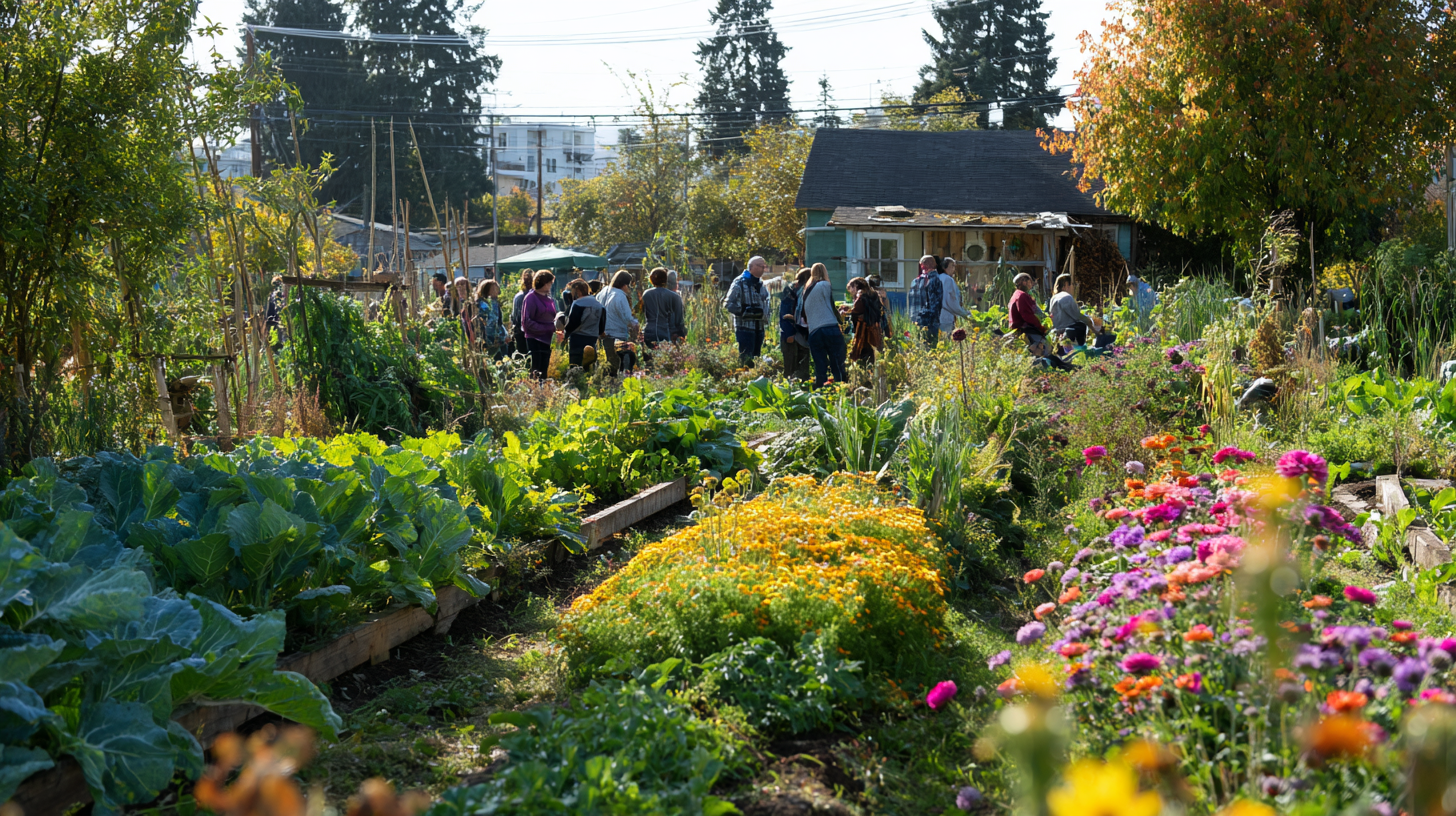 Achieving self-sufficiency at a community level requires a strategic approach that emphasizes collaboration, education, and resource-sharing. Initiatives that facilitate the implementation of self-sufficiency must encompass various layers, from individual actions to broader community engagement. One essential strategy is to foster educational programs that promote sustainable practices. Schools and community organizations can develop workshops that teach skills such as gardening, food preservation, and renewable energy use. By empowering residents with knowledge, communities can cultivate a new generation of self-sufficient individuals who contribute positively to local economies.
Community gardens serve as a practical example of how to implement self-sufficiency. By transforming vacant lots or under-utilized spaces into fertile growing areas, neighborhoods can grow produce collaboratively. This not only provides fresh food but also encourages social interaction and community bonding, thereby enhancing community support. In addition, these gardens can serve as educational hubs where residents learn from each other about farming techniques, seasonal planting, and ecological sustainability. Such initiatives reinforce the understanding that self-sufficiency is interconnected—what one person learns can benefit the entire community.
Another strategy for promoting local self-sufficiency is the establishment of a barter system or a local exchange trading system (LETS). Community members can trade skills, goods, and services without relying on traditional currency. For instance, a neighbor who bakes bread can trade with someone who grows vegetables, fostering relationships and building trust among community members. This not only keeps resources circulating within the local economy but also diminishes dependence on external markets.
Investment in local businesses plays a critical role in empowering communities towards greater self-sufficiency. Initiatives such as “Buy Local” campaigns can raise awareness about the importance of supporting local artisans, farmers, and service providers. By shifting spending habits to favor local businesses, consumers create a positive economic feedback loop that enhances job creation and promotes resource retention within the community. It is effective to organize events that allow local entrepreneurs to showcase their offerings, such as craft fairs and local food festivals.
Moreover, harnessing technology can enhance the routes toward self-sufficiency. Communities can utilize social media platforms and apps to connect residents, share resources, and promote local events. For instance, neighborhood-specific groups can facilitate the exchange of surplus produce or share information about up-and-coming workshops that may benefit community members. This innovation aids in building relationships, resulting in a more interconnected and supportive community.
Incorporating local history and culture into self-sufficiency efforts can also reinforce community bonds. Recognizing the unique traditions and practices of a region enhances community identity and encourages participation. Activities like traditional food preparation days or crafts focused on local heritage can bring people together, creating a deeper appreciation for local resources and a commitment to preserving them.
Through these multifaceted strategies, the implementation of self-sufficiency can be a dynamic and empowering process for communities. The road may involve challenges, but as residents band together in their efforts, they create a supportive network that ensures sustainable growth and resilience in local economies.
“Community support and involvement are essential in creating an environment where self-sufficiency can thrive.”
Case Studies of Successful Local Economies
Communities around the globe have exemplified the principles of self-sufficiency, showcasing innovative models that nurture economic resilience while reducing reliance on outside resources. One notable case is Cuba, particularly during the Special Period in the 1990s when the country faced an economic crisis and a drastic reduction in imported goods. In response, urban agriculture initiatives blossomed, transforming vacant urban spaces into productive gardens. Through innovative farming techniques and a focus on local resources, Cubans began to produce a substantial portion of their food within city limits. These gardens not only provided sustenance but became community hubs, fostering cooperation and a renewed sense of solidarity among residents.
In the United States, the town of Ithaca, New York, has embraced local food systems as a way to promote self-sufficiency. The establishment of Ithaca’s Farmers’ Market allowed local farmers to sell their products directly to consumers, fostering a vibrant local economy. This direct connection between producers and consumers has not only kept money circulating within the community but has also strengthened relationships, as residents develop a deeper understanding of where their food comes from and the challenges local farmers face. Additionally, Ithaca promotes farm-to-school programs, providing fresh produce to local schools and teaching children about healthy eating and agriculture.
Another inspiring example can be seen in the rural community of Gaviotas, Colombia. This pioneering project focuses on sustainability through reforestation, eco-architecture, and renewable energy. Residents transformed a formerly barren landscape into a thriving ecosystem that supports local agriculture while creating a self-sustaining model that attracts visitors and inspires neighboring towns. Gaviotas fosters community support and collaboration, with an emphasis on preserving biodiversity and nurturing the environment as foundational elements of their economic future.
The concept of buy local has gained traction in many communities, empowering consumers to support local artisans, farmers, and businesses. Take Portland, Oregon, for example, where local initiatives encourage residents to choose locally produced goods over those from big-box retailers. This initiative has resulted in a surge in local business survival rates, demonstrating how committed consumer choices can positively impact local economies and self-sufficiency. Moreover, engaging community members in local decision-making processes fosters a collective investment in the area’s economic health.
These cases provide a glimpse into the transformative potential of self-sufficiency and community support. They highlight innovative solutions to contemporary economic challenges and illustrate how local initiatives can drive meaningful change in society. As individuals reflect on these examples, consider how your choices and actions can contribute to cultivating a self-sufficient and resilient economy in your own community.
- What is self-sufficiency?
- Self-sufficiency refers to the ability to fulfill one’s own needs without reliance on external resources. This often encompasses food production, energy generation, and essential services that can be managed locally.
- How can local economies benefit from self-sufficiency?
- Local economies benefit through increased employment, reduced transportation costs, and a stronger community connection as residents support local businesses and services, keeping funds circulating within the community.
- What is community-supported agriculture (CSA)?
- CSA is a model where community members purchase shares of a local farm’s harvest in advance. This provides farmers with needed capital upfront while ensuring consumers receive fresh produce, reinforcing ties within the community.
- How can I start a community garden?
- To start a community garden, gather interested neighbors, secure land, and coordinate the development of the garden space. Plan for shared responsibilities, crop selections, and regular maintenance to ensure sustainability.
- What are some skills I can learn to enhance self-sufficiency?
- Skills that enhance self-sufficiency include gardening, food preservation methods like canning or fermenting, renewable energy installation, and basic homesteading crafts. Workshops and online resources are great places to start learning.
- How do I find local resources for homesteading?
- Explore local farmers’ markets, visit agricultural cooperatives, and engage with homesteading groups on social media to discover nearby resources. Local libraries and community centers often host events that connect residents with local producers and resources.
- What role does community support play in self-sufficiency?
- Community support is vital for self-sufficiency; it fosters collaboration and resource-sharing, enhances knowledge transfer, and builds networks that strengthen local economies. Together, community members can create resilient systems that are better equipped to face challenges.
Future Trends in Local Economic Development
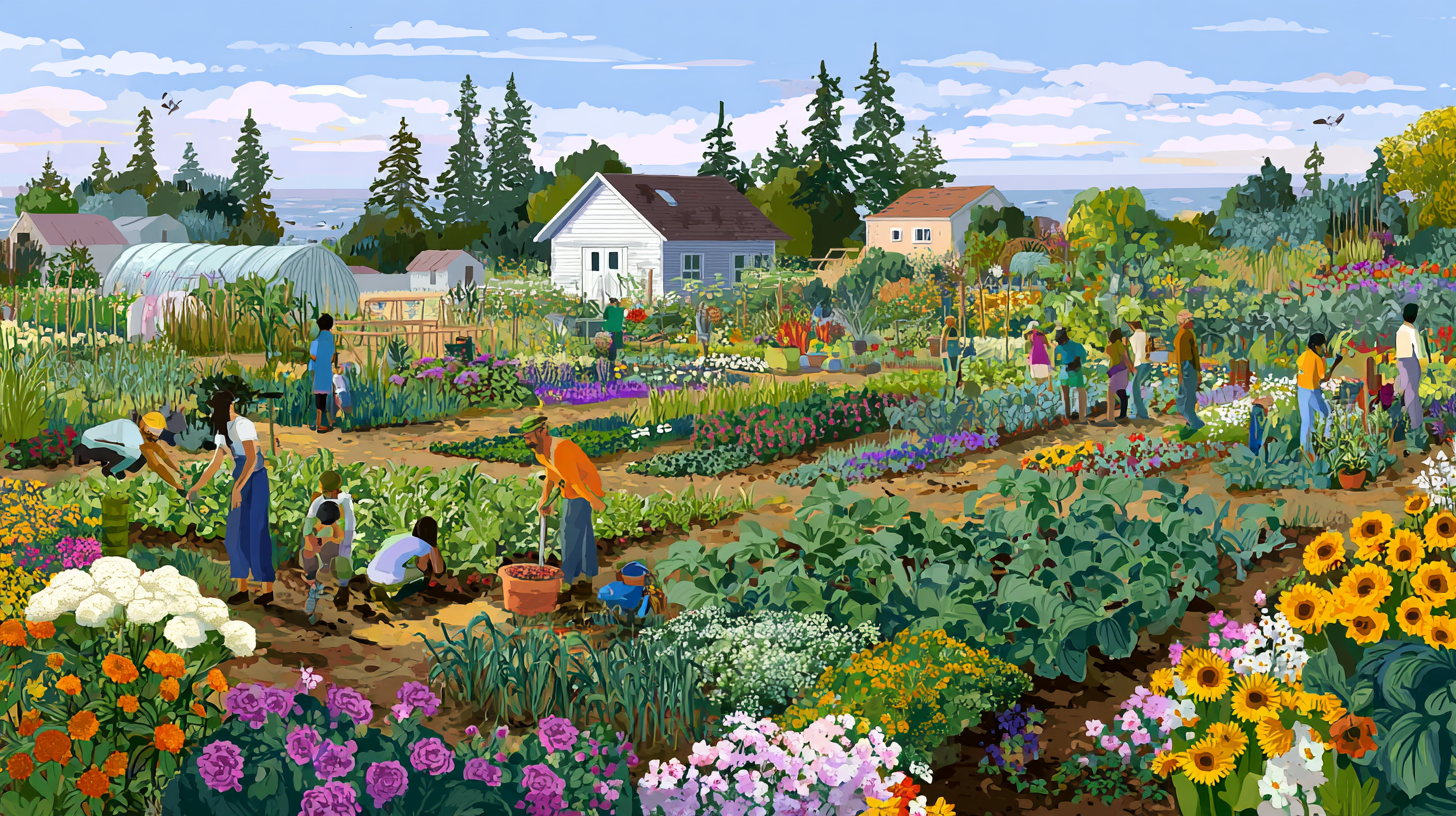
As we look to the future of local economic development, emerging trends offer exciting opportunities for enhancing self-sufficiency and community resilience. Innovative practices, technologies, and social movements are reshaping how residents interact with their local economies, making it easier than ever to contribute meaningfully to the sustainability of their neighborhoods. One notable trend is the rise of regenerative agriculture, which focuses on enhancing soil health and biodiversity while producing food. This method not only aids in crop resilience but also contributes to local food sovereignty, allowing communities to become less reliant on industrial agricultural systems.
Participatory budgeting is another trend likely to gain traction, empowering community members to have a direct say in how local resources are allocated. Through this process, residents can propose and vote on projects that enhance self-sufficiency, such as community gardens, urban farms, or renewable energy initiatives. This democratic approach fosters deeper community support, as individuals feel more invested in the growth and health of their local economies.
Moreover, the advent of technology presents formidable prospects for enhancing local economies. Digital platforms facilitate farmer-to-consumer sales, allowing local producers to reach broader markets while retaining more profit. Initiatives such as online marketplaces help small businesses and artisans to showcase their products without the overhead of a physical storefront. Encouraging residents to shop locally through social media campaigns can create a significant ripple effect, boosting sales for neighborhood businesses and leading to job creation.
Additionally, the concept of urban homesteading is gaining momentum, especially in metropolitan areas. This practice involves transforming residential spaces into self-sufficient units that produce food, energy, and resources. Residents can install vertical gardens, compost systems, and rainwater harvesting setups, making effective use of limited space while promoting sustainability. By sharing these homesteading techniques through workshops and community events, urban dwellers can build a network of resource-sharing and support, strengthening local economies.
The resurgence of maker spaces and cooperative workshops is another encouraging development, where community members can come together to share tools, skills, and resources. These collaborative environments foster creativity and innovation, whether it’s through crafting goods, repairing appliances, or learning new skills, ultimately reducing reliance on external economies. For instance, a community that establishes a tool library ensures that members have access to devices needed for home projects, promoting self-sufficiency while also minimizing waste.
Furthermore, the focus on local currencies or barter systems encourages residents to engage more profoundly with their economies. Such systems enhance self-sufficiency by keeping financial resources circulating within the community, ensuring that every dollar spent supports local businesses and initiatives. Some areas are exploring time banks, where hours worked can be exchanged for services, solidifying community ties and boosting local engagement.
As these trends unfold, they are woven into the fabric of local economies, fostering an environment where self-sufficiency thrives. The commitment to creating interconnected, supportive communities can lead to lasting change. Engaging with these developments not only aids individual households but also solidifies the resilience and health of entire neighborhoods.