
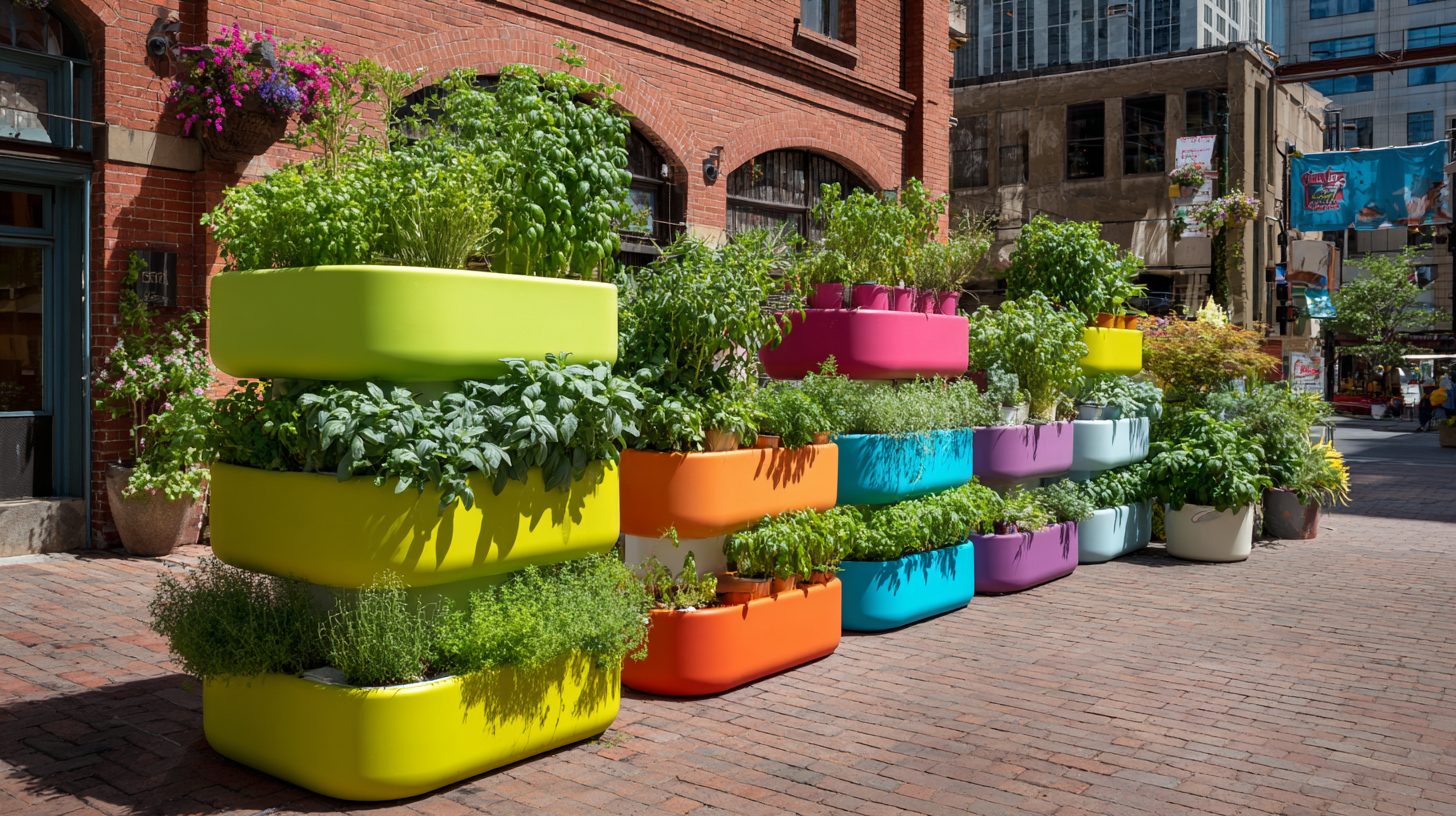
Small space gardening presents a unique opportunity for urban dwellers and aspiring homesteaders to engage with nature and cultivate their own food, even in the most cramped conditions. To embark on your journey into this *self-sufficiency* practice, it’s crucial to first grasp the nuances of working with limited space.
One of the primary considerations in small space gardening is to understand the concept of vertical gardening. Utilizing vertical structures such as trellises, hanging pots, or garden walls can effectively maximize space. Such setups allow you to grow climbers like peas, beans, and cucumbers while keeping the ground area accessible for other plants. This approach not only saves space but also creates an appealing aesthetic in your garden.
Another vital aspect is understanding the layout of your garden. Plan your garden by grouping plants with similar water and sunlight requirements together, which simplifies care and increases efficiency. This thoughtful arrangement also helps in utilizing the available square footage better and reduces competition among plants for resources.
When gardening in a small area, consider implementing *container gardening*. Containers can come in various shapes and sizes, allowing for flexibility in arrangement and design. Start with containers that have sufficient drainage and are made of materials like clay, wood, or even recycled plastics. Ensure that you select pots that relate to the size of the plants you intend to grow. For instance, a deep pot is essential for root vegetables like carrots and potatoes, while shallow containers work well for herbs and lettuces.
Micro-gardening is another excellent strategy to explore. This involves growing small amounts of various vegetables that don’t require much space. Vegetables such as radishes, salad greens, and dwarf varieties of common crops can thrive in minimal space and provide fresh produce to your kitchen.
Don’t overlook the potential of community gardens, as they offer a fantastic solution to limited personal space. Engaging with local community gardening groups can boost your knowledge and provide resources while fostering a connection with others who share your interests.
Lastly, embracing the idea of a garden planner can help manage your small space efficiently. A simple grid layout can assist in visualizing where and how much to plant, as well as when to rotate crops for optimal production throughout the growing seasons.
Embracing these practices of small space gardening not only allows you to develop a fruitful garden but also enhances your experience of *urban gardening*. Experimentation and creativity will lead to success, making every inch of your small space work towards feeding you and your family.
Choosing the right containers
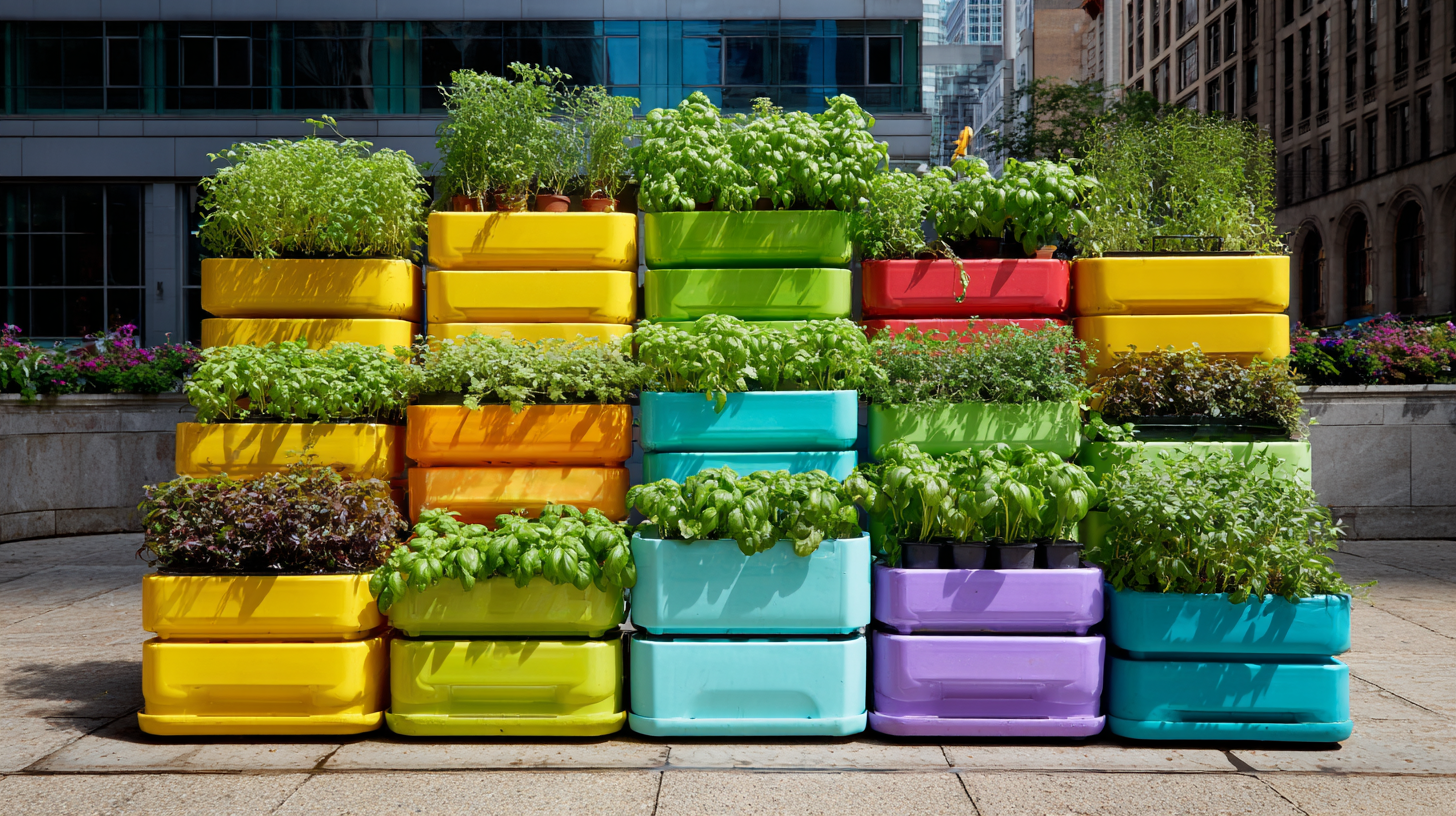
Choosing the right containers for your small space gardening efforts is pivotal, as they directly influence the success of your plants. Containers must not only be practical but should also cater to the specific needs of the plants you intend to grow. One fundamental characteristic to consider is the size of the container, which affects root growth and moisture retention. A container that is too small can restrict root systems, leading to stunted growth, while larger containers can hold more soil and retain moisture better, minimizing the frequency of watering.
When selecting containers, available materials play an important role. Each type of container comes with its own set of advantages and drawbacks:
| Container Material | Advantages | Disadvantages |
|---|---|---|
| Plastic | Lightweight, durable, affordable, available in various colors and sizes. | Can heat up quickly in the sun, potentially harming plants; may degrade over time with UV exposure. |
| Terra Cotta | Porous, breathes well, provides good drainage, attractive natural appearance. | Heavy, may break easily, tends to dry out quicker than other materials. |
| Wood | Natural aesthetic, excellent insulation, can be built to any size. | Can rot over time unless treated, heavier than plastic, may require more maintenance. |
| Metal | Durable and stylish, retains heat which can extend growing seasons. | Can heat up and damage roots, may require lining to prevent rusting. |
Moreover, drainage is non-negotiable; containers must have adequate drainage holes to prevent root rot and promote healthy growth. If you are using containers without drainage holes, consider planting herbs or succulents that can tolerate occasional wet conditions. Alternatively, employ methods like adding layers of gravel at the bottom of a container to facilitate drainage.
In small space gardening, stacking or nesting containers can also be beneficial. This technique allows for vertical growing of salad greens or herbs, making it both space-efficient and visually appealing. Hanging planters can also be a creative solution, providing an opportunity to grow trailing plants like strawberries or cascading herbs, thus utilizing vertical space without taking up ground area.
Another option is to repurpose items you already have at home, such as old buckets, crates, or even discarded kitchenware. Just ensure that any repurposed containers are safe for gardening, free from toxins, and have proper drainage.
Think about the mobility of your containers. Lightweight options that can be easily moved will help you optimize sunlight exposure for the plants based on daily sunlight patterns or seasonal changes, particularly in urban gardening where buildings and structures can create shaded zones. This flexibility allows for maximizing growth space and improving your self-sufficiency in food production.
Selecting suitable plants
When it comes to selecting suitable plants for your small space gardening endeavors, understanding your environment and the characteristics of potential plants is crucial. Not all plants are created equal, especially when it comes to size and growth habits. The right selection can lead to a flourishing garden that maximizes your limited space while contributing to your self-sufficiency goals.
Start by considering the concept of *edible landscaping*. Plants that are both beautiful and functional will make your garden aesthetically pleasing while providing nutritional value. Here are some plant categories to consider:
- Leafy Greens: Varieties like spinach, kale, and Swiss chard thrive in limited spaces and can be harvested continuously, giving you ample produce throughout the growing season.
- Herbs: Many herbs such as basil, parsley, and cilantro can be grown in small containers or even on window sills, requiring little space but providing substantial flavor in your dishes.
- Dwarf Varieties: Look for dwarf or compact varieties of common vegetables like tomatoes, peppers, and eggplants. These plants are bred to thrive in smaller areas while still offering a decent yield.
- Radishes and Carrots: These root vegetables grow well in confined spaces and offer a quick harvest turnaround, making them perfect for urban gardening.
- Container-Friendly Fruits: Strawberries and dwarf fruit trees can be planted in containers and trained to grow upwards, utilizing vertical space effectively.
Additionally, consider the growth habits of plants. Climbing plants like peas and beans can be trained up trellises, opening up ground space for other crops. Companion planting can also enhance productivity; for example, growing marigolds alongside your vegetables can deter pests while providing flowers to beautify your small garden.
When selecting plants, don’t forget to assess your sunlight availability. Determine how many hours of direct sunlight your small space receives and choose plants accordingly. For sunnier spots, opt for sun-loving varieties, while shade-tolerant plants can thrive in less sunny areas.
Also, pay attention to plant spacing. Overcrowding can lead to poor airflow and increased disease potential. As a rule of thumb, consult seed packets or plant labels for recommended spacing guidelines, adapting them as necessary to your limited gardening footprint.
Another useful strategy is to stagger planting times. This approach allows you to grow a variety of plants throughout the seasons and keeps your harvest going longer, thus enhancing your overall productivity. For example, after harvesting early spring crops, you can quickly plant summer varieties in the same space.
Be mindful of local climate conditions as well. Some plants are more resilient to temperature fluctuations or pests prevalent in your area. Choosing native or adapted plants can lead to easier maintenance and better growth results.
Incorporating these strategies into your small space gardening will not only optimize your space but will also make the gardening experience enjoyable and rewarding. Remember, the plants you select will significantly affect your success in creating a self-sufficient food source in your urban setting.
Mastering soil and nutrients
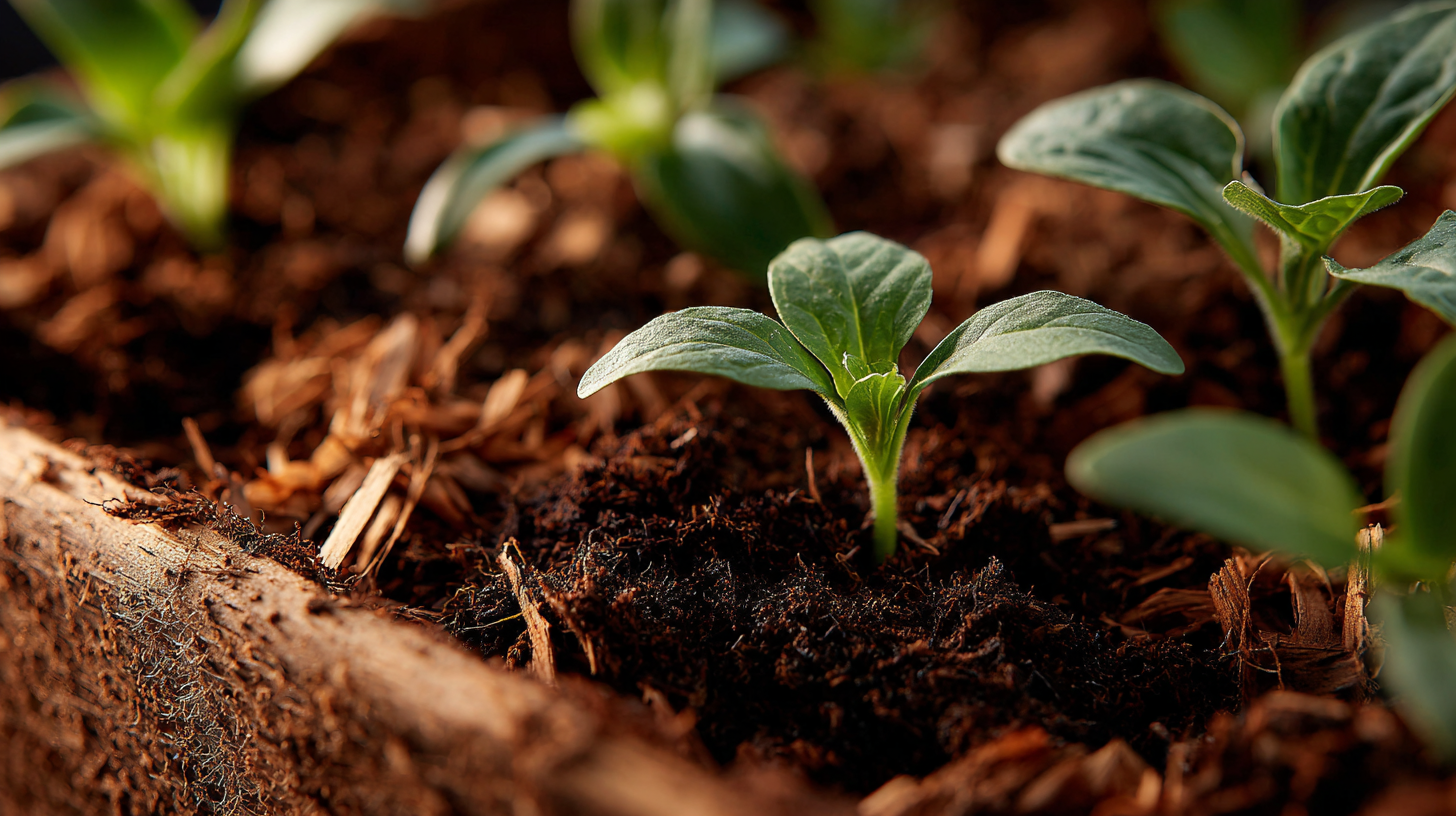 Mastering the right soil and nutrients is a fundamental aspect of achieving healthy plants in small space gardening. Quality soil acts as a foundation for your plants, supplying essential nutrients and retaining moisture, which are crucial for their growth. Unlike traditional gardening, where you may have the luxury of ample soil, in small space gardening, every cubic inch matters.
Begin by understanding the composition of your soil. A balanced mix typically consists of three primary components: sand, silt, and clay. For container gardening, however, a standard potting mix is often more appropriate as it is formulated to provide optimal drainage and aeration. Look for a mix that includes organic matter, like compost, peat moss, or coconut coir, for enhanced fertility. Compost enriches the soil with essential nutrients, while also improving its structure, enabling better root growth.
“The soil is the foundation upon which we build our gardens, and it must be enriched and nurtured for a fruitful harvest.”
Nutrients are vital for plant health, and understanding the key elements can help you in your gardening journey. The three primary nutrients are nitrogen (N), phosphorus (P), and potassium (K), often referred to as N-P-K. Nitrogen supports leafy growth, phosphorus aids in root and flower development, and potassium enhances overall health and disease resistance. Many commercial fertilizers are available with varying N-P-K ratios, so consider what your plants need based on their growth stage.
In small spaces, you might want to avoid chemical fertilizers that can lead to soil depletion over time and may not be the best for container plants. Instead, opt for organic options like fish emulsion, seaweed extract, or compost tea, which can provide a gentle nutrient boost without overwhelming your plants. Additionally, you can incorporate slow-release fertilizers, which release nutrients gradually, ensuring consistent feeding throughout the growing season.
Regularly monitoring the health of your soil is also crucial. Conducting a soil test can provide valuable insights into pH levels and nutrient content, allowing you to tailor your amendments appropriately. Most plants thrive in slightly acidic to neutral pH levels (around 6.0 to 7.0). If your pH is outside this range, you can amend the soil with lime to increase pH or sulfur to decrease it.
Incorporating mulch can also significantly benefit your small space gardening efforts. A layer of organic mulch, such as straw or shredded leaves, can help retain soil moisture, suppress weeds, and slowly contribute nutrients as it breaks down. It’s especially important in container gardening, where soil can dry out quickly.
Finally, don’t underestimate the power of crop rotation and companion planting. This practice not only improves soil fertility but can also reduce pests and diseases. For instance, planting legumes, such as beans or peas, can add nitrogen back into the soil, benefiting subsequent plants.
Taking the time to master the intricacies of soil and nutrient management will lead to a thriving garden, making your efforts in small space gardening more rewarding and productive. Nurturing your plants through good soil practices is a crucial step in your path toward self-sufficiency and urban gardening success.
Effective watering techniques
Watering techniques can make or break your small space gardening efforts. In a limited environment, the correct approach to hydration ensures that your plants receive the necessary moisture without the threat of overwatering, which can lead to root rot. Understanding your plants’ water requirements is paramount, as different species have varying tolerances to dryness and water saturation. It is advisable to assess the moisture levels in your container or garden bed regularly, utilizing your finger to check the soil’s dampness or benefiting from moisture meters that offer precise readings.
Consider the time of day when watering. Early morning is often ideal, as it allows moisture to penetrate the soil before the sun heats up, reducing evaporation and making sure water reaches the roots. Conversely, watering in the evening can lead to moisture retention overnight, raising the risk of fungal diseases. If you must water during hotter periods, ensure that the temperature of the water is similar to that of the soil to prevent shock to the plants.
Implementing a drip irrigation system can be a game-changer for small space gardening. This method minimizes water loss through evaporation and runoff by delivering water directly to the plant roots. It can be tailored to your specific container layout and ensures consistent moisture levels without needing constant monitoring. Additionally, systems like soaker hoses offer a simpler solution for larger areas by dispersing water over time, perfect for those with busy lifestyles.
Be mindful of the type of water you’re using. Rainwater is often the best choice as it is naturally soft and free from the chemicals found in tap water. Utilizing rain barrels can provide an eco-friendly source of irrigation while reducing your water bills. If you’re limited to tap water, allow it to sit for a few hours to let chlorine dissipate, making it safer for your plants.
Incorporating mulching around your plants or on the soil surface can also assist in water retention. Mulch acts as a barrier, reducing evaporation and helping maintain consistent moisture levels. Organic mulches, like shredded leaves, not only serve this purpose but also enrich the soil as they decompose, thus enhancing the overall health of your small space gardening efforts.
Lastly, it’s crucial to develop a watering routine that aligns with your plants’ growth stages. Seedlings and young plants generally require more frequent watering to establish their roots, while established plants may endure longer periods between watering as their root systems expand. Monitoring and adjusting based on seasonal changes is vital to ensuring your small space garden thrives.
- How often should I water my small space garden?
- The frequency of watering depends on various factors, including the type of plants, the weather, and the size of your containers. Typically, you should check the soil moisture and water when the top inch feels dry.
- What are the best methods for watering in small spaces?
- Drip irrigation and soaker hoses are ideal for small space gardening as they provide efficient, targeted watering. Hand-watering with a watering can or hose is also effective but requires consistent monitoring.
- Is there a certain time of day that’s best for watering?
- Early morning is generally the best time to water, as it allows for maximum absorption before the heat of the day. Avoid watering in the evening, as this can lead to increased risk of fungal diseases.
- Can I use rainwater for my plants?
- Yes, rainwater is often the best choice as it is free from chemicals like chlorine found in tap water. Consider setting up rain barrels to collect and store rainwater for your garden.
- What are signs that I am overwatering my plants?
- Common signs of overwatering include yellowing leaves, wilting despite ample moisture, and root rot. Adjust your watering schedule if you notice these symptoms, as they can harm your plants.
- How can I retain moisture in my containers?
- Using a layer of mulch on the soil surface, choosing the right potting mix, and putting containers in partial shade during peak sunlight hours can help retain moisture in your small space garden.
- Do different plants require different watering techniques?
- Yes, various plants have unique water needs. For example, succulents need less frequent watering compared to leafy greens. Researching the specific requirements of your plants will ensure they receive optimal hydration.
Maximizing sunlight exposure
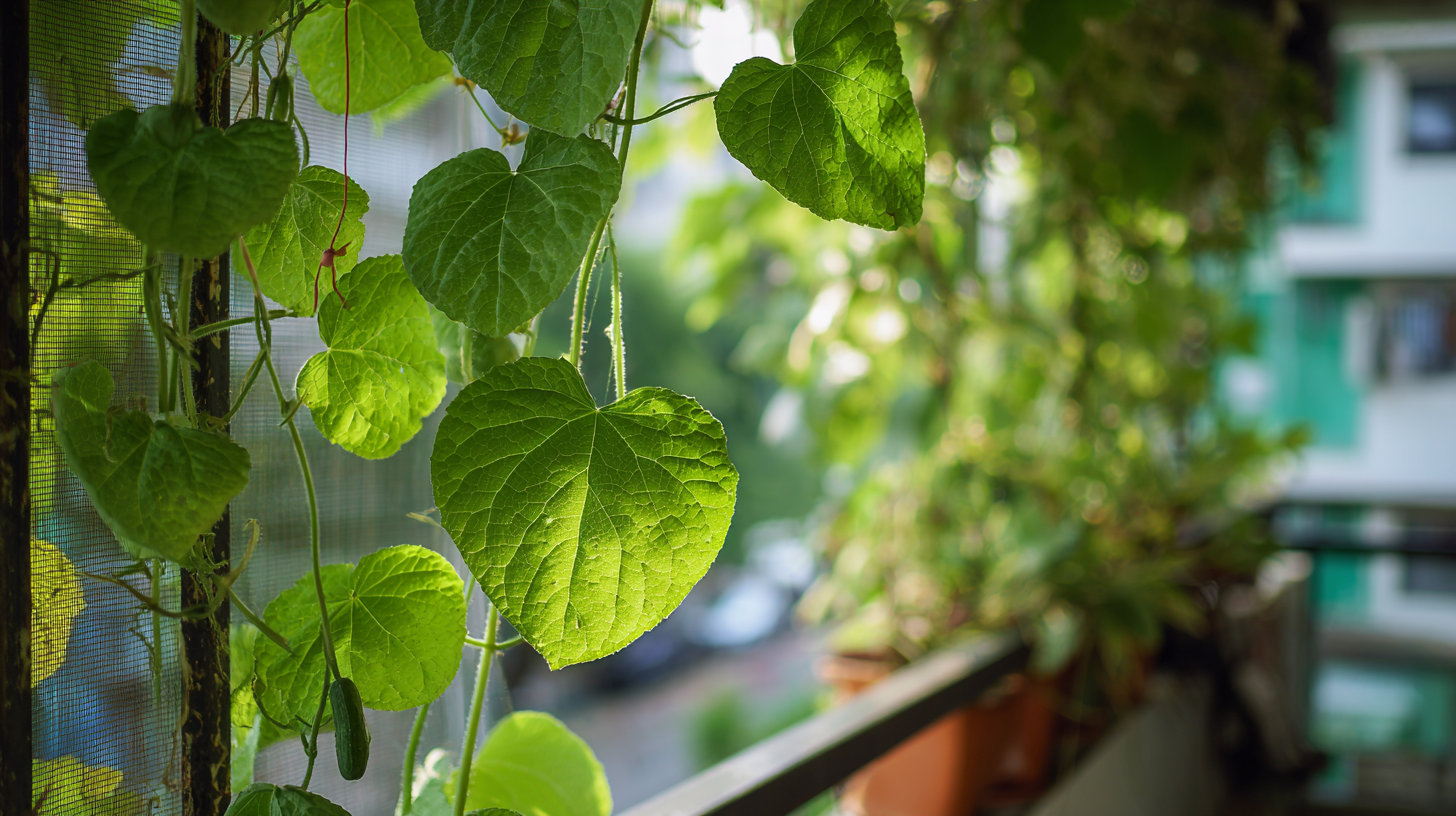
Maximizing sunlight exposure is crucial for successful gardening in confined areas, as light directly affects plant growth and yield. In small space gardening, where options are limited, making the most of available sunlight can significantly enhance your self-sufficiency efforts.
Start by assessing the amount of sunlight your gardening area receives throughout the day. Observe how sunlight moves across your space during different times of the day and seasons. This information is invaluable in deciding where to place your containers or garden beds. Keep in mind that most vegetable plants require at least six hours of direct sunlight daily to thrive, while some herbs and shade-tolerant plants can manage with a bit less.
Once you’ve mapped out the sunlight patterns, consider the following strategies to ensure your plants get optimal exposure:
- Utilize Reflective Surfaces: If you’re gardening in a small balcony or yard, consider using mirrors or other reflective materials to bounce sunlight into your garden area. This could enhance the amount of light hitting your plants without needing to move them.
- Opt for Climbing Plants: Growing vertical crops, such as beans, peas, and cucumbers, allows you to take advantage of height. Train these plants to grow upward on trellises, thus capturing more sunlight while freeing up ground space for lower-growing varieties.
- Rotate Your Plants: Regularly rotating the placement of your containers can help them receive sunlight from various angles, which is especially helpful if your space is partially shaded. This practice allows all plants to benefit from the sun at different times, improving overall health and productivity.
- Schedule Adjustments: Be ready to adjust your planting schedule according to seasonal changes. As the sun’s angle shifts throughout the year, plants that were perfectly placed during one season may need repositioning in another to continue receiving adequate sunlight.
- Consider Plant Height: Be mindful of plant placement by grouping taller plants on the north or east side of the garden and shorter plants on the south or west. This arrangement prevents taller plants from shading their smaller companions, ensuring all can access sufficient sunlight.
In addition to these strategies, experimenting with light and shade combinations can yield benefits in microclimates. In some cases, placing containers near walls or fences can provide a little extra warmth and shelter while still permitting adequate sunlight exposure. Using pots with wheels allows for mobility, making it easier to reposition them as necessary to optimize sunlight access.
Lastly, an often overlooked yet effective method is the use of row covers or cloches made from lightweight materials that can help redirect sunlight to your plants. They not only trap heat but also provide protection against pests and extreme weather while promoting growth. Just ensure the materials allow for adequate ventilation to prevent overheating.
Taking these strategies into account can dramatically improve your small space or urban gardening experience. By prioritizing sunlight exposure, you will be well on your way to achieving a thriving garden that supports your self-sufficiency goals.