
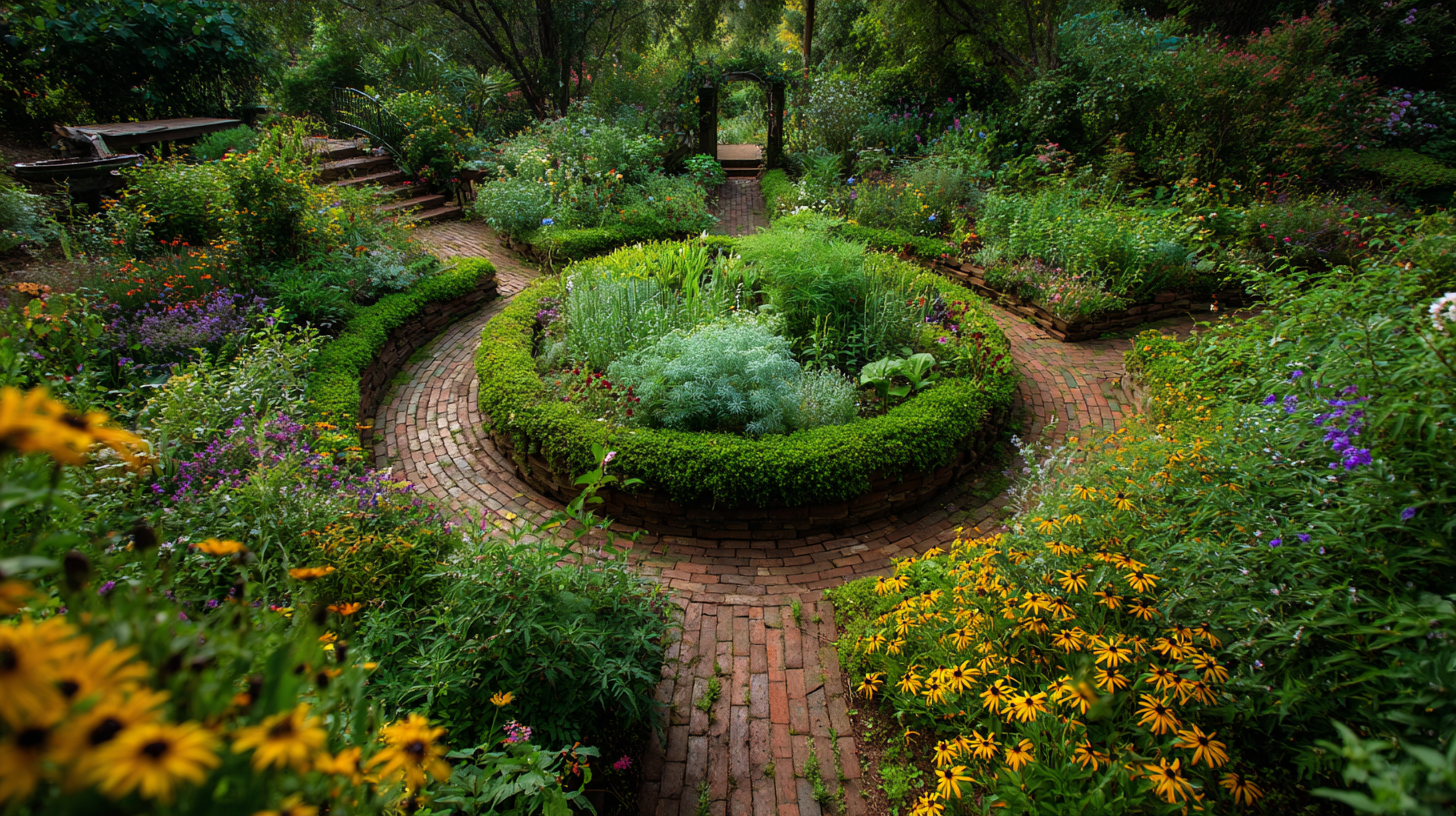
The framework of permaculture encompasses a set of principles that guide the creation of a sustainable and self-sufficient garden environment. These principles draw upon the wisdom of nature, allowing you to design your garden in a way that nurtures the ecosystem and your gardening goals.
One of the core ideas is to observe and interact with the natural world. Spend time watching how water flows in your garden, where sunlight hits at different times of the day, and how the local wildlife interacts with the flora. This knowledge will help you create a harmonious space that works with nature rather than against it.
Consider implementing the concept of edge. The edges between different areas in your garden—such as where the forest meets the field—are often the most productive zones. Creating varied environments, such as combining garden beds, paths, and seating areas, can increase the productivity of your space dramatically.
A vital principle is to create systems that yield multiple benefits. When selecting plants, choose species that can provide food, habitat, and ground cover. For example, planting clover not only enriches the soil with nitrogen but also acts as a ground cover to prevent weeds and suppress erosion. Look for companions; for instance, tomatoes thrive next to basil, which repels pests.
Implementing a no-waste philosophy is crucial in permaculture. Utilize scraps and natural materials to create mulch and compost, turning potential waste into a rich resource that enhances soil fertility. This not only supports the plants but also minimizes the resources you need to bring in from outside your garden.
Another important aspect to consider is zoning. By planning your space into zones based on the frequency of use and care required, you can optimize your effort. For instance, keep high-maintenance plants close to your house while placing more resilient and low-maintenance ones further away.
By emphasizing the importance of the relationship between elements in your garden, you can enhance resilience. Each plant, animal, and natural feature should serve multiple purposes—fostering a system that thrives through interdependence and contributing to a more sustainable model of farming.
Lastly, understand that permaculture is not a one-size-fits-all approach. Adapt the principles to fit your unique environment, resources, and desires. Consider experimenting; nature often rewards the curious. Embrace trial and error to refine your techniques over time.
As you delve into the exciting journey of creating a self-sufficient garden, remember that understanding and applying these permaculture principles will uplift your gardening experience and contribute to a more sustainable lifestyle.
Designing your garden layout
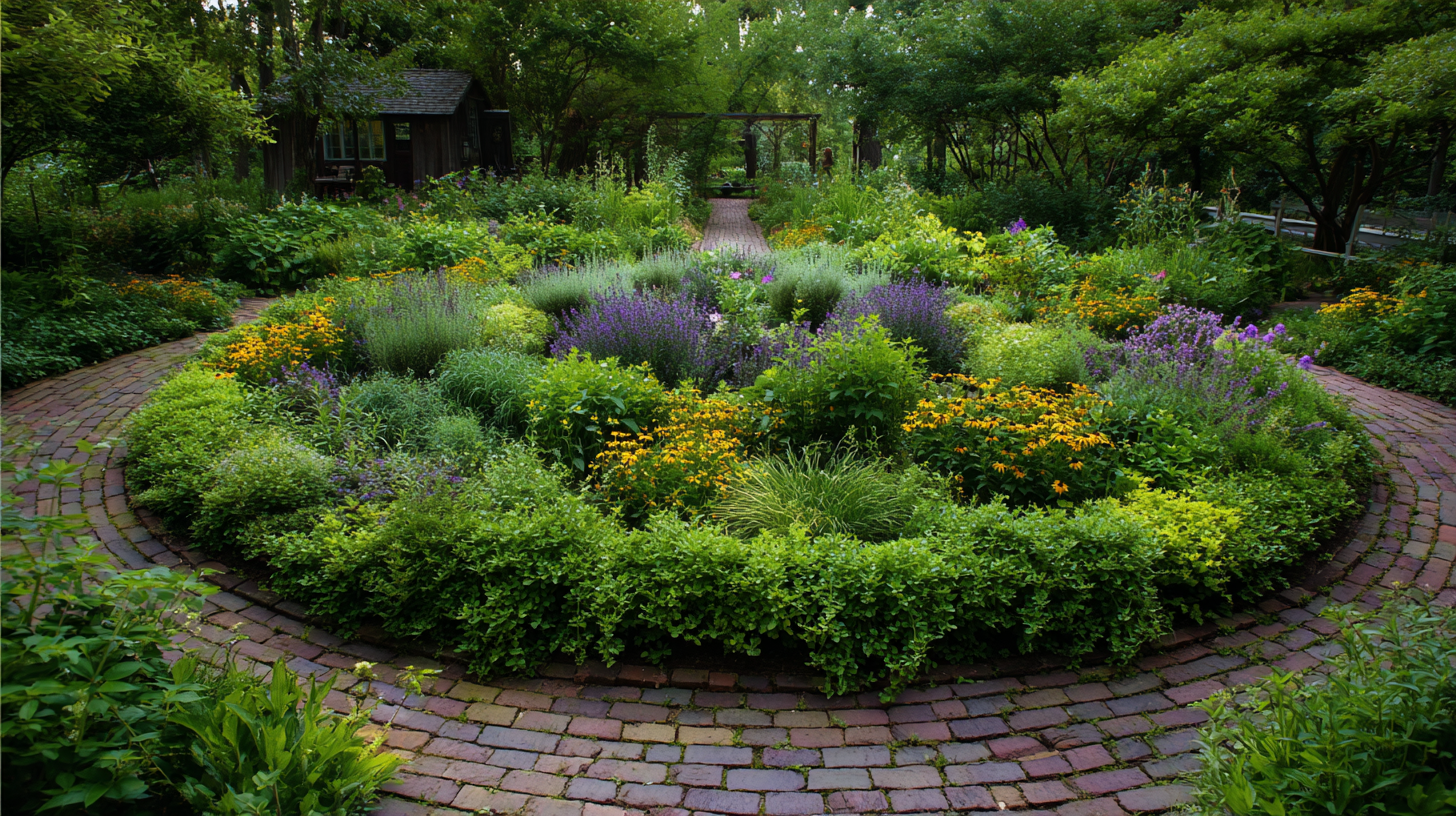
Designing the layout of your permaculture garden is pivotal to its overall success and sustainability. An effective garden design optimizes space while ensuring that all elements work together harmoniously. To begin, evaluate your available area, noting the natural contours, sunlight patterns, wind directions, and existing vegetation. This information will inform your layout, allowing you to leverage the strengths of your environment.
When creating your garden layout, consider using the zone system. This technique organizes plants and elements based on their maintenance needs and your interaction with them. The closer a plant is to your home, the more attention it will likely receive. For example, herbs and vegetables that you harvest frequently should be positioned close to the kitchen, while more resilient plants, like perennials or fruit trees, may be placed further away. Below is a comparison of zones to help visualize this concept:
| Zone | Description | Plant Examples |
|---|---|---|
| Zone 0 | Home environment and living space. | N/A |
| Zone 1 | High care and frequent use area. | Herbs, vegetables, salad greens. |
| Zone 2 | Moderate use area where routine maintenance is manageable. | Bush fruits, summer vegetables. |
| Zone 3 | Less frequently maintained area for larger crops. | Annual grains, crops like pumpkins and squash. |
| Zone 4 | Semi-wild area for forage and wild plants. | Wild edibles, timber. |
| Zone 5 | Wild area, left untouched to support wildlife and ecosystems. | N/A |
In addition to zoning, the arrangement of individual elements is crucial. Utilize the concept of companion planting to pair plants that naturally benefit each other. For instance, planting corn alongside beans allows the beans to climb the corn stalks while enriching the soil with nitrogen. This synergy between plants increases overall productivity and utilizes space effectively.
Another important consideration is the use of keyhole gardens or permaculture beds. These circular or semi-circular beds enable easy access to plants from the perimeter, minimizing soil compaction in the planting area. You can integrate pathways to improve access while creating a sense of flow throughout the garden. Paths can also be designed to capture rainwater and direct it to plant beds, enhancing water conservation strategies.
When selecting materials for your garden layout, consider using local and recycled elements. Raised beds can be made from reclaimed wood or stones. This not only saves costs but also reduces waste, embodying the permaculture ethos of sustainability and self-sufficiency. Additionally, incorporate natural features such as swales or ponds, which can manage water effectively while supporting biodiversity.
Lastly, be flexible and open to adaptation in your garden design. As you observe its dynamics over time, you may discover new opportunities for optimization or encounter challenges that require adjustments. Frequent reflection and a willingness to iterate your design will enhance the resilience and productivity of your garden.
Soil health and improvement techniques
Maintaining soil health is essential for creating a thriving permaculture garden that supports diverse plant life and self-sufficiency. Healthy soil provides the foundation for robust plant growth, retains moisture, and promotes beneficial microbial activity. To achieve optimal soil health, consider implementing the following techniques:
- Compost regularly: Create a compost pile from kitchen scraps, yard waste, and other organic materials. Composting not only reduces waste but also enriches your soil with nutrients. Aim for a balanced mix of greens (nitrogen-rich materials) and browns (carbon-rich materials) to ensure a successful composting process.
- Practice cover cropping: Planting cover crops, such as clover or vetch, during off-seasons serves multiple purposes. These plants protect the soil from erosion, suppress weeds, and, when tilled back into the ground, improve soil structure and nutrient content.
- Conduct soil tests: Testing your soil can provide valuable insight into its pH and nutrient levels. You can purchase affordable soil test kits from gardening centers or send samples to local extension services. Based on the results, you can amend your soil accordingly with fertilizers or organic materials like bone meal or kelp.
- Use mulch: Mulching around plants helps retain moisture, suppress weeds, and regulate soil temperature. Organic materials like wood chips, straw, or grass clippings break down over time, adding nutrients back into the soil. Apply a layer of mulch about 3 inches thick to maximize its benefits.
- Practice crop rotation: Changing the types of plants grown in each area from season to season helps prevent nutrient depletion and control pests and diseases. For example, follow heavy feeders like tomatoes with legumes, which can fix nitrogen in the soil.
- Implement no-till practices: Tilling can disrupt soil structure and harm beneficial organisms. Instead, consider using no-till methods, such as sheet mulching, where layers of organic material are added directly on top of the soil, allowing it to decompose naturally while preserving the existing ecosystem.
In addition to these techniques, consider integrating natural soil enhancers. Ingredients like worm castings, fish emulsion, or compost teas can add powerful nutrients to your soil while promoting microbial life. Experiment with different combinations to see what yields the best results in your specific garden context.
It’s also crucial to encourage a diverse soil microbiome. Incorporate beneficial fungi and bacteria into your garden through mycorrhizal inoculants or by planting flowers that attract beneficial insects. For instance, planting marigolds can deter nematodes, while other flowers provide pollen and nectar for pollinators and beneficial insects.
Be patient and attentive. Soil health improvement is an ongoing process that often requires experimentation and adjustments. Keep a gardening journal to track soil amendments, plant growth, and overall garden health. As you cultivate your knowledge and understand how your soil responds to various techniques, you’ll find yourself creating a more sustainable and self-sufficient permaculture garden.
Choosing the right plants

Choosing the right plants for your permaculture garden is integral to fostering a sustainable and self-sufficient ecosystem. The process begins with understanding your local environment—its climate, soil type, and existing flora. By selecting plants that are well-suited to these conditions, you ensure that they will thrive with minimal intervention.
Start by including native plants in your selection. Native species are adapted to the local climate and soil, requiring less water and maintenance than non-natives. They also play a crucial role in supporting local wildlife, providing food and habitat for pollinators and other beneficial creatures. For example, if you live in a region where coneflowers and milkweeds flourish, incorporating these plants will enhance the biodiversity of your garden while attracting essential pollinators.
In addition to native plants, consider the growth habits and needs of various species. Companion planting is a valuable strategy in permaculture, allowing you to pair plants that benefit one another. For instance, the classic trio of corn, beans, and squash, often referred to as the “Three Sisters,” illustrates this well. Corn provides support for beans to climb, while beans fix nitrogen in the soil, benefiting the corn and squash, which can spread out and shade the ground, reducing weed growth. This interdependence not only maximizes space but also promotes a healthier garden ecosystem.
When choosing plants, it’s also vital to assess your gardening goals. Are you aiming for a food forest, a vegetable garden, or a pollinator haven? This decision will guide your selections. If you desire a continuous harvest throughout the seasons, incorporate a variety of annuals that can be sown at different times. Additionally, introducing perennials can reduce the need for annual planting, contributing to the self-sufficiency aspect of your garden. As an example, fruits like strawberries and raspberries can provide years of delicious yields with minimal upkeep once established.
Consider incorporating plants with multifunctional purposes. Certain varieties can offer food while also improving soil health or providing natural pest control. Herbs such as thyme and rosemary can repel unwanted insects and are delightful culinary additions. Similarly, plants like comfrey can be used as a dynamic accumulator, drawing nutrients from deeper soil layers and providing green manure when cut back.
“The best way to be more self-sufficient is to choose perennial plants that give you food and cover the ground, reducing job hours while enhancing the ecosystem.”
Another essential aspect is planning for succession and rotation. By understanding which plants can be followed by others in your planting cycle, you can maintain soil health and maximize yields. For instance, after harvesting early-season crops like peas, you can plant summer varieties that will thrive in the same space, ensuring your garden remains productive throughout the growing season.
Lastly, always remain open to experimentation and adaptation. The beauty of permaculture lies in its flexibility to honor nature’s complexities. Observe how your chosen plants react to your garden environment, and don’t hesitate to replace or add new species based on your findings. Keep a gardening journal to track the successes and challenges throughout your seasons, allowing you to refine your approach and enhance the resilience of your edible landscape.
Water conservation strategies
Efficient water conservation strategies are paramount for fostering a self-sufficient permaculture garden. By understanding the water needs of your plants and employing thoughtful irrigation techniques, you can create a sustainable ecosystem that uses this precious resource wisely. One of the foundational methods is to design a water-efficient landscape. Start by observing your garden layout—taking note of natural slopes and depressions where water tends to collect. Implementing contours, swales, and berms can help you direct and retain water, minimizing runoff and maximizing absorption into the soil.
Incorporating organic matter into your soil is another crucial strategy. Materials like compost and mulch enhance the soil’s ability to retain moisture, reducing the frequency of watering. Organic mulches, such as straw, wood chips, or shredded leaves, act as a blanket for the soil, protecting it from evaporation and maintaining a stable temperature. Additionally, they break down over time, contributing nutrients back into the soil while further enhancing its water retention capabilities.
Another practical method is to utilize drip irrigation systems. By delivering water directly to the root zones of your plants, you minimize waste and ensure that your plants receive the moisture they require without saturating the surrounding soil. This approach is particularly beneficial in drier climates, where efficient water use can make a significant difference in plant health and yield.
Rainwater harvesting is also an integral part of a sustainable water management strategy. By setting up rain barrels to collect runoff from your roof, you can store excess rainwater for later use. This practice not only conserves municipal water but also takes advantage of a natural resource, further promoting self-sufficiency. Integrating this system into your garden design opens up new possibilities for irrigation, especially during dry spells.
Consider the timing of your watering as well; watering early in the morning or late in the evening reduces evaporation, ensuring that more water reaches plant roots. Grouping plants with similar water needs together can also help streamline your irrigation efforts, as you can adjust for their specific hydration requirements more easily.
Lastly, embrace the practice of soil moisture monitoring. Simple moisture meters can guide your watering schedules, ensuring you provide the right amount of water at the right time. This method prevents overwatering—a common pitfall that can harm plant health and squander resources. As you cultivate your knowledge in water management, you will not only enhance the sustainability of your permaculture garden but also empower yourself with strategies that deepen your connection with the land.
- What are the best plants for water conservation in a permaculture garden?
- Native and drought-tolerant plants are ideal for water conservation. They have adapted to local rainfall patterns, requiring less water and maintenance once established.
- How often should I water my garden?
- The watering frequency depends on plant types, soil conditions, and weather. Generally, it’s best to water deeply and less frequently, allowing the soil to dry out between waterings.
- What is a swale, and how does it help with water conservation?
- A swale is a shallow, ditch-like structure designed to catch and channel water. It slows down runoff, allowing water to soak into the ground, and thereby helps to improve soil moisture levels.
- Can I use gray water in my permaculture garden?
- Yes, gray water from sinks and washing machines (not contaminated with chemicals) can be reused for irrigation, providing an additional water source while promoting sustainability.
- What is the benefit of mulching?
- Mulching helps retain soil moisture, suppress weeds, and reduce evaporation. It also improves soil health as it breaks down, adding organic matter back into the soil.
- How can I maximize rainwater harvesting?
- By installing rain barrels under downspouts, creating permeable paths, and using contouring to direct water flow, you can efficiently collect and utilize rainwater in your garden.
- What tools do I need for efficient watering?
- Consider using a drip irrigation system, moisture meters, and rain barrels to streamline your watering process and conserve resources effectively.
Maintaining biodiversity in your garden
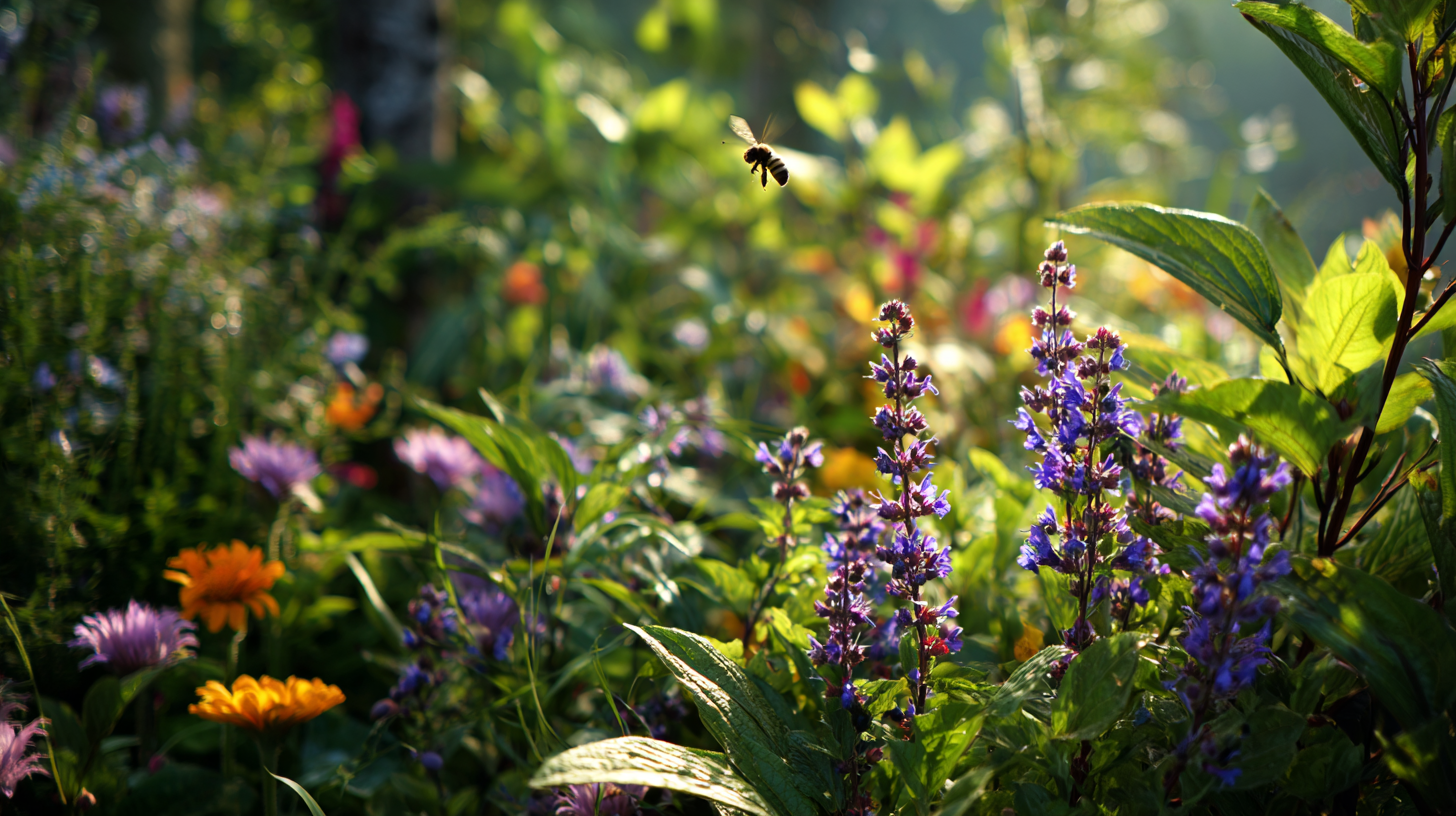
Maintaining biodiversity in your permaculture garden is not just beneficial for the environment; it’s essential for creating a resilient and self-sufficient ecosystem. A diverse garden can resist pests and diseases better and supports a myriad of beneficial organisms that contribute to the overall health of your garden. Here are some practical strategies to enhance biodiversity in your growing space.
First and foremost, consider planting a variety of species, including annuals, perennials, and legumes. This polyculture approach mimics natural ecosystems and provides multiple layers of habitat for wildlife. When selecting plants, integrate a mix of flowering plants, foliage plants, and those that produce edible fruits or nuts. For example, include fruit bushes, such as blueberries and elderberries, alongside flowering herbs like lavender and yarrow, which attract pollinators. These plants can coexist in the same space, fulfilling different ecological roles.
Encourage beneficial insects by incorporating plants that provide nectar and pollen. Plants like dill, fennel, and calendula can lure predatory insects like ladybugs and lacewings, which thrive on pests. Creating insect hotels or leaving spaces for wild bees to nest can bolster your garden’s pollinator population. For instance, brushing up on local native bee species will help you understand what kind of plants they favor, enhancing your garden’s attractiveness to these critical pollinators.
Implementing edge effects is another effective strategy to maintain biodiversity. The edges of different ecosystems—where gardens meet wild areas, for example—are often rich in species diversity. Creating overlapping zones, such as a wildflower patch adjoining your vegetable garden, provides habitats and enhances biodiversity while reducing pest pressure. You may also consider planting native grasses around the perimeter of your garden to provide protective cover and feeding grounds for local wildlife.
Utilizing cover crops during the off-seasons not only protects your soil but also supports beneficial organisms. Leguminous cover crops, such as clover or vetch, fix nitrogen in the soil while providing habitats for earthworms and other beneficial creatures that aerate the soil. Incorporate these into your garden rotation to improve soil health and encourage a thriving ecosystem.
Water features, such as small ponds or rain gardens, can significantly contribute to biodiversity. They attract amphibians, birds, and other wildlife that can help control pests naturally. Additionally, maintaining a balance between sun and shade in your garden can cater to various plant species and insect populations, ensuring that your space accommodates different preferences for light. For example, tall plants can offer shade to lower-growing species and create a microclimate that supports a wider variety of flora and fauna.
Incorporate “wild” or untouched areas within your garden. These spaces can serve as refuges for beneficial insects, birds, and small mammals, enhancing your garden’s biodiversity. Allowing a corner of your plot to grow wild, with native plants and grasses, can help sustain the populations of local wildlife while enriching the ecosystem services they provide.
Lastly, be sure to observe and celebrate the diversity that develops in your garden. Keep a biodiversity journal to track plant diversity, insect visitors, and any changes over time. Such reflections will deepen your understanding of how different species interact and thrive, allowing you to continually refine your practices. By prioritizing biodiversity, you will create a flourishing permaculture garden that stands resilient against challenges while embracing the ecological wonders of nature.