
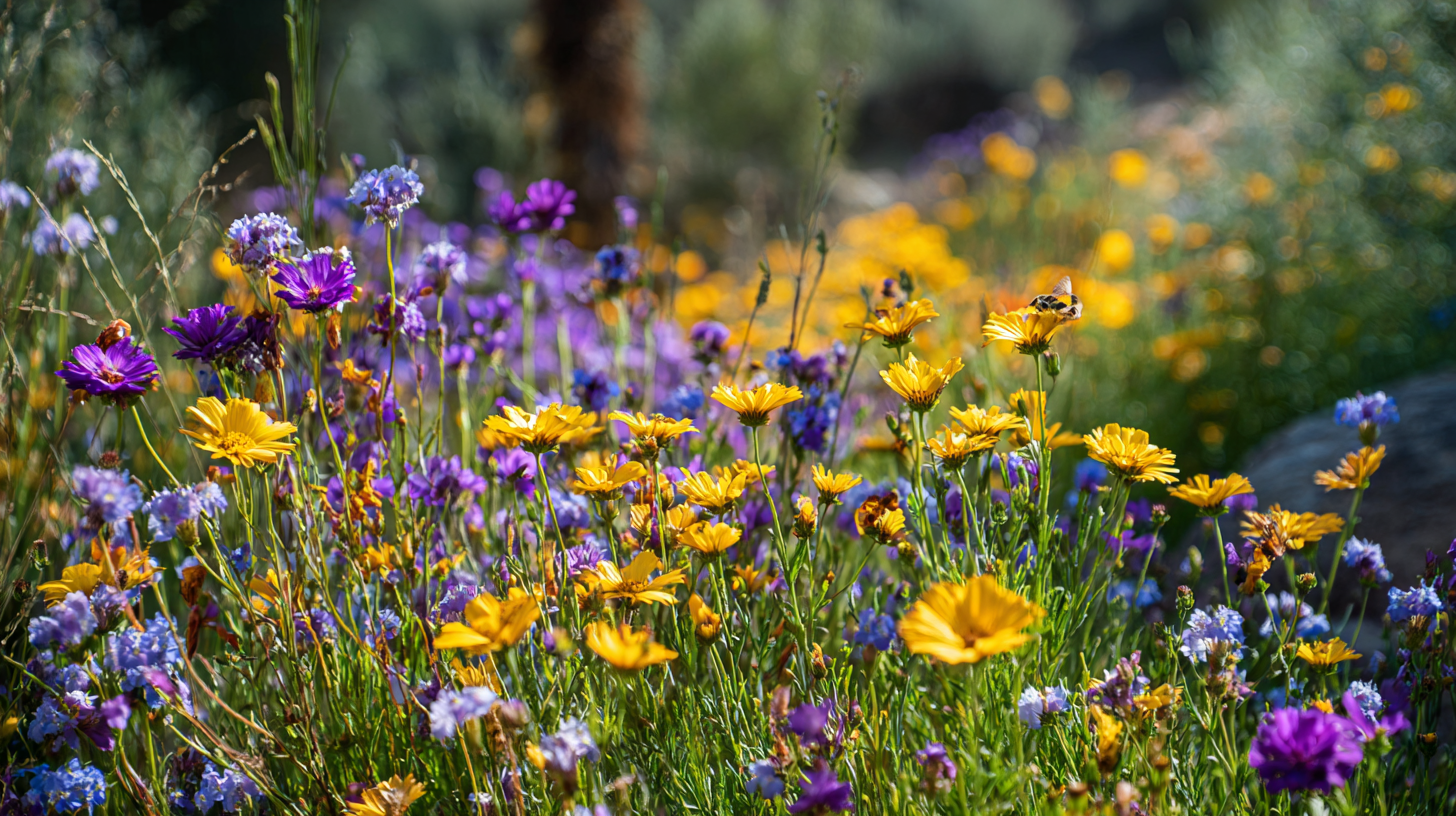
Transforming your backyard into a wildlife-friendly environment can be one of the most rewarding aspects of homesteading. By embracing this initiative, you’re not only enhancing your landscape but also contributing to local biodiversity and creating a thriving wildlife habitat.
Start by assessing your yard to understand the natural features already present. Consider any existing trees, shrubs, or water sources that could serve as a foundation for your wildlife-friendly space. Even in urban areas, there are often nooks and crannies that can be enhanced!
To encourage a variety of wildlife, it’s essential to create distinct zones within your backyard. Here are some practical suggestions:
- Add Layers: Use a mix of trees, shrubs, and low-growing plants to provide cover and food at different heights. This diverse structure attracts different species.
- Create a Water Source: A small pond or even a birdbath can be a game-changer in drawing in animals. Ensure it’s shallow for small creatures and add rocks for frogs and other critters to perch on.
- Limit Pesticide Use: Reducing or eliminating chemical pesticides will create a safer environment for beneficial insects and pollinators. Consider organic alternatives or simple methods like introducing native predatory species to manage pests naturally.
Incorporating native plants is another critical aspect of establishing a successful wildlife habitat. Native plants are better adapted to your local climate and soil conditions, making them hardier and less reliant on excessive watering or care. Furthermore, these plants often provide the specific food and shelter that local wildlife, such as butterflies and birds, need to thrive. Examples of popular native plants include:
- Echinacea (Coneflower): Attracts bees, butterflies, and birds.
- Asters: Provide late-season nectar for pollinators.
- Wild Bergamot: A magnet for hummingbirds and pollinators alike.
Lastly, ensure that your backyard allows for safe interaction. Design pathways for easy access to different areas without disturbing wildlife. Consider building viewing blinds made from natural materials to watch your backyard guests without alarming them. Creating a comfortable space for observing wildlife benefits your self-sufficiency journey by enhancing your connection with nature and making your homesteading experience more enriching.
Choosing native plants
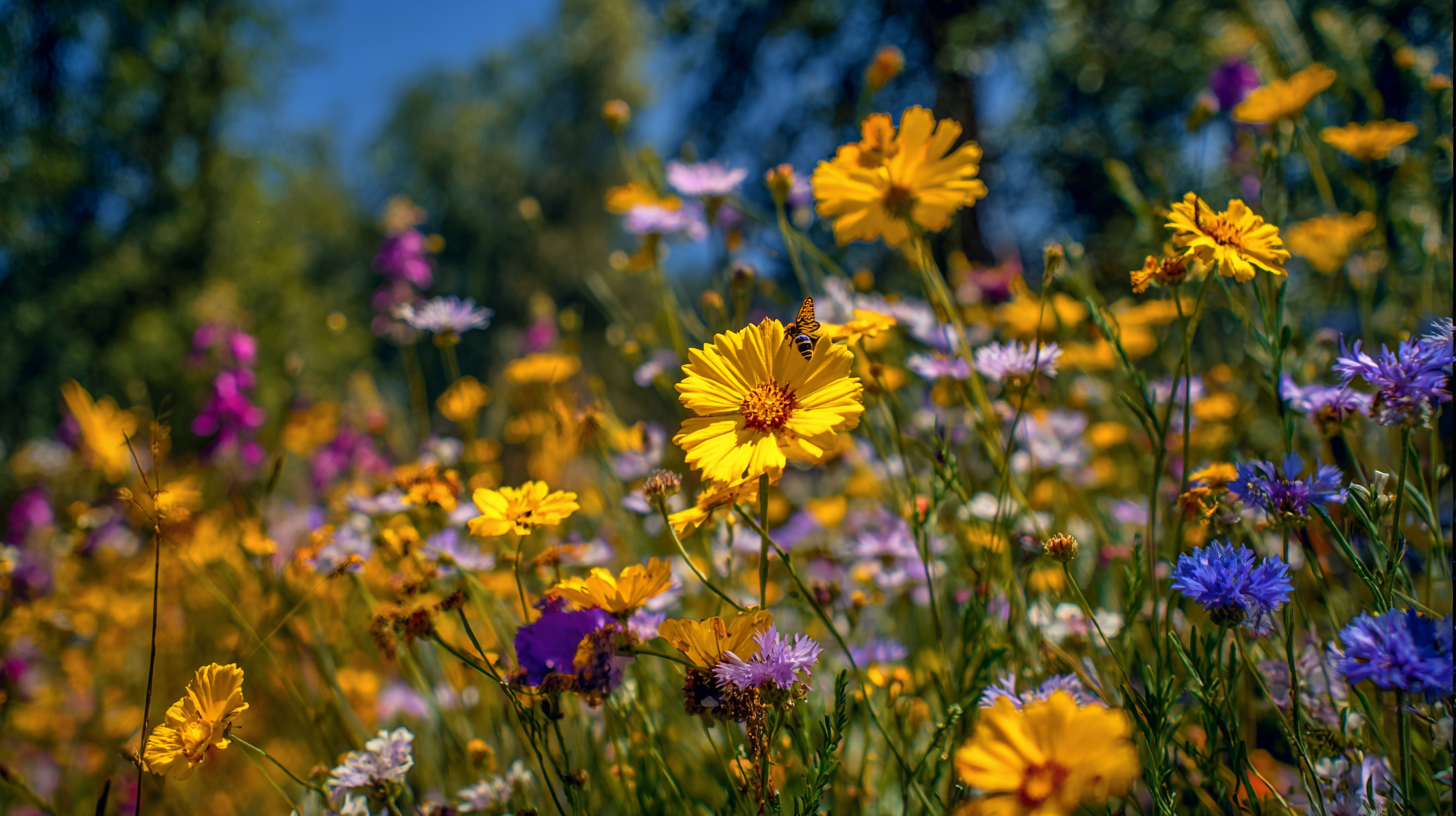
Choosing native plants is pivotal in cultivating a thriving wildlife habitat in your backyard. These plants not only harmonize with the local ecosystem but also support a greater variety of wildlife species due to their specific adaptations. When a garden is composed of native flora, it becomes a vibrant mosaic of colors and textures that are visually appealing to both humans and animals. Additionally, native plants require less maintenance, thus contributing to overall self-sufficiency in your gardening practices.
Native plants are well-adapted to the local climate and soil conditions, making them resilient against pests and diseases. Unlike non-native plants, which may require additional resources like fertilizers and extensive irrigation, native species sustain themselves more effectively. By incorporating these plants, you promote a self-sustaining wildlife habitat that flourishes with minimal human intervention. Furthermore, native plants often have mutualistic relationships with local fauna; for example, they can provide crucial food sources and nesting materials for birds, bees, and butterflies.
To better understand the benefits of integrating native plants into your backyard, consider the following table comparing native and non-native plant species:
| Characteristic | Native Plants | Non-Native Plants |
|---|---|---|
| Adaptation to Climate | High | Variable |
| Water Requirements | Low | High |
| Pest Resistance | High | Variable |
| Support for Local Wildlife | High | Low |
| Maintenance Level | Low | High |
Implementing native plants can also enhance your garden’s aesthetic appeal while fostering biodiversity. Opting for a variety of species will create a continuous bloom throughout the seasons, ensuring that there are always food sources available. For instance, by planting early bloomers like Atrium floridum (Florida native wildflower) alongside later-blooming options such as Symphyotrichum spp. (Aster), you can ensure that pollinators have access to nectar throughout the spring and fall.
Moreover, consider planting groupings rather than solitary specimens. Clusters of native plants create a more inviting environment for butterflies and bees, as these insects prefer to forage in dense patches. Additionally, groups of plants can provide additional cover for small birds and mammals, contributing to the overall safety of your backyard ecosystem. In this way, selecting and arranging native plants allows you to actively participate in fostering local wildlife while enjoying the myriad benefits of gardening.
By prioritizing native species, you not only cultivate a sustainable garden but also contribute to the preservation of local biodiversity. This thoughtful approach resonates with the principles of self-sufficiency, as it emphasizes working in harmony with nature, rather than against it, to create a vibrant wildlife habitat.
Providing food and water sources
Providing food and water sources is essential in establishing a thriving wildlife habitat in your backyard. These components play a crucial role in attracting and sustaining various wildlife species, from songbirds to butterflies, which not only enhance your garden experience but also contribute to biodiversity.
Bird feeders filled with seeds, suet, or nectar can become major attractions in your garden. When selecting bird feeders, consider a variety of designs that cater to different species. For instance:
- Tube Feeders: Excellent for small birds like finches and chickadees. These feeders feature perches and are easy to refill.
- Platform Feeders: Ideal for ground-feeding birds such as sparrows and juncos. These can be placed on the ground or raised on posts.
- Nectar Feeders: Attract hummingbirds; opt for red feeders to draw them in.
When setting up feeders, it’s vital to maintain a consistent feeding schedule, especially during the harsh winter months when food is scarce. Regularly clean feeders to prevent diseases from spreading among the birds, ensuring that your gardening efforts yield a healthy, vibrant ecosystem.
Water sources are equally important for wildlife. Birds, in particular, need access to fresh water for drinking and bathing. Here are some approaches to provide water for your backyard visitors:
- Birdbaths: A simple yet effective choice. Ensure the birdbath has shallow areas for smaller birds and consider adding pebbles or stones to help birds safely perch.
- Small Ponds: If space allows, consider creating a small pond. This becomes a central gathering point for various wildlife, including frogs and insects, while also providing a beautiful feature in your garden.
- Drip Water Features: These can attract not only birds but also butterflies. Simple drip irrigation systems can enhance plant hydration and simultaneously create a subtle water source for critters.
Additionally, always change the water in birdbaths regularly to prevent algae growth and to keep it fresh. During winter, remember to check for freezing temperatures and use birdbath heaters if necessary to provide a consistent water source.
When considering the types of food and water sources, keep in mind the specific needs of the wildlife in your area. Some birds prefer seeds, while others might be more inclined towards fruit or insects. Researching local bird species can help tailor your feeding strategies effectively.
Another way to attract a wider range of wildlife is to plant native fruit-bearing plants. Berry-producing shrubs, such as Serviceberry, Blueberry, and Raspberry, can offer both food for birds and a delicious harvest for yourself. These fruits provide sustenance during different seasons and play a vital role in local ecosystems.
By thoughtfully incorporating food and water sources into your gardening design, you will enhance your backyard’s wildlife habitat significantly. Aim for sustainability, consistency, and variety, and you will find that both the pleasures of observing nature and the goals of self-sufficiency will flourish in your space.
Building shelters and nesting sites
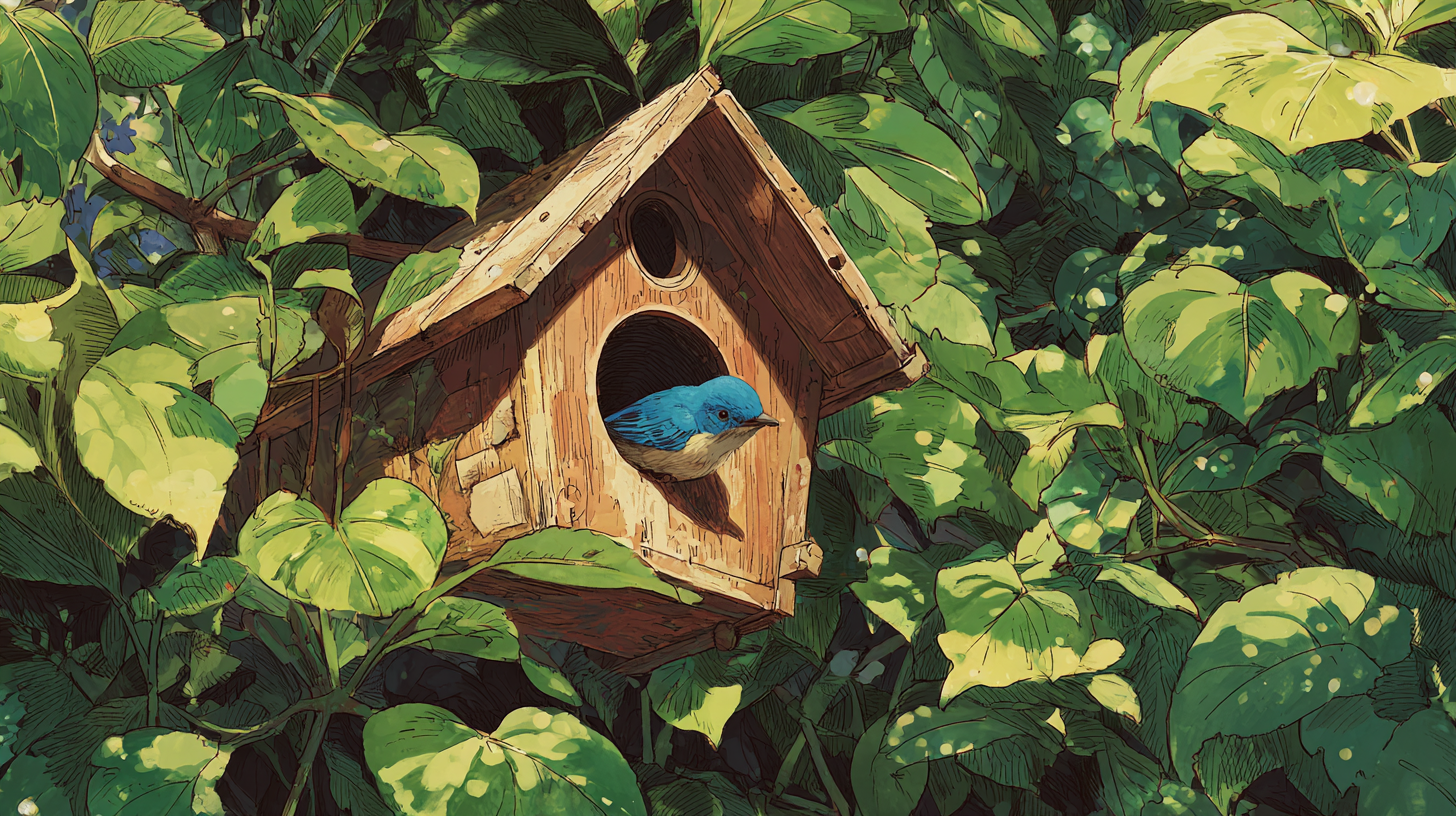 To ensure the presence of various wildlife species in your backyard, it is vital to provide them with suitable shelters and nesting sites. Different animals require different types of dwellings, and by creating a range of options, you can support a diverse array of wildlife. Start with simple structures, such as birdhouses and nesting boxes, which can be built or purchased inexpensively. Place these in quiet areas, away from heavy foot traffic, ideally near native plants that provide food and cover.
When selecting a birdhouse, consider the species you want to attract and their specific nesting requirements. For example, bluebirds prefer houses with a 1 ½-inch entrance hole, while wrens favor smaller openings. Make sure to install these houses securely at the right height and provide adequate drainage and ventilation. You can find resourceful guides available that detail how to make birdhouses suitable for various species, thus aligning your gardening efforts with wildlife habitat enhancement.
In addition to birdhouses, providing native shrubs and trees that offer natural nesting spots is crucial. Many birds and small mammals prefer to build their nests in the dense foliage of these plants, which provides not only shelter but also protection from predators. For instance, shrubs like elderberry or hawthorn not only provide cover but also produce berries that serve as food.
Another essential consideration when building shelters is incorporating structures like brush piles or rock gardens. These naturally shaped shelters provide hiding spots and nesting opportunities for small mammals, reptiles, and insects. Simply stack fallen branches, untreated wood, or stones in a corner of your yard to create a miniature ecosystem that can support various wildlife.
You may also want to consider adding bat houses, which can help reduce pest populations by encouraging these natural predators to roost in your backyard. Hang bat houses in sunny locations at least 12 feet above the ground. Be sure to position them away from lights and noise, as bats prefer quieter and darker environments for their colonies.
For pollinators, installing bee hotels can significantly contribute to your habitat. These structures provide solitary bees with a safe place to nest. They attract various species, such as mason bees and leafcutter bees, which are essential for pollination in your garden. Look for opportunities to create bee habitats by drilling holes of varying sizes into untreated wood blocks or by purchasing pre-made bee hotels.
Incorporating these elements into your backyard enhances its appeal to wildlife and enriches your gardening experience. As you work to provide shelters and nesting sites, aim for sustainability and harmony with nature, which intensifies the sense of self-sufficiency in your gardening practices.
“A garden is a place of refuge for the weary, and a sanctuary for the busy life of nature.”
The more thought you put into creating diverse habitats, the more you’ll appreciate the wildlife that begins to thrive alongside you. You’ll find joy in watching birds nurture their young, seeing butterflies fluttering by, and hearing frogs chirp in the evenings, all while knowing that you have made a difference in supporting local wildlife.
Maintaining your habitat
Maintaining a wildlife habitat requires ongoing commitment and attention, as nature is dynamic and ever-changing. It’s essential to regularly engage with your garden to ensure it remains a thriving sanctuary for wildlife. Begin by observing which species frequent your space and adapting your gardening strategies accordingly to better support them.
Regularly tending to your plants is crucial to preventing overgrowth and diseases that might harm the ecosystem you’ve worked so hard to create. By staying aware of the health of your native plants, you guarantee a continual supply of food and shelter for local wildlife. Some plants may require occasional pruning to promote growth and air circulation, and this activity can often lead to discovering hidden wildlife wonders, such as nests or cocoons.
Additionally, keep an eye on water sources. Changing seasons can impact the availability of water in your habitat. It might be necessary to refill birdbaths frequently or ensure ponds do not become overrun with algae. This simple maintenance allows birds and other wildlife easy access to clean drinking water, which is vital for their survival. Consider setting reminders to check on these elements daily or weekly as part of your routine.
Monitoring for invasive species is another important aspect of habitat maintenance. Invasive plants can outcompete native species, leading to a decrease in food and shelter options for local wildlife. Familiarize yourself with local invasive plants and take action to remove them as soon as you spot them. This might require persistence and diligence, but the positive impact on your wildlife habitat is well worth the effort.
Furthermore, consider collaborating with local conservation organizations or wildlife groups that can offer resources and expertise on maintaining and enhancing your habitat. They might provide educational workshops or materials that can deepen your understanding of local wildlife needs, thus enriching your gardening practices and building your knowledge base.
Regularly engaging in activities like wildlife observation will also increase your connection with the natural world. As you install birdwatching spots or create quiet corners in your backyard, you’ll find immense satisfaction in witnessing the interactions among birds, insects, and plants. This immersive experience enhances your sense of self-sufficiency and brings the joy of nature closer to your daily life.
- How often should I maintain my wildlife habitat?
- Regular maintenance involves checking on your plants, water sources, and shelters. Depending on the seasons and local conditions, this could mean weekly checks in spring and summer and less frequent visits in fall and winter.
- What should I do if I see invasive plant species?
- If you encounter invasive plants, remove them as soon as possible to prevent them from outcompeting native species. Digging them out completely is often the best method, but be sure to follow up in subsequent weeks to catch any regrowth.
- Can I use pesticides in my wildlife habitat?
- It’s best to limit or avoid chemical pesticides, as they can harm beneficial insects and other wildlife. Opt for organic solutions or encourage natural pest predators, which helps maintain a healthy ecosystem.
- What types of plants need the most maintenance?
- Non-native plants generally require more maintenance, such as frequent watering, fertilization, and pest control. In contrast, native plants are adapted to local conditions and typically need minimal care, making them the ideal choice for a self-sufficient wildlife habitat.
- Are birdhouses necessary for attracting wildlife?
- While not all wildlife requires birdhouses, they can significantly enhance your habitat by providing essential nesting sites. Many bird species, especially those that are less inclined to nest in trees, thrive when you offer suitable shelters.
- How can I attract more pollinators to my garden?
- Planting a diverse range of native flowering plants in clusters will attract more pollinators. Additionally, creating a water source and avoiding pesticides will create an inviting environment for bees and butterflies.
- Should I provide food for wildlife year-round?
- Providing food throughout the year can be helpful, especially in the winter when natural sources may be scarce. Regularly refilling bird feeders and including native fruit-bearing plants can sustain local wildlife during challenging seasons.
Observing and enjoying wildlife
Observing wildlife in your backyard can be a deeply rewarding experience, enhancing your connection to nature while promoting a sense of self-sufficiency in your homesteading journey. To make the most of your wildlife habitat, it’s essential to create comfortable and unobtrusive spaces where you can watch birds, insects, and other creatures thrive.
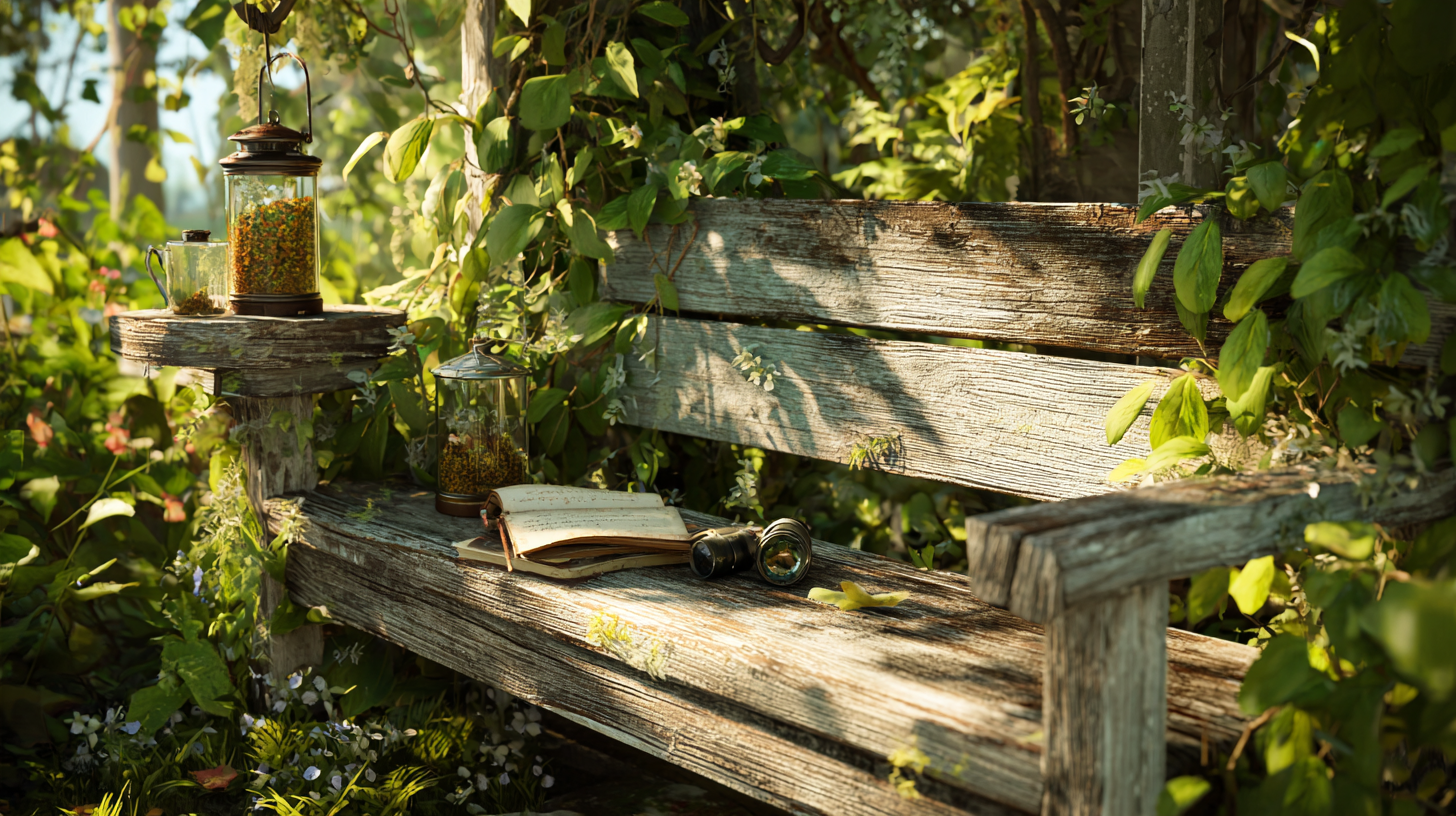
Start by positioning benches or chairs in strategic locations that provide clear views of your garden while keeping you hidden from sight. You can use natural materials like wood or wicker to blend in harmoniously with the surroundings. Adding a small table for binoculars, a journal for notes, or a camera can encourage regular visits to your outdoor living room, where you can document the wildlife activity and appreciate the biodiversity that flourishes around you.
Once you have established these viewing spots, invest in a few key items to enhance your observation experience:
- Binoculars: A good pair will allow for close-up views of birds and wildlife without disturbing them. Look for lightweight models with good magnification.
- Cameras: Capture the beauty of your wildlife visitors. Consider a camera with a good zoom lens to photograph small creatures or a nature-focused lens if you have a DSLR.
- Field Guides: Bring along books or apps identifying birds, mammals, and insects. Knowing what you observe enriches your understanding and appreciation of local wildlife.
Incorporating feeders and birdhouses not only attracts wildlife but also provides endless opportunities for observation. Consider installing a bird feeder close to your viewing area. As different species arrive, take notes on their behaviors, colors, and unique calls. Engaging children in this activity can cultivate a lifelong appreciation of nature, making it an excellent educational opportunity. Give them a notebook to sketch their favorite birds or write observations; it can become a cherished family project.
Listening is as important as watching. Each species has its own calls and songs, and learning to identify them will deepen your connection with your wildlife habitat. Consider using bird-playing apps that help you tune in to local sounds, and try to track down the singers with your binoculars. This merging of visual and auditory experience creates a rich tapestry of interaction with nature.
As the seasons change, so does the wildlife in your backyard. Create a seasonal calendar to track when different species appear or breed. Noticing migrations, nest-building, or even changes in feeding habits provides an ongoing narrative in your wildlife habitat, keeping your observations fresh and exciting. Engage your family in this tracking; it promotes teamwork in caring for your garden while building a shared sense of purpose towards sustainability.
Lastly, remember to honor the wildlife you observe. Maintain a respectful distance, avoiding actions that could stress them. Keeping your presence calm will increase the chances of repeat visits, allowing you to enjoy a more immersive experience in your garden. As you witness the vibrant acts of nature unfold, you’ll realize how intertwined our lives are with the wildlife around us, fostering a greater appreciation for the efforts you’ve made towards creating a welcoming wildlife habitat.