
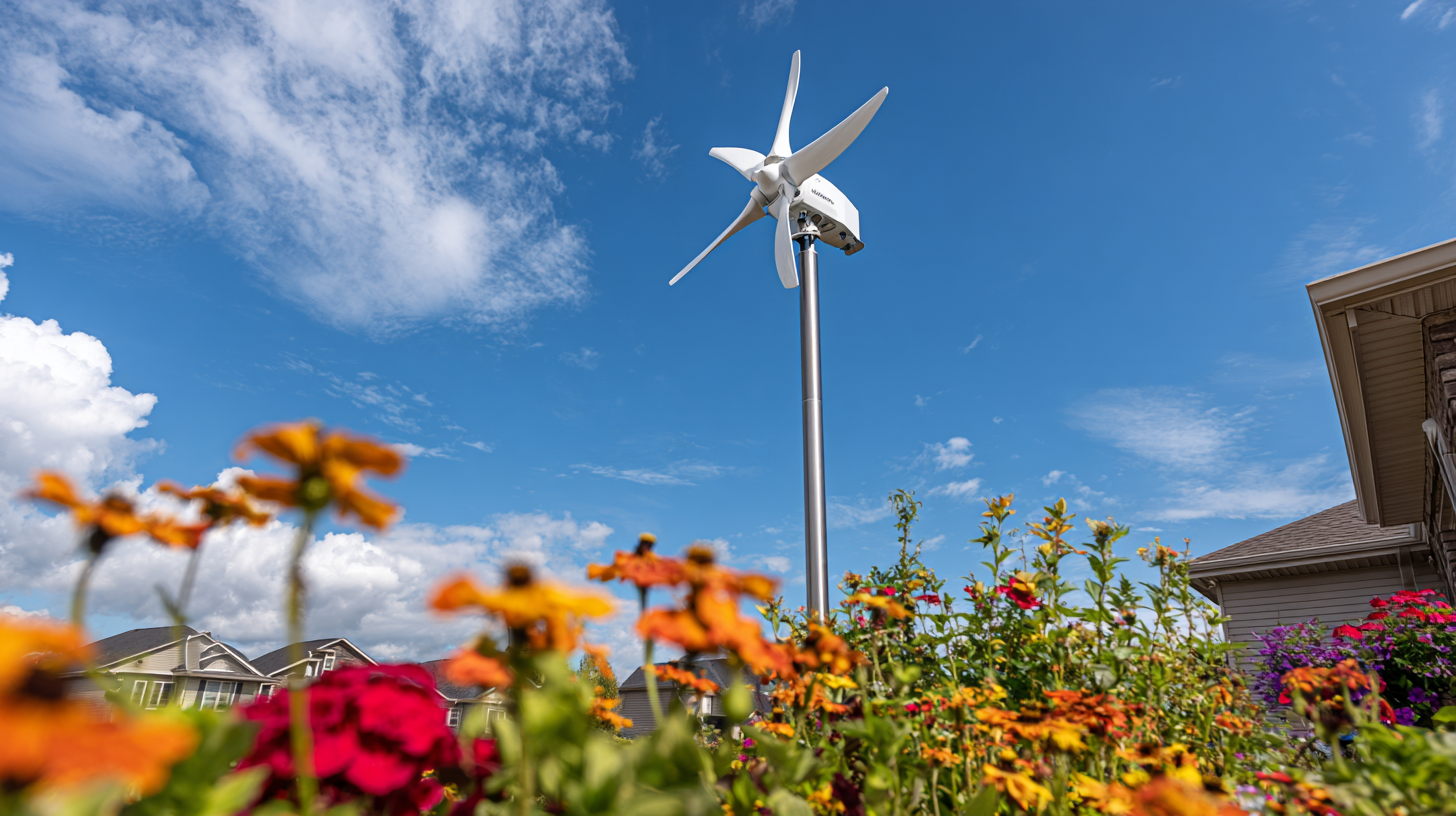
Wind energy is a powerful and sustainable solution for individuals looking to enhance their self-sufficiency. It harnesses the kinetic energy produced by wind and converts it into electricity, making it a vital component of renewable energy systems. By understanding the basics, you can make informed choices about incorporating wind energy into your homesteading strategy.
At its core, wind energy generation occurs through the use of wind turbines. These turbines consist of blades that capture the wind’s movement. When the wind blows, the blades turn, activating a generator that produces electricity. It’s important to note that the efficiency of this system largely depends on wind speed, turbine design, and the overall setup.
For those contemplating a wind energy project, several key aspects are crucial:
- Wind Resource Assessment: Before investing in a wind turbine, assess your location’s wind resources. Wind maps and data from local weather stations can provide insights into average wind speeds in your area. Generally, locations with an average wind speed of at least 10 mph are ideal for wind energy production.
- Turbine Specifications: Familiarize yourself with different turbine types, which vary in size and capacity. Small turbines, often used for residential applications, can generate anywhere from 400 watts to 20 kilowatts, depending on the model and wind conditions.
- Local Regulations: Check for zoning laws or regulations that may affect the installation of a wind turbine. Understanding local ordinances can save you from costly permits and ensure compliance with safety standards.
- Environmental Impact: Consider the environmental implications of wind turbines, such as their impact on local wildlife and aesthetics. Choose a location that minimizes disruption to nature while maximizing wind capture.
Engaging with your community is essential too. Reach out to local homesteading groups or renewable energy cooperatives that share similar aspirations. They can provide invaluable advice and insights based on their own experiences with wind energy projects.
Ultimately, embracing wind energy at home not only contributes to personal self-sufficiency but also supports a larger transition to renewable energy sources. With careful planning and a proactive approach, you can effectively harness the power of the wind.
Types of Home Wind Turbines
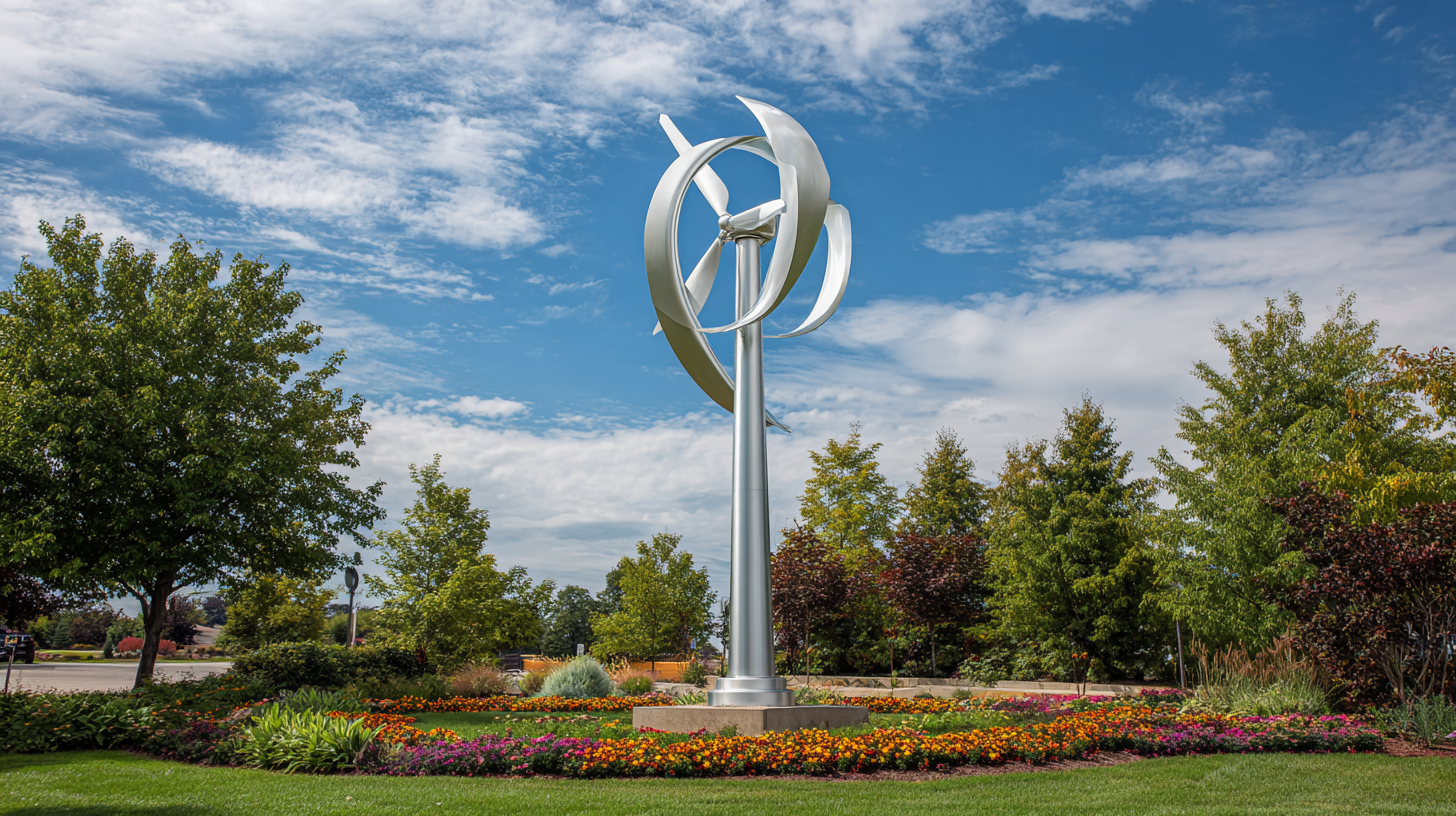
When considering the types of wind turbines suitable for residential use, it’s crucial to understand the various designs available, each with its specific strengths and weaknesses. Generally, wind turbines can be classified into two main categories: horizontal-axis wind turbines (HAWTs) and vertical-axis wind turbines (VAWTs). These types serve distinct applications, and your choice should align with your energy needs, site conditions, and aesthetic preferences.
Horizontal-axis wind turbines are the most common type found in both commercial and residential settings. They typically feature two or three blades mounted on a tall tower, which allows them to capture wind at higher altitudes, where it is generally stronger and more consistent. HAWTs are efficient in converting wind energy into electricity, especially in areas with reliable wind speeds. However, they require sufficient spacing between the turbine and any obstacles, which can limit installation options in more urban settings.
On the other hand, vertical-axis wind turbines have a distinctive design that allows their blades to rotate around a vertical axis. This configuration enables them to capture wind from any direction without needing to be adjusted. VAWTs are generally quieter than HAWTs and can be placed closer to the ground. As a result, they may be more visually appealing and less obtrusive, making them suitable for suburban environments. However, they are typically less efficient and may generate lower energy outputs compared to their horizontal counterparts.
To illustrate the key differences between these two turbine types, the following table outlines their characteristics:
| Feature | Horizontal-Axis Wind Turbines (HAWTs) | Vertical-Axis Wind Turbines (VAWTs) |
|---|---|---|
| Efficiency | High, especially in open areas | Moderate, affected by wind direction |
| Wind Direction | Must be oriented into the wind | Can capture wind from any direction |
| Noise Level | Higher noise levels during operation | Typically quieter |
| Height Requirement | Requires taller towers (30-100 feet) | Can be shorter (generally 10-30 feet) |
| Installation Space | Needs significant clearance | Less space required |
Additionally, within both HAWTs and VAWTs, there are subtypes designed to meet various energy needs and preferences. For instance, small-scale HAWTs are perfect for homes and can generate enough power to meet a significant portion of household energy requirements, thereby enhancing self-sufficiency. These compact units can start generating electricity at lower wind speeds compared to their larger counterparts, making them accessible for more diverse locations.
Choosing the right type of wind turbine involves considering not only the physical characteristics and capacities of each design but also how well they integrate with your local wind patterns and site-specific conditions. Assessing these factors will play a critical role in optimizing your wind energy system’s performance and maximizing your renewable energy generation at home.
Evaluating Your Site for Wind Energy
Before you can harness wind energy effectively at home, it’s imperative to evaluate your site thoroughly. This assessment will help you identify the best location for your turbine installation and inform your decision about which turbine model to select. That said, several key factors must be considered to ensure that your wind energy project is both efficient and effective.
Wind Speed and Consistency: One of the most critical elements to assess is the average wind speed in your area. Invest in a good anemometer to measure wind speeds over a period of time—ideally, at least six months to a year. This data will reveal not only the average speeds but also the consistency of the wind, which is crucial for effective energy production. Areas with average wind speeds of 10 mph or more are generally ideal. Websites like the National Renewable Energy Laboratory (NREL) provide wind resource maps that can offer preliminary insights into your region.
Surrounding Obstacles: Consider the terrain and nearby structures that may impede wind flow. Tall buildings, trees, or other obstructions can create turbulence and reduce the efficiency of your turbine. Aim to place your wind turbine at least 30 feet above any surrounding obstacles within a 500-foot radius. This elevation minimizes the effects of turbulence and maximizes wind speed, enabling your system to perform optimally. A good rule of thumb is to ensure the height of the turbine is at least 2-3 times taller than any nearby obstruction.
Local Climate Conditions: Investigate the prevailing weather patterns in your location. Frequent storms, strong gusts, or extreme temperatures can impact the durability and safety of your wind energy system. For instance, locations prone to icing may require turbines that can withstand such conditions, while regions with high temperatures may need models with enhanced cooling capabilities. Always check with local weather stations or historical climate data to inform your choice.
Grid Connection and Local Energy Needs: If you plan to connect your wind turbine to the grid—or rely on battery storage—evaluate your household energy consumption and local grid regulations. Understanding your energy needs will assist you in selecting the right size turbine and storage solutions. Speak with your utility provider to understand interconnection standards, possible net metering options, and any incentives available for renewable energy installations. This connection not only allows for more efficient energy usage but may also lead to financially beneficial arrangements, such as selling excess energy back to the grid.
Soil and Ground Conditions: The physical ground conditions where you intend to install your wind turbine are often overlooked but are just as important. Poor soil can affect the stability of the turbine’s tower. Consider soil type and drainage; for instance, sandy or rocky soils may require different foundations compared to clay or loamy soils. Consult with a local engineer to determine the best type of tower foundation suitable for your site.
Community and Local Regulations: Finally, engage with your community. Talk to local homesteaders or renewable energy enthusiasts who may already have valuable experience and knowledge. Be sure to research local zoning laws and permit requirements to avoid potential legal hurdles. Some neighborhoods may have restrictions on turbine heights and aesthetics, contributing to community relations. Educating your neighbors on the benefits of wind energy can foster support for your project and help mitigate any pushback.
By thoroughly evaluating your site with these considerations in mind, you can set the stage for a successful wind energy implementation that aligns with your goals of self-sufficiency and sustainability. Taking the time to prepare ensures that your renewable energy system will not only meet your energy needs but also thrive in its environment.
Installing a Wind Turbine
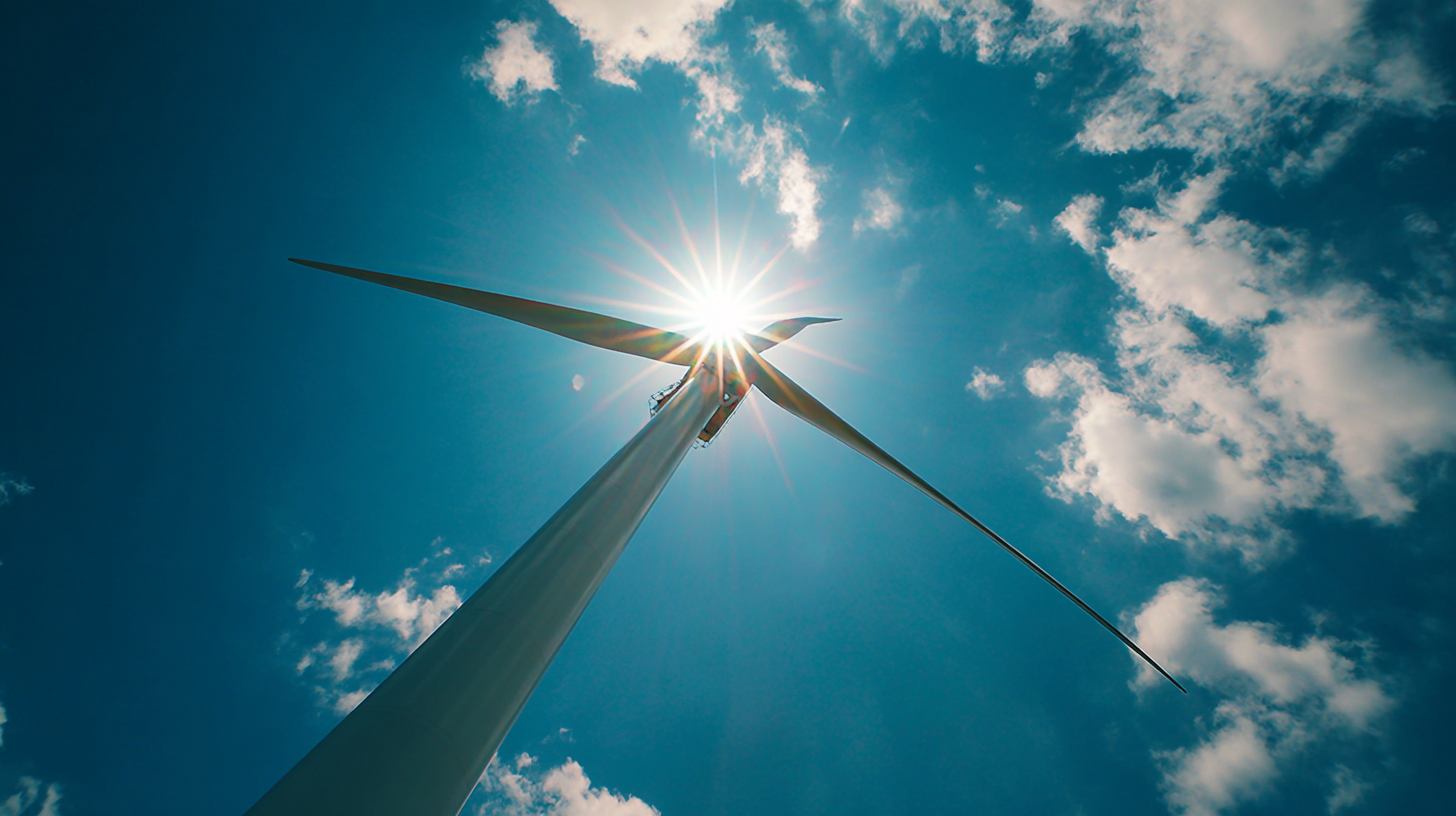
Installing a wind turbine at home requires careful planning and execution to ensure optimal performance and compliance with regulations. The first step in the installation process is to choose a suitable location for the turbine. Ideally, this site should be clear of obstructions, such as trees or buildings, and should capture consistent wind flows. Consider engaging a professional installer to help determine the best positioning in accordance with local zoning requirements and to assess any necessary permits needed for installation.
Once you’ve identified the location, the next stage involves selecting the appropriate tower height. For horizontal-axis wind turbines, taller towers—generally between 30 to 100 feet—allow the turbine to access higher wind speeds and avoid turbulence caused by obstacles. A qualified engineer can assist in determining the height that maximizes efficiency while ensuring safety and stability.
The installation itself typically begins with preparing the foundation. Depending on the soil conditions, you may need a poured concrete base or a simple pole mount. The foundation should be sturdy to withstand the wind forces that the turbine will incur. Experts often recommend consulting with a structural engineer to ensure that local geology and wind load requirements are met.
Next, assembling the turbine involves mounting the rotor blades to the hub, attaching the generator, and securing all components to the tower. Once assembled, the turbine must be hoisted onto the tower. This process requires care and precision, often necessitating specialized equipment like cranes to ensure that installation proceeds safely and effectively.
Once the turbine is in place, the next steps involve connecting the electrical components, which may include attaching wiring and a disconnect switch to your household power system or battery storage solution. Engage a licensed electrician to ensure that all connections comply with local electrical codes and are safely integrated into your home energy setup. Remember that proper grounding of the turbine is crucial to protect against lightning strikes and electrical surges.
“The future belongs to those who believe in the beauty of their dreams.” – Eleanor Roosevelt
After the turbine is connected, it’s essential to perform thorough testing to ensure that it operates correctly. This includes checking the electrical output, verifying that all safety mechanisms are functioning, and ensuring that the turbine spins freely without any obstructions. Monitoring performance regularly after installation will allow you to maximize your wind energy harnessing potential and ensure ongoing energy production aligned with your self-sufficiency goals.
Throughout the installation process, it’s also advisable to maintain open communication with local authorities and update any necessary permits related to your wind energy system. This adherence not only helps in fostering community relations but also secures your investment in renewable energy.
Connecting to the Grid
Connecting your wind turbine to the grid opens up new avenues for utilizing the energy generated. This process requires thorough planning and knowledge of your local utility’s requirements. Collaborating with the utility company is essential, as they will inform you about the protocols for interconnecting your turbine with the grid. This typically involves paperwork detailing your project’s specifications and possibly an inspection to ensure safety and compliance with local regulations.
Once you have secured the necessary approvals, the next step is to set up the appropriate electrical infrastructure. This includes installing a grid-tie inverter, which converts the direct current (DC) produced by your turbine into alternating current (AC) compatible with the grid. This inverter not only facilitates seamless energy flow from your turbine into the household system and the grid but also has built-in functions to monitor performance. Some inverters also allow you to track data on energy production, enabling you to optimize the performance of your wind energy system based on historical data and trends.
Net metering is another beneficial aspect of connecting to the grid. If your turbine generates more electricity than your household consumes, excess energy can be sent back to the grid. The utility company often credits you for this surplus, reducing your electricity bills. Understanding the net metering policies in your locality is vital, as these systems vary significantly from one municipality to another. Additionally, some regions offer incentives or rebates for home renewable energy installations, which can offset the costs involved in connecting your turbine to the grid.
As you prepare to integrate your wind energy system with the grid, be mindful of your energy consumption patterns. Engaging in energy audits and adjusting your usage can enhance your system’s effectiveness. By aligning your consumption with the energy produced by your turbine, you can achieve a remarkable level of self-sufficiency, making the most out of the renewable energy harnessed from wind.
- What is grid connection?
- Grid connection refers to linking your wind turbine to the local electric utility grid, allowing you to both consume and sell excess energy. It requires compliance with local regulations and utility standards to ensure safety and efficiency.
- What is net metering?
- Net metering is a billing arrangement that allows homeowners with renewable energy systems, like wind turbines, to receive credits for excess electricity generated and fed back into the grid. This can significantly reduce monthly electricity bills.
- Do I need a permit to connect my wind turbine to the grid?
- Yes, you typically need a permit to connect your wind turbine to the grid, which may vary by location. It’s essential to check with your local utility and municipality for specific requirements and regulations.
- How do I select the right inverter for my wind turbine?
- The right inverter will depend on your wind turbine’s output and your household energy needs. Consult with a renewable energy expert to choose an inverter that efficiently converts power for grid use while matching your turbine’s specifications.
- Can I integrate battery storage with my wind turbine and grid connection?
- Yes, integrating battery storage allows you to store excess electricity generated for use during low wind periods or power outages. This setup can enhance your energy independence and overall efficiency of the system.
- What safety measures should I consider when connecting to the grid?
- Safety measures include using qualified electricians for wiring, ensuring proper grounding, and installing disconnect switches. Regular inspections and maintenance of your wind energy system also contribute to safe operation.
- How can I monitor my wind turbine’s performance after connecting to the grid?
- Many modern inverters come with monitoring features that track energy production and efficiency. You can also use additional energy monitoring systems to analyze performance and make adjustments for optimization.
Maintaining Your Wind Energy System
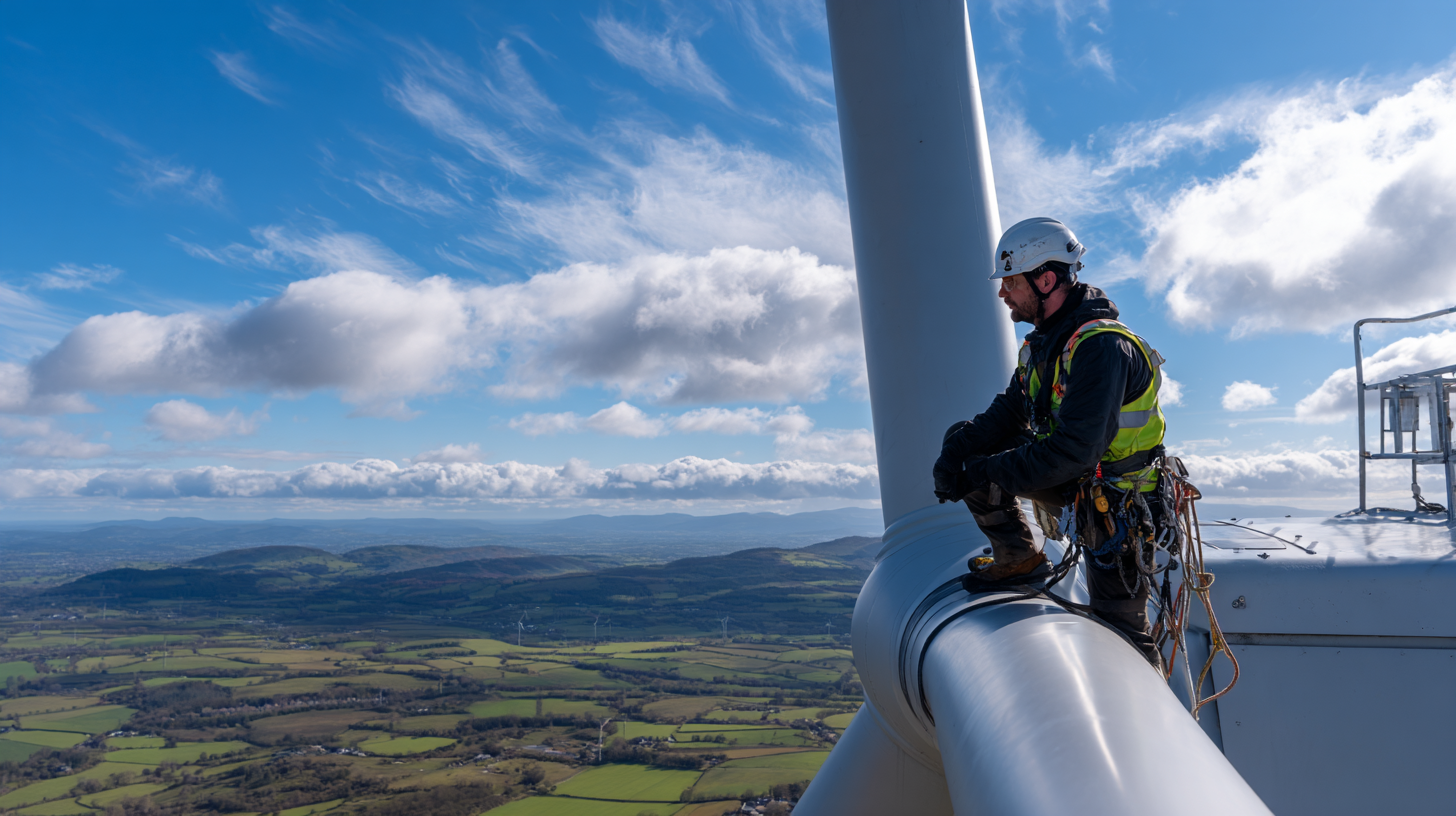
Maintaining your wind energy system is crucial to ensuring its longevity and efficiency. With proper care, you can maximize your energy production and extend the life of your turbine. Here are some essential maintenance tips to keep your wind turbine running smoothly:
Regular Visual Inspections: Make it a habit to perform visual inspections of your wind turbine at least once a month. Check for any obvious issues, such as loose bolts, cracked blades, or signs of wear on the motor. Regular monitoring helps catch small issues before they escalate into costly repairs. It’s also important to inspect the tower and foundation for any signs of corrosion or structural problems.
Clean the Blades: Dust, dirt, and debris buildup on the blades can reduce efficiency by impacting airflow. If you live in an area with a lot of pollen or dust, take the time to clean your turbine blades regularly. Use a soft brush or cloth and a mild detergent and water solution to avoid damaging the blade surface. However, be cautious with ladder work, and if your turbine is at a significant height, consider hiring a professional for maintenance.
Add Lubrication: Like any machinery, a wind turbine’s moving parts require proper lubrication to function efficiently. Check the manufacturer’s guidelines for recommended lubricants and intervals. Pay special attention to the gearbox and yaw mechanism. Adding lubricant as needed will help prevent wear and tear, reducing the overall maintenance costs and potential downtime.
Monitor Performance: Keep an eye on your wind turbine’s performance metrics. Many modern turbines come equipped with digital displays that showcase energy output, wind speed, and other operational data. Tracking this information can help you identify any performance drops that may indicate the need for additional maintenance or adjustments. Comparing daily or monthly output can also provide insight into how well your system harnesses wind energy year-round.
Check Electrical Connections: Sometimes, wear and tear can occur in the electrical systems that connect your turbine to your energy storage system or grid. Regularly inspect the wiring, look for frayed cables, and ensure that all connections are tight and corrosion-free. Be mindful of the grounding system, as proper grounding prevents electrical surges that can cause damage.
Inspect the Inverter: If your turbine is grid-tied or equipped with battery storage, the inverter is a crucial component for converting and managing the electricity produced. Check that it is functioning correctly, displaying the right indicators, and adhering to any manufacturer maintenance recommendations. Inverters also have internal cooling systems that should be monitored to prevent overheating, especially during prolonged operation.
Engage with Local Experts: Connecting with local renewable energy groups or professionals can provide added benefits. They may offer workshops, share insights from their own maintenance experiences, or even provide specialized services for larger turbines. Learning from others can save money and enhance your system’s overall performance.
Seasonal Preparations: Before seasonal changes—particularly winter or stormy periods—take extra precautions. For example, ensure that the turbine can handle ice buildup by checking its specific features, or consider installing wind deflectors if high winds are common in your area. Carrying out these preparations minimizes risks and helps maintain continuous energy production during challenging weather conditions.
By implementing these maintenance practices, you not only enhance the efficiency of your wind energy system but also contribute to your goals of self-sufficiency. A well-maintained turbine will not only ensure a consistent power supply but also foster a more sustainable and responsible approach to energy consumption within your homesteading journey.