
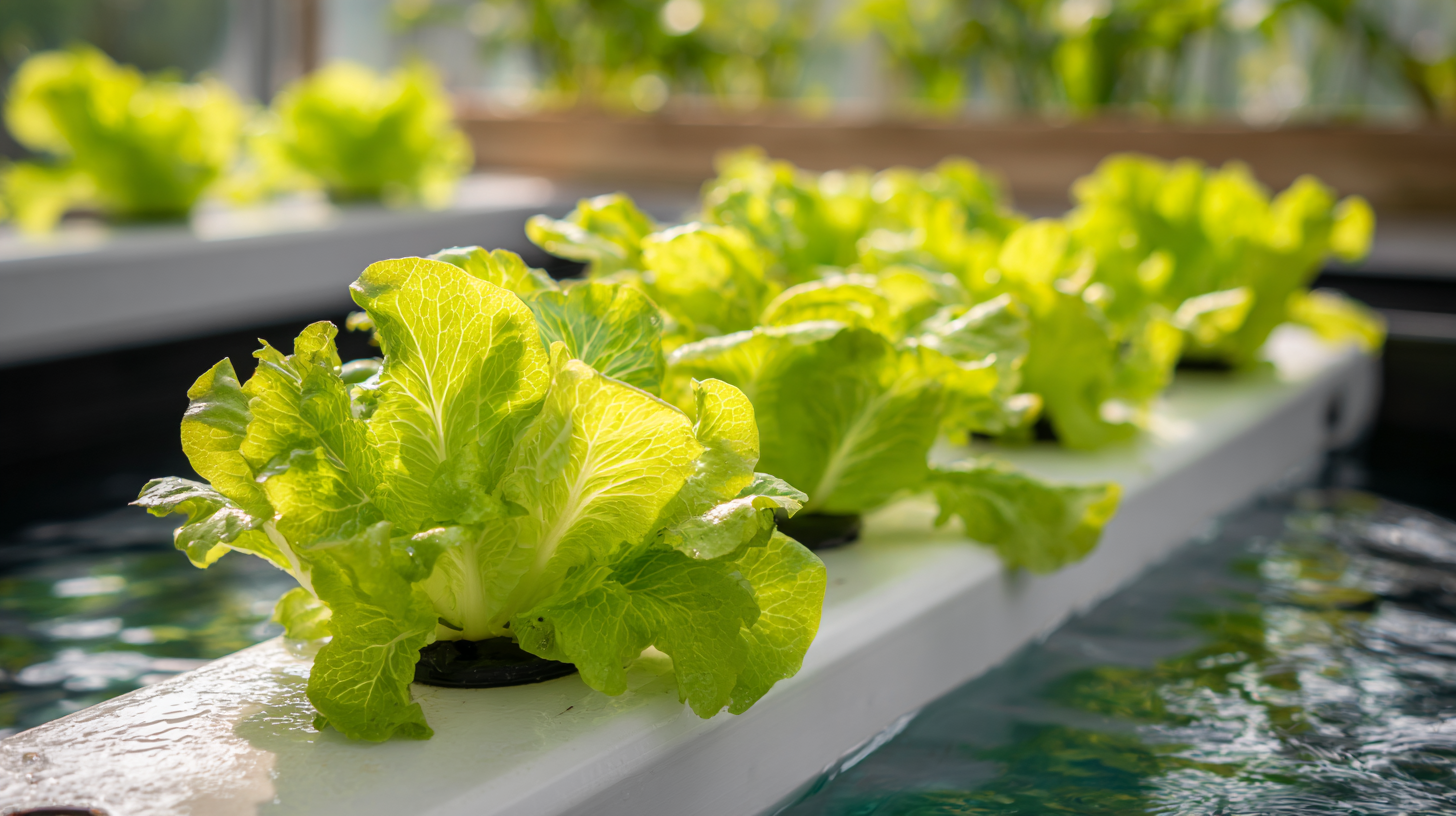
Hydroponics is a revolutionary method of growing plants without soil, using nutrient-rich water instead. This innovative approach to gardening enhances self-sufficiency, particularly appealing to urban dwellers with limited space. By understanding the principles of hydroponics, you can cultivate a thriving garden right in your home or backyard.
At its core, hydroponics involves delivering essential nutrients directly to the plant roots through a water-based solution. This method can lead to faster growth and higher yields, making it an efficient choice for those seeking to maximize their gardening potential. Unlike traditional gardening, hydroponics cuts down on soil-borne pests and diseases, allowing you to produce healthier crops.
To get started, consider the following practical tips:
- Research the Basics: Familiarize yourself with the history and techniques of hydroponics. There are a plethora of resources available online, including tutorials, forums, and ebooks that can provide valuable insights.
- Experiment with Different Plants: While leafy greens like lettuce and herbs such as basil thrive in hydroponic systems, don’t hesitate to experiment with other crops. Tomatoes, peppers, and strawberries can also yield gratifying results when grown hydroponically.
- Start Small: If you’re new to this method, begin with a small-scale setup. Simple systems, like a Kratky method or a nutrient film technique (NFT), allow you to test the waters without overwhelming yourself.
- Consider Your Space: Assess the area where you plan to set up your hydroponic garden. Ensure it is well-lit, preferably receiving 6-8 hours of natural light, or invest in artificial grow lights to support plant growth.
Keep in mind the importance of pH balance and nutrient concentration in your water solution; these factors significantly affect plant health. Regularly monitoring and adjusting these levels can help you avoid common pitfalls associated with hydroponic gardening. Remember, success in hydroponics not only gives you fresh produce but also instills a true sense of accomplishment in your journey toward self-sufficiency.
Types of hydroponic systems
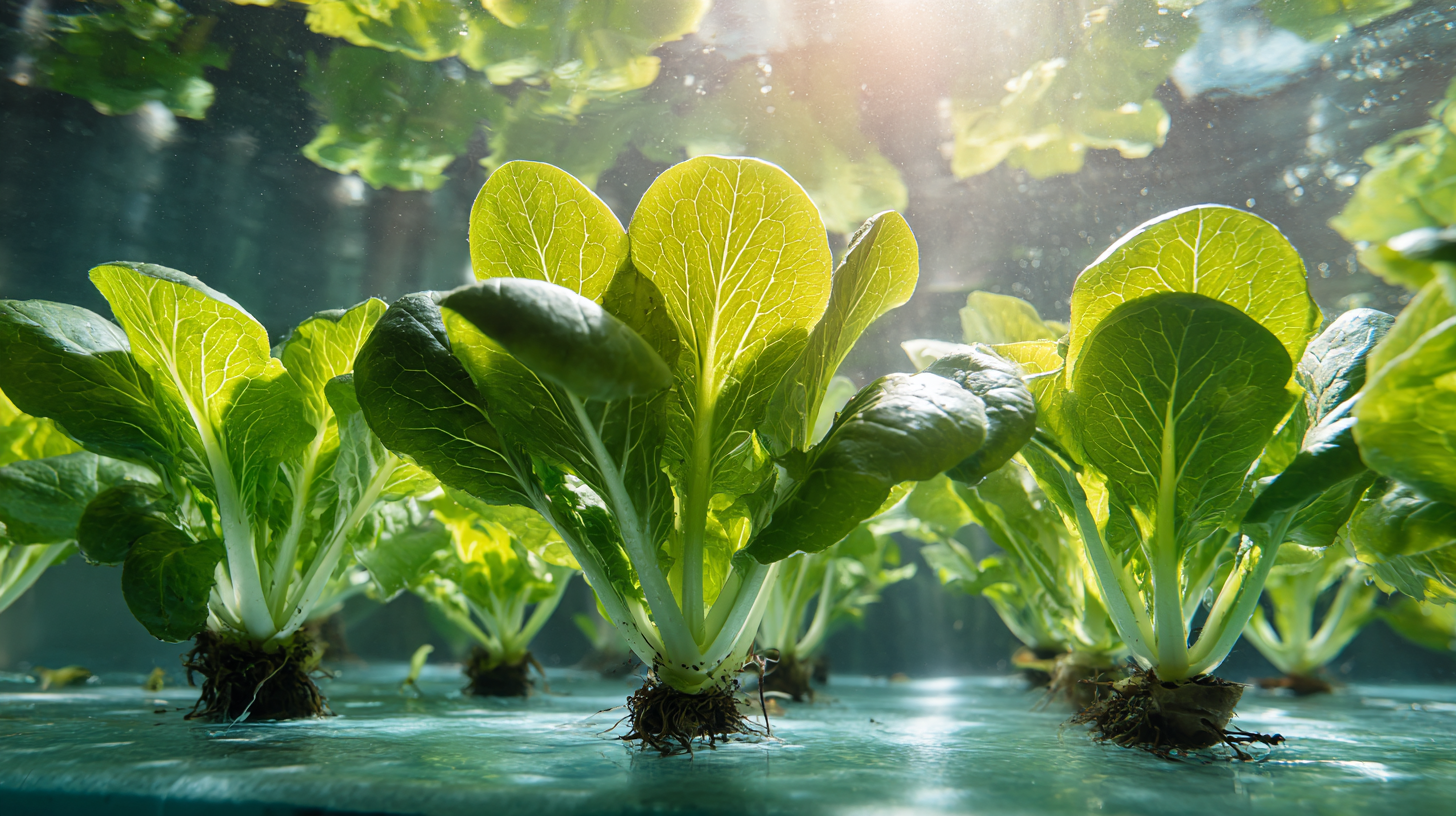
There are several distinct types of hydroponic systems, each with its own set of benefits and challenges. Understanding these systems is crucial for selecting the one that best fits your gardening needs, available space, and the specific plants you wish to grow. Below is a comprehensive overview of the most common hydroponic systems used by beginners and seasoned gardeners alike.
| Hydroponic System | Description | Advantages | Disadvantages |
|---|---|---|---|
| Deep Water Culture (DWC) | Plants are suspended in a nutrient-rich solution, with their roots submerged in oxygenated water. | Fast growth rates, simple setup, and low cost. | Requires constant monitoring of oxygen levels and nutrient concentration. |
| Nutrient Film Technique (NFT) | A thin film of nutrient solution flows over the roots of plants, which are supported in a sloped channel. | Efficient use of water and nutrients, ideal for small leafy greens. | Risk of pump failure can lead to plant stress if not monitored closely. |
| Wicking System | Uses a wick to draw nutrient solution from a reservoir to the growing medium, allowing plants to access moisture. | Simple and low maintenance, great for beginners. | Less effective for larger plants that require more water and nutrients. |
| Ebb and Flow (Flood and Drain) | This system periodically floods the growing area with nutrient solution, then drains it back into a reservoir. | Provides excellent aeration to roots and allows for a wide variety of plants. | Complexity in setup and requires careful monitoring of the flood/drain cycles. |
| Drip System | A system where nutrient solution is dripped onto the base of each plant, either continuously or at intervals. | Effective for larger plants and allows precise nutrient control. | Can be prone to clogging and requires a more advanced setup. |
Choosing the right system largely depends on your experience level, the types of plants you wish to cultivate, and available space. For instance, Deep Water Culture is perfect for those seeking rapid growth, while a Wicking System suits beginners who prefer a low-maintenance approach. Each system has its nuances, and understanding these will help in achieving success in hydroponics and your journey toward self-sufficiency in gardening. Experimenting with different setups can also foster valuable learning experiences, ultimately making you a more knowledgeable and skilled gardener.
Choosing the right nutrients
When venturing into hydroponics, one of the most critical components to consider is the selection of nutrients. Unlike traditional soil gardening, where plants derive nutrients from the earth, hydroponics requires a carefully balanced nutrient solution to promote healthy growth. This nutrient solution mimics the natural compounds found in soil while providing plants with the essential elements they need to thrive.
Start by understanding that plants require macronutrients and micronutrients. The primary macronutrients include nitrogen (N), phosphorus (P), and potassium (K), often referred to as NPK. These nutrients play vital roles in plant development:
- Nitrogen: Essential for leafy growth and overall plant health.
- Phosphorus: Important for root development and flower/fruit production.
- Potassium: Aids in water regulation and enhances the quality of fruits and vegetables.
In addition to macronutrients, plants also need several micronutrients, such as calcium, magnesium, and iron, though these are required in smaller amounts. A well-rounded hydroponic nutrient solution should contain both macro and micronutrients, ensuring that your plants receive all the essentials they require.
When choosing your nutrient solution, consider the following tips:
- Opt for Commercially Available Solutions: For beginners, using pre-mixed nutrient solutions marketed specifically for hydroponics can simplify the process. These solutions are typically formulated to provide a balanced pH and nutrient profile suitable for a variety of plants.
- Read Labels and Instructions: Each nutrient solution will come with specific mixing instructions regarding the concentration needed for different stages of growth. Pay attention to the recommended dosage to avoid nutrient burn or deficiencies.
- Customize Nutrient Ratios: Depending on the plants you choose to grow, their nutritional needs may vary. For example, leafy greens might require a higher nitrogen ratio, while fruit-bearing plants often benefit from a nutrient mix with increased phosphorus and potassium.
It’s also crucial to regularly monitor the pH level of your nutrient solution, as it can greatly impact nutrient availability. The ideal pH for most hydroponic systems falls between 5.5 and 6.5. Consider investing in a reliable pH meter or pH test kit to keep your solution in check.
Finally, remember the environmental factors that can affect nutrient uptake. Temperature, light, and humidity all play a significant role in how well your plants absorb nutrients. Make sure to provide stable conditions to foster optimal growth. Proper ventilation and air circulation will help maintain healthy conditions, minimizing stress on your plants.
Through thoughtful selection and management of nutrients, you can create a flourishing hydroponic garden that achieves both productivity and quality in your crops. Embracing this knowledge not only contributes to your self-sufficiency but also empowers you to experiment with and reap the rewards of innovative gardening techniques.
Setting up your hydroponic garden
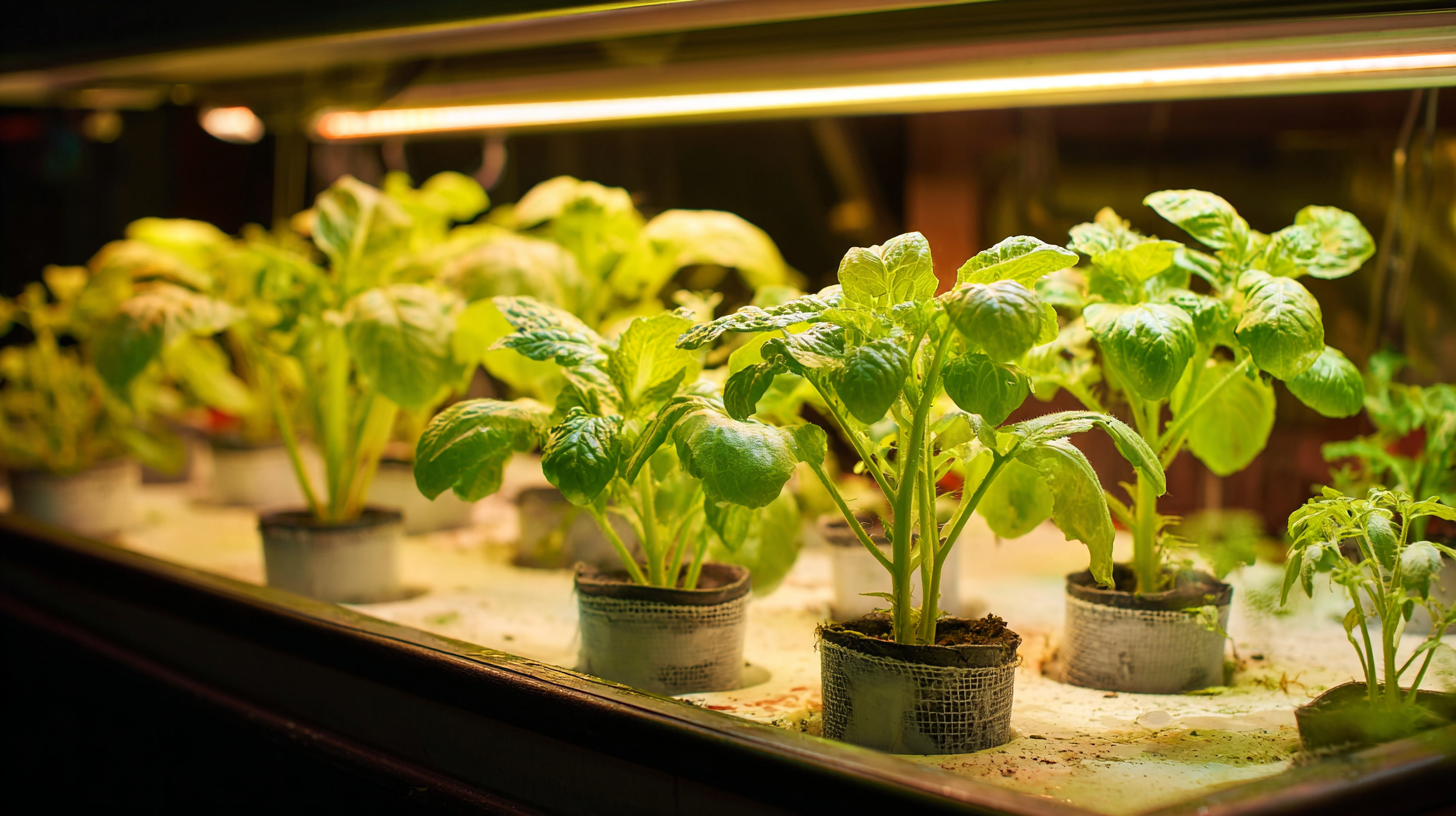
Setting up your hydroponic garden involves careful planning and execution to create an environment conducive to plant growth. Begin by selecting a suitable location that provides adequate light, whether natural or artificial. If you’re relying on natural light, a south-facing window or a space in your garden that receives sunlight for at least 6-8 hours a day is ideal. In the absence of sufficient sunlight, investing in quality grow lights can effectively substitute and support your plants’ growth cycles.
Next, gather the essential materials for your chosen hydroponic system. This may include a reservoir for the nutrient solution, a pump for water circulation (if applicable), net pots to hold your plants, and a growing medium such as rock wool, clay pellets, or coconut coir, which will provide stability for your plants’ root systems. Ensure that your growing containers are clean and suitable for hydroponics, as any contaminants can adversely affect plant health.
When assembling your system, pay close attention to water flow and drainage. If you’re using a system like Ebb and Flow, make sure you have a reliable timer for flooding and draining cycles. For Continuous Drip systems, verify that your drippers function well to prevent clogging, and position your plants to ensure they all receive adequate liquid nutrient delivery. Always seek to optimize the arrangement to maximize space and improve accessibility for maintenance and harvesting.
The future of gardening is hydroponics; a method that brings plants closer to source without the limitations of soil.
Once your setup is complete, it’s time to mix your nutrient solution. Carefully follow the manufacturer’s instructions to achieve the correct concentrations, ensuring that both macro and micronutrients are included. Monitoring and regularly checking the pH of your solution is vital, keeping it within the ideal range of 5.5 to 6.5 to optimize nutrient absorption. Adjustments may be necessary based on environmental factors like temperature and water temperature, as these can fluctuate. A well-prepared nutrient solution serves as the lifeblood of your hydroponic system.
After your plants have been planted, observe their growth and development closely. Ensure they receive adequate support, particularly if you are growing taller varieties such as tomatoes or cucumbers. Providing trellises or stakes as needed can facilitate their growth and improve overall yield. Additionally, keep in mind that managing environmental factors plays a critical role in your garden’s success; temperature, humidity, and light levels will significantly affect how effectively your plants grow. Regular maintenance, such as cleaning the system and replacing the nutrient solution periodically, is essential to ensure continuous health and productivity.
All these components come together to create an effective hydroponic garden, enabling you to grow fresh produce that contributes to your self-sufficiency journey. With careful setup and ongoing monitoring, your hydroponic system can flourish, yielding bountiful harvests year-round, whether you are an urban gardener or simply seeking innovative ways to improve your gardening within limited space.
Maintaining your hydroponic system
Maintaining your hydroponic system is crucial for ensuring the success of your plants. Regular monitoring of nutrient levels, pH, and water quality are fundamental practices that will contribute to the health and productivity of your garden. Establish a routine that includes checking the pH of your nutrient solution at least once a week, as any fluctuations outside the optimal range can hinder nutrient absorption, leading to deficiencies or toxicities in your plants. Ideally, you want to maintain the pH between 5.5 and 6.5 to allow plants to access the essential nutrients they require.
Equally important is monitoring the electrical conductivity (EC) of your nutrient solution. EC measures the concentration of nutrients in the water, and understanding how to interpret these readings will significantly boost your ability to nourish your plants effectively. Be vigilant in observing any changes—if plants show signs of distress, such as yellowing leaves or stunted growth, it may be an indication of nutrient imbalance or insufficient water levels. Adjust your nutrient concentrations accordingly, while carefully following mixing instructions for commercial nutrient solutions.
Water quality also plays a pivotal role in the effectiveness of your hydroponic setup. Use filtered or distilled water whenever possible, as tap water may contain chlorine or other contaminants that can harm the delicate balance of your system. Additionally, maintain the cleanliness of all components; algae growth within reservoirs or pipes can block water flow and reduce oxygen levels for your plant roots. Regular flushing of the system and replacing the nutrient solution approximately every two weeks can help mitigate this issue, prolonging the life of your setup.
Another significant aspect of maintenance is ensuring adequate aeration. In systems like Deep Water Culture, plant roots must access oxygen to thrive. Introducing air stones or ensuring your water is well-oxygenated through continual water movement can enhance root health, resulting in robust plant growth. Likewise, in systems that recirculate water, keep an eye on water levels and refill as necessary to avoid stress on plants due to lack of moisture.
In essence, the diligent upkeep of your hydroponic system fosters an environment of growth and vitality. By continuously learning about the dynamics of hydroponics and refining your techniques, you can achieve a steady stream of fresh produce while nurturing your self-sufficiency journey and satisfying your passion for innovative gardening solutions. Your commitment to maintenance is what will lead to a thriving hydroponic garden, where each plant represents a new lesson learned and every harvest is a testament to your effort.
- What is the ideal pH level for my hydroponic system?
- The ideal pH level for most hydroponic systems falls between 5.5 and 6.5. Maintaining this range helps ensure that plants can effectively absorb nutrients from the solution.
- How often should I change the nutrient solution?
- It is recommended to replace the nutrient solution every two weeks. This helps prevent nutrient imbalances and ensures that plants receive fresh and adequate nutrients for optimal growth.
- What signs indicate that my plants are not getting enough nutrients?
- Common signs of nutrient deficiency include yellowing leaves, stunted growth, and poor fruit production. If you notice these symptoms, check your nutrient levels and pH immediately.
- Can I use tap water in my hydroponic system?
- It’s best to avoid using tap water because it may contain chlorine and other chemicals that can harm your plants. Using filtered or distilled water is a safer option to maintain water quality.
- How can I prevent algae growth in my hydroponic system?
- To prevent algae growth, ensure your reservoir is covered and kept in a dark location. Regularly clean your system components and replace the nutrient solution to reduce the conditions that promote algae.
- What do I do if my plants aren’t growing as expected?
- If your plants aren’t thriving, inspect the nutrient solution, pH balance, and water quality. Additionally, assess environmental factors like light, temperature, and humidity, as these can significantly impact growth.
- Do I need to add oxygen to the water in my hydroponic system?
- Yes, oxygen is vital for root health. In systems like Deep Water Culture, you should include air stones or ensure that water is well-oxygenated to promote healthy root development.
Common challenges and solutions
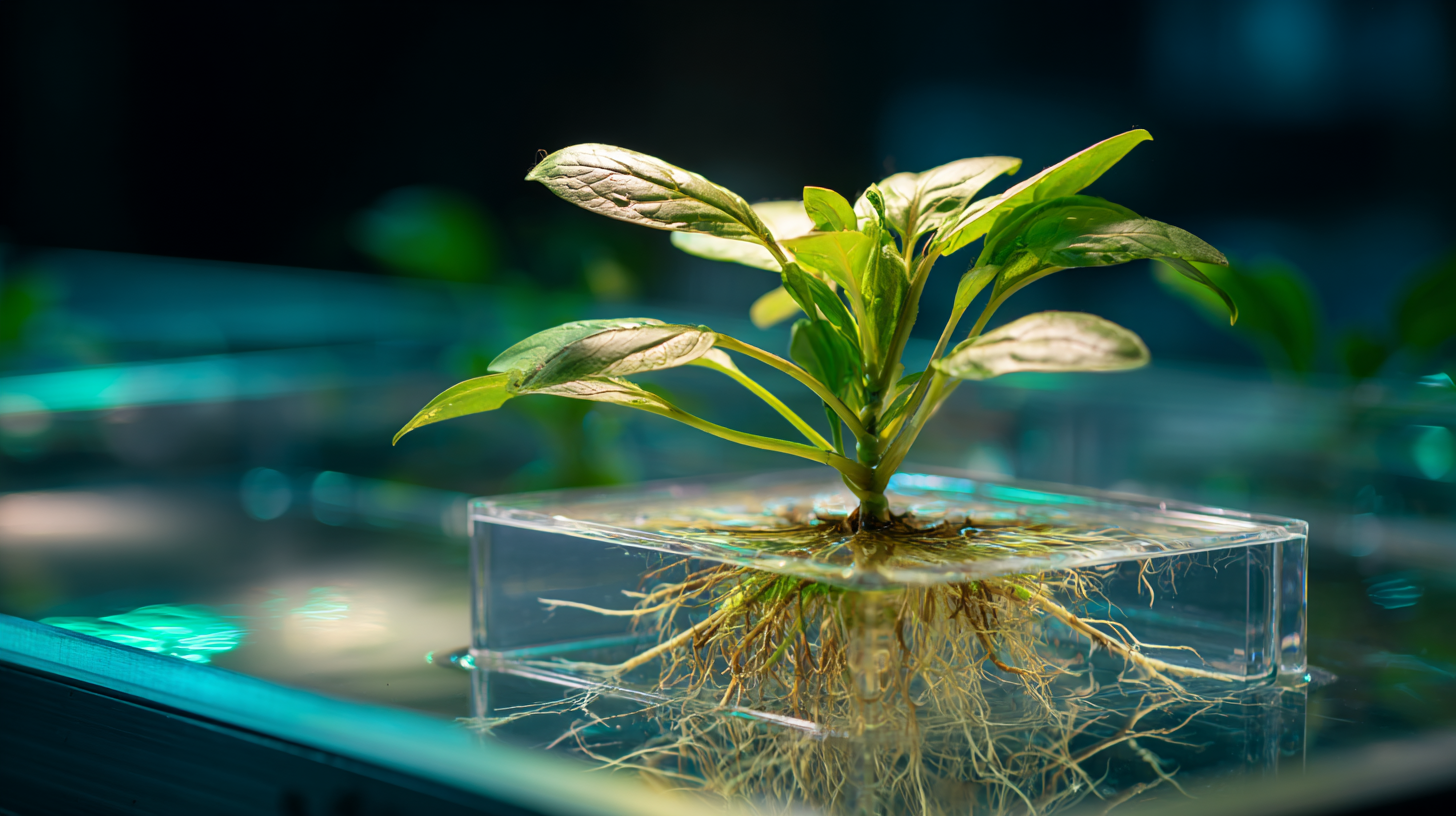
While hydroponics presents many advantages for beginners and seasoned gardeners alike, you may encounter challenges during your gardening journey. It’s important to be prepared for these obstacles and to know that solutions exist. Here are some common issues and effective ways to tackle them:
- Algae Growth: This can occur in hydroponic systems, particularly if there’s excessive light exposure to your reservoir. To combat this, keep the reservoir covered or use opaque containers to block light. Regularly clean your system to prevent algae buildup, and consider adding beneficial bacteria, which can help inhibit algae growth.
- Root Rot: Occurring due to over-saturation or lack of oxygen, root rot can be disastrous for your plants. Ensure that roots are well-aerated, particularly in systems like Deep Water Culture. You can introduce air stones or maintain consistent water circulation to enhance oxygen levels in the solution.
- Nutrient Deficiencies: Yellowing leaves or slow growth can signal that plants aren’t receiving the necessary nutrients. Regularly test and adjust the pH and nutrient levels of your solution, as these factors greatly impact nutrient absorption. Keep a close watch on your plants; any sudden changes may require immediate adjustments.
- Pest Infestations: Even though hydroponics minimizes soil-borne pests, you may still encounter problems with aphids, spider mites, or fungus gnats. Implement integrated pest management strategies such as introducing beneficial insects, using insecticidal soaps, or naturally repelling plants. Keep an eye on your plants for early detection and a quick response.
- Equipment Failures: A malfunctioning pump or a broken light can quickly jeopardize your hydroponic garden. Regular maintenance and checks on all equipment can prevent these issues. Always have backup equipment on hand, like spare pumps and bulbs, to minimize disruptions to your garden.
- Environmental Fluctuations: Conditions such as temperature, humidity, and light can fluctuate and impact plant growth significantly. Use thermometers and humidity gauges to monitor your garden’s environment. If you notice extremes, consider adding fans, heaters, or humidifiers to create a more stable growing atmosphere.
Maintaining a healthy hydroponic garden requires vigilance, patience, and adaptability. Regularly educate yourself about best practices and solutions to common problems. Connecting with online forums, local gardening groups, and hydroponic specialists can provide valuable insights and support as you navigate challenges. By staying proactive and informed, you can enhance your self-sufficiency and ensure that your gardening endeavor flourishes.