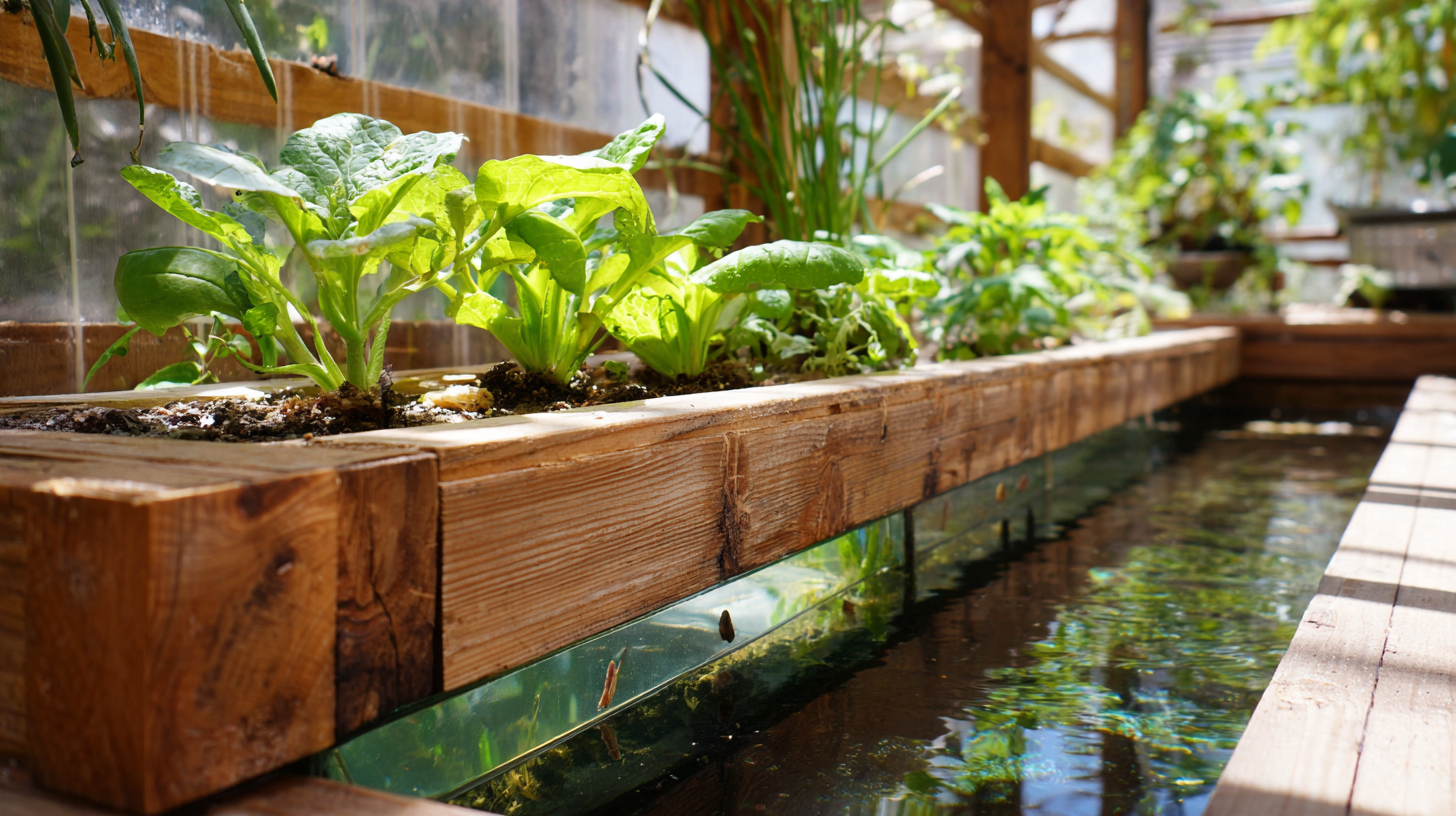
Aquaponics is an innovative and harmonious agricultural practice that combines the best of aquaculture (raising fish) and hydroponics (growing plants in water). This system creates a mutually beneficial environment where fish waste provides organic nutrients for the plants, while the plants filter and purify the water for the fish. It’s an ideal choice for anyone looking to achieve self-sufficiency in their homesteading journey.
Understanding how this ecosystem works is key to successful implementation. The core of aquaponics revolves around the nitrogen cycle, which converts fish waste into usable nutrients for plants. By managing this cycle effectively, you can create a balanced environment that thrives.
To start, you’ll need to consider your setup: a balanced ratio of fish to plants, a sufficient amount of water circulation, and appropriate filtration systems. For instance, a common guideline suggests using 1 pound of fish per 5 gallons of water. This can vary based on the type of fish you choose and the plants being grown, so always conduct a bit of research beforehand!
Another crucial point is to select the right species of fish and plants that complement each other. Fish such as tilapia, goldfish, or catfish are popular choices due to their hardiness and growth rate. Meanwhile, leafy greens and herbs like lettuce, basil, and jalapeños flourish in aquaponic settings, making them ideal candidates for your system.
Additionally, ensuring proper pH levels and water temperature is vital for the health of both fish and plants. Aim for a pH range between 6.8 and 7.2, which is optimal for both species. Regularly monitoring these conditions and adjusting them as needed will lead to a thriving aquaponics system.
Embrace this journey toward sustainable farming by actively learning and experimenting as you go. Engage with local homesteading communities or online forums for tips and shared experiences. Remember, aquaponics is not just about growing food, it’s about creating an ecosystem that can sustain your family and educate future generations about the importance of aquaponics and sustainable practices.
Choosing the Right Location
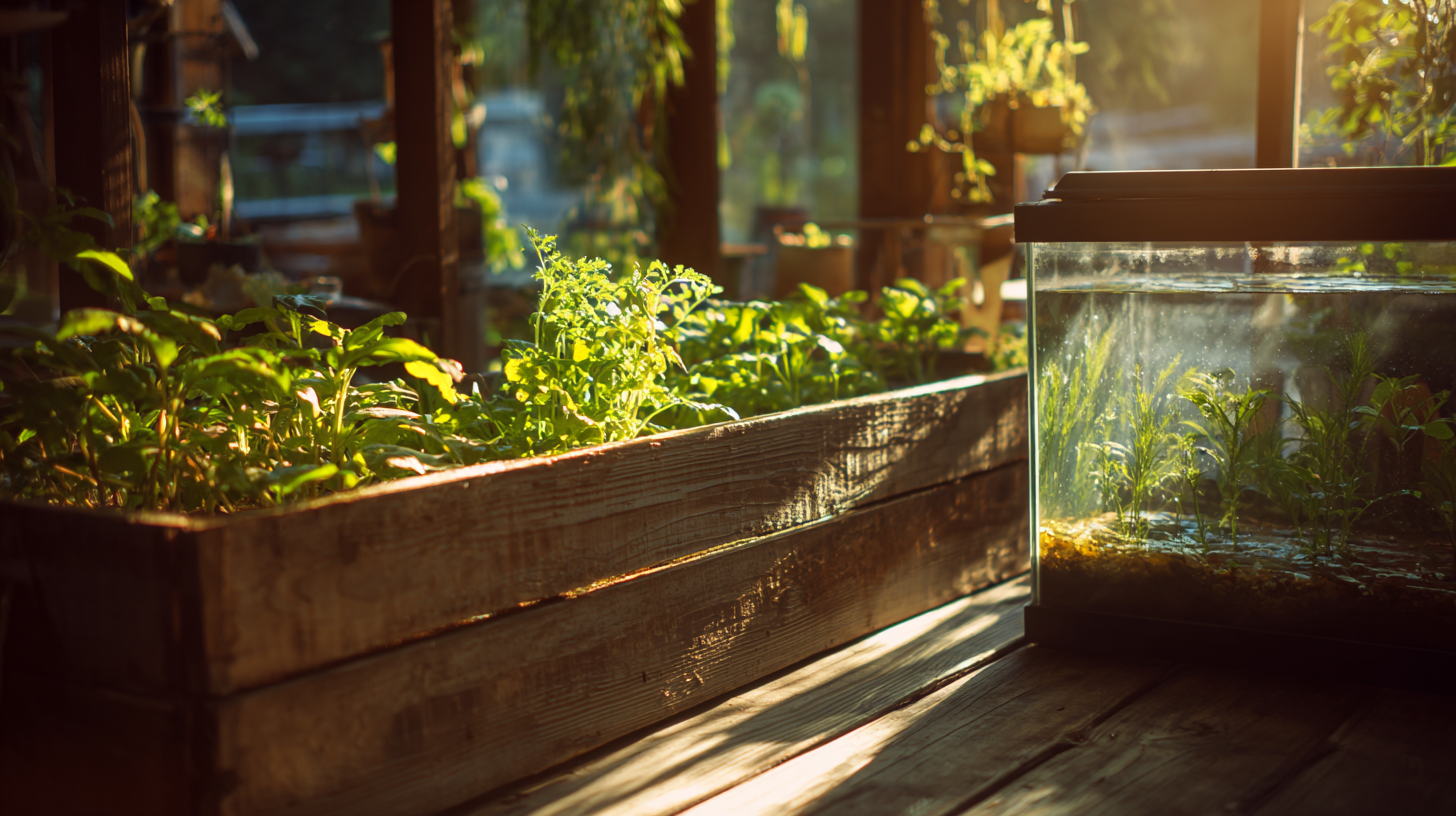 When determining the ideal location for your small-scale aquaponics system, several factors come into play that will significantly impact the efficiency and productivity of your setup. The chosen space must not only accommodate the physical components of the system—such as fish tanks, grow beds, and pumps—but also provide the environmental conditions required for the optimal growth of plants and fish.
First and foremost, consider the availability of sunlight. Natural light is essential for plant growth; without it, even the best aquaponics system will underperform. If you plan to operate outdoors, select a spot that receives at least 6-8 hours of direct sunlight per day, especially during the growing season. In colder climates or during inclement weather, a greenhouse setup can effectively extend the growing season while protecting your plants and fish from extreme temperatures.
Indoor systems also have their advantages, particularly the control over environmental variables such as temperature and humidity. However, you must ensure adequate lighting, often achieved through grow lights, which should be considered in your overall cost and energy consumption planning.
Another critical factor is water access. An ample and clean water supply is crucial for maintaining your aquaponics system. If you’re located near a water source, such as a stream or well, you may have a built-in advantage. Alternatively, you need to install a reliable water filtration system to ensure that you are using clean water free of harmful chemicals and pathogens.
The following table summarizes key factors to consider when choosing a location for your aquaponics system:
| Factor | Outdoor Location | Indoor Location |
|---|---|---|
| Sunlight Exposure | 6-8 hours of direct sunlight | Requires artificial grow lighting |
| Temperature Control | Subject to seasonal changes | More consistent; can be regulated |
| Water Access | Access to natural sources may be beneficial | Requires plumbing and filtration setup |
| Space Requirements | Typically larger space available | Limited space may require vertical systems |
| Environmental Protection | Vulnerable to pests and weather | Protected from external elements |
Moreover, consider the proximity to your home. An easily accessible location allows for routine checks and maintenance, contributing to the overall health and efficiency of your aquaponics system. If you have children or pets, it’s also wise to place the system in a secure area that’s safe for all family members.
Lastly, be aware of any local zoning laws or regulations that may impact your installation. Some areas may have restrictions regarding agricultural systems, even small-scale ones. Ensuring compliance with local laws will save you from potential issues down the road.
In conclusion, the location you choose for your aquaponics system can significantly influence its success and your journey towards self-sufficiency and sustainable farming. Taking time to select an optimal site that meets your needs and environmental conditions is essential for fostering a healthy ecosystem where both fish and plants can thrive together.
Essential Components of an Aquaponics System
Building an effective aquaponics system requires more than just a few essential components; it’s about crafting an entire ecosystem that works in harmony. The heart of your aquaponics setup rests on several key elements, each playing a vital role in maintaining the balance needed for both fish and plants to thrive.
First, you’ll need a robust fish tank. This is where your aquatic life will dwell and produce vital nutrient-rich waste for the plants. Depending on your space and intended scale, consider a tank that can hold at least 100 gallons of water to provide a stable environment. Materials can vary, but food-grade plastic or glass is recommended for safety. Ensure you have a cover to prevent fish from jumping out and to reduce water evaporation.
Next, select appropriate grow beds. These beds will host your plants and should ideally be filled with a medium that supports plant roots while allowing water to flow easily. Common options include expanded clay pellets, rock wool, or gravel. Your grow bed setup should be integrated with the fish tank, allowing for efficient water cycling. A common design is to have the grow beds situated above the fish tank, letting gravity assist in the flow of water.
The pumping and aeration systems are equally crucial. A submersible pump will circulate water from the fish tank to the grow beds, ensuring plants receive a constant supply of nutrients. It’s vital to choose a pump that’s both efficient and capable of handling the volume of water in your system. Additionally, an air pump equipped with air stones will oxygenate the water, which is essential for fish health. Regularly checking and maintaining these components can prevent issues such as low oxygen levels, which can lead to fish stress or mortality.
Another integral piece of your aquaponics setup is the filtering system. This system helps remove solid waste from the water, preventing toxic buildup that could harm fish. Mechanical filters will capture larger waste particles, while biological filters cultivate beneficial bacteria that will aid in breaking down waste into nutrients for your plants. Monthly cleaning or replacement of these filter elements is recommended for optimal operation.
- Tank: Choose a size appropriate to your fish stock, ensuring it’s made from safe materials.
- Grow Beds: Utilize a medium that maximizes water flow and root support.
- Pumping System: Invest in a reliable pump that suits the scale of your system.
- Aeration: Include an air pump to maintain oxygen levels.
- Filtration: Implement both mechanical and biological filters to maintain water quality.
Finally, monitor the water quality regularly. Parameters such as ammonia, nitrites, nitrates, pH, and temperature should be tested routinely to ensure your fish and plants are healthy. Water testing kits are widely available and easy to use. Aim for a pH level between 6.8 and 7.2 for optimum plant growth and fish health. Any drastic changes in these conditions can disrupt your ecosystem, making regular testing an essential practice.
Incorporating these essential components into your aquaponics system will not only promote a thriving environment but will also enhance your journey towards sustainable farming. Each element needs to be tailored to your specific setup, so flexibility and creativity will serve you well as you navigate this exciting venture.
Selecting Fish and Plants
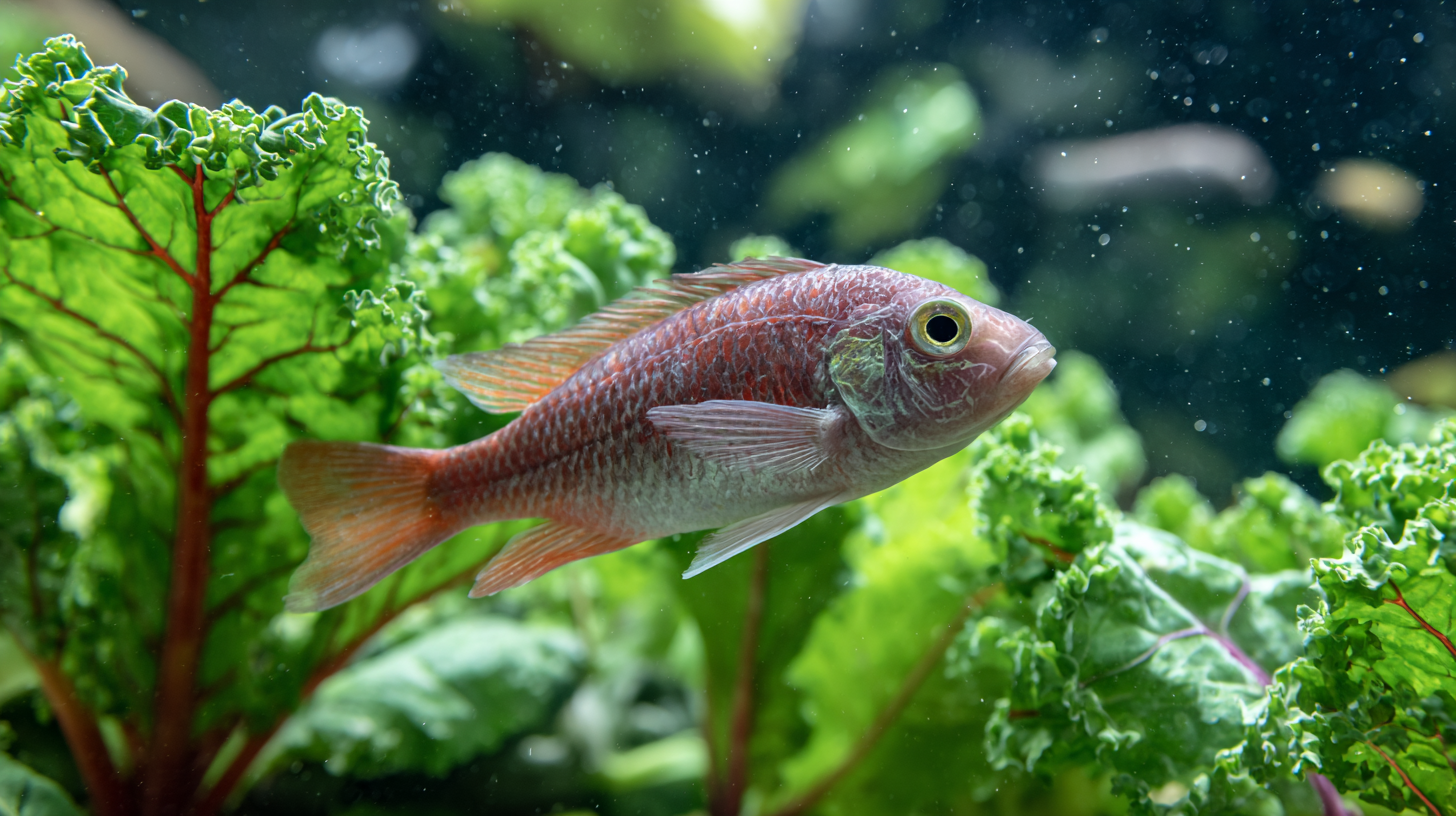 When selecting fish and plants for your aquaponics system, it’s vital to consider compatibility, growth rate, and the specific needs of each species. Fish are not only a source of nutrients through their waste but also require a stable environment tailored to their unique characteristics. Begin by choosing fish species that are well-suited to aquaponics and can thrive in your water conditions.
Tilapia is often the go-to choice for many aquaponics beginners due to its hardiness and rapid growth. It can tolerate a range of temperatures and is relatively easy to care for, making it an ideal starter fish. Goldfish are another option, particularly if you have a smaller setup, as they are hardy and provide aesthetic value with their colorful appearance. However, if you plan to grow culinary herbs and veggies, consider catfish or perch which not only adapt well but also reach a marketable size relatively quickly.
In addition to fish, the choice of plants is equally important. Leafy greens—such as lettuce, kale, and spinach—are excellent options as they grow quickly and thrive in aquaponic environments. For those interested in herbs, basil, mint, and cilantro are commonly chosen; not only do they appreciate the nutrient-rich water, but their quick growth cycle can provide regular yields for the home garden.
“Aquaponics relies on the natural synergy between fish and plants, making it a sustainable solution for food production.”
It’s also essential to match plants with fish based on the nutrient requirements. For example, fish that produce higher levels of ammonia are beneficial to fast-growing leafy greens, which require more nutrients. Conversely, if you’re cultivating fruit-bearing plants, ensure that your fish can supply the necessary nutrients without compromising the water quality.
Additionally, consider the environmental conditions suitable for both fish and plants. Fish require a stable water temperature—typically around 75°F to 85°F for tilapia, while leafy greens prefer slightly cooler conditions, around 65°F to 75°F. This can be managed by adjusting the water temperature as needed and using grow lights or shading to ensure plants receive adequate light without overheating.
Lastly, keep an eye on the growth cycles of your chosen fish and plants. While fish can live for several years, many plants have much shorter life spans and can be harvested multiple times within a growing season. To optimize yields, plan for staggered planting so that you always have a continual supply of fresh produce while maintaining a healthy fish population.
By carefully selecting compatible fish and plants, you can create a thriving aquaponics system that not only supports self-sufficiency but also exemplifies the principles of sustainable farming. Your choices will ultimately dictate the overall efficiency and productivity of your setup, so take time to research and experiment with various species, ensuring a harmonious balance within your aquaponics ecosystem.
Setting Up Your Aquaponics System
Setting up your aquaponics system requires careful planning and execution to ensure a productive and harmonious environment for both fish and plants. Start by determining the layout of your system, which includes the placement of the fish tank, grow beds, and plumbing. You may opt for a traditional flood-and-drain system, where water is periodically pumped from the fish tank to the grow beds, allowing excess to flow back into the tank. This design optimizes nutrient cycling and ensures that your plants receive sufficient water and nutrients while benefiting from the natural filtration provided by their root systems.
When constructing your system, consider incorporating a siphon mechanism for automated water circulation. A bell siphon, for example, is a popular choice among aquaponic gardeners as it allows the grow beds to drain completely, ensuring that the roots receive adequate aeration between watering cycles. If you’re crafting a deep water culture system, choose floating rafts to hold your plants above nutrient-rich water, which serves as both their growth medium and a habitat for beneficial bacteria.
Next, think about the plumbing. Use food-safe PVC pipes and fittings to connect your fish tank to the grow beds. Make sure to include a reliable pump capable of circulating water efficiently, with the right flow rate suited to the size of your system. Regular maintenance of the pump and plumbing, including cleaning potential clogs, is essential for maintaining a sustainable and efficient aquaponics setup.
Before introducing any fish or plants, remember to cycle the system. This crucial step involves establishing beneficial bacteria in the water to convert fish waste into usable nutrients for the plants. You can initiate this process by adding a small amount of fish food to the system even before adding the fish, allowing ammonia levels to rise and bacteria to thrive. It typically takes several weeks for the system to process waste through the nitrogen cycle, so patience is key at this stage.
As you set up your aquaponics system, commit to regular monitoring of water parameters. Use water testing kits to measure ammonia, nitrites, nitrates, and pH levels frequently, adjusting as necessary to create an optimal environment for both your fish and plants. Regular water changes may be required, depending on the bioload of your fish, to keep conditions stable.
Engaging in the practical aspect of building your system can ignite a deeper passion for sustainable farming, allowing you to witness firsthand how each component interacts within the delicate ecosystem you’ve designed. As you immerse yourself in this process, you’ll discover nuances and insights unique to your setup, encouraging continual learning and adaptation.
- What is aquaponics?
- Aquaponics is a sustainable farming system that combines aquaculture (raising fish) and hydroponics (growing plants without soil) in a symbiotic environment. Fish waste provides nutrients for the plants, and in return, the plants help filter and purify the water for the fish.
- What fish species are best for aquaponics systems?
- Tilapia is a popular choice due to its hardiness and fast growth. Other options include goldfish, catfish, and perch, depending on your local climate, preferences, and the size of your system.
- Can I grow vegetables in an aquaponics system?
- Yes, many vegetables grow well in aquaponics systems. Leafy greens, herbs, and fruit-bearing plants like peppers and tomatoes are excellent choices that adapt to the nutrient-rich water environment.
- How much space do I need for a small-scale aquaponics system?
- The space required will depend on the scale of your setup and the types of fish and plants you choose. A basic system may be designed to fit in a small backyard or even indoors, but efficient space design is crucial for maximizing productivity.
- How do I maintain the water quality in my aquaponics system?
- Regularly test the water for ammonia, nitrites, nitrates, and pH levels. Performing routine water changes, cleaning filters, and monitoring fish health can help maintain optimal water quality for a thriving ecosystem.
- Do I need to add any chemicals to the water?
- In a well-balanced aquaponics system, you should not need to add chemicals. The system is designed to naturally process fish waste into nutrients for the plants. However, you may need to adjust pH levels occasionally with organic solutions.
- What tools do I need to set up my aquaponics system?
- Basic tools include a fish tank, grow beds, a pump, tubing, testing kits for water quality, and appropriate media for the grow beds. Assembling the right materials ensures that your aquaponics system runs smoothly and effectively.
Maintaining and Troubleshooting Your System
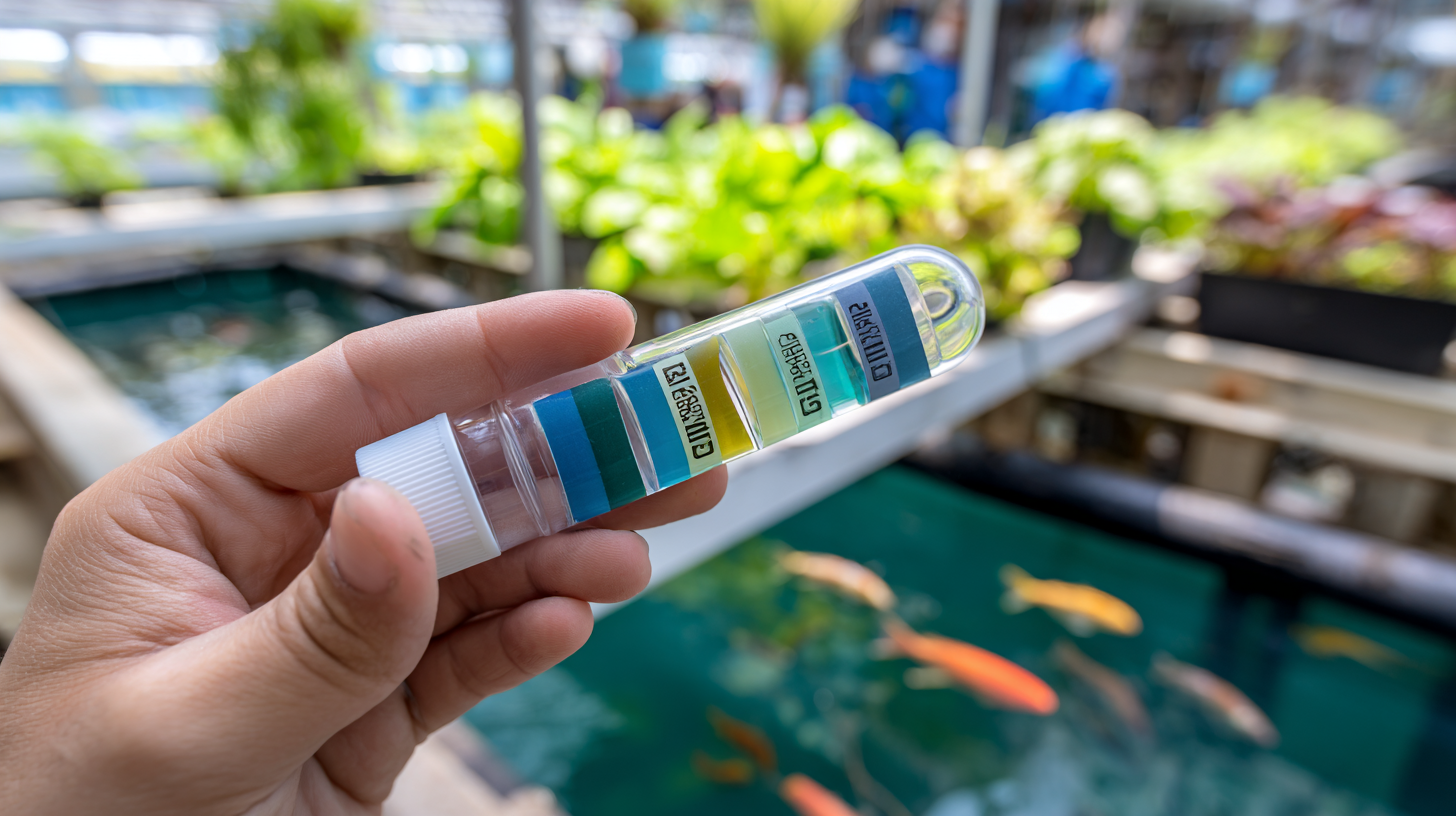
Maintaining an aquaponics system requires commitment and attention to detail, but the rewards are well worth it. Once your system is established, the journey doesn’t end there; you have to nurture and troubleshoot to ensure a thriving environment for both fish and plants. This ongoing process includes regular monitoring, adjustments, and maintenance tasks to keep everything balanced.
First and foremost, water quality is paramount. Make it a habit to check the levels of ammonia, nitrites, nitrates, and pH at least once a week. Testing kits are easy to use and provide immediate insights into your system’s health. Aim for an ammonia level below 1 ppm, nitrites should be at 0 ppm, and nitrates can range from 20-40 ppm for optimal plant growth. If ammonia or nitrite levels spike, it might indicate an imbalance in the system, perhaps due to overfeeding the fish or inadequate filtration.
For pH levels, keep track of maintaining a range between 6.8 and 7.2. If you find your pH is too high or too low, consider using organic amendments—such as crushed oyster shells to raise pH or vinegar to lower it—rather than synthetic chemicals, to keep your system as natural and sustainable as possible.
Regular feeding of your fish is another key aspect. Optimize their diet for maximum health and growth by choosing high-quality fish food that’s specifically designed for the species you are raising. Avoid overfeeding, which can lead to increased waste and water quality issues. A good rule of thumb is to feed your fish only what they can consume in a few minutes, once or twice a day.
As the plants grow, they may require pruning and harvesting. Keep an eye on them; if you notice they are outgrowing their space, it’s time to prune leaves or even remove some plants to promote airflow and light penetration. Regular harvesting also encourages more growth, so don’t be shy about trimming your herbs or removing any leaves that aren’t thriving.
Should an issue arise—be it a disease outbreak among the fish or plant pests—quick action is essential. Monitor your fish closely for any signs of distress or illness, such as lethargy, unusual swimming patterns, or changes in appetite. In the event of disease, isolate affected fish to prevent spreading and consult resources or local experts on organic treatments.
For plants, pests can be particularly troublesome. Companion planting—using plants that repel certain pests—can be a natural way to control infestations. For example, planting basil among your tomatoes can help keep aphids at bay. If the situation deteriorates, consider organic pest control methods like insecticidal soap or neem oil, ensuring they are safe for use in an aquaponics environment.
Another key aspect of maintenance is regular system cleaning. This includes removing any solid waste buildup in the fish tank or filter, as this can reduce water quality significantly. Rinse out your filters and siphon out the sediments, ensuring you don’t disrupt the biofilter’s bacteria colony in the process. Remember to perform these tasks gently; a well-cared-for system is less likely to go into shock.
Finally, engage with your local homesteading community or online forums. Learning from the experiences of others can provide invaluable insights and solutions to common problems. Sharing tips and successes not only enriches your journey but helps foster a spirit of cooperation and knowledge-sharing among aquaponics enthusiasts.
By establishing a regular routine of maintenance and developing a keen eye for your system’s needs, you can enjoy the fruits of your labor in the form of fresh fish and vibrant produce, all while supporting your pathway to self-sufficiency and sustainable farming.