
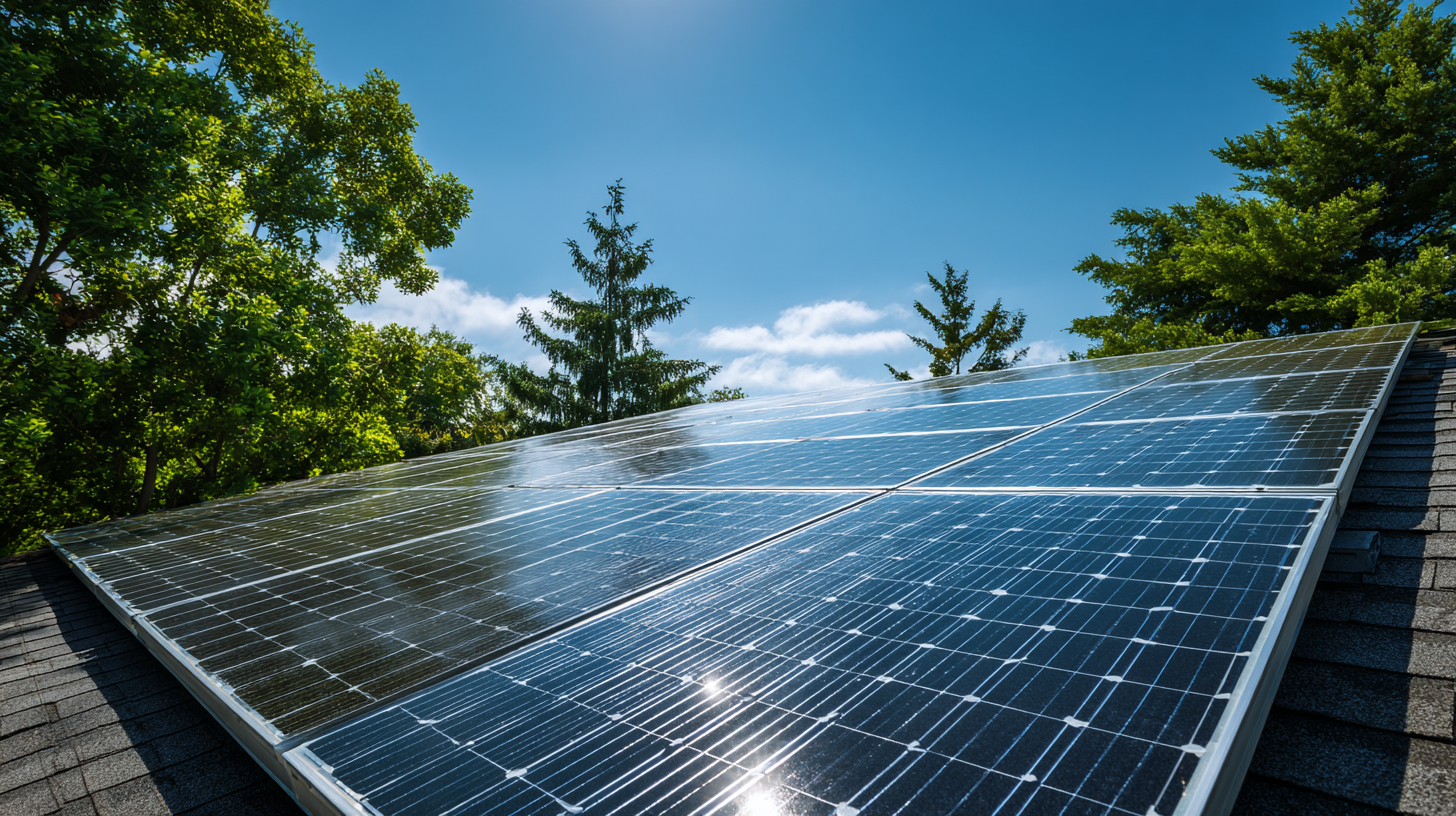
Integrating solar panels into a self-sufficient home offers numerous advantages that go beyond just energy production. One of the most significant benefits is the ability to harness renewable energy directly from the sun, providing a sustainable source of power that reduces dependence on fossil fuels. As families increasingly seek ways to manage their own energy needs, utilizing solar panels becomes an effective strategy for achieving true self-sufficiency.
First and foremost, leveraging solar energy means decreased reliance on the grid. This autonomy allows families to generate their own power during peak sunlight hours, which can lead to lower monthly utility bills. When your home produces more energy than it consumes, you might even find yourself selling excess energy back to the grid, creating an additional income stream. This not only contributes to long-term financial savings but also promotes financial security through reduced energy costs.
Furthermore, solar panels can enhance the overall resilience of a homestead. In the event of power outages or grid failures, homes equipped with solar energy solutions can continue functioning. By coupling solar panels with battery storage systems, families can store excess energy generated during sunny days for use at night or during cloudy periods, ensuring a steady power supply regardless of external circumstances.
It’s essential to consider the type and size of the solar panel system that aligns with your family’s energy demands. Residential solar panel systems can vary, and conducting a comprehensive energy audit of your home is highly recommended. This audit will help identify your specific needs and aid in selecting the right solar installation, whether it’s a smaller system suitable for a modest household or a larger set-up for a more energy-intensive family.
Moreover, community is an often-underestimated resource in embracing solar energy for self-sufficient homes. Engage with local homesteading groups or online forums to gather insights and experiences from other solar users. They can provide valuable recommendations on reputable local installers, optimal configurations, and best practices for maintaining your solar technology.
Finally, as you consider the adoption of solar energy, remain informed about available incentives, state-specific tax credits, and rebates that can significantly cut down your initial investment costs. Government programs aimed at promoting renewable energy can play a crucial role in making solar energy more accessible for everyone, allowing you to achieve your homesteading goals without overwhelming financial burdens.
Embracing solar energy within your homesteading journey not only propels you towards greater self-sufficiency but also supports a sustainable lifestyle capable of enriching your family’s future.
Cost savings from solar panel installation
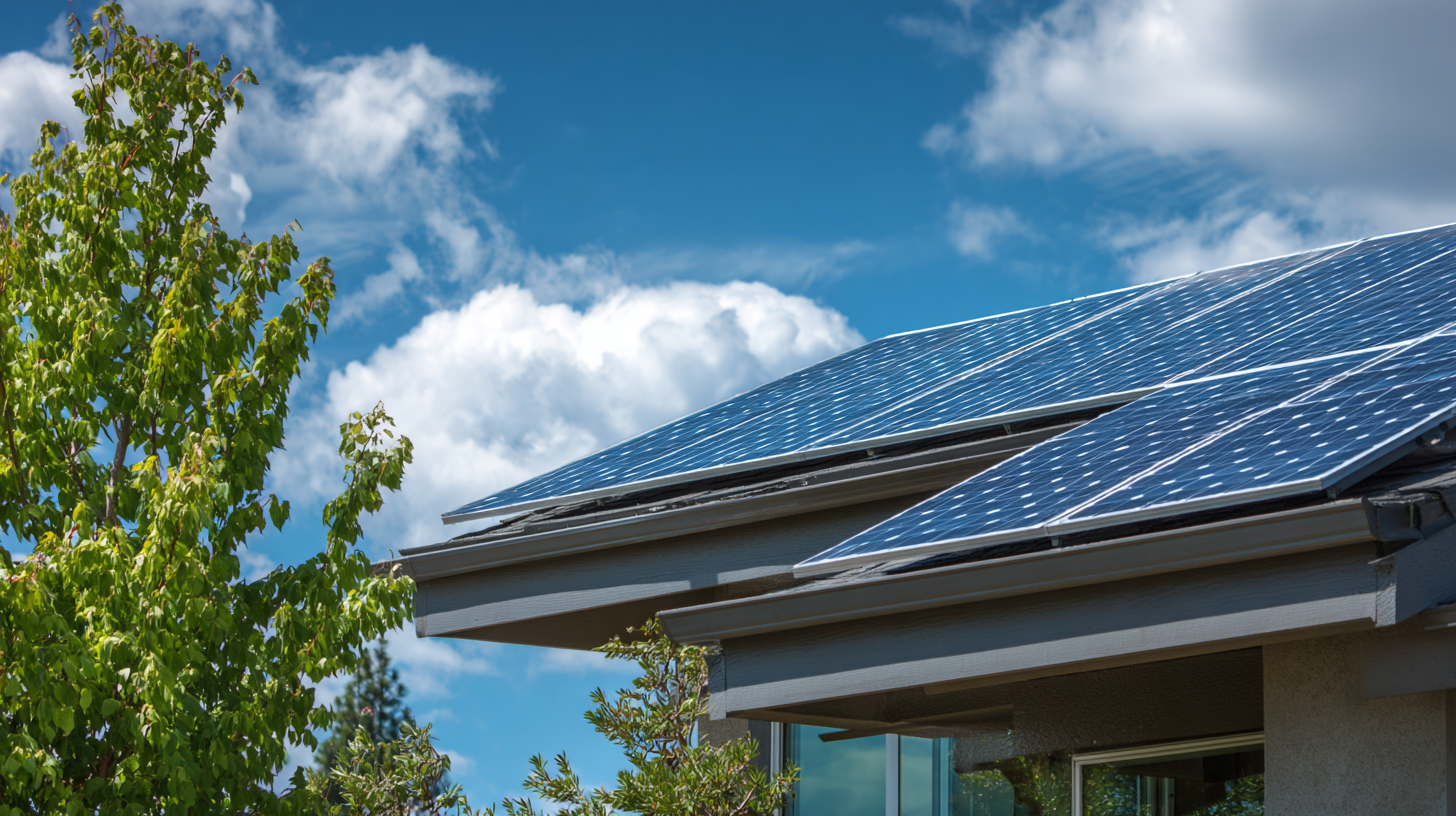
One of the most compelling financial advantages of installing solar panels is the significant cost savings that homeowners can realize over time. The upfront costs associated with solar panel systems may seem daunting initially, but the long-term benefits often outweigh these initial investments. By installing solar panels, households can drastically reduce or even eliminate their electricity bills. The average cost of electricity in the United States is approximately $0.13 per kilowatt-hour (kWh), and with efficient solar panels, homeowners can produce their electricity for far less, effectively shrinking their monthly expenditures.
To illustrate the savings potential, consider the following comparison of costs and savings both with and without solar panel installation:
| Category | Without Solar Panels | With Solar Panels |
|---|---|---|
| Monthly Electricity Bill (Average for a Home per kWh) | $150 | $30 (after solar savings) |
| Annual Electricity Cost | $1,800 | $360 (after solar savings) |
| Estimated System Cost (Average 5 kW System) | N/A | $15,000 |
| Timeframe to Break Even | N/A | 5-7 years (with incentives) |
| Long-term Savings Over 25 Years | N/A | $30,000+ |
As observed in the table, a household without solar panels could spend an average of $1,800 annually just on electricity bills. In contrast, a home that has installed solar panels may only incur minimal charges while potentially cutting down their costs to about $360 each year. Additionally, after accounting for the initial investment in a solar system—which can often be mitigated through incentives and tax credits—the savings over a typical 25-year lifespan of solar panels can accumulate to an astounding $30,000 or more.
Moreover, even as energy prices rise, solar panels provide homeowners with a shield against fluctuating electricity rates. Once installed, solar technology utilizes renewable energy from the sun, which is a free and abundant resource, leading to consistent energy production without increasing operational costs. This predictability not only eases budgeting for families but also encourages long-term financial planning.
Financial benefits extend further with net metering programs, which allow homeowners to receive credits for the excess energy their solar panels produce and send back to the grid. These credits can offset electricity costs during periods when solar output is less, such as during winter months or at night. In some cases, homeowners may even garner a profit from these energy sales, further enhancing their financial gains.
While the initial expense of solar panel installation can be significant, the cost savings associated with reduced electricity bills, favorable net metering policies, and available incentives make solar panels a viable investment for achieving self-sufficiency and long-term financial stability. By producing renewable energy directly at home, families not only invest in their immediate future but also in a more sustainable and economically resilient lifestyle.
Environmental impact of solar energy
The environmental impact of solar energy is profound, influencing not just individual households but also contributing to a healthier planet for future generations. Transitioning to solar panels marks a significant step in reducing your carbon footprint, as these systems generate electricity without emitting harmful greenhouse gases. By harnessing the power of the sun, homeowners can effectively combat climate change and promote a cleaner, sustainable future.
One of the compelling benefits of solar energy is its role in reducing reliance on non-renewable energy sources such as coal, oil, and natural gas. These fossil fuels are not only finite but also contribute to air and water pollution during extraction and combustion. When homeowners adopt solar power, they play a crucial role in diminishing the demand for these detrimental sources, leading to decreased environmental degradation. For instance, according to the U.S. Environmental Protection Agency (EPA), a typical residential solar panel system can save an average of 100 tons of carbon dioxide over its lifetime, which is equivalent to planting over 2,500 trees.
Moreover, solar energy systems are incredibly versatile and can be adapted to a variety of settings, whether you’re homesteading in a rural area or living in an urban environment. For those with smaller spaces, solar panels can be installed on rooftops or balconies, allowing city dwellers to contribute to sustainability without needing large plots of land. In rural areas, solar arrays can be expansive, powering entire homesteads while reducing reliance on conventional electricity sources that may be less environmentally friendly.
Utilizing solar panels not only aids in carbon reduction but can also significantly conserve water resources. Traditional electricity generation methods, particularly fossil fuel production, consume vast amounts of water for cooling and in the extraction process. In contrast, solar energy systems require little to no water to operate, making them a more sustainable choice, particularly in water-scarce regions.
While embracing solar energy is pivotal, it’s essential for consumers to remember a few key factors to maximize their environmental benefit:
- Choose Quality Equipment: Invest in high-efficiency solar panels with durable materials. This will ensure longevity and better energy production over time, ultimately yielding more significant environmental benefits.
- Consider Installation Location: Opt for sites that maximize sunlight exposure, such as south-facing roofs or areas with minimal shading throughout the day.
- Engage in Energy Conservation: Pair your solar energy system with energy-efficient appliances and practices. Reducing overall energy consumption will enhance the positive climate impact of your solar system.
- Recycling Panels: As technology advances, be mindful that older solar panels can be recycled. Check local regulations and programs that assist in recycling solar technology at the end of your system’s life cycle.
Moreover, you can expand your sustainability efforts by encouraging your community to adopt solar solutions through informational workshops or by partnering with local organizations advocating for renewable energy. The ripple effects of collective action can have a profound impact on local ecosystems and energy policies.
By installing solar panels and contributing to renewable energy, you are not just enhancing your self-sufficiency, but you are also participating in a global movement towards environmental stewardship and sustainability. Each solar panel installed equates to significant ecological benefits—reducing waste, conserving resources, and promoting a healthier planet for generations to come.
Energy independence and security
Establishing energy independence through solar panels provides not just financial benefits, but also a profound sense of security and resilience for homeowners. In an age where energy prices fluctuate significantly and global events can disrupt energy supplies, having the capability to generate electricity on-site from renewable energy sources fortifies a household’s position against external shocks. Homeowners equipped with solar energy systems can rest assured knowing they are less vulnerable to price hikes and supply chain disruptions that often accompany a reliance on conventional energy sources.
When self-sufficient homes utilize solar energy, they create a buffer from the potential impacts of grid outages and energy crises. These disruptions can occur for a variety of reasons including severe weather events, technical failures, or even geopolitical tension. With a solar panel system and an accompanying battery storage setup, families can continue to operate essential appliances and maintain everyday activities without interruption. This resilience is especially crucial for households that may rely on power for medical equipment, refrigeration, or communication needs.
Moreover, the integration of battery storage solutions allows homeowners to harness their solar power even when sunlight is not abundant, such as during nighttime or cloudy days. This capability transforms solar energy from a simple power source to a versatile energy management system. Homeowners can strategically use stored energy during peak demand hours when grid electricity is often most expensive, thus enhancing their energy independence. This dynamic not only improves a household’s financial outlook by reducing reliance on external suppliers but also amplifies the benefits associated with renewable energy.
The evolution of technology within solar energy systems continues to enhance their effectiveness and reliability. Modern solar panels are designed to withstand harsh environmental conditions, offering durability that ensures long-lasting performance. This technological advancement minimizes maintenance concerns and prolongs the life cycle of the solar investment, reinforcing the notion of energy security for families. Coupled with predictive monitoring systems, homeowners can receive real-time insights into their energy production and consumption patterns, enabling them to make informed decisions that further optimize their energy independence.
The transition to solar energy helps pave the way toward a sustainable future, ensuring households can stand independently in their energy needs.—Anonymous
Additionally, residents who embrace solar energy can often contribute back to their communities by participating in grid-tied systems or local energy cooperatives. By providing surplus energy to the grid, they help support and stabilize the energy supply for their neighbors, creating a more resilient community fabric. This interconnectedness fosters a collective movement toward sustainability, where individuals unite to promote renewable energy sources and reduce the reliance on fossil fuels.
As families increasingly prioritize self-sufficiency, integrating solar panels serves as a powerful tool in this journey. Not only does it fortify homes against uncertainties, but it also plays an integral role in fostering a sustainable future unfettered by the challenges of conventional energy systems. By adopting solar energy solutions, homeowners can achieve a level of energy independence that empowers them and inspires others to follow suit.
Enhancing home value with solar panels
Integrating solar panels into your home can dramatically increase its market value, making it an attractive proposition for future buyers. Homes equipped with solar energy systems are often seen as more desirable, and this trend is reflected in various studies indicating that properties with solar installations sell at a premium compared to those without. This market shift towards valuing renewable energy solutions highlights the growing awareness among prospective homeowners about the long-term benefits and sustainability of solar power.
Potential homebuyers are increasingly leaning toward energy-efficient properties that not only promise lower operational costs but also align with a lifestyle focused on sustainability. The investment in solar panels represents more than just an energy source; it symbolizes a commitment to reducing carbon footprints and embracing cleaner technologies. As environmental consciousness becomes a vital part of decision-making, having solar panels can reassure buyers that they will be making a responsible choice for both their wallet and the planet.
Furthermore, solar panels often contribute to reduced energy expenses, which is a significant draw for many buyers. With natural energy costs in continuous flux, homes with installed solar panels allow families to benefit from stable energy pricing, if not outright elimination of energy bills. The prospect of owning a home that provides energy autonomy through its ability to generate electricity becomes an attractive selling point, particularly in regions with high utility costs.
Insurance companies are also becoming more supportive of homes with solar panel installations, often offering reduced premiums due to lower risks associated with energy-related issues. This added financial benefit further enhances the value of solar-equipped homes compared to those relying solely on traditional energy sources.
When considering installing solar panels, homeowners should not only view it as an immediate solution for energy self-sufficiency, but also as a strategic investment in their property’s future marketability. The real estate landscape is evolving, and evidence suggests that solar panel installations can yield significant returns, making them a wisest choice for enhancing a home’s value while promoting a sustainable living environment.
- How much value do solar panels add to a home?
- Studies show that solar panels can increase home value by 3-4%, depending on the local market conditions and the existing energy costs in the area. This premium can be especially pronounced in regions with high electricity prices.
- Do solar panels provide a good return on investment?
- Yes, while the upfront costs can be substantial, solar panels often pay for themselves through energy savings within 5-7 years. Additionally, many homeowners see significant long-term savings that can exceed $30,000 over the life of the panels.
- Are there tax benefits for installing solar panels?
- Yes, many states offer tax credits and rebates for solar panel installations, significantly lowering the initial investment. These incentives can help recover a large portion of the costs much quicker than without them.
- Do solar panels work in cloudy weather?
- Solar panels can still generate electricity on cloudy days, although their efficiency will be reduced compared to sunny conditions. Most systems are designed to perform optimally with indirect sunlight, helping to maintain energy production even in less-than-ideal weather.
- What maintenance is required for solar panels?
- Solar panels require minimal maintenance, usually involving occasional cleaning and an annual inspection to ensure they are functioning correctly. Most panels come with warranties that cover performance issues for 20-25 years.
- Can I install solar panels myself?
- While some homeowners opt for DIY installations, it’s often recommended to hire a professional for installation. This ensures proper placement and optimization of the system for maximum energy output, as well as compliance with local regulations.
- Will solar panels work during a power outage?
- Standard grid-tied solar panel systems do not function during power outages unless they are paired with battery storage systems. Invest in battery storage to maintain power supply during outages by utilizing your solar energy.
Incentives and rebates for solar adoption

When considering the transition to renewable energy, it’s crucial to delve into the available incentives and rebates that can significantly offset the costs associated with installing solar panels. Many state and federal programs are designed to encourage homeowners to adopt solar energy solutions, making the initial investment more manageable. Understanding these programs can provide families with valuable financial benefits, ultimately enhancing their journey toward self-sufficiency.
At the federal level, the Investment Tax Credit (ITC) remains one of the most significant incentives for solar installation. Currently, this credit allows homeowners to deduct a substantial percentage of the cost of their solar system from their federal taxes. For example, if your solar panel installation costs $15,000 and the ITC is 26%, you could potentially reduce your tax bill by $3,900. This incentive is set to gradually decrease in the coming years, so it’s wise to act sooner rather than later to capitalize on these savings.
Furthermore, many states offer their own rebate programs or performance-based incentives. These can provide immediate financial assistance and additional savings based on the amount of solar energy produced. Researching your specific state’s programs can uncover opportunities that vary greatly in terms of structure and benefits. Some examples of state incentives include:
- Cash rebates: Many states and utilities offer cash rebates for solar installations, which can significantly lower upfront costs.
- Property tax exemptions: In several states, solar panel installations are exempt from property tax assessments, meaning your home’s value could increase without incurring higher property taxes.
- Net metering: This allows homeowners to receive credit for the surplus energy their solar panels generate and return to the grid, further enhancing savings on utility bills.
In addition to government incentives, many local utility companies provide their own programs to encourage the use of renewable energy. Some utilities offer special financing options, which allow for manageable monthly payments for solar installations that are included with your energy bill. This can be particularly beneficial for families who may not have the capital to pay for a full installation upfront but are eager to start saving on energy costs immediately.
It’s also beneficial to keep tabs on local nonprofit organizations that support renewable energy initiatives. These organizations may offer workshops or funding opportunities designed to assist homeowners in adopting solar technologies. They can also provide connections to local installers who are familiar with maximizing incentives available in your area.
As you embark on your solar journey, a few practical tips can help you navigate the process effectively:
- Compare multiple quotes: Don’t settle for the first installer you find. Obtaining multiple quotes can help you understand the fair market price and negotiate better deals.
- Consult with a tax professional: Understanding how the ITC and other incentives apply to your tax situation is crucial. A knowledgeable tax advisor can help you maximize your benefits.
- Stay informed: Incentive programs can change frequently. Subscribe to newsletters from solar energy advocates or check with local government websites to stay updated on any shifts that could affect your financial planning.
By leveraging the available incentives and rebates, installing solar panels can transform from a costly endeavor into a financially savvy decision that promotes self-sufficiency. It’s essential to explore these options meticulously and integrate them into your planning process, thereby ensuring that your transition to renewable energy is both sustainable and economically viable.