

The revival of rural skills plays a crucial role in boosting economic development, not only in rural areas but also urban settings where traditional knowledge can inspire innovative practices. As more people seek self-sufficiency, the transfer of these skills becomes paramount. Engaging in homesteading not only fosters independence but also creates local economies that thrive on sustainable practices.
For individuals looking to embrace rural skills, consider incorporating the following practices into your daily life:
- Learn to grow your own food: Start with a small garden. Familiarize yourself with seasonal crops, and understand the importance of companion planting to improve yields naturally.
- Master food preservation techniques: Skills such as canning, fermentation, and dehydration can help you make the most out of your harvest, reducing waste and saving money.
- Utilize local resources: Building relationships with local farmers or artisans can provide access to knowledge and materials necessary for developing various crafts such as woodworking, basket weaving, or pottery.
- Explore alternative energy solutions: Understanding solar panel installation or wind turbine setup can reduce your dependency on traditional energy sources and promote sustainability.
Furthermore, as you delve into these practices, consider including family members in the learning process. Teaching children or younger generations about self-sufficiency and rural skills not only equips them with valuable knowledge but instills a sense of responsibility towards the environment and local economies. Workshops, community gardening events, and skill-sharing gatherings are excellent opportunities to enhance both your skills and your network.
As you foster these rural skills, remember that economic development is not just measured in monetary terms. It’s about creating vibrant, self-sustaining communities that value and preserve their unique heritage. When you choose to engage with traditional knowledge and crafts, you contribute to a sustainable future that can thrive on creativity and resourcefulness.
For those seeking further information, websites like the Cooperative Extension System offer a wealth of resources on homesteading skills, gardening techniques, and sustainable living practices. Embrace these opportunities to grow not just in skill, but in community and purpose.
The impact of technology on rural craftsmanship
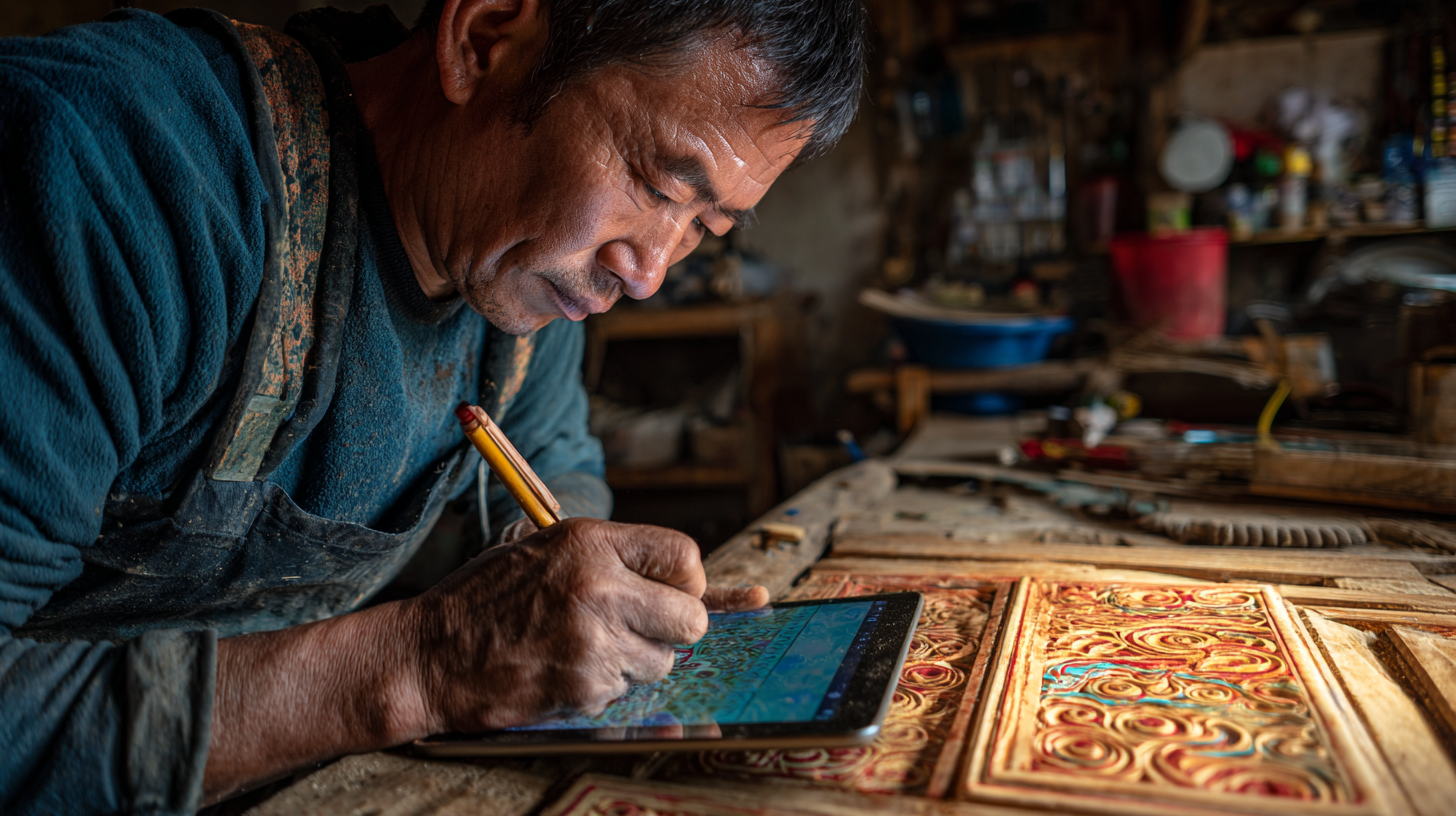
The integration of technology into rural craftsmanship has transformed how traditional skills are practiced and disseminated. Modern tools and platforms have not only streamlined various craft processes but have also expanded the reach of these skills beyond geographical boundaries. For instance, advanced machinery can significantly expedite tasks that once required extensive manual labor, reflecting the balance between preserving traditional craftsmanship and embracing innovation.
Technological advancements have facilitated the sharing of traditional knowledge through various mediums. Online platforms, social media, and video-sharing sites enable artisans to connect with a global audience, showcasing their skills and crafts. This connection often leads to collaborative projects and shared learning experiences, which can revitalize interest in traditional crafts among younger generations. As artisans share their techniques and stories online, they create communities that span across continents, enhancing cultural exchange and appreciation.
Furthermore, the application of technology in rural skills extends to educational initiatives. Workshops and courses that once relied solely on in-person engagement can now leverage virtual platforms, making learning more accessible. Aspiring craftsmen can take part in live-streamed demonstrations or pre-recorded tutorials, gaining insights from masters in their fields regardless of their location. This accessibility can cultivate a new generation of skilled artisans who might not have had the opportunity to learn these rural skills otherwise.
The following table illustrates a comparison between traditional craftsmanship practices and those enhanced by technology:
| Aspect | Traditional Craftsmanship | Technology-Enhanced Craftsmanship |
|---|---|---|
| Learning Method | In-person workshops; oral traditions | Online courses; video tutorials |
| Production Speed | Time-consuming, manual processes | Automation; faster techniques |
| Market Reach | Local markets; craft fairs | Global reach; e-commerce platforms |
| Community Engagement | Small local groups | Global online communities |
| Sustainability Practices | Local resources; hand-crafted items | Innovative sustainable technologies |
However, there is a need for caution. The reliance on technology can sometimes overshadow the intrinsic value of traditional craftsmanship. As rural skills gain popularity in the digital age, it is crucial to preserve the authenticity and cultural significance that accompany these practices. While modern tools can enhance efficiency and broaden reach, they should complement rather than replace the artisanship rooted in centuries of tradition.
Ultimately, technology serves as a bridge, linking the past with the future, allowing rural skills to thrive in the modern world while respecting the heritage from which they originate. The fusion of traditional knowledge with innovative tools can promote self-sufficiency and sustainability, enabling rural skills to carve out a place in both rural and urban environments alike.
Preserving traditional skills for future generations
Preserving traditional skills requires a concerted effort to pass down knowledge and techniques from one generation to the next. Start by gathering family members and friends who share an interest in homesteading or rural skills. Organize regular gatherings where everyone can share their skills, whether it’s knitting, woodworking, or preserving food. This communal approach not only strengthens bonds but also ensures that the skills learned are deeply integrated into family traditions.
Embrace the art of storytelling as a powerful tool for preserving these skills. Each craft holds a history, so encourage elders to share anecdotes and lessons learned from their experiences. Recording these stories in written form or on video will create a valuable resource for future generations. Consider creating a family scrapbook or a blog where these narratives can be archived and celebrated.
An avenue to enhance engagement is to incorporate hands-on workshops that allow younger generations to practice traditional skills in a fun environment. Here are some suggestions for workshops:
- Canning and food preservation: Teach how to can summer fruits and vegetables, emphasizing safety, techniques, and unique recipes. Remember to consider local food laws and regulations when hosting food workshops.
- Herb gardening: Set up a small herb garden, focusing on the best uses for each herb and how they contribute to self-sufficiency.
- Cooking with local ingredients: Organize cooking classes that utilize ingredients sourced from local farms or foraged foods, fostering a deeper appreciation of local resources.
Utilizing technology can also play a significant role in preserving traditional knowledge. Create a digital library of tutorials, recipes, and manuals that are easily accessible to future family members. This can involve recording live sessions or collaborating with local artisans to produce educational content that showcases traditional skills.
Additionally, consider engaging with local organizations or cooperatives that focus on rural skills. Many communities have classes or programs dedicated to traditional crafts such as pottery, weaving, or blacksmithing. Participating in these programs not only enhances one’s skills but also helps to create a local network of like-minded individuals committed to preserving their heritage.
As you engage in these practices, it’s crucial to remain mindful of the cultural significance embedded in these traditional skills. Respecting the origins and histories of practices ensures that the knowledge passed down is not just a skill set but a way to honor one’s heritage and community. Be conscious of sourcing materials ethically and locally, which reinforces sustainability and supports the local economy.
Remember, the preservation of rural skills is not merely about maintaining a way of life; it’s about nurturing a legacy that enriches our communities and fosters self-sufficiency. By actively participating in the sharing and teaching of these skills, you contribute to a living history that can inspire generations to come.
For additional resources, organizations such as Sustainable Agriculture Research and Education (SARE) provide various workshops, funding opportunities, and publications dedicated to promoting the teaching and preservation of traditional skills.
Rural skills and sustainable living practices
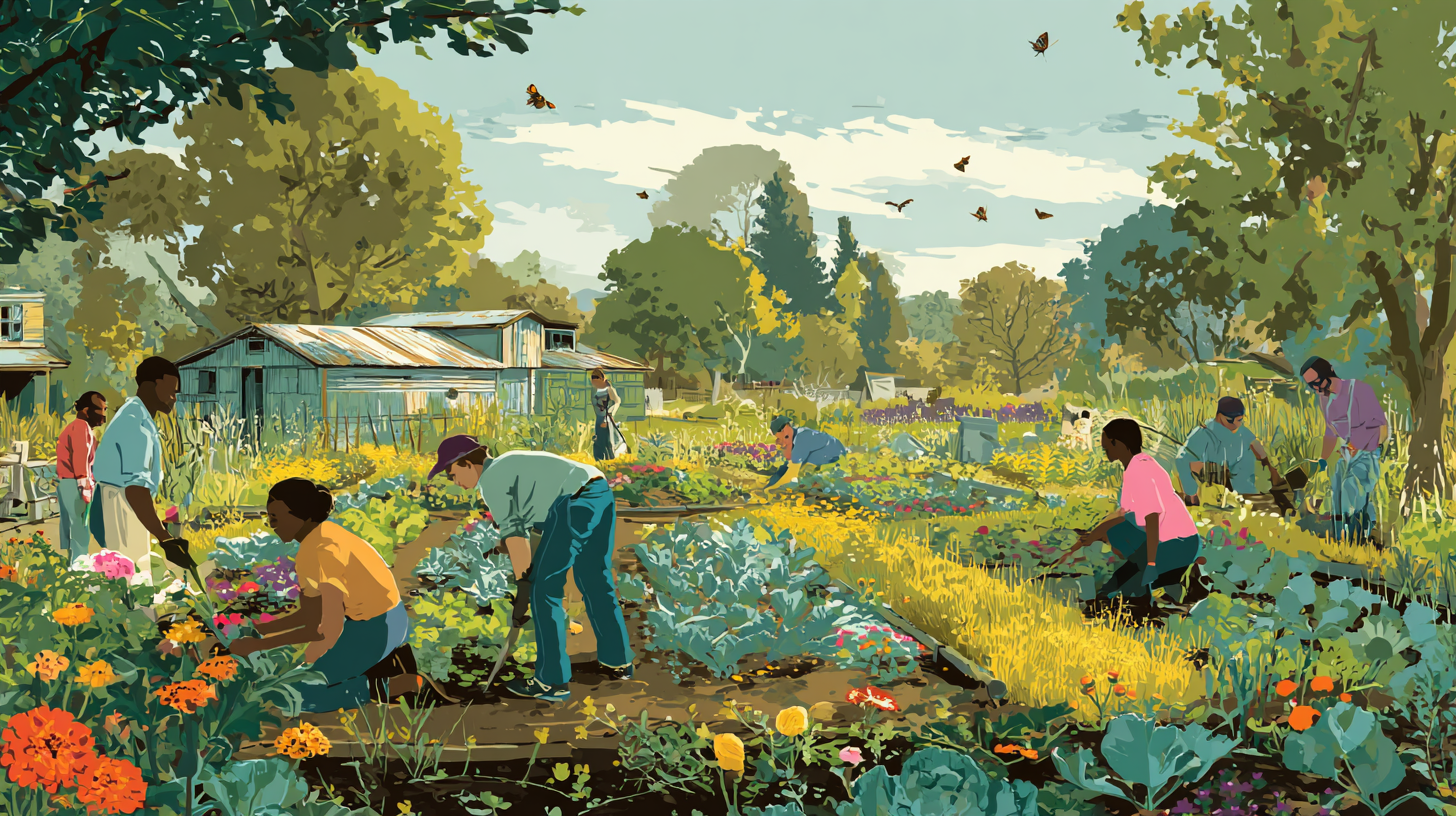
Embracing rural skills is pivotal in fostering sustainable living practices that align with our global need for environmental stewardship. The holistic integration of these skills into daily life promotes self-reliance while minimizing one’s ecological footprint. As individuals adopt these practices, they not only enhance their quality of life but also cultivate a culture of sustainability that can inspire communities both large and small.
One significant area where rural skills shine is in sustainable agriculture. Individuals can utilize traditional knowledge about crop rotation, composting, and organic pest control to create thriving gardens that are environmentally friendly. This self-sufficient approach to gardening not only ensures a steady supply of fresh produce but also enhances biodiversity and enriches the soil. By employing methods that have been passed down through generations, individuals can contribute to reducing the reliance on industrial farming and its associated impacts on the environment.
Additionally, embracing rural skills like foraging can deepen our connection to local ecosystems. Learning to identify edible plants, fungi, and wild herbs can transform how we source our food and appreciate the abundance provided by nature. This practice encourages respect for the environment and enhances ecological sustainability by promoting the use of native species that have adapted over time.
“Education is the key to unlock the golden door of freedom.” – George Washington Carver
Understanding the nuances of sustainable living practices also encompasses energy conservation. Skills such as building and maintaining solar panels or setting up rainwater harvesting systems exemplify how rural knowledge can be adapted to modern challenges. These practices can significantly reduce the energy and water footprint of households, thus contributing to broader goals of sustainability.
Furthermore, crafting handmade goods from locally sourced materials can foster a stronger sense of community resilience. Skills like woodworking, sewing, or pottery not only allow individuals to create functional items but also serve as a means to reduce consumerism. When people choose to create over consume, they not only reconnect with the processes behind their possessions but also cultivate a culture of valuing craftsmanship and sustainability.
Moreover, integrating these practices into daily life can be a communal effort. Establishing local cooperatives or community gardens can provide platforms for people to come together, share knowledge, and acquire new skills. Such collaborative initiatives not only strengthen community ties but also bolster local economies while enhancing the collective knowledge about sustainable living.
The scope of rural skills extends beyond the rural landscape into urban environments, where the principles of self-sufficiency can greatly influence sustainable practices. Urban dwellers can implement small-scale farming techniques, such as vertical gardens and rooftop installations, which allow for food production in limited spaces. This adaptability reflects how traditional knowledge can be utilized to create sustainable urban ecosystems.
The practical application of rural skills within the framework of sustainable living not only preserves valuable traditional knowledge but also empowers individuals and communities to lead more self-sufficient lives. The practices that stem from this deep-rooted knowledge serve as a foundation for a healthier planet and a more connected society, ensuring that important skills thrive for generations to come.
The benefits of rural skills in urban environments
Urban environments are increasingly recognizing the value of rural skills, as they foster a unique blend of self-sufficiency and community resilience. These skills can serve as vital tools for city-dwellers looking to reconnect with the land and reduce their dependency on mass-produced goods. By incorporating practices such as gardening, foraging, and home crafting into urban lifestyles, individuals can not only enhance their quality of life but also contribute to more sustainable communities. Neighborhoods can benefit from shared gardens, craft workshops, and food preservation events, thereby creating spaces for collaboration and learning.
Moreover, as the demand for organic and locally sourced produce continues to grow, the knowledge of traditional agriculture techniques becomes invaluable in urban settings. Implementing methods like composting, crop rotation, and natural pest control allows urban gardeners to cultivate healthy, vibrant gardens that enhance biodiversity while minimizing harmful chemical usage. This not only nourishes bodies but also fosters a connection among community members who partake in the labor of love that is gardening.
As technology becomes entwined with modern living, the teachings of rural skills can bridge the gap between the high-tech world and the pursuit of a simpler, more sustainable lifestyle. Workshops can now extend beyond geographical limitations through online platforms, enabling urban populations to gain access to knowledgeable artisans and farmers who can provide lessons on traditional crafts such as knitting, baking sourdough, or brewing herbal infusions. This accessibility encourages people to explore their creativity while honing skills that promote self-sufficiency.
As individuals embark on their journey to integrate rural skills into their urban lives, it’s essential to consider how these practices enhance not only personal well-being but also the overall health of the community. Each small act—be it growing a single plant, preparing food from scratch, or participating in a cooperative—ripples outward, fostering a culture where resourcefulness and creativity thrive. By nurturing these connections, urbanites can play a pivotal role in advocating for sustainability, ultimately leading to more resilient cityscapes that honor traditional knowledge and practices.
- What are rural skills?
- Rural skills refer to traditional practices and knowledge that are often associated with agricultural and homesteading lifestyles. These can include gardening, animal husbandry, food preservation, crafting, and other self-sufficient techniques that promote sustainability.
- How can urban dwellers implement rural skills?
- Urban dwellers can adopt rural skills by starting small gardens, participating in community gardening initiatives, taking workshops on crafting or homesteading skills, and utilizing online resources to learn about food preservation and sustainable practices.
- Why are traditional skills important in modern urban life?
- Traditional skills offer a sustainable alternative to modern consumer practices, fostering self-sufficiency, community resilience, and a stronger connection to the environment. They promote local economies and can reduce reliance on mass production.
- What are some examples of rural skills that can be practiced in the city?
- Examples include small-scale gardening, foraging for wild edibles, crafting handmade goods, canning and preserving fruits and vegetables, and using energy-efficient practices like composting and rainwater harvesting.
- How do rural skills contribute to sustainability?
- Rural skills contribute to sustainability by minimizing waste, promoting local resources, and enhancing self-sufficiency. This shift can reduce environmental impacts associated with large-scale production and foster more resilient communities.
- What resources are available for learning rural skills?
- There are numerous resources available, including online tutorials, workshops, local cooperative extension services, and community classes focusing on agricultural practices, crafting, and self-sufficiency techniques.
- How can I get involved in promoting rural skills in my community?
- You can get involved by organizing or attending community workshops, starting a community garden, sharing your skills with others, and supporting local artisans and farmers who practice traditional knowledge and crafts.
Educational programs promoting rural skillsets

Educational programs dedicated to promoting rural skills are invaluable in nurturing a new generation of self-sufficient individuals. Whether through hands-on workshops or online courses, these initiatives empower participants to develop essential techniques that can foster independence and enhance community resilience.
Many organizations focus on providing educational resources centered around traditional knowledge and sustainable practices. For those beginning their journey into rural skills, here are a few practical suggestions to consider:
- Start with Local Extension Services: Inquire about classes or workshops offered by local agricultural extension services. They often provide accessible resources for skill development in gardening, livestock care, and sustainable farming practices.
- Explore Community Colleges: Many community colleges offer courses that cover homesteading topics such as cooking, preservation, and crafting. These classes often feature local experts who can share hands-on wisdom.
- Participate in Online Learning Platforms: Websites such as Coursera or Skillshare host classes on various rural skills, from permaculture design to herbal medicine, allowing for flexible learning.
- Join Local Homesteading Groups: Engaging with homesteading communities—both online and offline—can provide invaluable knowledge sharing. Look for groups on social media or local meet-ups that focus on crafting, gardening, or food preservation.
Incorporating educational programs that highlight rural skills not only benefits individuals but also enriches the entire community. Utilizing community gardens or cooperative workshops can create vibrant spaces for learning and collaboration. For example, you could host a canning workshop in your home or local community center, teaching others the importance of food preservation and sharing delicious recipes.
In addition to formal education, informal knowledge-sharing is equally vital. Families can dedicate time to teach younger generations about self-sufficiency skills in a fun and engaging manner. Consider having “skill-sharing Sundays” where family members take turns teaching each other something new—be it sewing, baking bread, or building a raised garden bed. This not only hones practical skills but also strengthens family ties and fosters a legacy of traditional knowledge.
As part of cultivating an environment conducive to learning, you should remain open to feedback and new approaches. The generational transmission of rural skills is a dynamic process, and flexibility in teaching and learning styles can often lead to innovative practices that better cater to modern sensibilities. Keep in mind that there may be local regulatory requirements when it comes to food processing or crafts, so always research before embarking on new ventures.
Finally, consider documenting your learning journey. Keeping a journal or blog about your experiences allows you to reflect on your progress and helps others who may be on a similar path. Sharing success stories, challenges, and tips can inspire and motivate others to embrace rural skills as part of a sustainable lifestyle.
Educational programs that promote rural skills are essential in bridging the gap between traditional knowledge and modern living. These initiatives empower individuals to cultivate their self-sufficiency and strengthen community bonds, ensuring these invaluable skills thrive for future generations. By actively participating in both formal and informal education, you contribute to a culture that values and reveres the wisdom of the past while adapting it for the future.