
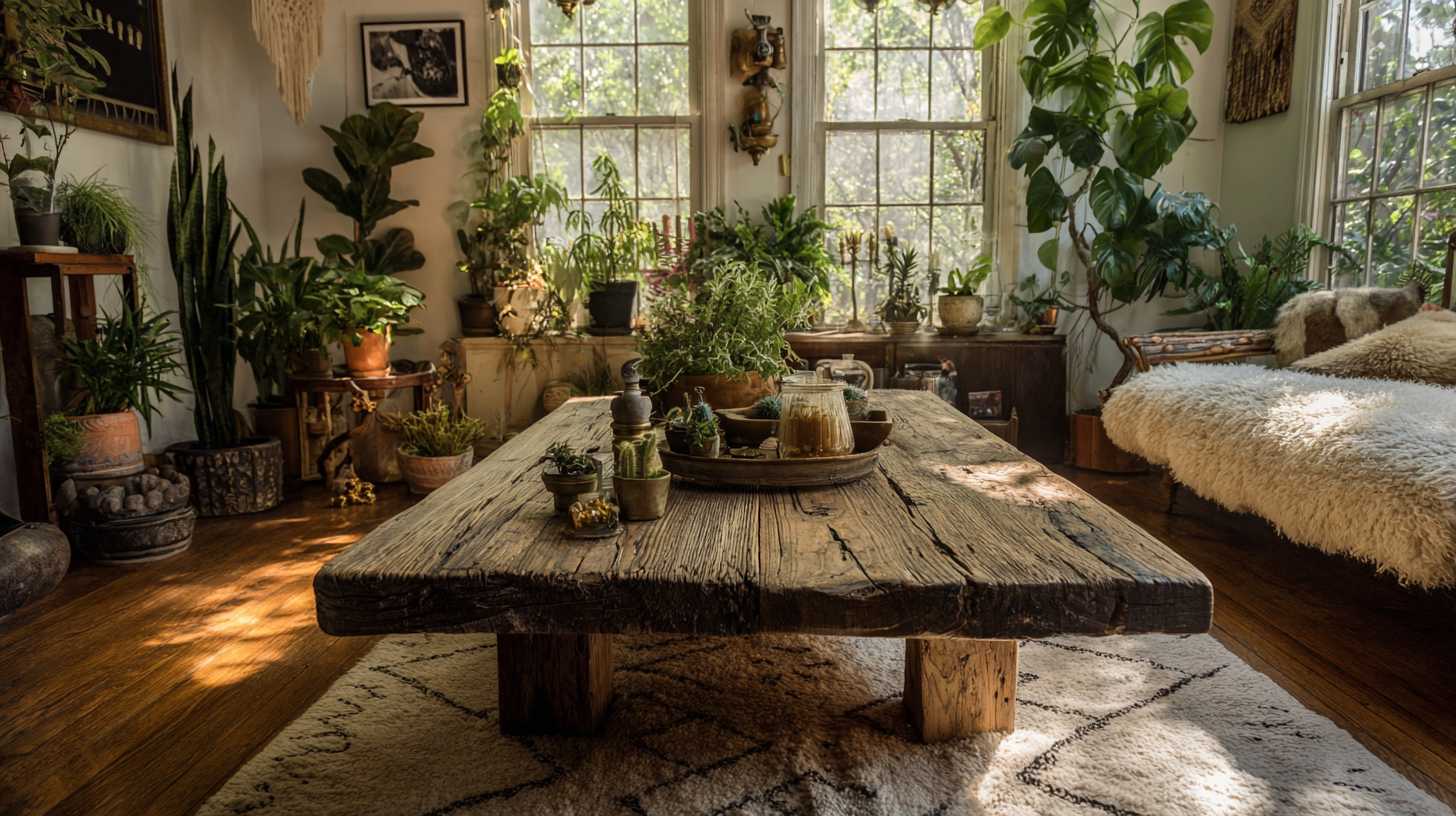
Transforming your living space into a sustainable home can start with simple DIY projects that not only beautify your environment but also promote self-sufficiency. One effective way to elevate your home is by creating a vertical garden. This innovative solution is perfect for urban dwellers with limited outdoor space, allowing you to grow your own herbs and vegetables right on your balcony or wall. Use reclaimed wood or pallets to build your planter; this not only saves on costs but also reduces waste.
Another enjoyable DIY project is crafting homemade compost bins. By composting your kitchen scraps and yard waste, you can create nutrient-rich soil to nourish your plants. To build a compost bin, consider using a wooden frame lined with chicken wire. This eco-friendly option not only recycles organic waste but also contributes to a healthier garden.
If you’re handy with tools, consider installing rain barrels to collect runoff from your roof. This water can be reused for watering plants or cleaning outdoor items, reducing consumption from municipal water supplies. You can make a simple rain barrel by attaching a spigot to a large food-grade plastic container and placing it under a downspout. Just ensure it has a mesh screen on top to keep out debris and pests.
Additionally, enhancing your outdoor space with native plants can significantly improve the ecosystem around your home. Native plants require less water and maintenance, making them an excellent choice for sustainable landscaping. Visit a local nursery to find plant species that are native to your area, which will thrive naturally in your garden.
Lastly, consider creating homemade cleaning products. Many conventional cleaners come in plastic bottles and contain harsh chemicals. By mixing ingredients like vinegar, baking soda, and essential oils, you can create effective cleaning solutions that are safe for your family and the environment. Not only does this method reduce plastic waste, but it also empowers you to know exactly what goes into the products you use.
Engaging in these DIY projects not only fosters a sustainable home but also encourages a sense of self-sufficiency in your daily life. It promotes a rewarding way to enhance your living space while being kind to the planet.
Choosing eco-friendly materials
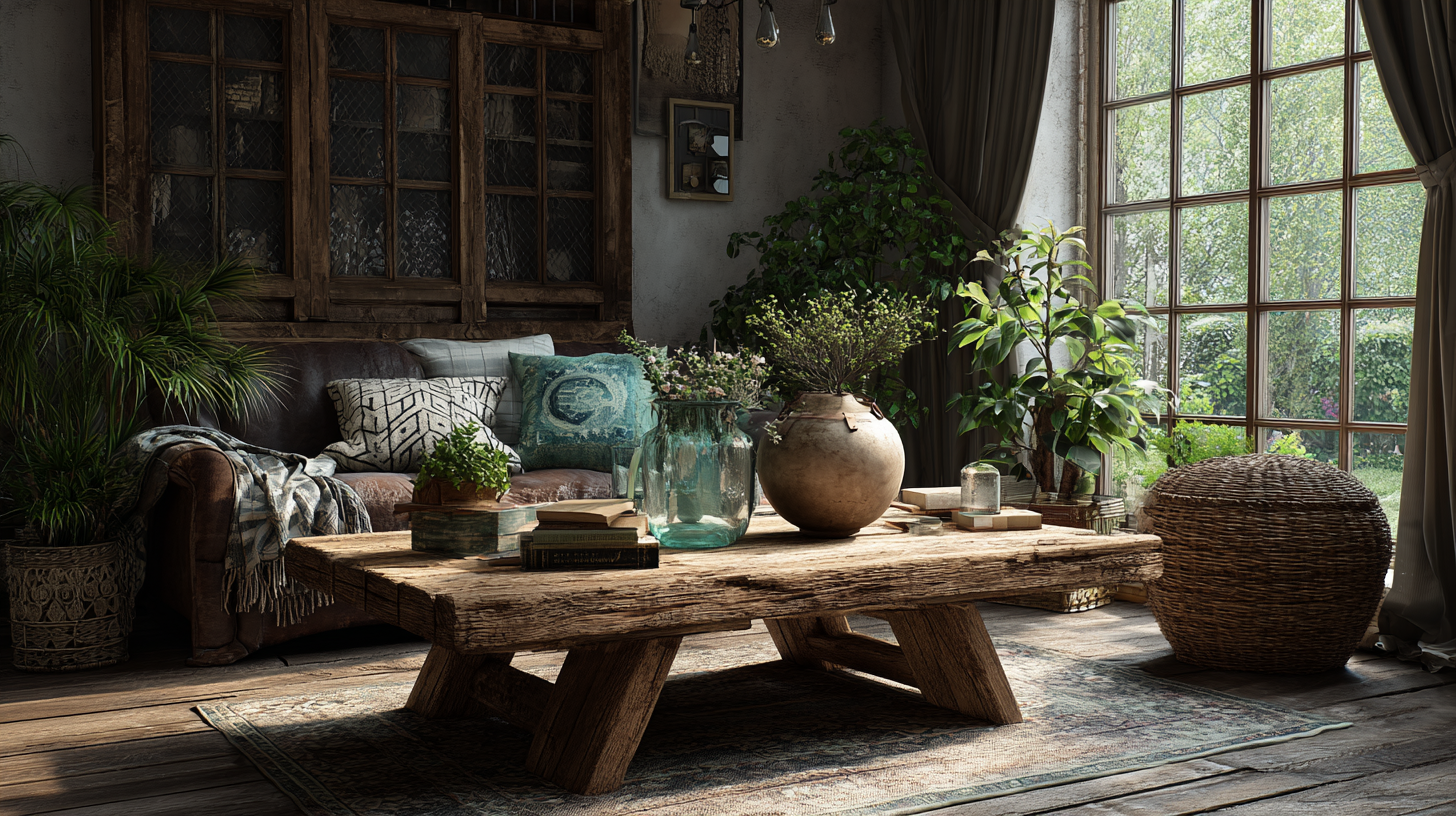 Choosing the right materials is crucial for maximizing sustainability in your home improvement endeavors. Eco-friendly materials are not only better for the environment, but they also contribute to a healthier indoor atmosphere, which is essential for the well-being of those living in a sustainable home. Materials such as reclaimed wood, bamboo, recycled metal, and natural stone are excellent options, each offering distinct advantages and characteristics.
Using reclaimed wood not only adds vintage charm to your DIY projects but also reduces the demand for new lumber, which contributes to deforestation. Whether used for shelving, furniture, or flooring, reclaimed wood brings unique textures and stories to your space. Similarly, bamboo, a rapidly renewable resource, is an incredibly durable alternative to traditional hardwood. Its versatility allows it to be used in flooring, cabinetry, and even textiles.
On the other hand, recycled metals can provide robust and stylish elements for various improvements, such as roofing, siding, and decorative accents. Choosing products made from post-consumer recycled materials minimizes landfill waste and conserves energy typically required for the production of new metals. Natural stone is another sustainable choice that adds timeless elegance to spaces, with minimal environmental impact during extraction and processing.
To further clarify the benefits of these materials, consider the following comparison table:
| Material | Source | Environmental Impact | Applications |
|---|---|---|---|
| Reclaimed Wood | Old buildings, furniture | Reduces deforestation, low energy consumption | Furniture, flooring, shelving |
| Bamboo | Fast-growing plants | Rapidly renewable, biodegradable | Flooring, cabinetry, textiles |
| Recycled Metals | Post-consumer waste | Minimizes landfill waste, conserves energy | Roofing, siding, decorative elements |
| Natural Stone | Quarries | Low impact, durable | Countertops, tiles, outdoor features |
When selecting eco-friendly materials, it is also beneficial to assess their lifecycle from production to disposal. Look for certifications such as FSC (Forest Stewardship Council) for wood products, which ensures that the materials were sourced responsibly. The use of low-VOC (volatile organic compounds) paints and finishes can further improve indoor air quality, making your home genuinely sustainable.
In addition to choosing sustainable materials, consider how your selections can foster a sense of self-sufficiency. By opting for materials that require less maintenance and are more resilient to wear and tear, you may alleviate the need for frequent replacements and repairs. This proactive approach not only saves money in the long run but also empowers you to create a home that aligns with the principles of sustainability and environmental stewardship.
Energy-efficient upgrades
Upgrading your home with energy-efficient solutions not only reduces your carbon footprint, but it can also lower your utility bills and enhance your comfort indoors. One of the most impactful changes you can make is to upgrade your lighting. By replacing incandescent bulbs with LED lights, you can save up to 80% more energy, as LEDs consume significantly less power and last much longer. For an added DIY twist, consider making your own solar-powered garden lights: simply embed solar light stakes throughout your garden to illuminate pathways while harnessing renewable energy.
Another critical upgrade involves your windows. If your windows are outdated, consider adding storm windows or sealing leaks with weather stripping to minimize air loss. For a more involved project, you might opt to retrofit your windows with double-glazing, which provides better insulation. Even if window replacement isn’t feasible, window film can be applied to existing glass to reflect heat and reduce cooling costs during the summer months.
Heating and cooling systems are major contributors to energy consumption, so switching to a programmable thermostat is an excellent energy-efficient upgrade. These devices allow you to schedule temperature changes according to your daily routine, ensuring you only use energy when needed. You can even complement this with DIY insulating techniques, like adding thermal curtains to prevent heat loss in winter and heat gain in summer, thus enhancing comfort throughout your home.
Water heating is another area ripe for energy-saving improvements. If you’re feeling ambitious, consider installing a solar water heater. Alternatively, you might insulate your existing water tank and pipes with thermal wraps to prevent heat loss, allowing your system to perform more efficiently.
For those who enjoy hands-on projects, harnessing renewable energy with solar panels can be both fulfilling and rewarding. Various kits are now available for DIY installation, enabling you to generate your own electricity. The setup can be as simple as owning a few solar panels along with the necessary hardware to connect to your home’s electrical system. Not only does this reduce dependence on non-renewable energy sources, but it also bolsters your self-sufficiency in the long run.
When considering energy-efficient upgrades, it’s essential to keep track of your progress and savings. Document each project, including costs and energy savings, to see the cumulative impact of your efforts as you work towards creating a more sustainable home. Start small if needed, and remember that every little upgrade contributes to a larger commitment to sustainability!
Water-saving installations

Water is a precious resource, and making installations that save water can have a significant impact on your utility bills while also contributing to a sustainable home. One of the simplest ways to start is by installing low-flow fixtures in your bathrooms and kitchens. Low-flow showerheads can drastically reduce water flow without sacrificing performance, often using less than two gallons per minute compared to traditional models that may use as much as five. Likewise, sink aerators can help cut down on water usage while maintaining sufficient pressure, making them an easy yet effective addition to your DIY projects.
To take your water-saving efforts a step further, consider incorporating gray water systems into your home. Gray water refers to the gently used water from baths, sinks, and washing machines. By installing a filtration system to reroute this water to your garden, you can significantly decrease the volume of fresh water needed for irrigation. Be sure to research the local regulations regarding gray water systems, as they can vary by region.
Rain gardens are another eco-friendly installation that can enhance water management in your yard. These specially designed gardens are composed of native plants that thrive in the local climate while absorbing rainwater runoff. They not only help reduce flooding and erosion but also filter pollutants from water before it reaches storm drains. To create a rain garden, identify a low-lying area in your yard where water tends to pool, and plant a variety of deep-rooted native species that can soak up excess water.
Instead of using conventional irrigation systems, which can waste water through evaporation, consider installing a drip irrigation system. This method delivers water directly to the root zone of plants, minimizing waste and ensuring effective hydration. You can create your own DIY drip system with household materials like recycled bottles or drip tape, allowing you to tailor the system to your garden’s specific needs. This not only promotes self-sufficiency by maximizing water efficiency but also encourages healthier plant growth.
“Water is life, and clean water means health.” – Audrey Hepburn
Investing in rainwater collection systems can also play a crucial role in water conservation. By installing barrels or cisterns to capture rainwater off your roof, you create a reservoir of natural water for your gardening and other outdoor uses. Many communities offer DIY kits for those looking to get started, making it accessible for anyone to efficiently utilize this resource. Remember to keep your rain barrels covered to prevent mosquito breeding and include a spigot for easy access to the water.
Lastly, consider landscaping techniques that promote permeability on your property. Instead of traditional concrete, which leads to runoff, opt for permeable paving options. These allow rainwater to seep through the surface and replenish groundwater. Furthermore, utilizing mulch in garden beds can help retain moisture, reducing the need for frequent watering. By integrating these water-saving installations into your sustainable home, you not only contribute to environmental protection but also establish a lifestyle of self-sufficiency and responsibility.
Indoor air quality enhancement
Indoor air quality is often overlooked in sustainable home improvements, yet it plays a vital role in the overall health and well-being of the occupants. Poor air quality can lead to a range of health issues, from respiratory problems to fatigue, making it essential to address this aspect in your journey toward sustainability. One of the most effective methods to enhance indoor air quality is through the incorporation of houseplants. Many plants, such as spider plants, peace lilies, and snake plants, are known to filter out toxins and enrich the air with oxygen. Creating a small indoor garden is both an aesthetically pleasing and a health-promoting DIY project; you can repurpose old containers or upcycled materials to house these green allies, making the most of what you already have.
Another important consideration is ventilation. Natural ventilation can significantly improve air quality by allowing fresh air to circulate and preventing the buildup of indoor pollutants. You might consider installing operable windows or vents during your next renovation to facilitate airflow. If you live in an area with poor outdoor air quality, you can invest in a high-efficiency particulate air (HEPA) filter for your HVAC system or use portable air purifiers in high-traffic areas to trap airborne particles, mold spores, and allergens.
DIY air purification methods can also be quite effective. Simple solutions like placing bowls of vinegar or baking soda around your home not only absorb odors but can also help neutralize harmful substances in the air. Additionally, essential oil diffusers using natural oils can contribute to a fresher atmosphere, while offering aromatherapeutic benefits.
When choosing paint and finishes for your home, aim for low-VOC or zero-VOC options, as these compounds can off-gas for long periods, negatively impacting air quality. Similarly, seek out natural cleaning products made from simple ingredients like vinegar and baking soda to reduce the introduction of harmful chemicals into your environment.
Regular maintenance is key; ensure that your home is free from dust and mold by adopting a cleaning routine that includes frequent vacuuming with a HEPA filter and maintaining low indoor humidity levels. By comprehensively focusing on indoor air quality, you not only enhance your living space but also promote a sustainable home that prioritizes health and self-sufficiency for you and your family.
- What are some common sources of indoor air pollution?
- Common sources of indoor air pollution include tobacco smoke, chemical fumes from household cleaners, mold, dust, pet dander, and even certain building materials that emit volatile organic compounds (VOCs). Regular cleaning and proper ventilation can help mitigate these issues.
- How can I test the air quality in my home?
- You can test your indoor air quality using DIY air quality test kits available on the market. These kits typically measure various pollutants, including VOCs, allergens, and particulate matter, providing insight into your home’s air quality.
- What plants are best for improving indoor air quality?
- Some of the top plants for improving indoor air quality include spider plants, peace lilies, snake plants, and pothos. These plants are effective at filtering out common indoor pollutants and are relatively easy to care for.
- Can air purifiers effectively improve indoor air quality?
- Yes, air purifiers can greatly enhance indoor air quality, especially those equipped with HEPA filters, which capture 99.97% of particles as small as 0.3 microns. They are particularly effective in spaces with pets or allergies.
- How often should I change air filters in my HVAC system?
- It’s recommended to change your HVAC filters every 1 to 3 months, depending on your usage and the type of filter. Regular changes help maintain optimal airflow and improve indoor air quality.
- How do low-VOC paints affect indoor air quality?
- Low-VOC paints emit significantly fewer volatile organic compounds compared to traditional paint, leading to improved indoor air quality. Using these paints helps reduce harmful emissions during and after application.
- What are some simple DIY methods to reduce indoor air pollution?
- Some effective DIY methods include creating natural air fresheners (like using essential oils), incorporating houseplants that filter air, and maintaining cleanliness to reduce dust buildup. Additionally, using natural cleaning products can prevent adding chemicals to the air.
Community involvement in sustainable practices

Community involvement plays an essential role in promoting sustainable practices that not only enhance your own home but also contribute positively to the environment and society as a whole. Engaging with your neighbors and local organizations can amplify your efforts, creating a ripple effect of sustainability in your community.
One practical way to get involved is by participating in or organizing community clean-up events. These gatherings not only beautify public spaces but also foster a sense of solidarity. By coming together with other community members, you can share valuable tips on sustainable practices, from composting to energy-efficient upgrades for the home. Additionally, you could establish a local tool-sharing program, which would allow neighbors to borrow tools and equipment for their DIY projects. This not only decreases the need for individuals to purchase rarely-used tools, but it also promotes a culture of sharing and reduces waste.
Another avenue for community involvement is to join or form a community garden. These shared spaces enable members to grow fresh produce while learning essential gardening skills, fostering a sense of self-sufficiency. Community gardens can also serve as a platform for workshops, where participants can teach each other about organic gardening, pest management, or creating DIY rainwater collection systems. If land is limited, consider vertical gardening techniques or container gardening to maximize output in smaller spaces.
- Local Farmers’ Markets: Visit your local farmers’ markets not just to purchase fresh produce but also to connect with local farmers and vendors who prioritize sustainable practices. This supports the local economy and reinforces the importance of community-sourced food.
- Workshops and Classes: Many communities offer workshops that focus on sustainable living skills, such as canning, foraging, or building solar systems. Participating in these can deepen your knowledge while building connections with like-minded individuals.
- Advocacy: Get involved with local environmental advocacy groups. This can help raise awareness about sustainable practices and influence local policies to support greener initiatives.
In addition, consider collaboration with local schools to incorporate sustainability into educational programs. This can involve providing resources for science projects, leading workshops on composting or gardening, or creating a “green team” for environmental initiatives. Engaging children in these learning experiences introduces the next generation to the importance of sustainable practices and can instill lifelong habits.
Sharing your own DIY projects and tips on social media fosters an online community dedicated to self-sufficiency and sustainability. Developing a blog or social media presence where you document your sustainable home improvements can inspire others to take similar actions. Highlighting your successes, challenges, and the joy that comes from living sustainably can motivate others to adopt eco-friendly practices.
Community involvement enhances the idea that sustainability is not just an individual effort but a collective goal. Through collaboration, knowledge sharing, and joint initiatives, you can build a stronger, more resilient community that values and actively practices sustainable living. Remember, even small contributions can lead to significant changes, igniting a passion for a greener future among neighbors and friends alike.