When embarking on your urban gardening journey, selecting the right plant containers is crucial for ensuring the success of your nursery setup. There are several factors that can significantly influence plant health and growth, which every gardener should take into account.
- Plant Type: Different plants have varying needs. For instance, succulents prefer shallow containers that allow for quick drainage, while larger plants may require deeper pots to accommodate root growth.
- Climate: Consider your climate zone when choosing containers. In hot climates, clay pots can retain heat and moisture, which might be beneficial for some plants. Conversely, in cooler regions, insulated containers can prevent roots from freezing.
- Space: Assess your available space before selecting your containers. If you’re limited on space, vertical planters or stacking containers can save room while providing enough soil for plants.
- Garden Aesthetics: The look of your containers can enhance your overall garden design. Choose colors and styles that complement your home and outdoor space. For example, terracotta pots bring a rustic charm, while sleek metal containers can provide a modern touch.
- Budget: Plant containers come in a wide range of prices. Set a budget and explore options within it. Remember that some DIY projects can result in unique and cost-effective containers, such as repurposed wooden crates or old wheelbarrows.
- Weight: Consider the weight of the containers, especially if you need to move them around. Lightweight materials like plastic can be easier to manage than heavy ceramic or stone options.
By thoughtfully considering these factors, you’ll be better equipped to make informed decisions on your gardening containers, enhancing both the functionality and beauty of your nursery setup. Don’t forget to examine container-specific requirements for your plants, ensuring a thriving garden for you to enjoy.
Types of containers for different plants
Choosing the right type of containers for your plants can significantly impact their growth and overall health. Each plant species has distinct requirements based on its root structure, moisture needs, and growth habits, which influences the type of container that will serve it best.
For example, herbaceous plants like basil or oregano thrive in shallow containers that allow their roots to spread without restriction. Opting for a container that is at least 6-8 inches deep can prevent over-watering, as herbs generally prefer drier conditions than other plants.
Perennials often require larger containers that can accommodate their extensive root systems. A pot with a diameter of at least 12-16 inches provides the necessary room for growth and stability. Additionally, these containers should have excellent drainage capabilities to prevent root rot, which is a common issue for plants in nutrient-rich soil.
Shrubs and small trees, such as dwarf varieties of citrus or blueberries, need deeper pots—typically 18-24 inches deep. This depth supports their robust root systems and ensures these plants can access adequate nutrients and water. Moreover, utilizing larger containers can help stabilize the plants, particularly those exposed to wind.
Hanging plants and trailing vines, such as ivy or petunias, benefit from unique container styles like hanging baskets or wall-mounted planters. These types of containers allow for proper draping and growth patterns while adding visual interest to your garden aesthetics.
The following table outlines common plant types and their recommended container specifications:
| Plant Type | Recommended Container Depth | Container Diameter | Drainage Needs |
|---|---|---|---|
| Herbaceous Plants | 6-8 inches | 6-10 inches | High |
| Perennials | 12-16 inches | 10-14 inches | Medium to High |
| Shrubs and Small Trees | 18-24 inches | 12-18 inches | High |
| Hanging Plants | 6-10 inches | 8-12 inches | Medium |
It is essential to recognize the specific needs of each type of plant when embarking on a nursery setup, as improper container selection can lead to poor growth and health issues. For instance, a plant needing ample drainage will struggle in a container without sufficient holes or one that retains moisture excessively. By matching the right types of plants to their ideal containers, you can create a thriving nursery that showcases your plants effectively while ensuring their well-being. This careful consideration also contributes to the overall design and functionality of your outdoor space.
Material options for plant containers
When it comes to choosing the right materials for your plant containers, the options are diverse and each material comes with its own set of advantages and considerations. Understanding the various material types can help you make informed decisions that align with your gardening goals, while also enhancing your nursery setup and garden aesthetics.
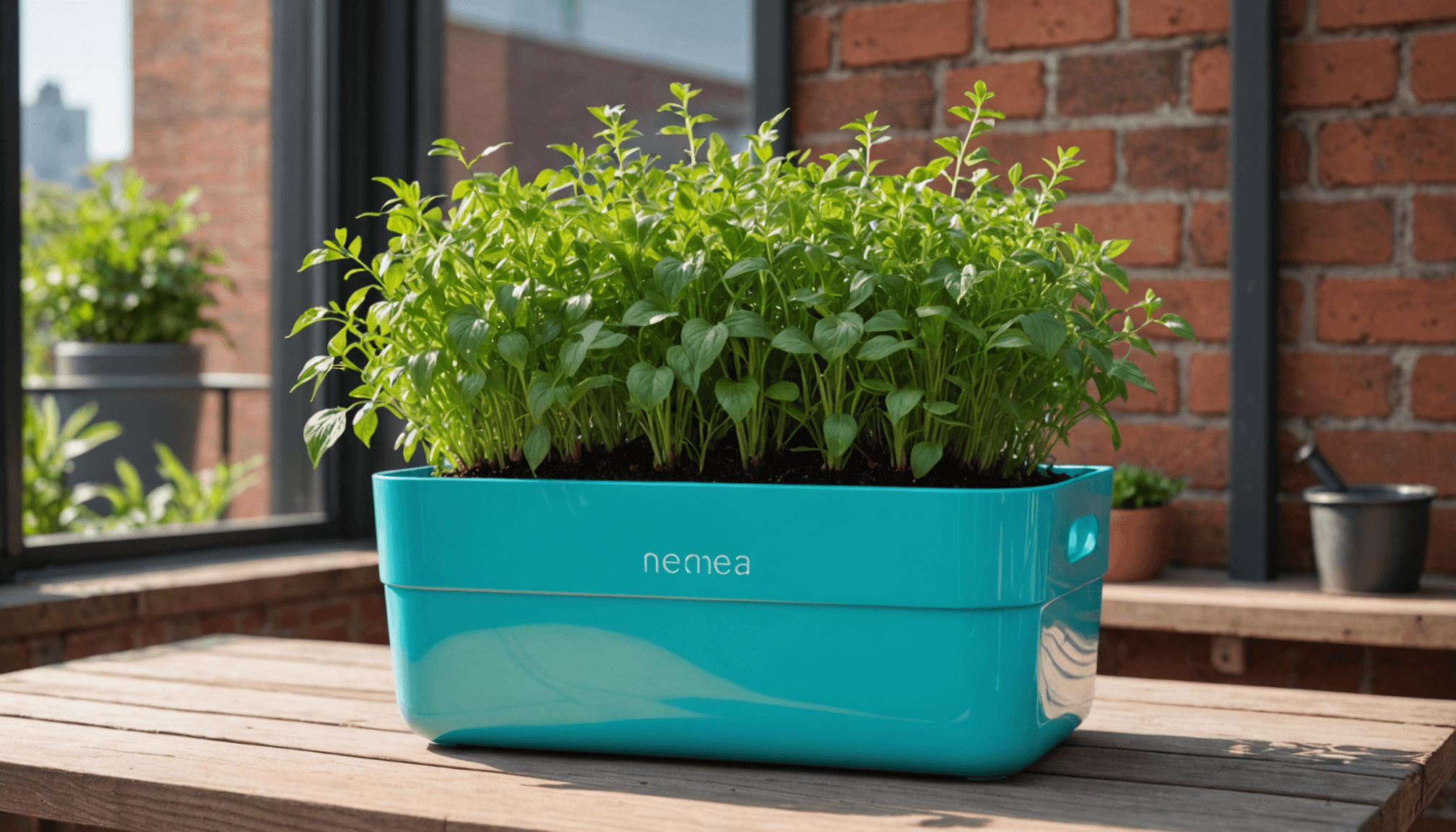
Plastic containers are a popular choice among urban dwellers, thanks to their lightweight nature and affordability. They come in various colors and styles, making them highly versatile for enhancing your garden aesthetics. However, be cautious; plastic can heat up in direct sunlight, which may lead to root stress. To mitigate this, consider using insulated plastic pots or painting them with a light color to reflect, rather than absorb, heat.
Terracotta, characterized by its natural earthy tones, is beloved by many garden enthusiasts for its classic look. These containers are porous, allowing for good air circulation and moisture regulation, which is great for plants prone to root rot. Nevertheless, terracotta can dry out quickly, meaning that careful watering is crucial, especially in hot weather. To extend the moisture retention, some gardeners line their terracotta pots with a plastic barrier or use a saucer underneath.
Ceramic pots are another stylish option that often features beautiful glazes and artistic designs. They can add a touch of elegance to your nursery setup. However, keep in mind that like terracotta, ceramic can be heavy, making it challenging to rearrange your plants. Also, ensure there are drainage holes, as excess water can cause plants to struggle.
Wooden containers provide a rustic charm and can be a sustainable choice, especially if you use untreated, naturally rot-resistant woods like cedar or redwood. They can typically accommodate larger plants comfortably but beware of wood that’s chemically treated, as it may leach harmful substances into the soil. Consider building your own wooden planters using recycled wood for an eco-friendly and customizable solution.
Metal containers, like galvanized steel, can offer a modern aesthetic and excellent durability. While they can heat up quickly, which might stress some plants, they are perfect for hardy varieties that can thrive under such conditions. Just be certain to line metal pots to prevent soil from coming into direct contact with the metal, which can lead to rusting and corrosion.
Lastly, don’t overlook the option of biodegradable pots made from materials such as coconut coir or recycled paper. These eco-friendly choices break down naturally in soil and are perfect for starting seedlings. However, they may not be the best long-term solution for established plants due to their low durability.
Choosing the right material for your plant containers is an essential step in ensuring your plants thrive. Whether you opt for the lightweight convenience of plastic, the aesthetic appeal of ceramic, or the natural charm of wood, consider the specific needs of your plants, your available space, and how the selected materials will enhance your overall garden aesthetics.
Size and drainage: key considerations
Choosing the appropriate size for your plant containers is a critical aspect of fostering healthy plant growth, as root systems require space to expand and thrive. Each type of plant has different root depth and spread requirements, which can significantly affect container size selection. A container that is too small can restrict root growth, leading to poor plant health and stunted growth. Thus, measuring your plant’s root system, including its potential growth, can help determine the appropriate container size.
Drainage is another vital consideration when selecting plant containers. Adequate drainage helps prevent water accumulation at the bottom of the pot, which can lead to root rot and other moisture-related issues. It’s essential that all containers have drainage holes, regardless of size. For larger containers, a few smaller holes might be sufficient, but for smaller pots, ensure that the holes are adequately sized to allow for excess water to escape without saturating the soil.
The relationship between size and drainage is critical for maintaining proper soil moisture levels. For instance, a larger container can hold more soil and thus retains moisture longer, which may be beneficial for plants that prefer consistent moisture. However, for plants sensitive to over-watering, such as succulents, a smaller container is advantageous as it dries out more quickly.
“
The right container is crucial as it influences the moisture balance necessary for a healthy plant life.
”
Additionally, the chosen container size can impact nutrient availability. Larger pots might enable a more substantial nutrient reservoir, allowing for longer periods between fertilization. Meanwhile, smaller containers may require more frequent amendments to ensure that plants receive sufficient nutrients as they consume what’s available more rapidly due to confined soil volumes.
In conclusion, paying careful attention to both the size of your chosen plant containers and ensuring adequate drainage will create a more conducive environment for healthy root development and overall plant growth. This careful planning enhances your nursery setup while safeguarding your plants’ health, ensuring they flourish in their designated spaces.
Eco-friendly container choices
 When considering eco-friendly container choices for your nursery, you can find a plethora of sustainable options that also enhance garden aesthetics while being conscious of environmental impact. One increasingly popular choice is biodegradable pots made from materials like coconut coir, recycled paper, or plant fibers. These containers break down naturally over time, enriching the soil as they decompose, and are especially suitable for starting seedlings. Using biodegradable pots not only supports your plants’ growth during their initial stages but also aligns your gardening practices with greener principles.
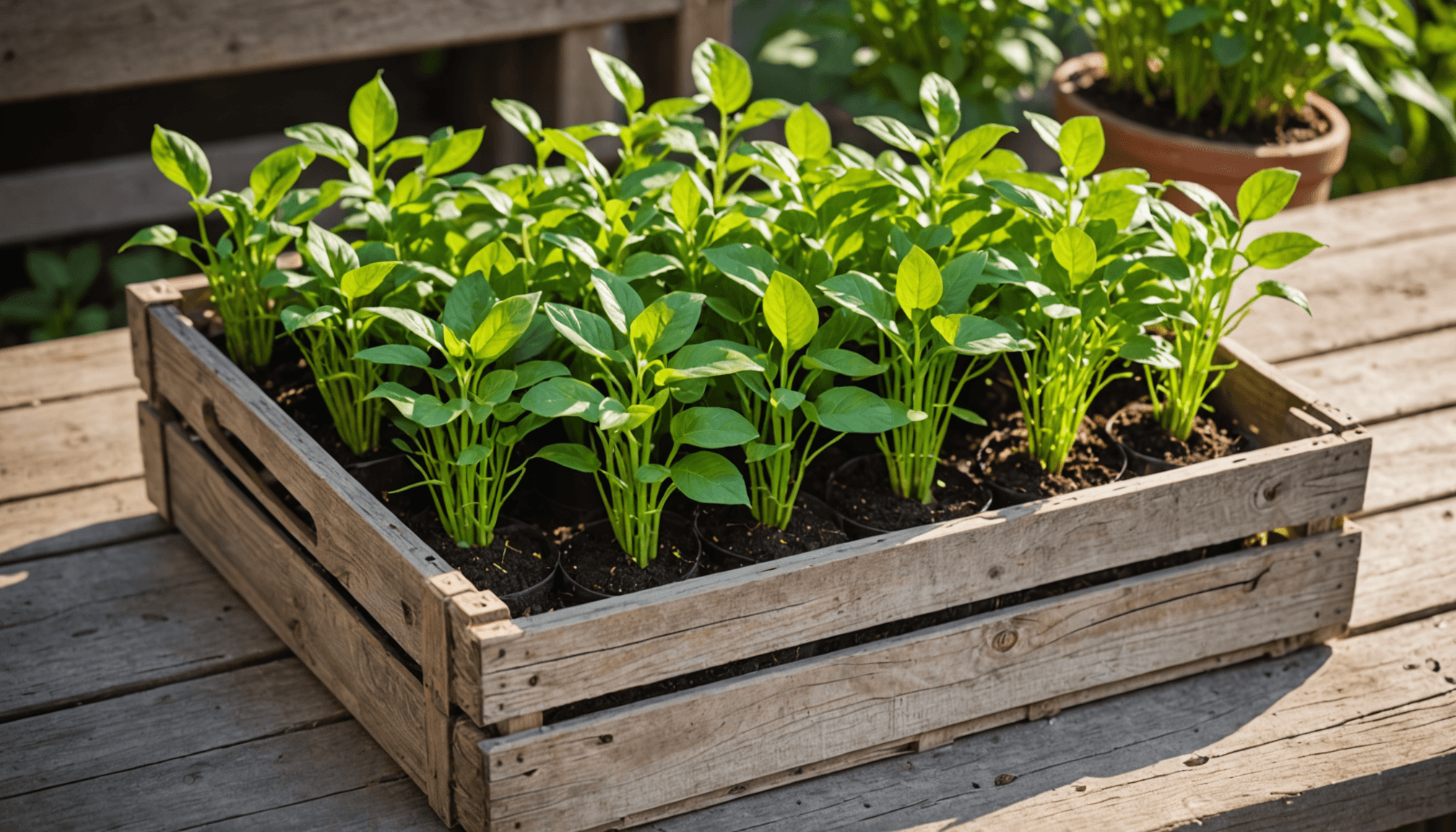
Another great option is using repurposed materials. Items like old wooden crates, baskets, or even tin cans can be transformed into charming plant containers. Not only do these materials add a rustic and unique charm to your garden, but they also help reduce waste by giving new life to items that might otherwise end up in a landfill. Make sure to drill drainage holes to ensure your plants thrive in these creative containers.
Terracotta and ceramic pots, made from natural clay, can also be a sustainable choice if they are sourced responsibly. These materials are typically more environmentally friendly compared to plastic and can add beauty to your nursery setup with their classic appeal. While terracotta pots do require careful watering due to their porous nature, they allow for excellent air circulation around the roots, contributing positively to plant health.
Additionally, consider exploring options for sustainably sourced wood, such as reclaimed or untreated wood for constructing larger containers. By choosing wood that is naturally rot-resistant, you can create long-lasting planters that blend elegantly into your garden without the harmful environmental effects associated with chemically treated woods.
Embracing eco-friendly container choices for your plants doesn’t just benefit the environment; it encourages creativity and alternative thinking about how you can beautify your space while improving plant health and sustainability. Are you ready to explore these options further and see how they can elevate your urban gardening experience?
- What are biodegradable plant containers?
- Biodegradable plant containers are made from natural materials such as coconut coir, recycled paper, or plant fibers. They break down over time, enriching the soil and making them an eco-friendly choice for seed starting.
- Can I use repurposed materials for plant containers?
- Yes, repurposing materials like old wooden crates, baskets, or tin cans can create unique and charming containers for your plants. Just ensure they have drainage holes and suit your plants’ size and moisture needs.
- Are terracotta pots better for plants?
- Terracotta pots are beneficial because they are porous, allowing air and moisture to circulate effectively around the roots. However, they can dry out quickly, so consistent monitoring of soil moisture is essential.
- How can I make sure my wooden containers are eco-friendly?
- To ensure your wooden containers are eco-friendly, choose untreated, naturally rot-resistant wood, such as cedar or redwood. Avoid chemically treated wood, as it can leach harmful substances into the soil.
- What are the advantages of using ceramic pots?
- Ceramic pots add elegance to your nursery setup with their glaze and artistic designs. They are also great for indoor use, but ensure they have drainage holes to prevent excess moisture buildup.
- Is plastic a good option for plant containers?
- Plastic containers are lightweight and affordable but can heat up quickly, stressing the plant roots. If choosing plastic, consider insulated options or painting them in lighter colors to reflect heat.
- Where can I buy eco-friendly plant containers?
- Eco-friendly plant containers can be found at local garden centers, farmer’s markets, or online retailers that specialize in sustainable gardening supplies. You can also make your own from repurposed materials, contributing to a more sustainable gardening practice.
Tips for maintaining container health
Maintaining container health is essential for the success of your nursery setup, directly affecting the vitality and productivity of your plants. To promote healthy growth, there are several practical tips that urban dwellers and garden enthusiasts alike can follow to ensure their plant containers remain conducive to thriving plants.
- Regular Monitoring: Keep a close eye on your plant containers. Check moisture levels frequently, as soil can dry out faster in containers than in ground planting. Stick your finger about an inch into the soil—if it feels dry, it’s time to water.
- Proper Watering Technique: Water your plants thoroughly but infrequently. Over-watering can lead to root rot, especially in containers without adequate drainage. Make sure water exits through the drainage holes, as this helps prevent water accumulation at the bottom.
- Soil Health: Use high-quality potting soil formulated for container plants, which generally provides the necessary drainage and aeration that your plants need. Replenish nutrient levels by adding organic fertilizers every few weeks during the growing season to keep the soil rich.
- Seasonal Maintenance: As seasons change, so too will your plants’ needs. In colder months, consider insulating your containers with bubble wrap or burlap to protect roots from freezing temperatures. Conversely, during the hot months, you may need to increase watering frequency due to quicker evaporation.
- Cleaning Containers: At the end of each growing season, clean and sanitize your plant containers to prevent disease and pests. Use a mixture of water and bleach (1:10 ratio) to soak your pots, then thoroughly rinse and dry them before replanting.
- Pest Management: Inspect your plants regularly for signs of pests or diseases. If you spot any, act quickly to treat them with organic pest control methods, such as neem oil or insecticidal soap, which are gentler on the environment and your plants.
- Turn Containers: For containers placed outdoors, rotate them occasionally to ensure even sunlight exposure across all sides. This practice helps plants grow more symmetrically and keeps them from leaning toward the light source.
- Know When to Repot: If your plants begin to outgrow their containers, it’s time to repot. Signs include roots growing out of the drainage holes or stunted growth. Choose a larger container that allows for ample root expansion and improved soil conditions.
By incorporating these simple yet effective maintenance strategies, you’ll not only prolong the life and health of your plant containers but also ensure your nursery setup thrives. Whether you’re nurturing a collection of herbs on a balcony or showcasing vibrant flowers on your patio, healthy plant containers are key to enjoying a fulfilling container gardening experience.