
Small homesteading is a burgeoning trend that empowers urban dwellers and families to embrace self-sufficiency and sustainability, even within limited spaces. This concept thrives on maximizing available resources, whether it’s a tiny apartment balcony or a small backyard. Understanding the essence of small homesteading can transform the way you interact with your environment, nurturing a desire to create and grow.
At its core, small homesteading is about integrating sustainable practices into your daily life while making the most of what you have. Many millennials and garden enthusiasts have begun to realize that eco-friendly living does not require acres of land but instead thrives on creativity and resourcefulness.
To get started, consider focusing on a few key principles:
- Prioritize Your Space: Assess your living area to identify potential gardening spots or places to install vertical planters. Even if you have just a balcony, you can grow a variety of herbs and vegetables.
- Learn About Container Gardening: Utilize pots and containers to cultivate plants. This method not only saves ground space but also enables you to control soil quality and drainage easily.
- Embrace Edible Landscaping: Incorporate fruits, vegetables, and herbs into your ornamental gardens. This functional approach not only beautifies your home but also provides fresh produce.
- Community Connections: Network with fellow homesteaders or local garden clubs. Sharing resources, seeds, and knowledge can significantly enhance your homesteading journey. Consider leveraging online platforms and social media for connecting with these communities.
Embracing small homesteading doesn’t just enhance your lifestyle; it also reduces your carbon footprint. According to the EPA, individuals can make impactful changes at home that contribute to environmental conservation. Start small and grow your knowledge base progressively.
Additionally, engage in local workshops or online courses focused on homesteading skills. Whether it’s learning composting techniques or understanding basic plant care, these skills are essential tools in the arsenal of a modern homesteader.
By fully understanding the principles of small homesteading, you can create a sustainable lifestyle that’s not only enjoyable but also accessible, no matter the size of your living space.
Budget-friendly materials and tools
To effectively embark on your small homesteading journey, selecting budget-friendly materials and tools can significantly reduce costs while achieving great results. The right materials and tools not only enhance the overall quality of your DIY projects but also ensure that you’re working within your means. Here are some options to consider:
Firstly, it’s essential to gauge the available materials around you. Repurposing items is an effective way to save money. For instance, wooden pallets can often be acquired for free or at a minimal cost and transformed into furniture or garden beds. Similarly, old furniture can be refurbished rather than discarded, giving you a unique piece while saving money.
When it comes to tools, consider investing in a few key essentials rather than a full set. Some must-have tools include:
- Hand Tools: A good quality set of screwdrivers, pliers, and a hammer can accomplish most small projects.
- Power Tools: A versatile drill is invaluable for various DIY tasks.
- Garden Tools: Basic tools such as a trowel, pruners, and a hand rake can make gardening much more manageable.
Utilizing community resources can also significantly cut down costs. Many neighborhoods have tool libraries where you can borrow tools instead of purchasing them. This not only saves you money but also promotes sharing among community members.
Another strategy is to explore local thrift shops, yard sales, and online marketplaces. These venues often have a treasure trove of tools and materials at reduced prices. Here’s a comparison of typical costs when buying new versus used items:
| Item | New Cost | Used Cost |
|---|---|---|
| Wooden Pallet | $10 – $20 | Free – $5 |
| Hand Drill | $30 – $100 | $10 – $30 |
| Garden Trowel | $10 – $15 | $1 – $5 |
| Pruners | $15 – $25 | $5 – $15 |
In addition to sourcing affordable materials, it’s crucial to learn how to identify quality items, even when purchasing second-hand. Look for structural integrity and functionality; ensuring your tools meet the necessary safety standards is essential, especially for power tools.
Lastly, consider the seasonal sales and discount periods when planning your purchases. Many stores offer significant discounts during certain times of the year, making it a perfect opportunity to stock up on supplies.
With creativity, resourcefulness, and a strategic approach to budgeting, small homesteaders can amass a toolkit and materials that not only enhance DIY projects but also promote sustainable living without breaking the bank.
Creative space-saving solutions
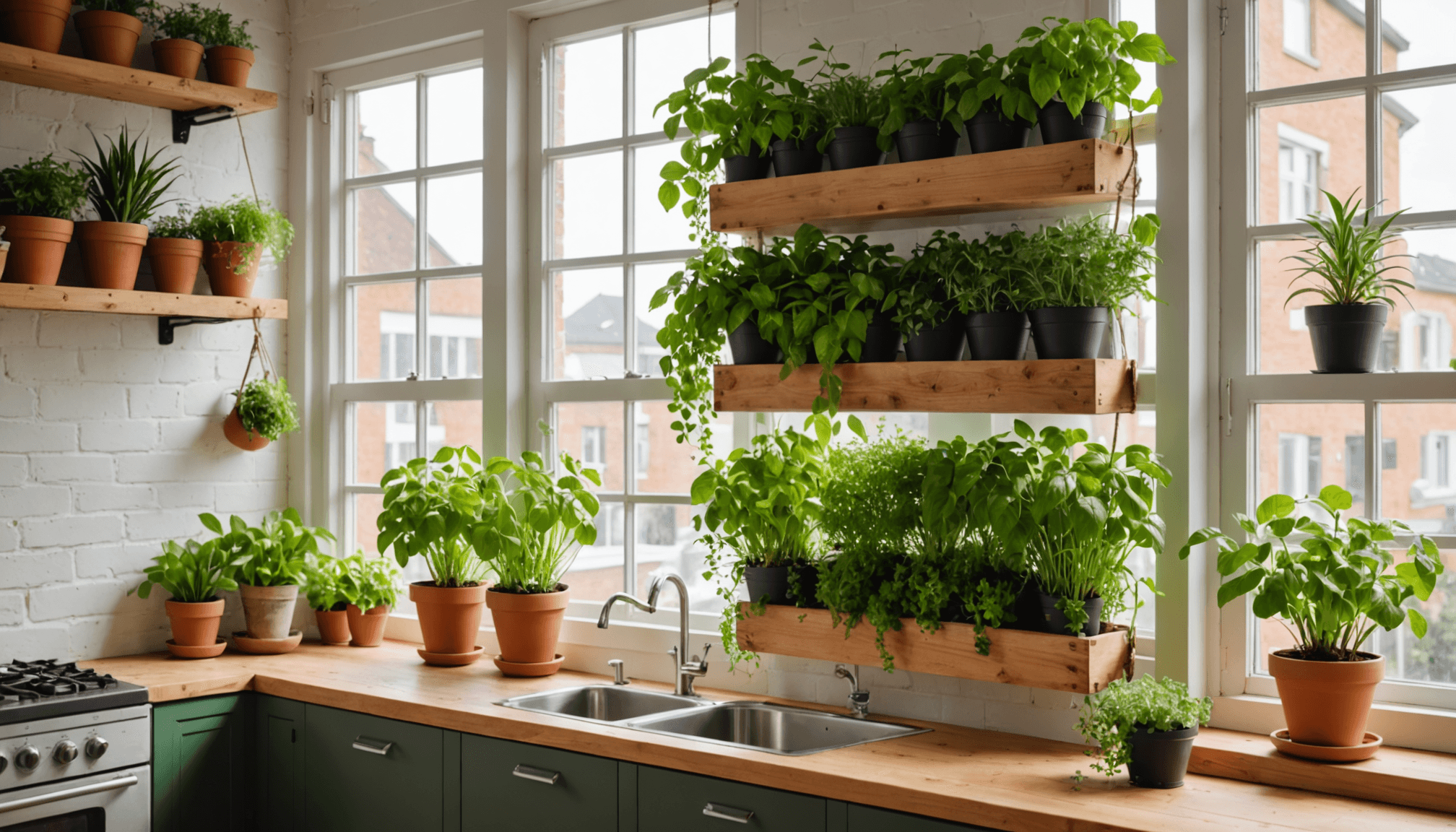
Creating an efficient and functional space is crucial for small homesteaders who want to maximize their living area. Space-saving solutions not only help make the most out of limited square footage but also encourage a more organized and enjoyable homesteading experience. There are numerous creative ideas that can seamlessly integrate into your home while providing both practicality and charm.
One effective method is to utilize vertical space in your home. Think about installing wall-mounted shelves or hanging planters that allow you to grow herbs, flowers, or even small vegetables without occupying precious floor space. You can also convert a bookshelf into a vertical garden by using pots with built-in drip trays to catch excess water. Vertical gardens can be both aesthetically pleasing and functional, providing fresh produce at your fingertips.
Another ingenious solution is to make use of multi-functional furniture. Look for items that can serve more than one purpose, such as a bench with built-in storage or a coffee table that doubles as a planter. This approach not only helps keep your space organized but also allows you to have the essential tools or supplies you need for your homesteading projects within reach.
In small kitchens, consider hanging pots and utensils from a wall rack or using magnetic strips to hold knives. This technique not only saves drawer space but also adds a rustic touch to your décor. You can even repurpose old ladder rungs or wooden crates to hang plants, creating an eye-catching display that showcases your homesteading endeavors and keeps your kitchen clutter-free.
For those with outdoor spaces, vertical gardens can extend beyond your walls. Use trellises to support climbing plants like beans or cucumbers, and consider installing vertical planters made from repurposed materials like PVC pipes or wooden pallets for your vegetables. Not only do they save ground space, but they can also make gardening more accessible for individuals with mobility issues.
Consider the “under-stairs” area of your home or outdoor shed as an additional opportunity to amplify your storage. This often-overlooked space can be transformed into a small workshop or storage area for tools and materials. Use labeled bins or stackable organizers to keep items sorted and easily retrievable.
Participating in community gardens is another fantastic way to explore space-saving concepts without the constraints of your home. These gardens often utilize innovative designs to maximize yield within small plots of land, giving you the chance to learn from others while sharing resources and knowledge.
When planning your DIY projects, remember to assess the scale of your work. Opt for smaller, practical projects that fit into your lifestyle, such as constructing a compact compost bin that can be stored in a corner or building a simple raised garden bed. These small-scale builds are less overwhelming and allow for more immediate gratification as you create usable space in your homesteading endeavor.
As you implement these creative solutions, keep the environment in mind. Utilize salvaged materials whenever possible to reduce waste and minimize costs. Websites like Freecycle can help you find local individuals giving away usable items that could be perfect for your projects.
Ultimately, the goal is to create a homesteading environment that complements and enhances your lifestyle without unnecessary clutter. By embracing innovative space-saving techniques, you can foster a sense of order and allow your passion for homesteading to flourish, even in the smallest of homes.
Simple home improvement ideas
Home improvement doesn’t have to be an expensive endeavor; there are many simple yet impactful projects you can undertake to enhance your living space. Consider starting with areas that require the most attention or that hold the potential for significant improvement without hefty costs. Here are a few engaging ideas that can elevate your home’s functionality and aesthetics.
One of the easiest upgrades you can make is to refresh your walls with a new coat of paint. A simple color change can transform a room, making it feel larger and more inviting. Opt for light or neutral tones to create an illusion of spaciousness, or vibrant colors to make a bold statement. If you’re feeling adventurous, consider a feature wall with stenciling or removable wallpaper, which can add personality without a permanent commitment.
Another home improvement idea is to enhance lighting fixtures. Brightening up a room with better lighting can enhance both functionality and mood. Swap out outdated light bulbs for energy-efficient LEDs, or consider adding a dimmer switch to control the ambiance. Upgrading light fixtures can also be an aesthetic improvement; look for unique or vintage pieces at thrift stores or online marketplaces, creating a perfect blend of style and sustainability.
For kitchens and bathrooms, simple updates can yield impressive results. Replacing cabinet hardware like knobs and pulls is an easy project that can breathe new life into your space. Consider coordinating colors and styles to create a cohesive look. Additionally, if your countertops are looking tired, think about DIY resurfacing options or using peel-and-stick laminate for a fresh appearance at a fraction of the cost.
Flooring improvements can also make a notable difference without major renovations. If your floors are tired or damaged, consider DIY solutions like area rugs that can bring warmth and style into your space. For a more permanent change, there are peel-and-stick vinyl planks that mimic real wood or tile, providing an easy way to achieve an upgraded look with minimal effort.
Storage solutions can enhance efficiency in your home. Adding simple shelves in closets or other overlooked areas can create much-needed storage without taking up additional space. Construct open shelving to display plants or kitchen items, promoting both convenience and decor. Use baskets or decorative boxes to keep items organized while adding a personal touch to your space.
In addition to these projects, consider energy efficiency improvements. Simple actions like sealing drafts around windows and doors with weather stripping or caulking can significantly lower heating and cooling costs. Installing window treatments like sheer curtains or blinds can provide insulation and control light levels, further contributing to energy savings.
“The best way to predict the future is to create it.” – Peter Drucker
Furthermore, don’t overlook the outdoors. Simple landscaping projects, such as planting low-maintenance perennial plants or creating a small herb garden, can enhance your curb appeal without extensive labor or costs. Building raised garden beds can also be a fun weekend project that offers both aesthetic and practical benefits, allowing you to grow your own food while improving your yard.
Consider repurposing old materials for new projects; for example, using reclaimed wood for rustic shelving or garden borders adds character while being eco-friendly. Being resourceful in your home improvement can result in unique solutions that reflect your personal style.
Lastly, always keep functionality in mind. Evaluate the layout of your space and explore ways to rearrange furniture for better flow. Sometimes simply repositioning items creates a more open and inviting atmosphere, making your home feel fresh and new.
Essential DIY skills for homesteaders
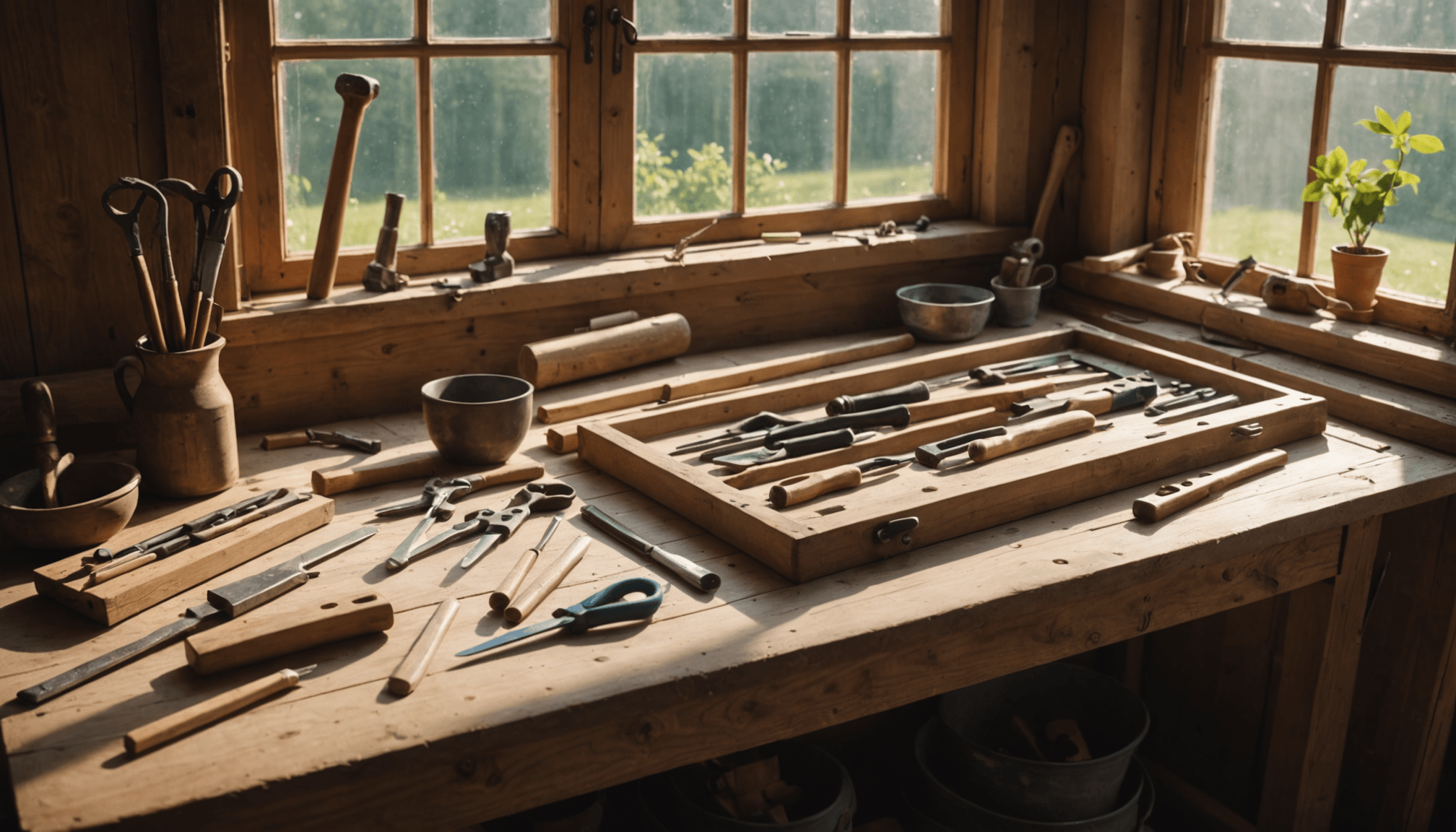
To thrive in the world of small homesteading, certain essential DIY skills will serve as invaluable foundations. Understanding and mastering these skills enable homesteaders to project their visions into reality, regardless of the size of their space. First among these is the ability to work with basic tools. Familiarity with hand tools like screwdrivers, hammers, and pliers allows you to tackle simple repairs and enhancements, fostering a sense of confidence. Power tools, such as drills and saws, can expand the scope of your projects, enabling you to create structures or furniture that align with your sustainability goals.
Alongside tool proficiency, honing skills such as woodworking or gardening are crucial. Learning how to construct basic garden beds or compost bins not only improves your living conditions but also contributes to a self-sufficient lifestyle. Exploring various woodworking techniques can empower you to gather discarded materials and transform them into functional furniture or décor items. For gardening enthusiasts, understanding soil types, planting seasons, and pest management will lead to healthier plants and bountiful harvests, even in small spaces.
Don’t overlook the importance of learning to sew or mend. Being able to repair clothes or create simple fabric items limits waste and promotes a more sustainable approach to consumption. Sewing skills can also be applied in making curtains or cushion covers that reflect personal style while enhancing comfort in your home.
Additionally, basic plumbing and electrical skills can empower homesteaders to address minor issues without seeking professional help. Understanding how to fix a leaky faucet or swap out a light fixture can save money and reduce reliance on outside services. However, pursue these skills with caution—while DIY fixes can be rewarding, always prioritize safety and code compliance to prevent accidents or future complications.
As you develop your skill set, consider attending workshops or online courses to broaden your knowledge base. Engaging with experienced DIY enthusiasts or local homesteaders can provide valuable insights and mentorship, enriching your journey toward self-sufficiency. Remember, every project you undertake reinforces not only your capabilities but also your connection to your environment. Embrace the challenges of DIY tasks, as each one signifies progress on your homesteading adventure.
- What are the essential tools for a beginner homesteader?
- Essential tools include a set of hand tools such as screwdrivers, a hammer, and pliers. Additionally, a power drill and basic garden tools like a trowel and pruners will support various DIY projects.
- Can I learn DIY skills online?
- Yes, there are many online platforms, including YouTube and specialized websites, where you can find tutorials covering a wide range of DIY skills, from woodworking to gardening.
- How much money can I save by doing DIY projects?
- Doing DIY projects can save you significant amounts of money, especially if you opt for materials at thrift stores or repurpose items you already own. Savings can vary widely depending on the project and material choices.
- Is woodworking difficult for beginners?
- Woodworking can be challenging at first, but starting with simple projects and gradually increasing complexity can make it manageable. Many resources are available to help beginners learn the basics.
- What is edible landscaping?
- Edible landscaping involves incorporating edible plants like fruits, vegetables, and herbs into the design of your garden or outdoor space. This approach enhances your environment while providing fresh produce.
- How often should I practice these DIY skills?
- Regular practice is key to improving your DIY skills. The more you engage in projects, whether small or large, the more confident and proficient you will become.
- Where can I find local workshops for homesteading skills?
- Check community centers, local agricultural extensions, or online platforms like Meetup for workshops on homesteading skills. These gatherings often offer hands-on opportunities to learn from experienced individuals.
Maintaining your DIY projects
Maintaining your DIY projects is crucial to ensuring their longevity and functionality, especially for small homesteaders working with limited resources. A well-maintained project not only saves you time and money in the long run but also enhances the overall aesthetic and utility of your home. Here are some effective strategies to keep your DIY creations in top shape.
Firstly, regular inspections of your projects can identify minor issues before they escalate into major problems. For instance, check wooden structures for signs of rot or pest infestation, and inspect planters or gardening beds for weeds and soil quality. Addressing these issues promptly can prolong the lifespan of your DIY ventures.
For outdoor projects like raised garden beds or compost bins, regular maintenance practices should include:
- Cleaning: Remove debris, old leaves, and any plant residue that may impact growth or attract pests. A clean space fosters a healthier environment for your plants.
- Weeding: Actively pull weeds to eliminate competition for resources, ensuring your desired plants thrive.
- Soil Management: Enrich your soil with organic matter or compost regularly to maintain its nutrient levels, which are critical for healthy plant growth.
For indoor projects, such as furniture or decor items, regular care involves:
- Dusting and Cleaning: Keep surfaces clean with a damp cloth or appropriate cleaning solution to maintain their appearance and prevent deterioration.
- Refinishing: Periodically apply finishes or protective coatings to wooden items to safeguard against moisture and wear.
- Reinforcement: Check joints and fasteners for looseness. Tighten screws, re-glue cracked or broken elements, and ensure your items remain sturdy.
In addition to routine maintenance, consider seasonal checks, especially at the start of spring and fall. This practice is particularly helpful for outdoor gardening projects. Inspect irrigation systems, check for damaged hoses, and prepare garden beds for seasonal planting. Fall maintenance may include cleaning out planters or mulching to protect plants during winter months.
When it comes to tools and equipment, proper storage is also vital. Store items in a dry, well-ventilated area to prevent rust or other damage. Consider investing in a pegboard for organizing tools, making them easily accessible and reducing the risk of misplacing items. Regularly clean your tools after use, as dirt and grime can impair their function.
If you are renting or living in a small apartment, consider developing a maintenance schedule or checklist to remind you of necessary tasks. Tools like mobile apps or simple calendars can help you track maintenance routines and ensure you’re staying on top of required care for your projects.
Moreover, staying engaged with the homesteading community can provide inspiration and ideas for maintaining your DIY efforts. Consider joining online forums or local groups where people share tips, challenges, and successes. Networking with other homesteaders can offer new insights into effective maintenance practices or alternative solutions should issues arise.
Ultimately, the key to maintaining your DIY projects lies in regular attention and care. By incorporating these practices into your routine, you can ensure that your homesteading endeavors remain functional, beautiful, and rewarding for years to come.