
Creating an impressive plant nursery involves understanding the fundamental principles of display design to maximize customer attraction and enhance overall experience. A well-organized display can effectively showcase your plants while guiding customers through the space, ensuring they feel engaged and inspired.
Start by establishing a focal point within your nursery. This could be a stunning centerpiece such as a large, unique plant or a beautifully designed table that draws the eye. Utilize varying heights to create interest; for instance, place taller plants at the back and shorter ones in the front, ensuring that every plant is visible. This technique allows for better engagement and encourages customers to explore your offerings.
Another essential principle is the use of visual merchandising techniques. Create vignettes that tell a story or suggest a setting, such as a cozy herb garden or a tropical oasis. Use props and accessories that complement your plant displays, but remember to keep them subtle so they don’t overshadow the plants themselves. This enhances the overall theme and makes an emotional connection with potential buyers.
Consider the flow of foot traffic. Design your layout to allow customers to move freely, with clear pathways that invite exploration. Group similar plants together, such as succulents or flowering plants, to create a cohesive look that makes it easier for customers to find what they’re looking for. Customer attraction significantly depends on how inviting and navigable the space feels.
Lighting plays a critical role in display design as well. Natural light is ideal, but if your nursery lacks adequate sunlight, invest in quality artificial lighting that mimics sunlight. Proper lighting not only showcases the vibrant colors of your plants but also creates a warm and welcoming atmosphere that draws customers in.
Finally, regularly update your displays to keep them fresh and engaging. Rotate plants, introduce seasonal themes, and feature new arrivals prominently. This not only keeps returning customers interested but also enhances the likelihood of impulse purchases.
By applying these display design principles, you can create a visually appealing plant nursery that attracts customers while encouraging them to engage, learn, and ultimately make purchases that benefit their home or garden.
Plant selection and diversity
Choosing a diverse range of plants is essential for creating an engaging and visually striking plant nursery. Diversity not only attracts customers but also ensures that there is something for everyone, catering to various tastes, gardening styles, and environmental conditions. Offering an assortment of plants helps to enrich the customer experience by showcasing the beauty and versatility of plants.
When selecting plants, consider the various categories that can appeal to different segments of your customer base. For example, include:
- Flowering plants: These add vibrant colors and seasonal interest, attracting those interested in ornamental aesthetics.
- Foliage plants: These provide texture and structure, appealing to customers looking for low-maintenance options.
- Herbs: Ideal for culinary enthusiasts, they not only look good but also serve practical purposes in the kitchen.
- Succulents and cacti: Popular for their unique shapes and low watering needs, these plants appeal to modern and minimalist home decorators.
By highlighting the various benefits and applications of these plant types, you can increase customer attraction significantly. Additionally, grouping plants by their needs or common characteristics can further enhance the shopping experience, making it easier for customers to find what suits their individual preferences.
| Plant Type | Watering Needs | Light Requirements | Ideal Use |
|---|---|---|---|
| Flowering Plants | Moderate | Full sun | Garden beds, containers |
| Foliage Plants | Low to moderate | Partial shade | Indoors, shady areas |
| Herbs | Moderate | Full to partial sun | Kitchen gardens, pots |
| Succulents/Cacti | Low | Full sun | Indoors, xeriscaping |
Visual merchandising also plays a crucial role in showcasing plant diversity. Consider creating themed displays that highlight plants within specific categories, such as a “Tropical Paradise” section featuring lush green plants, or a “Desert Oasis” that includes vivid succulents and cacti. Not only does this approach enhance visual appeal, but it also helps customers envision how these plants might look in their own spaces, thus increasing the likelihood of purchase.
Moreover, rotating plant stocks regularly will sustain interest among repeat customers. By introducing new varieties or seasonal favorites, your nursery will become a dynamic environment that reflects ongoing trends in horticulture. This constant refreshment supports not just customer retention but also emphasizes the diversity in your selections.
Incorporating educational signage that provides information about plant care and attributes can enrich the shopping experience further. This empowers customers to make informed decisions and fosters a sense of confidence and satisfaction in their choices. By focusing on diversity in plant selection and effective display techniques, your nursery can truly flourish, providing a compelling and inspiring environment for all plant enthusiasts.
Color schemes and visual appeal
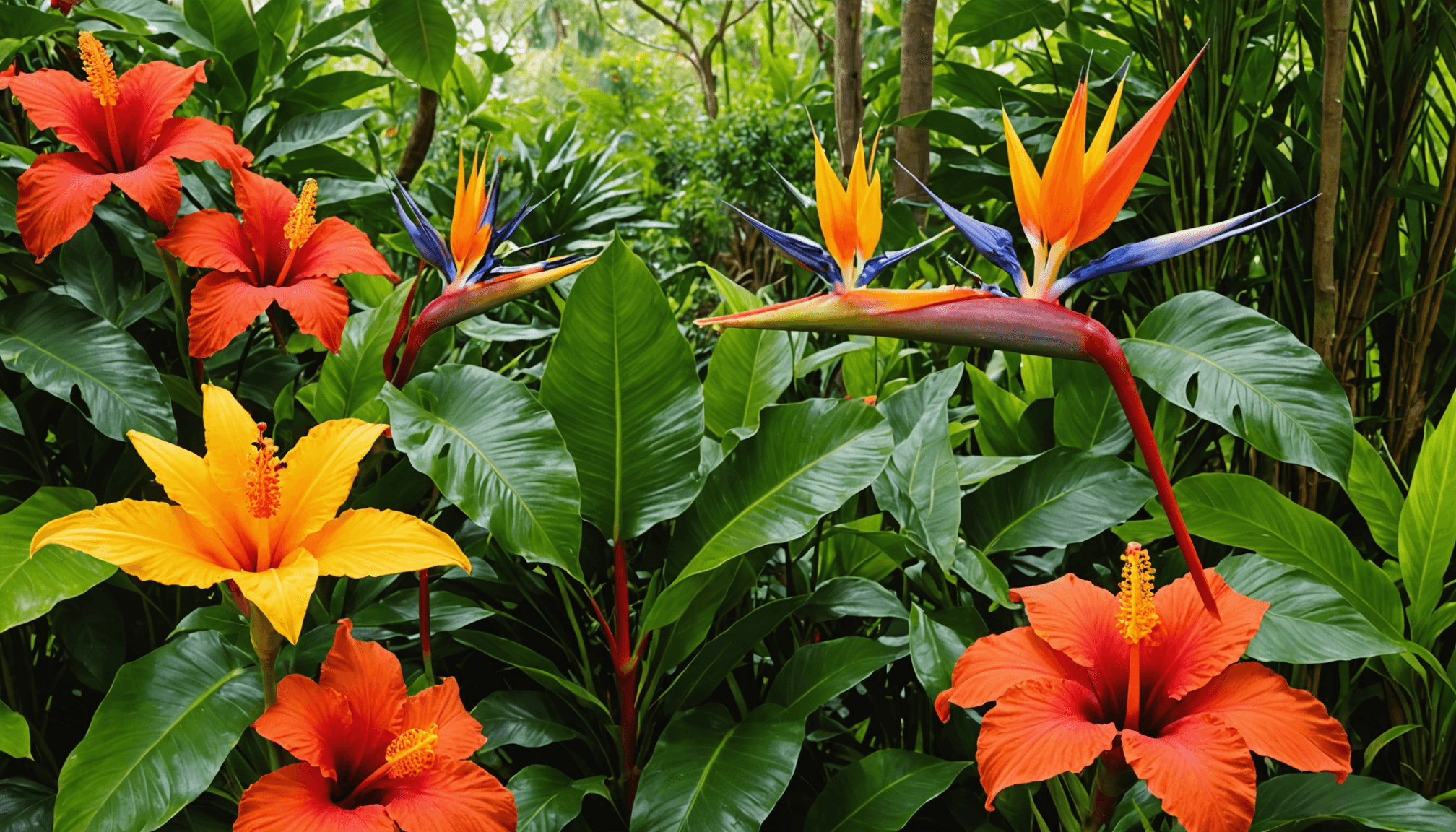
Color is one of the most powerful tools in the realm of plant displays and can influence customer attraction significantly. When crafting your nursery’s visual experience, think about how different colors evoke emotions and responses. Warm colors like reds, oranges, and yellows can energize and excite, while cool colors such as blues and greens tend to create a calming atmosphere. This interplay of color can enhance the shopping experience and guide your customers’ decisions.
Start by selecting a cohesive color palette that aligns with the themes of your nursery. For example, if you’re aiming for a vibrant, cheerful environment, combine striking flowering plants in red and yellow with deeper green foliage that provides balance. Conversely, if elegance is your goal, opt for a soothing combination of whites, purples, and soft greens. Using color wheels can help you visualize complementary and contrasting colors that work well together.
Consider creating sections in your nursery based on color themes. You might have a “Tropical Burst” area featuring bold flowers like hibiscus and bird of paradise alongside rich green leaves. This clear organization helps customers quickly identify their preferences and increases their likelihood of making a purchase. Additionally, don’t forget to incorporate differing shades of the same color across various plant species; this can create a layered and dynamic look that builds on the visual merchandising techniques you’ve implemented.
Lighting will also play a pivotal role in how your colors appear. Natural sunlight enhances brightness and vibrancy, while well-placed artificial lighting can accentuate specific hues, drawing attention to plants you wish to highlight. For evening hours or indoor displays, consider using warm white LED lights to create an inviting ambiance that highlights your plants’ natural beauty.
To further enhance visual appeal, think about the use of accessories that complement your color schemes. Colorful pots, decorative stones, or vibrant signage can harmonize with your plant displays and create a cohesive look. For instance, use terracotta pots for a rustic feel or brightly painted ceramic pots to add playful interest. Additionally, seasonal elements like colorful twinkling lights or thematic decorations can provide fresh ideas that keep your nursery exciting year-round.
Avoid overwhelming customers with too many colors in one area; instead, aim for a balanced look that allows individual plants to shine. This not only highlights your selection but also avoids visual clutter, which can confuse and deter potential buyers. Instead, design clusters of plants that share similar tones or that pop against neutral backgrounds, allowing each plant’s unique attributes to stand out.
Don’t underestimate the power of educational signage in relation to color. Use visually appealing tags that not only describe plant care but also detail the aesthetic qualities or seasonal changes of each plant. This knowledge not only engages customers further but can encourage them to opt for plants that they may not have initially considered, thus enhancing their overall experience!
Utilizing vertical space
Utilizing vertical space is an excellent strategy for enhancing your plant nursery’s visual appeal while maximizing display efficiency. Vertical displays allow you to showcase a wider variety of plants without consuming excessive floor space, making it ideal for smaller nurseries or those looking to create an immersive shopping experience. By thinking vertically, you can draw customers’ eyes upward, creating intrigue and encouraging exploration.
One effective way to incorporate vertical space is through the use of shelving. Staggered shelves create varying heights that can host a rich array of plants. For example, smaller potted plants can occupy lower shelves, while larger statement plants can be gracefully positioned higher up. This tiered approach not only allows for better visibility of all plant varieties but also creates an attractive flow that guides customers through your displays.
Another fantastic option is to utilize wall-mounted planters or vertical gardens. These installations not only add a stunning visual element to your nursery but also allow for creative configurations that can include an assortment of plant types, from trailing vines to succulents. When arranging plants in wall displays, consider their growth habits and light requirements to ensure each plant thrives. The result is a dynamic and lush visual experience that can transform bare walls into vibrant backdrops filled with greenery.
Don’t overlook the potential of hanging planters. Suspend unique pots at varying lengths to create a floating garden effect. This technique is particularly engaging as it plays with dimensions and invites interaction. As customers walk through, they can look up and discover delightful surprises, drawing them deeper into the nursery. Just be wary of how plants are hung and ensure they don’t obstruct pathways or become hazardous.
Additionally, incorporating ladders or trellises for climbing plants can add another layer of verticality to your displays. These structures not only support the growth of plants but also serve as eye-catching design elements that add personality to your space. A trellis covered with colorful flowering vines can become a natural centerpiece, enhancing the aesthetic while drawing attention to the various plants you offer.
Proper lighting is essential in maximizing the impact of vertical displays. Ensure that all plants, regardless of their height, receive adequate light to flourish. Consider using spotlights or LED strips along the shelves or planters to highlight specific plants while enhancing the overall ambiance of your nursery.
As a final touch, incorporate vertical signage that provides information about the plants on display. This adds an educational component while also enhancing the visual merchandising of your nursery. Engaging customers with details about care requirements or interesting facts can further immerse them in the shopping experience and improve customer attraction.
Incorporating vertical space effectively not only ensures a wider array of plants on display but also enhances the overall experience for customers, making it easy for them to discover and engage with the beauty of your plant nursery.
“Great design is a multi-layered relationship between human life and its environment.” – Naoto Fukasawa
Incorporating accessories and features
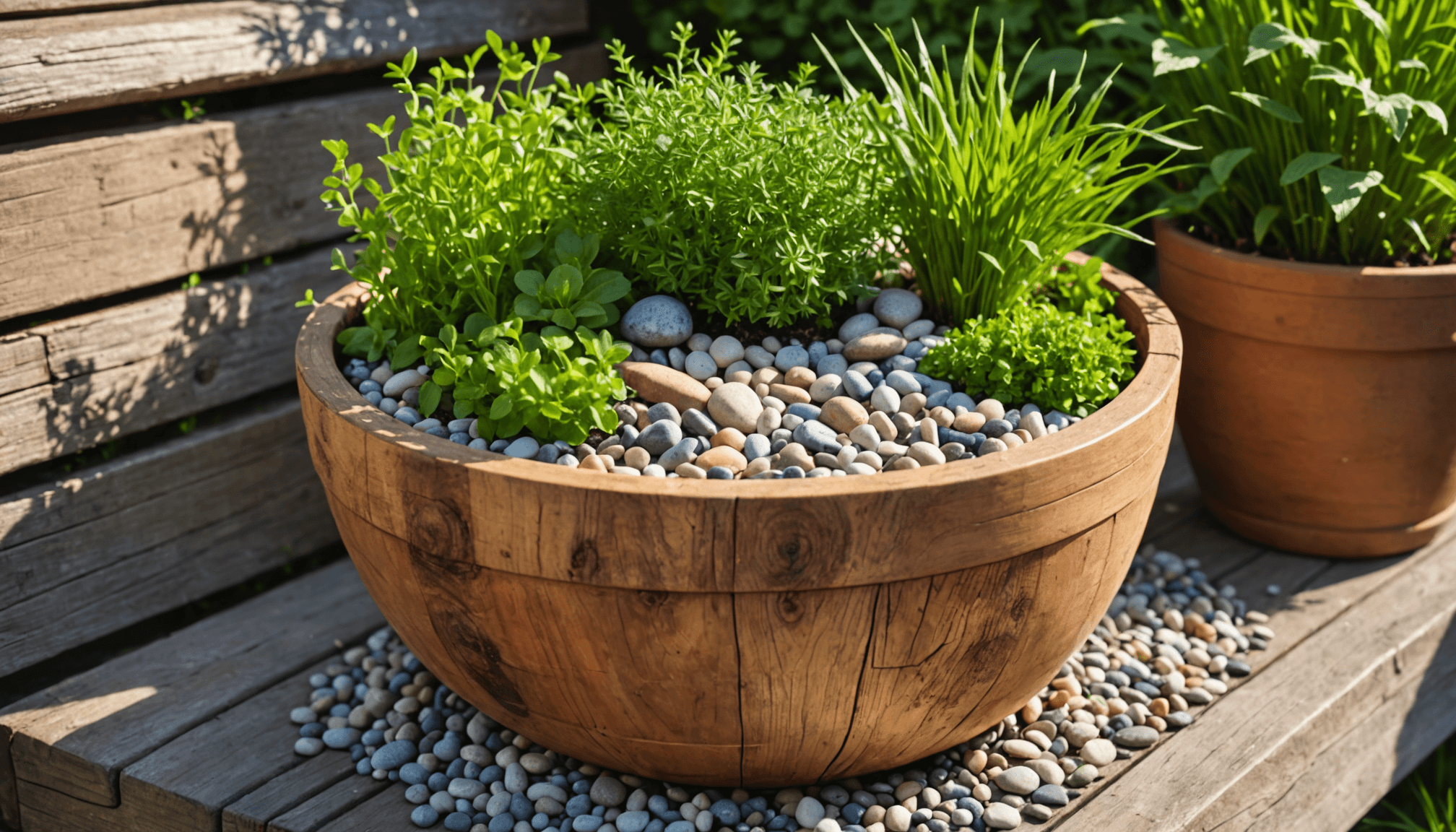 Incorporating accessories and features into your plant nursery adds layers of depth and interest that can significantly enhance customer engagement and attraction. Accessories serve not only as decorative elements but also as stimulating conversation starters, inspiring customers to envision how they might integrate your plants into their own spaces. Consider using a variety of materials, textures, and styles that resonate with the overall aesthetic of your nursery.
One of the most effective methods to enhance plant displays is by integrating decorative pots and containers. Using unique or stylish pots can elevate the appearance of the plants while also keeping your displays fresh and inviting. Choose pots that complement your plants’ colors and shapes, ensuring a harmonious visual appeal. For instance, rustic wooden containers may accentuate the natural beauty of herbs and flowering plants, while sleek modern pots could enhance the appeal of minimalist displays featuring succulents or cacti.
Including natural elements such as stones, pebbles, and wood can further enrich your displays. These organic materials introduce texture and a sense of grounding, drawing attention to the plants while creating a cohesive look throughout the space. Arrange these materials strategically within plant displays to lead the eye and draw customers in for a closer look. For example, layering pebbles beneath a base plant creates a polished look and contributes to a healthy environment, as they help with drainage.
You might also consider introducing seasonal features that engage customers and create a timely, inviting atmosphere. For instance, in spring, pastel decorations and themed pots can evoke a sense of new beginnings, while autumn can inspire the use of warm colors and natural products like pumpkins to reflect the changing season. These seasonal updates not only enhance the nursery’s aesthetic but also create a familiar yet refreshing experience for returning customers.
Interactive elements can make a significant impact on customer engagement. For example, a potting station where customers can try their hand at repotting a plant or creating their own arrangements can become a popular feature. This hands-on approach fosters a sense of connection with the plants and allows customers to gain confidence in their gardening skills.
Another exciting feature could be educational displays or workshops that address topics such as plant care, propagation techniques, or design tips. Incorporating informative signage alongside accessories helps customers learn more about the plants they are interested in, leading to informed purchasing decisions. Emphasizing the educational aspect not only enhances customer attraction but also builds trust and loyalty.
Make sure to evaluate the density of your displays. While accessories are beneficial, overcrowding can detract from the plants themselves. Instead, aim to strategically place accessories to create a focal point that accentuates rather than overwhelms. Simple, well-placed items like decorative watering cans or charming seed packets displayed attractively can be a subtle but effective touch.
Utilizing these accessories and additional features in your nursery not only enriches the visual appeal of your plant displays but also fosters a welcoming environment that invites customers to explore, engage, and learn.
- What types of accessories can I use to enhance my plant nursery displays?
- Accessories such as decorative pots, natural elements like stones or wood, seasonal decorations, and educational signage can all enhance your plant displays. They add visual interest and can help create a cohesive theme throughout your nursery.
- How can I ensure my accessories do not overshadow the plants?
- To avoid overshadowing the plants, select accessories that complement rather than compete with the plants. Use neutral or subtle colors and place accessories strategically so they draw attention without overwhelming the visual focus on the plants.
- Are there specific themes I should consider for my nursery decorations?
- Consider using themes that resonate with the types of plants you offer or the current season. Themes like a “Tropical Oasis” or “Autumn Harvest” can create an engaging narrative that draws customers in and enhances the shopping experience.
- What role do educational features play in customer attraction?
- Educational features such as workshops or informative signage can significantly enhance customer attraction by providing value and fostering a sense of confidence in plant care decisions. Customers are more likely to engage and make purchases when they feel informed.
- How frequently should I update the accessories and features in my nursery?
- It’s advisable to update accessories and features seasonally or whenever you introduce new plants. Regular updates keep the displays fresh, which can encourage repeat visits and increase customer interest.
- What are some interactive elements I can include in my nursery?
- Incorporating hands-on stations, such as potting areas or crafting spaces where customers can create their own arrangements, can engage customers and enhance their experience. Interactive elements encourage exploration and active involvement with your plants.
- Can I use accessories for marketing purposes?
- Yes, accessories can serve as marketing tools. Well-placed signage or promotional items related to specific plants can draw attention and inform customers about care, uses, or special offers, ultimately aiding in decision-making and increasing sales.
Seasonal displays and updates
Seasonal displays and updates are crucial for keeping your plant nursery vibrant and engaging throughout the year. Embracing the changing seasons allows you to create fresh themes that not only attract customers but also evoke emotions associated with each time of year. By incorporating seasonal elements, you can transform your plant displays into seasonal showcases that tell a story and invite exploration.
Start with a seasonal theme that resonates with the current time of year. For example, in spring, consider highlighting cheerful pastel colors and emerging blooms such as tulips and daffodils. You could create a “Spring Awakening” section, full of flowering plants, fresh herbs, and decorative elements like butterflies or bees made from recycled materials. In contrast, autumn could inspire displays with rich orange, deep red, and golden tones, featuring seasonal favorites like ornamental cabbage, pansies, and pumpkins. Adding hay bales or rustic wooden crates can enhance the thematic appeal, inviting customers to take photos and share their experiences online.
Don’t forget to update your accessorial decor regularly to reflect each season’s mood. Use natural materials such as branches, leaves, or even seasonal fruits to create eye-catching centerpieces that complement your plant displays. For instance, during the winter holidays, drape your nursery with festive string lights and include decorative pine cones or evergreen branches to evoke a cozy feel. This seasonal update not only enriches the atmosphere but also sparks conversations among visitors, enhancing overall customer attraction.
Another effective strategy is to incorporate limited-time promotions around specific holidays or seasons. For example, a special sale on houseplants for Valentine’s Day or discounts on garden kits during National Gardening Week can drive foot traffic and encourage impulse buys. Make sure your promotions are well advertised through attractive signage and through your social media channels, creating a buzz that entices customers to visit your nursery.
Educating your customers about seasonal plant care can also play a vital role in enhancing their shopping experience. Create informational displays that offer tips on how to care for the plants featured in your seasonal displays, making sure to cover topics such as frost protection for fall plants and watering needs during the hot summer months. This provides valuable knowledge while reinforcing trust and encouraging further interactions.
Lastly, leverage social media to showcase your seasonal transformation. Share visually captivating photos of your newly arranged displays to engage your audience and generate enthusiasm. A seasonal hashtag can create a sense of community, encouraging customers to share their own plant stories and experiences. Consider hosting an online contest where customers can post pictures of their purchases or their gardens themed around your seasonal display, creating a cycle of engagement that boosts both online presence and physical store visits.
Incorporating seasonal updates in your plant nursery not only keeps your displays visually appealing but also fosters a sense of connection with your customers. By creatively adapting to the seasons, you can encourage return visits while enhancing the overall experience your nursery offers.