

Understanding inventory management in your plant nursery is crucial for ensuring healthy stock and profitability. Effective inventory management not only helps in maintaining the right amount of plants but also enhances the overall efficiency of nursery operations. By keeping your stock organized, you can reduce wastage, ensure a steady supply of plants to customers, and improve your sales strategies.
One of the first steps in grasping the concept of inventory management is categorizing your plants based on their types and needs. This can include grouping by categories such as flowers, shrubs, vegetables, and herbs. Keeping your stock organized allows for easy access and monitoring. You may want to implement a color-coded system or utilize labeled bins to make identification quick and straightforward.
It’s essential to have a systematic approach to track your plants. This can be achieved through a simple spreadsheet or an advanced inventory management software. Regardless of the method, ensure you include important details such as plant species, quantities, conditions, and acquisition dates. This database not only assists in day-to-day operations but serves as a valuable reference for future purchases and sales.
Seasonality also plays a significant role in nursery inventory management. Understanding which plants thrive in particular seasons can help you plan your inventory effectively. For instance, if spring is prime time for annuals, start stocking up on those plants in late winter to meet customer demand when the season begins.
Monitoring turnover rates is critical in managing your inventory. Regularly review which plants sell quickly and which linger. This can direct your purchasing decisions, allowing you to adapt to customer preferences and trends. Tools such as sales reports can offer insights into which varieties are most appealing, and adjustments can be made accordingly.
Lastly, don’t underestimate the power of networking with fellow nursery owners and local garden enthusiasts. Sharing tips and experiences can result in new strategies for better inventory management, as well as valuable local market insights. Participate in community gardening events or join online forums dedicated to nursery operations to expand your knowledge base.
Setting up an efficient inventory system
 Setting up an efficient inventory system is essential for optimizing nursery operations and ensuring that the right plants are available at the right time. An effective system starts with clearly defining your inventory structure. Categorizing plants not only streamlines the management process but also enhances the overall efficiency when it comes to inventory turnover and stock management.
A solid approach involves using a meticulous labeling system that can encompass plant type, growth requirements, and sales status. This can be augmented with a digital system that allows for real-time updates. For instance, adopting barcoding or RFID tags can enhance tracking accuracy. Each plant’s unique code would hold essential data, including species, purchase date, supplier, price, and current status (e.g., available, reserved, sold).
To further optimize your system, consider utilizing a structured table to keep track of key inventory metrics. Below is a sample comparison of different inventory categorization methods:
| Inventory Method | Description | Pros | Cons |
| Color-Coded System | A visual method using colors to signify different plants or plant conditions. | Easy recognition; quick categorization. | Limited data; may not be precise for larger inventories. |
| Spreadsheet | A digital file that tracks quantities, types, and sales. | Customizable; familiar interface for most users. | Time-consuming to update; prone to human error. |
| Inventory Software | Specialized software to automate data entry and inventory tracking. | Automated updates; real-time tracking; detailed reporting. | Costly up-front investment; learning curve for staff. |
When crafting your inventory system, it’s also crucial to incorporate a reorder point strategy. This involves setting minimum thresholds for each plant type, alerting you when stock is low and it’s time to reorder. This mechanism not only prevents stockouts but also discourages overstocking, which can lead to deteriorating plant health and waste.
Integration with sales data can enhance decision-making on what to stock and when. Understanding seasonal fluctuations and popular demand can guide future purchases. For instance, if certain varieties experience spike sales in summer, adjusting your inventory to build up stock just before the peak season could maximize profits.
Finally, consider proper training for your team. Having well-informed staff who understand the inventory system ensures efficiency in nursery operations. Regular training sessions can familiarize employees with the inventory management software, labeling methods, and best practices for stock handling. This cohesive approach not only fosters efficient operations but also builds a culture of accountability and awareness surrounding inventory management within the nursery.
Tracking inventory levels and turnover
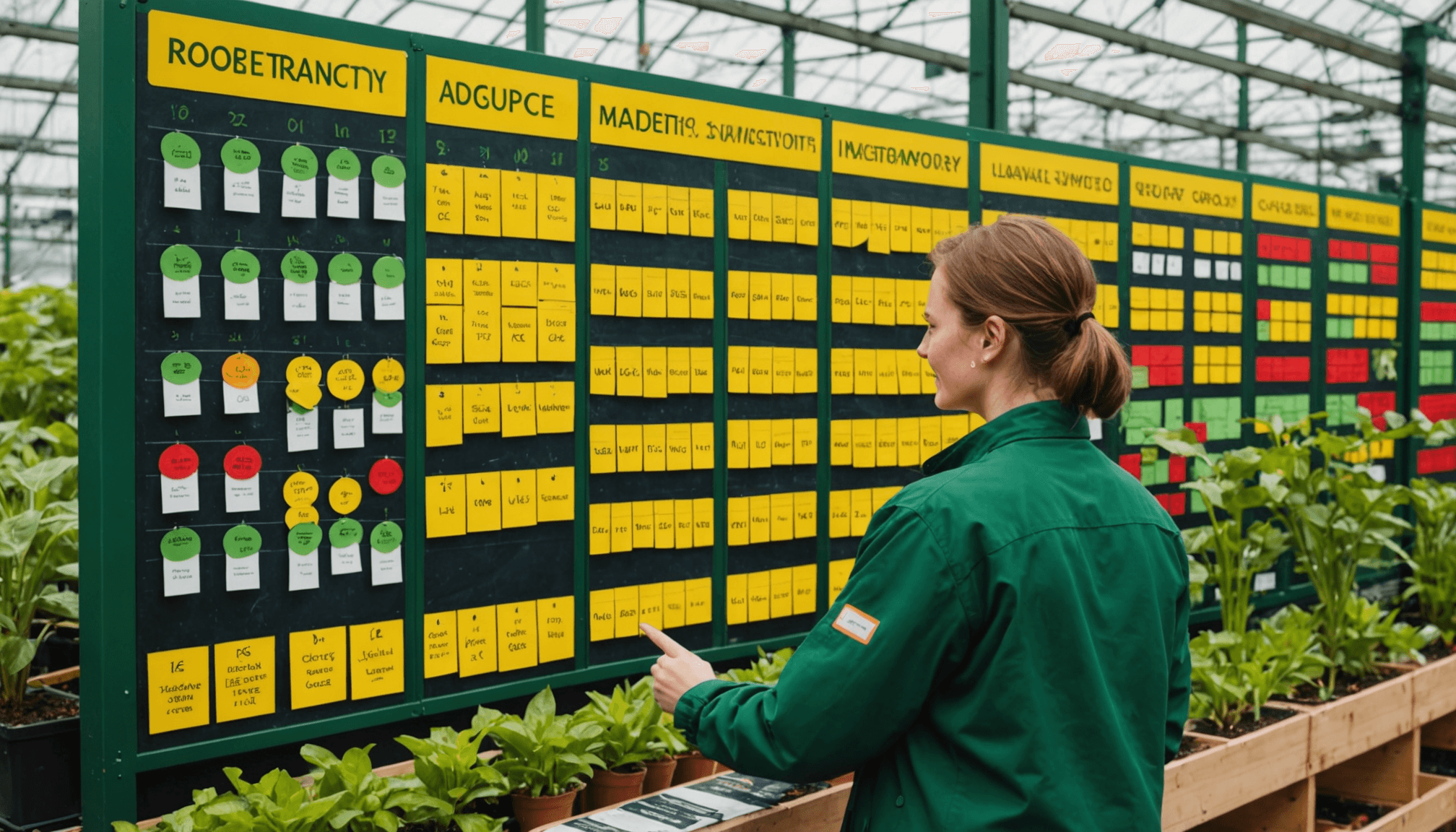
Effective tracking of inventory levels and turnover is vital for thriving nursery operations. Keeping a close eye on how your plants are moving in and out of stock allows you to make smarter decisions, reduce waste, and ensure your customers always find what they’re looking for. Start by establishing a regular inventory check-up schedule—think of it as a routine health check for your plants. Depending on the size of your operation, this could range from weekly checks for fast-selling items to a monthly review of your slower-moving stock.
To manage tracking efficiently, consider creating a visual inventory board that displays your stock levels for quick reference. Color-coded stickers or highlighted sections can indicate whether stock is low (red), stable (yellow), or abundant (green). This approach not only eases the monitoring process but also creates a fun and engaging way for staff to participate in inventory management. You might also want to try a digital method, such as using a simple app that keeps real-time statistics on inventory levels directly from your smartphone.
When it comes to inventory turnover, it’s essential to distinguish between plants that sell quickly and those that take their time. This knowledge can significantly influence your purchasing strategy. For example, if you find that a certain species of tomato plants is flying off the shelves in spring, consider ordering more of those the following year, as customers will likely continue to seek them out. On the flip side, if some plants sit in your nursery for weeks, it may be time to reevaluate their viability in your inventory. Could they be marketed differently, or might seasonal changes affect their appeal?
Don’t forget the importance of tracking not just how many plants you have, but also when they arrive and when they sell. Implementing a simple date-of-acquisition and date-of-sale method gives you a clear view of the lifecycle of each plant. This would involve noting down when each batch arrives from your suppliers and when they are sold versus how long they stay in stock. Such tracking can help spot trends that might otherwise go unnoticed.
You may also wish to integrate your inventory tracking with sales data to develop a comprehensive perspective on your operations. Consider employing a spreadsheet or inventory software capable of generating visual reports that showcase your turnover rates. A straightforward formula for calculating turnover is:
Turnover Rate = (Cost of Goods Sold during a period) / (Average Inventory during the same period)For example, if your nursery’s cost of goods sold is $10,000 while your average inventory is $5,000, your turnover rate would be 2. This indicates that you sold your entire inventory twice within that period—a positive indicator of strong sales.
Lastly, remember to communicate with your team. Regular team meetings to discuss inventory insights can foster a shared understanding of stock levels and improve accountability. Perhaps establish a “Stock Champion” role within the team, rotating this title among staff to engage everyone in the responsibility and ownership of inventory management. Effective communication coupled with detailed tracking can significantly enhance your nursery’s efficiency, ultimately leading to a more successful homesteading venture.
Tools and software for inventory management
To effectively manage inventory in your plant nursery, leveraging the right tools and software can dramatically enhance your efficiency and streamline your operations. The advent of technology has given nurseries a wealth of options, from simple spreadsheets to comprehensive specialized software that caters to all facets of inventory management. Selecting the appropriate system will depend greatly on the size of your nursery and the complexity of your inventory needs.
One popular choice for many nurseries is inventory management software, which automates many aspects of tracking and reporting. These tools can provide live updates on stock levels, allow for batch tracking of plants, and even manage customer orders efficiently. Many reputable software options come with features such as barcode scanning, which can aid in quick check-outs and restocking, and detailed analytics that help in understanding turnover rates and sales trends. With such data at your fingertips, making informed purchasing decisions becomes much easier.
“The right tools not only save time, but they also help in making better business decisions.” – Unknown
Spreadsheets also remain a versatile and popular method for tracking inventory. While they require manual entry and updating, spreadsheets can be customized to fit your specific needs. This flexibility allows you to track items by various metrics such as type, acquisition date, and sales history. However, as your business grows, maintaining these spreadsheets can become labor-intensive, thus underscoring the potential need for more automated solutions.
Mobile applications have also emerged as practical tools for nurseries. Many of these apps link directly to inventory management systems, allowing staff to input data on-the-go from smartphones or tablets. This capability enables immediate updates on stock levels during receiving or sales transactions, fostering real-time accuracy in your inventory data.
Integrating your inventory system with your point-of-sale (POS) system can also aid in streamlining nursery operations. This integration allows for automatic updates to be reflected in your inventory as soon as a sale is made, significantly reducing the risk of discrepancies between stock levels and actual inventory. Furthermore, it provides insights into which products are performing best, allowing for timely reordering and effective marketing strategies.
When selecting software or tools, consider looking for platforms that offer customer support and user-friendly interfaces, which will be critical as your team adapts to new systems. A cloud-based solution can also provide flexibility in access, ensuring that your inventory data is available anytime, anywhere, which is especially useful for multi-location nurseries.
Lastly, always ensure that any tool or software you choose is adaptable to your nursery’s unique needs. Trialing different options through demos can help you find the right fit. As technology continues to evolve, staying updated with the latest inventory management tools will enable you to maintain efficiency in your nursery operations, ensuring you are always one step ahead in serving your customers.
Best practices for maintaining stock accuracy
 Maintaining stock accuracy is fundamental to thriving nursery operations, ensuring that not only are the right plants available when needed, but also that your resources are optimally utilized. One effective approach to achieve this is through regular stock audits. Conducting these audits—whether quarterly or monthly—allows you to compare physical stock against your records. This helps identify discrepancies due to shrinkage, mislabeling, or data entry errors, and sets a standard for what accurate inventory management looks like in your operation.
Implementing a real-time inventory tracking system can further enhance stock accuracy. By harnessing technology such as barcode scanning or RFID tagging, each plant can be logged into your inventory management system during receiving, allowing for effortless tracking throughout its lifecycle. This accuracy not only improves operational efficiency but also minimizes losses and enhances customer satisfaction by ensuring products are available as promised.
Additionally, developing a culture of accountability among your team is crucial. Educate staff on the importance of accuracy in stock management, and encourage them to report any discrepancies they observe. Providing training on how to use inventory management tools effectively is key to minimizing human error. Empowered employees who understand their role in maintaining stock integrity can lead to improved team morale and customer interaction, fostering a commitment to the nursery’s overall success.
Regular reviews of your inventory strategies can also yield insights into which practices are driving accuracy and which may need improvement. Collect feedback from your team on the challenges they face and adjust your processes accordingly. Engaging in this reflective practice not only enhances accuracy but also promotes an environment ripe for continuous improvement in your nursery operations.
Embrace the idea of fostering a knowledge-seeking culture. Stay curious and ask questions about trends, tools, and techniques that could enhance your inventory system. Attend workshops, participate in forums with other nursery owners, or seek mentorship from experts in the field. Every bit of information can contribute to refining your methods and ultimately improving the efficiency of your operations.
- What is stock accuracy and why is it important?
- Stock accuracy refers to the correctness of your inventory records as compared to the physical stock on hand. It’s crucial because inaccuracies can lead to lost sales, dissatisfied customers, and wasted resources.
- How often should I conduct inventory audits?
- The frequency of inventory audits can vary based on the size and type of your nursery. A general rule is to perform full physical counts quarterly and cycle counts monthly or weekly for fast-moving items.
- What technology can I use to improve inventory accuracy?
- Using barcode scanners, RFID systems, and inventory management software can significantly enhance accuracy. These technologies allow for real-time tracking and reduce human error in data entry.
- How do I train my staff on inventory procedures?
- Start with a structured training program that covers the tools and processes you’ll use. Incorporate hands-on practice and regular workshops to reinforce their understanding and improve compliance with inventory management practices.
- What should I do if I find discrepancies in my inventory?
- Investigate the discrepancies immediately through audits or reviewing transaction records. Determine the cause—whether it’s human error, theft, or miscommunication—and adjust your processes to prevent future occurrences.
- Can I use spreadsheets for inventory management?
- Yes, spreadsheets are a versatile tool for managing inventory, especially for smaller nurseries. They can be customized to track various metrics but may become cumbersome as your operation scales.
- How does effective inventory management improve customer satisfaction?
- When inventory management is accurate, you’ll have the right plants in stock at the right times, fulfilling customer needs promptly. This boosts customer trust and encourages repeat business.
Analyzing inventory data for better decision-making
Analyzing inventory data is a powerful strategy that can significantly enhance your nursery operations, drive efficiency, and support informed decision-making. As a nursery owner or manager, interpreting the data gleaned from your inventory can provide valuable insights into your stock levels, turnover rates, and even customer preferences. These insights are not only beneficial for maintaining the right inventory balance, but they can also guide marketing strategies and promotional efforts.
Start by regularly reviewing your sales and inventory data. This can help identify trends in both plant popularity and seasonal demand. For example, if you notice that lavender plants tend to sell out quickly every spring, this insight allows you to plan accordingly for the next season. You might decide to increase your order of lavender or even offer special promotions when they arrive in stock, knowing they’ll likely fly off your shelves.
Creating a sales dashboard can enhance your ability to visualize inventory data effectively. Many inventory management software options come with built-in reporting tools, but you can also use spreadsheet programs to create your dashboard. Focus on key performance indicators (KPIs) such as:
- Sold Units by Plant Type: Monitor which plants are your bestsellers to inform future stock purchases.
- Days in Inventory: Calculate the average number of days each plant type stays in your inventory. This can signal excess stock or the need for better marketing.
- Return on Investment (ROI): Assess which plants yield the best financial returns, guiding future investments in your inventory.
Another vital aspect is understanding your turnover rates. High turnover rates often indicate good sales performance, while low rates suggest that specific plants may not be appealing to your customers. Analyzing these trends informs your purchasing decisions, ensuring that your nursery operations remain aligned with consumer demands. For example, if you find that certain perennials do well every year while others don’t, consider phasing out the latter in favor of increasing stock on the successful varieties.
In addition to sales data, consider gathering feedback from your customers. Surveys can be a fun and engaging way to learn about customer preferences. Simple questions can yield insights like, “What’s your favorite plant to grow?” or “What products would you like to see more of in our nursery?” Incorporating this data with inventory insights creates a comprehensive view of the market landscape, allowing you to tailor your offerings effectively.
Don’t forget to keep an eye on market trends as well. The gardening space is continually evolving, and being attuned to shifts in consumer interests can give your nursery a competitive edge. For instance, sustainability and organic plants are increasingly in demand. By analyzing data related to customer preferences and aligning them with market trends, you can make targeted decisions to expand your inventory to include these popular options.
Lastly, collaboration with your team can lead to more innovative strategies. Hold regular discussions to share reports and insights from your analysis. Engaging your staff in the inventory review process not only promotes a culture of accountability but can also inspire creative solutions for better marketing or stocking strategies based on the data you’ve all reviewed together.
Implementing these analytical techniques will lead to smarter decisions about how you manage inventory, enhancing both the efficiency and effectiveness of your nursery operations. The more you understand your data, the better equipped you are to respond to both customer needs and market opportunities.