
Embracing a frugal approach to meal planning can be an invigorating part of the homesteading journey, allowing you to maximize resources while minimizing waste. First and foremost, it’s essential to understand your typical weekly consumption patterns. Take a moment to track what your family eats over a week—be mindful of leftovers that can often be repurposed into new meals.
One effective strategy is to implement a seasonal eating approach. By purchasing produce that is in season, you not only save money but also ensure that you’re consuming nutrient-rich ingredients. Visit your local farmers’ market or join a community-supported agriculture (CSA) program to access these fresh, seasonal ingredients at a lower cost. Websites like LocalHarvest can help you find local farmers and seasonality calendars.
Another strategy involves using a meal rotation system. By creating a weekly meal plan that repeats every month with slight variations, you simplify your shopping list and cooking process. For example, if Taco Tuesday is a hit, you can keep it on the schedule, rotating between different proteins like chicken, beef, or beans to keep meals fresh yet familiar.
Moreover, consider utilizing pantry staples effectively. Items such as rice, beans, and oats are not just cheap; they are versatile. Stocking up on these ingredients during sales can significantly cut your grocery bill. A well-organized pantry will also allow you to see what you have and prevent over-purchasing, reducing food waste.
Don’t forget about incorporating bulk cooking into your routine. Set aside a day to prepare larger quantities of meals that can be frozen for future use. Soups, stews, and casseroles freeze exceptionally well and can serve as lifesavers on busy days. You might also engage in a meal prep party with friends or family, where everyone contributes ingredients to prepare large batches of meals, ultimately sharing the prep workload and reducing individual costs.
Finally, always keep an eye out for store discounts and coupons. Many grocery stores have loyalty programs or apps offering exclusive savings. Apps like Ibotta or Rakuten can also provide cash back on purchases, making your budget stretch even further.
By implementing these frugal meal planning strategies, you not only cultivate a sustainable lifestyle but also foster a healthier relationship with food and your finances. Remember, a well-planned meal not only brings nourishment but also fosters community and creativity in your homesteading practice.
Creating a budget meal plan
Creating a well-structured budget meal plan is integral to managing both time and resources effectively. It involves planning your meals around what you already have on hand, what you can grow or find locally, and what you need to buy that fits within your financial framework. Start by assessing your current pantry and refrigerator contents—this allows you to build your meal plan on existing ingredients and minimizes unnecessary purchases.
To streamline the planning process, consider employing a template system. Here’s a sample budget meal planning template that can help you organize your week:
| Day | Meal | Main Ingredients | Estimated Cost |
|---|---|---|---|
| Monday | Vegetable Stir-Fry | Rice, seasonal vegetables, soy sauce | $5 |
| Tuesday | Chili | Beans, tomatoes, ground meat (optional), spices | $6 |
| Wednesday | Pasta Primavera | Pasta, seasonal veggies, olive oil | $4 |
| Thursday | Stuffed Peppers | Bell peppers, rice, ground meat, cheese | $7 |
| Friday | Homemade Pizza | Pizza dough, tomato sauce, cheese, toppings | $8 |
| Saturday | Soup | Broth, assorted vegetables, grains | $5 |
| Sunday | Omelets | Eggs, vegetables, cheese | $3 |
This table illustrates a week’s worth of meals planned around cost-effective ingredients, focusing on versatility and seasonal options. Adjust quantities based on your family size and dietary needs. Try to keep each meal’s cost low while ensuring nutrition and satisfaction.
Preparing meals for multiple days at once can lead to significant savings. For example, the vegetable stir-fry and omelets can utilize overlapping ingredients like seasonal vegetables, reducing waste and expense. Utilizing leftovers from dinner to create lunch the next day is an excellent way to stretch your budget and minimize food waste. For instance, leftover chili can be repurposed as a topping for a baked potato or incorporated into a rice bowl.
Another key element to consider is the capacity for bulk buying. When shopping, seek out staple items such as grains, beans, and frozen vegetables. These ingredients often come with a lower price tag when purchased in larger quantities. However, make sure to store them correctly to avoid spoilage. Utilize clear containers or labeled bags to keep your pantry organized and stock rotation efficient, ensuring you use older items first.
By crafting a detailed meal plan that emphasizes budget-friendly options and smart utilization of resources, you’ll foster a nourishing, sustainable eating experience while effectively managing your homesteading finances.
Using seasonal ingredients effectively
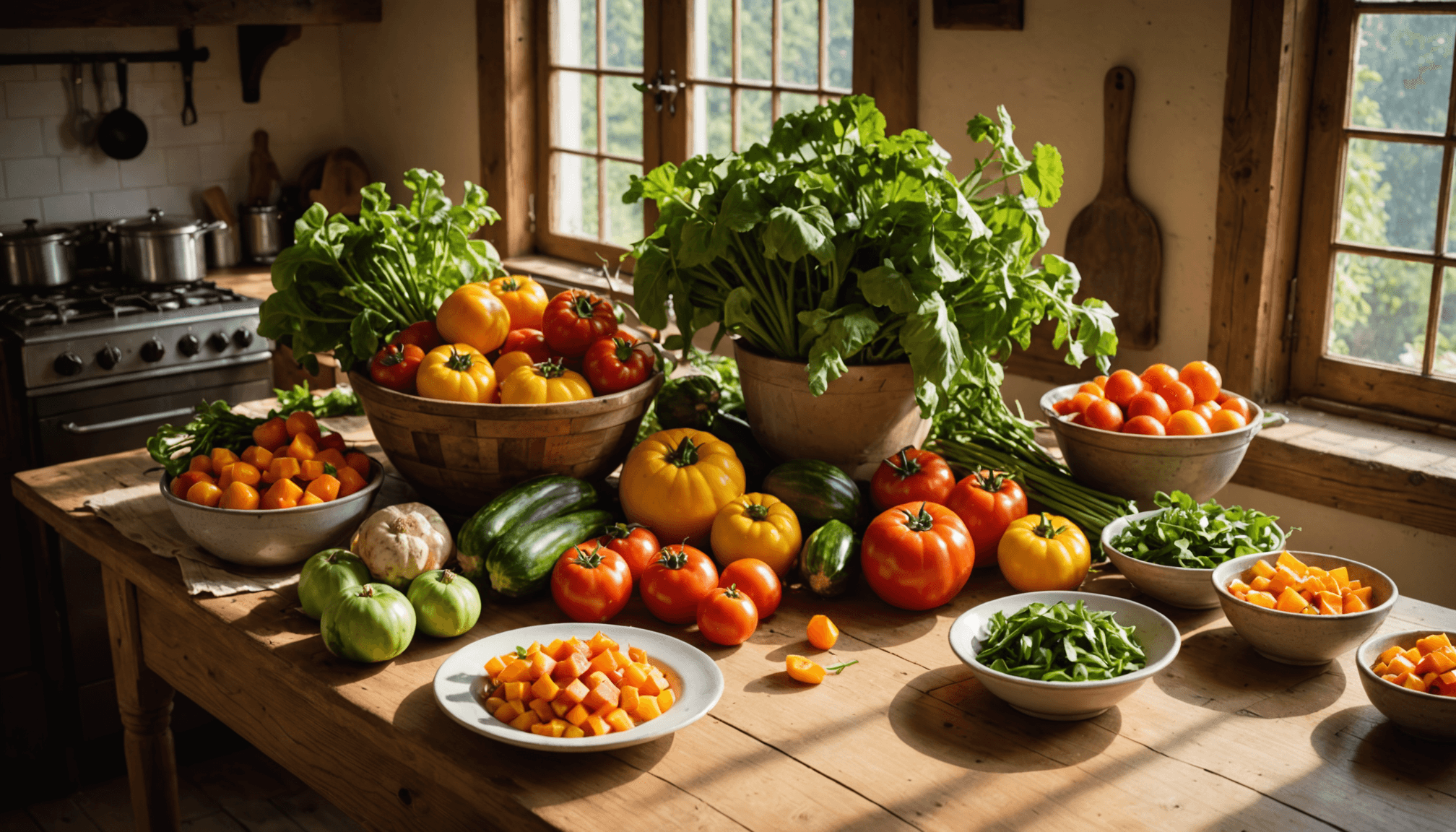
Utilizing seasonal ingredients not only enhances the flavor of your meals but also significantly reduces costs, aligning perfectly with the principles of frugal homesteading. To effectively use seasonal ingredients, start by familiarizing yourself with what’s in season each month in your region. This knowledge allows you to buy fresh produce at its peak ripeness, ensuring maximum flavor and nutritional content.
One of the best ways to incorporate seasonal ingredients is by visiting local farmers’ markets. These markets often have a wide array of fruits and vegetables that are harvested locally. Purchasing in bulk from these vendors can yield further savings, particularly if you connect with a farmer to buy “seconds,” or produce that may not be supermarket perfect but is still delicious and perfectly usable. For instance, don’t shy away from slightly blemished tomatoes or squash—these may be sold at a discount yet are perfect for sauces, soups, or baking.
Another effective approach is to create a seasonal recipe board in your kitchen. This can be a corkboard, a clip-on board, or even a digital document where you pin favorite recipes that highlight the season’s bounty. For example, during autumn, consider recipes such as:
- Butternut Squash Soup: Made with fresh squash, onions, and spices.
- Harvest Grain Bowls: Featuring roasted root vegetables, quinoa, and greens.
- Apple Crumble: Utilizing fresh apples for a warm dessert.
When you shop for seasonal items, think about making dishes that not only celebrate these ingredients but also allow for incorporating them into multiple meals. For example, a large batch of zucchini bread can use up a surplus of zucchini and can be enjoyed for breakfast or as a snack throughout the week.
Moreover, engaging in community-supported agriculture (CSA) programs can be a great way to receive a regular supply of seasonal produce. By committing to a local CSA, you often get a mystery box of produce, which encourages creativity in cooking as you discover new vegetables and fruits. Pair this with a buddy cooking system where you share a CSA membership with a neighbor; this cuts down on waste and doubles the fun of experimenting with new recipes!
Don’t overlook the importance of preserving seasonal ingredients for later use. While canning and freezing can feel daunting, there are simple methods to extend the life of your favorite seasonal produce. For instance:
- Freezing: Clean and chop vegetables like peas, corn, and peppers, blanch them quickly, cool, and freeze in airtight bags.
- Canning: Make jellies or pickled vegetables that allow you to enjoy the taste of summer tomatoes or cucumbers in the dark winter months.
- Dehydrating: A fantastic method for herbs or apples; this can even turn you into a tiny entrepreneur if you decide to sell your dried goods!
In essence, using seasonal ingredients effectively is a key part of sustaining an economical homesteading lifestyle. By being mindful of what’s available at different times of the year and planning your meals around those ingredients, you not only save money but also support local agriculture and enjoy the diverse, tantalizing flavors of fresh, seasonal produce.
Batch cooking and meal prep techniques
Batch cooking and meal prep techniques can transform the way you approach your weekly menu while adhering to a budget. By cooking larger quantities of food at once, you can save both time and money, allowing you to create several meals from a single cooking session. This method not only reduces the stress of daily meal preparation but also ensures that healthy, homemade options are readily available during busy days.
Begin by choosing recipes that can be easily scaled up. Soups, stews, casseroles, and stir-fries are perfect candidates because they often taste better as leftovers, allowing flavors to meld over time. For example, making a big pot of vegetable soup can yield several servings, which can be portioned out for lunches or quick dinners later in the week.
Invest in quality airtight containers to store your prepared meals. Clear containers can help you quickly see what you have ready to go and make it easier to grab a meal on the run. Label these containers with the date and contents to keep your meals organized and minimize the chance of forgetting leftovers in the back of your fridge.
Designate a meal prep day, typically on a weekend, when you can dedicate a few hours to cooking. Start by creating a list of recipes that align with what’s available in your pantry and refrigerator. Gather your ingredients, and begin with those that take the longest to cook, allowing you to multitask effectively. For example, if you’re roasting vegetables, you could encapsulate that time by boiling grains like quinoa or rice simultaneously.
Think also about using versatile ingredients that can be transformed into different meals throughout the week. For instance, a large batch of cooked chicken can be shredded and used in tacos, salads, and sandwiches. Similarly, roasted vegetables can complement breakfast omelets, lunches, or dinner dishes, enhancing flavor while stretching your budget.
“Cooking is like love; it should be entered into with abandon or not at all.” — Harold McGee
One effective way to maximize efficiency during meal prep is the assembly line method. Organize your workspace by setting out all necessary ingredients, tools, and containers. Once you have everything laid out, move from task to task systematically, such as chopping vegetables, cooking proteins, or mixing sauces. This not only speeds up the process but also creates a rhythm that can make cooking feel more enjoyable.
Before you start cooking, check your freezer. If you have items that need to be used up, incorporate them into your batch cooking plan. This will prevent waste and save money, giving you an opportunity to create your meal prep around what you already have.
Lastly, consider involving family members in the meal prep process. This can turn a chore into a communal kitchen event, where everyone contributes to the meal prep—perhaps one person handles chopping while another focuses on cooking. Not only does this save time, but it fosters teamwork and family bonding, teaching valuable cooking skills along the way.
Through batch cooking and meal prep techniques, you can streamline your cooking process, reduce food waste, and ultimately make mealtime both enjoyable and economical. The key lies in thoughtful planning, utilizing overlapping ingredients, and enjoying the time spent in the kitchen as a rewarding experience.
A guide to preserving food for future meals
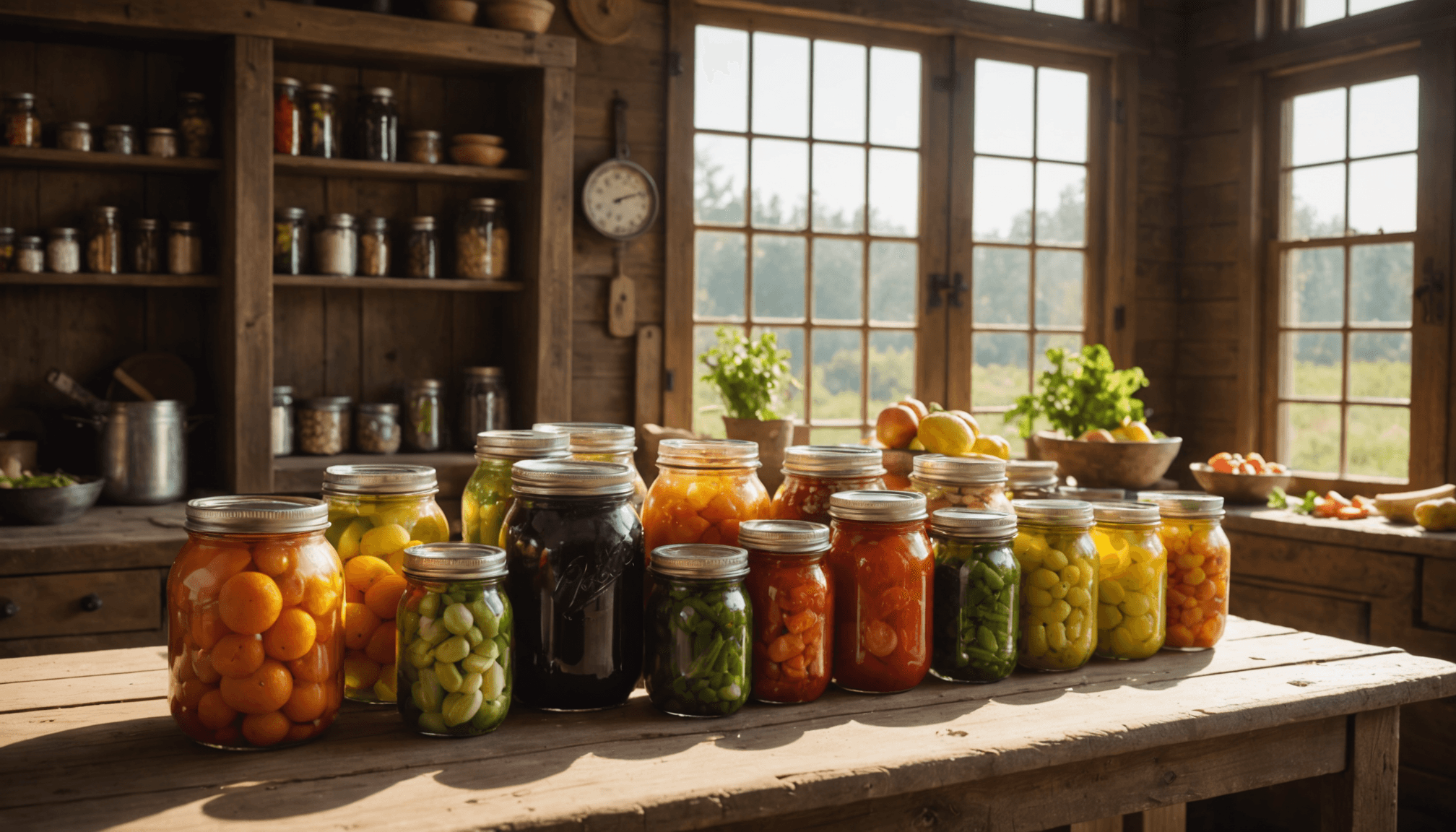
Preserving food is an essential skill for homesteaders aiming to optimize their resources and minimize waste. As the seasons change, so does the availability of fresh produce. Learning how to preserve fruits and vegetables allows you to enjoy the bounty of your harvest long after the growing season has ended. Techniques vary from simple freezing to more intricate methods like canning and fermenting, each offering unique benefits.
One of the most straightforward methods of preserving food is freezing. This technique is particularly effective for fruits and vegetables that freeze well, such as berries, peas, and corn. To freeze effectively, begin by washing and cutting the produce into manageable portions. Blanching—briefly boiling the vegetables before plunging them into ice water—helps retain their color and nutrients during freezing. Once cooled, store them in airtight bags or containers, labeling with the date to track freshness.
Canning is another popular preservation method that can yield impressive results but requires more preparation. This process involves sealing food in jars and heating them to kill bacteria, ensuring shelf stability. Water-bath canning is particularly suitable for high-acid foods like tomatoes and fruits, while pressure canning is necessary for low-acid foods such as green beans or meats. Investing in quality canning equipment, such as jars, a canner, and a good recipe guide, is key to successful and safe preservation.
Fermentation is an age-old technique that not only preserves food but also enhances the nutritional profile and flavor through beneficial probiotic cultures. Commonly fermented foods include pickles, sauerkraut, and yogurt. This process requires minimal ingredients—often just vegetables, salt, and water—and can easily be done at home. For instance, shredded cabbage mixed with salt can be packed tightly into a jar to create sauerkraut, which matures over a few weeks and can be enjoyed for months afterwards.
Dehydrating is yet another effective technique that reduces moisture in food to inhibit bacterial growth. This method is perfect for herbs, fruits, and vegetables. A food dehydrator makes this easier, but you can also use an oven at a low temperature. Dehydrated foods can be stored in jars and used later in soups, stews, or just as handy snacks. For instance, dried tomatoes can add a rich flavor to pasta dishes year-round.
Consider preserving herbs by drying or making herb-infused oils to flavorful use in dishes throughout the year. Fresh herbs can be bundled and hung upside down in a cool, dark place or crumbled and stored in airtight jars once dried, providing convenience and taste to your meals.
As you explore these preservation methods, think about how to create a cycle of abundance in your homesteading practices. Each seasonal harvest presents new opportunities for creative preservation, encouraging you to experiment with flavors and textures that highlight local ingredients. This not only fosters a sense of independence but also enhances your culinary skills, turning your home into a source of nourishment and creativity throughout the year.
- What are some easy food preservation methods for beginners?
- Begin with freezing, which is one of the simplest ways to preserve food. You can freeze fruits and vegetables after washing and cutting them. Canning and dehydrating are other great methods but require some practice and the right equipment.
- How long can I store frozen fruits and vegetables?
- Frozen fruits and vegetables can typically be stored for about 8 to 12 months without significant loss of flavor or quality, but it’s advisable to consume them within six months for the best taste.
- Are there any foods that should not be canned?
- Yes, low-acid foods such as meats and most vegetables need to be pressure canned to be safe. Foods like dairy and oils should not be canned at home due to safety concerns. Always refer to reputable canning guides.
- Can I ferment any type of vegetable?
- Most vegetables can be fermented, but common ones include cabbage, cucumbers, and carrots. Each vegetable may require different techniques, so it’s best to follow specific recipes for successful results.
- How do I know if my canned foods are safe to eat?
- Always check the seal and look for any signs of spoilage, such as bulging lids or unusual odors. If in doubt, it’s best to err on the side of caution and discard any questionable jars.
- What is the best way to dry herbs for preservation?
- Herbs can be dried by hanging bundles upside down in a cool, dark area with good airflow. Alternatively, they can be spread out on baking sheets and dried in an oven at low heat for a quicker method.
- Can I mix different fruits and vegetables in one jar when canning?
- It’s generally best to can fruits and vegetables separately, as they have different acid levels and processing times. Mixing them could result in improper canning, impacting safety and quality.
Cost-effective recipes for homesteaders
Cost-effective recipes allow homesteaders to make the most of their resources while enjoying delicious and nutritious meals. With a little creativity, you can whip up hearty dishes that not only please the palate but are also easy on the wallet. Here are several recipes to inspire your frugal meal planning.
One classic, budget-friendly dish is Black Bean and Rice Casserole. This comforting meal combines pantry staples and can be easily scaled up for larger families or meal prep. Here’s how to make it:
- Ingredients:
- 1 cup white or brown rice
- 2 cans black beans, drained and rinsed
- 1 can diced tomatoes
- 1 cup corn (frozen or canned)
- 1 teaspoon cumin
- Salt and pepper to taste
- 1 cup shredded cheese (optional)
- Instructions:
- Preheat your oven to 350°F (175°C).
- Cook the rice according to package instructions.
- In a large bowl, combine the cooked rice, black beans, diced tomatoes, corn, cumin, salt, and pepper.
- Transfer the mixture to a greased baking dish. If using, sprinkle shredded cheese on top.
- Bake for 25-30 minutes or until heated through and cheese is bubbly.
This casserole is not only filling but versatile; it can be served as a main dish or as a side, and leftovers can be easily frozen for future meals.
Another economical choice is the Vegetable and Lentil Soup, which is perfect for utilizing any seasonal vegetables you have on hand:
- Ingredients:
- 1 cup lentils (any variety)
- 1 onion, diced
- 2 carrots, sliced
- 2 celery stalks, diced
- 4 cups vegetable or chicken broth
- 1 can diced tomatoes
- 1 teaspoon thyme and/or rosemary
- Salt and pepper to taste
- Instructions:
- In a large pot, sauté the onion, carrots, and celery until softened, about 5-7 minutes.
- Add lentils, broth, diced tomatoes, thyme, salt, and pepper. Bring to a boil, then reduce to a simmer.
- Cook until lentils are tender, approximately 20-25 minutes. Adjust seasoning as desired.
This soup is not only a great way to clean out your fridge but also rich in protein and fiber, making it a healthy choice for any meal.
For a quick dinner, consider Stir-Fried Noodles with Vegetables. This dish is a fantastic way to use both leftover vegetables and pantry staples:
- Ingredients:
- 8 oz noodles (spaghetti, udon, or rice noodles)
- 2 cups mixed vegetables (fresh or frozen)
- 2 tablespoons soy sauce
- 1 tablespoon oil (vegetable or sesame)
- 1 teaspoon ginger, minced (optional)
- 1 tablespoon sesame seeds (optional)
- Instructions:
- Cook noodles according to package instructions and set aside.
- In a large pan or wok, heat oil over medium-high heat. Add garlic and ginger, sauté for 1 minute.
- Add mixed vegetables and stir-fry until tender, about 5-7 minutes.
- Add noodles and soy sauce, tossing to combine. Cook for an additional 2-3 minutes until everything is heated through.
- Sprinkle with sesame seeds before serving, if desired.
This recipe is not only inexpensive but also versatile; you can swap in whatever vegetables are available, making it ideal for frugal, waste-conscious cooking.
Additionally, you can experiment with Oven-Baked Frittata. Perfect for breakfast, lunch, or dinner, this dish uses up eggs and any leftovers you might have:
- Ingredients:
- 6 eggs
- 1 cup milk (or a milk alternative)
- 1 cup diced vegetables (spinach, tomatoes, bell peppers)
- 1 cup shredded cheese (optional)
- Salt and pepper to taste
- Instructions:
- Preheat the oven to 375°F (190°C).
- In a mixing bowl, whisk together eggs and milk. Season with salt and pepper.
- Grease a baking dish and add your chopped vegetables and cheese.
- Pour the egg mixture over the veggies and bake for 25-30 minutes, until set.
This frittata is simple to prepare and an excellent way to make use of eggs nearing their expiration date, along with any fridge leftover vegetables, reducing waste and saving money.
By incorporating these cost-effective recipes into your meal planning, you can enjoy wholesome dishes that reflect the principles of frugal homesteading while keeping your finances in check. Experiment, modify based on available ingredients, and find joy in cooking dishes that nourish both you and your family.