
Understanding the various growth stages of plants is crucial for anyone involved in nursery management, whether you’re a seasoned gardener or just starting your homesteading journey. Each stage presents unique needs and care requirements that can significantly influence the health and viability of your plants.
Plants go through several distinct stages during their life cycle, starting from seed germination to maturity. Here’s a breakdown that will help you recognize these phases:
- Seed Germination: This is the first stage where the seed begins to sprout. Conditions such as temperature, moisture, and light availability are critical. Ensure your seeds are planted in a well-draining mix, and keep the soil consistently moist but not waterlogged.
- Seedling Stage: Once the seed has germinated, it enters the seedling stage, where it develops its first leaves (cotyledons). This is the perfect time to introduce appropriate fertilizers for young plants. Utilize a diluted organic fertilizer to promote healthy growth without overwhelming the delicate roots.
- Vegetative Stage: During this phase, plants grow rapidly. They require ample sunlight and water. Investing in grow lights if you’re starting indoors can help if natural light is limited. Ensure that the plants are spaced out to prevent overcrowding, which can lead to competition for nutrients and light.
- Flowering Stage: If your plants are flowering varieties, they will enter this stage after the vegetative phase. This is when pollination occurs, and proper care is essential to produce fruit or seeds. Keep an eye on pest activity, as flowers are particularly susceptible to infestations.
- Maturity: Finally, the plants reach maturity, at which point they can be harvested or pruned back for continued growth. It’s crucial to note the specific timing for harvesting as it can vary greatly among plant species.
In addition to understanding these stages, you should also monitor environmental conditions such as humidity and temperature. Investing in tools like moisture meters can help you maintain optimal moisture levels. Regularly check your plants to catch any signs of distress early, allowing you to address issues promptly.
Moreover, engaging with local gardening communities can be really beneficial. Sharing experiences and getting firsthand advice can enhance your understanding and improve your homesteading efforts. Utilize social media platforms or local gardening clubs to connect with experienced gardeners who can offer tips suited for your specific climate and conditions.
By becoming attuned to the various growth stages of your plants, you’ll be better equipped to nurture them effectively, ensuring a flourishing garden and a rewarding homesteading experience.
Nurturing Young Plants
After the seedlings have established themselves, nurturing young plants requires a balanced approach that caters to their developmental needs. This stage is pivotal in the plant life cycle, as it sets the groundwork for their future growth and productivity. Proper care during this phase emphasizes several key aspects: light, water, nutrients, and overall plant health.
Light Requirements: Young plants thrive best with adequate light, which is essential for photosynthesis. For indoor nurseries, fluorescent or LED grow lights can mirror sunlight, aiding in optimal growth. Pay attention to the intensity and duration of light exposure. For outdoor nurseries, selecting an appropriate location with adequate sunlight while also providing some shade during the hottest parts of the day can prevent leaf scorching. It’s also important to rotate plants to ensure even light distribution.
Watering Practices: Watering must be approached with care. Young plants have delicate root systems that are susceptible to rot if overwatered. Instead, focus on consistent moisture levels. A simple method to check soil moisture is to stick your finger an inch deep into the soil; if it feels dry, it’s time to water. When watering, it’s best to do so in the morning to allow plants to absorb moisture and avoid fungal issues that could arise from evening watering.
Nutrient Management: As plants start to grow, their need for nutrients increases. Young plants particularly benefit from balanced, diluted fertilizers that promote root development and green leaf growth. An ideal nutrient mix for this stage often includes nitrogen, phosphorus, and potassium in equal parts. To avoid nutrient burn, it’s critical to follow recommended dosages and frequency for fertilization, and consider using organic fertilizers to support soil health.
Pest and Disease Monitoring: Healthy young plants can still fall prey to pests and diseases, making regular monitoring vital. Inspect foliage regularly for typical pests like aphids, spider mites, and whiteflies. An early detection system is effective here—strongly consider introducing beneficial insects such as ladybugs and lacewings, which can help control pest populations naturally. Additionally, practicing good sanitation within the nursery environment, such as removing dead foliage, can minimize disease occurrences.
Health Check: Assessing overall plant health is fundamental during this nurturing phase. Watching for signs of nutrient deficiencies—such as yellowing leaves or stunted growth—can help guide corrective measures. Keeping a growth journal can be beneficial, noting any changes in plant appearance or behavior and your responses to these observations. This practice not only aids immediate troubleshooting but also contributes to your expertise in nursery management.
| Aspect | Best Practices |
|---|---|
| Light | Provide 12-16 hours of light; rotate plants for even exposure. |
| Water | Check soil moisture; water in the morning to prevent rot. |
| Nutrients | Use balanced, diluted fertilizers; monitor for signs of nutrient burn. |
| Pest Management | Inspect regularly; introduce beneficial insects for natural control. |
| Health Monitoring | Keep a growth journal to track plant development and concerns. |
By closely monitoring and adjusting care practices based on the specific needs of young plants, you ensure they grow robustly and set the stage for fruitful development in the later stages of the plant life cycle. A well-nurtured young plant not only enhances the overall productivity of the nursery but also prepares the gardener for successful long-term cultivation. Each interaction during this nurturing phase is an investment in a plant’s future, leading to healthier and more resilient specimens.
Soil and Environment Requirements

To create a thriving nursery, understanding the soil and environment requirements is paramount, as these elements serve as the backbone for nurturing healthy plants throughout their growth stages. Soil quality directly influences how well plants can absorb nutrients and water, which in turn affects their overall health and productivity.
Choosing the Right Soil: Not all soil is created equal. For effective nursery management, begin with a high-quality potting mix that suits the specific needs of the plants you intend to grow. Look for mixes that offer excellent drainage while still retaining sufficient moisture. A blend containing peat moss, vermiculite, and compost can provide the ideal environment for seed germination and seedling development. Make sure to research whether your chosen plants prefer acidic, neutral, or alkaline soil and adjust your mix accordingly.
Testing Soil Quality: Periodically testing soil pH and nutrient levels can provide insight into the conditions your plants are experiencing. Home testing kits are readily available and can give you a comprehensive overview of nutrient availability and pH balance. If your results indicate deficiencies, consider amending the soil with nutrients like bone meal for phosphorus or dolomite lime to raise pH levels. Remember, adjustments should be made gradually to prevent shock to your plants.
Water Retention and Drainage: Beyond just choosing the right soil, understanding how water interacts with it is equally important. To enhance water retention yet allow for proper drainage, consider incorporating materials like coconut coir or perlite into your soil mix. This combination helps maintain necessary moisture levels while preventing root rot—an all-too-common issue faced in nursery environments. Aim to water your plants thoroughly but allow the excess to drain away freely. An efficient drainage system in pots or trays also minimizes the risk of waterlogged soil.
Maintaining Ideal Environmental Conditions: The right environmental factors—like temperature and humidity—will also impact your nursery’s success. Most plants thrive in temperatures between 65°F and 75°F, but specific needs may vary based on plant varieties. Placing a thermometer and hygrometer in your nursery space can help you maintain optimal conditions. For those new to taking care of plants, consider grouping plants with similar humidity and light needs to simplify care routines.
Utilizing Natural Elements: If you’re venturing into outdoor nursery management, embrace the use of natural elements to create a microclimate. Tall plants can provide shade for smaller or more sensitive varietals. In windy areas, consider utilizing windbreaks made from trellises or thicker plantings, protecting delicate young plants from harsh winds. Additionally, using mulch can help regulate soil temperature and moisture while suppressing weeds—a win-win for busy gardeners.
Climate Considerations: Be mindful of your local climate, as it fundamentally impacts your nursery management strategies. Research the USDA Plant Hardiness Zone Map to determine which plants are best suited for your area. This will inform not only your choices in plants but also their care strategies, as some species may need specific environmental adjustments to thrive. Remember, local weather patterns can also affect watering schedules, so remain adaptable and observant.
By paying close attention to soil and environmental conditions, you will enhance the chances of success for your nursery endeavors, empowering you to cultivate healthy plants that flourish in their dedicated spaces. Hands-on experience, coupled with education, will allow you to master the delicate balance of factors necessary for fostering life at various growth stages.
Pest and Disease Management
Effective pest and disease management is paramount for ensuring healthy growth throughout the various stages of the plant life cycle in a nursery setting. Understanding how to identify, prevent, and manage these threats enables nursery managers to create a resilient environment for plants, ultimately supporting their growth and productivity.
Regular monitoring is essential, as it acts as the first line of defense against pests and diseases. Inspecting plants at least once a week allows for the early detection of any issues. Look for signs such as discoloration, wilting, or unusual spots on leaves, which may indicate pest presence or fungal infection. By catching these symptoms early, you can take specific measures to address the problems before they escalate.
Incorporating integrated pest management (IPM) strategies is a great approach. IPM emphasizes a combination of strategies to control pests effectively while minimizing harm to beneficial organisms and the environment. Start with cultural practices that promote plant health, such as crop rotation, proper spacing, and sanitation measures like cleaning tools and pots to avoid disease spread. Additionally, healthy plants are generally more resilient to attacks, so maintaining optimal nutrient levels and watering practices will create a robust environment.
“An ounce of prevention is worth a pound of cure.” – Benjamin Franklin
Natural predators can be a valuable ally in controlling pest populations. Introducing beneficial insects such as ladybugs and parasitic wasps can help manage unwanted pests without the need for harsh chemicals. These natural controls are especially effective in the early growth stages of plants when they are most vulnerable. Creating a habitat for these beneficial insects—by planting companion plants or providing shelter—can enhance your nursery’s pest management strategies.
When chemical controls are necessary, opt for organic or less toxic options whenever possible. Products such as insecticidal soaps, neem oil, and diatomaceous earth can be effective without overly disturbing the ecological balance of your nursery. Always follow the label instructions for application rates and timing to minimize the risk of harming beneficial insects or causing plant stress.
Furthermore, understanding the lifecycle of common pests can aid in more proactive management. For example, knowing when pests are likely to hatch or become active allows you to time your interventions effectively. Additionally, employing barriers such as row covers can physically prevent pests from accessing your plants while still allowing light and moisture to penetrate.
Fungi and bacteria can also pose significant threats to the health of plants. To combat these issues, ensure good air circulation around plants and avoid overhead watering, which can promote fungal growth. If you notice signs of disease, such as powdery mildew or root rot, promptly remove affected plants and dispose of them properly to prevent the spread of pathogens. Infected soil may require sterilization or amendment to restore its health.
Lastly, education is key in pest and disease management. Familiarize yourself with the specific pests and diseases that affect the plants in your nursery. Resources such as local agricultural extension services, gardening books, and online databases can provide valuable insights into effective control methods suited to your regional conditions.
By actively engaging in pest and disease management, nursery managers can ensure that plants thrive through their growth stages while minimizing losses and fostering a healthy environment. Adopt a holistic approach that encompasses prevention, monitoring, and control, paving the way for a successful nursery that nurtures plants from seed germination to maturity.
Transplanting Techniques
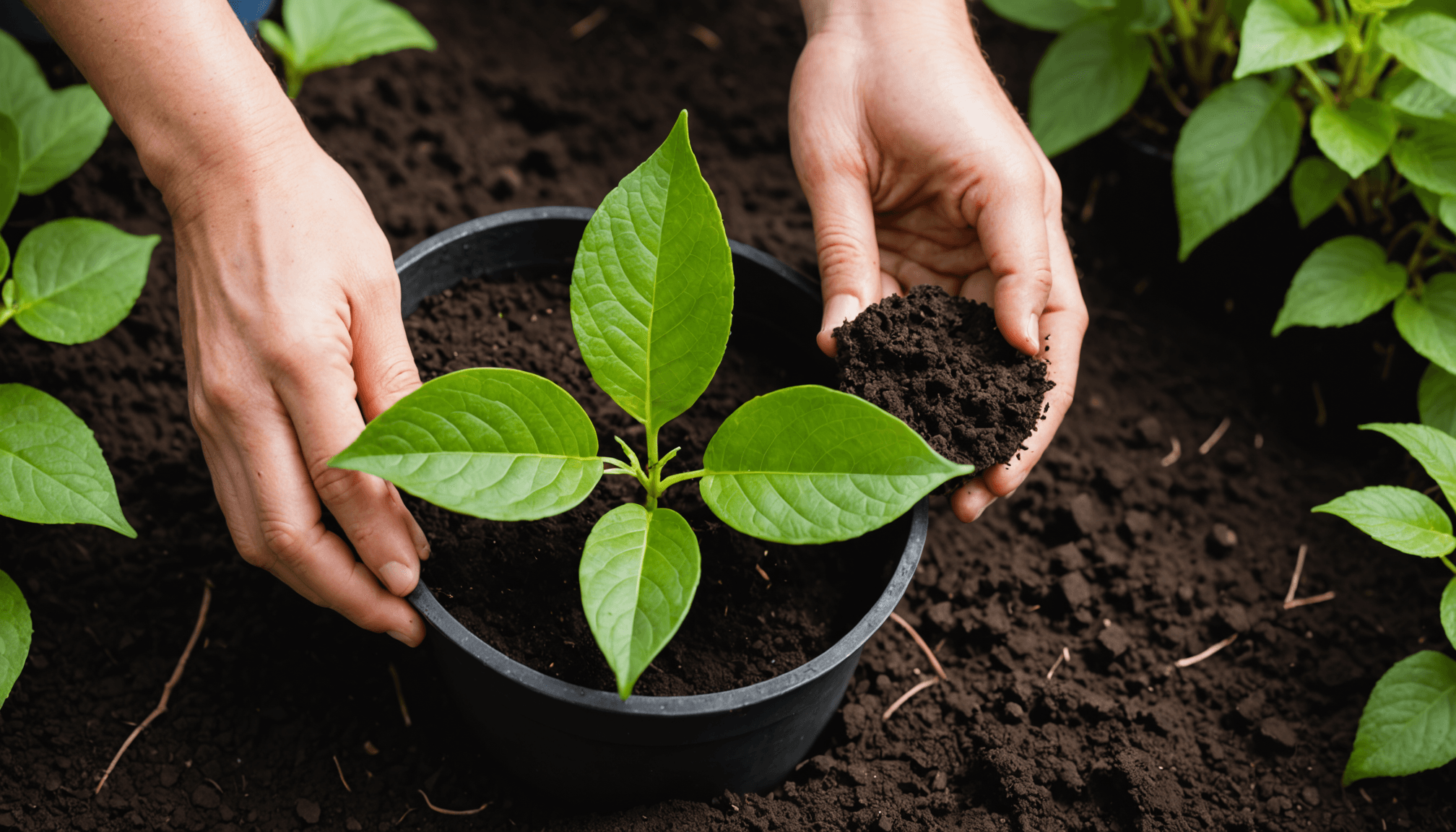
Transplanting is a critical step in nursery management that can significantly affect the success and overall health of young plants. The process involves moving plants from one growing environment to another—typically from smaller containers or seed trays to larger pots or directly into the ground. Mastering this technique requires a solid understanding of the best practices and timing, as well as the specific needs of the plants being handled.
Timing is paramount when it comes to transplanting. It is generally advisable to transplant when young plants are in the seedling stage and have developed a strong root system but are not yet root-bound. This means they should have several sets of true leaves, as this indicates that they can photosynthesize adequately while adjusting to a new environment. Transplanting too early can shock the plants, while waiting too long may lead to root crowding, making it harder for the plants to adapt to their new growing space.
Before transplanting, it’s essential to prepare both the plants and the new environment. Gently water the seedlings a day prior to transplanting, as this will help minimize shock and make it easier to remove them from their containers. Additionally, ensure that the new pots or planting locations are prepped with high-quality soil that provides the necessary drainage and nutrients. Adding compost or a balanced organic fertilizer can enrich the planting medium, offering a boost to the plants as they adapt their root systems to their new home.
When removing seedlings from their original containers, handle them by the leaves or the root ball, avoiding direct contact with the delicate stem. Gently loosen the root ball if it’s tightly packed, and avoid breaking roots unless necessary. In larger containers, creating a hole deep enough to comfortably fit the root ball is vital to encourage healthy growth. Once transplanted, be sure to firm the soil around the base of the plant to eliminate air pockets and ensure good contact with the roots.
After transplanting, immediate care is crucial. Water the plants thoroughly to help reduce transplant shock. This is also a critical time to observe the surrounding environmental conditions. Providing a temporary shaded environment can be beneficial, particularly if the weather is warm or sunny, to prevent wilting until the plants acclimate. Gradual exposure to full sunlight is often advantageous to ease this transition.
Additionally, consider the spacing between transplants, particularly if you’re growing crops or flowering plants. Adequate spacing minimizes competition for resources and allows for better air circulation, thus reducing the risk of disease and improving the overall health of the plants. This is especially important to watch during the vegetative stage, where rapid growth can lead to overcrowding.
The benefits of proper transplanting extend beyond the initial process. Transplanted seedlings often exhibit stronger growth rates and enhanced productivity, setting a positive trajectory for the plant life cycle. Investing time and effort into proper transplanting techniques will pay dividends in healthy, vibrant plants that are more likely to thrive through their subsequent growth stages.
- What is the best time to transplant seedlings?
- The ideal time to transplant seedlings is when they have developed several sets of true leaves and a strong root system, typically in the seedling stage. Aim to transplant early in the morning or late in the afternoon to minimize stress on the plants.
- How do I know if my seedlings are ready to be transplanted?
- Seedlings are ready for transplanting when they exhibit a robust root system and several sets of true leaves. It’s essential they aren’t root-bound and are still compact enough to handle easily.
- What should I do to prepare for transplanting?
- Prior to transplanting, ensure seedlings are well-watered, and prepare the new planting site with quality potting mix or enriched soil. Make sure containers are clean and suitable for the type of plant you are growing.
- How deep should I plant the seedlings when transplanting?
- When transplanting, ensure the seedlings are planted at the same depth they were growing in their original containers. This helps avoid stress and supports healthy growth from the root system.
- How can I reduce transplant shock?
- To minimize transplant shock, water seedlings the day before and create a temporary shaded environment after transplanting. Gradually expose them to full sunlight to help them acclimate.
- Is it necessary to fertilize after transplanting?
- Fertilization after transplanting is generally helpful but should be done with caution. Consider using a balanced, diluted fertilizer a few weeks after transplanting to support the new growth without burning the tender roots.
- How can I ensure proper spacing when transplanting?
- Refer to the spacing recommendations for the specific plant variety you are working with, as it can vary greatly. Ensure that each plant has enough room for adequate light, air circulation, and nutrient access.
Sustainable Practices in Nurseries
Sustainable practices in nurseries not only contribute to environmental conservation but also enhance the quality of the plants produced, yielding benefits for both growers and consumers. As urban dwellers, families, and garden enthusiasts embark on their homesteading journeys, adopting eco-friendly techniques can transform nursery management into a rewarding and environmentally responsible endeavor.
Embracing Organic Practices: One of the foundational steps toward sustainability is the use of organic cultivation methods. Avoiding synthetic fertilizers and pesticides not only protects beneficial organisms but also results in healthier soil and plants. Instead, consider incorporating compost and natural amendments like bone meal, bat guano, and seaweed extracts. These enrich the soil while supporting a vibrant microbial ecosystem essential for nutrient uptake. For instance, making your own compost at home from kitchen scraps and garden waste can provide a rich, organic resource while reducing overall waste.
Water Conservation Techniques: Water is a vital resource, and implementing conservation practices can significantly enhance sustainability. Techniques such as drip irrigation and rainwater harvesting minimize water waste and provide steady moisture to your plants. Drip irrigation delivers water directly to the roots of the plants, reducing evaporation and ensuring efficient use. Rain barrels can collect runoff, providing a free, natural water source for your nursery. This practice not only conserves water but also reduces your utility bills, a key benefit for utility-conscious urban gardeners.
Creating Biodiversity: Incorporating a variety of plant species in your nursery enhances biodiversity, which is essential for a healthy ecosystem. Companion planting—growing different plants together—can bolster pest control and improve soil health. For example, planting marigolds alongside vegetables can deter harmful nematodes and pests, while beneficial plants like clover can improve soil nitrogen levels. Additionally, native plants attract local pollinators and wildlife, fostering a balanced environment conducive to plant health.
Soil Health Management: Healthy soil is crucial for successful nursery management. Regularly adding organic matter like compost improves soil structure, increases microbial activity, and enhances nutrient availability. Conducting soil tests can help you tailor amendments to address specific nutrient deficiencies, ensuring plants receive what they need to thrive. One must also incorporate practices that prevent soil erosion, such as mulching and avoiding soil compaction through careful foot traffic management.
Waste Reduction Strategies: Reducing waste in your nursery practices is another pillar of sustainability. Reusing pots, trays, and other materials not only cuts down on waste but can also save on costs. Implement a system for cleaning and sterilizing used containers to prevent disease spread while preparing for the next planting cycle. Additionally, consider donating excess plants or seedlings to local community gardens or schools, promoting a spirit of sharing while helping to nurture the gardening community.
Eco-friendly Pest Management: In line with organic practices, sustainable pest management utilizes non-toxic approaches to keep plants healthy. Integrate barriers, traps, and natural repellents to protect your plants from pests without harming beneficial insects. For instance, neem oil is an excellent natural insecticide that disrupts the life cycle of pests while being safer for the environment. By creating habitats for predatory insects, you can minimize pest populations organically, making it a win-win for both your nursery and the ecosystem.
By adopting these sustainable practices, nursery managers can cultivate healthier plants that thrive through their growth stages while fostering a greener environment. Each sustainable choice not only elevates the quality and resilience of plants but also contributes to a broader movement toward environmental responsibility in gardening and homesteading.