
Creating a thriving urban garden is more about ingenuity than space. Despite the limitations of apartment living, you can cultivate a variety of plants that not only beautify your environment but also provide fresh produce and enhance your mood. The key is to embrace urban gardening essentials that suit your lifestyle and capabilities.
Firstly, understanding the light conditions in your apartment is crucial. Observe how sunlight moves throughout your space; this will help you determine which plants will thrive where. South-facing windows typically receive the most light, making them ideal for sun-loving plants. For those with limited light, consider planting shade-tolerant varieties such as ferns, pothos, or spider plants, which can do well in lower light conditions.
Next, soil selection is vital. Always opt for high-quality potting mix that is designed for container gardening. This type of soil is lighter and has better drainage properties compared to garden soil. Additionally, incorporating organic matter, like compost, enriches the soil with nutrients, promoting healthier plant growth. Here’s a simple recipe to create your own potting mix:
- 1 part peat moss or coconut coir
- 1 part perlite or vermiculite
- 1 part compost
Watering is another key element of successful urban gardening. Container plants tend to dry out faster than ground-planted ones, so it’s important to monitor their moisture levels closely. A good rule of thumb is to check the top inch of soil; if it feels dry to the touch, it’s time to water. Make sure to use a pot with drainage holes to prevent waterlogging, which can lead to root rot.
Additionally, think carefully about the types of plants to grow. Start with herbs like basil, cilantro, and parsley, which are not only easy to grow but also infuse your meals with vibrant flavors. Vegetables such as cherry tomatoes, radishes, and salad greens are also fantastic choices for small spaces, as they tend to have compact growth habits. Consider incorporating vertical gardening solutions like trellises or wall-mounted planters that allow you to maximize your limited space effectively.
Don’t underestimate the power of community. Local gardening groups, workshops, and online forums can offer guidance, inspiration, and resource sharing. Don’t hesitate to engage with fellow urban gardeners; their tips can help you avoid common pitfalls and enhance your gardening skills. Consider joining social media groups where you can share your progress and ask for advice.
Maximizing small spaces
When it comes to maximizing limited space in an apartment or urban environment, the strategic use of available areas is essential. Start by utilizing vertical space, which is often overlooked. Vertical gardening can transform walls into lush plant displays, allowing you to grow more in less horizontal area. Using shelving units, wall-mounted planters, or hanging pots can elevate your gardening game significantly. Here’s a simple layout for a vertical garden setup:
- Install a ladder shelf to display a tiered arrangement of potted plants.
- Use wall brackets to secure small pots along a vertical surface.
- Consider hanging a trellis for vining plants like peas or cucumbers higher up, creating a green canopy effect.
Another effective method is to take advantage of underutilized spaces such as balconies, windowsills, and corners. Small, narrow spaces can accommodate slim containers or vertical planters. Look for containers that can be hung on railings or those designed to fit into windows, ensuring you don’t let any potential gardening area go to waste.
Additionally, stacking planters can increase your plant density without requiring more floor space. These planters provide ample drainage and airflow while maximizing sunlight exposure for each plant. Here’s a comparison of common stacking planter options:
| Planter Type | Number of Plants Per Unit | Benefits |
|---|---|---|
| Stackable Plant Tower | Up to 10 | Easy access, requires minimal floor space, suitable for herbs and strawberries. |
| Pallet Planters | 12-15 | Recycled materials, can hold a variety of plants, ideal for small herbs and flowers. |
| Vertical Wall Planters | Variable | Artistic display, easy irrigation, enhances aesthetics. |
Moreover, consider the use of multi-purpose furniture. For instance, benches and tables with built-in planters not only serve a functional purpose but also contribute to your green quotient. You can transform an ordinary side table into a vibrant herb station or a coffee table that hosts succulents, optimizing how you use surfaces while infusing greenery into your living space.
Don’t forget about mobility; using wheeled garden furniture allows you to reconfigure your space as needed, changing the placement for both aesthetics and light adjustments. This is particularly beneficial when seasons change, and light conditions differ. Keeping plants movable enables more effective management of light and environmental factors.
Finally, be mindful of the types of materials used for vertical or container gardening. Utilize lightweight materials—like fabric pots or plastic containers—which are easier to manage in terms of moving and adjusting light conditions. Additionally, look for eco-friendly options that promote sustainability without compromising on style.
In sum, maximizing space in an urban garden requires creativity, resourcefulness, and a willingness to experiment. By incorporating vertical gardening, utilizing underused areas, and choosing the right arrangements and materials, even the smallest apartments can bloom into green havens.
Container gardening techniques
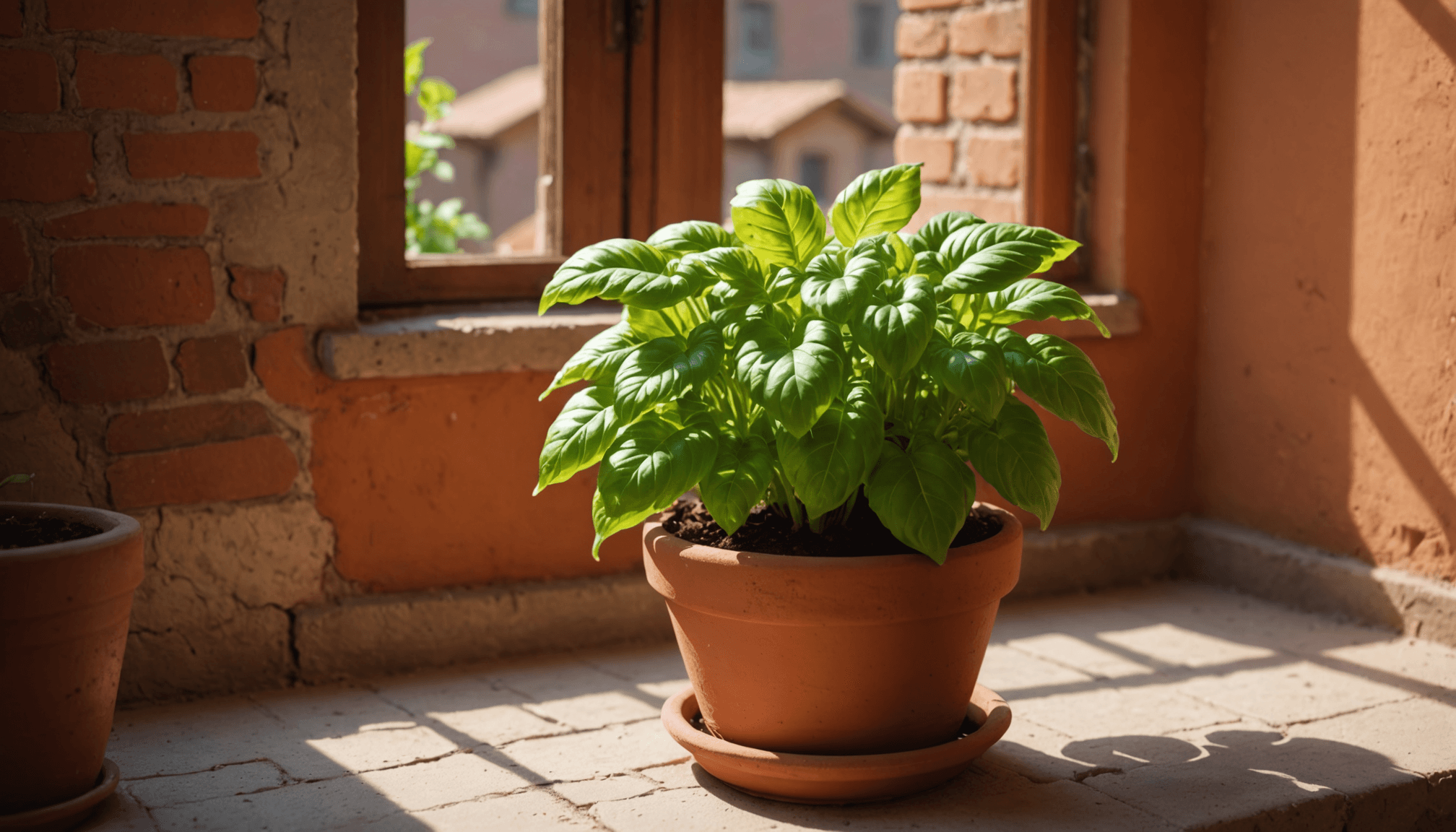
Container gardening opens up an entirely new realm for urban dwellers, allowing you to cultivate a variety of plants, even in the tiniest nooks of your home. The versatility of containers means you can adapt your gardening to fit your lifestyle seamlessly. One of the first things to consider is the choice of containers. Look for options that suit your aesthetic but remain functional. Terracotta pots, while classic, can be heavy and fraught with water retention issues. Lightweight options like fabric or plastic pots can be fantastic alternatives, providing ease of mobility and enhancing drainage.
When selecting containers, ensure they have drainage holes to prevent excess water from accumulating. Without proper drainage, your plants risk developing root rot, which can sabotage your gardening efforts. If you find a beautiful pot without holes, you can turn it into a self-watering container. Simply add a layer of rocks at the bottom for drainage, followed by the soil. Water management is crucial, especially in containers, as they tend to dry out more quickly than ground gardens.
Consider using a variety of container sizes and shapes to promote diversity in your garden. Smaller containers are perfect for herbs like mint, thyme, or chives – all of which are great companions for cooking. Use larger containers for vegetables and fruits such as bell peppers, eggplants, or strawberries, which require more space to thrive. By changing container sizes and styles, you create a visually appealing display while offering tailored environments for different plant types.
Another technique that can enhance your container gardening adventure is the concept of companion planting. Certain plants grow better together and can deter pests or improve growth through their interrelationships. For example, planting basil alongside tomatoes can improve the flavor of the tomatoes while keeping pests at bay. Additionally, make use of plants that thrive in proximity to one another, such as carrots and onions, which can share space harmoniously.
Pay attention to the placement of your containers. Position your plants in a way that aligns with their light needs. If you have a mix of sun and shade-loving plants, try creating tiered arrangements. Use plant stands to elevate smaller pots to different heights, allowing all your plants to benefit from sunlight while creating a visually interesting display. Additionally, placing your garden near a source of water can simplify the watering process, especially if you plan to have multiple containers.
Furthermore, don’t hesitate to incorporate vertical elements into your container garden. Hanging pots or wall-mounted planters can extend your gardening area without occupying much floor space. Choose plants that trail beautifully, such as string of pearls or trailing herbs, to create a lush, cascading effect. These plants not only beautify your space but also maximize your growing potential.
During the warmer months, consider frog-footing your container plants outdoors to soak in the sunlight and enjoy the fresh air. However, be mindful of the weather conditions. For instance, if a sudden storm is forecasted, be prepared to bring vulnerable plants inside to prevent waterlogging or wind damage. Conversely, in colder months, be ready to move your plants away from windows to avoid frost damage or invest in thermal blankets to keep them warm.
Lastly, remember to rotate your plants regularly to ensure even growth. This technique prevents leaning due to the sun’s position and encourages balanced development. Practice patience and observe your plants closely; sometimes the best gardening insights come from simply watching how plants interact with their environment. Whether it’s tweaking light exposure or adjusting watering routines, your keen observations will lead to a thriving container garden.
Indoor plants for homesteading
Indoor plants are a fantastic way to bring nature into your apartment, enriching your living space while providing myriad benefits. They can improve air quality, boost your mood, and enhance the aesthetics of your home. Selecting the right plants is crucial for success, especially when space is limited. Start by choosing plants that are not only resilient but also easy to care for, ensuring that your urban homesteading journey remains enjoyable.
One of the top contenders for indoor gardening is the pothos, known for its ability to thrive in various lighting conditions and its forgiving nature. This trailing plant can be grown in hanging pots or on shelves, creating a lush green cascade that enhances vertical space. Similarly, the snake plant is another excellent option; it requires minimal care and can tolerate low light, making it perfect for beginners and those with busy lifestyles.
When considering herbs for indoor environments, basil, mint, and chives are stellar choices. These herbs not only serve culinary purposes but also grow well in smaller containers. They thrive on a sunny windowsill and can transform your meals with fresh flavors. To promote strong growth, regularly harvest leaves; this practice encourages bushier plants and extends their lifespan.
Utilizing shelves and bookcases can significantly enhance your indoor garden setup. By arranging plants at different heights, you create depth and visual interest. This method also maximizes light absorption, ensuring that each plant receives adequate sun exposure. Consider incorporating the tiered plant display to showcase a variety of greens, with trailing vines at the top and shorter plants below.
“Plants can create a peaceful environment within your home, transforming not just the space but also your mindset.”
To maintain healthy indoor plants, it’s essential to establish a routine that includes proper watering, fertilizing, and pruning. Different plants have varying needs, so monitor each species closely. As a general guideline, always allow the top inch of soil to dry out before rewatering, as overwatering is a common mistake. Fertilizing every few months with a balanced houseplant fertilizer can give your plants the nutrients they need to flourish indoors.
Providing humidity is another essential aspect of indoor plant care. Many tropical varieties will thrive in environments with higher humidity, so consider grouping pots together to create a microclimate. Alternatively, placing a small humidifier nearby or misting plants occasionally can help sustain moisture. If you’re dealing with dry winter air, these strategies become even more crucial.
Additionally, think about the type of containers you use. Lightweight, breathable pots can contribute positively to the health of your plants. Choose pots with drainage holes to prevent water from pooling at the bottom and causing root rot. Decorative cache pots can also add to the aesthetics of your space while the more practical inner pots maintain proper drainage.
One of the joys of indoor gardening is the opportunity to experiment with propagation. Many houseplants, such as spider plants, pothos, and succulents, can be easily propagated in water, allowing you to create new plants from cuttings. This process not only amplifies your green space but also offers a rewarding project that illustrates the cycle of growth.
Lastly, don’t shy away from integrating larger plants into your indoor garden. Specimens like fiddle leaf figs or rubber plants serve as statement pieces while purifying the air. When selecting larger plants, make sure to consider their mature size to avoid overcrowding your space. These plants can serve as focal points, anchoring your homesteading efforts in the heart of your apartment.
Sustainable practices for apartment living
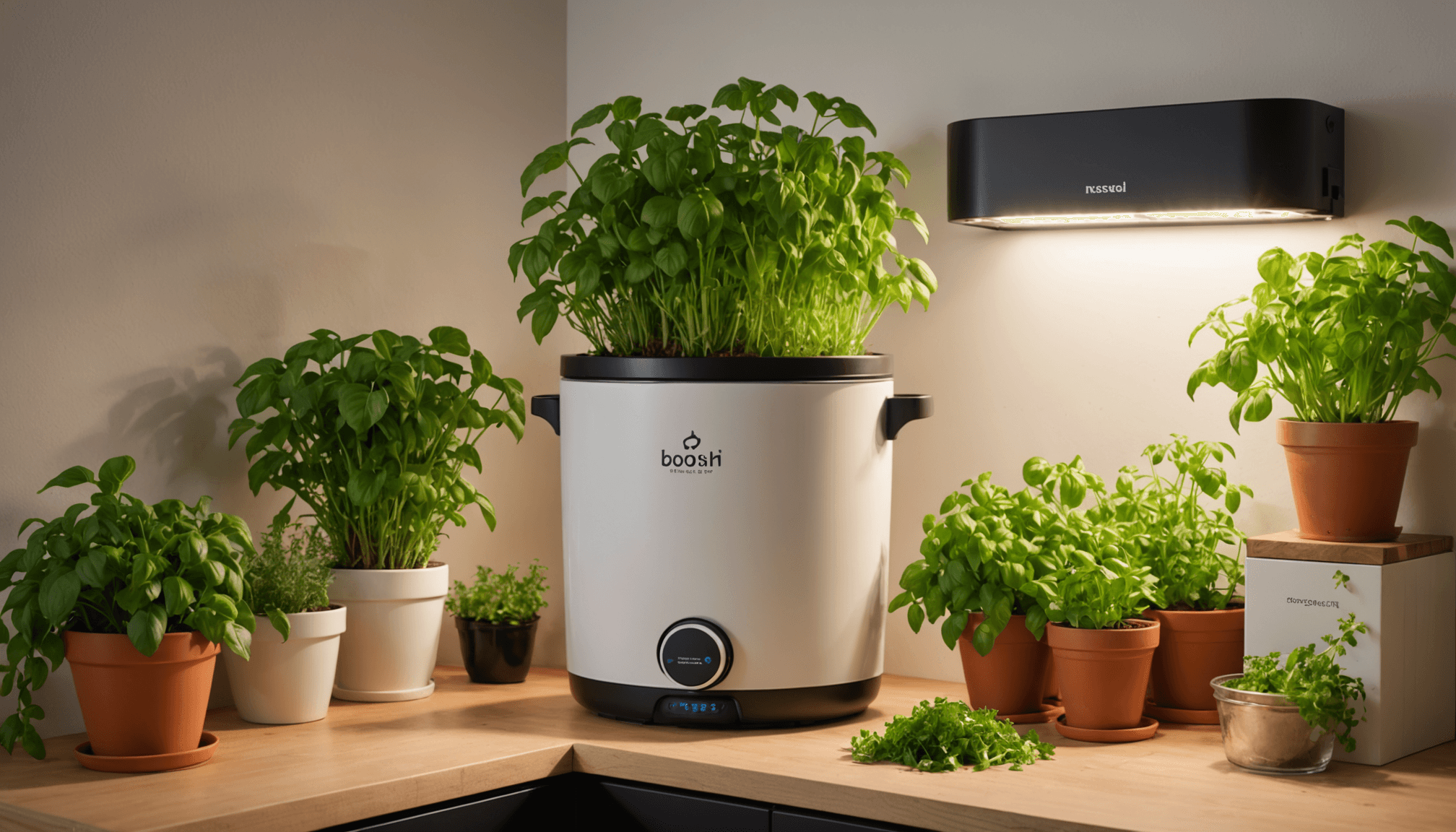
Incorporating sustainable practices into apartment living not only supports your homesteading ambitions but also contributes to a healthier environment. One effective approach is to focus on reducing waste through mindful consumption. Evaluate your purchases and strive to buy products with minimal packaging or those sourced from local vendors. This not only minimizes your carbon footprint but often supports community initiatives and reduces travel emissions associated with long-distance goods.
Composting might seem challenging in an apartment, but many successful urban homesteaders creatively manage this. Small worm bins or bokashi composting systems can fit seamlessly into your kitchen or balcony. These methods can effectively break down kitchen scraps—like vegetable peels and coffee grounds—into nutrient-rich compost that can be used to enrich your houseplants or container gardens. It’s remarkable how a few scraps can be transformed into a resource, closing the loop on waste management.
Water conservation is another essential aspect of sustainable living. Collecting rainwater is a feasible option for those with access to a balcony or terrace, allowing this precious resource to nourish your plants. Additionally, when watering your indoor garden or outdoor containers, consider utilizing greywater from your kitchen or laundry (as long as it is safe and free of harmful chemicals). This approach not only conserves fresh water but also keeps your plants hydrated in an eco-friendly manner.
Energy-efficient lighting is a critical component of sustaining your gardening efforts, especially for indoor plants that rely on artificial light. Transitioning to LED grow lights can reduce energy consumption significantly. They provide the necessary light spectrum for plant growth while using less electricity compared to traditional fluorescent bulbs. This not only enhances the health of your plants but also reduces your monthly energy bill, aligning with sustainable living practices.
Building relationships with local gardeners and community resources can further propagate your sustainable practices. From seed swaps to workshops on urban permaculture, engaging with local networks exposes you to innovative ideas, techniques, and resources you might not encounter alone. These exchanges foster a sense of community—an essential element of homesteading—which can amplify your knowledge and provide avenues for collaboration.
Lastly, mindfulness in your gardening practices can lead to a deeper connection with nature. By reflecting on each step you take in cultivating your urban homestead—whether it’s nurturing a seedling or harvesting herbs—you develop a more meaningful relationship with the environment. This awareness can enhance your gardening journey, serving as a reminder of the impact your lifestyle choices have on the broader ecosystem.
- What are some easy ways to compost in an apartment?
- Consider using a small worm composting system or bokashi bins to compost kitchen scraps in limited space. Both methods can efficiently break down organic waste without requiring a yard.
- How can I conserve water while gardening in my apartment?
- Utilizing greywater from your kitchen or laundry, or setting up a rainwater collection system on your balcony, are practical ways to conserve water for your plants.
- What type of energy-efficient lighting is best for indoor plants?
- LED grow lights are the smartest choice as they provide the necessary spectrum for plant growth while consuming significantly less energy than traditional bulbs.
- How do I choose sustainable and eco-friendly gardening products?
- Look for products with minimal or recyclable packaging, those made from natural materials, and fertilizers that are organic and free from synthetic additives to ensure you’re making environmentally conscious decisions.
- What vegetables are best for small-space container gardening?
- Choose compact or dwarf varieties of vegetables such as cherry tomatoes, lettuce, radishes, and peppers, which thrive in smaller containers and can yield a satisfying harvest.
- How can community resources help my urban gardening efforts?
- Joining local gardening groups can provide valuable resources, such as workshops, seed exchanges, and support networks, where you can learn new techniques and share experiences with fellow gardeners.
- Is it possible to grow herbs indoors year-round?
- Yes, many herbs like basil, parsley, and mint can thrive indoors year-round as long as they receive adequate light and care. Using plant lights can help compensate for insufficient natural light during the winter months.
Community resources and networking
Building a network in the urban gardening community can profoundly enhance your homesteading experience. Start by exploring local gardening clubs and community gardens where like-minded individuals come together to share ideas, resources, and tips. These gatherings foster a sense of camaraderie and can ignite creativity in your own gardening pursuits. For example, participating in a community garden not only allows you to grow your own plants but also provides access to shared tools and knowledge from seasoned gardeners.
Utilizing online platforms can widen your reach, offering access to a treasure trove of information. Social media groups dedicated to urban gardening are a fantastic way to connect with fellow enthusiasts. Here, you can exchange seeds, seek advice on pest management, or simply share the joy of your latest harvests. Websites like Reddit and gardening-specific forums can also serve as invaluable resources. Don’t hesitate to pose questions; the community is often eager to help out newcomers with their gardening dilemmas.
Another fantastic avenue is attending local workshops or classes. Many cities offer free or low-cost programs at community centers or botanical gardens, covering various aspects of urban gardening—from container techniques to organic pest control. These sessions not only impart knowledge but also provide opportunities to meet and connect with other enthusiasts who share your passion. Consider inviting a friend along to bond over the gardening experience; the companionship can enrich your learning journey.
Moreover, participating in seed swaps can greatly diversify your garden. By exchanging seeds with others, you access unique varieties that may not be available in stores. It’s a fun way to encourage biodiversity and create a more personalized garden environment. Research local events or online platforms that facilitate these swaps, and don’t shy away from offering your own homegrown seeds in exchange!
Lastly, collaboration can elevate your practices. Consider setting up cooperative purchasing programs with neighbors to buy gardening supplies in bulk, which reduces costs and promotes sustainability. This also opens doors for group discussions on gardening techniques, pest solutions, or simply sharing the fruits of your labor. For instance, hosting a potluck where everyone brings dishes made from their homegrown produce can cultivate community spirit and celebrate everyone’s efforts.
Engaging with your gardening community not only enriches your own experience but also fosters a network of support, innovation, and shared success. Embrace every opportunity to connect and exchange knowledge—these relationships can be as nourishing as the plants you cultivate.