
When embarking on your homesteading journey on a budget, the right tools can make all the difference. It’s not about having the most expensive equipment; instead, it’s about investing in essential tools that will serve multiple purposes, allowing you to save money while maximizing efficiency.
One critical tool that every budget-conscious homesteader should consider is a good-quality garden fork. This versatile piece can be used for turning soil, breaking up compacted earth, and even harvesting root vegetables like carrots and potatoes. Look for models made of stainless steel or carbon steel, as they tend to be more durable and require less maintenance.
Another must-have is a set of hand tools, such as trowels and pruners. A sturdy trowel is invaluable for planting seeds, transplanting seedlings, and even weeding. For pruning, opt for a pair of bypass shears, which are great for cutting live branches without crushing them. These tools should be lightweight yet robust, making them easier to handle during long gardening sessions.
Consider the following essential tools that are budget-friendly:
- Hoe: Perfect for cultivating soil and controlling weeds in garden beds.
- Spade: Ideal for digging and edging, a spade will help you create neat garden borders.
- Watering can: Look for a lightweight model with a removable spout for easy watering and refilling.
- Wheelbarrow: Useful for transporting soil, compost, or plants around your homestead.
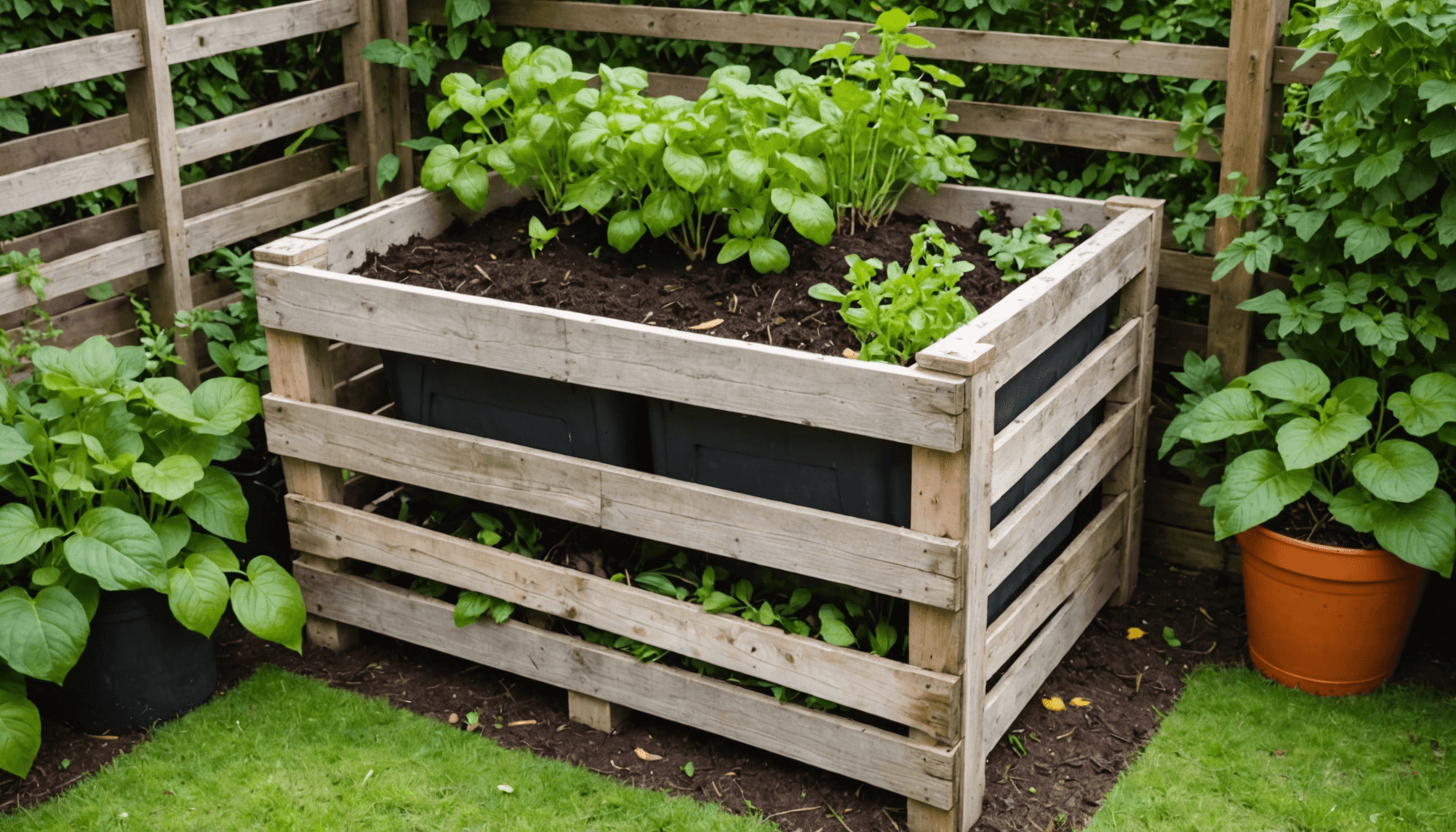
For those looking to expand their gardening efforts without breaking the bank, think about investing in a compost bin. Not only is this a sustainable solution to waste management, but it also provides nutrient-rich compost that can enhance your soil quality. You can easily build a compost bin using pallets or an old garbage can to keep costs down.
Buying second-hand tools can be a tremendous way to save money. Check local listings, thrift stores, or community groups for gently used equipment. Many homesteaders enjoy upgrading their tools and are often willing to sell their previous gear at a fraction of the price. Additionally, don’t shy away from bartering—swap skills or produce with fellow homesteaders to acquire tools you need.
Ultimately, the key to successful budget homesteading is to focus on tools that serve multiple functions and check those off the list. With a little creativity, you’ll discover that most of your homesteading needs can be met without a hefty price tag.
Affordable gardening implements
Affordable gardening implements can transform your gardening experience, making it not only efficient but also enjoyable without straining your finances. Many traditional gardening tools can be costly, but there are numerous budget-friendly options that offer great functionality and utility.
Start with the basics: a good-quality hand trowel. This small but effective tool is essential for various tasks including digging, planting, and loosening soil in a small area. Look for an ergonomic handle that provides a comfortable grip, especially important during prolonged use. Suitable versions can often be found for under $10.
Garden rakes are another essential tool. While metal rakes can be pricier, durable plastic rakes work effectively for lighter tasks such as gathering leaves or leveling soil. They are generally more affordable and lighter, making them easier to handle. A stainless steel hand cultivator is also invaluable for breaking up soil and aerating garden beds. These tools often come at a low cost yet greatly improve soil texture and structure.
When it comes to watering, a good garden hose is indispensable. Look for a lightweight option with easy connectivity and flexibility. Pair it with a simple yet effective hose nozzle that offers adjustable settings from mist to jet spray to accommodate various watering needs. These combined can be purchased for less than $30, providing adaptability to your garden’s watering requirements.
Another pivotal tool is a transplanter, which helps with moving seedlings without disturbing their root systems. Typically, transplanters come at an affordable price point while providing the specific shape and depth needed for less invasive transplanting. Investing in a quality transplanter can save seedlings from shock, thus enhancing growth rates in early stages.
For larger areas, consider a push cultivator. It allows you to break new ground or maintain existing garden beds efficiently. Many budget options are available that won’t break the bank and yet offer excellent performance. Additionally, a single invest in a handheld weeder will allow you to tackle stubborn weeds at their root, preventing them from returning.
To illustrate the affordability and utility of these tools, refer to the following table:
| Tool | Average Price | Key Function | Material |
|---|---|---|---|
| Hand Trowel | $8 | Digging & Planting | Stainless Steel or Aluminum |
| Garden Rake | $10 | Soil Leveling & Leaf Gathering | Plastic or Lightweight Metal |
| Garden Hose | $25 | Watering | Flexible Vinyl |
| Transplanter | $10 | Seedling Movement | Stainless Steel |
| Push Cultivator | $30 | Soil Preparation | Metal |
| Handheld Weeder | $7 | Weed Removal | Stainless Steel |
Moreover, tools like seedling trays and plant labels are often overlooked but are extremely valuable for organizing your garden. Many home and garden stores offer these at reasonable prices, especially when purchased in bulk. Seedling trays enable you to start plants indoors or in controlled environments, giving your garden a head start in the growing season.
Incorporating affordable gardening implements into your toolkit doesn’t have to compromise quality. With thoughtful selection, you can find tools that fulfill your homesteading needs without stretching your budget. Focus on versatile options that allow you to perform multiple gardening tasks and always seek local resources or community swaps to keep your investment minimal while building a productive garden.
DIY solutions for homesteading needs
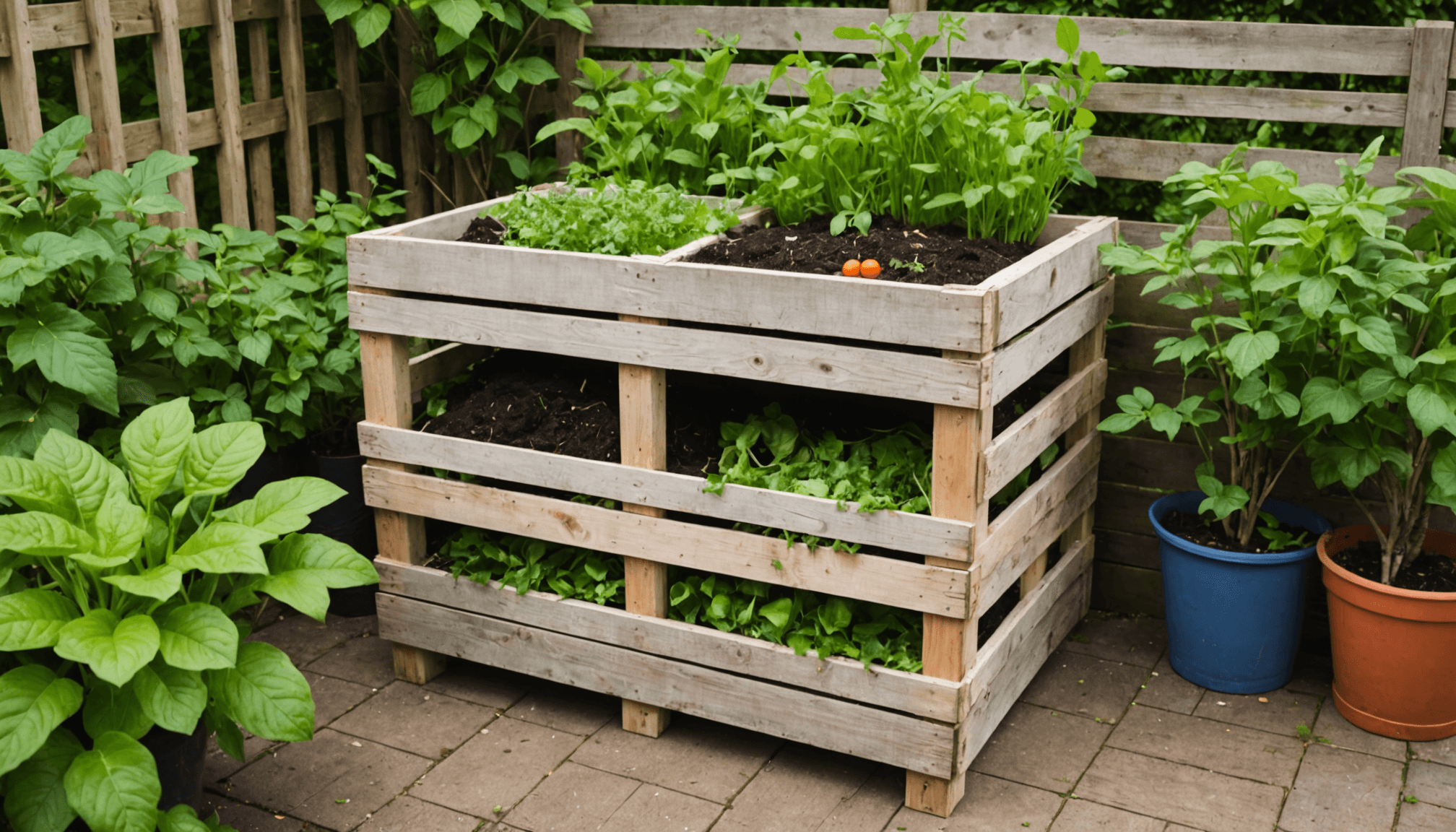
There’s a certain satisfaction that comes from creating your own solutions right at home, and for homesteaders, DIY is not just a trend; it’s a way of life. Building your own tools and solutions not only saves you money but also allows you to tailor them to your specific needs and preferences. Here are some practical DIY tips and ideas you can implement to enhance your homesteading experience.
Start by considering a homemade compost bin. Instead of purchasing a high-priced compost tumbler, you can easily craft one using wooden pallets or even a large plastic storage container. Simply stack or assemble the pallets in a square shape, leaving slats for airflow, or drill holes in the plastic container for aeration. This allows you to recycle kitchen scraps and yard waste into rich compost at no extra cost.
Another innovative DIY project is to create a self-watering planter. This is especially useful for urban dwellers who may struggle with time constraints. Using a plastic container, some soil, and a rope or wick, you can design a system that supplies water directly to the roots of your plants. The wick draws up moisture, ensuring your plants remain hydrated without the need for daily watering.
For those who enjoy starting plants from seeds, seed starting trays can be easily made from repurposed materials. Toilet paper rolls cut in half, egg cartons, or seedling trays from produce can serve as effective planting containers. Just fill with potting mix, plant your seeds, and you’ve got a cheap, effective way to start your garden indoors.
Consider building a garden trellis using inexpensive materials like bamboo stakes or branches. A simple A-frame trellis can be constructed by tying two rods together at the top, providing support for climbing plants like tomatoes or beans. Not only will this maximize your garden space, but it also adds beauty to your yard.
When it comes to protecting your plants from pests, try making a homemade organic pesticide. Combine water with garlic, neem oil, or even a few drops of dish soap in a spray bottle. This natural solution can help deter unwanted insects without exposing your plants to harmful chemicals, providing a safe way to nurture your garden.
A rainwater collection system is another fantastic DIY project. Install a rain barrel under your gutters to capture water during storms. This not only conserves water but also provides you with a free source of irrigation for your garden, reducing your overall water bill. Ensure that your barrel has a fine mesh cover to keep debris and mosquitoes out.
For those looking to save on fencing, consider using old pallets or scrap wood to build a raised bed frame or simple barriers for gardens. The rustic look adds charm while keeping your pests at bay and plants contained. Additionally, you can paint or stain the wood to match your aesthetic or protect it from the elements.
Lastly, investing some time into making your own garden markers can help you keep your plants organized. Simple stones, paint sticks, or even old spoons can be transformed into markers with a little creativity. Write the name of your plants on them and place them in your garden. This helps you track your plantings while adding a personal touch.
DIY solutions not only empower you but also foster a deeper connection to your homesteading journey. By utilizing inexpensive, readily available materials and a dash of creativity, you can create functional and innovative solutions that cater to your specific needs. Embrace the art of DIY, and you’ll find your homesteading adventure becomes more sustainable and enjoyable.
Low-cost sources for equipment and tools
Finding low-cost sources for homesteading equipment and tools can significantly enhance your ability to maintain and develop your homestead without stretching your budget. Various avenues offer affordability, and tapping into these resources can not only save you money but also potentially connect you with local community members who share similar interests.
One of the most accessible ways to acquire tools and equipment is through online marketplaces. Websites like Craigslist, Facebook Marketplace, and OfferUp often feature listings for used gardening and homesteading gear at much lower prices than new ones. Visit these platforms regularly to find deals from individuals looking to downsize or upgrade their own equipment. Just be sure to research sellers, and whenever possible, inspect items before making a purchase to ensure their functionality.
Local yard sales and estate sales can also be treasure troves for budget-friendly tools. Families often sell items that haven’t been used in years, letting you snag great deals on sturdy equipment. Be prepared to negotiate prices; sellers appreciate a reasonable offer, especially if they are looking to clear out their space quickly.
Thrift stores and second-hand shops frequently stock gardening tools, often at a fraction of the retail price. Check back often, as their inventory can change daily. Many thrift stores also have charitable missions, so not only do you snag a good deal, but you also contribute to a worthy cause.
Don’t overlook community swap meets or local farmers’ markets. Many homesteaders and gardeners bring extra tools or supplies to trade. This barter system allows you to obtain what you need without spending cash, benefiting both parties involved. Additionally, consider starting a tool library in your community where individuals can lend and borrow tools as needed. This fosters community spirit while reducing the costs of ownership.
For those who enjoy making their own equipment, consider sourcing discarded or surplus materials from construction sites or recycling centers. Many builders and homeowners have leftover supplies, such as old wood or plastic containers, which can be repurposed for raised beds, compost bins, or garden trellises. Approach these businesses and seek permission to take what they no longer need, emphasizing your interest in recycling and sustainability.
Another valuable resource is your network of friends and family. You may discover they have tools they no longer use and would be willing to lend or gift them to you. Organizing tool-sharing events within your community is also an excellent way to connect with like-minded individuals and expand your toolbox without spending money.
“The best way to predict the future is to create it.” – Peter Drucker
Lastly, online forums and homesteading groups on social media platforms can be invaluable for discovering low-cost sources. Fellow homesteaders are often eager to share where they scored their inexpensive tools, offering insights into sales and promotions you might not have known about. Participating in these groups can also provide inspiration and encouragement for your own homesteading journey.
Utilizing these resources not only helps fill your toolkit with essential equipment but also fosters a sense of community and sustainability among fellow homesteaders. By integrating low-cost options into your sourcing strategy, you can enhance your homesteading experience while staying within your budget.
Maximizing efficiency with minimal investment
When it comes to homesteading on a budget, maximizing efficiency with minimal investment requires strategic planning and resourcefulness. The first step is to analyze your current processes and identify areas where small changes can yield significant improvements. For example, grouping tasks can reduce the amount of time spent switching between different tools. Creating a dedicated workflow for your gardening or animal care can streamline efforts, increasing overall productivity without necessitating additional expenditures.
Implementing a schedule for garden maintenance and chores can also enhance efficiency. By planning your activities around peak times for plant growth or animal feeding, you can minimize wasted time. Consider using a calendar or an app to track your daily tasks, helping you establish a balanced routine while ensuring nothing goes overlooked.
In addition to optimizing your processes, think about leveraging natural resources to cut costs. Rainwater harvesting can effectively reduce water expenses, and utilizing compost made from kitchen scraps not only minimizes waste but also enhances soil fertility. Similarly, consider planting native or drought-resistant plants that require less water and care, saving you both time and money in the long run.
Also, focus on maintaining and repairing your tools rather than replacing them. Regular maintenance, such as cleaning, sharpening, and checking for any damage, can significantly extend their usable life. Investing a little time and effort into caring for your equipment can prevent costly replacements or interruptions in your work.
Exploring shared resources within your community is another strategy to enhance efficiency. Forming tool-sharing groups or cooperative gardens allows homesteaders to share equipment, reducing the need for individuals to purchase all necessary tools themselves. This collaborative approach not only saves money but also fosters a sense of community, where knowledge and resources are exchanged freely.
Lastly, consider adopting a minimalist mindset. Reflect on the necessity of certain tools or practices that may not add substantial value to your homesteading journey. Simplifying your approach can reveal opportunities to cut unnecessary costs, ultimately leading to a more efficient operation. Embrace creativity in making the most out of what you have, and you’ll find that your homesteading experience becomes not only more cost-effective but also more fulfilling.
- What are some low-cost essential tools for homesteading?
- Some basic and affordable tools include a garden fork, hand trowel, hoe, and spade. These versatile options can perform a variety of tasks without a hefty price tag.
- How can I source second-hand homesteading tools?
- Look at online marketplaces, local yard sales, thrift stores, and community swap meets for gently used tools. Many homesteaders sell or trade equipment they no longer need.
- Are DIY tools and solutions effective for homesteading?
- Yes! DIY solutions, like homemade compost bins or self-watering planters, can be cost-effective and tailored to your specific needs, enhancing your homesteading efficiency.
- What is the best way to maintain tools to prolong their life?
- Regular cleaning, sharpening, and inspections for damage can keep tools in good working condition. Proper care prevents the need for costly replacements and ensures efficiency.
- How can I maximize my garden’s productivity on a budget?
- Consider planting high-yield crops, utilizing efficient watering techniques like rainwater harvesting, and practicing crop rotation to enhance output while saving costs.
- What are some alternative sources for homesteading supplies?
- Besides traditional retailers, explore construction sites for leftover materials, community libraries for tools, and online clothing swaps. Many communities offer resources beyond consumables.
- How can I foster a sense of community with other homesteaders?
- Join local homesteading groups, attend workshops, or participate in online forums to share resources and knowledge. Bartering tools and skills is a great way to collaborate within your community.
Maintenance tips for longevity of tools
To ensure your homesteading tools remain in optimal condition, regular maintenance is essential. Taking simple steps can drastically extend the life of your equipment and enhance your gardening experience, allowing you to invest wisely in tools that serve you well over the years.
Start with regular cleaning. After each use, wipe down tools to remove soil and debris. For metal tools, especially, it’s crucial to prevent rust. A quick rinse with water followed by drying can inhibit rust formation, as moisture is their worst enemy. For wooden handles, consider applying a light coat of vegetable oil occasionally to keep the wood from drying out and splitting.
Sharpening your tools regularly can significantly increase their efficacy. Use a sharpening stone or file for cutting tools like pruners and hoes. A sharp blade makes tasks easier, reducing strain on your hands and wrist while providing cleaner cuts that are less damaging to your plants. Notably, dull tools can create jagged wounds on plant stems, which can invite disease.
Inspect your tools regularly for any signs of damage. Look for cracks in handles, rust on metal parts, or loose screws. Addressing these issues promptly can prevent further damage and costly repairs. If you notice a problem, don’t hesitate to fix or replace parts instead of discarding the entire tool. For instance, replacing a worn rubber grip on a shovel can reinvigorate your tool without a hefty investment.
Another great practice is storing your tools properly when not in use. A dedicated space like a shed or storage bin will help protect your equipment from the elements and organized storage reduces the risk of injury. Tools can be hung on walls or organized on pegboards to save space and for easier access. For small hand tools, a magnetic strip can be an excellent solution, providing easy visibility and access.
Ensure to keep a maintenance schedule for your tools. Set reminders to clean, sharpen, and inspect them regularly—perhaps at the start or end of each gardening season. This routine ensures that you’ll catch problems early and have your equipment ready when you need it most.
Lastly, consider how you can also enhance your DIY skills in tool maintenance. For example, learning to make simple repairs like replacing a broken handle or fixing a leaky hose can save both time and money over the years. Numerous online resources, from YouTube tutorials to gardening forums, can guide you through these processes and empower your homesteading journey.
Implementing these maintenance tips is not only cost-effective but will also build a deeper connection between you and your tools, as well as a more rewarding gardening experience. Remember, well-cared-for tools can be just as valuable as the most expensive investment in your homesteading journey.