
For those navigating the challenges of small garden spaces, creative solutions are essential to maximize every inch. Vertical gardening is one of the most effective techniques to enhance space utilization. Consider installing vertical planters, which can be mounted on walls or fences. This not only utilizes vertical height but also adds aesthetic value to your garden.
Additionally, using tiered plant stands can help you create multiple layers of greenery, allowing plants to bask in sunlight without overcrowding each other. Another effective method is to implement container gardening; pots can be placed on balconies, patios, or any other areas that receive adequate sunlight. Mixing various plant types in a single container, known as companion planting, can also save space while promoting healthier plants. For example, growing herbs alongside leafy greens can deter pests naturally.
- Utilize corners: Don’t forget those awkward corner spaces in your garden! Corner shelves or hanging gardens can turn previously unused areas into productive plant spaces.
- Layering: Use taller plants at the back and shorter ones in the front in your plant beds or containers to ensure that every plant gets its fair share of light.
- Stackable containers: For a fun addition, consider stackable pots. They provide a fascinating vertical twist while making it easy to manage in small areas.
Incorporating edible plants that grow upright, such as pole beans or tomatoes, can also make a significant difference in a small garden. They use vertical space efficiently, allowing you to grow more on limited ground. Make sure to provide adequate support, such as trellises or cages, to help these plants reach their full potential.
When planning your small garden, ensure that your layout allows for easy access to each plant for maintenance or harvesting. Raised beds not only improve accessibility but can also be built to any height, which is beneficial for those who may have mobility challenges.
Lastly, always think about the *microclimates* within your garden. Pockets of sunlight or shade can change throughout the day, which makes it crucial to place your plants according to their sun requirements. By observing your space throughout the day, you can optimize plant placement to increase yields from your small garden.
Choosing the Right Containers for Your Plants
Choosing the right containers is crucial for successful container gardening, particularly in urban settings where space is limited. The right container can influence not only the health of your plants but also the visual appeal of your garden. It’s essential to consider factors such as material, size, drainage, and aesthetics when selecting containers for your plants.
Container Materials
Containers come in various materials, each with its unique benefits and drawbacks. Common materials include plastic, ceramic, metal, and wood. Here’s a comparative overview:
| Material | Pros | Cons |
|---|---|---|
| Plastic | Lightweight, affordable, retains moisture well | Can degrade in UV light, less aesthetic appeal |
| Ceramic | Durable, attractive designs, heavy (wind-resistant) | Expensive, can crack in extreme temperatures |
| Metal | Stylish, long-lasting, good for modern decor | Can heat up quickly, may require additional drainage |
| Wood | Natural look, environmentally friendly, good insulation | Can rot, may require regular maintenance |
While plastic containers are popular due to their cost-effectiveness and lightweight nature, ceramic pots can add an elegant touch to your garden, enhancing its overall design. Metal containers can create a striking modern appearance but require careful consideration regarding insulation to prevent overheating roots on hot days.
Container Size
Size matters significantly in container gardening, as it directly affects plant health. Containers should be large enough to accommodate the root system of the plants you intend to grow. For instance, herbs and leafy greens can thrive in small or medium-sized pots, while larger plants such as tomatoes or peppers require larger containers (at least 5 gallons). Here’s a simple guideline to help you choose the right size:
| Plant Type | Recommended Container Size |
|---|---|
| Herbs (basil, mint) | 1-2 gallons |
| Leafy Greens (lettuce, spinach) | 3-5 gallons |
| Fruiting Plants (tomatoes, peppers) | 5-10 gallons |
| Root Vegetables (carrots, potatoes) | 5-10 gallons |
Using the appropriate size ensures that the plants have enough space to grow, thus reducing stress and promoting healthier growth.
Drainage Considerations
Proper drainage is essential for maintaining healthy plants. Without sufficient drainage, excess water can lead to root rot and other issues. Choose containers with holes at the bottom, or consider adding a layer of gravel or stones to promote drainage. Container gardening in urban environments often poses challenges with excess heat; hence incorporating materials like terracotta can help as they are porous and allow evaporation to assist in moisture management.
Aesthetic Appeal
Finally, aesthetics should not be overlooked. The choice of container can enhance the overall look of your garden. Mix different styles, colors, and shapes to create visual interest. Consider arranging containers in clusters for a dynamic appearance, or lining them up for a more formal look. Use plant stands to elevate your containers, creating height variation and drawing attention to specific plants.
By thoughtfully selecting containers based on material, size, drainage, and aesthetics, you can create an inviting and productive urban garden, maximizing the space you have available.
Soil and Fertilization Techniques for Container Gardening
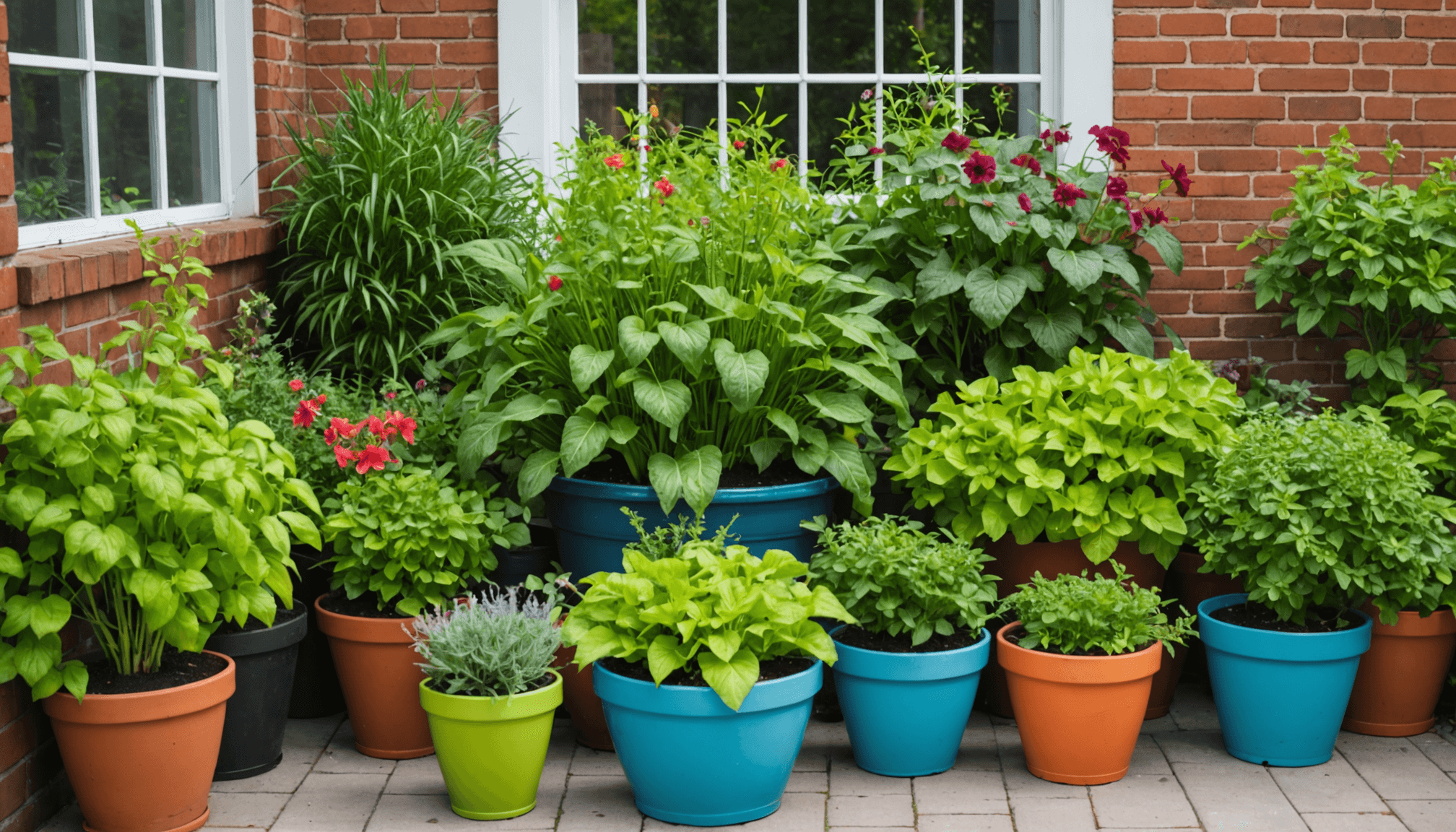
Soil health is the cornerstone of successful container gardening, especially in urban areas where space and resources are often limited. Unlike traditional garden beds, container soil has unique needs that must be met to ensure the health and productivity of your plants. Understanding soil composition, the role of nutrients, and proper fertilization techniques will go a long way in enhancing your garden’s yield.
Choosing the Right Soil Mix
When it comes to container gardening, it’s vital to use a well-balanced soil mix that promotes good drainage while retaining moisture. Regular garden soil can compact in pots, depriving roots of air. Therefore, opting for a high-quality potting mix is crucial. Look for mixes that contain ingredients like:
- Pine bark: Offers aeration and drainage.
- Perlite or vermiculite: Improves drainage and moisture retention.
- Compost: Provides essential nutrients and beneficial microorganisms.
These components create a light and well-aerated medium that helps prevent root rot and encourages healthy root growth.
Understanding Nutrients
Soil in containers can quickly become depleted of nutrients since plants are constantly drawing them from the limited soil volume. Nutrient management is essential for container gardens to thrive. Key macronutrients include:
- Nitrogen (N): Promotes leafy growth; essential for herbs and leafy vegetables.
- Phosphorus (P): Supports strong root development and flowering.
- Potassium (K): Aids overall plant health and disease resistance.
Readily available fertilizers often present a combination of these nutrients, denoted by the N-P-K ratio on the packaging. For instance, a fertilizer with a ratio of 10-10-10 indicates equal parts of nitrogen, phosphorus, and potassium, suitable for a general-purpose application.
Fertilization Techniques
Balancing the nutrients requires both planning and vigilance. Start with these fertilization tips:
- Mix-in slow-release fertilizers: When potting your plants, incorporate a slow-release granular fertilizer to provide a steady supply of nutrients over time. Organic options like fish meal or bone meal enhance soil health without the harsh chemicals.
- Feed with liquid fertilizers: During the growing season, apply a diluted liquid fertilizer every few weeks. This can revitalize plants quickly, especially if they’re showing signs of nutrient deficiency, such as yellowing leaves.
- Test your soil: Periodically testing your soil pH and nutrient levels can help you monitor and adjust as needed. Store-bought kits make this easy, and many local extension services offer testing as well.
It’s crucial to adjust your approach based on the specific needs of your plants, as some may require more frequent feeding than others. For instance, heavy feeders like tomatoes thrive on a more robust fertilization regimen compared to low-maintenance herbs.
Organic vs. Synthetic Fertilizers
For environmentally conscious urban gardeners, organic fertilizers can provide a sustainable alternative to synthetic options. While organic fertilizers may release nutrients more slowly, their long-term benefits, such as improved soil structure and health, are undeniable. Alternative sources include:
- Compost: A natural way to enrich soil with nutrients while improving its structure.
- Worm castings: Provide a robust nutrient profile and water retention abilities.
- Seaweed extract: Can enhance root development and overall plant vigor.
Regardless of your choice between organic and synthetic, being mindful of application rates and timing will yield a thriving container garden throughout the growing season.
By carefully selecting the right soil mix, understanding nutrient needs, and implementing effective fertilization strategies, you can create a flourishing container garden that is visually appealing and abundant, even in the smallest urban spaces.
Watering Strategies for Urban Gardens
Watering urban gardens requires a strategic approach to ensure that plants receive the appropriate amount of moisture without waste. Given the varying environmental conditions found in urban settings, it’s essential to understand how to optimize watering practices for both container and in-ground plants. This is particularly important in small spaces where plants can be more susceptible to drying out or becoming waterlogged.
One effective strategy is to establish a consistent watering schedule. It’s beneficial to water early in the morning or late in the afternoon when temperatures are cooler, minimizing evaporation losses. Using a moisture meter can help you determine when to water, ensuring that you aren’t relying solely on visual cues, which can sometimes be misleading. Additionally, always check the soil moisture a few inches down as the top layer may dry out faster while the roots remain saturated.
When it comes to watering technique, employ deep watering methods, as this encourages roots to grow deeper into the soil, establishing a stronger foundation. For containers, watering until you see excess fluid draining from the bottom is critical to ensure that the entire soil mass is adequately hydrated. However, be careful not to overwater, as this can lead to root rot and other issues related to excess moisture.
“Watering is not just about keeping the soil moist; it’s about understanding the needs of your plants and the conditions of your environment.” – Gardening Expert
Another important consideration is the use of mulch. Applying a layer of organic mulch, such as wood chips or straw, can help retain moisture in the soil and prevent weeds from competing with your plants. This is especially advantageous in urban gardens where water retention is vital, and the added layer acts as insulation, regulating soil temperatures.
For urban gardeners concerned about water conservation, consider installing a rainwater collection system. Utilizing rain barrels can help you collect and reuse rainwater, reducing dependency on municipal water supplies and lowering water bills. Not only does it provide a sustainable option for your watering needs, but it also promotes an eco-friendly gardening practice.
In addition, explore the efficacy of drip irrigation systems, which can be a game changer for urban gardens. These systems deliver water directly to the plant roots and can be set up on timers to ensure that your plants receive precise amounts of moisture consistently throughout the week. This method is efficient and reduces the risk of overwatering, making it an ideal choice for busy urban gardeners.
It’s essential to stay attuned to the seasonal changes throughout the year. In the hot summer months, plants will require more frequent watering, while in cooler seasons, the frequency may decrease. As a general rule, always be attentive to the specific needs of your plants and adjust your watering strategy accordingly to maintain a thriving urban garden.
Creative Planting Ideas for Limited Spaces
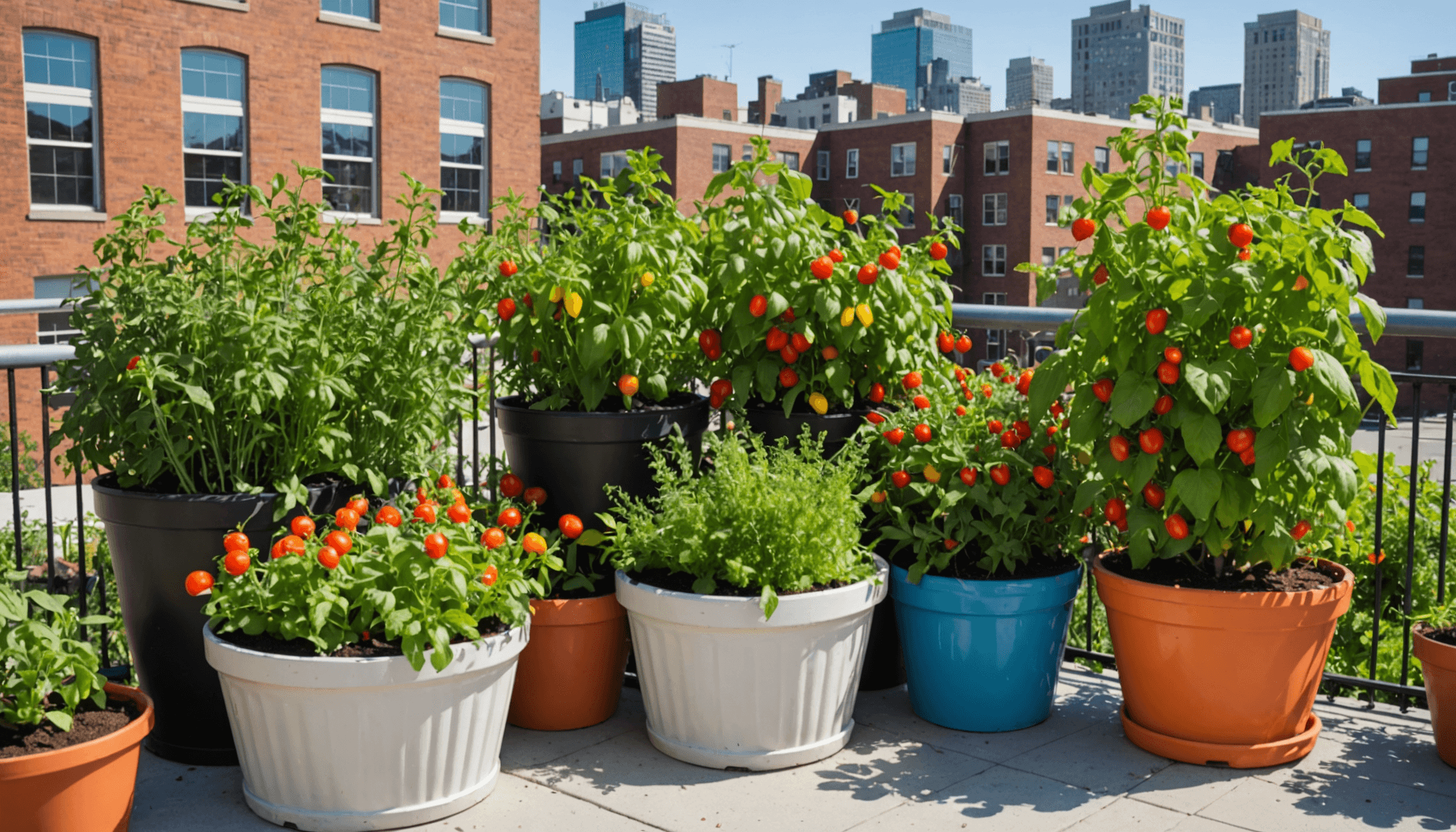
In small garden spaces, creativity often serves as the foundation for maximizing the potential of your plants. One exciting approach is to explore thematic gardening, which involves grouping plants based on a common purpose or aesthetic. For example, creating a kitchen garden with herbs, tomatoes, and peppers can streamline cooking processes while providing essential ingredients right at your doorstep. Similarly, a pollinator garden filled with native flowers not only beautifies the space but also supports local ecosystems by attracting bees and butterflies.
Another stimulating option is to experiment with edible landscaping. Instead of traditional ornamental plants, consider using fruit-bearing shrubs or dwarf fruit trees as part of your landscaping design. This not only enhances the visual appeal but also offers a bounty of fresh produce throughout the seasons. Moreover, integrating perennial herbs like chives or oregano within ornamental borders can create an attractive yet functional garden.
Consider the concept of succession planting as a means to maximize yield from limited spaces. By strategically planning your planting schedule, you can harvest multiple crops from the same plot within a single growing season. For instance, after harvesting early spring crops like radishes, you can immediately plant fast-growing summer varieties like beans or lettuce, thus making efficient use of your planting areas.
Additionally, container gardening allows for creative mobility. Experiment with movable pots, creating different arrangements as seasons change. This not only helps in optimizing light exposure but also allows for more effective use of space. You can mix and match containers with varying heights and shapes to create a visually appealing landscape while fostering a healthier environment for your plants.
Lastly, consider exploring vertical gardening solutions like hanging planters or wall-mounted grow systems. This technique utilizes vertical space to introduce more plants without compromising ground area. Not only does it look stunning, but it also offers unique possibilities for growing climbing plants such as cucumbers or peas, thereby expanding your planting options.
- What are the best plants for small garden spaces?
- Opt for compact or dwarf varieties of vegetables, herbs, and fruits such as cherry tomatoes, radishes, or dwarf blueberry bushes. These plants are designed to thrive in limited spaces and still provide a bountiful harvest.
- How can I create vertical garden spaces?
- You can create vertical gardens using wall-mounted planters, tiered plant stands, or trellises. Climbing plants like pole beans or flowering vines can be encouraged to grow upward, allowing you to maximize limited ground space.
- What types of containers are best for urban gardening?
- Containers made from materials such as ceramic, plastic, or wood are commonly used. Choose those with good drainage holes, and opt for larger sizes for plants with extensive root systems.
- How often should I water my container plants?
- Watering frequency depends on the type of plants and environmental conditions. Check the top inch of soil for dryness, and water thoroughly when needed, especially during hot weather.
- Can I grow vegetables in shady areas?
- Yes, certain vegetables like leafy greens, radishes, and herbs tolerate partial shade, allowing you to utilize all available space. Even in limited sunlight, you can still have productive crops.
- What soil mix is ideal for container gardening?
- A lightweight, well-draining potting mix that includes components like pine bark, perlite, and compost is ideal. Such a mix promotes healthy root growth and prevents waterlogging.
- How can I attract pollinators to my urban garden?
- Plant a variety of native flowers that bloom at different times throughout the season. Incorporating plants with diverse colors, shapes, and fragrances will help attract bees, butterflies, and other pollinators.
Urban Farming: Community Engagement and Sustainability
Urban farming represents more than just cultivation; it embodies the spirit of community engagement and sustainability. As cities grow and populations increase, the necessity for local food production and community interaction becomes more pressing than ever. By participating in urban farming initiatives, individuals can foster connections with neighbors while promoting a healthier environment.
One powerful way to engage with the community is to start or join a community garden. These shared spaces not only provide a venue to grow food collectively but also create a sense of belonging. Community gardens can be implemented in vacant lots, schoolyards, or parks, transforming underutilized areas into thriving green spaces. When starting a community garden, it is essential to involve stakeholders from the beginning. Organizing meetings to discuss goals, responsibilities, and shared resources ensures everyone feels included and invested. Resources like the American Community Gardening Association offer valuable guidance on establishing and managing community gardens (American Community Gardening Association, 2023).
Moreover, urban farming initiatives often promote sustainable practices that benefit local ecosystems. Principles such as composting and crop rotation aim to reduce waste and improve soil health. Setting up compost bins within community gardens can significantly decrease organic waste sent to landfills while yielding nutrient-rich compost for garden use. Educating community members about composting techniques can empower them to adopt these practices at home, thereby creating a cycle of sustainability.
Engaging with local schools can also amplify the impact of urban farming. Implementing educational programs that involve students in gardening projects instills an appreciation for where food comes from and the importance of nurturing the environment. Programs such as school gardens can enhance student learning and foster a hands-on approach to science, health, and nutrition. Involving parents in these projects can further strengthen community bonds while teaching families about the benefits of growing their own food.
Urban farms can also serve as hubs for community events. Hosting workshops on gardening, cooking, or preserving food can draw people together, creating a network for knowledge sharing. Community potlucks featuring produce harvested from the farm can transform simple gatherings into celebrations of local food culture and collaboration. Invitations to the community can extend beyond garden members, fostering connections with local vendors, chefs, and food enthusiasts.
Benefiting from the urban farming movement extends beyond community engagement; businesses can also find fantastic opportunities to get involved. Local restaurants can partner with urban farms to source ingredients, supporting a farm-to-table model that promotes fresh, organic produce. Not only does this foster economic growth, but it also increases public awareness of local food systems. Collaborations can also include initiatives such as community-supported agriculture (CSA) programs where local residents subscribe to receive fresh produce throughout the growing season.
Ultimately, urban farming is an incredible opportunity to bring people together, sharing resources and knowledge while promoting sustainability. By engaging the community and fostering collaboration, urban farms can transform neighborhoods, enhance food security, and cultivate a greener future.
For tips on setting up your own community garden or for resources to get started, consult organizations like the Community Food Security Coalition. They offer a wealth of information on sustainable urban agriculture practices and community engagement strategies (Community Food Security Coalition, 2023).