
When it comes to cultivating a thriving nursery, understanding the different plant varieties available is fundamental for optimal plant selection. Each variety has its unique characteristics, including growth habits, seasonal performance, and specific habitat needs, which directly influence your gardening success.
Begin by familiarizing yourself with the common categories of plants: annuals, perennials, shrubs, and trees. Annuals, such as petunias and marigolds, complete their life cycle within a year, providing vibrant displays and allowing for seasonal variety. Perennials, like coneflowers and hostas, return year after year, making them a staple for low-maintenance gardens. Meanwhile, shrubs and trees can offer structure and shade to your space.
- Research Varieties: Delve into specific varieties within each category. For example, knowing that there are many types of tomatoes (cherry, beefsteak, Roma) allows you to choose those that best suit your culinary needs and garden size.
- Native Plants: Consider incorporating native plants into your nursery. They are well-adapted to local conditions, require less maintenance, and support local ecosystems by providing habitat and food for wildlife (Tallamy, Douglas W., “Bringing Nature Home”).
- Color and Texture: Pay attention to the aesthetic aspects of your selections. Mixing various leaf shapes, sizes, and colors can create visual interest throughout the seasons.
Moreover, observe the growth habits of plants—whether they are upright, trailing, or sprawling—as this will affect their placement in the nursery. Understanding which plants thrive in your local climate and soil type will immensely boost their growth potential. Engaging with local gardening clubs or extension services can help you gain invaluable insight into the best varieties for your area.
New gardeners often overlook the importance of learning about pest resistance and disease susceptibility. Selecting disease-resistant varieties can save you time, resources, and frustration. Participating in online forums or visiting plant genetic resource databases can provide helpful information on proven resilient choices.
Ultimately, a thoughtful approach to understanding plant varieties—through research, community engagement, and careful evaluation—will lead to more successful nursery management and a flourishing garden that you can enjoy for years to come. Make use of all available resources to ensure you are making informed decisions that align with your homesteading goals.
Assessing your climate zone
Calculating the appropriate climate zone for your nursery is essential in ensuring that the plant selection process yields healthy and robust specimens. Climate zones are determined based on factors such as temperature extremes, precipitation patterns, and seasonal variations, which can significantly impact plant growth and survival. The USDA Plant Hardiness Zone Map is a widely recognized resource to help categorize different regions based on average annual minimum temperatures. Understanding these zones can guide you in selecting plants that will thrive in your specific environment.
In general, climate zones are broken down into categories ranging from Zone 1 (the coldest) to Zone 13 (the warmest), each representing a unique set of temperature ranges. Here’s a brief overview of how these zones affect plant selection:
| Zone | Temperature Range (°F) | Suitable Plants |
|---|---|---|
| 1 | Below -50 | Mountain Pine, Arctic Willow |
| 5 | -20 to -10 | Boxwood, Daylilies |
| 7 | 0 to 10 | Hydrangeas, Roses |
| 10 | 30 to 40 | Corn, Citrus Trees |
| 13 | Above 60 | Palms, Bougainvillea |
When assessing your climate zone, it’s also important to consider microclimates—areas within your larger climate zone that have distinct conditions, which can be influenced by elevation, shade from larger structures, or proximity to water bodies. For instance, sheltered locations may experience milder winters than exposed areas, allowing for a broader selection of plants to be grown successfully. Utilizing tools such as temperature monitoring devices and observing local flora can help identify these unique microclimates.
Moreover, take into account the local environment’s soil composition, drainage properties, and prevalent pests, as these elements also tie into climate considerations. Different soil types can retain or drain moisture, which is crucial for plant health, while specific pests may thrive in particular temperature ranges, affecting your nursery management plan. It’s beneficial to conduct soil tests or consult local agricultural extensions for tailored advice.
As you become more accustomed to your climate zone’s specifics, you’ll find that your choices for plant varieties will naturally align with your environment, enhancing not only the aesthetic qualities of your nursery but also ensuring sustainability and resilience of your garden. Diversifying your plant selection with varieties specifically suited for your climate will lead to a more successful and enjoyable gardening experience.
Considering space and layout
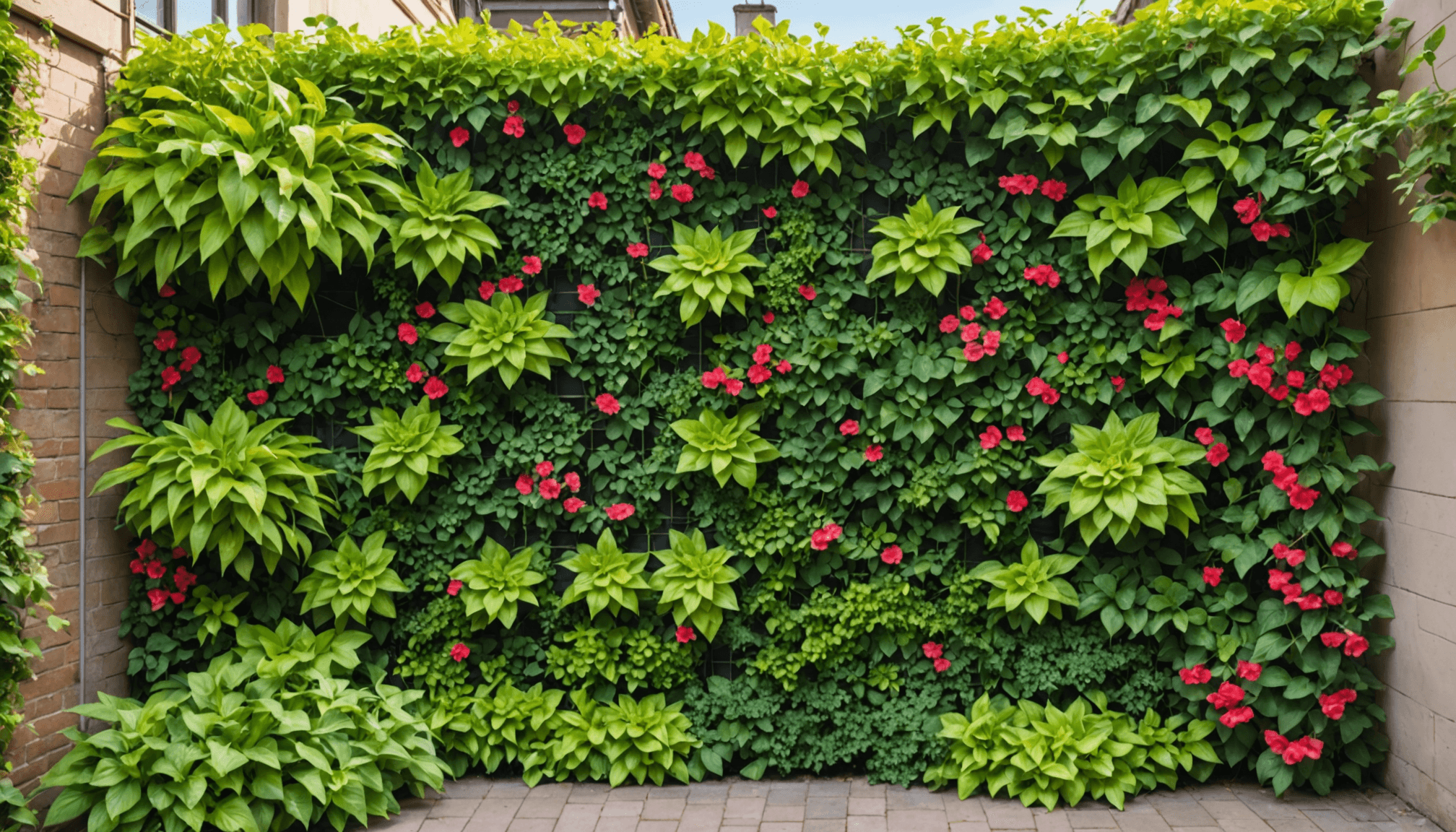
When considering the space and layout of your nursery, striking a balance between aesthetics and functionality is crucial. The arrangement of plants can greatly influence not only their growth potential but also the overall enjoyment of your gardening experience. Think of your nursery as a canvas where every element contributes to a harmonious and productive environment.
Start by assessing the available space—whether it’s a small balcony, a backyard, or an expansive garden. Measure the area to understand how much planting room you have, and take note of the orientation and sunlight exposure throughout the day. Sunlight plays a vital role in plant health, with most varieties requiring at least six hours of direct sunlight for optimal growth. Therefore, arrange taller plants on the north or east side to avoid shading smaller plants that thrive on sun.
- Vertical Gardening: If you’re short on space, consider vertical gardening techniques—using trellises, wall planters, or even hanging pots. This approach not only maximizes your area but also creates visual interest. Plants like peas and climbing beans can flourish in such setups, providing both food and decoration.
- Raised Beds: Constructing raised beds can improve drainage while also providing a controlled environment for plants. They allow you to mix various soil types conducive to different plant selections, enhancing your nursery management efforts. A height of 12 to 18 inches is generally recommended for easy access.
- Group Plants by Needs: Organize your plants based on their requirements—grouping those that love sun with others that prefer shade can prevent competition for resources. It’s crucial to place water-loving plants in more humid locations, potentially near a moisture-retaining mulch that can benefit both types.
Don’t forget about pathways! Creating clear paths between planting areas will not only make maintenance more accessible but also facilitate easy harvesting. Use gravel, mulch, or stepping stones to define these areas while avoiding soil compaction in your planted sections.
Another essential aspect is air circulation. Ensure proper spacing between plants to allow airflow, which can help reduce the risk of fungal diseases and pests. A good rule of thumb is to follow the spacing recommendations specific to each variety—even in a confined area, this can significantly improve overall plant health.
Finally, incorporate elements like ornamental features, seating, or even water features to enhance your nursery’s aesthetic appeal. These can create a serene space to relax and engage with your plants, making your gardening experience more gratifying beyond mere plant selection.
As you plan your layout, keep evolving your design based on trial and error; gardening is often a learn-as-you-grow journey. Each season will provide opportunities to refine your approach, ensuring that your nursery flourishes beautifully with minimal effort and maximum impact.
Evaluating care requirements
When evaluating the care requirements of the plants you wish to incorporate into your nursery, it is essential to balance your enthusiasm for diverse selections with a realistic approach to maintenance. Different plants come with varying demands in terms of water, light, soil type, and fertilizer, which can significantly affect the sustainability of your gardening efforts.
Begin by identifying the watering needs of potential plants. Some varieties, such as succulents and cacti, thrive in arid conditions and require infrequent watering, while others, like ferns and certain annuals, may need consistently moist soil to flourish. Implementing a structured watering routine can help you manage these needs effectively. Utilizing a moisture meter can aid in determining when plants need watering, preventing over or under-watering, both of which can lead to stress or disease in plants.
Light requirements are also crucial to consider when planning your nursery. Understanding whether a plant is shade-loving or sun-dependent will guide you in appropriate placement within your garden layout. Plants that demand full sun will typically require six to eight hours of direct light daily, whereas shade-tolerant varieties can thrive with as little as three to four hours. Periodically observe your garden throughout the day to ensure that each plant receives the right amount of sunlight, particularly during seasonal changes when the sun’s position shifts significantly.
Soil type and quality play a fundamental role in plant care and overall health. Conducting a soil test can provide insight into pH levels and nutrient content, allowing for necessary amendments to create optimal growing conditions. For instance, heavy clay soils may require amendments like organic matter to improve drainage, while sandy soils often benefit from additional nutrients to retain moisture. Tailoring your soil amendment strategy to suit the specific needs of each plant variety will considerably enhance your nursery management success.
“Plants require more than just sunlight and water; they need a nurturing environment to truly thrive.”
Fertilizer is another important consideration in the care regimen for your plants. Each type of plant has different nutrient requirements and may respond better to specific fertilizer types—whether organic or synthetic. Slow-release fertilizers can offer convenience for busy gardeners by providing a steady nutrient supply over time. Understanding the specific stages of growth for your plants will inform when and how much to fertilize, promoting vibrant growth and lush blooms.
Additionally, consider the pest and disease management practices necessary for maintaining healthy plants. Familiarize yourself with common pests and diseases that afflict the particular varieties you’re interested in. Integrated Pest Management (IPM) strategies, which combine biological controls, cultural practices, and occasional chemical interventions, can be effective in minimizing damage while maintaining an environmentally friendly approach. Implementing preventative measures, such as crop rotation and companion planting, can also contribute to a resilient nursery ecosystem.
Ultimately, a thorough evaluation of care requirements will lead to informed plant selection decisions, ensuring that your nursery becomes not only a beautiful space but also a manageable one. Investing time in understanding the specific needs of your plants will enhance your gardening experience and contribute to a more vibrant and productive nursery.
Choosing sustainable options
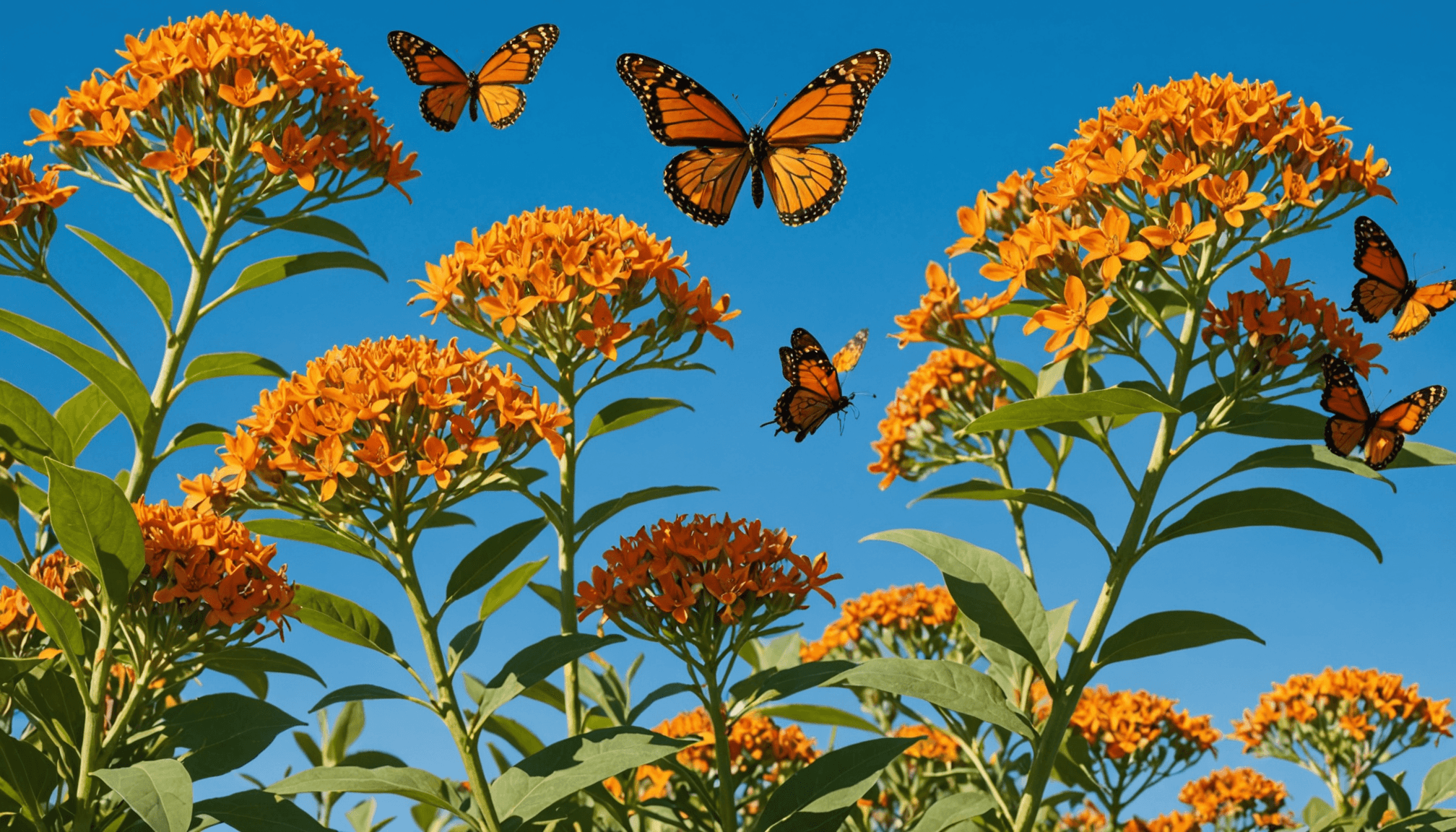
Choosing sustainable options for your nursery is not only a responsible decision but also one that contributes to the overall health of our planet and local ecosystems. The challenge lies in balancing personal preferences with ecological common sense, making it essential to prioritize plants that are environmentally friendly, resource-efficient, and supportive of biodiversity.
Start by considering native plants, as these species are adapted to the local environment and require less water and care compared to non-native varieties. They can withstand local weather patterns and are better suited for your specific soil conditions. Incorporating native plants into your nursery also enhances wildlife habitat, supporting local pollinators like bees and butterflies. For instance, planting species such as milkweed can bolster the monarch butterfly population while adding unique beauty to your garden.
Another aspect of sustainability is understanding and utilizing proper care techniques that minimize resource use. For example, adopting xeriscaping practices—landscaping that reduces or eliminates the need for supplemental water—can significantly lower your garden’s water consumption. Grouping plants based on their water needs allows you to deliver moisture efficiently, helping create a thriving ecosystem in your nursery while conserving water.
Additionally, consider sourcing plants from local nurseries or growers who prioritize sustainable practices. This not only reduces the carbon footprint associated with transportation but also supports your local economy. Look for vendors who focus on organic practices, avoiding genetically modified or heavily pesticide-laden plants as these can contribute to soil degradation and harm beneficial insects.
Incorporating permaculture principles in your plant selection can also lead to a more sustainable nursery management approach. Over time, these practices promote a self-sustaining ecosystem where plants complement each other’s growth. For instance, planting nitrogen-fixing cover crops or companion plants alongside vegetables can improve soil health and reduce the need for chemical fertilizers.
Moreover, don’t overlook the importance of keeping your planting materials sustainable. Opt for biodegradable pots made from coconut coir or recycled materials instead of plastic pots, which can contribute to environmental pollution. Using organic fertilizers and compost not only enriches your soil but also reduces reliance on synthetic products that can harm beneficial soil microorganisms.
As you make plant selections, think critically about the entire lifecycle of the plants you choose. From their origins to their environmental impact, being mindful of sustainability will enable you to cultivate a more resilient and ecologically responsible nursery. Engage with local gardening networks, read up on sustainable practices, and explore various resources to broaden your understanding of how every decision affects the environment. Your choices today will lead to a flourishing green space and contribute positively to the ecological balance of your area.
- What are the benefits of using native plants in my nursery?
- Native plants are well-adapted to local conditions, requiring less water and care. They support local wildlife and contribute positively to your garden ecosystem.
- How can I assess if a plant is sustainable?
- Look for plants that are grown organically, avoid invasive species, and consider their environmental impact. Sourcing from local nurseries that practice sustainability is also a good step.
- What are some sustainable watering practices for my nursery?
- Xeriscaping techniques, grouping plants by their water needs, and using drip irrigation can significantly reduce water usage while ensuring your plants thrive.
- How do I create an ecosystem in my nursery?
- Implementing companion planting, using native species, and adding beneficial insects can enhance biodiversity and create a more self-sustaining habitat.
- Why should I avoid plastic pots?
- Plastic pots contribute to environmental pollution and do not biodegrade. Opting for biodegradable alternatives helps reduce waste and promotes a healthier growing environment.
- Can I grow vegetables sustainably?
- Yes, by implementing permaculture principles, using organic amendments, and practicing crop rotation, you can cultivate vegetables in a way that is both productive and environmentally friendly.
- How can I educate myself on sustainable gardening practices?
- Engaging with local gardening groups, attending workshops, and reading books or blogs about sustainable practices can help you enhance your knowledge and skills in this area.
Tips for sourcing plants
Sourcing plants for your nursery can be an exciting adventure, offering numerous opportunities to enhance your gardening experience. However, it’s essential to approach this task with intent and wisdom to ensure not only the health of your plants but also the sustainability of your gardening efforts.
One of the best places to start your search is local nurseries and garden centers. These establishments often carry a selection of native and locally-adapted plants that will thrive in your specific climate zone. Furthermore, local experts can provide valuable advice on the care requirements and potential challenges of various plants. Before you go, make a list of your interests based on your nursery layout and plant selection needs so you can ask targeted questions.
- Online Resources: Websites and platforms such as local gardening Facebook groups or forums can be fantastic for sourcing plants and getting recommendations. Many dedicated gardening enthusiasts share insights on reputable sellers, both online and offline. Plants added by individuals in your area can often be a great reflection of your local ecosystem.
- Plant Swaps: Look for community events centered around plant exchanges or swaps. These gatherings not only help you source unique plants but also connect you with fellow gardening enthusiasts who share your passion for nursery management.
- Farmers Markets: Many farmers markets feature vendors who specialize in plant sales, including herbs, vegetables, and flowers. Purchasing plants directly from local growers not only supports your community but also ensures you’re getting fresh, high-quality plants that are likely well-suited to your area.
- Online Plant Retailers: If you prefer the convenience of online shopping, numerous reputable online retailers offer a wide array of plant options. Look for sellers who prioritize sustainability, organic practices, and good shipping practices to ensure their plants arrive in excellent condition.
While sourcing plants, be mindful of the importance of avoiding invasive species. These plants can disrupt local ecosystems and outcompete native flora, leading to imbalances. Educate yourself about which plants are considered invasive in your region—local extension services often have this information readily available.
Another critical aspect to remember is purchasing healthy plants. When examining potential plants, look for those with vibrant, unblemished leaves and a robust root system. Avoid any plants showing signs of disease, such as wilting, yellowing, or insect infestations, as these issues can quickly spread to your other plants, affecting your nursery management.
Consider the sourcing methods that align with your sustainability goals. If your aim is to prioritize environmental impact, choose plants propagated through sustainable methods and avoid those that have been treated with harmful pesticides. Organic growers are often a good bet for integrity in both plant health and environmental stewardship.
Ultimately, sourcing plants should be an enjoyable and rewarding part of your gardening journey. By utilizing both local and online resources, engaging with your community, and being discerning in your choices, you’ll find the perfect additions to your nursery that promote not just beauty in your space, but also contribute to a more sustainable gardening practice.