
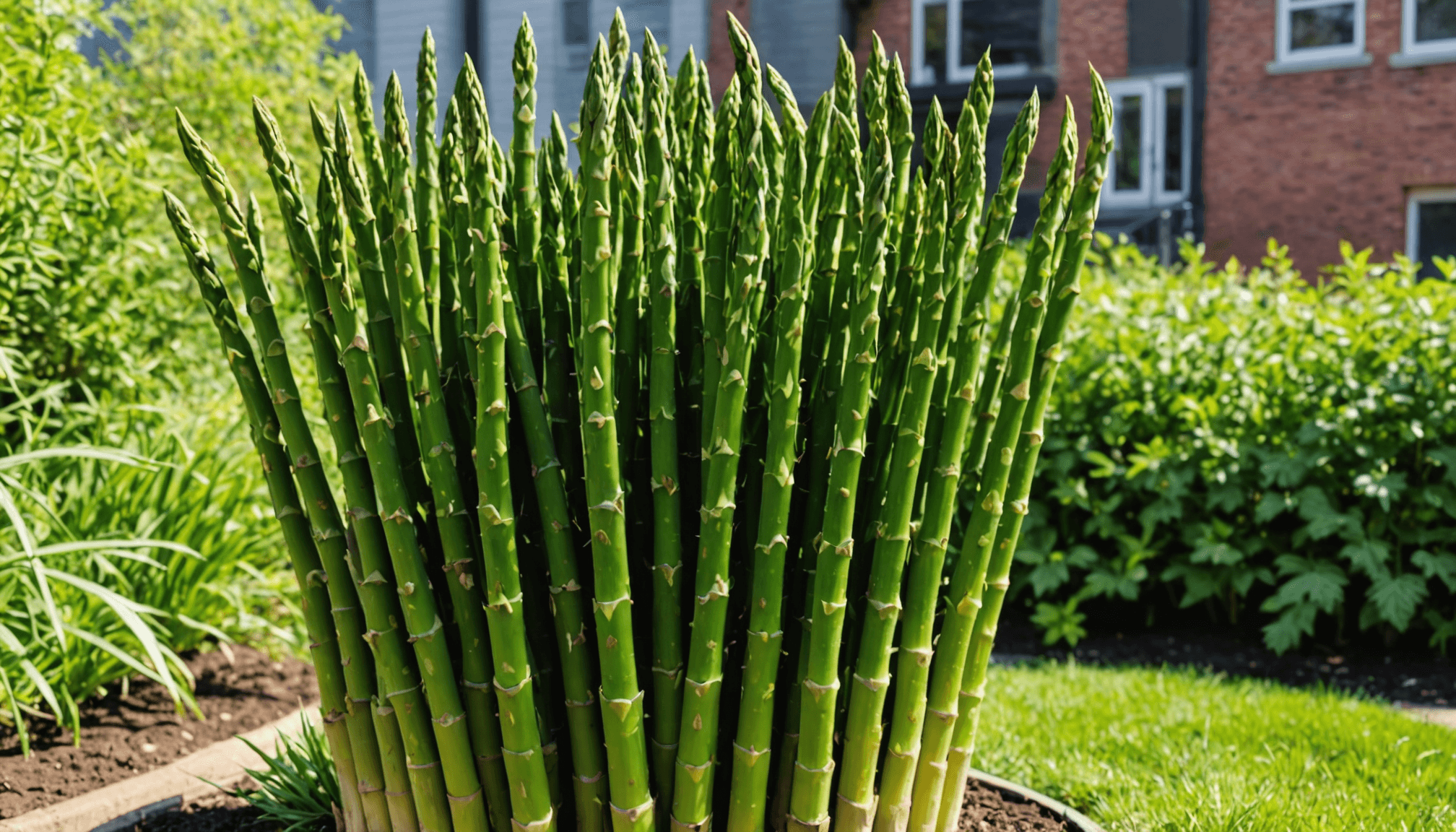
Perennial vegetables are a game-changer for small gardens, especially for urban dwellers and families seeking to maximize their gardening yields without succumbing to the chore overload that often accompanies traditional vegetable gardening. These vegetables return year after year, allowing you to enjoy a stable supply of fresh produce without the need for replanting them every season. Examples include asparagus, which can thrive for up to 20 years once established, and rhubarb, a robust plant that not only produces succulent stalks suitable for pies but also requires minimal intervention after its initial planting.
Another advantage is their generally low maintenance requirements. Once you have perennial vegetables rooted in your garden, you can focus more on enjoying your outdoor space rather than constantly being tied down with weeding and replanting. Consider planting globe artichokes as well—they not only yield delicious buds but also make a striking addition to smaller garden spaces due to their architectural foliage.
When planning your garden, it’s essential to choose varieties that not only fit your preferred culinary uses but are also suited to your climate. Investigating local gardening resources or joining community gardening groups can provide insights into which perennial vegetables flourish in your area. Furthermore, incorporating nitrogen-fixing plants like clover or alfalfa can enhance the growth of your perennials by enriching the soil naturally.
To make the most of your limited space, consider implementing vertical gardening techniques, which allow perennial vegetables to grow upward rather than outward. For instance, using trellises to support climbing varieties of peas or beans can free up valuable ground space for other crops. Raised beds can also be beneficial, providing better drainage and improved soil quality for your long-term plants.
Lastly, don’t overlook the importance of intercropping, where you plant fast-growing annual vegetables among your perennials. This technique can yield quick rewards while waiting for perennials to mature, thereby optimizing your small garden’s productivity throughout the growing season.
Choosing the Right Perennial Vegetables
Selecting the right perennial vegetables for a small garden involves careful consideration of several factors, such as climate compatibility, space requirements, and personal preferences. It’s vital to match the vegetables to your specific gardening environment, as some perennials thrive better in certain soil types, sunlight exposure, and moisture levels.
When evaluating perennial vegetables, the range of options available can feel overwhelming. Below is a table showcasing popular perennial vegetables, their growth requirements, and potential yields, to help you make informed choices:
| Vegetable | Growth Requirements | Yield (per plant) | Space Needed | Climate Preference |
|---|---|---|---|---|
| Asparagus | Full sun, well-drained soil | 10-20 spears/year | 2 feet x 5 feet | Temperate |
| Rhubarb | Full sun to partial shade, rich soil | 5-10 stalks/year | 3 feet x 3 feet | Temperate, cool |
| Globe Artichoke | Full sun, well-drained soil | 4-6 buds/year | 3 feet x 3 feet | Moderate to warm |
| Sea Kale | Full sun, fertile soil | 1-2 pounds of leaves/year | 2 feet x 2 feet | Coastal, temperate |
| Perennial Onion | Full sun, average soil | Several bunches yearly | 1 foot x 1 foot | Wide adaptability |
Understanding the yield potential is important because it helps you gauge how many plants you might need to grow based on your household consumption. For example, asparagus has a slower establishment phase but offers delicious spears for many seasons, making it a worthwhile investment for gardeners willing to wait a couple of years for their first harvest.
Additionally, assessing the space needed for each plant will aid you in planning your layout efficiently. For smaller gardens, consider more compact options like perennial onions, which don’t require much room and can produce a continuous supply throughout the growing season.
Furthermore, consider the culinary uses of the vegetables you choose. Some perennial vegetables can be used in a variety of dishes or preserved for later use. For instance, rhubarb is not only cherished for its unique tart flavor in pies and jams, but also serves as an attractive ornamental plant with its broad leaves.
Lastly, pay attention to the climate preference of each perennial vegetable. Local conditions can greatly influence growth success. Engaging with local gardeners or agricultural extensions can offer insight into specific varieties that perform well in your climate zone. By carefully selecting the right perennial vegetables tailored to your space, climate, and cooking preferences, you can create a sustainable, low-maintenance garden that continues to bear fruit for years to come.
Benefits of Low-Maintenance Gardening
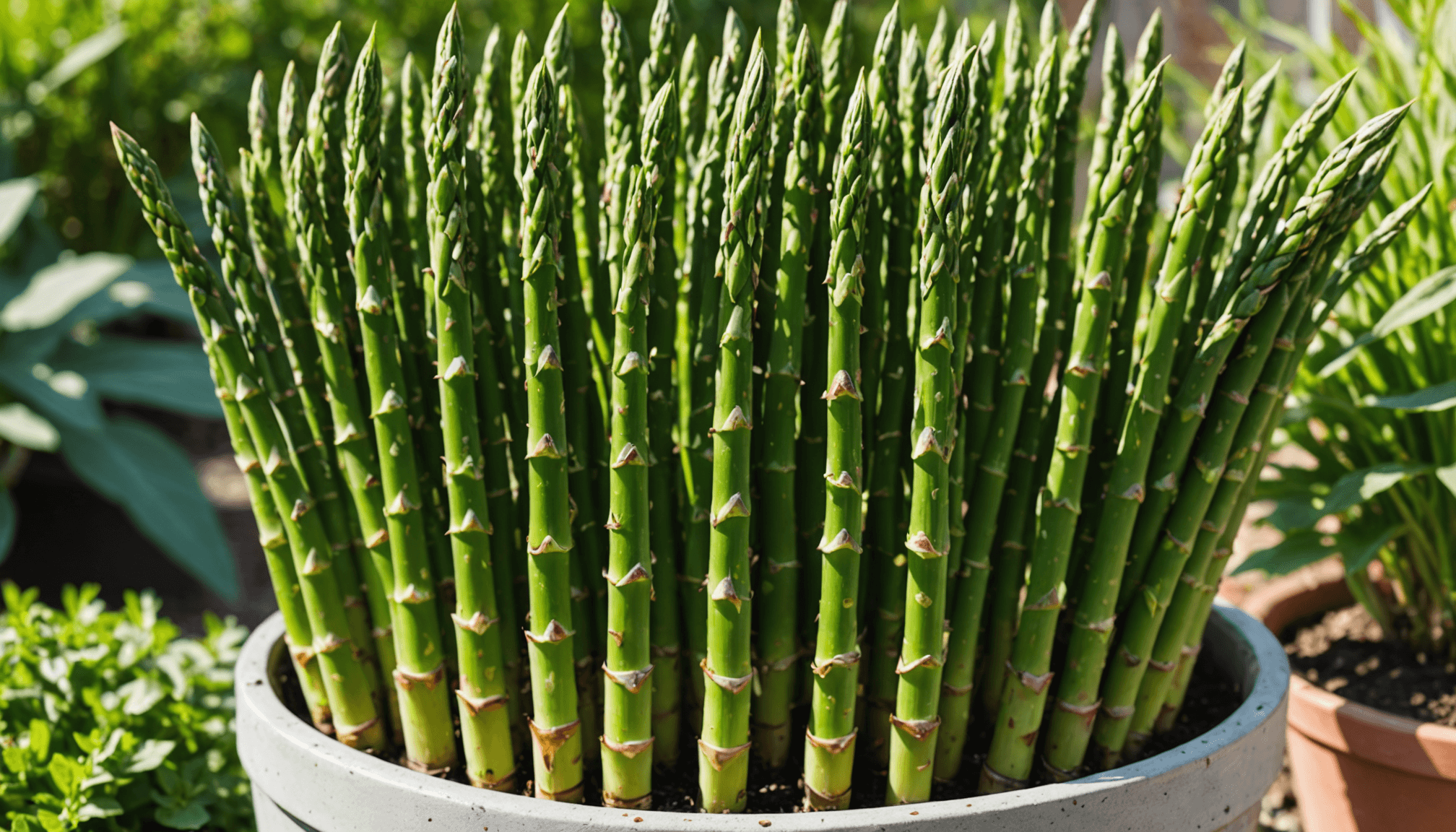
Low-maintenance gardening is a dream come true for busy urban dwellers, families, and millennials juggling countless responsibilities. Implementing this gardening style not only simplifies your growing efforts but also makes it possible to reap the benefits of homegrown food without the exhausting commitment that traditional gardening often demands.
One significant advantage of low-maintenance gardening is the sustainability it promotes. By choosing perennial plants and implementing methods that require less daily attention, you’re not just conserving your energy—you’re also supporting the environment. This approach helps maintain soil health and reduces the need for synthetic fertilizers and pesticides. Perennial vegetables like asparagus and rhubarb naturally flourish and return each year, allowing you to enjoy fresh produce with minimal oversight.
Additionally, if you’re looking to save both time and resources, consider adopting a zero-till or no-till method. This practice minimizes soil disturbance, allowing beneficial organisms to thrive and improving moisture retention. When starting your garden, layer organic matter like leaves, grass clippings, or compost over your soil instead of turning it over. This not only cuts down on work but boosts the soil’s fertility over time.
A big part of low-maintenance gardening involves smart plant choices. Opt for native or drought-tolerant plants that naturally adapt to your environment. For instance, you might plant sea kale along with your other perennial vegetables; its resiliency to coastal conditions makes it a perfect companion while providing nutritious leaves year-round. If you prefer flowers, consider bee balm or black-eyed Susans, which enhance your garden’s aesthetic and attract pollinators without demanding extensive care.
Mulching is another crucial practice for effortless gardening. A good layer of organic mulch not only suppresses weeds but also conserves soil moisture and gradually breaks down to enrich the soil. Choose materials like straw, wood chips, or bark that complement your garden’s style. Plus, you’ll significantly reduce the time spent weeding—an added bonus!
Consider companion planting as a strategy to naturally deter pests and promote health. For instance, pairing *perennial onions* with other herbs can keep harmful insects at bay while enhancing the flavors of your meals. This method reduces the need for chemical solutions and creates a thriving ecosystem right in your backyard.
Lastly, embracing technology can further simplify your gardening journey. Smart garden tools and apps can help you monitor your plants’ needs and remind you of essential tasks. Automatic irrigation systems or self-watering pots ensure your plants receive adequate moisture without daily oversight, making low-maintenance gardening an even more effortless endeavor.
By prioritizing low-maintenance practices, choosing plants that align with your lifestyle, and utilizing innovative solutions, you can create a productive garden that flourishes with minimal fuss—allowing more time to enjoy the fruits of your labor with family and friends.
Space-Saving Techniques for Small Gardens
To maximize your small garden’s potential, efficient space utilization is key. One effective approach is to employ vertical gardening techniques. This method allows you to train your perennial vegetables to grow upwards, effectively saving ground space for additional plants. Using structures like trellises, towers, or garden walls can support climbing varieties such as peas or pole beans, creating a lush, green display while enabling you to harvest them with ease. Additionally, consider using wall planters or pocket gardens, which are not only visually appealing but also make it possible to grow herbs or smaller plants in a confined area.
Another technique is to implement intercropping. This method involves planting fast-growing annuals between your perennials. For instance, you might sow quick-harvesting radishes or lettuce alongside your perennial onions. This strategy not only maximizes productivity but also offers the advantage of staggered harvests, allowing you to enjoy fresh produce throughout the season.
When utilizing raised beds, think about incorporating layers into your planting scheme. By placing shorter plants in the front and taller plants towards the back, you can create an organized, accessible, and visually pleasing garden layout. Companion planting can also enhance space efficiency; for example, pairing perennial vegetables like globe artichoke with flowering plants can attract pollinators while saving room.
The concept of container gardening further expands your options, especially in very small spaces. Utilizing pots or vertical planters can allow you to grow a variety of perennial vegetables, such as perennial kale or strawberries. Choose containers with adequate drainage and place them in sunny areas to optimize growth. This method is also mobile, enabling you to rearrange your garden layout as needed.
Integrating mulch can help in managing space effectively as well. A dense layer of mulch not only suppresses weeds but also retains moisture in the soil, reducing the need for frequent watering. By creating a microclimate, mulching can support the growth of your perennials while decreasing competition from invasive weeds.
Lastly, don’t forget about pathways and access points in your garden. A well-planned layout with defined foot traffic areas can ensure you make the most of your garden without trampling on your plants. Use stepping stones or gravel paths to guide movement and define spaces, allowing you to maneuver easily without disturbing the growing perennials.
“The greatest fine art of the future will be the making of a comfortable living from a small piece of land.” – Abraham Lincoln
Seasonal Care for Perennial Vegetables
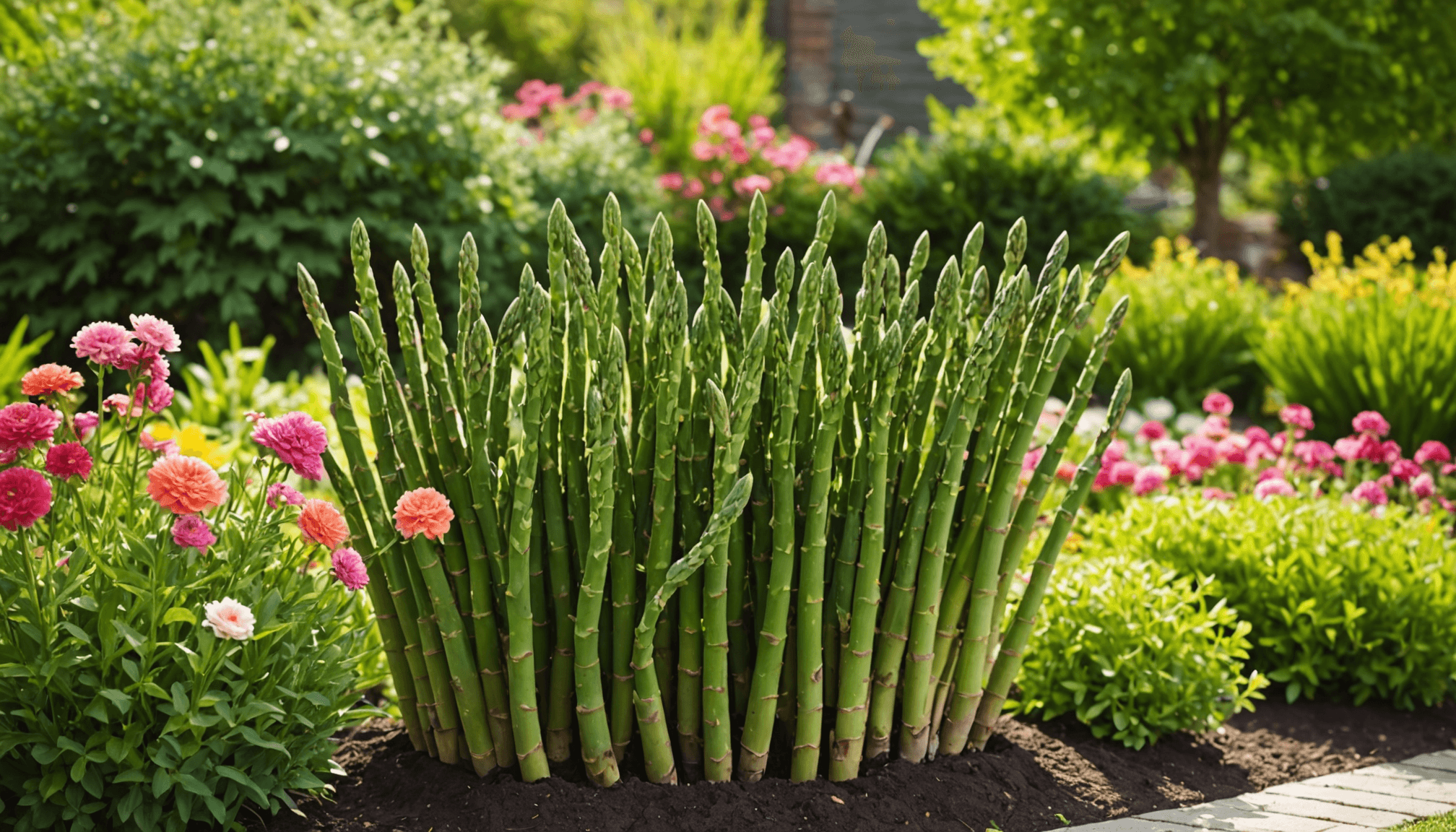
Seasonal care for perennial vegetables enhances both their longevity and productivity, allowing you to enjoy their bounty year after year without excessive upkeep. When establishing these plants, it’s crucial to understand their specific growth cycles and the care they need throughout the changing seasons. Each season presents unique requirements, and being attentive can make a significant difference in your harvest.
In spring, as your perennials emerge from their winter dormancy, focus on providing proper nutrients. A light application of organic fertilizer or compost can boost growth as the weather warms. Mulching is equally important during this time, as it retains soil moisture and suppresses weeds, creating a conducive environment for young plants. Regularly check for pests and diseases, as the fresh growth attracts various garden nuisances that can inhibit your vegetables’ progress. Early intervention is key—if you spot an issue, address it promptly to avoid larger problems later.
Summer represents a busy time for ongoing care. Ensure your perennial vegetables receive adequate water, especially during dry spells. Drip irrigation systems can be beneficial here, as they provide consistent moisture directly to the roots while reducing weed growth. You may also want to devote time to support taller plants, such as artichokes, with stakes or cages to prevent them from toppling over under the weight of their harvest. Regularly inspecting plants for signs of stress and responding with the appropriate care—whether through watering, pruning, or disease control—will be instrumental in maintaining healthy growth.
As fall approaches, the emphasis shifts towards preparation for winter. This is the time for harvesting those late-season treasures and preparing your perennials for the cold months ahead. You may want to trim back foliage and remove any diseased or damaged material to minimize pest habitats. Additionally, applying a heavier layer of mulch in late autumn can insulate the roots against freezing temperatures and prevent soil erosion. Enthusiastic gardeners may even consider planting cover crops in nearby beds to enhance soil health for next spring.
Lastly, winter care is about protecting your perennial vegetables during their dormant phase. If you live in areas with harsh winters, consider using row covers or cloches to safeguard sensitive varieties from extreme temperatures. Ensuring that your garden drains well will prevent root rot, as perennials do not benefit from soggy conditions in winter. Regularly inspect plants during warmer winter days to prevent rodent damage or other threats that could compromise future growth.
- What are perennial vegetables, and how do they differ from annual vegetables?
- Perennial vegetables are plants that grow back year after year, unlike annual vegetables that complete their life cycle within one growing season and require replanting each year. Examples of perennial vegetables include asparagus and rhubarb, which can provide yields for many years once established.
- How often should I water my perennial vegetables?
- Watering needs can vary based on the type of perennial and the conditions of your garden. Generally, they require more frequent watering during their establishment phase and in dry seasons. Soil should be kept moist but not soggy, especially during the critical growth periods in spring and summer.
- Do perennial vegetables require fertilization?
- While perennial vegetables can often thrive with minimal fertilization due to their established root systems, they do benefit from a spring feeding of organic fertilizers or compost to boost early growth. Soil testing can help determine specific nutrient requirements for your plants.
- Can I grow perennial vegetables in containers?
- Yes, many perennial vegetables adapt well to container gardening. Choose deep containers for those with extensive root systems, and ensure proper drainage. This method works beautifully for herbs, strawberries, and even small varieties of kale.
- How long do perennial vegetables typically take to mature and yield a harvest?
- Maturation times can vary widely among perennial vegetables. For instance, asparagus may take 2-3 years to produce a significant harvest, while perennial onions can yield several bunches in their first season. Always check specific care guides for the variety you choose.
- What are some common pests that affect perennial vegetables?
- Common pests include aphids, slugs, and caterpillars. Regular inspections, integrated pest management strategies, and companion planting can help control these pests without relying heavily on chemical treatments.
- Are perennial vegetables suitable for all climates?
- While many perennial vegetables have specific climate preferences, there are varieties that thrive in a range of conditions. It’s important to research which perennial vegetables grow best in your local climate zone to optimize growth and yields.
Harvesting and Enjoying Your Crops
Harvesting your perennial vegetables is a deeply satisfying experience, allowing you to reap the fruits of your labor and enjoy fresh produce straight from your garden. Timing is crucial; knowing when to harvest ensures that you enjoy your vegetables at their peak flavor and nutritional value. Since perennial vegetables can have varying harvest windows, it’s worth keeping a close eye on your plants as they grow.
Asparagus, for instance, is typically ready for harvest in the spring. Wait until the spears reach a height of about 6-8 inches before harvesting. It’s best to cut them at ground level with a sharp knife, ensuring you don’t disturb the surrounding plants which are vital for future growth. Generally, you can harvest asparagus for about six weeks each spring until the spears start to thin out. After that, allow the plant to develop into its fronds to store energy for next season’s growth.
Rhubarb is another perennial that offers a bounty of flavor, especially in desserts and jams. Harvest rhubarb stalks once they’re about 12-18 inches long. Pull the stalks gently by twisting them off at the base; avoid cutting them as this can invite disease. You can harvest rhubarb until mid-summer but be cautious not to over-harvest by taking more than one-third of the plant at a time; this ensures the plant regenerates for future harvests.
When it comes to globe artichokes, timing your harvest is crucial for the best taste. Pick buds when they’re still closed and plump, usually in late spring or early summer. If you wait too long, the buds will flower, becoming tough and inedible. Cut the buds off when they’re about 3 inches in diameter, using sharp garden shears. This will also encourage the plant to produce more buds, extending your harvest season.
After harvesting, it’s essential to enjoy your crops in a timely manner to ensure freshness. Consider different ways to incorporate your perennial harvests into your meals. Rhubarb, for example, can be made into delicious pies, crumbles, or even added to savory dishes for a tangy kick. Asparagus can be grilled, roasted, or tossed into salads, making it a versatile addition to any meal.
Additionally, think about preserving your bounty for future enjoyment. Rhubarb can be blanched and frozen, ensuring you have a taste of your garden even in the off-season. Similarly, asparagus can be blanched and then frozen, allowing you to savor its flavors later. Another great option is to pickle or ferment some of your harvest; pickled asparagus makes a wonderful snack or cocktail garnish!
Don’t forget to involve your family in the fun of harvesting. Teach kids about where their food comes from and engage them in gathering veggies; it’s a perfect opportunity to foster a love for gardening! This hands-on approach not only creates lasting memories but also instills a sense of responsibility towards growing and sustaining food.
Once you’ve harvested your vegetables, take time to celebrate! Host a garden-to-table dinner featuring your fresh produce. This not only allows you to share your hard work with friends and family but also creates an appreciation for seasonal eating and the joys of homegrown food.