
For urban dwellers and families living in small spaces, adopting sustainable living practices can seem daunting. However, it’s entirely feasible to create an eco-friendly environment without needing acres of land. Think about integrating green choices into your lifestyle that are both practical and enjoyable.
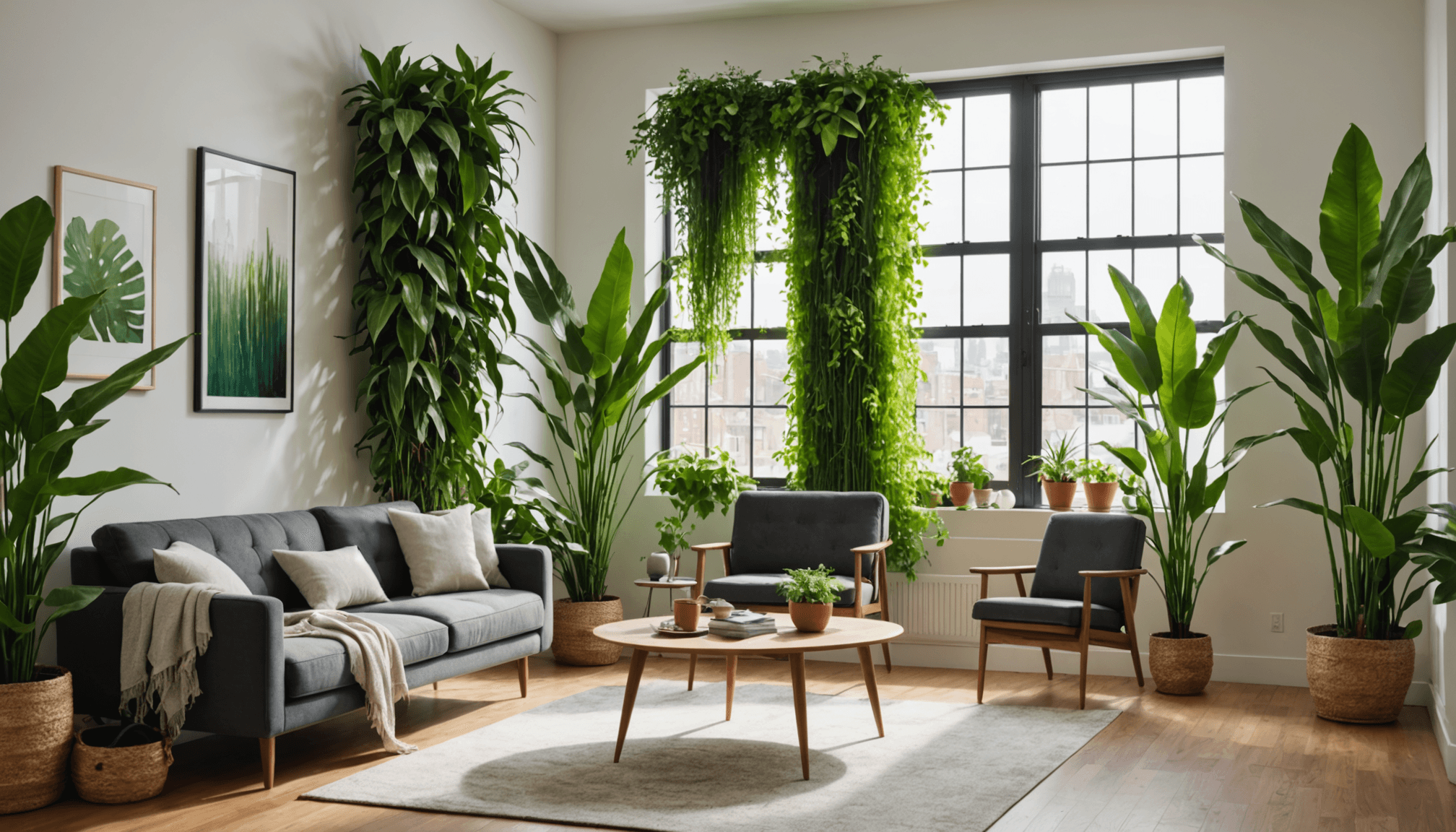
One effective strategy is to embrace the concept of vertical gardening. By utilizing vertical space, you can grow fruits, vegetables, and herbs without taking up precious floor area. Wall-mounted planters or hanging pots transform your walls into living art while providing a sustainable source of fresh produce. For instance, consider installing a vertical hydroponic system that not only maximizes space but also requires less water than traditional gardening.
Another key element in small space homesteading is to focus on multi-functional furniture. Opt for items like benches that double as storage or coffee tables that can transform into dining surfaces. This not only declutters your space but also promotes a minimalist lifestyle, aligning with sustainable principles.
When it comes to energy consumption, look for ways to reduce your usage significantly. Compact appliances that are energy-efficient can minimize your carbon footprint while serving your daily needs. For example, an energy-efficient refrigerator or washing machine can cut down on utility costs and energy waste. Be mindful of your habits too; turning off unused appliances and switching to LED bulbs can make a big difference over time.
Water conservation also plays a crucial role in sustainable living. Implementing simple practices, such as collecting rainwater in barrels or using greywater systems, can help in maintaining your indoor gardens. Additionally, consider installing low-flow fixtures in your kitchen and bathroom to significantly reduce water usage.
Lastly, foster a sense of community by connecting with local farmers and other homesteaders. Join urban gardening groups or participate in community-supported agriculture (CSA) programs. This not only supports local agriculture but also offers you a platform to exchange tips, seeds, and even harvests with like-minded individuals.
By embracing these sustainable practices in small spaces, you can cultivate a lifestyle that is eco-friendly and fulfilling, enjoying the rewards of homesteading right from your urban oasis!
Maximizing Space Efficiency
To maximize space efficiency, it’s essential to implement strategic organizational techniques and design principles that enhance functionality without compromising comfort or aesthetics. One effective approach is to utilize modular furniture which can be rearranged or reconfigured to suit different needs and activities. This adaptability allows you to transform small areas to accommodate a variety of functions, whether it’s working, relaxing, or entertaining.
Consider designing your living area with built-ins like bookshelves that incorporate seating or a fold-down desk that can be tucked away when not in use. This multifunctionality not only saves space but also adds character to your home. Employing furniture with hidden storage capabilities can be particularly advantageous; ottomans, for example, can provide seating while concealing items such as blankets or games within.
| Furniture Type | Functionality | Space Saved (sq ft) |
|---|---|---|
| Modular Sofa | Can be rearranged for lounging or sleeping | 10 – 15 |
| Wall-Mounted Desk | Workspace that folds down when needed | 6 – 8 |
| Storage Bed | Under-bed storage for clothing or linens | 12 – 20 |
| Extendable Dining Table | Accommodates guests but folds small | 7 – 10 |
| Nested Tables | Multiple tables that fit into one another | 5 – 7 |
Furthermore, it’s beneficial to implement zoning techniques that divide areas into distinct functional slots. Use rugs or furniture arrangements to create visual cues that designate spaces for relaxation, dining, or work. This segmentation aids in harnessing the overall efficiency of your living area while maintaining an open and airy feel.
Utilizing the underutilized spaces in your home can also significantly improve space efficiency. Think about areas like the top of kitchen cabinets for storing less frequently used items or the spaces beneath staircases for built-in shelving. Each nook and cranny can serve a purpose if creatively approached.
Additionally, organizing your possessions with a strict decluttering principle can yield significant results. Adopt the “one in, one out” rule where for every new item acquired, one must be discarded or donated. This practice maintains balance in your living environment and prevents accumulation of unnecessary items, promoting a clutter-free home that is conducive to sustainable living.
Maximizing space efficiency in a small footprint involves thoughtful planning and innovative designs that reflect your lifestyle needs while fostering a sustainable ambiance. By actively engaging in these strategies, you can cultivate a harmonious home that balances comfort, functionality, and eco-friendly practices.
Eco-Friendly Homesteading Techniques
Integrating eco-friendly homesteading techniques into your small living space can transform your lifestyle and enhance the sustainability of your daily practices. One of the most effective methods is to harness renewable energy sources. If possible, consider investing in solar panels, even if it’s on a smaller scale like solar-powered outdoor lights or garden gadgets. These systems can minimize your energy bills while reducing your reliance on fossil fuels.
Incorporating natural materials into your home can also significantly enhance your eco-friendly goals. Use reclaimed wood for furniture or shelving to reduce deforestation impacts and add character to your space. Furthermore, choose sustainable materials like bamboo or cork for flooring, which are not only stylish but also have a lower environmental impact compared to traditional options.
Another practical tip is to adopt a permaculture mindset when it comes to your gardening efforts. This approach focuses on creating self-sustaining ecosystems. For example, you can rotate your crops, which maintains soil health and reduces pests so that you don’t need synthetic fertilizers or pesticides. Utilizing companion planting—growing plants together that benefit each other, like tomatoes with basil—can further optimize your space and yield.
When it comes to cooking, consider using energy-efficient methods like pressure cooking or slow cooking, which require less energy and are perfect for preparing meals in smaller quantities. Investing in high-efficiency appliances or using a toaster oven instead of a conventional oven for small meals can lead to significant energy savings.
Moreover, adopting the practice of DIY products can elevate your eco-friendly lifestyle. Making your own cleaning supplies from simple ingredients like vinegar, baking soda, and essential oils can not only reduce packaging waste but also save money. Create a natural insect repellent using a mixture of water, vinegar, and essential oils to protect your plants without chemicals.
You might also explore the concept of foraging. Learning about local edible plants can provide additional food sources without the need for traditional gardening. Many urban areas have wild greens, mushrooms, and fruiting trees that can be harvested sustainably, adding diversity to your meals while minimizing your ecological footprint.
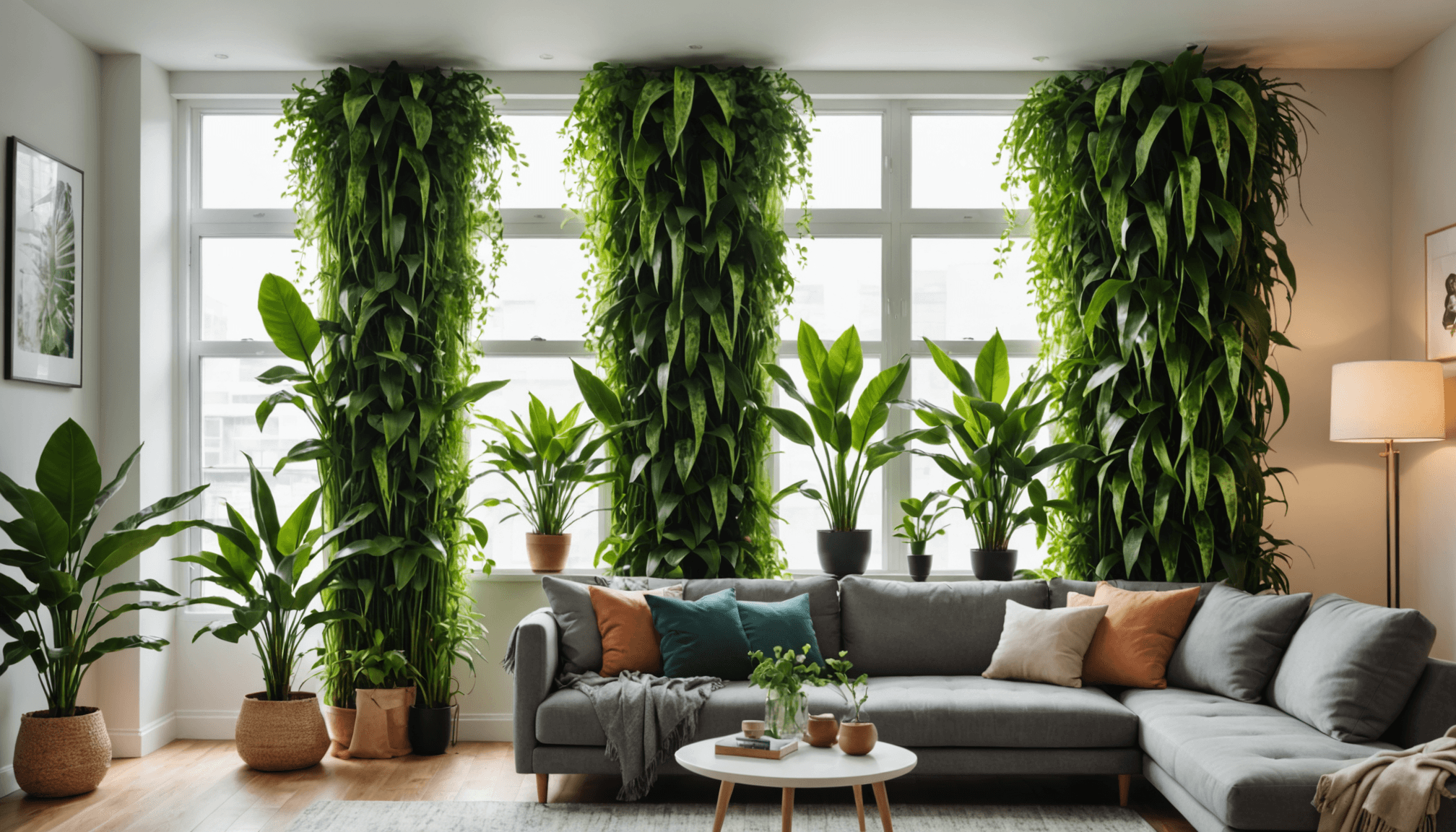
One essential technique to embrace is the use of living walls inside your home. These vertical gardens not only save space but also improve air quality and aesthetics. Populate these walls with air-purifying plants such as snake plants or pothos, which require minimal maintenance and can thrive even in limited light conditions.
Finally, consider how you source your food. Joining a local cooperative or a community-supported agriculture (CSA) program can provide you with fresh, seasonal produce while supporting local farmers. This reduces the carbon footprint associated with food transportation and encourages a connection with your local community.
By implementing these eco-friendly homesteading techniques, you can significantly lessen your environmental impact and lead a more sustainable life, all while enjoying the benefits of homesteading in a small space.
Composting in Urban Environments
Composting in urban environments offers a practical and sustainable way to manage organic waste right where you live. For residents with limited outdoor space, there are various methods that can be utilized to compost effectively, no matter the size of your apartment or home. The foundation of any successful composting setup is understanding the materials that can be added to your compost and ensuring the right balance of greens (nitrogen-rich materials) and browns (carbon-rich materials).
In small living spaces, one popular method is vermicomposting, which uses worms to break down food scraps. Worm bins can easily fit under a kitchen sink or in a closet, making them perfect for urban dwellers. The red wiggler worms accelerate the composting process while producing nutrient-rich worm castings that can be used to nourish your plants. Set up your worm bin with shredded newspaper or cardboard as bedding, adding kitchen scraps like fruit peels, vegetable leftovers, and even eggshells, while avoiding meat and dairy products that can attract pests.
Another feasible option is to use a compact composting system designed for small spaces. Many of these units are odor-free and stylish, designed to fit seamlessly into your kitchen or balcony. They can include tumblers or bokashi buckets, which allow for the fermentation of organic waste. Bokashi composting involves layering food scraps with a special bran that contains microorganisms, which helps break down waste quickly without the need for time-consuming aeration. This method also allows for a wider variety of materials, including meat and dairy, which are typically avoided in traditional composting.
“Composting is the ultimate act of recycling.” – Unknown
For those who may have access to a community garden or shared outdoor space, participating in a communal compost system can be beneficial. Many community gardens offer communal compost bins where members can contribute their kitchen scraps and organic waste, promoting a collective effort towards sustainability. This not only enriches the soil for shared gardening spaces but also encourages a sense of community among urban residents.
Regardless of the method chosen, it’s essential to maintain proper care of your compost system. Regularly aerating the compost, ensuring moisture balance, and monitoring for odors are critical to successful composting. Compost should have a pleasant earthy smell; if it begins to smell rotten or foul, it may require more browns or less moisture. Keeping a small supply of carbon-rich materials like shredded leaves or cardboard handy can assist in troubleshooting these issues.
Moreover, consider incorporating a composting app into your routine. Many applications provide tips and track your composting progress, plus they can help educate on what items can be composted as well as the benefits of such practices. These tools can align well with your tech-savvy urban lifestyle, ensuring you’re maximizing your composting efforts.
Engaging in composting not only reduces waste in landfills but also contributes to healthier urban gardens and potted plants, creating a circular system in urban living. The nutrient-rich compost produced can be used to enrich soil, providing an avenue to grow your indoor or balcony garden, effectively closing the loop on your food cycle in a small, eco-friendly way.
Creating Indoor Gardens
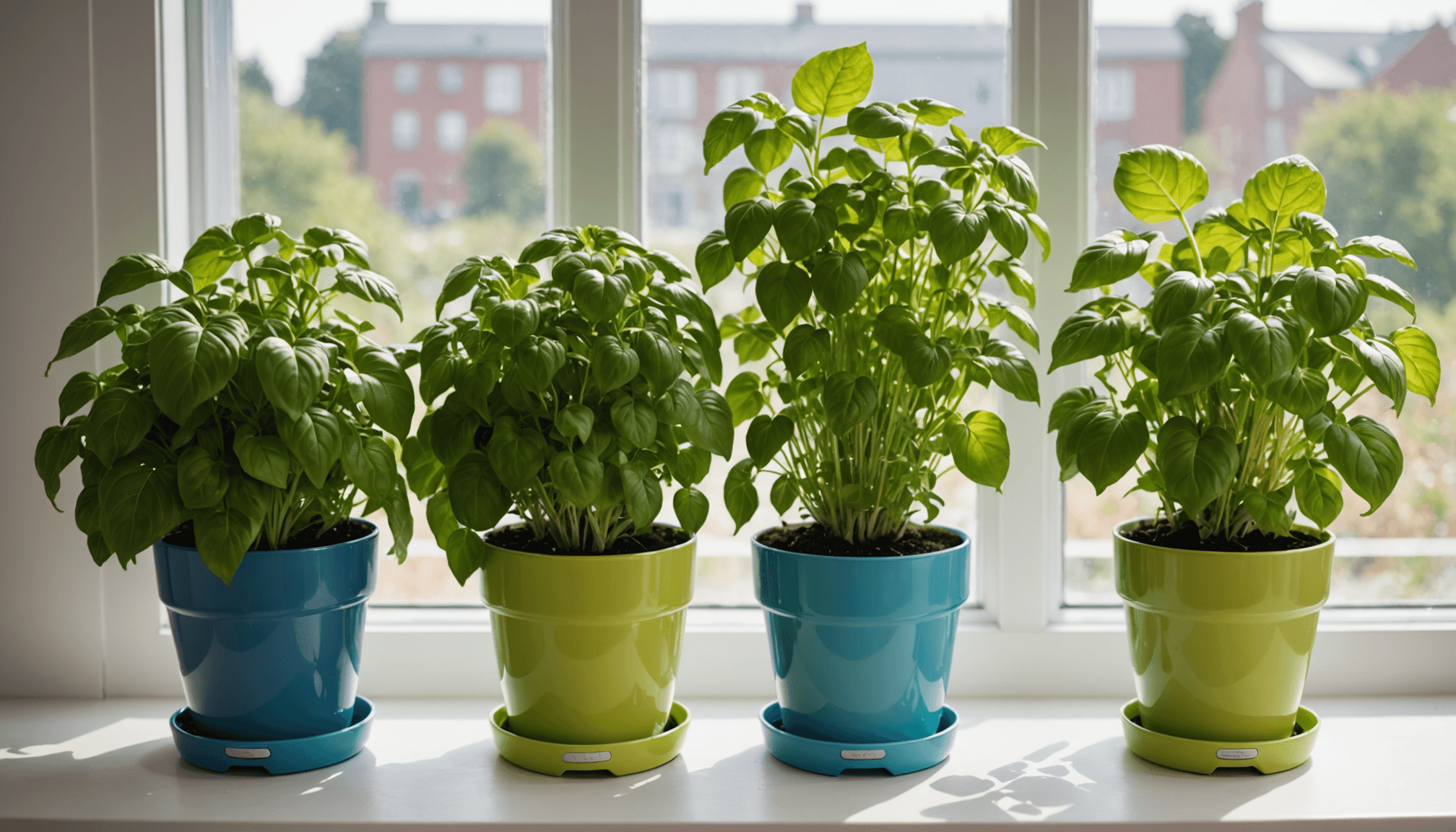
Creating indoor gardens opens up a world of possibilities for those living in small spaces, allowing you to cultivate your own greens, herbs, and even flowers right within your home. The key is to harness every bit of available space, turning window sills, balconies, or any available nook and cranny into flourishing micro-gardens. Start by selecting the right plants—herbs like basil, parsley, and cilantro thrive in smaller pots and provide culinary benefits while enhancing air quality.
Utilizing containers is essential in an indoor garden setup. Choose pots that complement your space, ensuring they possess proper drainage, and consider stacking options to create a visually appealing multi-tiered effect. Additionally, self-watering pots can help reduce maintenance efforts, allowing you to enjoy the beauty of your plants without the constant worry of over- or under-watering. Using reclaimed materials, such as tin cans or wooden crates, can also contribute to a rustic charm while being eco-friendly.
Lighting is another critical factor in establishing a successful indoor garden. Position your plants where they can receive the most natural light, typically near south-facing windows. If sunlight is limited, invest in grow lights to provide the necessary spectrum for healthy plant growth. LED grow lights, in particular, are energy-efficient and can be adjusted to meet the needs of different plants at various growth stages.
Don’t forget about utilizing vertical space! Shelves or wall-mounted planters can transform an ordinary wall into a vibrant living tapestry. This approach not only saves floor space but also creates an attractive focal point in your home. Consider incorporating trailing plants like ivy or string of pearls to soften corners and add depth to your living areas.
Additionally, explore the concept of using a herb spiral, a space-efficient design that allows you to grow a variety of herbs in a single vertical configuration. This method maximizes water usage by letting the plants at the top receive less moisture while those at the bottom thrive in the moist soil. It’s perfect for small spaces and adds an element of interest to any room.
Taking care of your indoor garden also encourages a greater connection between you and the greenery that surrounds you. Regular nurturing—whether it’s watering, pruning, or simply enjoying their growth—can evoke a sense of accomplishment and tranquility. As your plants grow, so will your skills and confidence, opening the door to more ambitious gardening projects like starting seedlings for your balcony or patio garden. This invites you to delve deeper into the fulfilling world of sustainable living.
- What types of plants are best for indoor gardens?
- Herbs such as basil, mint, and parsley are excellent for indoor gardens as they thrive in smaller pots and provide culinary use. Additionally, low-light plants like snake plants or pothos are great for beginners and improve air quality.
- How can I create a vertical garden in my apartment?
- You can create a vertical garden using wall-mounted planters, shelves, or hanging pots. Utilize pots with proper drainage and choose trailing plants to create a vibrant display while saving floor space.
- Do I need special lights for indoor gardening?
- If natural sunlight is insufficient, investing in grow lights is beneficial. LED grow lights provide the necessary spectrum for plants and are energy-efficient, ensuring your indoor garden receives adequate light.
- Is it hard to maintain an indoor garden?
- Indoor gardens can be easy to maintain with proper planning. Choose low-maintenance plants, use self-watering pots, and establish a routine for watering and fertilizing to keep your garden thriving.
- Can I grow vegetables indoors?
- Yes! Leafy greens like spinach, lettuce, and radishes do well in indoor gardens. Select varieties that are suited for container gardening and provide them with sufficient light and space to grow.
- How often should I water my indoor plants?
- Watering frequency depends on the type of plant, pot size, and environmental factors. It’s best to check the soil moisture with your finger; if the top inch is dry, it’s time to water.
- Can indoor gardening help improve air quality?
- Absolutely! Many indoor plants can purify the air by removing toxins and releasing oxygen, making your living space healthier and more pleasant to breathe.
Reducing Waste in Small Households
Reducing waste in small households is an essential component of sustainable living and aligns perfectly with the goals of urban dwellers, families, and garden enthusiasts. One of the simplest yet most effective ways to achieve this is through mindful consumption and clever planning. Start by evaluating your shopping habits: purchase only what you need and focus on quality products that last. This not only reduces waste but often saves you money in the long run.
Another way to reduce waste is by utilizing bulk buying. Many stores offer items like grains, nuts, and spices in bulk, allowing you to buy only what you need. Bring your reusable containers or bags to eliminate single-use packaging. This practice can dramatically reduce the amount of plastic and cardboard entering your home and ultimately landfills.
Furthermore, consider embracing a zero-waste lifestyle by composting food scraps, which not only minimizes organic waste but also provides valuable nutrients for your indoor or outdoor garden. Items such as vegetable peels, coffee grounds, and eggshells can contribute to rich compost that enriches your soil, creating a closed-loop system for your household.
It’s also vital to be aware of food waste. Plan your meals and create grocery lists to minimize unnecessary purchases. Use your leftovers creatively; for instance, stale bread can be turned into croutons, while wilting herbs can be transformed into pesto. Aim to use every part of the ingredient—roots, stems, and leaves—much like chefs do in their kitchens.
Incorporating DIY solutions can further aid in waste reduction. Instead of buying commercial cleaning products, you can create effective, eco-friendly alternatives from simple ingredients such as vinegar, baking soda, and lemon juice. These natural cleaners are not only safer for your family and pets but also come with minimal packaging waste. For instance, a mix of vinegar and water serves as an excellent glass cleaner, reducing the need for store-bought options.
To further engage in reducing waste, consider hosting a clothing swap event with friends or family. This fun and social activity promotes recycling of clothing while refreshing your wardrobe without the need for new purchases. Similarly, you can donate clothes, books, and household items that you no longer use, giving them a new life rather than letting them collect dust.
Another effective strategy is to get creative with packaging. Instead of single-use plastic bags, opt for beeswax wraps or reusable silicone bags to store food. Not only are these environmentally friendly, but they also keep your food fresh for longer, reducing spoilage and waste.
Lastly, it’s important to educate yourself about recycling regulations in your area. Familiarize yourself with what can and cannot be recycled, as contamination can often spoil an entire batch. Properly sorting recyclable materials can significantly increase the efficiency of waste management in your community.
By implementing these practical, easy-to-follow tips, you can effectively reduce waste in your small household, enhancing your eco-friendly lifestyle while contributing to a more sustainable future.