
Managing a plant nursery effectively requires a well-thought-out selection of tools to ensure both productivity and health of the plants. From ensuring optimal growth conditions to maintaining organization, here are some essential tools that will enhance your nursery management.
First and foremost, every nursery should have a reliable set of gardening tools. This includes:
- Pruning shears: Essential for maintaining plant health, these tools help you remove dead or diseased branches and encourage new growth.
- Trowels: Perfect for digging, planting, and transferring soil or plants in pots.
- Hand rakes: Useful for preparing seedbeds and ensuring smooth soil surfaces.
Additionally, investing in ergonomic tools can vastly improve efficiency and reduce the risk of injury due to repetitive motions. Tools with padded grips and adjustable handles not only make tasks comfortable but also encourage longer hours of productive work.
Next, consider incorporating a potting bench into your nursery space. Not only does it provide a dedicated area for repotting plants, but it also helps keep your tools organized and within reach. A well-designed potting bench can include storage for sowing seeds, a workspace for dirt mixing, and a place for labeling pots.
To maintain healthy plants, consider investing in moisture meters and pH testers. These tools assist in ensuring your plants receive the appropriate amount of water and nutrients, enabling efficient nursery management. Keeping track of these variables can save your plants from over or under-watering, which is a common pitfall for many nurseries.
Labeling tools cannot be overlooked. Whether using tags, markers, or digital tracking systems, maintaining a clear and organized record of what plants are where will minimize confusion and help you track their growth and requirements.
Lastly, don’t underestimate the value of a strong relationship with your local gardening community. Join online platforms or local groups for exchanging tips, tools, and experiences. This support network not only enhances your knowledge but can also open doors for tool-sharing opportunities, reducing costs.
By equipping yourself with the right tools and knowledge, you can cultivate a thriving nursery that not only flourishes but does so with impressive efficiency. Happy planting!
Essential equipment for plant care
Essential equipment for plant care extends beyond basic gardening tools to include a range of specialized devices that enhance nursery management and promote healthy plant development. Among these, effective watering systems and nutrient dispensers play critical roles in ensuring plants thrive.
Irrigation Systems are a cornerstone of plant care. They allow for precise control over water delivery, accommodating the specific needs of different plant species. Examples include drip irrigation, which delivers water directly to the root zone, minimizing evaporation and runoff. This system not only conserves water but also promotes healthy growth by ensuring consistent moisture levels. For larger nurseries, automated systems can be set up with timers to optimize watering schedules based on weather conditions or soil moisture levels.
Another piece of essential equipment is nutrient injectors, which help manage the delivery of fertilizers and supplements. By integrating these injectors with irrigation systems, you can fine-tune nutrient application, ensuring that your plants receive the right combination of macronutrients and micronutrients necessary for optimal growth. This is vital in preventing deficiencies or toxicities that can arise from uneven application of fertilizers.
Environmental Control Equipment also deserves mention. Devices such as temperature and humidity monitors help maintain optimal growing conditions, especially in greenhouses or indoor nurseries. By monitoring and adjusting these factors, you can prevent stress factors that negatively impact plant health. For instance, integrated systems can automatically adjust temperature by controlling fan speeds or opening vents based on real-time data.
Moreover, investing in a competent soil testing kit allows you to analyze pH and nutrient levels in the soil. Regular testing can inform adjustments to your soil management practices, ensuring that your plants have the best medium for growth. Understanding soil composition helps you make informed decisions about amendments, such as organic matter or fertilizers, facilitating a more sustainable approach to plant care.
To illuminate the differences in watering methods and their respective efficiencies, the following table summarizes various options:
| Irrigation Method | Water Efficiency | Best Use |
|---|---|---|
| Drip Irrigation | High | Vegetable crops, shrubs, and trees |
| Sprinkler Systems | Medium | Lawn care, large open areas |
| Soaker Hoses | High | Flower beds and garden rows |
| Flood Irrigation | Low | Flat landscapes and rice paddies |
Lastly, effective tools for managing plant health should include high-quality gardening supplies such as mulch and organic fertilizers. Organic mulches not only conserve moisture but also suppress weeds, reducing the need for chemical herbicides. Understanding the right applications and timings of fertilizers based on the plants in your nursery extends the tools available for efficient plant care.
Equipping your nursery with these essential pieces of equipment streamlines operations, allowing you to dedicate more time to nurturing your plants and less time worrying about their needs. The investment in quality tools ultimately leads to a more productive and flourishing nursery environment.
Soil management tools
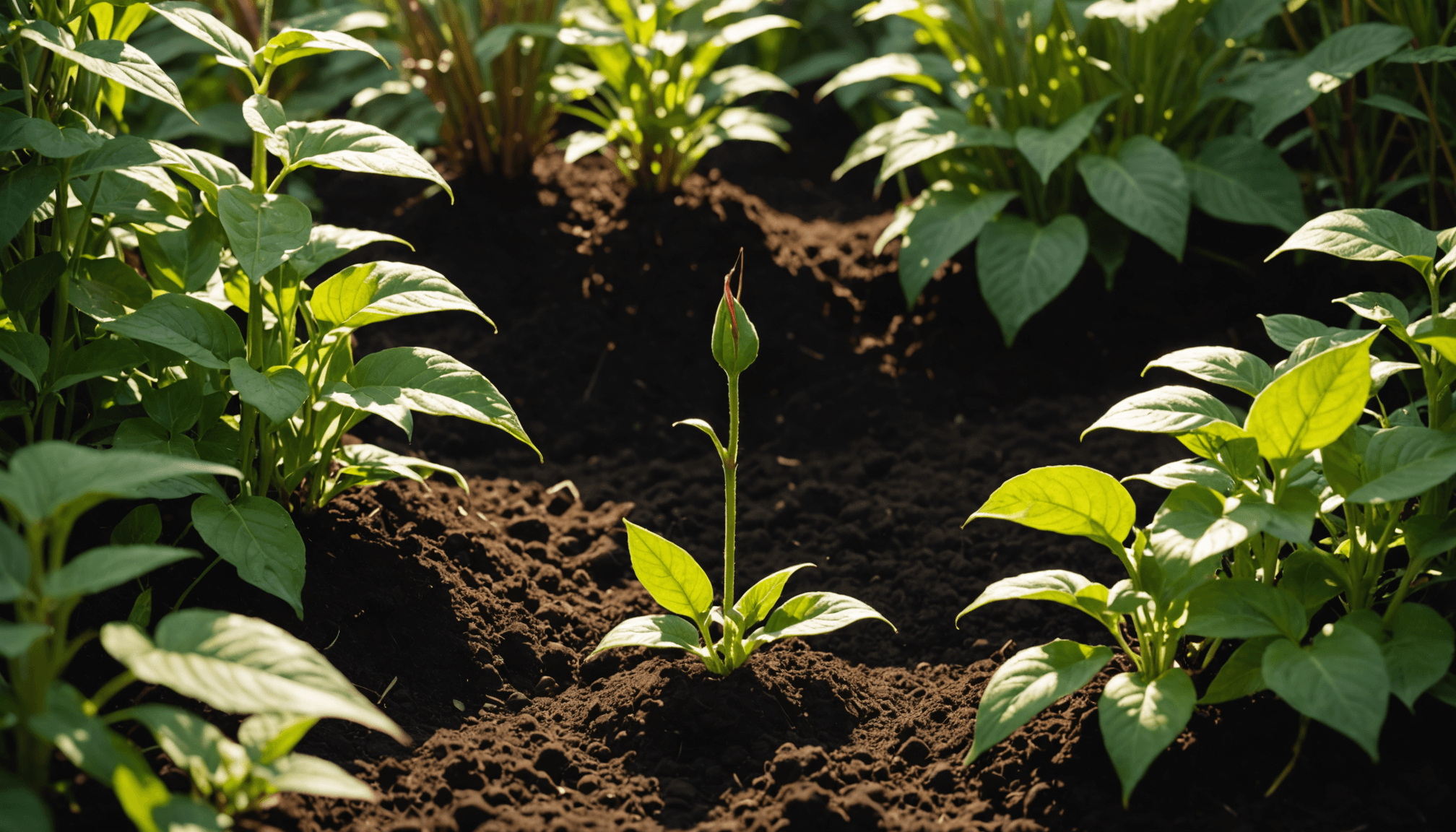
When it comes to nurturing the lifeblood of any nursery—the soil—ensuring its health and viability is a fundamental responsibility for any plant enthusiast. The right soil management tools can transform your gardening experience, saving time and enhancing plant growth by ensuring optimal conditions. Here are some valuable tools and techniques to help you master soil management effectively.
One of the most basic yet crucial instruments is the soil probe. This handy tool allows you to test soil compaction, moisture levels, and overall density without disturbing the soil structure. By using a soil probe, you can easily assess whether your soil is too compacted, which limits root growth and water absorption. Regularly checking your soil health helps ensure that your plants are thriving and can lead to adjustments in your care routine.
Next up is the soil sifter. This tool is particularly handy when you’re working with compost or potting mixes. A soil sifter helps you eliminate clumps, stones, and debris, ensuring a fine and homogenous mixture for potting new plants. By sifting your soil, you enhance aeration and drainage, which are pivotal aspects of healthy plant growth.
Soil amendments are equally important, and having the right tools to incorporate these into your garden can make a significant difference. A garden tiller or a simple hand cultivator can help mix amendments like compost and organic matter into the soil effectively. Remember, adding organic matter not only improves soil structure but also promotes beneficial microbial life—essential for sustainable plant growth.
In addition to these basic tools, investing in a good compost thermometer can be invaluable for checking the temperature of your compost pile. This simple tool allows you to ensure that your compost is decomposing correctly, enhancing the nutrients you can later return to your nursery’s soil.
Testing Kits are another must-have for serious gardeners. A soil testing kit will reveal the pH and nutrient levels in your soil, which is vital for understanding what your plants need. The effectiveness of soil amendments largely hinges on knowing your soil’s current state. For instance, if your soil is too acidic, adding lime can adjust the pH, making nutrients more available to plants. Likewise, if nitrogen levels are low, you can amend it with organic fertilizers to boost growth.
Don’t forget about mulching, a technique that is not only aesthetically pleasing but also functional. Using mulch helps to maintain soil moisture, regulate temperature, and suppress weed growth. You can use organic materials like wood chips or straw, which decompose over time, adding nutrients back to the soil. A simple gardening rake can aid in applying and spreading mulch evenly.
Lastly, understand your soil’s texture. Grab a handful of soil and moisten it. If it holds together but crumbles easily, you have loamy soil, ideal for many plants. If it feels sticky, you have clay soil; if it simply falls apart, you have sandy soil. Each type requires specific care, and knowing your soil type enables tailored management practices.
Incorporating these soil management tools and techniques not only increases your efficiency in nursery management but ultimately provides a thriving foundation for your plants to grow. Employing the right strategies encourages healthier roots, which translates to vigorous plants and increased yields. So, gear up with these tools, dive into the excitement of caring for your soil, and watch your nursery flourish like never before!
Irrigation systems and accessories
Effective irrigation systems and accessories are critical components in nursery management, as they ensure that plants receive the right amount of water while conserving resources. A well-designed irrigation system can significantly enhance the efficiency of water use, promoting healthy plant growth while minimizing waste.
Among the most popular methods is drip irrigation, which delivers water directly to the root zones of plants through a network of tubing and emitters. This approach not only conserves water but also reduces weed growth by limiting moisture in areas surrounding plants. For optimal efficiency, install timers that can be programmed according to the daily weather conditions, ensuring that water is only supplied when necessary.
Another essential component of irrigation is the use of hoses and sprinklers. Flexible hoses can easily reach various sections of your nursery while sprinklers offer rapid, broad coverage—ideal for young plants that need consistent moisture. Consider employing oscillating or rotating sprinklers that adjust their reach, ensuring that they deliver water evenly without puddling around the base of plants. These accessories are especially useful during peak growing seasons when plants are particularly thirsty and require a reliable water source.
The integration of moisture sensors into your irrigation setup can enhance efficiency enormously. These sensors detect moisture levels in the soil and send signals to your irrigation system, prompting it to water only when plants genuinely need it. This smart technology mitigates the risks of over-watering, which can lead to root rot and other issues.
“Irrigation is not about covering ground; it’s about creating the right conditions for growth.”
In addition to these systems, filtration units play a crucial role in maintaining water quality. Using clean water helps prevent disease, ensuring that plants are not subjected to harmful pathogens that could thrive in unfiltered sources. Incorporating filters into your irrigation system ensures consistent water quality, protecting your plants and boosting overall nursery health.
Rainwater harvesting systems can also contribute significantly to nursery efficiency. Collecting rainwater from roofs and directing it into storage tanks provides a sustainable and cost-effective water source. This eco-friendly approach reduces reliance on municipal water supplies and can be particularly beneficial in areas where water restrictions are in place.
For nurseries located in regions with varying precipitation, implementing a pull-out sprinkler system can offer versatility. These systems can adapt to differing areas of your nursery, providing targeted irrigation to where it is most needed based on seasonal fluctuations. By customizing the watering process, you ensure that each plant’s unique watering needs are met efficiently.
Lastly, regular maintenance of your irrigation systems is essential for sustaining their performance. Periodically checking for leaks, clogs, and adjusting settings ensures that your system operates optimally, conserving water while providing robust care for your plants.
Efficient irrigation systems and accessories are foundational to a thriving nursery. By investing in high-quality equipment and smart technology, you lay the groundwork for effective water management that enhances plant health and growth, streamlining your overall nursery management operations.
Propagation tools and techniques
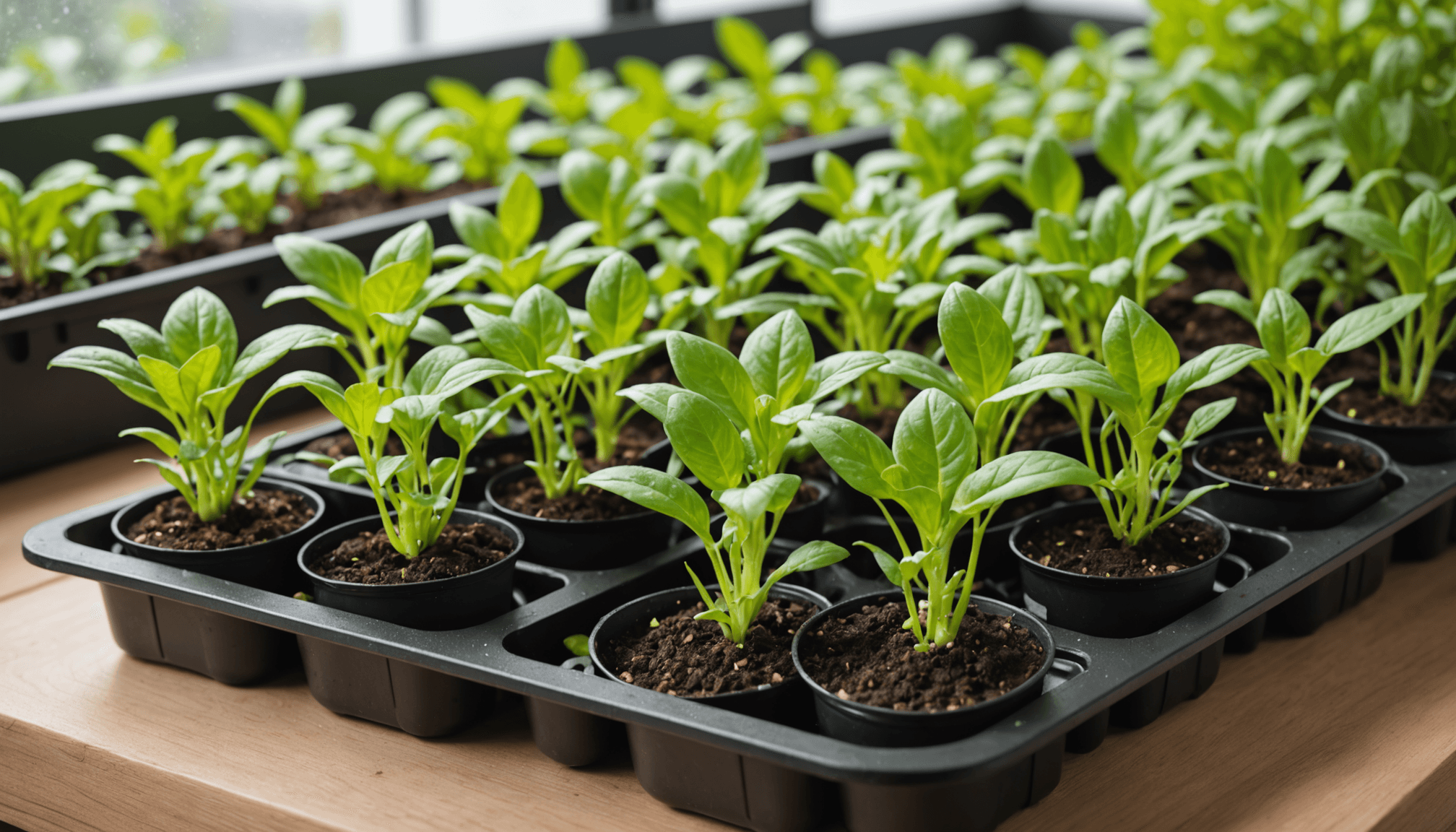
Propagation is an exciting phase in nursery management, allowing you to expand your plant variety and create a thriving ecosystem. Using the right propagation tools and techniques can dramatically increase your success rates while nurturing seedlings and cuttings to maturity. A solid understanding of propagation methods not only boosts productivity but also fosters a deeper appreciation for plant biology and growth habits.
One of the fundamental tools in propagation is the propagation tray. These trays provide a stable environment for seeds or cuttings, featuring drainage holes to ensure excess water doesn’t accumulate. Opt for trays with individual cells to minimize root disturbance when transplanting, which is critical to maintaining root integrity. As you start, consider using a sterile seed-starting mix that promotes a balanced moisture level, aiding in successful germination while preventing diseases.
For vegetative propagation, having a quality sharp knife or scissors is essential. When taking cuttings, precise and clean cuts reduce the chance of infection and encourage faster healing. Make sure to cut just below a node, as this is where new growth will emerge. Pairing these tools with rooting hormones can significantly enhance root development in your cuttings, accelerating the propagation process.
Maintaining optimal humidity is crucial during propagation, and you can achieve this with humidity domes or simple plastic wrap. These create a greenhouse effect, keeping moisture levels high around your cuttings. However, be vigilant: removing the covers periodically allows for air circulation, preventing mold growth, which can be detrimental to your newly rooted plants.
A heat mat is another valuable investment for inducing quicker germination and rooting. By providing bottom heat, these mats create a warm environment that can significantly speed up the processes, especially beneficial for seeds and cuttings that require warmer conditions for optimal growth. Monitor the temperature carefully to avoid overheating, as excessive heat can be just as harmful as too little.
Seedling lights are indispensable for those looking to propagate indoors or in shaded areas. These lights simulate sunlight, providing the necessary light spectrum for healthy growth. Position the lights close enough to the seedlings without causing leaf burn, ensuring they have the right light conditions for optimal growth. Keep in mind that adjusting the height of your lights as plants grow will help maintain the ideal distance, enhancing efficiency in your nursery management.
Once your seedlings are ready for transplanting, ensure you handle them gently. Using a transplanting tool or a simple fork can help you lift them out of their cells without damaging roots. Always transplant on a cool day or in the evening to reduce stress on the seedlings, and water them immediately after moving them to their new location.
Beyond tools, incorporating good practices such as labeling and record-keeping about your propagation efforts can have lasting benefits. Documenting sowing dates, rooting times, and growth rates provides invaluable insights that inform your future propagation strategies. This knowledge not only improves your current techniques but also fuels your enthusiasm and love for plants.
- What is the best way to propagate plants?
- The best method of propagation depends on the plant species. Common techniques include seed germination, stem cuttings, and division. Research the specific needs of your plants for successful propagation.
- How long does it take for cuttings to root?
- The rooting time for cuttings varies by plant species, generally ranging from a few weeks to several months. Factors such as temperature, humidity, and the use of rooting hormones can influence this time.
- Do I need special tools for propagation?
- While basic gardening tools can suffice, specialized propagation trays, sharp cutting tools, and humidity domes can enhance your success rates. Investing in these can significantly streamline your propagation process.
- Can I propagate all plants from cuttings?
- No, not all plants can be propagated from cuttings. Some are better suited for seed propagation or division. It’s important to understand the propagation methods that work best for each specific plant.
- How can I tell if my cuttings are rooting?
- Roots typically appear as small white or cream-colored hairs emerging from the base of the cutting after a few weeks. Gently tugging on the cutting can also indicate root development—if there’s resistance, roots are likely forming.
- Should I use soil or water for propagating cuttings?
- You can propagate cuttings in either medium, depending on the plant. Water propagation allows you to observe root development, while soil propagation often leads to stronger roots more suited for transplantation.
- What conditions are best for seed germination?
- For optimal seed germination, provide consistent moisture, appropriate temperature, and sufficient light. Each seed type may have specific requirements, so checking guidelines for your species is essential.
Pest control and disease management
In any nursery, managing pests and diseases is as crucial as tending to the plants themselves. Having the right tools and methods in place can save you time, effort, and, most importantly, your thriving plants. Embracing an integrated approach enhances nursery management and supports a healthier growing environment.
Start by investing in a protective clothing and gear. This includes gloves, masks, and goggles to safeguard against potential chemical exposure and pests. Proper attire not only protects you but also allows for comfortable handling of plants, especially when applying treatments. Forgetting your gloves can lead to unexpected irritations or exposure to harmful substances, so always keep a spare pair handy!
Insect traps are an excellent first line of defense. Sticky traps can capture flying pests like aphids and whiteflies, while other traps can specifically target slugs or snails. The beauty of these traps lies in their passive nature, allowing for ongoing monitoring without disrupting your nursery’s ecosystem. Position these traps strategically in high-traffic areas to maximize their effectiveness.
For a more active approach, consider introducing beneficial insects such as ladybugs or lacewings, which prey on harmful pests. This natural method not only controls pest populations but also enhances biodiversity in your nursery. Utilizing biological control methods minimizes the need for chemicals and contributes to a sustainable gardening practice.
When it comes to chemical treatments, equip yourself with a quality sprayer. Whether you need a hand-held pump sprayer or a backpack sprayer for larger areas, having the right equipment enables precise applications of insecticides or fungicides. Make sure to follow the instructions closely and apply treatments during the cooler parts of the day to minimize the stress on your plants and reduce evaporation.
Using integrated pest management (IPM) principles can significantly enhance your pest control efficiency. By combining cultural practices, mechanical controls, and biological methods, you’ll address pest issues holistically. For example, rotating crops, properly spacing plants, and maintaining healthy soil are practices that deter pest invasions by promoting vigorous plant growth and reducing opportunities for diseases to spread.
Along with pest management, keeping an eye on plant health is paramount. Investing in a disease identification guide can help you recognize early signs of fungal, bacterial, or viral infections. The sooner you identify an issue, the better your chances of containment. For example, if you notice yellowing leaves or unusual spots, lure in gardening experts online for advice or simply refer to your guide. This proactive approach can prevent widespread issues and maintain overall nursery health.
Utilizing seedling heat mats can also prevent diseases such as damping-off. By maintaining optimal soil temperatures, you create an environment less conducive to harmful fungi that thrive in cool, damp conditions. Jumping into the season with healthy seedlings directly translates to a more robust nursery.
Consider using an organic pesticide such as neem oil or diatomaceous earth. These natural options shield your plants from pests while being environmentally friendly. They can be particularly effective when applied early in the growing season, acting as a barrier against infestations before they become a problem.
Lastly, don’t forget about record-keeping. Having a systematic log of pest occurrences, treatment applications, and plant responses enhances your pest management strategy over time. This approach not only tracks what works best in your nursery but also informs future planting decisions. By understanding past challenges, you can adapt your practices and anticipate issues before your healthy plants are at risk.
Equipped with the right pest control and disease management strategies, you can confidently cultivate a successful nursery that flourishes. The combination of thoughtful tools and practices not only enhances efficiency but transforms your gardening experience into one of joy and abundance.
Inventory and record-keeping solutions
Maintaining an organized inventory and effective record-keeping is essential for successful nursery management. It allows you to monitor plant growth, manage resources, and optimize your operations, ensuring that you keep your green haven thriving. Here are some practical tips and tools to streamline your record-keeping and inventory processes both online and offline.
First and foremost, consider utilizing a digital inventory management system. Platforms such as Trello, Airtable, or dedicated gardening apps can aid in tracking your plants, their growth stages, and care requirements. These systems offer customizable templates to help you organize your inventory according to plant species, planting dates, watering schedules, and even fertilizer applications. By consolidating data in an easily accessible format, you enhance your efficiency as you can quickly refer to past care records and make informed decisions.
If you prefer a more tactile approach, keep a well-organized gardening journal or planner. Documenting important details by hand can be not only therapeutic but also helps in reinforcing your memories about plant care strategies. Use tabs or color-coded sections to categorize different types of plants or tasks. This method enables you to jot down observations about pest behavior, growth patterns, and when to expect flowering or fruiting, allowing you to develop a rich knowledge base about your nursery operations.
In addition to tracking plants, effective inventory management involves monitoring supplies. Create an inventory checklist for all essential items such as soil mixes, fertilization products, and gardening tools. Storing items with proper labels helps avoid confusion and ensures you know your stock levels at all times. Implement a first-in-first-out (FIFO) approach, especially for perishable items like seeds and fertilizers, to reduce waste and promote optimal use.
- Barcode scanning apps: If you have a larger nursery, consider investing in inventory management software integrated with barcode scanning capabilities. This allows for effortless updates to your inventory as you sell or use products, streamlining the tracking process.
- Inventory spreadsheets: Utilizing spreadsheet software like Google Sheets or Excel can be effective for those comfortable with technology. By setting up formulas, you can automate calculations for stock levels, reorder points, and costs to keep your nursery management efficient.
- Digital photos: Regularly taking photos of your plants at different growth stages can serve as a visual record. Creating a digital album can help you identify the right timing for actions like harvesting or pruning, reinforcing your decisions based on actual plant development.
Don’t forget to implement a seasonal review system. At the end of each growing season, analyze your records to determine what worked and what didn’t. Reflection on past performance allows you to adapt your strategies effectively, ensuring that the next cycle is even more fruitful. Look for patterns in your successes and failures, and use these insights to make informed choices in future nursery management.
Lastly, fostering a community around your nursery can further enhance your record-keeping experience. Joining online forums or local gardening groups can result in shared experiences and tips for managing plants and resources. By exchanging knowledge with fellow enthusiasts, you not only stay engaged but may discover new methods for tracking inventory and improving efficiency.
With a thorough inventory system and disciplined record-keeping strategies, you pave the way for a healthier, more productive nursery. Such practices will not only mitigate unnecessary challenges but trust me, they will transform your gardening endeavors into a seamless and enjoyable experience.