
When diving into the world of hydroponics, the first vital step is determining which hydroponic system suits your needs and lifestyle. There are several methods available, each with unique advantages and applications, making it essential for urban dwellers, families, and garden enthusiasts alike to find their perfect match.
One popular option is the Nutrient Film Technique (NFT). This system involves a thin film of nutrient-rich water flowing slowly over the roots of the plants in a sloped tube. It’s ideal for fast-growing leafy greens like lettuce and herbs. Urban enthusiasts might find NFT systems easy to fit into smaller spaces since they require minimal setup and are highly efficient. However, keep in mind that this method necessitates careful monitoring of the water flow to prevent plant stress.
Another innovative approach is the Deep Water Culture (DWC), where plants are suspended in a nutrient solution and oxygen is pumped into the water to stimulate root growth. This method is particularly advantageous for larger plants such as tomatoes and peppers, which benefit from the highly oxygenated water. A simple air pump, which can be found at your local pet store, is all you need to maintain oxygen levels.
If you prefer a more hands-on experience, the Ebb and Flow (Flood and Drain) system might suit your needs. This system floods the plant trays with nutrient solution at regular intervals and then drains it back into a reservoir. It’s particularly versatile and can support a wide range of plants, from herbs to fruiting crops. Just remember to plan your setup to ensure it fits in with your available space and time commitment.
For those looking for a low-tech option, consider the Wicking Bed system, where growing media absorbs water from a reservoir below it. This method is great for individuals who may not have consistent access to technology, as it requires minimal monitoring. It’s an excellent choice for families wanting to engage children in gardening and teach them about sustainable practices.
When deciding on the right system, think about factors like the amount of space you have, the level of maintenance you’re willing to commit to, and the types of plants you’d like to grow. Each system can thrive when given the right care and attention, so matching your lifestyle to your system is crucial for successful nursery setup.
Keep in mind the climate and regulations in your area. Some hydroponic systems might require more energy and resources depending on your region’s temperature and humidity. Research is key—crafting the ideal hydroponic environment will ensure your innovative gardening venture flourishes!
Essential equipment and materials
To successfully establish your hydroponic nursery, gathering the essential equipment and materials is crucial. This foundational step ensures that you create an efficient and effective growing environment that optimizes plant health and growth rates. The primary components include nutrient reservoirs, grow lights, pumps, and growth media. Below is a detailed breakdown of the necessary equipment.
| Equipment/Material | Purpose | Specifications/Considerations |
|---|---|---|
| Nutrient Reservoir | Holds the nutrient solution that feeds the plants. | Choose a food-safe material; capacity depends on the number of plants. |
| Pumps | Circulates water and nutrients through the system. | Submersible or inline; ensure compatibility with system type. |
| Grow Lights | Provides adequate light for photosynthesis. | LED or fluorescent; choose based on plant needs and space. |
| Growth Media | Supports plant roots and retains moisture. | Common options include rock wool, clay pellets, and coconut coir. |
| pH Tester | Measures the acidity/alkalinity of the nutrient solution. | A vital tool for maintaining optimal nutrient availability. |
| Nutrient Solutions | Provides essential minerals for plant growth. | Complete hydroponic nutrient mixes are available; choose according to plant types. |
In addition to these primary components, consider incorporating supplemental tools that enhance your nursery’s functionality. For example, a timer for your grow lights can help automate the lighting schedule, crucial for plant growth. Additionally, having a thermometer and hygrometer will assist in maintaining optimal temperature and humidity levels within your growing area. Monitoring your systems is key to effective innovative gardening, as fluctuations can lead to stress or poor growth.
Furthermore, protective equipment such as gloves and safety goggles should be on hand to ensure safety during mixing nutrients and handling equipment. As a part of your nursery setup, efficient organization of materials will streamline your operations, allowing more time to focus on plant cultivation and care.
Investing time and resources into selecting the right equipment will pay off as you nurture your hydroponic nursery. The initial setup is an opportunity to implement a system that is not only functional but also maximizes plant health and overall yield.
Selecting plants for hydroponics
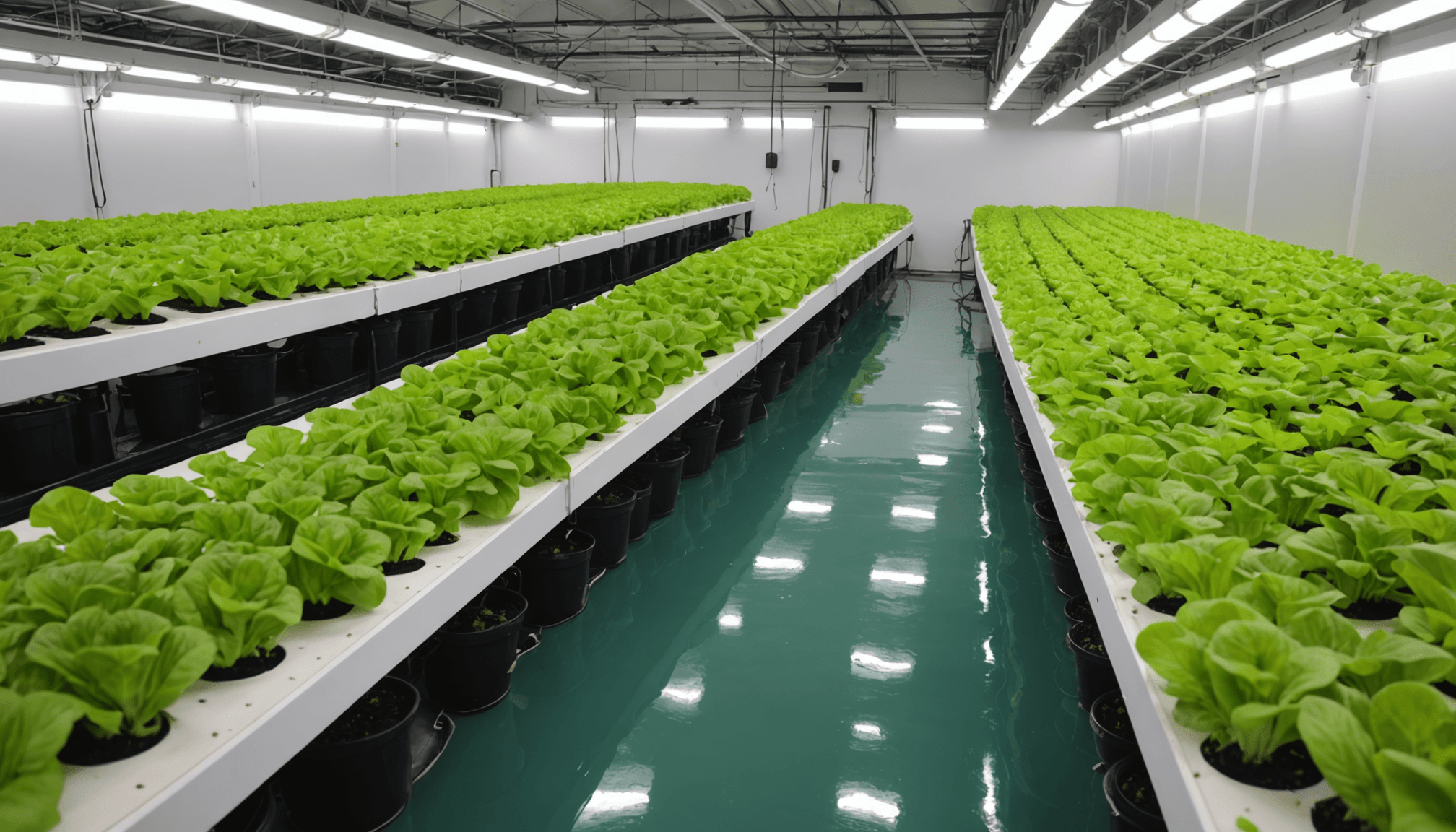
Selecting the right plants for your hydroponic nursery is a crucial step in ensuring a successful gardening venture. Not all plants thrive in hydroponic systems, so it’s essential to choose varieties that are well-suited for soilless growth. Fortunately, you have a wide range of options to pick from, allowing you to get creative and diversify your garden.
Leafy Greens: If you’re new to hydroponics, starting with leafy greens such as lettuce, spinach, and kale is an excellent choice. These plants not only grow quickly but also require less maintenance. Their shallow root systems adapt well to various hydroponic setups. For example, lettuce can be grown effectively in NFT systems or DWC, making them perfect for urban dwellers with limited space.
Herbs: Another easy-to-grow option is herbs. Basil, parsley, cilantro, and mint thrive in hydroponic conditions and can be harvested multiple times. They flourish when grown in nutrient-rich solutions and can elevate your culinary creations. Consider planting a variety of herbs in smaller containers or vertical systems to maximize your gardening space.
Fruiting Vegetables: For those looking to challenge themselves, fruiting vegetables such as tomatoes, peppers, and strawberries can yield gratifying results in a hydroponic nursery. These plants require a bit more attention concerning nutrient management and support, but they produce bountiful harvests. Make sure to supply adequate lighting and consider using trellises to support tomato plants as they grow.
Flowers: Don’t overlook the opportunity to grow flowering plants! Certain types, like petunias and marigolds, can thrive in hydroponic systems, adding brightness and beauty to your indoor space. They also attract beneficial insects if you decide to expand into outdoor hydroponics.
When selecting plants, be aware of some key factors:
- Growth Cycle: Consider the time it takes for your plants to mature. Fast-growing varieties can provide quicker satisfaction.
- Environment: Ensure that the plants selected align with the lighting and temperature conditions of your nursery setup. Some plants need more light, while others may thrive in cooler environments.
- Plant Compatibility: Certain plants grow better alongside each other; companion planting can enhance growth rates and pest resistance. For instance, basil pairs well with tomatoes, as it can deter pests while boosting their flavor.
Lastly, be sure to check local regulations if you are considering growing specific plants, especially if you look into varieties that may require permits or if you are interested in avoiding any invasive species. By thoughtfully selecting the right plants, you’ll ensure that your hydroponic nursery becomes a vibrant and productive green haven.
Nutrient solutions and pH management
Maintaining the right nutrient solutions and pH levels is essential for fostering healthy plant growth in hydroponics. The nutrient solution provides the essential minerals the plants need to thrive, while pH management ensures that these nutrients are available for uptake.
First, it is necessary to understand the components of the nutrient solution. Hydroponic systems typically use a water-soluble fertilizer that contains macronutrients like nitrogen, phosphorus, and potassium, as well as micronutrients such as calcium, magnesium, and iron. While commercial nutrient mixes can simplify this process, you can also create your own blend tailored to the specific requirements of your plants. It’s advisable to follow the manufacturer’s instructions regarding dilution rates, as these concentrations are formulated based on the growth stage of the plants.
Monitoring and managing the pH level of your nutrient solution is crucial for nutrient availability. Most hydroponic plants prefer a slightly acidic environment, with an ideal pH range being between 5.5 and 6.5. If the pH strays too high or too low, certain nutrients become unavailable, leading to deficiencies or toxicities, and ultimately poor plant health.
The use of a good pH tester is highly recommended. Regular checks will help you maintain stability and detect any fluctuations early on. If adjustments are required, you can use pH up or pH down solutions available in garden stores. The key is to change the solution gradually, ensuring that the plants are not exposed to sudden shifts.
The nutrient solution should also be changed regularly—typically every two to three weeks. Over time, nutrients can become depleted, and plants may suffer from imbalanced nourishment. To change the solution, drain the reservoir, rinse it with clean water to remove any residual buildup, and then refill it with a fresh nutrient mix adjusted to the appropriate pH level.
In terms of troubleshooting, watch for signs of nutrient deficiencies, such as yellowing leaves or stunted growth. These symptoms can indicate that the nutrient solution is either lacking in certain minerals or that the pH is preventing nutrient absorption. Regularly inspect your plants, and don’t hesitate to take action if you notice any irregularities.
“Proper nutrient management and pH regulation are fundamental aspects of successful hydroponics.” – Hydroponic Gardening Guide
Lastly, consider the environmental factors surrounding your hydroponic nursery setup. Temperature and light play significant roles in nutrient uptake. Ensure that your plants receive adequate light exposure, as that directly correlates with their ability to utilize the nutrients you provide. Keeping the nutrient solution at a moderate temperature—ideally between 65°F and 75°F—will also facilitate better absorption.
By being diligent in managing both your nutrient solutions and pH levels, you’ll create an optimal environment in your hydroponic nursery for plant growth and productivity. This level of care is crucial for practitioners of innovative gardening, ensuring that every seed sown has the potential to flourish into a thriving crop.
Lighting and environmental controls
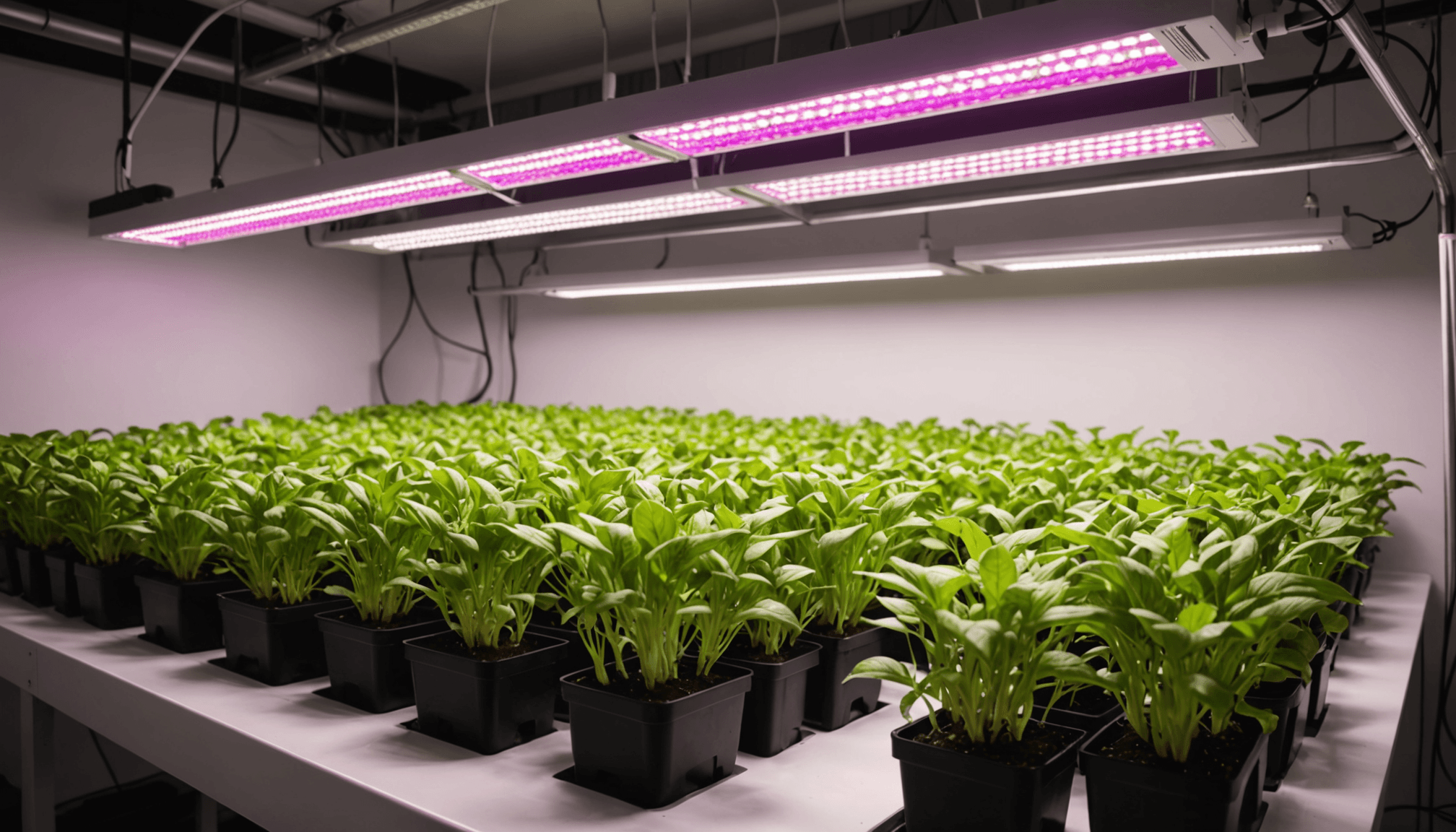
In hydroponics, lighting and environmental controls are pivotal to creating a successful nursery setup. Since plants rely on artificial light for photosynthesis in the absence of natural sunlight, providing the right type and amount of light is essential. LED grow lights are a popular choice among hydroponic enthusiasts due to their energy efficiency and ability to emit specific wavelengths that optimize plant growth. They produce less heat than traditional bulbs, allowing you to position them closer to your plants without risk of overheating, which is crucial in an enclosed environment.
The duration and intensity of light also require careful consideration. Most plants thrive with 12 to 16 hours of light per day, followed by a period of darkness that encourages proper growth cycles. Timers can automate this process, ensuring that your plants receive a consistent light schedule that can ultimately lead to healthier and more productive crops. Experimenting with the light spectrum can further enhance growth; for example, blue light is beneficial for vegetative growth, while red light encourages flowering and fruiting. Understanding these dynamics allows you to tailor your approach based on the specific needs of the plants at various growth stages.
In addition to lighting, maintaining the right temperature and humidity levels is integral to fostering an optimal growing environment. Vegetables and herbs generally prefer a temperature range of 65°F to 75°F, which promotes healthy metabolic activity. A thermometer and hygrometer will help you monitor these conditions effectively. Should temperatures rise too high, consider utilizing fans or air conditioning during hot seasons, while space heaters can help maintain warmth in colder months. Humidity levels around 50-70% are typically ideal; however, moisture can fluctuate based on plant types and growing stages. High humidity may encourage mold and fungal growth, while too little can lead to stress and poor plant development. Employing a dehumidifier or humidifier as needed can help you strike a balance that supports robust plant health.
Beyond temperature and humidity control, proper ventilation contributes significantly to plant health. Fresh air is essential for maintaining gas exchange—a process through which plants absorb carbon dioxide and release oxygen. Fans can help circulate air within your growing space, ensuring that CO2 levels remain adequate and that plants do not experience stagnant air, which can lead to disease. It’s also helpful to create a flow that mimics natural outdoor conditions; opening windows when the weather permits adds yet another layer of freshness to your nursery.
Take note of these components when designing your hydroponic nursery setup, as they can significantly impact your success. The interplay between light, temperature, humidity, and air quality shapes the growth trajectory of your plants and informs your strategies for effective care. Delve deeper into each aspect; understanding your environment will empower you to refine your approach to innovative gardening, enhancing both your knowledge and your plants’ performance.
- What type of grow lights should I use for my hydroponic nursery?
- The best options are LED grow lights, as they are energy-efficient and emit specific wavelengths that plants need for optimal growth. They also produce less heat, allowing you to place them closer to your plants without risk of burning.
- How many hours of light do my plants need each day?
- Most hydroponic plants thrive on 12 to 16 hours of light per day, followed by a period of darkness. This cycle mimics natural sunlight patterns and encourages healthy growth and flowering.
- What is the ideal temperature for my hydroponic nursery?
- Plants generally prefer temperatures between 65°F and 75°F. Maintaining this range helps support their metabolic processes and ensures optimal growth conditions.
- What humidity levels are best for hydroponics?
- Humidity levels between 50% and 70% are typically recommended for hydroponic plants. This range promotes healthy growth while minimizing the risk of mold and fungal diseases.
- How can I improve air circulation in my hydroponic setup?
- Good air circulation can be achieved by using fans to circulate air and ensure that plants receive fresh air. Opening windows for natural ventilation also contributes to air quality and CO2 exchange.
- Can I use natural sunlight instead of grow lights in my hydroponic nursery?
- While natural sunlight can be beneficial, it’s often challenging to manage due to weather and seasonal changes. Supplementing with grow lights ensures that plants receive adequate light regardless of external conditions.
- How can I monitor temperature and humidity in my nursery?
- Using a thermometer and a hygrometer allows you to keep track of temperature and humidity levels effectively. Regular monitoring helps you make adjustments to maintain optimal growing conditions.
Maintenance and troubleshooting tips
Maintaining your hydroponic nursery is crucial for ensuring long-term success, and a proactive approach to troubleshooting will keep your plants happy and thriving. Start by establishing a routine to monitor your system regularly. A reliable checklist can help you stay organized and vigilant.
One of the most critical tasks is inspecting the nutrient solution. Regular visual checks for discoloration, murkiness, or sediment build-up can indicate an issue. If your solution looks cloudy, it may be time to change it. Remember, plants can’t thrive without a well-balanced nutrient mix, and an unclean reservoir can lead to poor plant health. Keep pH levels in check; fluctuations can stunt growth. Utilizing a pH tester, aim to maintain the ideal range of 5.5 to 6.5—consider small daily checks to ensure everything is on track.
Next, pay attention to plant health. Leaves are often the first indicators of trouble. Yellowing might suggest a nitrogen deficiency, while brown edges could signal underwatering or excess nutrient concentration. If you see wilting plants, inspect your system for signs of insufficient moisture or root issues. Ideally, take photos over time to monitor changes, allowing you to catch problems early before they escalate.
Water quality also plays a significant role in your success. Ensure that you are using distilled or purified water, as chlorine and other chemicals in tap water can adversely affect nutrient uptake. If you rely on tap water, consider using a water filter or letting it sit for 24 hours to allow chlorine to dissipate before adding it to your reservoir.
Another crucial component of maintenance is equipment upkeep. Ensure your pumps are functioning correctly and clean any filters regularly. Clogged filters can restrict water flow and lead to dry roots, which is a death knell for any hydroponic plant. Use safe, non-toxic cleaning products to avoid contaminating your nutrient solution, and give your reservoir a good cleaning at least once a month.
Environmental controls should also be routinely checked. Fluctuations in temperature or humidity can pose serious challenges. Invest in quality thermometers and hygrometers, and perhaps even a digital monitoring system that connects to your smartphone for ease of access. Keeping records of temperature and humidity over time can provide insight into patterns you may need to address, like using shade cloths during hot days or incorporating fans for airflow.
If you notice algae growing in your system, it’s a sign that light is reaching your nutrient solution. This can be remedied by covering your reservoir or using opaque containers to block light exposure. However, preventing algae growth is easier than dealing with it once established, so always ensure your containers are light-tight.
Lastly, don’t underestimate the power of community. Joining local or online groups of hydroponic enthusiasts can provide invaluable troubleshooting tips and shared experiences. Other gardeners can offer solutions based on real-world applications that might just be the answer to your current issue. Remember, innovation in gardening often comes from collaboration!
By investing time in maintenance and being proactive in your troubleshooting efforts, you can create a thriving hydroponic nursery that continues to flourish. With careful observation and adjustments, you’ll each day enjoy the fruits of your labor—and who knows, you might even inspire others to start their own hydroponic adventures!