
Creating a small space pantry can be a delightful challenge that sparks creativity and efficiency. Whether you live in a cozy apartment or a small house, optimizing your pantry area is crucial for both functionality and aesthetics. Start by selecting a dedicated corner or closet that can serve as your pantry. Even a small nook can be transformed into a charming food storage area with just a few strategic choices.
First and foremost, consider the essentials. You’ll want to gather your non-perishable items—canned goods, dry grains, pasta, and spices. Before placing them in your newly designated pantry space, take a moment to declutter. Donate items you know you won’t use, and throw away expired products. This will create a clean slate for your organization.
Next, think vertically. Utilize wall-mounted shelves or open shelving units to make the most out of your limited square footage. Lightweight shelves can be easily installed and allow you to store items at various heights, keeping your larger items on the ground and lighter, small containers up high. Using this strategy not only maximizes space but also makes it easy to access frequently used items.
Another approach is to repurpose furniture. An unused cabinet or an old bookshelf can be revitalized to serve as a pantry. Adding baskets or bins to these shelves can help you group similar items together, making it easier to find what you need at a glance.
Don’t overlook the importance of labeling. Clearly marking jars and containers with the contents and expiration dates can save you from confusion during meal prep. You might choose to get creative by using chalkboard labels, which can be easily updated as needed.
Lastly, if space allows, consider including a chalkboard or whiteboard on the door or wall nearby. This can serve as a helpful reminder for what items need restocking and can even double as a space for jotting down meal plans or favorite recipes. By implementing these strategies, even the tiniest space can become a functional and stylish small pantry that meets all your homesteading needs.
Maximizing Vertical Space
To truly maximize vertical space in your pantry, it is essential to think beyond traditional shelving solutions and incorporate innovative designs that can adapt to your specific storage needs. Using the walls to your advantage can significantly increase your storage capacity without compromising floor space. Consider installing a series of wall-mounted modular shelves that can be adjusted in height based on the items you’re storing. This system not only allows for flexibility but also creates a modern, clean look that can enhance the overall aesthetics of your pantry.
Another effective method is to incorporate tiered shelving units. These units work like a staircase, rising from back to front, ensuring that each item is visible and easily accessible. It minimizes the risk of items being forgotten in the back while allowing for a more organized display. Additionally, tiered storage can be especially useful for spices and small jars, where viewing contents at a glance can save time during cooking.
Utilizing the backs of cabinet doors is another excellent way to maximize vertical space. Consider adding hooks or small racks to hold spice jars, measuring cups, or utensils. This not only utilizes what is often otherwise wasted space but also ensures that essential tools are within arm’s reach when you’re busy in the kitchen.
A popular trend for enhancing vertical storage is the use of pegboards. Installing a pegboard on pantry walls can provide a customizable and dynamic solution for organizing kitchen tools, pots, and pans. Pegboards allow you to rearrange items as needed while also creating an organized and visually appealing backdrop. You can hang baskets for small items, hooks for utensils, and even shelves for extra storage boxes, making the pegboard a versatile component of your pantry organization.
Additionally, consider using stacking bins that can be raised to accommodate taller items. These bins come in various heights and widths and can efficiently fit into tight spaces, increasing overall storage capability. Stackable bins are particularly useful for storing bulk items like flour, sugar, or snacks, allowing you to easily access lower bins without needing to remove the ones above them.
| Storage Solution | Benefits | Best For |
|---|---|---|
| Wall-Mounted Shelves | Maximizes wall space, customizable height | General storage of canned goods, jars |
| Tiered Shelving | Improves visibility of items, prevents clutter | Spices, small jars |
| Pegboards | Flexible arrangement, easy access | Kitchen tools, pots, and pans |
| Stacking Bins | Efficient use of vertical space, keeps items organized | Baking ingredients, bulk snacks |
Embracing a vertical mindset in your pantry design allows for a more functional and organized space. By leveraging wall space, using tiered systems, and incorporating various innovative storage solutions, you can transform your small pantry into an effective storage haven that supports your cooking and meal preparation effortlessly.
Choosing the Right Storage Solutions
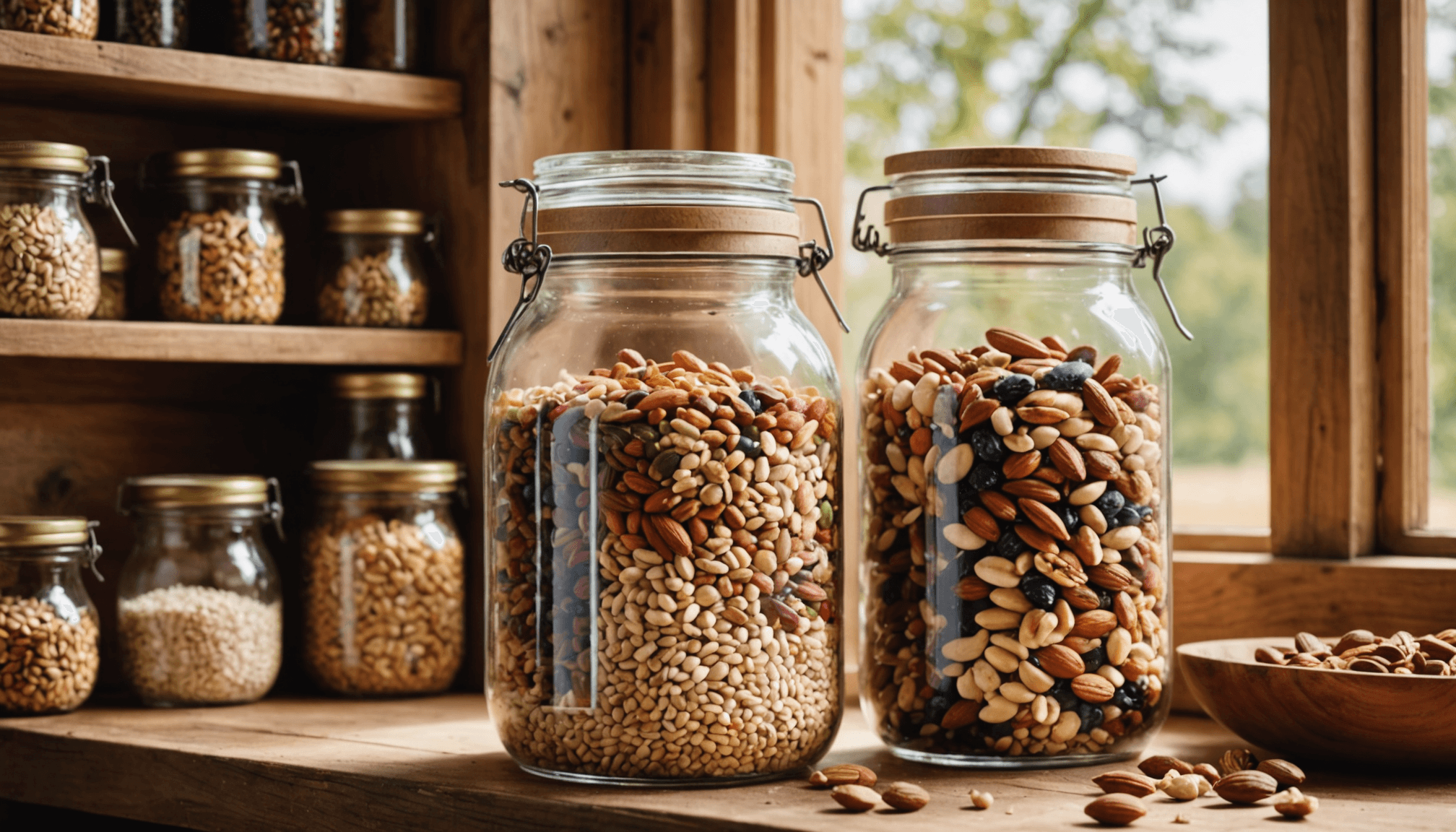
When selecting the right storage solutions for your small pantry, it’s essential to balance functionality with style. Since space is often limited, choosing storage that not only organizes but also complements the overall aesthetic of your kitchen is key. Start by incorporating clear containers for pantry staples. Glass jars or high-quality plastic containers make it easy to see what you have on hand while keeping your ingredients fresh and safe from pests. Look for canisters that come with airtight seals and a range of sizes to accommodate everything from grains to sugars and nuts.
Next, consider utilizing modular storage systems. These systems are designed to grow with your needs. You can start with a few shelves and add additional units as your pantry needs change. Modular bins and baskets allow you to categorize items efficiently. For instance, you might dedicate one bin to pasta and another to snacks. Make sure these containers are stackable to maximize vertical space and ensure easy access. Labeling is crucial here, so be consistent; labeling jars, bins, or containers not only helps you locate ingredients quickly but also minimizes food waste.
For a more aesthetic touch, think about incorporating open shelving where you can display beautiful jars or bowls filled with items like dried beans, pasta, or baking supplies. Adding decorative elements like herbs in small pots or a vintage scale can create a cozy feel, making your pantry a charming focal point in your kitchen. Consider repurposing materials, such as using vintage crates or wooden boxes, which can serve both as storage and décor. Websites like Etsy or local thrift shops are treasure troves for finding unique items that can enhance your pantry’s personality.
Don’t forget about magnetic storage options. These can be particularly useful for spices and small metal tools. Magnetic spice jars can be attached to the side of your refrigerator or a magnetic strip, helping to free up space in your pantry and keeping your spice collection neatly organized and easily accessible. For larger kitchen tools or utensils, consider using a magnetic knife strip, which can easily be mounted on walls and keeps your most-used items within arm’s reach.
As you select your storage solutions, it’s also important to consider their material durability. Make sure containers are made from food-safe materials, especially when choosing plastic. BPA-free options are recommended to ensure safety in food storage. Look for materials that are easy to clean and maintain, as hygienic conditions are crucial in food storage environments. Remember to abide by basic food safety principles: keep raw ingredients separate from cooked ones and store non-perishables in a cool, dry place.
The key is to invest time in researching the right storage fixtures that suit your needs. Online marketplaces like Amazon or specialized kitchen supply stores can offer a wide variety of options tailored for small spaces. Consider your cooking habits and daily usage when planning your pantry layout so that the solutions you implement are truly functional for your everyday life.
Organizing Pantry Items by Category
Organizing your pantry items by category can significantly enhance efficiency and ease of access, turning a chaotic collection of food products into a streamlined system. Start by grouping similar items together to create clear sections within your pantry. This not only simplifies finding what you’re looking for but also makes it easier to take inventory and plan meals.
Begin with the most commonly used items. For example, designate a specific shelf or bin for breakfast foods, such as cereals, oatmeal, and granola. Next, create a section for baking supplies which can include flour, sugar, baking powder, and chocolate chips. Having these items categorized together will ensure that when you decide to whip up a batch of cookies or pancakes, everything you need is conveniently located in one spot.
Don’t forget about snacks and convenience foods. Placing these in a dedicated area makes it easy for family members to grab quick bites, while also preventing clutter from overtaking other pantry sections. You might even consider using designated baskets or bins for different types of snacks, such as nuts, chips, or fruit bars.
Another effective strategy is to organize pantry staples according to their type. Group canned goods by category, such as vegetables, fruits, and soups. Use clear containers or bins to house bags of rice, pasta, and grains together. This practice eliminates the guesswork when you’re deciding how to round out a meal and helps reduce food waste by ensuring these items are easily visible.
When sorting spices, it is beneficial to arrange them alphabetically or by cuisine type. Using tiered spice racks can also improve visibility, allowing you to quickly identify the flavors you need when experimenting with recipes.
“Organization is key to mastery.” – Anonymous
Keeping spice containers labeled clearly will save time and effort, making your cooking experience smoother and more enjoyable.
Consider keeping infrequently used items, such as specialty ingredients or seasonal items, in a less accessible area. By moving these to higher shelves or the back of your pantry, you free up valuable space for regularly used items. This principle can also apply to bulk items bought in larger quantities; store these at the back or top shelves, as they may not need to be accessed as often.
Additionally, if you have any perishable items or items that require special storage conditions, such as oils or vinegars, make sure these are organized separate from dry goods. This helps prevent contamination and preserves their quality. If you incorporate a combination of cabinets and shelving, consider placing such items in a higher cabinet that is out of direct sunlight to extend shelf life.
Incorporating a routine check after organization can help maintain your system. Regularly revisiting the categories you established can allow you to reassess what you might need to replenish, which items are nearing their expiration date, and how to better streamline your system as your cooking habits evolve. By taking these steps to organize your pantry items by category, not only will you create a more functional space, but you’ll also cultivate a sense of satisfaction that comes from knowing exactly where everything is when you need it most.
Smart Use of Containers
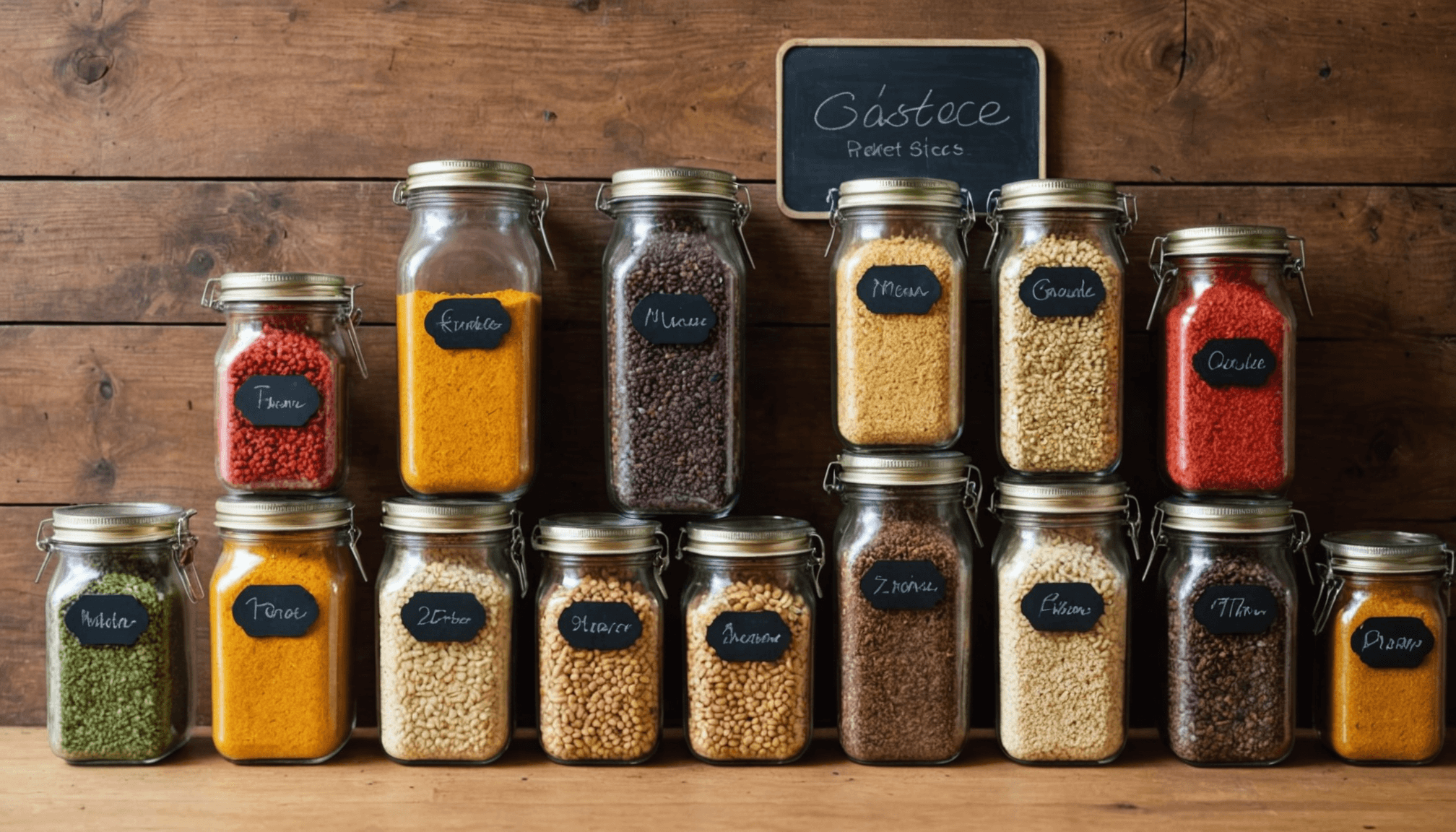
Smart container usage is the backbone of a well-organized pantry. The right containers can optimize space, reduce food wastage, and enhance the accessibility of ingredients. Start by choosing transparent containers which allow you to quickly identify contents without having to open each one. This transparency can be crucial in preventing overstocking of items and ensuring you utilize what you already own.
Opt for stackable containers to make the most of vertical space. Stackable designs allow you to create height without the danger of toppled items. Select containers in various sizes to accommodate different types of ingredients, from large canisters for flour and sugar to smaller ones for spices or baking soda. This flexibility not only provides organizational efficiency but also maintains a cohesive look thanks to uniformity in design.
Consider airtight containers for items like grains, snacks, and cereals. Keeping these items sealed preserves freshness and prevents pests. Invest in labels to categorize containers clearly. Use chalkboard labels for a rustic touch or simple printed labels for a modern look—whatever aligns with your pantry’s aesthetic. Consistent labeling helps you quickly locate ingredients and encourages proper inventory management.
Incorporating drawer organizers within bins can further improve your pantry’s layout. Small drawers can hold packets and single-serve items like tea bags or spice mixes, preventing these small products from getting lost among bulkier items. Use tiered risers in deeper shelves, allowing you to reduce clutter while showcasing important ingredients on display. By implementing these smart container ideas, your pantry can transform from a storage space into a curated, user-friendly environment that inspires culinary creativity.
- What types of containers are best for pantry storage?
- Clear, airtight containers are ideal for pantry storage as they help keep items fresh and allow for easy visibility. Stackable options are also beneficial for maximizing space.
- How do I keep my pantry organized?
- Organize your pantry by grouping similar items together, using labeled containers, and regularly checking for expired products. Implement a system that works for your cooking habits.
- Can I use recycled containers for pantry storage?
- Yes, recycled containers like glass jars and plastic food containers can be used for pantry storage. Just ensure they are clean and suitable for food storage to avoid contamination.
- How do I prevent pests in my pantry?
- Use airtight containers to keep food sealed, and regularly clean your pantry to remove crumbs and spills that might attract pests. Consider using natural repellents to deter insects.
- What’s the best way to label pantry containers?
- Label containers with clear, easy-to-read labels that include the item name and expiration date. You can use chalkboard labels for a rustic look or printed labels for a more uniform appearance.
- How do I organize spices in my pantry?
- Store spices in alphabetical order or by cuisine type. Consider using tiered shelves or spice racks to keep them visible and easily accessible when cooking.
- Is it necessary to have a pantry at home?
- While not mandatory, having a pantry can significantly improve your kitchen’s organization and efficiency, allowing for better meal planning and greater storage of non-perishable items.
Maintaining an Organized Pantry
To maintain an organized pantry, consistency and routine are essential. Begin by establishing a regular schedule for assessing your pantry’s contents—aim for once a month or at the change of each season. This allows you to check for expired items, restock essentials, and ensure that everything is in its designated place. During these checks, take the opportunity to wipe down shelves and containers to maintain cleanliness and hygiene, helping to prevent pests and unpleasant odors.
Creating a habit of returning items to their original locations after use is another vital component of pantry maintenance. Designate specific zones for different food categories—baking supplies, canned goods, and snacks, for example—and train your family members to follow this system. Use vivid labels on shelves or colorful tape to mark zones, making it easier for everyone to understand where things belong. As a fun activity, involve kids in the process by turning it into a game of “putting things back in their homes.”
It’s wise to invest in a rotation system for perishable items such as oils, vinegars, or packaged snacks. Place newly purchased items behind older supplies, mimicking a “first in, first out” approach. This ensures that you always use what is closest to its expiration date, which can significantly reduce waste. You could employ a simple visual cue, such as placing items with the oldest dates at the front so that they catch your eye first.
For those who enjoy DIY projects, consider creating a pantry inventory list. This can be a simple Excel spreadsheet or a mobile app that tracks what you have and what needs restocking. Customize it by category, frequency of use, or even meal planning needs. Apps such as PantryCheck or My Pantry can send you alerts when items are running low, keeping your pantry stocked with essentials without the stress of last-minute runs to the grocery store.
Engage in meal planning by utilizing your pantry inventory. Take a moment each week to brainstorm meals based on what you already have stored. This not only helps use up ingredients but also inspires creativity in cooking while steering you away from redundant purchases. Share your meal ideas with family members to make dinnertime an enjoyable, collective effort.
Utilize seasonal changes as an opportunity to refresh your pantry. At the start of each season, swap out items that may not see any use until next year—think pumpkin spice in the fall or summer-themed marinades and sauces—and donate any food items that are unlikely to be consumed. Keeping your pantry aligned with the time of year creates a more organized, personalized space where ingredients feel fresh and relevant.
Lastly, give your pantry a little personality. Add a splash of personal touch, whether through decorative jars for dry goods or fun artwork on the walls. An inviting area can serve as inspiration and simplify the cooking process. This blend of structure and warmth ensures your pantry transcends mere function, becoming a delightful space that supports your culinary adventures.