
For urban dwellers and families looking to make the most of limited space, the right choice of edible plants can transform a small balcony or windowsill into a lush oasis. When selecting plants, consider those that offer high yields in compact forms. Here are some top choices:
- Herbs: Basil, cilantro, and mint thrive in small containers and can enhance your culinary creations. They grow quickly and can be harvested regularly, providing fresh flavors.
- Leafy greens: Spinach, kale, and lettuce are perfect for small spaces. They have shallow roots and can be sown densely, allowing for multiple harvests throughout the growing season.
- Radishes: Fast-growing and easy to cultivate, radishes can be sown in narrow containers and are ready to harvest in just a few weeks. Their crisp texture adds a refreshing crunch to salads.
- Cherry tomatoes: These petite fruits can flourish in pots and are super productive. Choose determinate varieties that won’t require as much vertical space.
- Peppers: Both sweet and hot peppers can be grown in containers. They require a bit more sunlight but reward you with vibrant flavors and colors as they ripen.
When planting in limited spaces, keep a few key points in mind:
- Container size: Ensure pots have adequate drainage and are large enough to accommodate the root systems of your chosen plants. A general rule is to select containers that are at least 12 inches deep for vegetables.
- Soil quality: Use high-quality potting mix designed for containers; this will help retain moisture and provide essential nutrients. Consider adding organic compost to enhance fertility.
- Sunlight: Most edible plants require at least 6 hours of sunlight per day. Position your containers accordingly, or use reflective surfaces to increase light exposure.
- Watering: Container plants may dry out more quickly than ground gardens. Water regularly and consider adding a drip irrigation system for ease, especially during warmer months.
Diversity is key; rotating through various plants not only maximizes space but also keeps your gardening experience exciting. By cultivating a few diverse but compact plants, urban gardeners can enjoy fresh produce year-round, despite the limitations of their environment.
Best practices for urban farming
Successful urban farming hinges on adopting practices that optimize the limited resources commonly found in city environments. By understanding and implementing these best practices, urban gardeners can maximize their yield and gardening experience. One essential aspect is maximizing space through strategic planning. Urban spaces often require clever layouts to fit within the confines of balconies, rooftops, or small backyards. For instance, grouping plants based on their light, water, and nutrient requirements ensures that each plant thrives without competing for resources. This planning leads to a more productive garden that can sustain diverse crops.
Another critical practice is effective use of companion planting, where certain plants are grown together to benefit one another. For example, planting basil alongside tomatoes can enhance the flavor of the tomatoes while repelling pests. Such strategic pairing not only saves space but also reduces the need for chemical pesticides, promoting a healthier urban environment.
Soil health is another cornerstone of successful urban farming. Given the often-limited amount of soil available in container gardening, it is vital to enrich the growing medium with compost or organic fertilizers, which provide vital nutrients to the plants. Regular soil testing can help identify deficiencies, allowing for timely amendments and avoiding common plant diseases related to nutrient imbalances.
Implementing environmentally sustainable practices is also gaining traction among urban farmers. Utilizing rainwater harvesting systems can alleviate pressure on local water supplies while providing plants with chemically-free water. Additionally, composting kitchen scraps and yard waste not only reduces landfill contribution but also creates rich soil amendments for the garden.
Furthermore, technology is enhancing urban farming through the use of mobile apps and smart gardening systems. These tools help track plant health, monitor environmental conditions, and remind gardeners when to water or fertilize, thus maximizing yield through data-driven decision-making.
| Practice | Benefits |
|---|---|
| Space Optimization | Increased plant yield while maintaining an orderly garden layout. |
| Companion Planting | Improved pest resistance and enhanced flavors through natural symbiosis. |
| Soil Health Management | Stronger, healthier plants that are more resilient to diseases. |
| Environmental Sustainability | Resource conservation and reduced carbon footprint through composting and rainwater harvesting. |
| Smart Technology Use | Data-driven insights lead to efficient gardening practices and higher yields. |
Incorporating these practices creates not only a fruitful garden but also fosters a sense of community among urban farmers. Participation in local gardening initiatives or cooperatives can provide an exchange of knowledge, resources, and produce, uniting city dwellers in their shared goal of urban agriculture. Through collaboration and innovation, urban farming can flourish, even within the constraints of small spaces.
Selecting the right containers for gardening
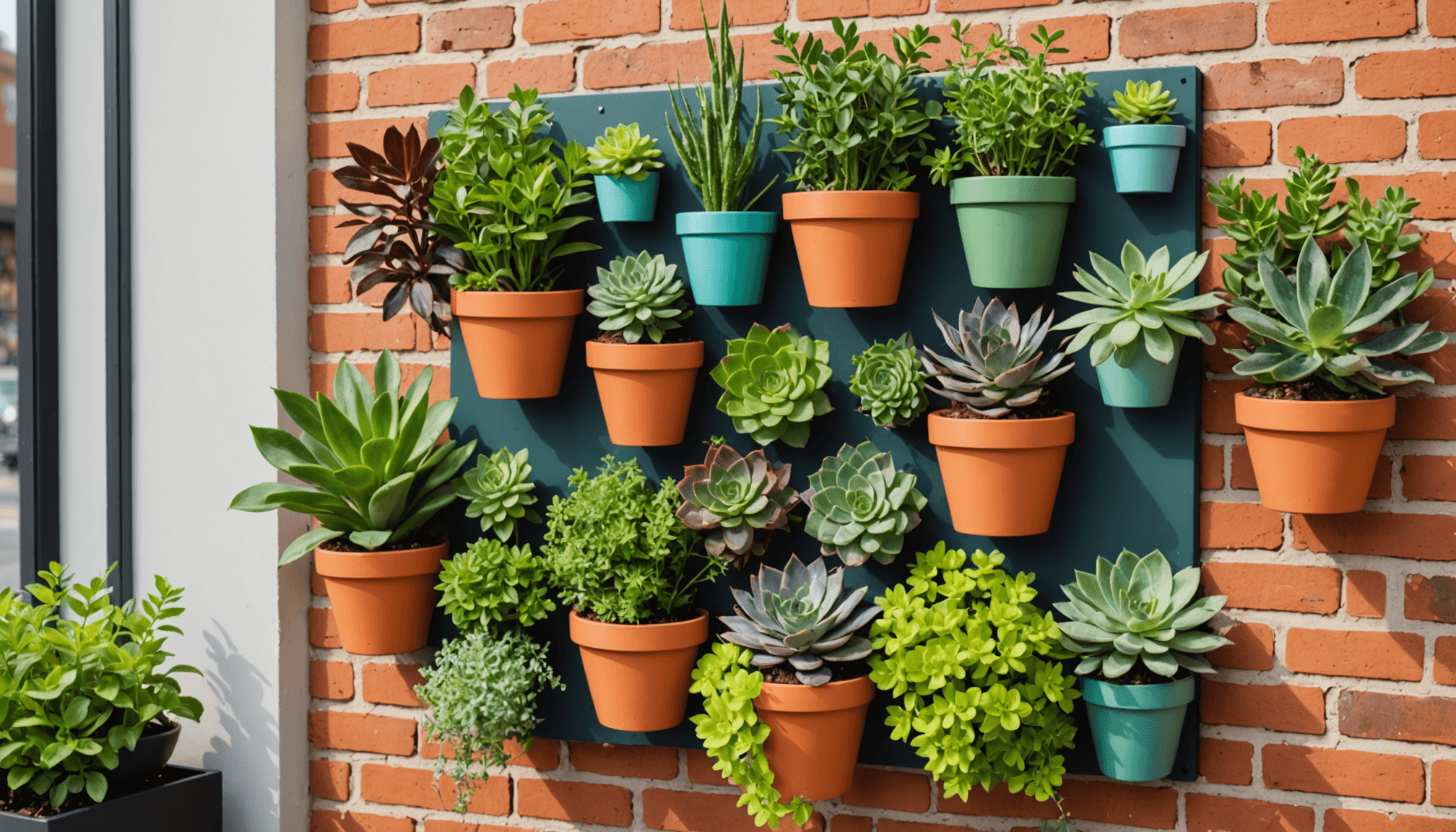
When it comes to selecting the right containers for your urban garden, the options are as diverse as the plants you might grow. Understanding the types of containers available and their specific functions will help you create a thriving space even in the smallest areas.
- Pots: Traditional pots are versatile and come in various sizes and materials, including clay, plastic, and ceramic. Each material has its benefits; for example, clay pots are breathable, helping to regulate soil moisture, while plastic pots are lightweight and often less expensive.
- Raised beds: If you have a bit more space, raised garden beds can be great for growing vegetables, but they can also be adapted to smaller areas. They not only improve drainage but also make it easier to control soil quality and reduce weed growth.
- Hanging baskets: Perfect for trailing plants or herbs, hanging baskets can utilize vertical space. They can be hung on balconies or hooks, allowing you to create a green wall that adds privacy and beauty.
- Wall planters: These creative containers can be mounted to fences or walls. Designed to maximize small areas, wall planters are perfect for succulents, herbs, and small flowering plants.
- Self-watering containers: Ideal for busy urban dwellers, these containers keep soil consistently moist through a reservoir system. This not only saves time but also helps prevent overwatering, which can be detrimental to plant health.
When selecting containers, always consider the following:
- Drainage: Make sure your containers have adequate drainage holes. Standing water can lead to root rot, so good drainage is essential.
- Size: Choose containers that will allow adequate root growth. Generally, the bigger the container, the more room for healthy root development, which translates to more robust plants.
- Material: Consider the climate where you live. Dark materials, for example, can absorb heat, which may be beneficial in cooler areas but could lead to overheating in a hot climate. Light-colored or insulated pots might be better under intense sun.
- Weight: Think about how easy it will be to move the container, especially if you need to reposition plants to follow the sun or to protect them from adverse weather.
Don’t forget to personalize your container garden! Decorate pots with paints or mosaics to express your style. You can also reuse items as containers; think old buckets, wheelbarrows, or even wooden crates—creativity has no bounds!
It is important to regularly check the condition of your containers. Look for signs of wear and tear, and make sure to keep them clean to avoid pests. Also, consider rotating your crops within the containers each season to maintain soil health and reduce the risk of disease.
By carefully selecting the right containers for your urban gardening endeavors, you can create an inviting garden space that not only looks great but also thrives, providing you and your family with a continuous supply of fresh edibles right at home.
Vertical gardening techniques and benefits
Vertical gardening techniques offer innovative solutions for maximizing space in urban environments, where ground space is often limited. These methods allow gardeners to grow a variety of edible plants by utilizing vertical surfaces to create greenery that is both functional and aesthetically pleasing.
One fundamental approach to vertical gardening is the use of trellises and supports. These structures can be made from wood, metal, or plastic and are designed to hold climbing plants such as peas, beans, and cucumbers. By guiding these plants upwards, gardeners increase air circulation and sun exposure for each plant, promoting healthier growth and higher yields. Trellising also saves ground space and can add visual interest to your garden with beautiful green canopies.
Wall planters and pocket gardens are another excellent option for vertical gardening. These are typically pre-made systems that consist of pockets or slots where soil can be placed, allowing plants to grow directly from a wall or fence. Ideal for herbs, succulents, or smaller vegetables, wall planters can transform an ordinary vertical space into a vibrant food source. These installations not only save space but can also serve as decorative elements in your urban environment.
Incorporating shelves or pallet gardens can enhance your vertical gardening experience. By stacking planters on shelves or repurposing wooden pallets, you create multiple layers of growing space. This method is particularly effective for growing smaller plants like strawberries, dwarf varieties of tomatoes, and leafy greens. Each shelf can be tailored to the specific lighting and watering needs of different plants, allowing for a diverse urban garden in a confined space.
“Vertical gardening is an innovative way to grow plants in limited spaces, blending function with aesthetic appeal.”
Hydroponics and aquaponics are modern techniques also gaining traction in vertical gardening. These systems allow plants to be grown without soil, relying instead on nutrient-rich water. Hydroponic towers can be set up in small areas, allowing for rapid growth of a variety of plants, including lettuce and herbs, with minimal space. Likewise, aquaponics integrates fish farming, where waste from fish provides nutrients for plants, creating a self-sustaining ecosystem. This approach not only maximizes space but also reduces the need for chemical fertilizers, appealing to environmentally conscious urban gardeners.
The benefits of vertical gardening extend beyond just maximizing space. Growing upwards can help to minimize pest problems, as many pests are less likely to thrive on vertical surfaces. Additionally, vertical gardens often require less physical effort to maintain; plants are easier to reach for harvesting, watering, and pruning. This accessibility can make gardening more enjoyable and less physically taxing on urban gardeners.
Furthermore, vertical gardens can enhance urban biodiversity by providing habitats for beneficial insects and birds. They also improve air quality and reduce the urban heat island effect by adding greenery to hard surfaces. Vertical gardening can transform stark, concrete environments into lush, productive green spaces.
Ultimately, employing vertical gardening techniques allows urban gardeners to embrace creativity and innovation. By thinking outside the box and utilizing vertical space, it’s possible to cultivate a flourishing garden, enjoy homegrown edibles, and contribute positively to the urban landscape.
Seasonal planting guide for small spaces
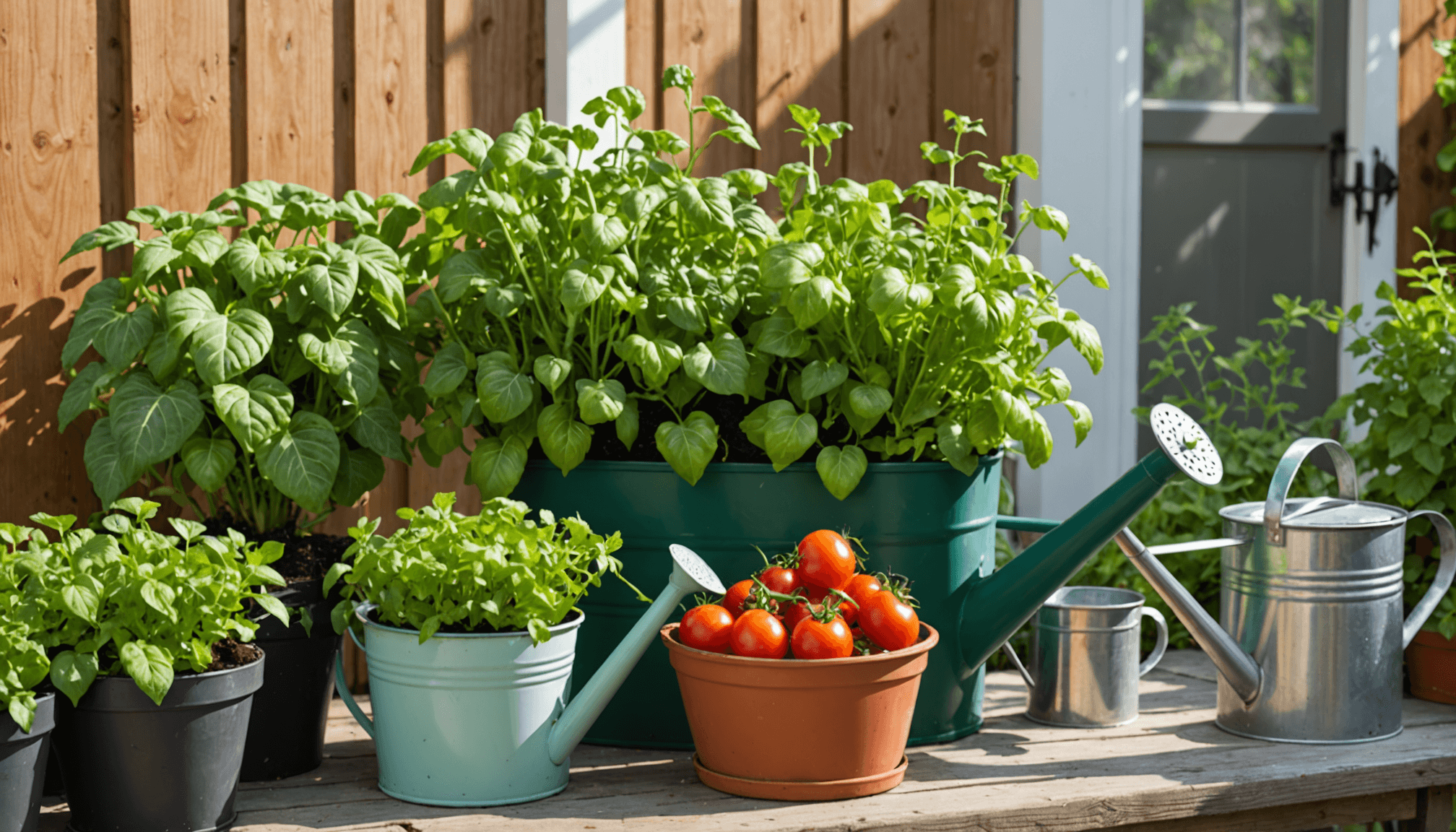
Understanding the timing of planting is crucial for maximizing the potential of your small urban garden. Different plants have specific growing seasons, and by aligning your planting schedule with these seasonal patterns, you can enhance your yield and enjoy a continuous harvest. In small spaces, planning your planting around these seasons can help you efficiently utilize your limited area.
Spring is often heralded as the prime season for planting. It’s the ideal time to sow cool-season crops like peas, radishes, and leafy greens, which thrive in the cooler temperatures of early spring. Start these seeds indoors or directly in containers after the last frost has passed. As the temperature gradually rises, you can transition to planting warm-season vegetables such as tomatoes, peppers, and beans. Make sure to adjust your planting schedule based on your local climate and frost dates, which can significantly affect the success of your urban garden.
In the summer, the focus shifts to maintaining and nurturing the plants that have already been established. Regular watering, especially in pots that dry out quickly, is essential during the hot months. Companion planting can also be employed during this season. For instance, planting basil alongside tomatoes not only helps deter pests but also enhances the flavor of the tomatoes. This season may also allow for a second planting of fast-growing crops like radishes or greens, enabling staggered harvests.
As summer turns to autumn, it’s time to prepare for the cooler months. Early autumn is a great time to plant your fall crops, such as spinach and kale, which can withstand frost and continue to grow in milder conditions. Many of these crops even taste sweeter after exposure to frost. Additionally, if space permits, consider starting a late-season crop of garlic, which can be planted in the fall and harvested the following summer. Proper soil preparation and mulching can protect your plants during the colder months, ensuring they come back strong in the spring.
Winter in urban gardening often brings challenges, but it can also be a time for planning and preparation. Consider utilizing space indoors or setting up a small greenhouse or cold frame to protect hardy plants. Growing microgreens indoors is another great winter option, providing fresh greens during months when outdoor options are scarce. Planning your garden layout for the coming spring or experimenting with new varieties can keep your gardening spirit alive despite the colder weather.
- What plants are best to grow in small spaces?
- Herbs, leafy greens, radishes, cherry tomatoes, and peppers are excellent choices for small spaces. They have compact growth habits and can thrive in containers.
- How can I maximize sunlight for my urban garden?
- Position your containers in areas that receive at least six hours of sunlight per day. Utilizing reflective surfaces and vertical gardening can also increase light exposure for your plants.
- Can I grow vegetables indoors?
- Yes, many vegetables can be successfully grown indoors, particularly if you have adequate light, such as through south-facing windows or using grow lights. Consider starting with herbs and small leafy greens.
- How often should I water my container plants?
- Container plants typically require more frequent watering as they can dry out quickly. Monitor the soil moisture regularly and water whenever the top inch feels dry.
- What should I do to prepare my garden for winter?
- Before winter, clean up debris and spent plants to prevent pests and diseases. Consider mulching, covering perennial plants, and storing pots indoors if necessary.
- Is it necessary to use fertilizers in container gardening?
- While not always necessary, fertilizers can help provide essential nutrients for container plants. Use organic compost or a balanced fertilizer to feed your plants during the growing season.
- Can I use recycled materials for my garden containers?
- Absolutely! Many items can be repurposed, such as old buckets, crates, and even tin cans. Just ensure that they have adequate drainage holes and are suitable for growing food.
Tips for maintaining your urban garden
Maintaining an urban garden requires a blend of consistent care, observation, and adaptation to the unique challenges of limited space. To keep your plants thriving, start with a robust watering routine that caters to the needs of container plants. Containers can dry out quickly, especially during hot summer months; therefore, check the soil moisture daily and aim to water when the top inch feels dry. It can also be beneficial to implement a drip irrigation system that ensures even watering while minimizing waste, making it perfect for busy urban lifestyles.
As you cultivate your garden, don’t forget the importance of nutrient management. Regularly feed your plants with organic fertilizers or compost to replenish nutrients that get depleted in container gardening. Incorporating compost not only boosts nutrient availability but also improves soil structure and water retention. A good rule of thumb is to fertilize every four to six weeks during the growing season. Always read the instructions and gauge the specific needs of your plants, as too much fertilizer may do more harm than good.
Observing your plants closely can help you catch potential issues early. Look out for signs of pests or diseases, such as discolored leaves or stunted growth. Natural remedies like neem oil or insecticidal soap can effectively manage pests without resorting to harsh chemicals that may harm beneficial insects. Further, introducing companion plants can act as a natural pest deterrent while fostering a more diverse ecosystem in your garden.
Environmental conditions can fluctuate in urban settings, so be prepared to adjust your practices accordingly. During extremely hot spells, consider providing shade for your plants to prevent wilting; conversely, during prolonged rainy conditions, ensure your containers have excellent drainage to avoid root rot. You might also explore ways to protect your plants from wind and heavy rainfall by using barriers or relocating them to more sheltered spots.
Regular pruning and harvesting are essential techniques for maintaining your urban garden. Prune your plants to remove dead or yellowing leaves, which not only keeps your garden looking tidy but also promotes better air circulation. Additionally, harvesting regularly encourages growth and can lead to prolonged production, particularly with herbs and leafy greens. The act of harvesting reinforces plant vitality, stimulating further growth and yielding more edibles to enjoy.
Don’t overlook the importance of community. Engaging with local gardening networks can provide valuable resources, support, and inspiration. Consider sharing experiences or exchanging plants and seeds with neighbors. Participating in community gardening events or workshops can offer practical tips and foster camaraderie, turning individual gardening efforts into a collaborative endeavor. Innovative urban gardening initiatives may even offer shared resources, tools, and spaces that can enhance your home gardening experience.
Lastly, don’t forget to enjoy the process! Gardening in small spaces can be a joyous pursuit that connects you with nature and provides bountiful rewards. Document your gardening journey with photos or a journal to track growth, successes, and lessons learned. You’ll be amazed at how much satisfaction comes from nurturing your urban garden and reaping the rewards of your own edible plants.